×

Cambodia🇰🇭 | best national parksBest 12 national parks in Cambodia

In Cambodia, national parks are more than just scenic backdrops; they are vibrant ecosystems teeming with life and adventure. Each park offers a unique blend of landscapes, from dense jungles to rugged mountains, influencing your experience as a backpacker. Seasonal changes can dramatically affect accessibility and wildlife sightings, with the dry season often revealing hidden trails and the wet season transforming parks into lush havens.

Choosing the right park shapes your journey—whether you seek thrilling treks or tranquil wildlife encounters. Budget considerations vary widely, as some parks offer affordable entry and local guides, while others may require more investment for safety and comfort. The vibe shifts too; some parks are bustling with tourists, while others invite deeper cultural immersion. Understanding these nuances is key to crafting an unforgettable adventure in Cambodia’s wild heart.

By Johan Kruseman 🇳🇱 | Updated May 31, 2026
Explore the best hikes in Cambodia

Why go?Why These national park Stand Out

Cambodia’s national parks stand out for their biodiversity and unique landscapes, offering a stark contrast to the more commercialized experiences often found in neighboring countries. The rugged mountains, dense jungles, and winding rivers create a rich tapestry of ecosystems that are home to rare species like the Indochinese tiger and the Asian elephant. This diversity is not just a backdrop; it’s a living, breathing part of the adventure.

However, accessibility can be a double-edged sword. Many parks are remote, requiring significant travel time to reach. This can mean long, bumpy rides on unpaved roads, but the payoff is a deeper connection to the land and its wildlife. The trade-off here is clear: the more effort you invest in getting there, the more you’ll experience the raw beauty … read more 👉
Cambodia’s national parks stand out for their biodiversity and unique landscapes, offering a stark contrast to the more commercialized experiences often found in neighboring countries. The rugged mountains, dense jungles, and winding rivers create a rich tapestry of ecosystems that are home to rare species like the Indochinese tiger and the Asian elephant. This diversity is not just a backdrop; it’s a living, breathing part of the adventure.

However, accessibility can be a double-edged sword. Many parks are remote, requiring significant travel time to reach. This can mean long, bumpy rides on unpaved roads, but the payoff is a deeper connection to the land and its wildlife. The trade-off here is clear: the more effort you invest in getting there, the more you’ll experience the raw beauty and authenticity of Cambodia’s wilderness.

Culturally, these parks are intertwined with the nation’s history, often reflecting the resilience of local communities. The climatic conditions can be challenging, with the rainy season making some areas less accessible, but this also means fewer crowds and a more intimate experience with nature. Understanding these constraints is crucial for travelers seeking to immerse themselves fully in Cambodia’s national parks. The journey may be demanding, but the rewards are profound.
Behind the Scenes of Selection
The list of best national parks in Cambodia is created based on landscapes, wildlife, adventure opportunities, facilities, and overall experience. If you feel a national park is missing in this list, please let us know.

When to go?Seasonal Guide to Visiting

Seasonality shapes the experience in Cambodia’s national parks. The dry season, typically from November to April, offers the best conditions for exploration. Expect clear skies and lower humidity, making wildlife spotting easier. Trails are generally accessible, allowing for deeper immersion in the lush landscapes.

Rainy season, from May to October, brings heavy downpours and high humidity. While this period transforms the parks into a vibrant green paradise, it also complicates trail conditions. Some paths may become muddy or impassable, and wildlife can be harder to spot as animals seek shelter. However, the rain also means fewer tourists, leading to a more intimate experience with nature.

Shoulder seasons—the transitions between dry and wet—can be a mixed bag. Late October and early November … read more 👉
Seasonality shapes the experience in Cambodia’s national parks. The dry season, typically from November to April, offers the best conditions for exploration. Expect clear skies and lower humidity, making wildlife spotting easier. Trails are generally accessible, allowing for deeper immersion in the lush landscapes.

Rainy season, from May to October, brings heavy downpours and high humidity. While this period transforms the parks into a vibrant green paradise, it also complicates trail conditions. Some paths may become muddy or impassable, and wildlife can be harder to spot as animals seek shelter. However, the rain also means fewer tourists, leading to a more intimate experience with nature.

Shoulder seasons—the transitions between dry and wet—can be a mixed bag. Late October and early November see the parks coming alive again, with wildlife emerging and fewer crowds. Conversely, late April can be hot, pushing some visitors away.

Peak periods coincide with major holidays and festivals, drawing larger crowds. This can lead to busy trails and higher costs for accommodations. Weigh the trade-offs: vibrant scenery and wildlife visibility against the hustle of fellow travelers. Understanding these seasonal dynamics is key to planning an effective trip.

national park hoppingPlanning Your Route Efficiently

Combining national parks in Cambodia requires a strategic approach. Start by clustering parks regionally. The southwest offers a mix of coastal and jungle experiences, while the north showcases mountainous terrain and ancient ruins. Begin in the south with parks like Ream and Koh Kong, then head north to Bokor and finally to the Cardamom Mountains. This route minimizes travel time and maximizes exploration.

Time management is crucial. Allocate at least two days for each park to soak in the environment. Rushing through can lead to missed opportunities, like spotting wildlife or enjoying a sunset. Each park has unique trails and facilities, so understanding their offerings can enhance the experience.

Common pitfalls include over-scheduling. Many travelers underestimate travel times between … read more 👉
Combining national parks in Cambodia requires a strategic approach. Start by clustering parks regionally. The southwest offers a mix of coastal and jungle experiences, while the north showcases mountainous terrain and ancient ruins. Begin in the south with parks like Ream and Koh Kong, then head north to Bokor and finally to the Cardamom Mountains. This route minimizes travel time and maximizes exploration.

Time management is crucial. Allocate at least two days for each park to soak in the environment. Rushing through can lead to missed opportunities, like spotting wildlife or enjoying a sunset. Each park has unique trails and facilities, so understanding their offerings can enhance the experience.

Common pitfalls include over-scheduling. Many travelers underestimate travel times between parks, which can be longer than expected due to road conditions. Flexibility is key; allow for spontaneous detours or extended stays if a park captivates.

Consider trade-offs carefully. Spending longer in one park can deepen the experience, while covering multiple parks offers variety. Budget constraints may also dictate comfort levels; some parks have basic facilities, while others provide more amenities. Balancing effort with reward is essential for a fulfilling adventure.

The ListHighly Recommended national parks of Cambodia

1 Cardamom Mountains

mountain ridges, rainforest, river valleys

Trek through rugged terrain and thick canopy, encountering waterfalls, elusive species, and isolated communities deep in the interior.

cambodia-national-park-cardamom-mountains
© Google |

2 Preah Monivong Bokor National Park

misty plateau, colonial ruins, cloud forest

Drive winding roads to a cool summit, exploring abandoned buildings and shifting weather above the Gulf of Thailand.

cambodia-national-park-preah-monivong-bokor-national-park
© Google |

3 Virachey National Park

remote wilderness, highland rivers, ethnic villages

Join guided treks into little-developed terrain, crossing rivers and meeting indigenous communities in Cambodia’s far northeast.

cambodia-national-park-virachey-national-park
© Google |

4 Kirirom National Park

pine forest, cool plateau, hidden waterfalls

Walk among tall pines and picnic by streams, with cooler air and quiet trails offering a contrast to Cambodia’s lowland heat.

cambodia-national-park-kirirom-national-park
© Google |

5 Ream National Park

coastal estuary, sandy islands, mangrove channels

Travel by boat between river mouths and offshore islets, watching for dolphins and exploring quiet beaches fringed by forest.

cambodia-national-park-ream-national-park
© Google |

6 Phnom Kulen

sacred plateau, ancient ruins, waterfall pools

Climb to a spiritual highland dotted with temples, riverbed carvings, and natural swimming spots popular with local families.

7 Botum Sakor National Park

coastal forest, elephant habitat, remote wetlands

Navigate dense lowland jungle and tidal flats, where rare wildlife and shifting landscapes define the experience for persistent explorers.

cambodia-national-park-botum-sakor-national-park
© Google |

8 Phnom Samkos Wildlife Sanctuary

upland rainforest, rare mammals, isolated valleys

Venture into thick forest and remote catchments, where challenging access preserves habitats for endangered species and unique plants.

cambodia-national-park-phnom-samkos-wildlife-sanctuary
© Google |

9 Peam Krasop Wildlife Sanctuary

mangrove maze, stilt villages, mudflats

Wander raised walkways and boat through tangled roots, spotting wading birds and glimpsing daily routines in floating communities.

cambodia-national-park-peam-krasop-wildlife-sanctuary
© Google |

10 Kep National Park

coastal hills, panoramic viewpoints, butterfly trails

Follow marked paths through shaded forest, reaching lookouts over the sea and passing through pockets of diverse flora and fauna.

cambodia-national-park-kep-national-park
© Google |

11 Chrouy Svay Community Mangrove Conservation

mangrove forest, tidal creeks, local conservation

Paddle narrow waterways and observe daily life intertwined with mangrove restoration, birdlife, and sustainable fishing practices.

12 Namlear Mountain

granite summit, forest slopes, remote ascent

Ascend steep trails to a rocky peak, gaining wide views and solitude in a little-visited area favored by experienced hikers.

Loading the map 🌍

Expert viewInsights from Locals and Experts

Terrain
Cambodia’s national parks are a patchwork of diverse ecosystems, from dense jungles to rugged mountains. Each park offers a unique terrain that shapes your experience. Take the Cardamom Mountains, where steep trails challenge your stamina but reward you with breathtaking views and the chance to spot elusive wildlife. Alternatively, the flat wetlands of Preah Vihear provide a different kind of beauty, where birdwatching becomes a serene pursuit. The trade-off? The more rugged parks demand more time and energy, while the easier trails can feel less immersive. Choose wisely based on your fitness level and what you seek—adventure or tranquility.

Park Infrastructure
Infrastructure varies significantly across parks. Some, like Bokor National Park, have well-marked trails and basic amenities, … read more 👉
Terrain
Cambodia’s national parks are a patchwork of diverse ecosystems, from dense jungles to rugged mountains. Each park offers a unique terrain that shapes your experience. Take the Cardamom Mountains, where steep trails challenge your stamina but reward you with breathtaking views and the chance to spot elusive wildlife. Alternatively, the flat wetlands of Preah Vihear provide a different kind of beauty, where birdwatching becomes a serene pursuit. The trade-off? The more rugged parks demand more time and energy, while the easier trails can feel less immersive. Choose wisely based on your fitness level and what you seek—adventure or tranquility.

Park Infrastructure
Infrastructure varies significantly across parks. Some, like Bokor National Park, have well-marked trails and basic amenities, making them accessible for families and casual hikers. Others, like Virachey National Park, are less developed, requiring a bit of grit and preparation. Expect to navigate uneven paths and sometimes rely on local guides who know the terrain intimately. This can enhance your experience, but it also means you need to plan for potential delays and logistical challenges. If you’re short on time, prioritize parks with better infrastructure to maximize your exploration without the stress.

Wildlife Activity
Wildlife encounters can be hit or miss, depending on the time of year and your patience. The dry season usually brings animals out of hiding, making it easier to spot them. However, the wet season transforms the landscape, creating lush habitats that attract different species. If you’re keen on wildlife, consider spending more time in parks known for biodiversity, like Kirirom, where you might catch a glimpse of gibbons swinging through the trees. The trade-off here is time: the longer you stay, the better your chances of seeing wildlife, but you may miss out on exploring other parks.

Time and Budget
Visiting multiple parks is tempting, but it can stretch your time and budget thin. Aim for two to three parks to strike a balance between depth and breadth. Each park deserves at least two days to truly appreciate its offerings, factoring in travel time between them. Budget-wise, expect to spend on park fees, guides, and accommodations, which can vary widely. If you’re on a tighter budget, consider camping in parks with facilities, but be prepared for a more rugged experience. The trade-off is clear: more parks mean less time to savor each one, while fewer parks allow for deeper connections.

Planning and Prioritizing
When planning your itinerary, consider the regional variations and cultural contexts. Some parks are more accessible from major travel routes, while others require a commitment to reach. Local culture can enrich your experience; engaging with communities near the parks can provide insights that guidebooks miss. Safety is paramount—be aware of wildlife risks and local customs, especially in remote areas. Always check in with park authorities for the latest conditions and safety advisories. The trade-off here is between convenience and authenticity; the more you venture off the beaten path, the richer your experience, but also the more you need to prepare.

Safety and Cultural Considerations
Safety is a priority in Cambodia’s national parks. While most parks are generally safe, be cautious of wildlife and always follow local guidelines. Cultural sensitivity is crucial; respect local customs and engage with communities in a way that honors their traditions. This not only enriches your journey but also fosters goodwill. The trade-off? Balancing your adventurous spirit with respect for local ways can lead to more meaningful interactions and a deeper understanding of the land you’re exploring.

✈️ The backpacker research shortcutCambodia Travel Guide

An offline-friendly backpacking guide with optimized travel routes, ranked highlights, transport advice, and the best areas to stay.
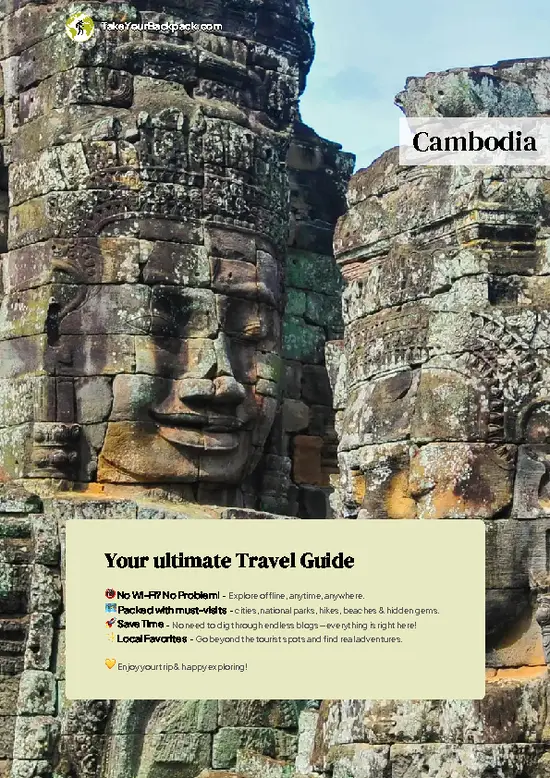
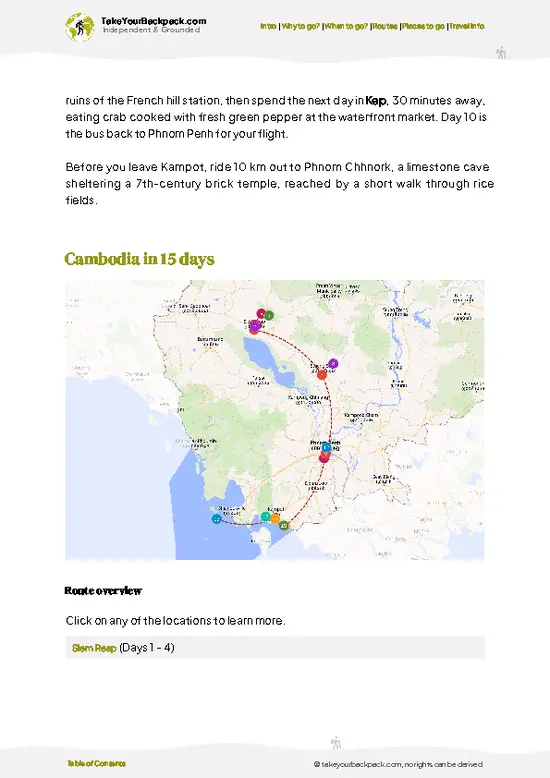
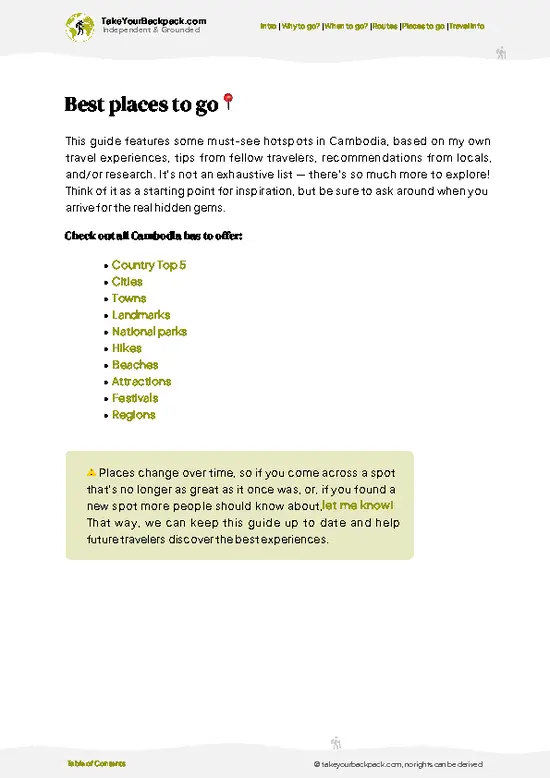
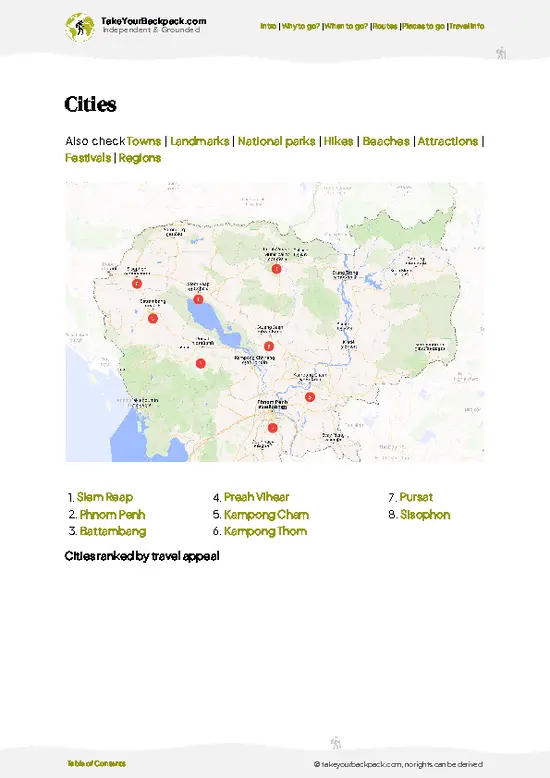
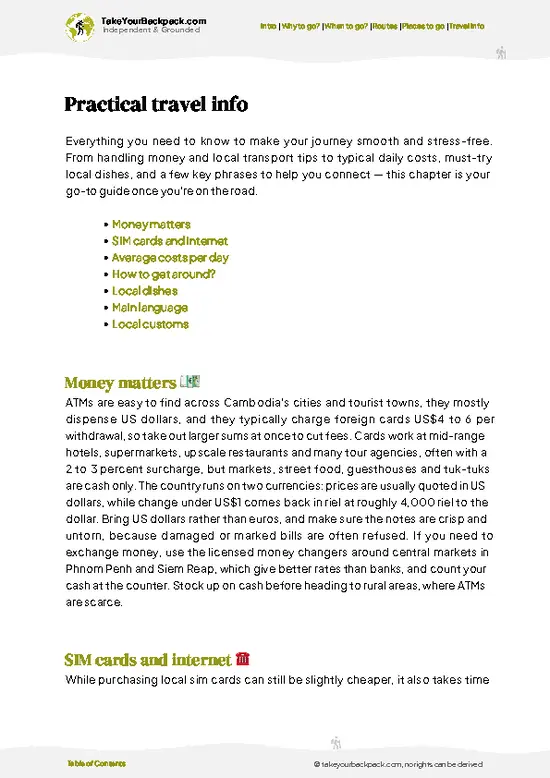
example page 0 from our offline Travel Guide for Cambodia
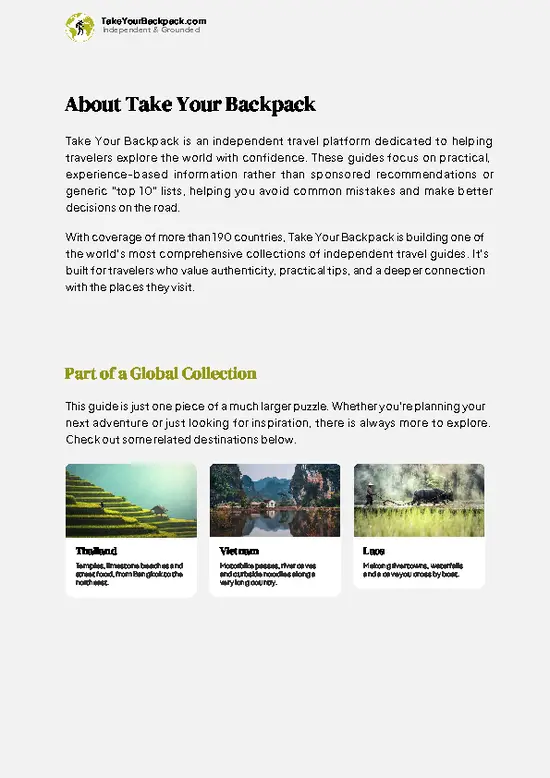
example page 1 from our offline Travel Guide for Cambodia
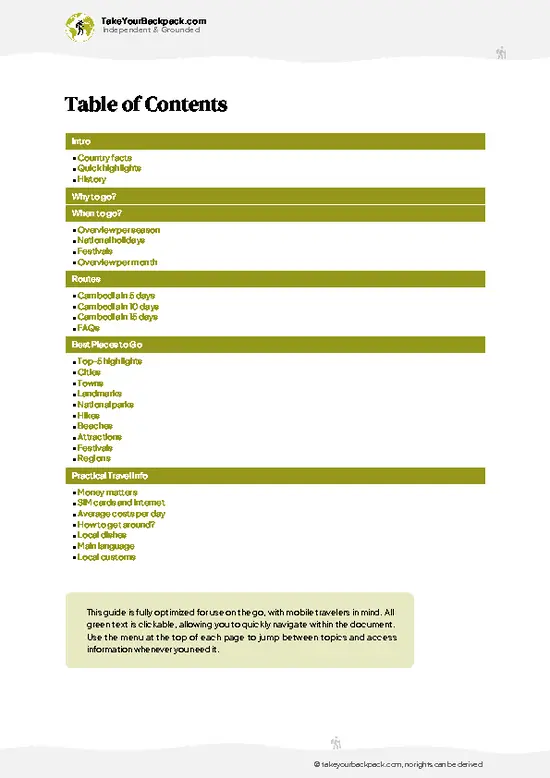
example page 2 from our offline Travel Guide for Cambodia
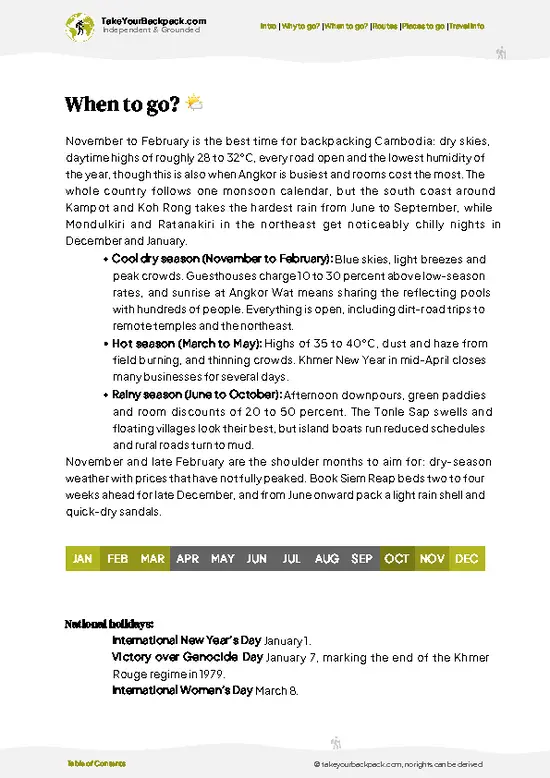
example page 3 from our offline Travel Guide for Cambodia
example page 4 from our offline Travel Guide for Cambodia
example page 5 from our offline Travel Guide for Cambodia
example page 6 from our offline Travel Guide for Cambodia
example page 7 from our offline Travel Guide for Cambodia
The digital guide (345 pages) contains:
90 highlights, ranked by travel appeal
Optimized 5, 10 & 15-day travel routes
Cities, national parks, landmarks, beaches
How to get around
Offline-friendly for travel without Wi-Fi
👉 Click to see all 30+ guide features

📅 Plan smarter in minutes, not weeks
Month by month travel advice
Festivals & national holidays
Budget expectations

🗺️ Go to the right places, skip the overrated ones
Honest pros & cons of destinations
Top hikes, parks & viewpoints
Lesser-known places most travelers miss
Clear “worth it vs skip it” guidance

🛏️ Travel smoothly without rookie mistakes
Best areas to stay
Transport systems explained simply
Common scams & safety advice
SIM cards, money & practical tips

🌍 Understand the country, not just visit it
Culture & traditions
52 Essential phrases & customs
Festivals worth planning around
Traveler-friendly historical context
Insights that make places more meaningful

📱 Built for real travel conditions
Fully downloadable PDF
Works completely offline
Optimized for phone use
Useful in remote areas & buses
Everything in one place
Save weeks of stressful planning
Get instant access to your full guide. 30‑day money-back guarantee.


By proceeding you agree to our terms.
Sent to your inbox immediately after payment • 100% Secure Checkout
Best Backpacking Travel Advisor 2025 tourism awardBest Backpacking
Travel Advisor
2025
What others say about Take Your Backpack Guides:
⭐⭐⭐⭐⭐
Fantastic, amazing amount of information!
⭐⭐⭐⭐⭐
My goodness this is amazing, it's what I've been looking for hats off too you!
⭐⭐⭐⭐⭐
I think this is absolutely BRILLIANT
⭐⭐⭐⭐
Very complete and informative. It's still missing places, but I gotta to commend you
⭐⭐⭐⭐⭐
This is truly amazing, thank you, can't wait to explore it with my kids!
⭐⭐⭐⭐⭐
Awesome resource, thank you!
⭐⭐⭐⭐⭐
This is amazing! Can't wait to explore the ones I haven't seen
⭐⭐⭐⭐
I love this! Well done, great idea.
⭐⭐⭐⭐⭐
Thanks for taking the time to make this gem!
⭐⭐⭐⭐⭐
This might be the best website I've ever seen.
⭐⭐⭐⭐⭐
Congratulations, and thank you so much for your work; it's incredibly valuable.
⭐⭐⭐⭐
In all seriousness I think you did a great job pointing out the important spots
⭐⭐⭐⭐⭐
10/10 very good
⭐⭐⭐⭐⭐
As someone who's only just starting to visit regularly this is awesome, thank you.
⭐⭐⭐⭐
Thank you very much! I'm going to visit my dad, it's going to be very useful!
⭐⭐⭐⭐⭐
This is really cool! We'll be travelling for the first time and this definitely come in handy.
⭐⭐⭐⭐⭐
You are now our minister of culture, congratulations 👨‍💼
⭐⭐⭐⭐⭐
Just wanted to tell you that this is a pearl! Going to follow your recommendations.
⭐⭐⭐⭐⭐
This is so cool. I'll definitely be using the resource for my travels soon.
⭐⭐⭐⭐⭐
This is very impressive! Good work.
⭐⭐⭐⭐⭐
This is an amazing and informative site. Very well done!

🛏️ Where to stay?Where to Stay: Cambodia Edition

Yes — hostels and budget guesthouses are widespread across Cambodia, concentrated in traveler hubs: Siem Reap (Old Market/Wat Bo), Phnom Penh (Riverside, BKK1), Sihanoukville (Serendipity Beach strip and ferry area), island options on Koh Rong, and quieter small-town clusters in Kampot and Kep.

Siem Reap is ideal for Angkor access and lively nightlife but rooms fill fast; Phnom Penh Riverside and BKK1 offer safer, more comfortable budget stays near cafes and attractions; Sihanoukville gives cheap party accommodation but can be noisy with patchy infrastructure and more scams, while Koh Rong has calmer beaches with limited facilities and higher transport costs; Kampot and Kep are quiet, safer … read more 👉
Yes — hostels and budget guesthouses are widespread across Cambodia, concentrated in traveler hubs: Siem Reap (Old Market/Wat Bo), Phnom Penh (Riverside, BKK1), Sihanoukville (Serendipity Beach strip and ferry area), island options on Koh Rong, and quieter small-town clusters in Kampot and Kep.

Siem Reap is ideal for Angkor access and lively nightlife but rooms fill fast; Phnom Penh Riverside and BKK1 offer safer, more comfortable budget stays near cafes and attractions; Sihanoukville gives cheap party accommodation but can be noisy with patchy infrastructure and more scams, while Koh Rong has calmer beaches with limited facilities and higher transport costs; Kampot and Kep are quiet, safer and great for day trips but have fewer hostel choices — expect basic facilities, fan dorms are common and AC or hot water may cost extra, so book ahead in high season.

If you enjoy meeting fellow travelers, consider choosing hostels with high ratings for atmosphere. On the other hand, if you prefer having your own space, a hotel might be a better option.

CambodiaExplore Beyond This Category

👋 Meet the founderWho’s Behind Take Your Backpack?

Johan, backpacker and founder of TakeYourBackpackHi, I’m Johan (Netherlands 🇳🇱), the creator of TakeYourBackpack. Over the past decade, I’ve backpacked through 80+ countries across six continents, gaining extensive experience with independent travel, long-term trips, and overland routes.

This site is built on a combination of firsthand travel experience and carefully curated insights from other backpackers. Many guides are based on places I’ve personally visited, while others bring together tips, observations, and practical advice shared by trusted travelers I’ve met along the way.

The goal is to provide realistic, experience-driven guidance — not generic itineraries — so you can explore destinations with better context, clearer expectations, and more confidence.

Get full Cambodia guide •
Instant download • 90 highlights • Full Offline guide