×

Cambodia🇰🇭 | citiesKampong ChamMekong bridges, island villages, faded architecture | things to do and best time to go

Explore BattambangExplore Phnom Penh

Backpacking in Kampong Cham
🌟 Highlightcity ranked #7
By Johan Kruseman 🇳🇱 | Updated June 4, 2026

Ten years ago Kampong Cham felt like a sleepy river outpost where the bus dropped you, a few guesthouses scooped you up, and that was about it; now it’s a small Mekong city that’s woken up just enough to be comfortable without losing its scruffy edges. Sitting in eastern Cambodia, between Phnom Penh and Kratie, it’s an easy pause on the overland route. You get French-era shophouses, a mellow riverside promenade, the bamboo bridge when it’s up, and nearby temple hills like Phnom Pros and Phnom Srei. It’s cheap, walkable, and calmer than Phnom Penh, but also quieter on the nightlife and backpacker-social front, so you work a bit harder to meet people. Safety feels decent by Cambodian standards: normal petty-theft awareness, not much menace, and a laid-back, provincial vibe.

Discover everything you want to know in the 📖 Cambodia Travel Guide.


Get your Cambodia guide
90 ranked highlights, routes & tips, works offline (345 pages)
Loading the map 🌍
CLICK TO FILTER
cities
towns
villages
landmarks
national parks
hikes
beaches
attractions
festivals
regions
SHOW COUNTRY’S BESTSHOW ALL

✨ Why go?
Ranked #7 city in Cambodia
What makes this city worth visiting

Kampong Cham is a strategic stop for backpackers weaving through Cambodia. It’s not just about the highlights; it’s about the basecamp value it offers. The city is a gateway to day trips that let you explore the surrounding countryside without the hassle of constant packing.

Accommodations here are affordable, with hostels that foster a sense of community, making it easy to meet fellow travelers. The food scene is a delightful mix of local flavors and international options, perfect for refueling after a day of exploration.

Kampong Cham is also walkable, allowing you to soak in the local vibe without needing a tuk-tuk for every errand. When the sun sets, the nightlife is low-key but lively, offering a chance to unwind and share stories with new friends. Plus, its easy onward travel options … read more 👉
Kampong Cham is a strategic stop for backpackers weaving through Cambodia. It’s not just about the highlights; it’s about the basecamp value it offers. The city is a gateway to day trips that let you explore the surrounding countryside without the hassle of constant packing.

Accommodations here are affordable, with hostels that foster a sense of community, making it easy to meet fellow travelers. The food scene is a delightful mix of local flavors and international options, perfect for refueling after a day of exploration.

Kampong Cham is also walkable, allowing you to soak in the local vibe without needing a tuk-tuk for every errand. When the sun sets, the nightlife is low-key but lively, offering a chance to unwind and share stories with new friends. Plus, its easy onward travel options mean you can seamlessly continue your journey, whether you’re heading to Phnom Penh or Siem Reap. This city is ideal for those seeking a balance of experience and ease.
Want to include Kampong Cham in your Cambodia route?
Create a personalized Cambodia itinerary that includes Kampong Cham and the places that fit your trip — based on your travel style, budget, and available time. Get your route in seconds.

Generate my trip

💡 HighlightsTop highlights of Kampong Cham

  • Kizuna Bridge (Kampong Cham Bridge) — The long, elegant suspension bridge over the Mekong is the city’s signature photo spot; walk or scooter across for river views and to watch local fishermen and ferries below.
  • Koh Paen (Paen Island) & the seasonal bamboo bridge — A short hop from the riverfront, this inhabited island gives a snapshot of rural Mekong life: farmers, simple stilt houses, a seasonal bamboo footbridge in the dry months and peaceful riverbank views.
  • Kampong Cham Riverside & Colonial Quarter — Stroll the river promenade to see faded French villas, wooden shophouses and the slow pace of Mekong life; cafés and terraces here make for relaxed late-afternoon people-watching.
  • Kampong Cham Central Market (Psar) — The noisy, colorful heart of the city where you can try Khmer street
read more 👉
  • Kizuna Bridge (Kampong Cham Bridge) — The long, elegant suspension bridge over the Mekong is the city’s signature photo spot; walk or scooter across for river views and to watch local fishermen and ferries below.
  • Koh Paen (Paen Island) & the seasonal bamboo bridge — A short hop from the riverfront, this inhabited island gives a snapshot of rural Mekong life: farmers, simple stilt houses, a seasonal bamboo footbridge in the dry months and peaceful riverbank views.
  • Kampong Cham Riverside & Colonial Quarter — Stroll the river promenade to see faded French villas, wooden shophouses and the slow pace of Mekong life; cafés and terraces here make for relaxed late-afternoon people-watching.
  • Kampong Cham Central Market (Psar) — The noisy, colorful heart of the city where you can try Khmer street food, buy fresh produce, textiles and small souvenirs, and watch everyday commerce up close.
  • Riverside night stalls and street-food stretch — When the sun drops, the riverfront fills with food vendors grilling fish, skewers and local snacks — great for sampling cheap, authentic flavors while watching the sunset.
  • Kampong Cham Provincial Museum — Small but worth popping into if you’re curious about local archaeology, Cham culture and provincial history; it’s a good primer before exploring the surrounding sites.
  • Phnom Pros & Phnom Srey (the twin hill shrines) — Two little hills with shrines and panoramic views over the river and town; the climb is short and the local legends and photos from the top give context to the city below.
  • Cham community riverside quarter — Walk through the Cham (Muslim) neighborhood along the river to see distinctive architecture, mosques, boat-oriented livelihoods and handicrafts; it’s a quieter, culturally rich slice of city life.
  • Mekong boat departures and the city pier — Even if you don’t head far, a short river boat ride from the city pier or a local ferry crossing offers a real feel for transportation on the Mekong and great photographic moments.
  • Town-center pagodas & monastic life — Several active wats inside the city let you observe daily alms rounds, Buddhist architecture and local rituals up close; they’re peaceful, photogenic and culturally instructive (dress respectfully).
A few excellent, visitable day trips just outside town include Wat Nokor
Spotted a mistake or missing something? Contact us.

Things to do near Kampong Cham

Ratings based on Tripadvisor reviews. When you book through this link, you support our work at no extra cost to you.

🏘️ NeighborhoodsHow different areas shape the experience

Kampong Cham is a charming blend of riverside tranquility and local culture, perfect for backpackers seeking authenticity without breaking the bank. Here’s how the neighborhoods stack up:

Riverside: This area is the heart of Kampong Cham. You’ll find budget guesthouses with stunning views of the Mekong. The vibe is relaxed, ideal for evening strolls along the water. Nightlife is low-key, with a few bars and eateries. It’s walkable, making it easy to explore local markets. Perfect for short stays, but longer visits can feel repetitive.

Old Market: A bustling hub where you can dive into local life. Street food stalls and shops abound, offering a taste of Cambodian culture. Prices are low, and the atmosphere is vibrant. While it’s not as quiet as Riverside, it’s still manageable. Great for … read more 👉
Kampong Cham is a charming blend of riverside tranquility and local culture, perfect for backpackers seeking authenticity without breaking the bank. Here’s how the neighborhoods stack up:

Riverside: This area is the heart of Kampong Cham. You’ll find budget guesthouses with stunning views of the Mekong. The vibe is relaxed, ideal for evening strolls along the water. Nightlife is low-key, with a few bars and eateries. It’s walkable, making it easy to explore local markets. Perfect for short stays, but longer visits can feel repetitive.

Old Market: A bustling hub where you can dive into local life. Street food stalls and shops abound, offering a taste of Cambodian culture. Prices are low, and the atmosphere is vibrant. While it’s not as quiet as Riverside, it’s still manageable. Great for those who want to immerse themselves in daily life, whether for a few days or a week.

Phnom Pros: Slightly off the beaten path, this area offers a more local experience. It’s quieter, with fewer tourists, making it ideal for longer stays. Transport access is decent, but you might need to walk a bit more. The cost is low, and you’ll find some hidden cafes and local eateries that are worth the trek.

Each area has its own flavor, so choose based on what you value most: proximity to the river, local culture, or a peaceful retreat.

⌛️ 1 dayA smart one-day plan

Kampong Cham, a charming riverside city in Cambodia, offers a blend of history and local culture that’s hard to resist. It’s not just a stopover; it’s a chance to dive into the heart of Cambodian life, away from the usual tourist trails.

Start your morning at the iconic Wat Nokor, a stunning blend of ancient and modern architecture. The peaceful atmosphere here is perfect for reflection. After soaking in the serenity, stroll through the nearby market. The vibrant colors and aromas of fresh produce and street food will awaken your senses. Grab a bowl of kuy teav, a local noodle soup, from a vendor. It’s a delicious way to fuel up for the day.

In the afternoon, head to the Mekong Riverfront. Rent a bicycle and ride along the scenic paths. The gentle breeze and views of the river are invigorating. … read more 👉
Kampong Cham, a charming riverside city in Cambodia, offers a blend of history and local culture that’s hard to resist. It’s not just a stopover; it’s a chance to dive into the heart of Cambodian life, away from the usual tourist trails.

Start your morning at the iconic Wat Nokor, a stunning blend of ancient and modern architecture. The peaceful atmosphere here is perfect for reflection. After soaking in the serenity, stroll through the nearby market. The vibrant colors and aromas of fresh produce and street food will awaken your senses. Grab a bowl of kuy teav, a local noodle soup, from a vendor. It’s a delicious way to fuel up for the day.

In the afternoon, head to the Mekong Riverfront. Rent a bicycle and ride along the scenic paths. The gentle breeze and views of the river are invigorating. Make a pit stop at the Koh Pen island, just a short ferry ride away. Here, you can explore the rural landscape and interact with friendly locals. It’s a slice of life that many tourists miss, and it’s worth the detour.

As the sun begins to set, return to the city and find a spot at a riverside café. Enjoy a cold Angkor beer while watching the sky turn shades of orange and pink. For dinner, seek out a local eatery in the Old Market area. Try the grilled fish with mango salad; it’s a flavor explosion that encapsulates the region.

Kampong Cham may not be on every traveler’s radar, but it’s a day well spent, filled with authentic experiences that linger long after you leave.
Turn your Kampong Cham visit into an Cambodia adventure
Build a complete Cambodia route with Kampong Cham, hidden gems, must-see destinations, and realistic travel times included.

Generate my trip

🌤️ When to go?Seasonal considerations and timing


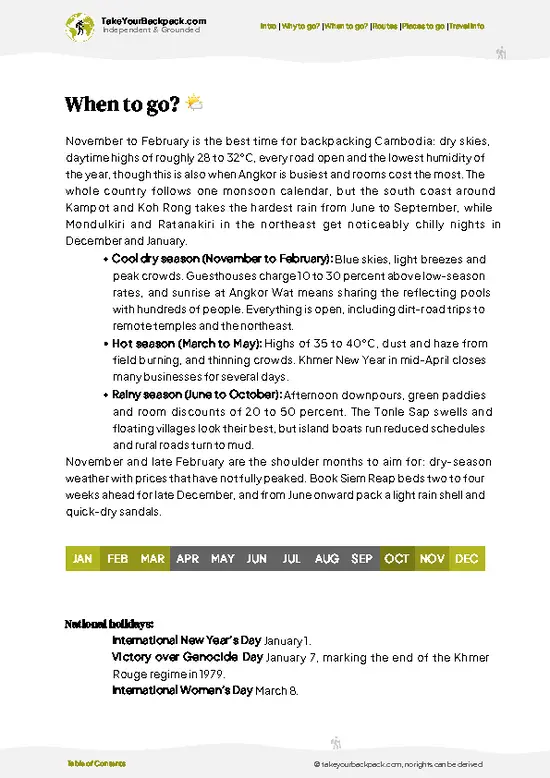
  • Weather: Kampong Cham’s dry season, from November to April, is your best bet. Expect minimal rain, making trekking and exploring hassle-free. The wet season (May to October) floods trails and streets, turning your adventure into a soggy slog.

  • Temperature: Dry months bring daytime highs around 30-35°C (86-95°F), with cooler nights dipping to 20-24°C (68-75°F). The wet season stays warm but sticky, often hitting 33°C (91°F) with humidity that can sap your energy fast.

  • Daylight Hours: Daylight is fairly consistent year-round, roughly 11-12 hours daily. This means you can plan long days without worrying about early sunsets cutting your explorations short.

  • Crowds: Tourist numbers peak during the dry season, especially December and January. You’ll find more fellow travelers but also better
read more 👉

  • Weather: Kampong Cham’s dry season, from November to April, is your best bet. Expect minimal rain, making trekking and exploring hassle-free. The wet season (May to October) floods trails and streets, turning your adventure into a soggy slog.

  • Temperature: Dry months bring daytime highs around 30-35°C (86-95°F), with cooler nights dipping to 20-24°C (68-75°F). The wet season stays warm but sticky, often hitting 33°C (91°F) with humidity that can sap your energy fast.

  • Daylight Hours: Daylight is fairly consistent year-round, roughly 11-12 hours daily. This means you can plan long days without worrying about early sunsets cutting your explorations short.

  • Crowds: Tourist numbers peak during the dry season, especially December and January. You’ll find more fellow travelers but also better infrastructure and services. The off-season is quieter but expect some businesses to close or reduce hours.

  • Seasonal Activities: The dry season aligns with local festivals like Khmer New Year in April, offering cultural immersion. Wet months limit outdoor events but bring lush landscapes if you’re into photography or nature hikes.

  • Price Fluctuations: Accommodation and transport costs spike in the dry season due to demand. The wet season offers bargains but at the expense of comfort and accessibility.


Pro-tip: Aim for late November to early February to strike the perfect balance between weather, crowd size, and cost—maximizing your comfort and experience without breaking the bank.


source: climatestotravel.comJANJanuary: excellent for travelingFEBFebruary: excellent for travelingMARMarch: highly recommended for travelingAPRApril: highly recommended for travelingMAYMay: fair for travelingJUNJune: fair for travelingJULJuly: fair for travelingAUGAugust: fair for travelingSEPSeptember: fair for travelingOCTOctober: fair for travelingNOVNovember: highly recommended for travelingDECDecember: excellent for traveling
when-to-go

✈️ The backpacker research shortcutCambodia Travel Guide

An offline-friendly backpacking guide with optimized travel routes, ranked highlights, transport advice, and the best areas to stay.
example page 0 from our offline Travel Guide for Cambodia
example page 1 from our offline Travel Guide for Cambodia
example page 2 from our offline Travel Guide for Cambodia
example page 3 from our offline Travel Guide for Cambodia
example page 4 from our offline Travel Guide for Cambodia
example page 5 from our offline Travel Guide for Cambodia
example page 6 from our offline Travel Guide for Cambodia
example page 7 from our offline Travel Guide for Cambodia
The digital guide (345 pages) contains:
90 highlights, ranked by travel appeal
Optimized 5, 10 & 15-day travel routes
Cities, national parks, landmarks, beaches
How to get around
Offline-friendly for travel without Wi-Fi
👉 Click to see all 30+ guide features

📅 Plan smarter in minutes, not weeks
Month by month travel advice
Festivals & national holidays
Budget expectations

🗺️ Go to the right places, skip the overrated ones
Honest pros & cons of destinations
Top hikes, parks & viewpoints
Lesser-known places most travelers miss
Clear “worth it vs skip it” guidance

🛏️ Travel smoothly without rookie mistakes
Best areas to stay
Transport systems explained simply
Common scams & safety advice
SIM cards, money & practical tips

🌍 Understand the country, not just visit it
Culture & traditions
52 Essential phrases & customs
Festivals worth planning around
Traveler-friendly historical context
Insights that make places more meaningful

📱 Built for real travel conditions
Fully downloadable PDF
Works completely offline
Optimized for phone use
Useful in remote areas & buses
Everything in one place
Save weeks of stressful planning
Get instant access to your full guide. 30‑day money-back guarantee.


By proceeding you agree to our terms.
Sent to your inbox immediately after payment • 100% Secure Checkout
Best Backpacking Travel Advisor 2025 tourism awardBest Backpacking
Travel Advisor
2025
What others say about Take Your Backpack Guides:
⭐⭐⭐⭐⭐
Fantastic, amazing amount of information!
⭐⭐⭐⭐⭐
My goodness this is amazing, it's what I've been looking for hats off too you!
⭐⭐⭐⭐⭐
I think this is absolutely BRILLIANT
⭐⭐⭐⭐
Very complete and informative. It's still missing places, but I gotta to commend you
⭐⭐⭐⭐⭐
This is truly amazing, thank you, can't wait to explore it with my kids!
⭐⭐⭐⭐⭐
Awesome resource, thank you!
⭐⭐⭐⭐⭐
This is amazing! Can't wait to explore the ones I haven't seen
⭐⭐⭐⭐
I love this! Well done, great idea.
⭐⭐⭐⭐⭐
Thanks for taking the time to make this gem!
⭐⭐⭐⭐⭐
This might be the best website I've ever seen.
⭐⭐⭐⭐⭐
Congratulations, and thank you so much for your work; it's incredibly valuable.
⭐⭐⭐⭐
In all seriousness I think you did a great job pointing out the important spots
⭐⭐⭐⭐⭐
10/10 very good
⭐⭐⭐⭐⭐
As someone who's only just starting to visit regularly this is awesome, thank you.
⭐⭐⭐⭐
Thank you very much! I'm going to visit my dad, it's going to be very useful!
⭐⭐⭐⭐⭐
This is really cool! We'll be travelling for the first time and this definitely come in handy.
⭐⭐⭐⭐⭐
You are now our minister of culture, congratulations 👨‍💼
⭐⭐⭐⭐⭐
Just wanted to tell you that this is a pearl! Going to follow your recommendations.
⭐⭐⭐⭐⭐
This is so cool. I'll definitely be using the resource for my travels soon.
⭐⭐⭐⭐⭐
This is very impressive! Good work.
⭐⭐⭐⭐⭐
This is an amazing and informative site. Very well done!

🛏️ Where to stay?Best areas to stay in Cambodia

In Kampong Cham, the best spot for backpackers is the area around the riverfront and the town center. This zone strikes a smart balance between safety, social buzz, and budget-friendly options. Staying near the river means you’re close to local markets, street food stalls, and cafes where travelers naturally gather. It’s easy to meet other backpackers here without feeling stuck in a tourist bubble. Hostels and guesthouses cluster in this part, offering affordable dorm beds and private rooms that cater to solo travelers looking for a mix of comfort and community.

Compared to the quieter outskirts … read more 👉
In Kampong Cham, the best spot for backpackers is the area around the riverfront and the town center. This zone strikes a smart balance between safety, social buzz, and budget-friendly options. Staying near the river means you’re close to local markets, street food stalls, and cafes where travelers naturally gather. It’s easy to meet other backpackers here without feeling stuck in a tourist bubble. Hostels and guesthouses cluster in this part, offering affordable dorm beds and private rooms that cater to solo travelers looking for a mix of comfort and community.

Compared to the quieter outskirts or the more residential neighborhoods, the riverfront area keeps you plugged into the city’s pulse without the noise or chaos of a big city center. It’s walkable, safe after dark, and has enough local flavor to keep things interesting. You sacrifice a bit of luxury and polished infrastructure, but you gain authentic interactions and easy access to transport for day trips. This is where your money stretches furthest without sacrificing the social vibe that makes backpacking memorable.

🚌 Getting aroundGetting around like a local

Kampong Cham moves at its own rhythm—neither a frantic rush nor a lazy drift. It’s a city where schedules exist but bend to local moods, where the clock is a suggestion rather than a law. Here, the flow is a dance between the old and the new: motorbikes weaving through streets with a casual disregard for strict timing, while the occasional bus or boat clings to a rough timetable. Understanding this dance is your key to mastering movement without wasting time or money. You’re not just getting from A to B; you’re choosing how much patience, comfort, and cash you’re willing to trade for the experience itself.


  • Walking: The ultimate budget mode—free, flexible, and immersive. Kampong Cham’s compact center means you can cover key sights on foot in under an hour, soaking in street life without
read more 👉
Kampong Cham moves at its own rhythm—neither a frantic rush nor a lazy drift. It’s a city where schedules exist but bend to local moods, where the clock is a suggestion rather than a law. Here, the flow is a dance between the old and the new: motorbikes weaving through streets with a casual disregard for strict timing, while the occasional bus or boat clings to a rough timetable. Understanding this dance is your key to mastering movement without wasting time or money. You’re not just getting from A to B; you’re choosing how much patience, comfort, and cash you’re willing to trade for the experience itself.


  • Walking: The ultimate budget mode—free, flexible, and immersive. Kampong Cham’s compact center means you can cover key sights on foot in under an hour, soaking in street life without a schedule. Comfort depends on weather; midday heat can be punishing, so mornings and late afternoons are prime walking times.


  • Local Tuk-Tuks: These three-wheeled rides are everywhere, offering quick, direct trips for about $1–$2 within town. They run on a loose schedule—more on demand than fixed routes—so you can hop in anytime, but expect some negotiation on price. Comfort is basic: open-air, bumpy, and noisy, but fast enough to save time when the sun’s high.


  • Shared Minivans: For longer hauls to nearby towns or the riverfront, shared minivans are your go-to. They leave when full, so timing is unpredictable—sometimes a wait of 15 minutes, sometimes an hour. Tickets cost around $3–$5. These vans offer a middle ground: faster than tuk-tuks, more cramped than private cars, with air conditioning that’s hit or miss.


  • Public Buses: Limited but reliable for budget travelers heading to Phnom Penh or other provinces. Departure times are generally morning and early afternoon, with fares around $5–$7. Buses are slower and less comfortable than minivans but offer a fixed schedule, which helps if you’re on a tighter timeline and want to avoid waiting indefinitely.


  • Boat Ferries: Crossing the Mekong is a unique option, especially if you want to reach the island of Koh Paen. Ferries run from early morning until late afternoon, costing less than $1. They’re slow but scenic, offering a break from road travel and a chance to experience local life on the water. Comfort is basic—open decks and occasional crowds—but the trade-off is a memorable, low-cost journey.

👛 Costs (as of 12 March 2025)What things cost and how to budget

Backpacking in Kampong Cham, Cambodia, offers a straightforward cost structure that lets you decide how much comfort or adventure you want without surprises. Here’s the breakdown of what you’ll typically spend each day:
  • Dorm Accommodation (High Season): Expect to pay around $5 to $8 per night for a bed in a basic dorm. This is when demand peaks, usually during cooler months and local holidays.
  • Dorm Accommodation (Off-Season): Prices drop to about $3 to $5 per night when fewer travelers are around, giving you a chance to snag a bargain if you’re flexible.
  • Meals: Street food and local eateries dominate here. Budget $2 to $5 per meal for filling, authentic Cambodian dishes like noodle soups or grilled meats. Western-style cafes push the price closer to $5 to $7 per meal.
  • Local Transport:
read more 👉
Backpacking in Kampong Cham, Cambodia, offers a straightforward cost structure that lets you decide how much comfort or adventure you want without surprises. Here’s the breakdown of what you’ll typically spend each day:
  • Dorm Accommodation (High Season): Expect to pay around $5 to $8 per night for a bed in a basic dorm. This is when demand peaks, usually during cooler months and local holidays.
  • Dorm Accommodation (Off-Season): Prices drop to about $3 to $5 per night when fewer travelers are around, giving you a chance to snag a bargain if you’re flexible.
  • Meals: Street food and local eateries dominate here. Budget $2 to $5 per meal for filling, authentic Cambodian dishes like noodle soups or grilled meats. Western-style cafes push the price closer to $5 to $7 per meal.
  • Local Transport: Getting around town by tuk-tuk or motorbike taxi usually costs $1 to $3 per short trip. Bargaining is common, so you can often shave a bit off the initial offer.
  • City Transport Pass: Kampong Cham doesn’t have a formal city transport pass system. Instead, daily transport costs depend on how much you move around, typically $3 to $6 if you’re active.
  • Basic Activities/Entry Fees: Visiting temples, museums, or cultural sites generally costs between $1 and $3 per entry. Some places might be free, but budget for a couple of paid visits daily if you want to explore thoroughly.
  • Miscellaneous Expenses: This covers bottled water, snacks, occasional coffee, or small souvenirs. Set aside $1 to $3 daily to stay comfortable and hydrated.

Add it all up, and you’re looking at a daily budget range of roughly $12 to $25. This spread lets you choose whether to stretch your dollar by sticking to basics or add a bit more comfort and activity without breaking the bank. Understanding these trade-offs means you control your experience, not the other way around.


source: tourismcambodia.org
⚠️ Prices can change and everyone travels differently, so take this as a rough guide. Hope it helps you plan your adventure!

🚌 Day tripsEasy escapes and nearby places

Kampong Cham is a fantastic launchpad for day trips that blend culture, nature, and adventure. Here’s how to make the most of your time without breaking the bank.

Bamboo Island
Just a short boat ride from Kampong Cham, Bamboo Island offers a serene escape. Spend the day lounging on the beach or exploring the island’s lush greenery. The boat ride takes about 30 minutes and costs around $5. Bring your own snacks, as food options are limited. The best time to visit is during the dry season, from November to February, when the weather is perfect for sunbathing. A common mistake is underestimating the sun; pack sunscreen and a hat.


Wat Nokor
This ancient temple complex is a blend of history and spirituality. Located just 10 km from the city, you can rent a bike for about $2 and reach it … read more 👉
Kampong Cham is a fantastic launchpad for day trips that blend culture, nature, and adventure. Here’s how to make the most of your time without breaking the bank.

Bamboo Island
Just a short boat ride from Kampong Cham, Bamboo Island offers a serene escape. Spend the day lounging on the beach or exploring the island’s lush greenery. The boat ride takes about 30 minutes and costs around $5. Bring your own snacks, as food options are limited. The best time to visit is during the dry season, from November to February, when the weather is perfect for sunbathing. A common mistake is underestimating the sun; pack sunscreen and a hat.


Wat Nokor
This ancient temple complex is a blend of history and spirituality. Located just 10 km from the city, you can rent a bike for about $2 and reach it in under an hour. The intricate carvings and serene atmosphere make it a worthwhile visit. Aim for early morning to avoid the heat and crowds. Many first-timers miss the small, hidden shrine behind the main temple, so keep your eyes peeled for it.


Koh Pen
A quick 20-minute ride across the river, Koh Pen is a charming village where you can experience local life. Rent a bicycle for around $1 and explore the rice paddies and friendly communities. The total cost for the day, including food, should be around $10. The best time to visit is during the harvest season, when the fields are vibrant and alive. Don’t rush; take your time to chat with locals and soak in the atmosphere.


Phnom Hanchey
This hilltop temple offers stunning views of the Mekong River and the surrounding countryside. It’s about a 30-minute drive from Kampong Cham, and you can hire a tuk-tuk for around $10. The climb is worth it, especially at sunrise or sunset. Many backpackers overlook the small market at the base, where you can grab a bite before heading up.
Want to know what more Cambodia offers?
The Cambodia Travel Guide describes 90 highlights, from cities to national parks, from beaches to hikes

Get the Travel Guide -

🍲 FoodEating & Drinking in Kampong Cham

In Kampong Cham, food is a vibrant tapestry of flavors and textures that beckons you to dive in. Start with amok, a fragrant curry made with fish, coconut milk, and a medley of spices, often served in a banana leaf. Don’t miss nom banh chok, a breakfast staple of rice noodles topped with a rich fish gravy and fresh herbs. The street food scene is alive, with vendors grilling skewers of marinated meats and serving crispy spring rolls that crackle with each bite.

As the sun sets, the riverside comes alive. Casual bars and cafés offer cold Angkor beer, a local favorite, perfect for unwinding after a day of exploration. You might find yourself sharing a table with locals, a common practice that fosters a sense of community.

Etiquette is simple: eat with your hands if you’re feeling adventurous, … read more 👉
In Kampong Cham, food is a vibrant tapestry of flavors and textures that beckons you to dive in. Start with amok, a fragrant curry made with fish, coconut milk, and a medley of spices, often served in a banana leaf. Don’t miss nom banh chok, a breakfast staple of rice noodles topped with a rich fish gravy and fresh herbs. The street food scene is alive, with vendors grilling skewers of marinated meats and serving crispy spring rolls that crackle with each bite.

As the sun sets, the riverside comes alive. Casual bars and cafés offer cold Angkor beer, a local favorite, perfect for unwinding after a day of exploration. You might find yourself sharing a table with locals, a common practice that fosters a sense of community.

Etiquette is simple: eat with your hands if you’re feeling adventurous, especially with dishes like bai sach chrouk, grilled pork over rice. Just remember, it’s all about the experience—savor the flavors, engage with the locals, and let the social vibe of Kampong Cham wash over you.

🛡️ SafetySafety Tips and Common Scams in Kampong Cham

Kampong Cham is generally safe, but a few smart practices can enhance your experience. Stay alert in crowded markets, where pickpockets might operate. Keep your belongings close, especially in busy areas like the riverside promenade.

If you’re traveling solo, avoid wandering too far after dark. The streets can be quiet, and it’s best to stick to well-lit areas.

Common scams are minimal, but be wary of overly friendly locals offering unsolicited help. They might expect a tip or lead you to shops with inflated prices.

When haggling at markets, keep your tone light and friendly; it’s part of the game. Carry yourself confidently, and don’t hesitate to walk away if a deal doesn’t feel right. This approach not only keeps you safe but also enriches your interactions.

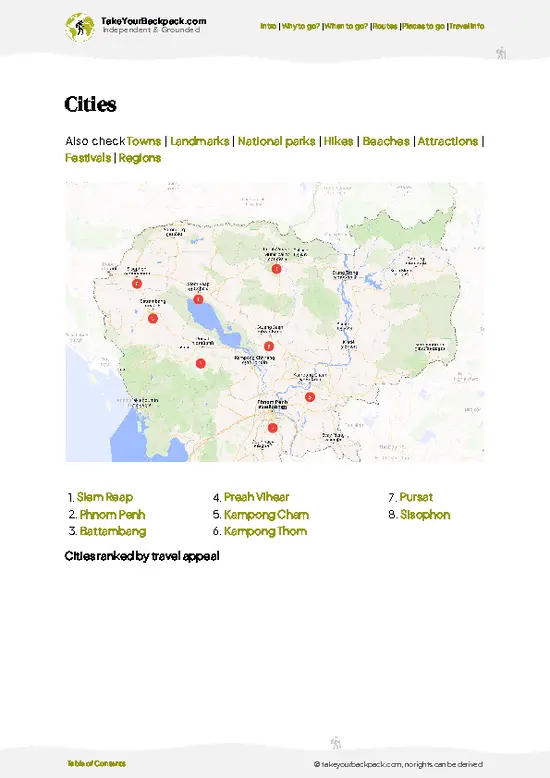
Other Cambodian cities near Kampong Cham

Explore more nearby:

  • Phnom Penh—Royal Palace, riverside promenade, urban markets| 76 km away
  • Takhmao—urban sprawl, garment factories, commuter traffic| 82 km away
  • Kampong Thom—ancient ruins, central crossroads, rice plains| 102 km away

💡 Not sure where to go next?
Create a personalized itinerary for Cambodia including Kampong Cham and the places that fit your trip.

Generate my itinerary

👉 Discover all cities

Or checkout all Cambodia has to offer (think cities, towns, villages, national parks, hikes, beaches, festivals)
Country photo of Cambodia

We 💚 feedbackIs it worth it?

Kampong Cham has a laid-back vibe that feels like a breath of fresh air after the hustle of bigger cities. The riverside sunsets are a surprise that’ll make you pause, camera in hand. Don’t skip the bamboo bridge; it’s a quirky experience that connects you to local life. Just a heads-up: the roads can be bumpy, so brace yourself for a few jolts. But that’s part of the charm—embrace it, and you’ll leave with stories worth sharing.

✍️ Help improve this page!
The information on this page is based on in-depth research, insights shared by experienced travelers, and feedback from the local travel community in Cambodia. While every effort is made to keep the information accurate and current, conditions can change — so if you spot anything incorrect or outdated, please get in touch.


🙋‍♂️ Give feedback

👋 Meet the founderWho’s Behind Take Your Backpack?

Johan, backpacker and founder of TakeYourBackpackHi, I’m Johan (Netherlands 🇳🇱), the creator of TakeYourBackpack. Over the past decade, I’ve backpacked through 80+ countries across six continents, gaining extensive experience with independent travel, long-term trips, and overland routes.

This site is built on a combination of firsthand travel experience and carefully curated insights from other backpackers. Many guides are based on places I’ve personally visited, while others bring together tips, observations, and practical advice shared by trusted travelers I’ve met along the way.

The goal is to provide realistic, experience-driven guidance — not generic itineraries — so you can explore destinations with better context, clearer expectations, and more confidence.

Get full Cambodia guide •
Instant download • 90 highlights • Full Offline guide