×

Cameroon🇨🇲 | citiesKumba
Lake Barombi Mbo, trading hub, Southwest crossroads | things to do and best time to go

Explore EbolowaExplore Nkongsamba

Backpacking in Kumba
👀 For curious travelerscity ranked #14
By Johan Kruseman 🇳🇱 | Updated May 8, 2026

Kumba is not for the traveler chasing glossy, Instagram-ready landmarks or seamless tourist infrastructure—there’s no curated colonial quarter, no polished museum circuit, and nightlife is more local bar than rooftop lounge. But if you’re the sort who thrives on raw, real-world energy and wants to see Cameroon’s crossroads in action, Kumba rewards you. Tucked in the Southwest, it’s a gritty, bustling market town where the main square pulses with commerce and the train station is a living artery. Costs are low, safety is average if you keep your wits, and you’ll meet more traders than backpackers. Compared to Limbe or Buea, Kumba is less scenic but more alive—think movement over beauty, function over form.

Discover everything you want to know in the 📖 Cameroon Travel Guide.
Loading the map 🌍
CLICK TO FILTER
city
town
unique site
national park
hike
beach
attraction
festival
region
SHOW COUNTRY‘S BESTSHOW ALL

✨ Why go?
Ranked #14 city in Cameroon
What makes it a must-see city

Kumba is a strategic stop for backpackers weaving through Cameroon. It’s not just a place to pass through; it’s a basecamp for day trips to nearby highlights. The city offers a mix of affordable hostels and local eateries that serve up hearty meals without breaking the bank. You’ll find the streets walkable, making it easy to explore the vibrant local life.

Nightlife here is low-key but engaging, with local bars where you can unwind and connect with fellow travelers. The ease of onward travel is another plus; buses and shared taxis are readily available, allowing you to keep moving without hassle.

In short, Kumba provides a balance of comfort and value, making it a worthy stop for those looking to dive deeper into Cameroon’s culture while still enjoying the backpacker lifestyle. If you’re … read more 👉
Kumba is a strategic stop for backpackers weaving through Cameroon. It’s not just a place to pass through; it’s a basecamp for day trips to nearby highlights. The city offers a mix of affordable hostels and local eateries that serve up hearty meals without breaking the bank. You’ll find the streets walkable, making it easy to explore the vibrant local life.

Nightlife here is low-key but engaging, with local bars where you can unwind and connect with fellow travelers. The ease of onward travel is another plus; buses and shared taxis are readily available, allowing you to keep moving without hassle.

In short, Kumba provides a balance of comfort and value, making it a worthy stop for those looking to dive deeper into Cameroon’s culture while still enjoying the backpacker lifestyle. If you’re after a quick pit stop, you might miss out on its charm.
Get the complete Travel Guide for Cameroon
Everything organized for offline planning — routes, highlights, costs & tips

See what’s inside 👉

Get the Travel Guide -

💡 HighlightsPlaces and moments you shouldn't skip

  • Kumba Central Market — The beating heart of the town: an enormous, chaotic open-air market where you can buy fresh produce, smoked fish, spices, local fabrics and see traders from across the Southwest region; great for photography, street food and experiencing everyday Kumba life.
  • Banka Quarter and Market — One of Kumba’s oldest neighborhoods, still vibrant with traditional trading, palm-oil commerce and local craft stalls; visiting Banka shows the town’s roots and offers a quieter, more local market atmosphere than the central market.
  • Fon’s Palace (Kumba Fondom) — The traditional palace and compound of the local Fon, where you can observe palace architecture, cultural regalia and, when timed with events, traditional dances and ceremonies that connect the town to its precolonial history.
read more 👉
  • Kumba Central Market — The beating heart of the town: an enormous, chaotic open-air market where you can buy fresh produce, smoked fish, spices, local fabrics and see traders from across the Southwest region; great for photography, street food and experiencing everyday Kumba life.
  • Banka Quarter and Market — One of Kumba’s oldest neighborhoods, still vibrant with traditional trading, palm-oil commerce and local craft stalls; visiting Banka shows the town’s roots and offers a quieter, more local market atmosphere than the central market.
  • Fon’s Palace (Kumba Fondom) — The traditional palace and compound of the local Fon, where you can observe palace architecture, cultural regalia and, when timed with events, traditional dances and ceremonies that connect the town to its precolonial history.
  • Kumba Municipal Stadium — The town’s principal sports venue and a social hub on match days and for community events; visiting during a football match or public gathering gives a raw, lively slice of local culture and weekend life.
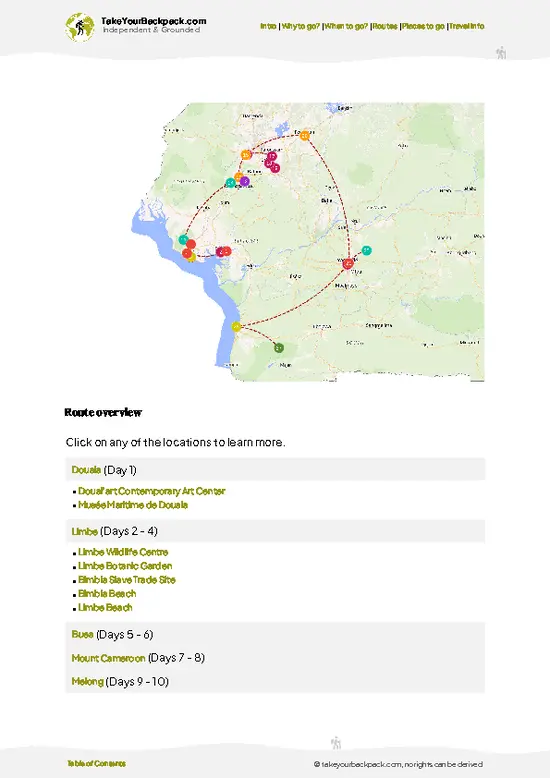
Nearby day-trip highlights include Limbe (Botanical Garden and Wildlife Centre), Buea and Mount Cameroon for hiking, and the coastal beaches around Idenau and Limbe.
Spotted a mistake or missing something? Contact us.

🏘️ NeighborhoodsUnderstanding the local layout

Kumba is a vibrant hub in Cameroon, offering a mix of experiences for backpackers. Here’s a breakdown of key neighborhoods to help you navigate your stay.

Downtown Kumba: This is the heart of the city, buzzing with local markets and street food stalls. It’s affordable, with plenty of budget accommodations. Walkability is high, making it easy to explore on foot. The nightlife is lively, with bars and music venues, perfect for those looking to socialize. Ideal for short stays, as you can soak up the local culture quickly.

Ngwa: A quieter area, Ngwa is more residential, offering a glimpse into everyday life. It’s less touristy, which means lower prices and a more authentic experience. While public transport is available, it’s best to have a local guide. Great for longer stays if you want to … read more 👉
Kumba is a vibrant hub in Cameroon, offering a mix of experiences for backpackers. Here’s a breakdown of key neighborhoods to help you navigate your stay.

Downtown Kumba: This is the heart of the city, buzzing with local markets and street food stalls. It’s affordable, with plenty of budget accommodations. Walkability is high, making it easy to explore on foot. The nightlife is lively, with bars and music venues, perfect for those looking to socialize. Ideal for short stays, as you can soak up the local culture quickly.

Ngwa: A quieter area, Ngwa is more residential, offering a glimpse into everyday life. It’s less touristy, which means lower prices and a more authentic experience. While public transport is available, it’s best to have a local guide. Great for longer stays if you want to immerse yourself in the community.

Small Soppo: Known for its lush greenery, this neighborhood is a peaceful retreat from the city buzz. Accommodations here are slightly pricier, but the tranquility is worth it. Walkability is decent, but you might need to rely on taxis for longer distances. Perfect for those seeking a balance between relaxation and accessibility to city life.

⌛️ 1 dayHow to make the most of one day

Kumba, Cameroon, is a vibrant hub that pulses with local culture and community spirit. Nestled in the Southwest Region, it’s a place where the rhythm of daily life unfolds against a backdrop of lush hills and bustling markets.

Start your day in the lively neighborhood of Kumba Town. Grab a breakfast of hot, fluffy *akara* (bean cakes) from a street vendor. The aroma alone is worth the trip. After fueling up, stroll through the Kumba Market. Here, you’ll find everything from colorful textiles to fresh produce. Engage with local vendors; their stories add depth to your experience.

As the sun climbs higher, head to the nearby Mambanda area. Visit the Kumba Waterfalls, a lesser-known spot that offers a refreshing escape. The hike is manageable, and the sound of cascading water is a perfect … read more 👉
Kumba, Cameroon, is a vibrant hub that pulses with local culture and community spirit. Nestled in the Southwest Region, it’s a place where the rhythm of daily life unfolds against a backdrop of lush hills and bustling markets.

Start your day in the lively neighborhood of Kumba Town. Grab a breakfast of hot, fluffy *akara* (bean cakes) from a street vendor. The aroma alone is worth the trip. After fueling up, stroll through the Kumba Market. Here, you’ll find everything from colorful textiles to fresh produce. Engage with local vendors; their stories add depth to your experience.

As the sun climbs higher, head to the nearby Mambanda area. Visit the Kumba Waterfalls, a lesser-known spot that offers a refreshing escape. The hike is manageable, and the sound of cascading water is a perfect soundtrack for reflection. Spend some time soaking in the natural beauty before heading back to town.

In the afternoon, explore the cultural heart of Kumba at the Fon’s Palace. This historic site gives insight into the local traditions and governance. Don’t rush; take your time to absorb the intricate carvings and the stories behind them.

As evening approaches, find a local eatery in the Buea Road area. Try the *ndole*, a traditional dish made with bitter leaves and groundnuts. It’s a taste of home for many locals.

Wrap up your day by wandering through the streets, where the sounds of laughter and music fill the air. Kumba may not be on every tourist’s radar, but it’s these authentic experiences that make your journey truly rewarding.
Build the Right Itinerary
Use the Cameroon Travel Guide’s 7, 14 & 21-day routes as a starting point to plan a trip that actually works on the ground.

Get the Travel Guide -

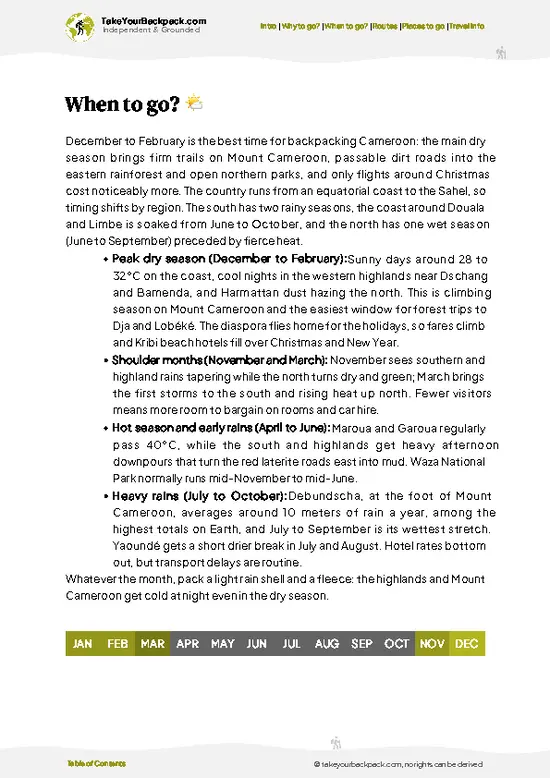
🌤️ When to go?Seasonal considerations and timing


  • Topic: Weather – Kumba’s climate is tropical, with a heavy rainy season from March to November. Expect daily downpours that can turn trails into mudslides, making travel slower and less comfortable.

  • Topic: Temperature – Temperatures hover between 22°C and 32°C (72°F to 90°F) year-round, so heat is a constant companion. The dry season offers slightly cooler nights, a relief after hot days.

  • Topic: Daylight Hours – Daylight stays steady around 12 hours daily, so your hiking and exploring windows don’t fluctuate much. Early starts are key to avoid afternoon rains in the wet season.

  • Topic: Crowds – Tourist traffic peaks during the dry months (December to February), when locals and visitors alike escape the rains. This means more competition for budget accommodations but also more social
read more 👉

  • Topic: Weather – Kumba’s climate is tropical, with a heavy rainy season from March to November. Expect daily downpours that can turn trails into mudslides, making travel slower and less comfortable.

  • Topic: Temperature – Temperatures hover between 22°C and 32°C (72°F to 90°F) year-round, so heat is a constant companion. The dry season offers slightly cooler nights, a relief after hot days.

  • Topic: Daylight Hours – Daylight stays steady around 12 hours daily, so your hiking and exploring windows don’t fluctuate much. Early starts are key to avoid afternoon rains in the wet season.

  • Topic: Crowds – Tourist traffic peaks during the dry months (December to February), when locals and visitors alike escape the rains. This means more competition for budget accommodations but also more social opportunities.

  • Topic: Seasonal Activities – Dry season unlocks outdoor markets, cultural festivals, and easier access to natural sites. The wet season limits these but offers lush landscapes and fewer tourists.

  • Topic: Price Fluctuations – Prices spike in the dry season due to demand, especially for lodging and guided tours. The wet season offers bargains but at the cost of comfort and accessibility.


Pro-tip: Aim for the shoulder months—November or February—to balance fewer crowds, manageable weather, and better prices, turning timing into your secret weapon.


source: climatestotravel.comJANJanuary: highly recommended for travelingFEBFebruary: highly recommended for travelingMARMarch: fair for travelingAPRApril: fair for travelingMAYMay: fair for travelingJUNJune: fair for travelingJULJuly: fair for travelingAUGAugust: fair for travelingSEPSeptember: fair for travelingOCTOctober: fair for travelingNOVNovember: good for travelingDECDecember: highly recommended for traveling
when-to-go

✈️ The backpacker research shortcutCameroon Travel Guide

An offline-friendly backpacking guide with optimized travel routes, ranked highlights, transport advice, and the best areas to stay.
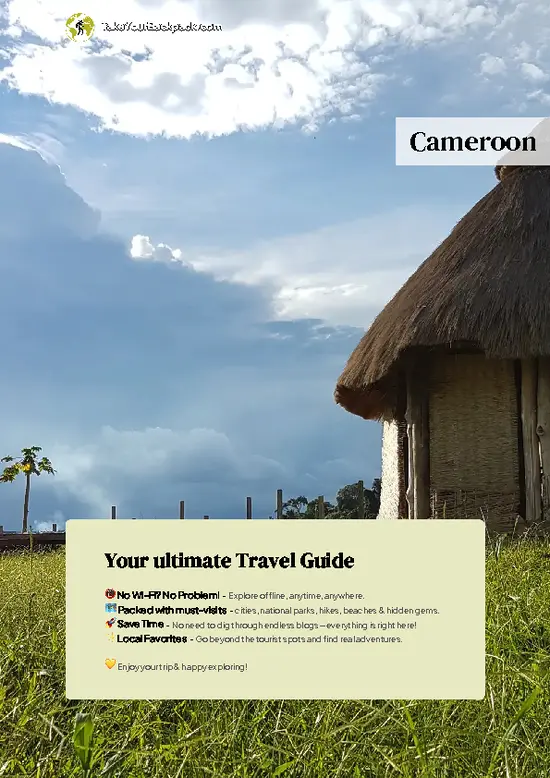
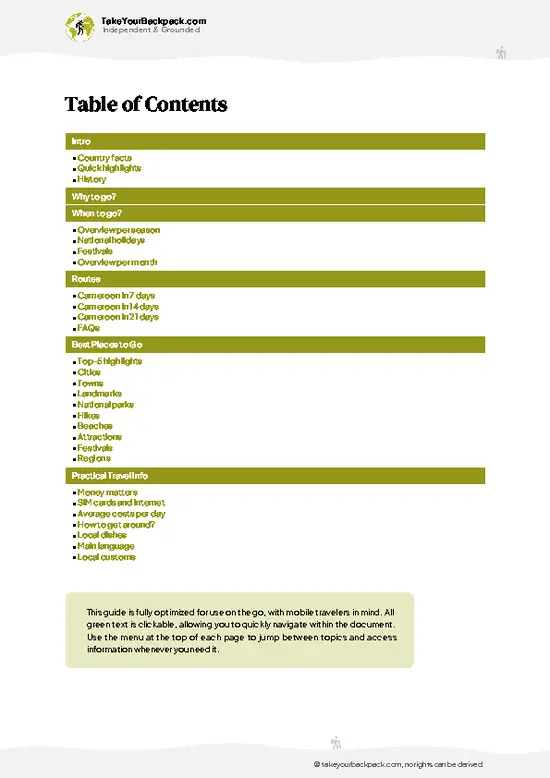
example page 0 from our offline Travel Guide for Cameroonexample page 1 from our offline Travel Guide for Cameroonexample page 2 from our offline Travel Guide for Cameroonexample page 3 from our offline Travel Guide for Cameroonexample page 4 from our offline Travel Guide for Cameroonexample page 5 from our offline Travel Guide for Cameroon
The digital guide (329 pages) contains:
95 highlights, ranked by travel appeal
Optimized 7, 14 & 21-day travel routes
Best neighborhoods to stay
How to get around
Offline-friendly for travel without Wi-Fi
👉 See all 30+ guide features

📅 Plan smarter in minutes, not weeks
Month by month travel advice
Festivals & national holidays
Budget expectations

🗺️ Go to the right places, skip the overrated ones
Honest pros & cons of destinations
Top hikes, parks & viewpoints
Lesser-known places most travelers miss
Clear “worth it vs skip it” guidance

🛏️ Travel smoothly without rookie mistakes
Best areas to stay
Transport systems explained simply
Common scams & safety advice
SIM cards, money & practical tips

🌍 Understand the country, not just visit it
Culture & traditions
52 Essential phrases & customs
Festivals worth planning around
Traveler-friendly historical context
Insights that make places more meaningful

📱 Built for real travel conditions
Fully downloadable PDF
Works completely offline
Optimized for phone use
Useful in remote areas & buses
Everything in one place
Save weeks of stressful planning
Get instant access to the full guide directly. 30-day money-back guarantee.


Sent to your inbox immediately after payment • 100% Secure Checkout
Best Backpacking Travel Advisor 2025 tourism awardBest Backpacking
Travel Advisor
2025
What others say about Take Your Backpack Guides:
⭐⭐⭐⭐⭐
Fantastic, amazing amount of information!
⭐⭐⭐⭐⭐
My goodness this is amazing, it's what I've been looking for hats off too you!
⭐⭐⭐⭐⭐
I think this is absolutely BRILLIANT
⭐⭐⭐⭐
Very complete and informative. It's still missing places, but I gotta to commend you
⭐⭐⭐⭐⭐
This is truly amazing, thank you, can't wait to explore it with my kids!
⭐⭐⭐⭐⭐
Awesome resource, thank you!
⭐⭐⭐⭐⭐
This is amazing! Can't wait to explore the ones I haven't seen
⭐⭐⭐⭐
I love this! Well done, great idea.
⭐⭐⭐⭐⭐
Thanks for taking the time to make this gem!
⭐⭐⭐⭐⭐
This might be the best website I've ever seen.
⭐⭐⭐⭐⭐
Congratulations, and thank you so much for your work; it's incredibly valuable.
⭐⭐⭐⭐
In all seriousness I think you did a great job pointing out the important spots
⭐⭐⭐⭐⭐
10/10 very good
⭐⭐⭐⭐⭐
As someone who's only just starting to visit regularly this is awesome, thank you.
⭐⭐⭐⭐
Thank you very much! I'm going to visit my dad, it's going to be very useful!
⭐⭐⭐⭐⭐
This is really cool! We'll be travelling for the first time and this definitely come in handy.
⭐⭐⭐⭐⭐
You are now our minister of culture, congratulations 👨‍💼
⭐⭐⭐⭐⭐
Just wanted to tell you that this is a pearl! Going to follow your recommendations.
⭐⭐⭐⭐⭐
This is so cool. I'll definitely be using the resource for my travels soon.
⭐⭐⭐⭐⭐
This is very impressive! Good work.
⭐⭐⭐⭐⭐
This is an amazing and informative site. Very well done!

🛏️ Where to stay?Best areas and accommodation options

In Kumba, the sweet spot for backpackers is the city center and the adjacent Mbonge Road area. These neighborhoods strike a balance between safety, social buzz, and budget-friendly options. The city center pulses with local markets and street food stalls, making it easy to mingle with both locals and fellow travelers without breaking the bank. Hostels here are modest but reliable, offering a base that’s more about connection than luxury. Mbonge Road leans a bit quieter but still has a handful of guesthouses popular with solo backpackers who want a bit more calm without losing access to the city’s … read more 👉
In Kumba, the sweet spot for backpackers is the city center and the adjacent Mbonge Road area. These neighborhoods strike a balance between safety, social buzz, and budget-friendly options. The city center pulses with local markets and street food stalls, making it easy to mingle with both locals and fellow travelers without breaking the bank. Hostels here are modest but reliable, offering a base that’s more about connection than luxury. Mbonge Road leans a bit quieter but still has a handful of guesthouses popular with solo backpackers who want a bit more calm without losing access to the city’s pulse. Compared to the outskirts, where transport costs and safety concerns rise, these areas keep you close to the action and the essentials. You trade off some modern comforts for authentic interaction and convenience—exactly the kind of trade-off that turns a trip from a checklist into a story.

🚌 Getting aroundHow to get around Kumba

Kumba moves at its own rhythm—neither strictly by the clock nor entirely by whim. It’s a city where the pulse of daily life is set by a blend of informal hustle and pockets of order. You’ll find that schedules exist, but they’re flexible, bending to the flow of people rather than forcing it. This means your transit choices aren’t just about getting from A to B; they’re about reading the room, knowing when to push for speed and when to embrace the slower, more immersive pace. The trade-off between time, money, and comfort here is a dance, and mastering it means you get to play the city on your terms.


  • Walking: The most reliable and cost-free way to navigate Kumba’s core neighborhoods. It’s slow but offers unmatched street-level insight and freedom—expect to cover 3-5 km per hour depending
read more 👉
Kumba moves at its own rhythm—neither strictly by the clock nor entirely by whim. It’s a city where the pulse of daily life is set by a blend of informal hustle and pockets of order. You’ll find that schedules exist, but they’re flexible, bending to the flow of people rather than forcing it. This means your transit choices aren’t just about getting from A to B; they’re about reading the room, knowing when to push for speed and when to embrace the slower, more immersive pace. The trade-off between time, money, and comfort here is a dance, and mastering it means you get to play the city on your terms.


  • Walking: The most reliable and cost-free way to navigate Kumba’s core neighborhoods. It’s slow but offers unmatched street-level insight and freedom—expect to cover 3-5 km per hour depending on terrain and crowds.

  • Shared Taxis (Taxi-Brousse): Operating roughly from 6 AM to 8 PM, these minibuses are the budget traveler’s backbone. Tickets cost a few dollars, but expect cramped seating and unpredictable departure times as they wait to fill up. Speed varies with traffic and stops.

  • Motorcycle Taxis (Okadas): Available 24/7, these are your go-to for quick hops through congested areas. They’re cheap and fast but sacrifice comfort and safety—helmets are often optional, so buckle up mentally.

  • City Buses: Running from 5:30 AM to 7 PM, buses cover main routes with a fixed fare under a dollar. They’re slower due to frequent stops and crowding but offer a more comfortable ride than shared taxis if you catch one early.

  • Private Car Hire: The priciest option, usually reserved for groups or those prioritizing comfort and flexibility. Rates vary widely, but expect to pay at least ten times the cost of public transit for door-to-door service and air conditioning.

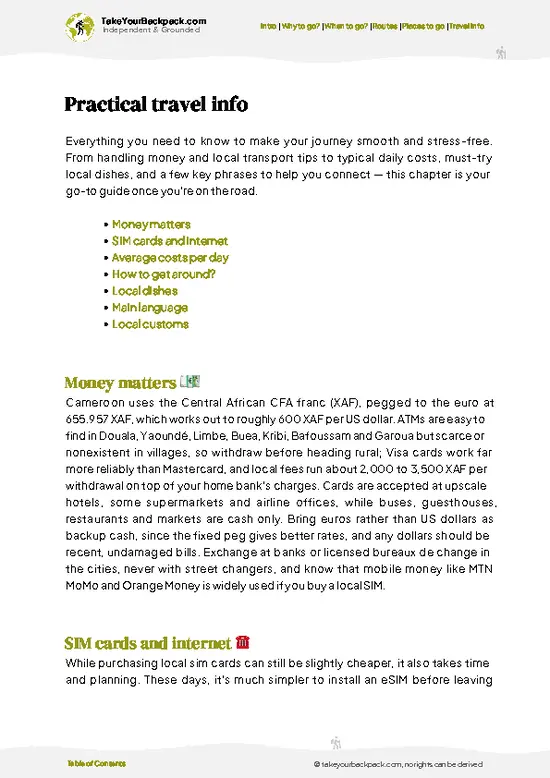
👛 Costs (as of 5 April 2025)Money, prices, and spending tips

Backpacking in Kumba, Cameroon, demands a clear-eyed view of where your money goes, so you can balance your time, comfort, and budget like a pro.
  • Dorm Accommodation (High Season): Expect to pay around $10 to $15 per night. High season means demand spikes, so prices climb but still stay reasonable for basic, clean dorms with essential amenities.
  • Dorm Accommodation (Off-Season): Prices drop to about $6 to $10 per night. Fewer travelers mean more bargaining power, and you might score a quieter spot with the same essentials.
  • Meals: Local street food and small eateries will cost you roughly $3 to $7 per day. This covers filling, authentic meals—think hearty stews and fresh produce—without the tourist markup.
  • Local Transport: Getting around town on motorbike taxis or shared minibuses typically
read more 👉
Backpacking in Kumba, Cameroon, demands a clear-eyed view of where your money goes, so you can balance your time, comfort, and budget like a pro.
  • Dorm Accommodation (High Season): Expect to pay around $10 to $15 per night. High season means demand spikes, so prices climb but still stay reasonable for basic, clean dorms with essential amenities.
  • Dorm Accommodation (Off-Season): Prices drop to about $6 to $10 per night. Fewer travelers mean more bargaining power, and you might score a quieter spot with the same essentials.
  • Meals: Local street food and small eateries will cost you roughly $3 to $7 per day. This covers filling, authentic meals—think hearty stews and fresh produce—without the tourist markup.
  • Local Transport: Getting around town on motorbike taxis or shared minibuses typically costs $0.30 to $1 per trip. It’s cheap but can be unpredictable in timing and comfort.
  • City Transport Pass: Kumba doesn’t have a formal city transport pass system. Budgeting for individual rides is your best bet, so keep small change handy for each trip.
  • Basic Activities/Entry Fees: Most local attractions and cultural sites charge minimal fees, usually between $1 and $3. These are low-cost ways to add depth to your visit without breaking the bank.
  • Miscellaneous Expenses: Budget $2 to $5 daily for essentials like bottled water, snacks, or occasional phone credit. These small costs add up but are manageable with awareness.

Balancing these categories, a realistic daily budget for backpacking in Kumba ranges from about $15 on a tight budget during the off-season to $30 if you lean toward more comfort or travel in high season. Knowing these trade-offs lets you decide where to save and where to splurge, turning your trip into a smart, tailored adventure.
⚠️ Prices can change and everyone travels differently, so take this as a rough guide. Hope it helps you plan your adventure!

🚌 Day tripsWhere to go beyond the main area

Kumba, Cameroon, is a fantastic base for day trips that offer a taste of the region’s rich culture and stunning landscapes. Here are some high-value excursions that will make your trip memorable.

Mount Cameroon Hike
Just a couple of hours from Kumba, the trek up Mount Cameroon is a must for adventure seekers. The trail winds through lush rainforest, and the views from the summit are nothing short of breathtaking. Expect to spend around $10 for a guide and transportation. The best time to go is during the dry season, from November to February. A common mistake is underestimating the hike’s difficulty; be prepared for a full day of exertion.
👉 Explore Mount Cameroon

Buea Market Experience
A short bus ride will take you to Buea, where the local market buzzes with life. Here, you can sample … read more 👉
Kumba, Cameroon, is a fantastic base for day trips that offer a taste of the region’s rich culture and stunning landscapes. Here are some high-value excursions that will make your trip memorable.

Mount Cameroon Hike
Just a couple of hours from Kumba, the trek up Mount Cameroon is a must for adventure seekers. The trail winds through lush rainforest, and the views from the summit are nothing short of breathtaking. Expect to spend around $10 for a guide and transportation. The best time to go is during the dry season, from November to February. A common mistake is underestimating the hike’s difficulty; be prepared for a full day of exertion.
👉 Explore Mount Cameroon

Buea Market Experience
A short bus ride will take you to Buea, where the local market buzzes with life. Here, you can sample street food, buy handmade crafts, and soak in the vibrant atmosphere. Budget around $5 for transport and snacks. The market is best visited on Saturdays when it’s at its liveliest. First-timers often miss the chance to engage with local vendors; don’t be shy—ask questions and try new foods!


Limbe Beach Day
Just over an hour away, Limbe offers a relaxing beach day with a backdrop of volcanic mountains. You can swim, sunbathe, or explore the nearby botanical gardens. Expect to spend about $15 for transport and a meal. The dry season is ideal for beach outings. Many backpackers overlook the gardens, which are worth a stroll for their unique flora.
👉 Explore Limbe Beach

Mundemba Cultural Tour
Head to Mundemba for an immersive cultural experience. Engage with local tribes, learn about traditional crafts, and enjoy a home-cooked meal. The trip takes about 90 minutes, costing around $20 for transport and food. Best visited during the dry season, this trip is often missed by those sticking to touristy spots. Embrace the local customs; it’s a rewarding experience.
👉 Explore Mundemba
Want to know what more Cameroon offers?
The Cameroon Travel Guide describes 95 highlights, from cities to national parks, from beaches to hikes

Get the Travel Guide -

🍲 FoodWhat to Eat & Drink

In Kumba, food is a vibrant tapestry of flavors that tells the story of its people. Dive into fufu, a starchy staple made from cassava or plantains, often paired with rich, spicy soup or stew. The pepper soup, with its fiery kick, is a must-try for those who crave heat.

Street vendors are your best friends here. They serve up grilled meat skewers and plantain chips that are perfect for snacking as you wander. The local markets buzz with energy, offering fresh produce and spices that fill the air with tantalizing aromas.

When it comes to drinks, don’t miss out on palm wine—a sweet, fermented delight that’s often shared among friends. It’s customary to drink from a communal cup, fostering a sense of camaraderie.

Etiquette is simple: enjoy your meal, share stories, and don’t rush. Meals … read more 👉
In Kumba, food is a vibrant tapestry of flavors that tells the story of its people. Dive into fufu, a starchy staple made from cassava or plantains, often paired with rich, spicy soup or stew. The pepper soup, with its fiery kick, is a must-try for those who crave heat.

Street vendors are your best friends here. They serve up grilled meat skewers and plantain chips that are perfect for snacking as you wander. The local markets buzz with energy, offering fresh produce and spices that fill the air with tantalizing aromas.

When it comes to drinks, don’t miss out on palm wine—a sweet, fermented delight that’s often shared among friends. It’s customary to drink from a communal cup, fostering a sense of camaraderie.

Etiquette is simple: enjoy your meal, share stories, and don’t rush. Meals are a social affair, so take your time and soak in the lively atmosphere.

🛡️ SafetySafety Tips and Common Scams in Kumba

Kumba is generally safe for backpackers, but staying aware is key. Stick to well-lit areas at night, especially around the market and bus stations, where activity can dwindle. Solo travelers should blend in; avoid flashy attire or gear that screams “tourist.”

Common scams are minimal, but be cautious of overly friendly locals offering unsolicited help. Politely decline and keep your belongings secure. Street vendors can be persistent, so a firm “no, thank you” works wonders.

Always carry a small amount of cash for small purchases, as many places don’t accept cards. Trust your instincts; if something feels off, it probably is. With a little awareness, you can navigate Kumba smoothly and enjoy its vibrant culture.

Other Cameroonian cities near Kumba

Explore more nearby:

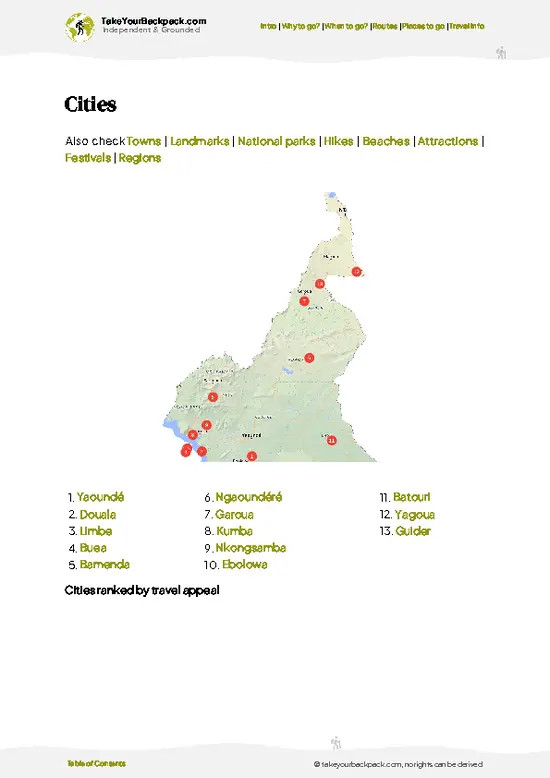
  • Buea—Mount Cameroon, colonial relics, university campus, cool breezes| 57 km away
  • Nkongsamba—Manengouba Mountains, agricultural basin, railway terminus| 66 km away
  • Limbe—Atlantic beaches, botanical gardens, volcanic black sand, oil refinery| 73 km away

👉 Discover all cities

Or checkout all Cameroon has to offer (think cities, towns, villages, national parks, hikes, beaches, festivals)
Country photo of Cameroon

We 💚 feedbackFinal thoughts on visiting Kumba

Kumba has a raw, electric vibe that pulses with life. The best surprise? The local markets—colors and scents that hit you like a wave. You’ll find everything from spices to crafts, but be ready to haggle. A small warning: the roads can be rough, so patience is key. Embrace the chaos; it’s part of the adventure. You’ll leave with stories that stick.

✍️ Help improve this page!
The information on this page is based on in-depth research, insights shared by experienced travelers, and feedback from the local travel community in Cameroon. While every effort is made to keep the information accurate and current, conditions can change — so if you spot anything incorrect or outdated, please get in touch.


🙋‍♂️ Give feedback

👋 Meet the founderWho’s Behind Take Your Backpack?

Johan, backpacker and founder of TakeYourBackpackHi, I’m Johan (Netherlands 🇳🇱), the creator of TakeYourBackpack. Over the past decade, I’ve backpacked through 80+ countries across six continents, gaining extensive experience with independent travel, long-term trips, and overland routes.

This site is built on a combination of firsthand travel experience and carefully curated insights from other backpackers. Many guides are based on places I’ve personally visited, while others bring together tips, observations, and practical advice shared by trusted travelers I’ve met along the way.

The goal is to provide realistic, experience-driven guidance — not generic itineraries — so you can explore destinations with better context, clearer expectations, and more confidence.

Get Full Country Guide |
Instant download • 95 highlights • Full Offline guide