×

Cameroon🇨🇲 | citiesLimbe
Atlantic beaches, botanical gardens, volcanic black sand, oil refinery | things to do and best time to go

Explore DoualaExplore Yaoundé

Backpacking in Limbe
🏆 Top pickcity ranked #3
By Johan Kruseman 🇳🇱 | Updated May 8, 2026

Limbe used to be the kind of coastal town where you’d arrive on a battered bush taxi, find a seat at a smoky bar, and swap stories with expats who’d washed up for good. Today, the city’s edges are sharper: the black sand beaches still draw weekenders from Douala, but the oil industry’s shadow looms larger, and the old colonial relics are fading behind new construction. Limbe sits on Cameroon’s southwest coast, just below the brooding slopes of Mount Cameroon, where rainforest meets the Atlantic. For backpackers, Limbe is a paradox—laid-back but not sleepy, lively but not chaotic. The Botanic Garden is genuinely worth your time, and the wildlife center offers a rare, up-close look at rescued primates. Nightlife is limited but friendly, and it’s easier to meet locals than fellow travelers. Costs are moderate, safety is decent if you keep your wits, and compared to hectic Douala or buttoned-up Buea, Limbe feels refreshingly unpretentious—if a bit rough around the edges.

Discover everything you want to know in the 📖 Cameroon Travel Guide.
Loading the map 🌍
CLICK TO FILTER
city
town
unique site
national park
hike
beach
attraction
festival
region
SHOW COUNTRY‘S BESTSHOW ALL

✨ Why go?
Ranked #3 city in Cameroon
What sets this place apart

Limbe, Cameroon, is a strategic basecamp for backpackers seeking a blend of adventure and relaxation. The city offers a variety of highlights that cater to different interests, making it a versatile stop on your journey. You’ll find affordable hostels that foster a communal vibe, perfect for meeting fellow travelers. The food scene is a delightful mix of local flavors and international options, ensuring you won’t go hungry after a day of exploration.

Limbe is also incredibly walkable, allowing you to soak in the local atmosphere without the hassle of transport. When the sun sets, the nightlife comes alive, offering everything from laid-back bars to lively music venues. Plus, it’s a convenient jump-off point for day trips to nearby attractions, maximizing your experience without sacrificing … read more 👉
Limbe, Cameroon, is a strategic basecamp for backpackers seeking a blend of adventure and relaxation. The city offers a variety of highlights that cater to different interests, making it a versatile stop on your journey. You’ll find affordable hostels that foster a communal vibe, perfect for meeting fellow travelers. The food scene is a delightful mix of local flavors and international options, ensuring you won’t go hungry after a day of exploration.

Limbe is also incredibly walkable, allowing you to soak in the local atmosphere without the hassle of transport. When the sun sets, the nightlife comes alive, offering everything from laid-back bars to lively music venues. Plus, it’s a convenient jump-off point for day trips to nearby attractions, maximizing your experience without sacrificing comfort.

If you’re looking for a place that balances time, money, and comfort, Limbe fits the bill. It’s not just a stopover; it’s a chance to immerse yourself in the heart of Cameroon while keeping your travel plans flexible.
Get the complete Travel Guide for Cameroon
Everything organized for offline planning — routes, highlights, costs & tips

See what’s inside 👉

Get the Travel Guide -

💡 HighlightsKey sights and experiences for travelers

  • Limbe Botanic Garden (Jardin Botanique) — A century-old, shady garden full of tropical plants, winding paths and viewpoint spots that frame Ambas Bay and Mount Cameroon; great for relaxed walks, birdwatching and learning about plants introduced during the colonial era.
  • Limbe Wildlife Centre — A hands-on primate and wildlife rehabilitation centre where you can see rescued chimpanzees, drills, tortoises and birds, learn about local conservation efforts, and take an inexpensive guided visit that directly supports animal care.
  • Black Sand Beach / Seafront (Ambas Bay) — The city’s dramatic black-volcanic-sand shoreline with a palm-lined promenade, fishing activity, casual beach cafés and very pretty sunsets; not a luxury resort beach, but a real-place-to-be with locals and street food.
  • Old
read more 👉
  • Limbe Botanic Garden (Jardin Botanique) — A century-old, shady garden full of tropical plants, winding paths and viewpoint spots that frame Ambas Bay and Mount Cameroon; great for relaxed walks, birdwatching and learning about plants introduced during the colonial era.
  • Limbe Wildlife Centre — A hands-on primate and wildlife rehabilitation centre where you can see rescued chimpanzees, drills, tortoises and birds, learn about local conservation efforts, and take an inexpensive guided visit that directly supports animal care.
  • Black Sand Beach / Seafront (Ambas Bay) — The city’s dramatic black-volcanic-sand shoreline with a palm-lined promenade, fishing activity, casual beach cafés and very pretty sunsets; not a luxury resort beach, but a real-place-to-be with locals and street food.
  • Old Town Market & Fish Jetty — Where the morning fish landings happen and the city comes alive: loud bargaining, tubs of fresh seafood, produce stalls and woodcarvers nearby. Fantastic for photography and tasting extremely fresh grilled fish.
  • German colonial-era walk (Victoria Road & cemetery) — Scattered colonial houses, weathered stone tombs and historic traces along the waterfront give a tangible sense of Limbe’s German/colonial past; it’s a quiet, photogenic slice of local history you can walk in a couple of hours.
  • Local craft quarters and woodcarvers’ stalls — Small workshops and stalls close to the market selling carved masks, stools and woven goods; chatting with makers is easy and prices are backpacker-friendly if you haggle respectfully.
  • Fish-smoking yards and beachside food stalls — Not a single building, but a memorable hands-on experience: watch (and smell) traditional smoking methods, try peppery smoked fish with plantain and meet the women who run the trade.
  • Community music spots and cafés — Small bars, churches and cafés across Limbe host live makossa, bikutsi and gospel performances; catch an evening show for the city’s music and dance scene without paying tourist prices.
  • Waterfront viewpoints and small-boat trips — Simple vantage points and local boatmen who will take you short trips along the coast or to nearby rocky islets — cheap, scenic and a different perspective on the bay and fishing life.
  • Neighborhood walks in Mile 2 / Mile 4 — These everyday districts give the clearest sense of Limbe’s rhythm: street vendors, bakeries, markets, churches and palm-lined lanes. Best visited on foot to soak up local life, smells and small-business energy.
A few great day trips just outside Limbe: the historic slave-trade site at Bimbia, hikes on Mount Cameroon, and the colonial town of Buea or the beaches/market at Tiko.
Spotted a mistake or missing something? Contact us.

🏘️ NeighborhoodsNeighborhood guide to Limbe

Limbe is a vibrant coastal city in Cameroon, offering a mix of stunning landscapes and rich culture. Here’s how to navigate its neighborhoods for the best backpacking experience.

Limbe Town: This is the heart of the city. You’ll find affordable guesthouses and local eateries. The vibe is lively, especially around the market. It’s walkable, with easy access to beaches and transport. Perfect for short stays, but longer visits can feel repetitive.

Down Beach: Known for its stunning coastline, this area is quieter and more relaxed. Ideal for those seeking a chill vibe. Accommodation here can be pricier, but the views are worth it. It’s a bit less walkable, so expect to rely on taxis. Great for unwinding after a day of exploration.

Limbe Wildlife Centre: This area is a must-visit for animal … read more 👉
Limbe is a vibrant coastal city in Cameroon, offering a mix of stunning landscapes and rich culture. Here’s how to navigate its neighborhoods for the best backpacking experience.

Limbe Town: This is the heart of the city. You’ll find affordable guesthouses and local eateries. The vibe is lively, especially around the market. It’s walkable, with easy access to beaches and transport. Perfect for short stays, but longer visits can feel repetitive.

Down Beach: Known for its stunning coastline, this area is quieter and more relaxed. Ideal for those seeking a chill vibe. Accommodation here can be pricier, but the views are worth it. It’s a bit less walkable, so expect to rely on taxis. Great for unwinding after a day of exploration.

Limbe Wildlife Centre: This area is a must-visit for animal lovers. While it’s not a residential neighborhood, it’s close to other areas and offers unique experiences. The vibe is educational and engaging. Spend a few hours here, then head back to town for nightlife.

Wovia: A bit off the beaten path, Wovia offers a local feel with fewer tourists. It’s budget-friendly and great for longer stays if you want to immerse yourself in local life. Walkability is moderate, and transport options are available, but you’ll need to plan ahead.

⌛️ 1 dayHow to make the most of one day

Limbe, Cameroon, is a coastal city where the Atlantic meets lush greenery, offering a unique blend of culture, nature, and history. It’s a place where you can feel the pulse of local life while soaking in stunning landscapes.

Start your day in the vibrant neighborhood of Bota. Grab a breakfast of fresh plantains and spicy fish at a local eatery. The flavors will wake you up better than any coffee. After fueling up, stroll along the Limbe Botanical Garden. This hidden treasure, often overlooked by tourists, showcases a variety of tropical plants and offers a serene escape. Take your time here; the garden is a living museum of Cameroon’s biodiversity.

In the afternoon, head to Limbe’s famous black sand beaches. The warm, dark sands are a striking contrast to the turquoise waters. You can … read more 👉
Limbe, Cameroon, is a coastal city where the Atlantic meets lush greenery, offering a unique blend of culture, nature, and history. It’s a place where you can feel the pulse of local life while soaking in stunning landscapes.

Start your day in the vibrant neighborhood of Bota. Grab a breakfast of fresh plantains and spicy fish at a local eatery. The flavors will wake you up better than any coffee. After fueling up, stroll along the Limbe Botanical Garden. This hidden treasure, often overlooked by tourists, showcases a variety of tropical plants and offers a serene escape. Take your time here; the garden is a living museum of Cameroon’s biodiversity.

In the afternoon, head to Limbe’s famous black sand beaches. The warm, dark sands are a striking contrast to the turquoise waters. You can rent a kayak or simply relax under a palm tree, watching fishermen haul in their catch. If you’re feeling adventurous, consider a short hike to the nearby Mount Cameroon. The views from the lower trails are breathtaking and give you a sense of the region’s volcanic history.

As evening approaches, make your way to the bustling Limbe Town Market. This is where the city comes alive. Browse through stalls filled with colorful textiles, local crafts, and fresh produce. Don’t miss the chance to try some street food—grilled skewers are a must.

Wrap up your day at a local bar with a cold palm wine, mingling with friendly locals. Limbe may not be on every tourist’s radar, but its charm lies in these authentic experiences. You’ll leave with a deeper understanding of Cameroonian culture and a heart full of memories.
Build the Right Itinerary
Use the Cameroon Travel Guide’s 7, 14 & 21-day routes as a starting point to plan a trip that actually works on the ground.

Get the Travel Guide -

🌤️ When to go?When to go for the best experience


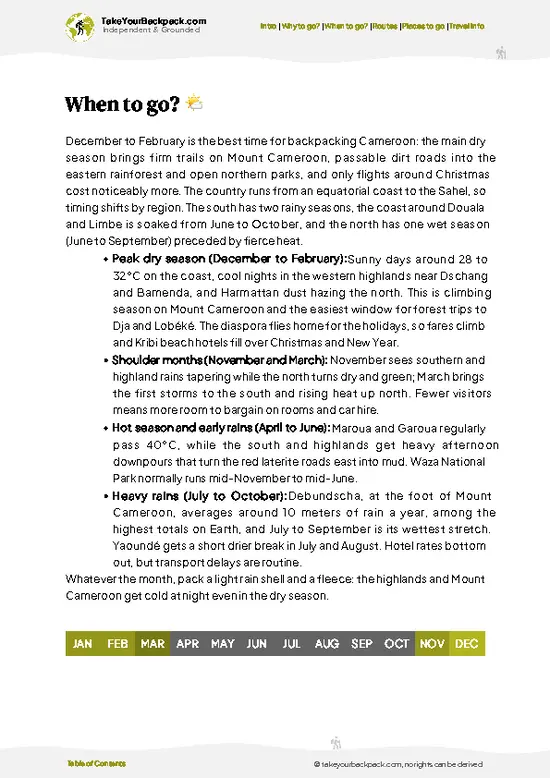
  • Topic: Weather – Limbe’s climate is tropical, with a heavy rainy season from March to October. Expect daily downpours that can turn trails into mudslides. The dry season, November to February, offers clearer skies and easier hiking conditions.

  • Topic: Temperature – Temperatures hover between 24°C and 30°C (75°F to 86°F) year-round. The dry season feels more comfortable with lower humidity, while the rainy months amplify the heat with sticky, oppressive air.

  • Topic: Daylight Hours – Near the equator, Limbe enjoys roughly 12 hours of daylight year-round. Sunrise is around 6:00 AM, sunset near 6:00 PM, giving you a consistent window for activities.

  • Topic: Crowds – Tourist traffic peaks during the dry season, especially December and January, when locals and foreigners escape colder climates.
read more 👉

  • Topic: Weather – Limbe’s climate is tropical, with a heavy rainy season from March to October. Expect daily downpours that can turn trails into mudslides. The dry season, November to February, offers clearer skies and easier hiking conditions.

  • Topic: Temperature – Temperatures hover between 24°C and 30°C (75°F to 86°F) year-round. The dry season feels more comfortable with lower humidity, while the rainy months amplify the heat with sticky, oppressive air.

  • Topic: Daylight Hours – Near the equator, Limbe enjoys roughly 12 hours of daylight year-round. Sunrise is around 6:00 AM, sunset near 6:00 PM, giving you a consistent window for activities.

  • Topic: Crowds – Tourist traffic peaks during the dry season, especially December and January, when locals and foreigners escape colder climates. The rainy season sees fewer visitors, offering solitude but less reliable conditions.

  • Topic: Seasonal Activities – Dry months are prime for hiking Mount Cameroon’s lower slopes and exploring Limbe’s botanical gardens. Rainy season limits outdoor adventures but enhances the lushness of the landscape and birdwatching opportunities.

  • Topic: Price Fluctuations – Accommodation and tours spike in the dry season due to demand. The rainy season offers better deals but comes with trade-offs in comfort and accessibility.


Pro-tip: Aim for the shoulder months of November or February to balance fewer crowds, manageable weather, and better prices—your sweet spot for a high-value Limbe experience.


source: climatestotravel.comJANJanuary: excellent for travelingFEBFebruary: highly recommended for travelingMARMarch: fair for travelingAPRApril: fair for travelingMAYMay: fair for travelingJUNJune: fair for travelingJULJuly: fair for travelingAUGAugust: fair for travelingSEPSeptember: fair for travelingOCTOctober: fair for travelingNOVNovember: highly recommended for travelingDECDecember: excellent for traveling
when-to-go

✈️ The backpacker research shortcutCameroon Travel Guide

An offline-friendly backpacking guide with optimized travel routes, ranked highlights, transport advice, and the best areas to stay.
example page 0 from our offline Travel Guide for Cameroonexample page 1 from our offline Travel Guide for Cameroonexample page 2 from our offline Travel Guide for Cameroonexample page 3 from our offline Travel Guide for Cameroonexample page 4 from our offline Travel Guide for Cameroonexample page 5 from our offline Travel Guide for Cameroon
The digital guide (329 pages) contains:
95 highlights, ranked by travel appeal
Optimized 7, 14 & 21-day travel routes
Best neighborhoods to stay
How to get around
Offline-friendly for travel without Wi-Fi
👉 See all 30+ guide features

📅 Plan smarter in minutes, not weeks
Month by month travel advice
Festivals & national holidays
Budget expectations

🗺️ Go to the right places, skip the overrated ones
Honest pros & cons of destinations
Top hikes, parks & viewpoints
Lesser-known places most travelers miss
Clear “worth it vs skip it” guidance

🛏️ Travel smoothly without rookie mistakes
Best areas to stay
Transport systems explained simply
Common scams & safety advice
SIM cards, money & practical tips

🌍 Understand the country, not just visit it
Culture & traditions
52 Essential phrases & customs
Festivals worth planning around
Traveler-friendly historical context
Insights that make places more meaningful

📱 Built for real travel conditions
Fully downloadable PDF
Works completely offline
Optimized for phone use
Useful in remote areas & buses
Everything in one place
Save weeks of stressful planning
Get instant access to the full guide directly. 30-day money-back guarantee.


Sent to your inbox immediately after payment • 100% Secure Checkout
Best Backpacking Travel Advisor 2025 tourism awardBest Backpacking
Travel Advisor
2025
What others say about Take Your Backpack Guides:
⭐⭐⭐⭐⭐
Fantastic, amazing amount of information!
⭐⭐⭐⭐⭐
My goodness this is amazing, it's what I've been looking for hats off too you!
⭐⭐⭐⭐⭐
I think this is absolutely BRILLIANT
⭐⭐⭐⭐
Very complete and informative. It's still missing places, but I gotta to commend you
⭐⭐⭐⭐⭐
This is truly amazing, thank you, can't wait to explore it with my kids!
⭐⭐⭐⭐⭐
Awesome resource, thank you!
⭐⭐⭐⭐⭐
This is amazing! Can't wait to explore the ones I haven't seen
⭐⭐⭐⭐
I love this! Well done, great idea.
⭐⭐⭐⭐⭐
Thanks for taking the time to make this gem!
⭐⭐⭐⭐⭐
This might be the best website I've ever seen.
⭐⭐⭐⭐⭐
Congratulations, and thank you so much for your work; it's incredibly valuable.
⭐⭐⭐⭐
In all seriousness I think you did a great job pointing out the important spots
⭐⭐⭐⭐⭐
10/10 very good
⭐⭐⭐⭐⭐
As someone who's only just starting to visit regularly this is awesome, thank you.
⭐⭐⭐⭐
Thank you very much! I'm going to visit my dad, it's going to be very useful!
⭐⭐⭐⭐⭐
This is really cool! We'll be travelling for the first time and this definitely come in handy.
⭐⭐⭐⭐⭐
You are now our minister of culture, congratulations 👨‍💼
⭐⭐⭐⭐⭐
Just wanted to tell you that this is a pearl! Going to follow your recommendations.
⭐⭐⭐⭐⭐
This is so cool. I'll definitely be using the resource for my travels soon.
⭐⭐⭐⭐⭐
This is very impressive! Good work.
⭐⭐⭐⭐⭐
This is an amazing and informative site. Very well done!

🛏️ Where to stay?Where staying makes the most sense

In Limbe, the best spot for backpackers is the area around the waterfront and the nearby neighborhoods stretching toward the town center. This zone strikes a smart balance between safety, social buzz, and budget-friendly options. It’s where you’ll find the most hostels and guesthouses catering to solo travelers and small groups, so the vibe leans toward communal and easygoing. You’re not just renting a bed; you’re stepping into a mini-network of fellow adventurers, which is gold when you want to swap stories or find a hiking buddy for Mount Cameroon.

Compared to the outskirts or more residential … read more 👉
In Limbe, the best spot for backpackers is the area around the waterfront and the nearby neighborhoods stretching toward the town center. This zone strikes a smart balance between safety, social buzz, and budget-friendly options. It’s where you’ll find the most hostels and guesthouses catering to solo travelers and small groups, so the vibe leans toward communal and easygoing. You’re not just renting a bed; you’re stepping into a mini-network of fellow adventurers, which is gold when you want to swap stories or find a hiking buddy for Mount Cameroon.

Compared to the outskirts or more residential districts, this central waterfront area offers a more walkable experience. You can hit local markets, eateries, and the beach without burning time or cash on transport. It’s a practical choice that maximizes comfort without inflating your budget. The safety here is noticeably better than in less tourist-oriented parts of Limbe, which tend to be quieter but also less welcoming to outsiders and less equipped for travelers.

If you want to stretch your money and still enjoy a social, secure environment, this is your zone. It’s the sweet spot where time, money, and comfort align, letting you focus on the experience rather than logistics.

🚌 Getting aroundHow to get from A to B

Limbe moves at its own rhythm—somewhere between the laid-back pace of a coastal town and the unpredictable pulse of a place where schedules are more hopeful suggestions than ironclad rules. You won’t find a clock dictating every step here; instead, intuition and local knowledge steer your journey. The city’s flow is a dance of informal minibuses, motorbikes weaving through traffic, and the occasional stroll along palm-lined streets. Understanding this flow means you’re not just surviving transit—you’re mastering it, turning what could be chaos into a strategic advantage.


  • Walking: The ultimate budget option and the best way to soak in Limbe’s atmosphere. Most neighborhoods and the waterfront are within a comfortable 20- to 30-minute walk. Zero cost, full control, and the chance to spot
read more 👉
Limbe moves at its own rhythm—somewhere between the laid-back pace of a coastal town and the unpredictable pulse of a place where schedules are more hopeful suggestions than ironclad rules. You won’t find a clock dictating every step here; instead, intuition and local knowledge steer your journey. The city’s flow is a dance of informal minibuses, motorbikes weaving through traffic, and the occasional stroll along palm-lined streets. Understanding this flow means you’re not just surviving transit—you’re mastering it, turning what could be chaos into a strategic advantage.


  • Walking: The ultimate budget option and the best way to soak in Limbe’s atmosphere. Most neighborhoods and the waterfront are within a comfortable 20- to 30-minute walk. Zero cost, full control, and the chance to spot street vendors or local artisans. Just watch for uneven sidewalks and the occasional stray dog.


  • Motorbike Taxis (Okadas): Fast and flexible, these are the city’s unofficial express lanes. Prices vary but expect to pay around 200-500 XAF for short hops. They run from dawn until late evening, weaving through traffic with ease. Comfort is minimal—helmet optional, wind guaranteed—but they save serious time when you’re on a tight schedule.


  • Shared Minibuses (Buses and Taxis): The backbone of Limbe’s public transit. These run roughly from 6 AM to 7 PM, with fares between 100-300 XAF depending on distance. They’re slow compared to motorbikes, often packed, and can be unpredictable with departure times. But they cover most routes and are the cheapest way to get farther out, like to the Limbe Botanic Garden or nearby beaches.


  • Private Taxis: More comfort and speed come at a price. Expect to pay 2000-4000 XAF for typical city trips. They’re available 24/7 but negotiate fares upfront. Ideal if you want door-to-door service without the hassle of waiting or crowding, especially after dark or with heavy gear.


Here’s the trade-off: walking costs nothing but takes time and energy; motorbikes slice through traffic but sacrifice comfort and safety; minibuses are cheap but slow and crowded; private taxis offer comfort and speed but hit your wallet hard. Your choice depends on whether you value your minutes, your cash, or your sanity. Mastering Limbe’s transit is about reading these signals and picking your battles—turning every trip into a win rather than a gamble.

👛 Costs (as of 5 April 2025)Typical daily expenses

Backpacking in Limbe, Cameroon, offers a clear trade-off between cost and comfort, with prices that reflect its status as a laid-back coastal town rather than a bustling metropolis.
  • Dorm Accommodation (High Season and Off-Season): In high season, expect to pay around €8-€12 per night for a bed in a basic dormitory. Off-season, prices drop to about €5-€8, but availability can be more limited, so booking ahead is wise if you want the best spots.
  • Meals: Street food and local eateries dominate the scene, with meals typically costing between €1.50 and €3.50. A filling plate of grilled fish or plantains with sauce is both affordable and authentic. Western-style or tourist-targeted restaurants push prices up to €5-€8 per meal.
  • Local Transport: Minibuses and shared taxis are the norm, with fares
read more 👉
Backpacking in Limbe, Cameroon, offers a clear trade-off between cost and comfort, with prices that reflect its status as a laid-back coastal town rather than a bustling metropolis.
  • Dorm Accommodation (High Season and Off-Season): In high season, expect to pay around €8-€12 per night for a bed in a basic dormitory. Off-season, prices drop to about €5-€8, but availability can be more limited, so booking ahead is wise if you want the best spots.
  • Meals: Street food and local eateries dominate the scene, with meals typically costing between €1.50 and €3.50. A filling plate of grilled fish or plantains with sauce is both affordable and authentic. Western-style or tourist-targeted restaurants push prices up to €5-€8 per meal.
  • Local Transport: Minibuses and shared taxis are the norm, with fares usually around €0.30 to €0.60 per trip within the city. These are frequent and cheap but can be crowded and less predictable in timing.
  • City Transport Pass: Limbe does not have a formal city transport pass system. Budget travelers rely on cash fares for each trip, so factor in daily transport costs based on your itinerary, typically €1.50 to €3 total per day if moving around regularly.
  • Basic Activities/Entry Fees: Entry to local attractions like the Limbe Botanic Garden or wildlife centers ranges from €2 to €5. Guided tours or special activities can push this higher, but many natural sites are free or very low cost.
  • Miscellaneous Expenses: This covers essentials like bottled water, snacks, occasional internet access, or small tips. Budget around €1 to €3 daily, depending on your habits and needs.

Altogether, a realistic daily budget for backpacking in Limbe falls between €12 and €25. This range balances basic comfort with the freedom to explore local flavors and sights without overspending. Understanding these trade-offs lets you decide where to tighten or loosen your purse strings for the best experience.
⚠️ Prices can change and everyone travels differently, so take this as a rough guide. Hope it helps you plan your adventure!

🚌 Day tripsExploring the surroundings

Limbe, Cameroon, is a fantastic launchpad for day trips that blend adventure with cultural immersion. Here’s how to make the most of your time without breaking the bank.

Mount Cameroon Hike
This isn’t just a hike; it’s a chance to conquer one of Africa’s tallest volcanoes. The trek takes about 6-8 hours round trip, depending on your pace. Expect to pay around $10 for a guide, which is essential for safety and navigation. The best time to go is during the dry season, from November to February, when the trails are less muddy. A common mistake? Underestimating the weather—bring layers, as temperatures can drop quickly at higher elevations.
👉 Explore Mount Cameroon

Limbe Wildlife Centre
Just a short ride from the city, this sanctuary is home to rescued primates and other wildlife. Admission … read more 👉
Limbe, Cameroon, is a fantastic launchpad for day trips that blend adventure with cultural immersion. Here’s how to make the most of your time without breaking the bank.

Mount Cameroon Hike
This isn’t just a hike; it’s a chance to conquer one of Africa’s tallest volcanoes. The trek takes about 6-8 hours round trip, depending on your pace. Expect to pay around $10 for a guide, which is essential for safety and navigation. The best time to go is during the dry season, from November to February, when the trails are less muddy. A common mistake? Underestimating the weather—bring layers, as temperatures can drop quickly at higher elevations.
👉 Explore Mount Cameroon

Limbe Wildlife Centre
Just a short ride from the city, this sanctuary is home to rescued primates and other wildlife. Admission is around $5, and you can easily spend a few hours here learning about conservation efforts. The center is open year-round, but mornings are best for seeing the animals active. Many first-timers rush through; take your time to engage with the staff and soak in the stories behind each animal.
👉 Explore Limbe Wildlife Centre

Bimbia Beach
A quick 30-minute drive from Limbe, Bimbia Beach offers a serene escape with fewer crowds. You can relax on the sand or explore the nearby historical slave trade site. The cost is minimal—just a few dollars for transport and maybe a snack from a local vendor. The dry season is ideal for beach lounging, but avoid weekends when locals flock to the shore. Don’t forget sunscreen; it’s easy to get caught up in the beauty and forget the basics.
👉 Explore Bimbia Beach

Tiko Market
Immerse yourself in local culture with a trip to Tiko Market, just 20 minutes from Limbe. Here, you’ll find everything from fresh produce to handmade crafts. Bring about $5 for snacks and small purchases. Mornings are bustling, so aim to arrive early for the full experience. A common rookie error is sticking to the main paths—wander a bit to discover hidden stalls and chat with vendors.


Seme Beach
For a laid-back vibe, head to Seme Beach, about 45 minutes away. This spot is perfect for swimming and enjoying fresh seafood from local shacks. Expect to spend around $10 for transport and food. The best time to visit is during the dry season, but avoid peak hours to dodge the crowds. Many travelers miss out on the beach’s charm by not exploring beyond the main area—take a stroll to find quieter spots.
Want to know what more Cameroon offers?
The Cameroon Travel Guide describes 95 highlights, from cities to national parks, from beaches to hikes

Get the Travel Guide -

🍲 FoodLocal Cuisine & Drinks

In Limbe, food is a vibrant tapestry of flavors that tells the story of the region. You can’t miss trying Ndole, a savory dish made from bitter leaves, groundnuts, and often served with fish or meat. The plantains here are a staple, fried to golden perfection, and pair beautifully with almost anything.

Street food is where the magic happens. Vendors line the bustling markets, serving up suya, spicy skewers of grilled meat that sizzle with flavor. The aroma wafts through the air, drawing you in. Grab a plate and enjoy it with a side of akara, deep-fried bean cakes that are crispy on the outside and soft inside.

When it comes to drinks, palm wine is a must-try. Locals sip it straight from the source, and it’s often enjoyed during gatherings. The drinking culture here is communal; sharing … read more 👉
In Limbe, food is a vibrant tapestry of flavors that tells the story of the region. You can’t miss trying Ndole, a savory dish made from bitter leaves, groundnuts, and often served with fish or meat. The plantains here are a staple, fried to golden perfection, and pair beautifully with almost anything.

Street food is where the magic happens. Vendors line the bustling markets, serving up suya, spicy skewers of grilled meat that sizzle with flavor. The aroma wafts through the air, drawing you in. Grab a plate and enjoy it with a side of akara, deep-fried bean cakes that are crispy on the outside and soft inside.

When it comes to drinks, palm wine is a must-try. Locals sip it straight from the source, and it’s often enjoyed during gatherings. The drinking culture here is communal; sharing a drink fosters connection.

Etiquette is relaxed, but it’s polite to greet vendors and share a smile. Eating with your hands is common, especially with dishes like fufu, so don’t hesitate to dive in. Embrace the flavors and the warmth of the people; it’s all part of the experience.

🛡️ SafetyScams, Hazards, and Annoyances

Limbe is generally safe for backpackers, but a few smart choices can enhance your experience. Stick to well-lit areas at night, especially along the beach. Solo travelers should be mindful of their surroundings; a confident stride and a friendly demeanor can deter unwanted attention.

Common scams are rare, but be cautious around markets. Vendors may inflate prices for tourists, so don’t hesitate to negotiate. If someone offers unsolicited help, it’s wise to politely decline; they may expect a tip.

Annoyances can include persistent street vendors. A simple “no, thank you” usually suffices. Carry yourself with purpose, and you’ll navigate the city with ease. Embrace the local vibe, and you’ll find that most interactions are warm and welcoming.

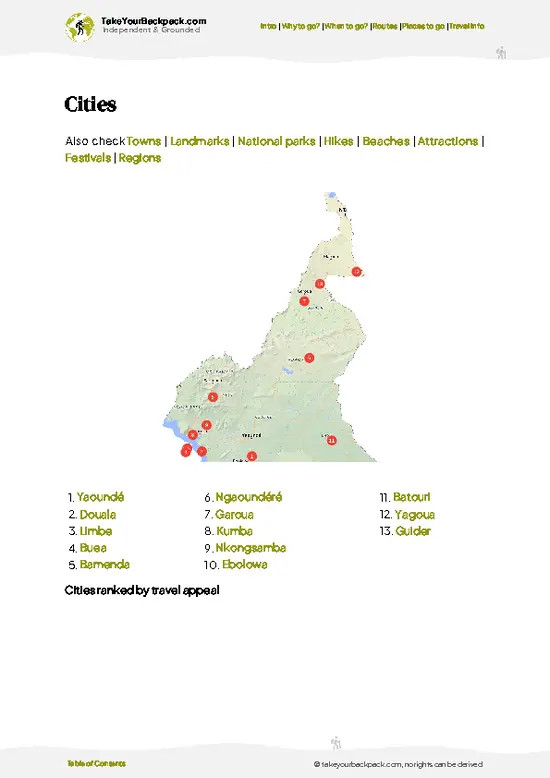
Other Cameroonian cities near Limbe

Explore more nearby:

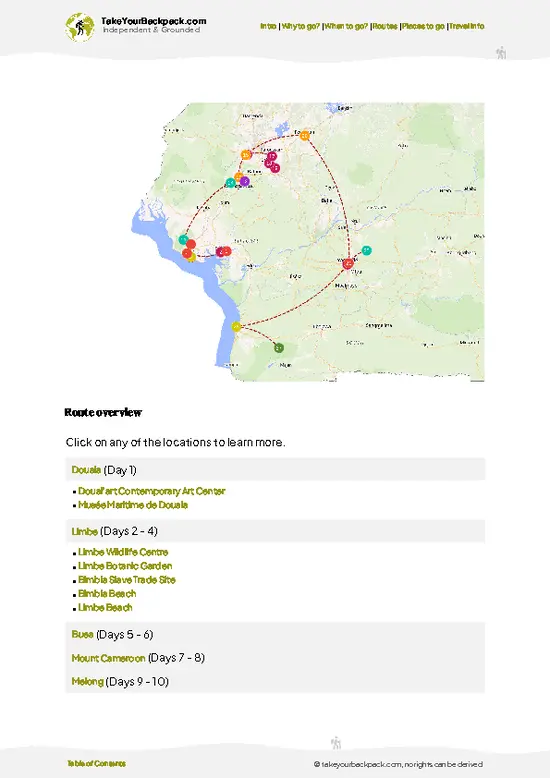
  • Buea—Mount Cameroon, colonial relics, university campus, cool breezes| 16 km away
  • Douala—Atlantic port, economic center, industrial zones, urban sprawl| 64 km away
  • Kumba—Lake Barombi Mbo, trading hub, Southwest crossroads| 73 km away

👉 Discover all cities

Or checkout all Cameroon has to offer (think cities, towns, villages, national parks, hikes, beaches, festivals)
Country photo of Cameroon

We 💚 feedbackFinal thoughts on visiting Limbe

Limbe has a laid-back vibe that feels like a warm hug after a long trek. The best surprise? The local beaches—think black sand and friendly vendors serving fresh grilled fish. Just a heads-up: the humidity can be intense, so stay hydrated and plan your outdoor adventures for early morning or late afternoon. Embrace the rhythm of life here; it’s all about savoring the moment, not rushing through it. You’ll leave with stories that linger long after you’ve gone.

✍️ Help improve this page!
The information on this page is based on in-depth research, insights shared by experienced travelers, and feedback from the local travel community in Cameroon. While every effort is made to keep the information accurate and current, conditions can change — so if you spot anything incorrect or outdated, please get in touch.


🙋‍♂️ Give feedback

👋 Meet the founderWho’s Behind Take Your Backpack?

Johan, backpacker and founder of TakeYourBackpackHi, I’m Johan (Netherlands 🇳🇱), the creator of TakeYourBackpack. Over the past decade, I’ve backpacked through 80+ countries across six continents, gaining extensive experience with independent travel, long-term trips, and overland routes.

This site is built on a combination of firsthand travel experience and carefully curated insights from other backpackers. Many guides are based on places I’ve personally visited, while others bring together tips, observations, and practical advice shared by trusted travelers I’ve met along the way.

The goal is to provide realistic, experience-driven guidance — not generic itineraries — so you can explore destinations with better context, clearer expectations, and more confidence.

Get Full Country Guide |
Instant download • 95 highlights • Full Offline guide