v2.webp)
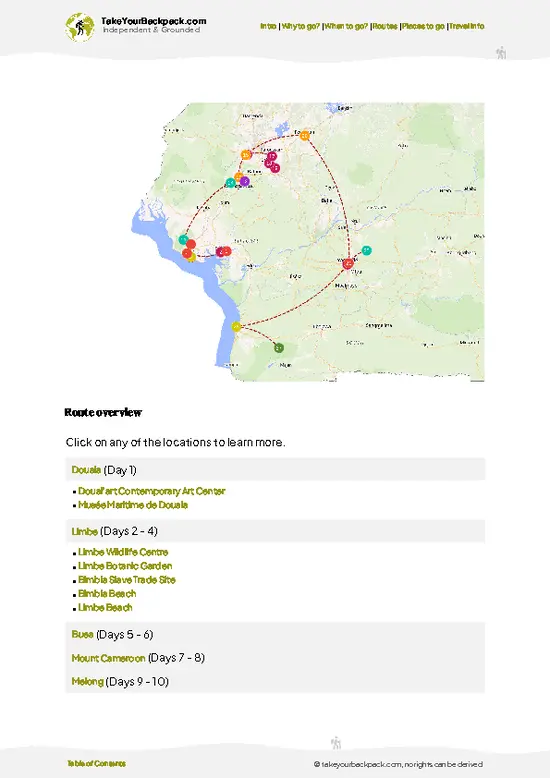
- Ebolowa Cathedral and Hilltop Quarter: The Catholic mission area is the town’s best-known landmark, with a calm compound and views over tin roofs and forest. Go early morning or late afternoon. Free, 30 to 45 minutes.
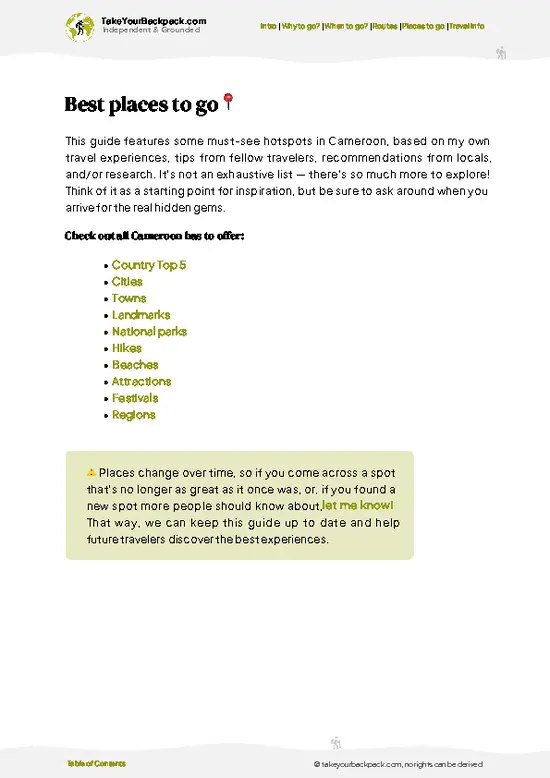
- Ebolowa Central Market: Piles of cocoa-region produce, smoked fish, bush mango, cassava sticks and bitter leaf, plus cloth stalls. Mornings are liveliest. Free to enter, 1 to 2 hours.
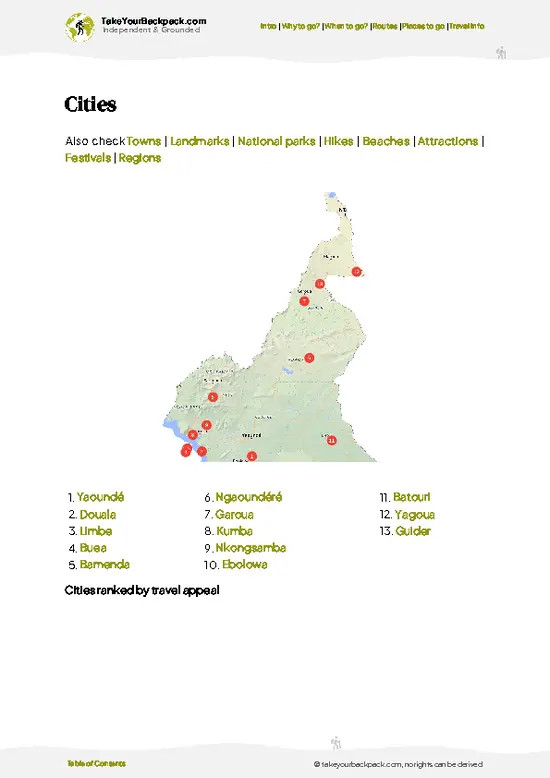
- Lake Ebolowa: A small lakeside area at the edge of town where locals stroll and fish, good for a quiet late afternoon. Free, about 1 hour.
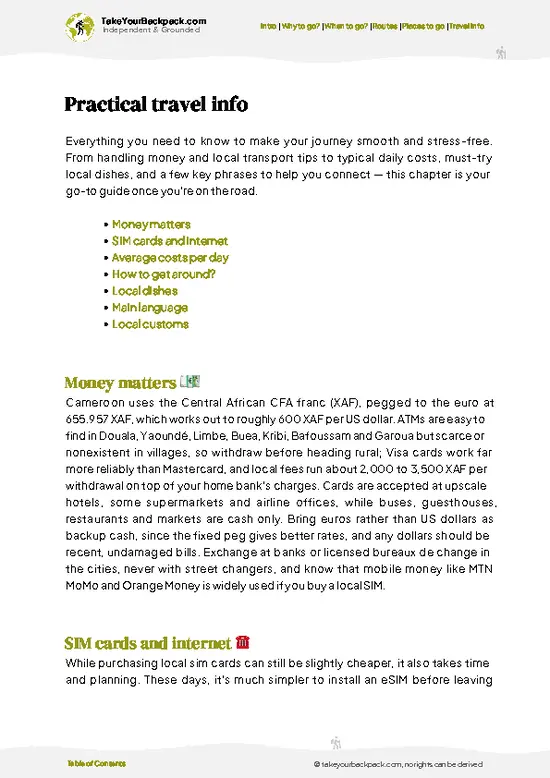
- Cocoa Plantation Lanes: Villages around town grow cocoa, and a moto-taxi ride with a local contact lets you see pods drying and being split. Ask permission first. Roughly €3 to 8 for the ride, 2 to 3 hours.
- Regional Museum Area and Governorate Streets: The administrative
- Ebolowa Cathedral and Hilltop Quarter: The Catholic mission area is the town’s best-known landmark, with a calm compound and views over tin roofs and forest. Go early morning or late afternoon. Free, 30 to 45 minutes.
- Ebolowa Central Market: Piles of cocoa-region produce, smoked fish, bush mango, cassava sticks and bitter leaf, plus cloth stalls. Mornings are liveliest. Free to enter, 1 to 2 hours.
- Lake Ebolowa: A small lakeside area at the edge of town where locals stroll and fish, good for a quiet late afternoon. Free, about 1 hour.
- Cocoa Plantation Lanes: Villages around town grow cocoa, and a moto-taxi ride with a local contact lets you see pods drying and being split. Ask permission first. Roughly €3 to 8 for the ride, 2 to 3 hours.
- Regional Museum Area and Governorate Streets: The administrative center shows the colonial and post-independence layout of the town, with wide avenues and old mission buildings. Free, 45 minutes.
- Bulu Food Stalls: Evening grills serve fish, plantain and ndolé with bobolo, the steamed cassava sticks. Go after 5 pm. Meals about €1.50 to 4, 1 hour.
Spotted a mistake or missing something? Contact us.

 Best Backpacking
.jpg) Hi, I’m Johan (Netherlands 🇳🇱), the creator of TakeYourBackpack. Over the past 3 decades, I’ve backpacked through 90+ countries across six continents, gaining extensive experience with independent travel, long-term trips, and overland routes.
Hi, I’m Johan (Netherlands 🇳🇱), the creator of TakeYourBackpack. Over the past 3 decades, I’ve backpacked through 90+ countries across six continents, gaining extensive experience with independent travel, long-term trips, and overland routes.