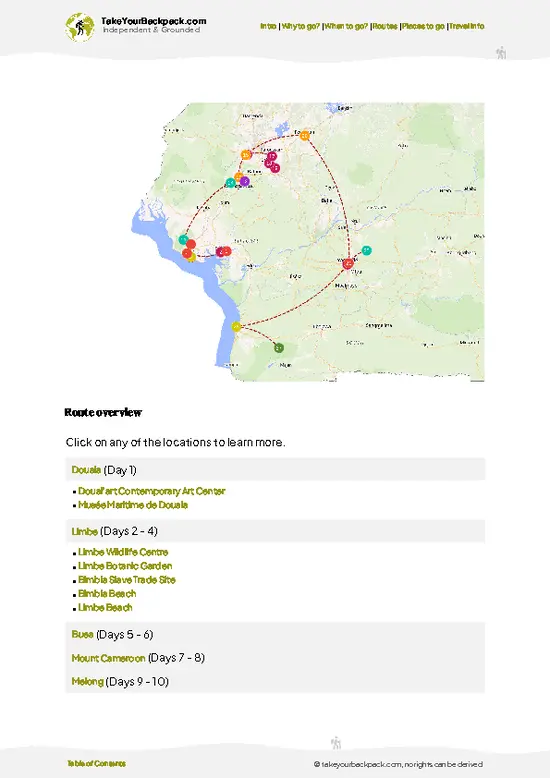
The Ship Models Room
Forget the dusty, generic ship-in-a-bottle displays you’ve seen elsewhere. The Musée Maritime de Douala’s collection of ship models is a crash course in Cameroon’s maritime history, from colonial-era paddle steamers to the hulking cargo vessels that still dock at the city’s port. These aren’t just pretty models—they’re tactile, detailed, and sometimes a little battered, which is exactly the point. You see the evolution of trade, migration, and even piracy, all in miniature. If you want to understand how Douala became Cameroon’s economic engine, start here.
The Colonial-Era Navigation Instruments
This is where the museum gets real. You’ll find compasses, sextants, and logbooks that look like they’ve survived more than a few monsoon seasons. These aren’t replicas—they’re … read more 👉
Forget the dusty, generic ship-in-a-bottle displays you’ve seen elsewhere. The Musée Maritime de Douala’s collection of ship models is a crash course in Cameroon’s maritime history, from colonial-era paddle steamers to the hulking cargo vessels that still dock at the city’s port. These aren’t just pretty models—they’re tactile, detailed, and sometimes a little battered, which is exactly the point. You see the evolution of trade, migration, and even piracy, all in miniature. If you want to understand how Douala became Cameroon’s economic engine, start here.
The Colonial-Era Navigation Instruments
This is where the museum gets real. You’ll find compasses, sextants, and logbooks that look like they’ve survived more than a few monsoon seasons. These aren’t replicas—they’re … read more 👉
The Ship Models Room
Forget the dusty, generic ship-in-a-bottle displays you’ve seen elsewhere. The Musée Maritime de Douala’s collection of ship models is a crash course in Cameroon’s maritime history, from colonial-era paddle steamers to the hulking cargo vessels that still dock at the city’s port. These aren’t just pretty models—they’re tactile, detailed, and sometimes a little battered, which is exactly the point. You see the evolution of trade, migration, and even piracy, all in miniature. If you want to understand how Douala became Cameroon’s economic engine, start here.
The Colonial-Era Navigation Instruments
This is where the museum gets real. You’ll find compasses, sextants, and logbooks that look like they’ve survived more than a few monsoon seasons. These aren’t replicas—they’re the actual tools used by sailors, traders, and explorers who mapped the Gulf of Guinea. The wear and tear on these objects tells a story of improvisation and grit. You can almost smell the salt and diesel (the real kind, not the travel cliché). It’s a hands-on reminder that maritime history is about risk, not romance.
The Slave Trade Exhibit
Brace yourself. This isn’t sanitized history. The museum’s section on the Atlantic slave trade is blunt, unflinching, and necessary. You’ll see shackles, manifests, and personal accounts that force you to confront the human cost of Douala’s port legacy. It’s not comfortable, but it’s honest—and it’s a crucial counterweight to the Instagram-friendly shots of the harbor. If you want to understand Cameroon’s place in global history, you can’t skip this room.
Port of Douala Diorama
This isn’t your average “here’s a map” display. The diorama is a living snapshot of the port’s chaos: cranes, cargo, fishermen, and the constant churn of commerce. It’s detailed enough that you’ll spot the difference between a cocoa shipment and a fishing trawler. The staff sometimes use it to explain how the port works today, so you get a sense of the city’s pulse, not just its past. It’s the closest you’ll get to standing on the docks without dodging forklifts.
Traditional Canoes and Fishing Gear
The museum doesn’t just focus on big ships and colonial history. There’s a whole section dedicated to the wooden canoes and hand-carved paddles still used by local fishermen. These aren’t relics—they’re living culture. The craftsmanship is raw and practical, and you’ll see how local communities have adapted to the river and sea for centuries. It’s a reminder that maritime life in Cameroon is about survival and ingenuity, not just nostalgia.
Maritime Artifacts from World War II
Yes, Douala played a role in the global conflict. The museum’s collection of WWII-era uniforms, medals, and naval equipment is a curveball most visitors don’t expect. You’ll get a sense of how the port became a strategic hub for Allied forces, and how local sailors found themselves swept up in a war that was anything but distant. It’s a gritty, surprising chapter that adds depth to the city’s maritime story.
Forget the dusty, generic ship-in-a-bottle displays you’ve seen elsewhere. The Musée Maritime de Douala’s collection of ship models is a crash course in Cameroon’s maritime history, from colonial-era paddle steamers to the hulking cargo vessels that still dock at the city’s port. These aren’t just pretty models—they’re tactile, detailed, and sometimes a little battered, which is exactly the point. You see the evolution of trade, migration, and even piracy, all in miniature. If you want to understand how Douala became Cameroon’s economic engine, start here.
The Colonial-Era Navigation Instruments
This is where the museum gets real. You’ll find compasses, sextants, and logbooks that look like they’ve survived more than a few monsoon seasons. These aren’t replicas—they’re the actual tools used by sailors, traders, and explorers who mapped the Gulf of Guinea. The wear and tear on these objects tells a story of improvisation and grit. You can almost smell the salt and diesel (the real kind, not the travel cliché). It’s a hands-on reminder that maritime history is about risk, not romance.
The Slave Trade Exhibit
Brace yourself. This isn’t sanitized history. The museum’s section on the Atlantic slave trade is blunt, unflinching, and necessary. You’ll see shackles, manifests, and personal accounts that force you to confront the human cost of Douala’s port legacy. It’s not comfortable, but it’s honest—and it’s a crucial counterweight to the Instagram-friendly shots of the harbor. If you want to understand Cameroon’s place in global history, you can’t skip this room.
Port of Douala Diorama
This isn’t your average “here’s a map” display. The diorama is a living snapshot of the port’s chaos: cranes, cargo, fishermen, and the constant churn of commerce. It’s detailed enough that you’ll spot the difference between a cocoa shipment and a fishing trawler. The staff sometimes use it to explain how the port works today, so you get a sense of the city’s pulse, not just its past. It’s the closest you’ll get to standing on the docks without dodging forklifts.
Traditional Canoes and Fishing Gear
The museum doesn’t just focus on big ships and colonial history. There’s a whole section dedicated to the wooden canoes and hand-carved paddles still used by local fishermen. These aren’t relics—they’re living culture. The craftsmanship is raw and practical, and you’ll see how local communities have adapted to the river and sea for centuries. It’s a reminder that maritime life in Cameroon is about survival and ingenuity, not just nostalgia.
Maritime Artifacts from World War II
Yes, Douala played a role in the global conflict. The museum’s collection of WWII-era uniforms, medals, and naval equipment is a curveball most visitors don’t expect. You’ll get a sense of how the port became a strategic hub for Allied forces, and how local sailors found themselves swept up in a war that was anything but distant. It’s a gritty, surprising chapter that adds depth to the city’s maritime story.
Spotted a mistake or missing something? Contact us.
v2.webp)


Best Backpacking
Hi, I’m Johan (Netherlands 🇳🇱), the creator of TakeYourBackpack. Over the past decade, I’ve backpacked through 80+ countries across six continents, gaining extensive experience with independent travel, long-term trips, and overland routes.