The Grand Hall: Where Art and Architecture Collide
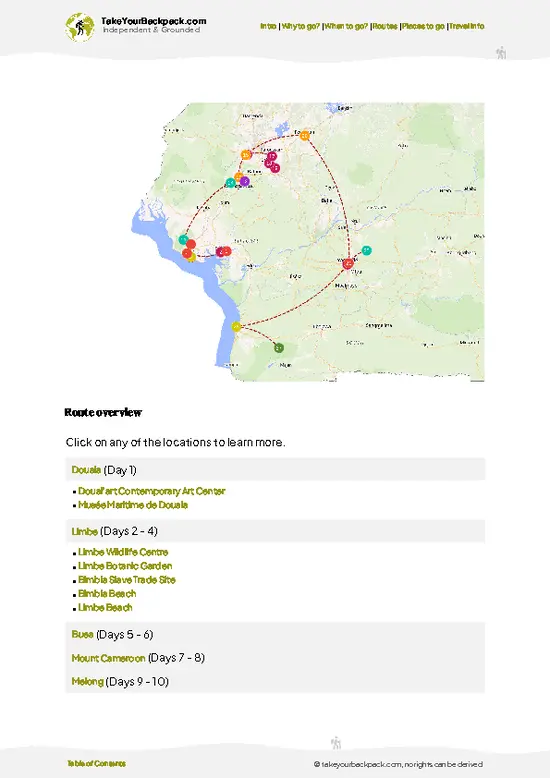
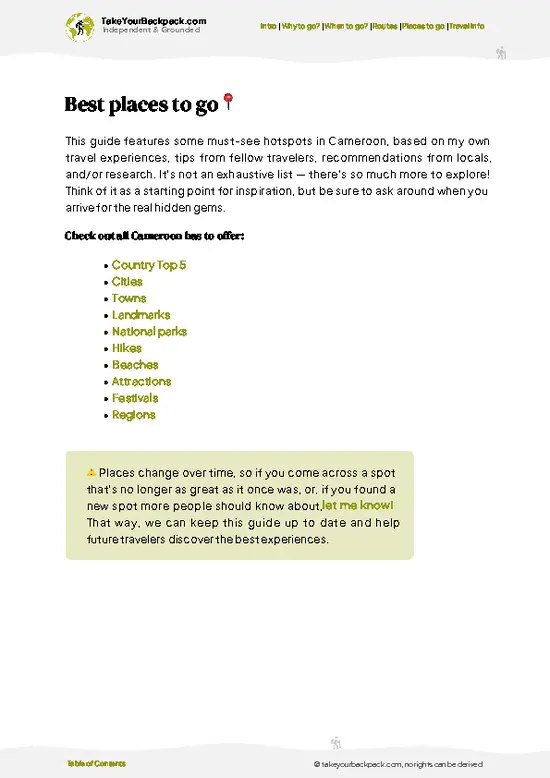
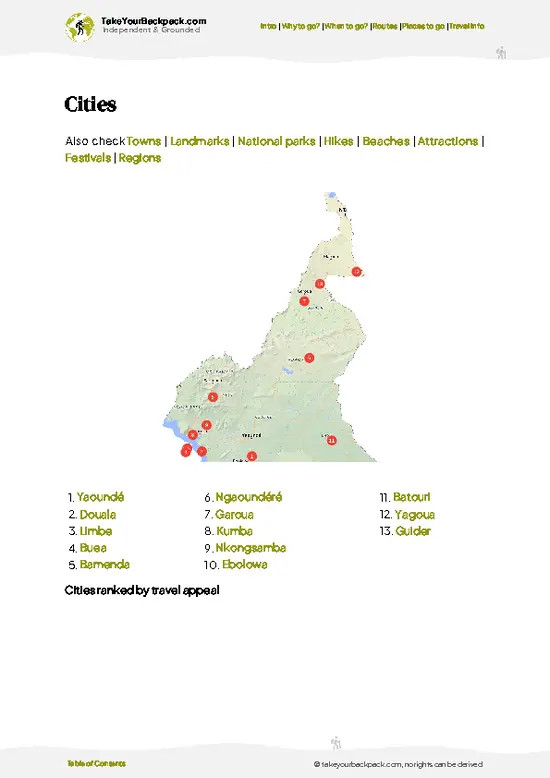
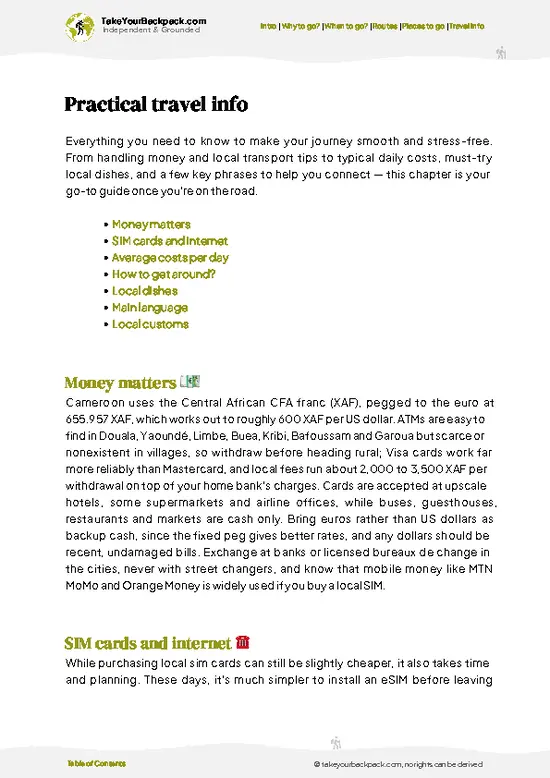
Forget the sterile white cubes of Western galleries. Bandjoun Station’s main building is a visual jolt—part spaceship, part royal palace, all Cameroonian swagger. Designed by Barthélémy Toguo, the founder himself, the structure fuses traditional Bamileke motifs with contemporary lines. You’re not just looking at art; you’re standing inside a living, breathing sculpture. The roof alone, a wild thatched crown, is worth the trip. This isn’t a backdrop for selfies—it’s a statement about what African creativity looks like when it isn’t filtered for export.
Rotating Contemporary Art Exhibitions
Here’s the myth: African art is all masks and wood carvings. The reality? Bandjoun Station is a nerve center for contemporary African artists, with rotating … read more 👉
Forget the sterile white cubes of Western galleries. Bandjoun Station’s main building is a visual jolt—part spaceship, part royal palace, all Cameroonian swagger. Designed by Barthélémy Toguo, the founder himself, the structure fuses traditional Bamileke motifs with contemporary lines. You’re not just looking at art; you’re standing inside a living, breathing sculpture. The roof alone, a wild thatched crown, is worth the trip. This isn’t a backdrop for selfies—it’s a statement about what African creativity looks like when it isn’t filtered for export.
Rotating Contemporary Art Exhibitions
Here’s the myth: African art is all masks and wood carvings. The reality? Bandjoun Station is a nerve center for contemporary African artists, with rotating … read more 👉
The Grand Hall: Where Art and Architecture Collide
Forget the sterile white cubes of Western galleries. Bandjoun Station’s main building is a visual jolt—part spaceship, part royal palace, all Cameroonian swagger. Designed by Barthélémy Toguo, the founder himself, the structure fuses traditional Bamileke motifs with contemporary lines. You’re not just looking at art; you’re standing inside a living, breathing sculpture. The roof alone, a wild thatched crown, is worth the trip. This isn’t a backdrop for selfies—it’s a statement about what African creativity looks like when it isn’t filtered for export.
Rotating Contemporary Art Exhibitions
Here’s the myth: African art is all masks and wood carvings. The reality? Bandjoun Station is a nerve center for contemporary African artists, with rotating exhibitions that are as provocative as anything you’ll see in Berlin or New York. Expect everything from massive installations to video art, often tackling politics, migration, and identity head-on. The curation is fearless—sometimes raw, sometimes playful, always relevant. You’ll leave with your assumptions shaken, not just your Instagram feed updated.
The Artist Residency: Creativity in Action
Most art centers hide the process. Not here. Bandjoun Station’s artist residency program means you might catch artists at work—painting, sculpting, or experimenting with new media. There’s a buzz in the air, a sense that something is being made right now. If you’re lucky, you’ll get to chat with the artists themselves. It’s messy, unpredictable, and a reminder that art is a living thing, not just a finished product behind glass.
Organic Farm and Agroecology Project
This isn’t just an art center—it’s a working farm. The grounds are dotted with vegetable plots and coffee plants, all run on agroecological principles. The idea? To reconnect art with the land and the community. You can walk the fields, see how local crops are grown, and sometimes even join in a harvest. It’s not a tourist gimmick; it’s a real attempt to blend sustainability with creativity. The farm supplies the on-site kitchen, so what you eat is as local as it gets.
Community Workshops and Cultural Exchange
Bandjoun Station isn’t a fortress for the elite. Locals come for workshops—everything from painting to dance to environmental education. Travelers are welcome to join, but don’t expect a sanitized “cultural experience.” This is grassroots, sometimes chaotic, always genuine. You’ll meet people who live here, not just other travelers. If you want to understand Cameroon beyond the guidebook, this is where it happens.
The View from the Hilltop
One last thing: the location itself. Bandjoun Station sits on a hill with a panoramic sweep of the Western Highlands. Early morning, with mist curling through the valleys, is pure magic—no filter needed. It’s a reminder that art and nature aren’t separate here; they’re part of the same conversation.
Forget the sterile white cubes of Western galleries. Bandjoun Station’s main building is a visual jolt—part spaceship, part royal palace, all Cameroonian swagger. Designed by Barthélémy Toguo, the founder himself, the structure fuses traditional Bamileke motifs with contemporary lines. You’re not just looking at art; you’re standing inside a living, breathing sculpture. The roof alone, a wild thatched crown, is worth the trip. This isn’t a backdrop for selfies—it’s a statement about what African creativity looks like when it isn’t filtered for export.
Rotating Contemporary Art Exhibitions
Here’s the myth: African art is all masks and wood carvings. The reality? Bandjoun Station is a nerve center for contemporary African artists, with rotating exhibitions that are as provocative as anything you’ll see in Berlin or New York. Expect everything from massive installations to video art, often tackling politics, migration, and identity head-on. The curation is fearless—sometimes raw, sometimes playful, always relevant. You’ll leave with your assumptions shaken, not just your Instagram feed updated.
The Artist Residency: Creativity in Action
Most art centers hide the process. Not here. Bandjoun Station’s artist residency program means you might catch artists at work—painting, sculpting, or experimenting with new media. There’s a buzz in the air, a sense that something is being made right now. If you’re lucky, you’ll get to chat with the artists themselves. It’s messy, unpredictable, and a reminder that art is a living thing, not just a finished product behind glass.
Organic Farm and Agroecology Project
This isn’t just an art center—it’s a working farm. The grounds are dotted with vegetable plots and coffee plants, all run on agroecological principles. The idea? To reconnect art with the land and the community. You can walk the fields, see how local crops are grown, and sometimes even join in a harvest. It’s not a tourist gimmick; it’s a real attempt to blend sustainability with creativity. The farm supplies the on-site kitchen, so what you eat is as local as it gets.
Community Workshops and Cultural Exchange
Bandjoun Station isn’t a fortress for the elite. Locals come for workshops—everything from painting to dance to environmental education. Travelers are welcome to join, but don’t expect a sanitized “cultural experience.” This is grassroots, sometimes chaotic, always genuine. You’ll meet people who live here, not just other travelers. If you want to understand Cameroon beyond the guidebook, this is where it happens.
The View from the Hilltop
One last thing: the location itself. Bandjoun Station sits on a hill with a panoramic sweep of the Western Highlands. Early morning, with mist curling through the valleys, is pure magic—no filter needed. It’s a reminder that art and nature aren’t separate here; they’re part of the same conversation.
Spotted a mistake or missing something? Contact us.
v2.webp)

Best Backpacking
Hi, I’m Johan (Netherlands 🇳🇱), the creator of TakeYourBackpack. Over the past decade, I’ve backpacked through 80+ countries across six continents, gaining extensive experience with independent travel, long-term trips, and overland routes.