×

Cameroon🇨🇲 | citiesYagouaLogone floodplain, Massa mud huts, grain and livestock market, Chad border | things to do and best time to go

Explore BatouriExplore Guider

Backpacking in Yagoua
👀 For curious travelerscity ranked #12
By Johan Kruseman 🇳🇱 | Updated October 22, 2026

The decision in Yagoua is whether to treat it as a stop of its own or only as a staging post for the Logone floodplain, and the town earns a night or two but not a week. It sits in the Far North of Cameroon, in the Mayo-Danay department, close to the Chad border along the Logone River. Expect red dust, the smell of woodsmoke and fried fish, and the clatter of motorbike taxis under a flat white sky. The market and the riverside deserve your time, while the main roads do not. It suits patient, curious travelers who like unpolished places. It will frustrate anyone who wants hostels, nightlife or polish.

Discover everything you want to know in the 📖 Cameroon Travel Guide.


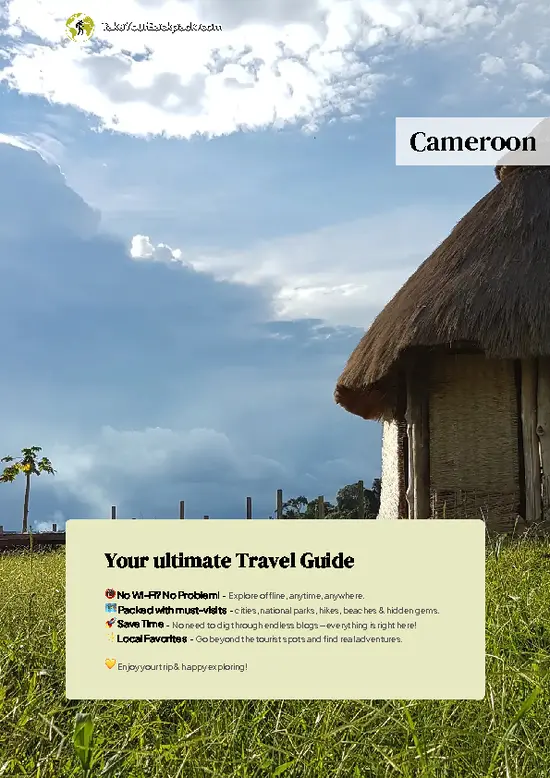
example page 0 from our offline Travel Guide for Cameroon
example page 1 from our offline Travel Guide for Cameroon
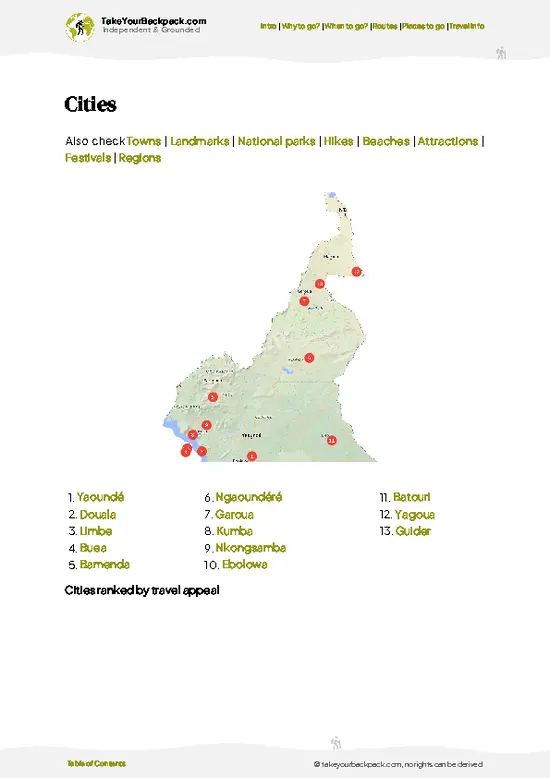
example page 2 from our offline Travel Guide for Cameroon
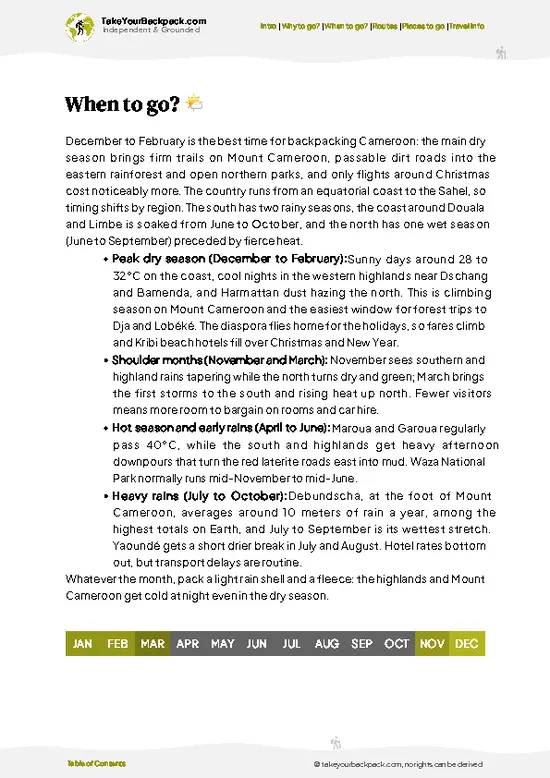
example page 3 from our offline Travel Guide for Cameroon
example page 4 from our offline Travel Guide for Cameroon
example page 5 from our offline Travel Guide for Cameroon
example page 6 from our offline Travel Guide for Cameroon
example page 7 from our offline Travel Guide for Cameroon
Loading the map 🌍
CLICK TO FILTER
cities
towns
landmarks
national parks
hikes
beaches
attractions
festivals
regions
SHOW COUNTRY’S BESTSHOW ALL

✨ Why go?
Ranked #12 city in Cameroon
The unique appeal for travelers

Yagoua is where you go to see the Massa and Toupouri country of the Logone floodplain without the crowds of the better-known northern towns. For most backpackers the pull is that the town is a genuine working market center: farmers, fishermen and cattle traders arrive from villages around, so you see daily life rather than a staged version. It also works as a base for reaching the distinctive mud-brick architecture of the area, and it sits on the route between Maroua and the Chad frontier, so it fits into an overland loop. The trade-off is simple: few formal sights, basic lodging and a slow pace. Treat it as a one or two night stop for culture and river life, not a destination to linger in for its own sake.

💡 HighlightsKey sights and experiences for travelers

  1. Yagoua Central Market: The town's main draw, with grain, dried fish, onions, cloth and livestock trading under tin roofs and tarps. Go early in the morning, when it is busiest and the heat is manageable. Entry is free and an hour or two is plenty.
  2. Logone River banks: Watch pirogues, fishermen and women washing clothes along the water. Late afternoon is calmest and best for photos. It is free, and 1 to 2 hours is enough.
  3. Lamidat of Yagoua: The traditional chiefdom residence reflects the local Muslim and Massa leadership structures. Visits depend on permission from the palace, so ask a local guide to introduce you. Expect a small gift or a donation of about €2 to 5, and about 45 minutes.
  4. Massa mud-brick compounds: In the neighborhoods and villages around town you can see the traditional round huts
… read more 👉
  1. Yagoua Central Market: The town's main draw, with grain, dried fish, onions, cloth and livestock trading under tin roofs and tarps. Go early in the morning, when it is busiest and the heat is manageable. Entry is free and an hour or two is plenty.
  2. Logone River banks: Watch pirogues, fishermen and women washing clothes along the water. Late afternoon is calmest and best for photos. It is free, and 1 to 2 hours is enough.
  3. Lamidat of Yagoua: The traditional chiefdom residence reflects the local Muslim and Massa leadership structures. Visits depend on permission from the palace, so ask a local guide to introduce you. Expect a small gift or a donation of about €2 to 5, and about 45 minutes.
  4. Massa mud-brick compounds: In the neighborhoods and villages around town you can see the traditional round huts with thatched roofs and decorated mud walls. Mornings give the best light. A local guide costs around €5 to 10, and a visit takes 1 to 2 hours.
  5. Cattle and livestock market area: Zebu herds are traded on market days, a lively scene of negotiation and dust. Arrive early, ask before photographing, and allow an hour. Free.
  6. Evening tea and grilled meat stalls: Along the main roads, vendors sell skewers and sweet tea after dark. It is the closest the town gets to nightlife. A meal costs roughly €1 to 3, and 1 hour fits well.
For day trips, the Mayo-Danay countryside, the Maga lake and its rice fields, and the Kalfou border area are the realistic options close to Yagoua. Altogether the sights above fill one full day, or a relaxed day and a half.
Spotted a mistake or missing something? Contact us.

🏘️ NeighborhoodsUnderstanding the local layout

Yagoua is small enough that you can sort it into a handful of areas in an afternoon, and the Logone riverside is where the town makes most sense.
  • Central market area: The place to spend your first morning. Stalls spill onto red dust lanes, with the smell of smoked fish, onions frying and diesel from passing motorbikes. It gets loud and hot by 10 am. Go early, and expect to walk everything on foot.
  • Logone riverbank: Worth your time at late afternoon, when fishermen haul in nets and women wash cloth on the shore. Light is soft, mud is sticky in the rains, and it is quiet apart from boats and goats.
  • Administrative quarter and main road: Wide, tree-lined and dull by day, but useful for banks, the bus stops and a few drinking spots. Skip it for sightseeing.
  • Residential outskirts: Clay-walled compounds
… read more 👉
Yagoua is small enough that you can sort it into a handful of areas in an afternoon, and the Logone riverside is where the town makes most sense.
  • Central market area: The place to spend your first morning. Stalls spill onto red dust lanes, with the smell of smoked fish, onions frying and diesel from passing motorbikes. It gets loud and hot by 10 am. Go early, and expect to walk everything on foot.
  • Logone riverbank: Worth your time at late afternoon, when fishermen haul in nets and women wash cloth on the shore. Light is soft, mud is sticky in the rains, and it is quiet apart from boats and goats.
  • Administrative quarter and main road: Wide, tree-lined and dull by day, but useful for banks, the bus stops and a few drinking spots. Skip it for sightseeing.
  • Residential outskirts: Clay-walled compounds in Massa style, with granaries shaped like round pots. A short moto ride away and best seen with a local guide. Nightlife is basic: open-air bars with warm beer and loud music near the center.

⌛️ 1 dayHow to make the most of one day

This is a river-and-market day, slow and dusty, built around the Logone floodplain in the far north of Cameroon.
7:00 AM: Yagoua Central Market. Start while the sellers are still unpacking. Fish from the Logone, onions, millet, dried tomatoes and cotton cloth fill the lanes, and the smell of frying beignets pulls you along. Buy breakfast here, then walk toward the river.
9:30 AM: Logone riverbank. Follow the main road down to the water. Fishermen mend nets and women wash clothes on the bank, and the light is soft before the heat builds. Stay about an hour and ask before photographing anyone.
11:00 AM: Moto-taxi to the Musgum quarter. Hire a motorbike for a short ride to the older neighborhoods, where the Musgum and Massa influence shows in the mud-walled compounds, granaries and courtyards. Few … read more 👉
This is a river-and-market day, slow and dusty, built around the Logone floodplain in the far north of Cameroon.
7:00 AM: Yagoua Central Market. Start while the sellers are still unpacking. Fish from the Logone, onions, millet, dried tomatoes and cotton cloth fill the lanes, and the smell of frying beignets pulls you along. Buy breakfast here, then walk toward the river.
9:30 AM: Logone riverbank. Follow the main road down to the water. Fishermen mend nets and women wash clothes on the bank, and the light is soft before the heat builds. Stay about an hour and ask before photographing anyone.
11:00 AM: Moto-taxi to the Musgum quarter. Hire a motorbike for a short ride to the older neighborhoods, where the Musgum and Massa influence shows in the mud-walled compounds, granaries and courtyards. Few outsiders wander here, so go with a greeting and a smile, and accept that you will be noticed.
1:00 PM: Lunch at a roadside grill. Order grilled fish or goat with plantains and pepper sauce, and drink something cold. Then rest through the worst heat in the shade of a bar terrace.
4:00 PM: Cotton-weaving and dyeing workshops. As the afternoon cools, look for the small artisan spots near the market where cloth is woven and dyed by hand. Watching takes half an hour, and buying a strip makes a useful scarf against the dust.
6:00 PM: Evening on the main road. Finish with a cold drink at an open-air bar as the dusk noise picks up, motorbikes humming and radios playing, then walk back to your lodging while there is still some light.

🌤️ When to go?Weather, crowds, and seasonal trade-offs

November to February is the most comfortable window, with dry air, cool mornings near 18°C (64°F) and afternoons around 33°C (91°F), though the harmattan haze can dull the light.
  • Cool Dry Season (Nov to Feb): Roads are passable, mosquitoes fewer and river views clear. Transport fares stay steady.
  • Hot Season (Mar to May): Afternoons reach 38 to 42°C (100 to 108°F). Walk only at dawn and dusk.
  • Rainy Season (Jun to Oct): Highs of 30 to 33°C (86 to 91°F), flooded tracks and the Logone swelling. Fares for rides to villages rise and some roads close. Days run about 12 hours year round.
Plan your arrival for December, before the heat builds.

source: climatestotravel.comJANJanuary: highly recommended for travelingFEBFebruary: excellent for travelingMARMarch: excellent for travelingAPRApril: fair for travelingMAYMay: fair for travelingJUNJune: fair for travelingJULJuly: fair for travelingAUGAugust: fair for travelingSEPSeptember: fair for travelingOCTOctober: fair for travelingNOVNovember: highly recommended for travelingDECDecember: highly recommended for traveling
when-to-go

✈️ The backpacker research shortcutCameroon Travel Guide

An offline-friendly backpacking guide with optimized travel routes, ranked highlights, transport advice, and the best areas to stay.
example page 0 from our offline Travel Guide for Cameroon
example page 1 from our offline Travel Guide for Cameroon
example page 2 from our offline Travel Guide for Cameroon
example page 3 from our offline Travel Guide for Cameroon
example page 4 from our offline Travel Guide for Cameroon
example page 5 from our offline Travel Guide for Cameroon
example page 6 from our offline Travel Guide for Cameroon
example page 7 from our offline Travel Guide for Cameroon
The digital guide (351 pages) contains:
✅ 84 highlights, ranked by travel appeal
✅ Optimized 7, 14 & 21-day travel routes
✅ Cities, national parks, landmarks, beaches
✅ How to get around
✅ Offline-friendly for travel without Wi-Fi
👉 Click to see all 30+ guide features

📅 Plan smarter in minutes, not weeks
✅ Month by month travel advice
✅ Festivals & national holidays
✅ Budget expectations

🗺️ Go to the right places, skip the overrated ones
✅ Honest pros & cons of destinations
✅ Top hikes, parks & viewpoints
✅ Lesser-known places most travelers miss
✅ Clear “worth it vs skip it” guidance

🛏️ Travel smoothly without rookie mistakes
✅ Best areas to stay
✅ Transport systems explained simply
✅ Common scams & safety advice
✅ SIM cards, money & practical tips

🌍 Understand the country, not just visit it
✅ Culture & traditions
✅ 52 Essential phrases & customs
✅ Festivals worth planning around
✅ Traveler-friendly historical context
✅ Insights that make places more meaningful

📱 Built for real travel conditions
✅ Fully downloadable PDF
✅ Works completely offline
✅ Optimized for phone use
✅ Useful in remote areas & buses
✅ Everything in one place
Stop searching, start planning
Get instant access to your full guide. 30‑day money-back guarantee.
+ Add another guide for just

By proceeding you agree to our terms.
Sent to your inbox immediately after payment • 100% Secure Checkout
Best Backpacking Travel Advisor 2025 tourism awardBest Backpacking
Travel Advisor
2025
What others say about Take Your Backpack Guides:
⭐⭐⭐⭐⭐
Fantastic, amazing amount of information!
⭐⭐⭐⭐⭐
My goodness this is amazing, it's what I've been looking for hats off too you!
⭐⭐⭐⭐⭐
I think this is absolutely BRILLIANT
⭐⭐⭐⭐
Very complete and informative. It's still missing places, but I gotta to commend you
⭐⭐⭐⭐⭐
This is truly amazing, thank you, can't wait to explore it with my kids!
⭐⭐⭐⭐⭐
Awesome resource, thank you!
⭐⭐⭐⭐⭐
This is amazing! Can't wait to explore the ones I haven't seen
⭐⭐⭐⭐
I love this! Well done, great idea.
⭐⭐⭐⭐⭐
Thanks for taking the time to make this gem!
⭐⭐⭐⭐⭐
This might be the best website I've ever seen.
⭐⭐⭐⭐⭐
Congratulations, and thank you so much for your work; it's incredibly valuable.
⭐⭐⭐⭐
In all seriousness I think you did a great job pointing out the important spots
⭐⭐⭐⭐⭐
10/10 very good
⭐⭐⭐⭐⭐
As someone who's only just starting to visit regularly this is awesome, thank you.
⭐⭐⭐⭐
Thank you very much! I'm going to visit my dad, it's going to be very useful!
⭐⭐⭐⭐⭐
This is really cool! We'll be travelling for the first time and this definitely come in handy.
⭐⭐⭐⭐⭐
You are now our minister of culture, congratulations 👨‍💼
⭐⭐⭐⭐⭐
Just wanted to tell you that this is a pearl! Going to follow your recommendations.
⭐⭐⭐⭐⭐
This is so cool. I'll definitely be using the resource for my travels soon.
⭐⭐⭐⭐⭐
This is very impressive! Good work.
⭐⭐⭐⭐⭐
This is an amazing and informative site. Very well done!

🛏️ Where to stay?Best areas and accommodation options

The town center near the market and main road is the best place to sleep in Yagoua, because that is where the few budget guesthouses and basic rooms cluster, usually €8 to 20 a night. Dorm hostels do not exist here, so you will be taking a private room with a fan, and sometimes a bucket shower. Being central means you can walk to food, banks and the bus stops, and moto-taxis pass at any hour. The trade-off is noise: roosters, mosque calls before dawn and music from bars can run late.
A quieter second option is the edge of the administrative quarter, where streets are wider and calmer after dark, … read more 👉
The town center near the market and main road is the best place to sleep in Yagoua, because that is where the few budget guesthouses and basic rooms cluster, usually €8 to 20 a night. Dorm hostels do not exist here, so you will be taking a private room with a fan, and sometimes a bucket shower. Being central means you can walk to food, banks and the bus stops, and moto-taxis pass at any hour. The trade-off is noise: roosters, mosque calls before dawn and music from bars can run late.
A quieter second option is the edge of the administrative quarter, where streets are wider and calmer after dark, and a short moto ride (under €1) returns you to the market. Power cuts are frequent in both areas, so bring a headlamp. Arrive before dark, since finding a room in the evening is harder.

🚌 Getting aroundGetting around like a local

The center of Yagoua can be crossed on foot in about 20 minutes, and walking stops making sense once you head to the riverbanks, outlying villages or anywhere in the midday heat. Traffic is mostly motorbikes buzzing through dust, and there is no formal public transport system.
  • Walking: Fine for the market, main road and bus stops, but shade is scarce. Go early or after 4 pm, and carry water.
  • Moto-taxis: The backbone of local travel. Rides inside town cost about €0.30 to 0.60, and longer runs to villages cost €1 to 4. Agree the price first, and expect a dusty face and a firm grip on the seat. They run from dawn until around 9 pm.
  • Shared taxis: Old sedans and minibuses link Yagoua with Maroua and Kousséri, packed with passengers and goods. Maroua is about 3 to 4 hours away for roughly €4 to 7,
… read more 👉
The center of Yagoua can be crossed on foot in about 20 minutes, and walking stops making sense once you head to the riverbanks, outlying villages or anywhere in the midday heat. Traffic is mostly motorbikes buzzing through dust, and there is no formal public transport system.
  • Walking: Fine for the market, main road and bus stops, but shade is scarce. Go early or after 4 pm, and carry water.
  • Moto-taxis: The backbone of local travel. Rides inside town cost about €0.30 to 0.60, and longer runs to villages cost €1 to 4. Agree the price first, and expect a dusty face and a firm grip on the seat. They run from dawn until around 9 pm.
  • Shared taxis: Old sedans and minibuses link Yagoua with Maroua and Kousséri, packed with passengers and goods. Maroua is about 3 to 4 hours away for roughly €4 to 7, depending on road and season. They leave when full, mostly in the morning.
  • Agency buses: A few buses use the main road toward Maroua and Garoua. They are slower and a bit more comfortable, at €5 to 10, and best booked a day ahead.
  • Private motorbike hire: Possible through local contacts for €10 to 15 a day, useful for village trips, but the sandy tracks can be hard going in the rains.
Always keep small change, because drivers rarely have any.

👛 Costs (as of 22 October 2026)Money, prices, and spending tips

Yagoua costs roughly €10 to 18 a day for a backpacker, with a total daily budget of €30 when you sleep in a basic room in high season.
CategoryBudget RangeLocal Reality
Accommodation (high season)€10 to 18Private room with fan, no dorms exist
Accommodation (off-season)€8 to 14Easier to bargain in the rains
Meals€4 to 7Grilled fish, millet paste, brochettes at market stalls
Local transport€1 to 3Moto-taxis for short rides
City transport passNot availablePay per ride
Activities and entry fees€2 to 5Village visits mean small guide or gift fees
Miscellaneous€1 to 3Water, SIM data, small tips
Total Daily Budget€30Cash only, paid in local currency
Eat at market stalls rather than guesthouse restaurants to cut your food bill by about half.

source: campusfrance.org
⚠️ Prices can change and everyone travels differently, so take this as a rough guide. Hope it helps you plan your adventure!

🚌 Day tripsBest day trips from Yagoua

Yagoua works well as a base for village and river trips, since everything worth seeing lies within a few hours by moto or shared taxi.
Massa Villages and Clay Compounds: Villages around Yagoua keep the traditional Massa architecture, with huge domed clay houses called “cases obus”. A moto round trip with a driver costs around €8 to 15, and you need only 30 to 45 minutes each way. Go in the dry season, since rainy-season tracks turn to mud. First-timers often arrive without a local contact and are stared at; ask your driver to introduce you.

Logone River Fishing Spots: Just a short ride from town, the Logone floodplain offers fishing canoes, rice fields and birdlife, best in November to January. Expect to spend €2 to 5 for transport. Early morning is best, before the heat.

Maroua: The regional … read more 👉
Yagoua works well as a base for village and river trips, since everything worth seeing lies within a few hours by moto or shared taxi.
Massa Villages and Clay Compounds: Villages around Yagoua keep the traditional Massa architecture, with huge domed clay houses called “cases obus”. A moto round trip with a driver costs around €8 to 15, and you need only 30 to 45 minutes each way. Go in the dry season, since rainy-season tracks turn to mud. First-timers often arrive without a local contact and are stared at; ask your driver to introduce you.

Logone River Fishing Spots: Just a short ride from town, the Logone floodplain offers fishing canoes, rice fields and birdlife, best in November to January. Expect to spend €2 to 5 for transport. Early morning is best, before the heat.

Maroua: The regional capital is 3 to 4 hours away by shared taxi, for €4 to 7 each way. Its craft market and Mount Maroua views justify the day, though an early start is vital, since the last taxis back leave mid-afternoon. Many people leave too late and get stuck.

🍲 FoodWhat to Eat & Drink

Yagoua sits on the Logone, so fresh river fish is the local specialty, grilled over charcoal or smoked and sold in the market with a spicy pepper paste. Look for millet-based dishes such as boule de mil (stiff millet paste) served with a sticky okra or leaf sauce, a Far North staple that tastes earthier here than rice-based meals elsewhere. Brochettes of beef and goat appear at roadside grills after dusk, costing around €0.50 to 1.50 a stick.
For drinks, the Massa and Musgum communities brew local millet beer, cloudy and sour, served in calabash bowls. Bottled beer is available at open-air bars along the main road. Markets and small chop stalls near the center are where backpackers eat, with full meals at roughly €1.50 to 3. Eat with your right hand when sharing a communal bowl.

🛡️ SafetyTraveler Safety Guide

Yagoua is calm by day, and most problems are petty, such as pickpocketing in the crowded market or inflated prices for foreigners. Keep your phone and cash in a front pocket and negotiate moto fares beforehand. After dark, streets are poorly lit and power cuts are common, so carry a headlamp and take a moto-taxi rather than walking far. Solo travelers, including women, usually find people curious and helpful, but dressing modestly helps. Checkpoints along the roads are routine, so keep your passport copy handy. The Far North region has security concerns near the Nigerian and Chadian borders, so check current local advice before heading beyond town.

FAQTraveler FAQ

Two days is enough for Yagoua, with one for the market and Logone riverbank and another for Massa villages by moto for about €8 to 15. Add a third day if you want to reach Maroua, 3 to 4 hours away by shared taxi.
Yagoua is generally manageable for solo backpackers in town, where petty theft in the market is the main risk. Avoid walking far after dark, since streets are poorly lit, and check current advice about the Far North before traveling near the borders. A moto-taxi inside town costs under €1.
Yagoua is known for its position on the Logone River, its fresh and smoked fish, and nearby Massa clay architecture with domed “cases obus”. The market is the main draw, busiest in the morning. It lies about 3 to 4 hours from Maroua by road.
⚠️ Things can change over time, so always validate details locally before you go.

Other Cameroonian cities near Yagoua

Explore more nearby:

  • Guider—Granite domes, Fulbe lamido, millet market, Mayo Louti| 149 km away
  • Garoua—Benue riverbank, Fulani lamidat, leather workshops, Sahelian heat| 232 km away
  • Ngaoundéré—Adamawa plateau, Lamido’s palace, zebu cattle market, kola trade| 382 km away

💡 Not sure where to go next?
Create a personalized itinerary for Cameroon including Yagoua and the places that fit your trip.

Generate my itinerary

👉 Discover all cities

Or checkout all Cameroon has to offer (think cities, towns, villages, national parks, hikes, beaches, festivals)
Country photo of Cameroon

We 💚 feedbackKey takeaways before you go

Yagoua trips go wrong when travelers arrive at midday expecting the market to be in full swing, when most trading is finished. Get there at dawn, carry small bills and ask before photographing anyone. I would also bring a scarf for the dust, and arrange a local guide for the villages.

✍️ Help improve this page!
The information on this page is based on in-depth research, insights shared by experienced travelers, and feedback from the local travel community in Cameroon. While every effort is made to keep the information accurate and current, conditions can change — so if you spot anything incorrect or outdated, please get in touch.


🙋‍♂️ Give feedback

👋 Meet the founderWho’s Behind Take Your Backpack?

Johan, backpacker and founder of TakeYourBackpackHi, I’m Johan (Netherlands 🇳🇱), the creator of TakeYourBackpack. Over the past 3 decades, I’ve backpacked through 90+ countries across six continents, gaining extensive experience with independent travel, long-term trips, and overland routes.

This site is built on a combination of firsthand travel experience and carefully curated insights from other backpackers. Many guides are based on places I’ve personally visited, while others bring together tips, observations, and practical advice shared by trusted travelers I’ve met along the way.

The goal is to provide realistic, experience-driven guidance — not generic itineraries — so you can explore destinations with better context, clearer expectations, and more confidence.