×

Canada🇨🇦 | national parksGros Mornefjord cliffs, Tablelands, coastal bogs | things to do and best time to go

Explore Grasslands National ParkExplore Hamber provincial park

Backpacking in Gros Morne
UNESCO World Heritage site
🌟 Highlightnational park ranked #7
By Johan Kruseman 🇳🇱 | Updated June 13, 2026

Most people think Gros Morne is a quick side trip from mainland Canada; it isn’t. It’s on Newfoundland’s west coast, a full-on commitment in both time and logistics, and that’s exactly why it still feels relatively raw. Gros Morne is a serious backpacker’s park: big coastal cliffs, fjord-style valleys, bogs, and exposed rock that looks more like Iceland than “cute Canada.” Hiking is excellent, from mellow coastal rambles to the brutal, off-trail slog up Gros Morne Mountain and into the Long Range Traverse, where navigation and weather can punish the unprepared. Wildlife is mostly moose and caribou, not bears, but blackflies and wind do the heavy lifting. Access is expensive and slow, park fees add up, and camping or hostels are limited compared with mainland spots like Cape Breton Highlands or Fundy, but the trade-off is fewer crowds and a quieter, more work-for-it vibe.

Discover everything you want to know in the 📖 Canada Travel Guide.


Get your Canada guide
133 ranked highlights, routes & tips, works offline (518 pages)
Loading the map 🌍
CLICK TO FILTER
cities
towns
villages
landmarks
national parks
hikes
beaches
attractions
festivals
regions
SHOW COUNTRY’S BESTSHOW ALL

✨ Why go?
Ranked #7 national park in Canada
What sets this place apart

Gros Morne National Park is a magnet for backpackers seeking independent exploration. The park’s vast landscapes invite you to wander freely, with trails that range from easy strolls to challenging hikes. This variety means you can tailor your adventure to your skill level and mood.

Budget-conscious travelers will appreciate the camping options and nearby hostels. You can pitch a tent under the stars or find a cozy bunk, keeping costs low while immersing yourself in nature. This flexibility allows you to stretch your budget for experiences that matter, like a local meal or a guided tour when you want a deeper dive into the park’s geology.

Gros Morne is particularly suited for self-guided travelers. The well-marked trails and informative signage make it easy to navigate without a tour. You … read more 👉
Gros Morne National Park is a magnet for backpackers seeking independent exploration. The park’s vast landscapes invite you to wander freely, with trails that range from easy strolls to challenging hikes. This variety means you can tailor your adventure to your skill level and mood.

Budget-conscious travelers will appreciate the camping options and nearby hostels. You can pitch a tent under the stars or find a cozy bunk, keeping costs low while immersing yourself in nature. This flexibility allows you to stretch your budget for experiences that matter, like a local meal or a guided tour when you want a deeper dive into the park’s geology.

Gros Morne is particularly suited for self-guided travelers. The well-marked trails and informative signage make it easy to navigate without a tour. You can set your own pace, soaking in the breathtaking views without feeling rushed. Just be mindful of the weather; conditions can change quickly, so pack accordingly. This park rewards those who come prepared, ensuring your energy and budget are preserved for the moments that truly count.
Want to include Gros Morne in your Canada route?
Create a personalized Canada itinerary that includes Gros Morne and the places that fit your trip — based on your travel style, budget, and available time. Get your route in seconds.

Generate my trip

💡 HighlightsPlaces and moments you shouldn't skip

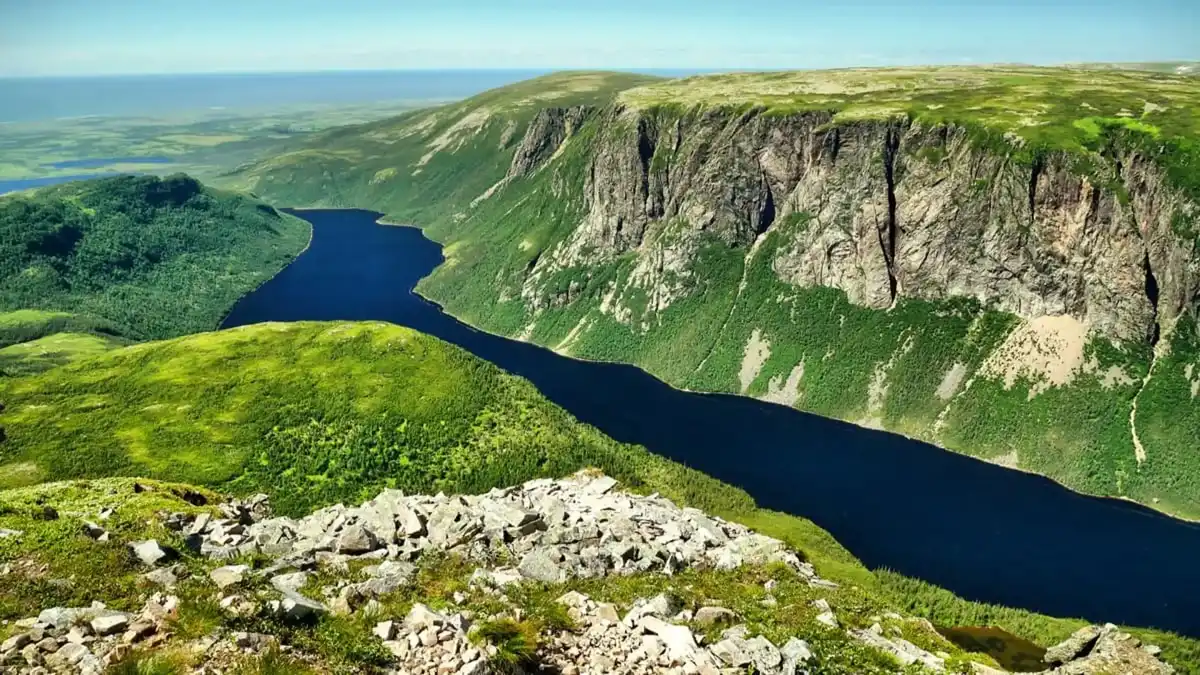
  • Western Brook Pond — A landlocked fjord carved by glaciers with sheer cliffs, plunging waterfalls and glassy water. The boat tour is the classic way to soak up the scale; you’ll feel like you’re in a miniature Norway. Wildlife: occasional seals, sea birds and moose on the shorelines.
  • Gros Morne Mountain — The park’s signature summit hike with panoramic views of the Long Range Mountains and coastline. It’s a proper day hike: steep, rocky in places and incredibly rewarding at the top. Personal favorite — those ridge views at sunrise beat most postcard shots.
  • The Tablelands — One of the weirdest landscapes you’ll see: bare orange/brown rocks that are actually exposed mantle (serpentinized peridotite). It’s almost desert-like and supports unusual plant life because the rock chemistry is so
read more 👉
  • Western Brook Pond — A landlocked fjord carved by glaciers with sheer cliffs, plunging waterfalls and glassy water. The boat tour is the classic way to soak up the scale; you’ll feel like you’re in a miniature Norway. Wildlife: occasional seals, sea birds and moose on the shorelines.
  • Gros Morne Mountain — The park’s signature summit hike with panoramic views of the Long Range Mountains and coastline. It’s a proper day hike: steep, rocky in places and incredibly rewarding at the top. Personal favorite — those ridge views at sunrise beat most postcard shots.
  • The Tablelands — One of the weirdest landscapes you’ll see: bare orange/brown rocks that are actually exposed mantle (serpentinized peridotite). It’s almost desert-like and supports unusual plant life because the rock chemistry is so different. Geology nerd heaven, and photogenic as hell.
  • Green Gardens — A coastal trek to cliffs, sandy coves and sea stacks. The trail drops from barrens to beaches and you can camp on the shore if you plan ahead. Great for tidepooling, birdwatching and dramatic sunsets over the Atlantic.
  • Bonne Bay and Boat/Kayak Trips — Deep bays and sheltered waters framed by steep slopes; you can kayak for quiet wildlife encounters or hop a guided boat to learn the local natural history. Expect seabirds, and keep an eye out offshore for baleen whales in season.
  • Interpretive Trails & Visitor Centres (Norris Point / Discovery) — Short boardwalks and exhibits that explain the park’s unique geology, plants and human history. Perfect when you want context without a long hike, and they’ll point you to the best local routes and safety tips.
Spotted a mistake or missing something? Contact us.

Things to do near Gros Morne

Ratings based on Tripadvisor reviews. When you book through this link, you support our work at no extra cost to you.

🌤️ When to go?Seasonal considerations and timing


  • Weather: Gros Morne’s weather swings sharply. Summer (June to August) offers the most stable conditions, but expect rain and fog even then. Spring and fall bring unpredictable storms and muddy trails, while winter is harsh and best left to experts with proper gear.

  • Temperature: Summer highs hover around 15-20°C (59-68°F), perfect for hiking without overheating. Shoulder seasons can dip below 5°C (41°F), and winter often plunges below freezing, making backpacking a serious challenge.

  • Daylight Hours: Long summer days stretch up to 17 hours, giving you plenty of daylight for extended hikes. By late fall, daylight shrinks to under 9 hours, limiting your window for safe travel on trails.

  • Crowds: Peak summer draws the most visitors, especially July and August weekends. If you want solitude,
read more 👉

  • Weather: Gros Morne’s weather swings sharply. Summer (June to August) offers the most stable conditions, but expect rain and fog even then. Spring and fall bring unpredictable storms and muddy trails, while winter is harsh and best left to experts with proper gear.

  • Temperature: Summer highs hover around 15-20°C (59-68°F), perfect for hiking without overheating. Shoulder seasons can dip below 5°C (41°F), and winter often plunges below freezing, making backpacking a serious challenge.

  • Daylight Hours: Long summer days stretch up to 17 hours, giving you plenty of daylight for extended hikes. By late fall, daylight shrinks to under 9 hours, limiting your window for safe travel on trails.

  • Crowds: Peak summer draws the most visitors, especially July and August weekends. If you want solitude, aim for late June or early September when the crowds thin but the weather remains reasonable.

  • Seasonal Activities: Summer is prime for hiking, kayaking, and boat tours. Fall colors add a visual bonus in September and October but come with cooler temps and shorter days. Winter activities are niche and require serious preparation.

  • Price Fluctuations: Accommodation and ferry costs spike in July and August. Booking early is essential. Shoulder seasons offer better rates but fewer services, so weigh savings against convenience.


Pro-tip: Plan for late June or early September to balance weather, daylight, and crowd size—this timing preserves your energy and budget for the trails, not the tourist scramble.


source: climatestotravel.comJANJanuary: below average for travelingFEBFebruary: below average for travelingMARMarch: fair for travelingAPRApril: fair for travelingMAYMay: good for travelingJUNJune: highly recommended for travelingJULJuly: excellent for travelingAUGAugust: excellent for travelingSEPSeptember: highly recommended for travelingOCTOctober: good for travelingNOVNovember: fair for travelingDECDecember: below average for traveling
canada-national-park-gros-morne
© Google | Martin Oliv

✈️ The backpacker research shortcutCanada Travel Guide

An offline-friendly backpacking guide with optimized travel routes, ranked highlights, transport advice, and the best areas to stay.
example page 0 from our offline Travel Guide for Canada
example page 1 from our offline Travel Guide for Canada
example page 2 from our offline Travel Guide for Canada
example page 3 from our offline Travel Guide for Canada
example page 4 from our offline Travel Guide for Canada
example page 5 from our offline Travel Guide for Canada
example page 6 from our offline Travel Guide for Canada
example page 7 from our offline Travel Guide for Canada
The digital guide (518 pages) contains:
133 highlights, ranked by travel appeal
Optimized 14, 21 & 30-day travel routes
Cities, national parks, landmarks, beaches
How to get around
Offline-friendly for travel without Wi-Fi
👉 Click to see all 30+ guide features

📅 Plan smarter in minutes, not weeks
Month by month travel advice
Festivals & national holidays
Budget expectations

🗺️ Go to the right places, skip the overrated ones
Honest pros & cons of destinations
Top hikes, parks & viewpoints
Lesser-known places most travelers miss
Clear “worth it vs skip it” guidance

🛏️ Travel smoothly without rookie mistakes
Best areas to stay
Transport systems explained simply
Common scams & safety advice
SIM cards, money & practical tips

🌍 Understand the country, not just visit it
Culture & traditions
Local customs
Festivals worth planning around
Traveler-friendly historical context
Insights that make places more meaningful

📱 Built for real travel conditions
Fully downloadable PDF
Works completely offline
Optimized for phone use
Useful in remote areas & buses
Everything in one place
Save weeks of stressful planning
Get instant access to your full guide. 30‑day money-back guarantee.


By proceeding you agree to our terms.
Sent to your inbox immediately after payment • 100% Secure Checkout
Best Backpacking Travel Advisor 2025 tourism awardBest Backpacking
Travel Advisor
2025
What others say about Take Your Backpack Guides:
⭐⭐⭐⭐⭐
Fantastic, amazing amount of information!
⭐⭐⭐⭐⭐
My goodness this is amazing, it's what I've been looking for hats off too you!
⭐⭐⭐⭐⭐
I think this is absolutely BRILLIANT
⭐⭐⭐⭐
Very complete and informative. It's still missing places, but I gotta to commend you
⭐⭐⭐⭐⭐
This is truly amazing, thank you, can't wait to explore it with my kids!
⭐⭐⭐⭐⭐
Awesome resource, thank you!
⭐⭐⭐⭐⭐
This is amazing! Can't wait to explore the ones I haven't seen
⭐⭐⭐⭐
I love this! Well done, great idea.
⭐⭐⭐⭐⭐
Thanks for taking the time to make this gem!
⭐⭐⭐⭐⭐
This might be the best website I've ever seen.
⭐⭐⭐⭐⭐
Congratulations, and thank you so much for your work; it's incredibly valuable.
⭐⭐⭐⭐
In all seriousness I think you did a great job pointing out the important spots
⭐⭐⭐⭐⭐
10/10 very good
⭐⭐⭐⭐⭐
As someone who's only just starting to visit regularly this is awesome, thank you.
⭐⭐⭐⭐
Thank you very much! I'm going to visit my dad, it's going to be very useful!
⭐⭐⭐⭐⭐
This is really cool! We'll be travelling for the first time and this definitely come in handy.
⭐⭐⭐⭐⭐
You are now our minister of culture, congratulations 👨‍💼
⭐⭐⭐⭐⭐
Just wanted to tell you that this is a pearl! Going to follow your recommendations.
⭐⭐⭐⭐⭐
This is so cool. I'll definitely be using the resource for my travels soon.
⭐⭐⭐⭐⭐
This is very impressive! Good work.
⭐⭐⭐⭐⭐
This is an amazing and informative site. Very well done!

🛏️ Where to stay?Where staying makes the most sense

Gros Morne National Park is a treasure trove of rugged beauty, but finding the right place to stay can make or break your experience. Inside the park, options are limited but solid. The Gros Morne Mountain Lodge offers cozy cabins and a friendly vibe, perfect for unwinding after a day on the trails. If you’re looking for something more rustic, check out the Shallow Bay Motel & Cabins. It’s right by the beach and has easy access to hiking.

For a bit more variety, head to Rocky Harbour, a nearby town that serves as a hub for visitors. Here, you’ll find several motels and B&Bs, like the Ocean View read more 👉
Gros Morne National Park is a treasure trove of rugged beauty, but finding the right place to stay can make or break your experience. Inside the park, options are limited but solid. The Gros Morne Mountain Lodge offers cozy cabins and a friendly vibe, perfect for unwinding after a day on the trails. If you’re looking for something more rustic, check out the Shallow Bay Motel & Cabins. It’s right by the beach and has easy access to hiking.

For a bit more variety, head to Rocky Harbour, a nearby town that serves as a hub for visitors. Here, you’ll find several motels and B&Bs, like the Ocean View Hotel, which provides stunning views and a hearty breakfast to fuel your adventures.

Keep in mind that accommodations can fill up quickly, especially in peak season. Booking ahead is a smart move. Also, be aware of extra fees for amenities or park access; they can sneak up on you. By planning wisely, you can save your energy and budget for the experiences that truly matter—like hiking the Gros Morne Mountain or exploring the coastal cliffs.

👛 Costs (as of 29 December 2025)What things cost and how to budget

Visiting Gros Morne National Park in Canada can be a rewarding experience, but it’s essential to be aware of the costs involved to avoid surprises.

Entrance fees for the park are around $10 to $15 USD per person for a day pass. If you’re planning to stay longer, consider the annual pass, which is about $70 USD. This can be a smart investment if you intend to explore multiple times.

Camping fees vary depending on the site. Expect to pay between $25 to $40 USD per night for a basic campsite. If you prefer more amenities, some sites may charge up to $60 USD. Reservations are highly recommended during peak season, which runs from late June to early September.

For those looking to hike, many trails are free, but guided tours can range from $50 to $150 USD, depending on the length and inclusions. … read more 👉
Visiting Gros Morne National Park in Canada can be a rewarding experience, but it’s essential to be aware of the costs involved to avoid surprises.

Entrance fees for the park are around $10 to $15 USD per person for a day pass. If you’re planning to stay longer, consider the annual pass, which is about $70 USD. This can be a smart investment if you intend to explore multiple times.

Camping fees vary depending on the site. Expect to pay between $25 to $40 USD per night for a basic campsite. If you prefer more amenities, some sites may charge up to $60 USD. Reservations are highly recommended during peak season, which runs from late June to early September.

For those looking to hike, many trails are free, but guided tours can range from $50 to $150 USD, depending on the length and inclusions. This can be worth it for the local insights and safety.

Food and supplies can add up. Grocery stores in nearby towns like Rocky Harbour or Woody Point will have prices similar to urban areas, so budget around $10 to $20 USD per meal if you’re cooking. Dining out will typically cost $15 to $30 USD per person for a casual meal.

Lastly, factor in transportation. If you’re renting a car, daily rates can range from $30 to $70 USD, plus fuel. Public transport options are limited, so having your own vehicle is often the best choice.

Being aware of these costs will help you manage your budget effectively, allowing you to focus on enjoying the stunning landscapes and unique experiences Gros Morne has to offer.


source: pc.gc.ca
⚠️ Prices can change and everyone travels differently, so take this as a rough guide. Hope it helps you plan your adventure!

🥾 TrailsScenic routes and wildlife spotting in Gros Morne

Gros Morne National Park is a gem on the west coast of Newfoundland, offering a mix of dramatic landscapes and diverse wildlife. You’ll find everything from towering cliffs to serene fjords, and the views are often jaw-dropping. The park’s terrain varies widely, with rugged mountains, lush forests, and coastal scenery, making it a hiker’s paradise. Keep an eye out for moose, caribou, and the occasional puffin along the coast.

One standout trail is the Gros Morne Mountain Trail, which is a challenging hike but totally worth it for the panoramic views from the summit. Here’s the breakdown:
  • Length:
read more 👉
Gros Morne National Park is a gem on the west coast of Newfoundland, offering a mix of dramatic landscapes and diverse wildlife. You’ll find everything from towering cliffs to serene fjords, and the views are often jaw-dropping. The park’s terrain varies widely, with rugged mountains, lush forests, and coastal scenery, making it a hiker’s paradise. Keep an eye out for moose, caribou, and the occasional puffin along the coast.

One standout trail is the Gros Morne Mountain Trail, which is a challenging hike but totally worth it for the panoramic views from the summit. Here’s the breakdown:
  • Length: 16 km (9.9 miles)
  • Estimated Duration: 6-8 hours
  • Difficulty Level: Difficult
  • Key Features: Stunning summit views, unique geology, and diverse ecosystems
  • Terrain: Steep, rocky paths with some scrambling required

Another great option is the Green Gardens Trail, which offers a more moderate hike with beautiful coastal scenery:
  • Length: 6 km (3.7 miles)
  • Estimated Duration: 2-4 hours
  • Difficulty Level: Moderate
  • Key Features: Coastal cliffs, sea stacks, and a chance to see marine wildlife
  • Terrain: Varied, with some steep sections and well-marked paths

Getting to Gros Morne isn’t too tough if you’re relying on public transport; there are bus services from major towns like Corner Brook and Deer Lake. Just be prepared for a bit of a wait, as schedules can be sparse. The park can get busy, especially in summer, so aim for early morning hikes if you want to avoid the crowds. As for entrance fees, there’s a small charge for parking, but it’s pretty reasonable and helps keep the park in great shape. So lace up those boots and get ready for some unforgettable views!
⚠️ Hiking info can sometimes be outdated or inaccurate. Before you hit the trail, check the latest conditions with locals. If you do spot anything that's off, I'd love to hear from you, so I can update it for fellow travelers.

🛡️ SafetyStaying Safe: What Travelers Should Know

Gros Morne National Park offers a rewarding experience, but a few practical considerations can enhance your adventure. Weather can shift rapidly, so layering is key. Bring a waterproof jacket and be prepared for sudden rain or wind. The terrain varies; some trails are steep and rocky, requiring careful footing. Navigation is generally straightforward, but a map and compass are wise companions, especially if you stray from the main paths.

Wildlife encounters are rare but possible. If you spot a moose or a caribou, keep your distance and don’t feed them. They’re part of the park’s charm, but respecting their space is crucial.

First-timers often underestimate the physical demands. Pace yourself, especially on longer hikes. Start early to avoid afternoon weather changes and crowds. Lastly, … read more 👉
Gros Morne National Park offers a rewarding experience, but a few practical considerations can enhance your adventure. Weather can shift rapidly, so layering is key. Bring a waterproof jacket and be prepared for sudden rain or wind. The terrain varies; some trails are steep and rocky, requiring careful footing. Navigation is generally straightforward, but a map and compass are wise companions, especially if you stray from the main paths.

Wildlife encounters are rare but possible. If you spot a moose or a caribou, keep your distance and don’t feed them. They’re part of the park’s charm, but respecting their space is crucial.

First-timers often underestimate the physical demands. Pace yourself, especially on longer hikes. Start early to avoid afternoon weather changes and crowds. Lastly, practice trail etiquette: yield to those climbing uphill and keep noise to a minimum. These small actions preserve the park’s tranquility and ensure a smoother experience for everyone.

Other Canadian national parks near Gros Morne

Explore more nearby:


💡 Not sure where to go next?
Create a personalized itinerary for Canada including Gros Morne and the places that fit your trip.

Generate my itinerary

👉 Discover all national parks

Or checkout all Canada has to offer (think cities, towns, villages, national parks, hikes, beaches, festivals)
Country photo of Canada

We 💚 feedbackFinal thoughts on exploring Gros Morne

Gros Morne is a hiker’s paradise, with trails that lead you through breathtaking landscapes and geological wonders. The real kicker? The sense of solitude you find out there. But be ready for the weather; it can turn on a dime. Pack layers and expect rain. Embrace the unpredictability, and you’ll preserve your energy and budget for those moments that truly matter—like standing atop a ridge, feeling like you’re on top of the world.

✈️ When did I visit Canada?
As part of my 1.5 year travel around the world trip, I visited Canada in 2016.

✍️ Help improve this page!
The information on this page is based on my own backpacking experience in Canada, supplemented with up-to-date research and feedback from other travelers. Travel details can change, so if you notice anything outdated or incomplete, feel free to let me know.


🙋‍♂️ Give feedback

👋 Meet the founderWho’s Behind Take Your Backpack?

Johan, backpacker and founder of TakeYourBackpackHi, I’m Johan (Netherlands 🇳🇱), the creator of TakeYourBackpack. Over the past decade, I’ve backpacked through 80+ countries across six continents, gaining extensive experience with independent travel, long-term trips, and overland routes.

This site is built on a combination of firsthand travel experience and carefully curated insights from other backpackers. Many guides are based on places I’ve personally visited, while others bring together tips, observations, and practical advice shared by trusted travelers I’ve met along the way.

The goal is to provide realistic, experience-driven guidance — not generic itineraries — so you can explore destinations with better context, clearer expectations, and more confidence.

Get full Canada guide •
Instant download • 133 highlights • Full Offline guide