×

Canada🇨🇦 | national parksLa Mauricie National ParkLac Wapizagonke, canoe-camping, Laurentian lookouts, loon lakes | things to do and best time to go

Explore Fundy National ParkExplore Mingan Archipelago National Park Reserve

Backpacking in La Mauricie
👍 Recommendednational park ranked #14
By Johan Kruseman 🇳🇱 | Updated October 22, 2026

La Mauricie is a forest of lakes and canoe routes, not a mountain park, and its highest ridges top out around 400 meters. It sits in Quebec, Canada, north of Trois-Rivières, roughly midway between Montreal and Quebec City. The Laurentian hills, loon calls and spruce resin carry the whole experience. Black flies and mosquitoes chew hard in June, so bring a head net and book campsites early, since summer weekends fill. I once drank a bitter gas-station coffee at the gate for about US$2 and watched mist lift off Lac Wapizagonke. Hikers and paddlers will love it; anyone chasing big peaks or nightlife will not.

Discover everything you want to know in the 📖 Canada Travel Guide.


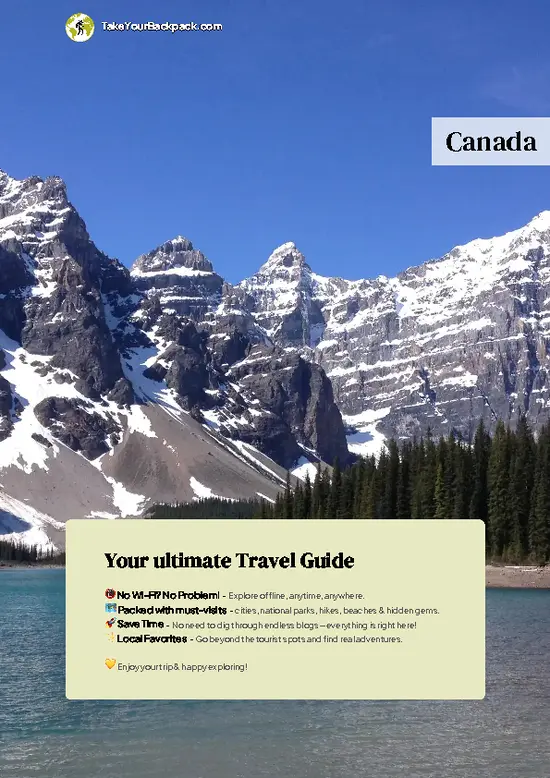
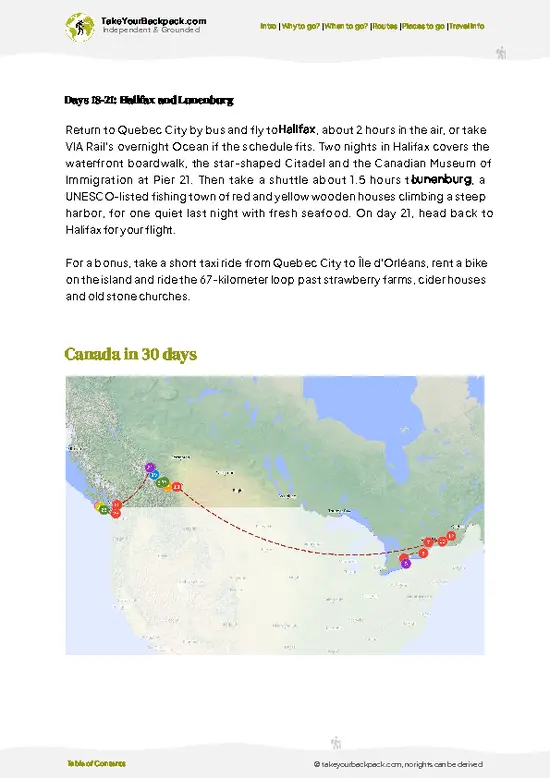
example page 0 from our offline Travel Guide for Canada
example page 1 from our offline Travel Guide for Canada
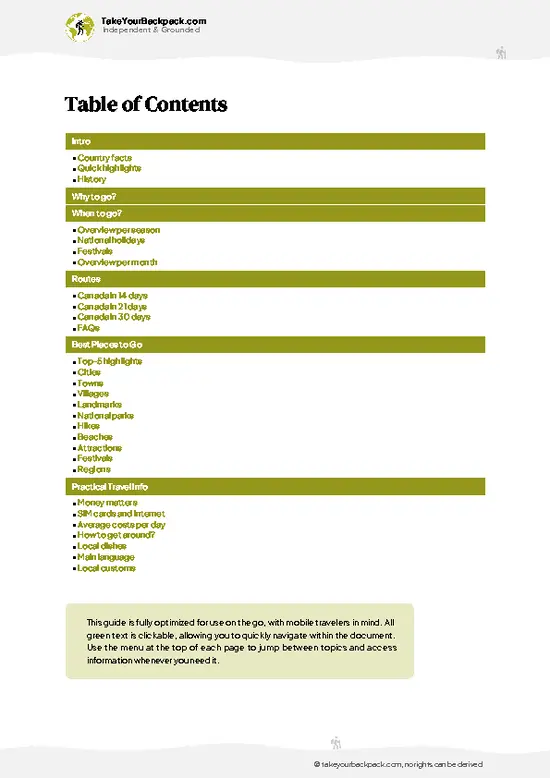
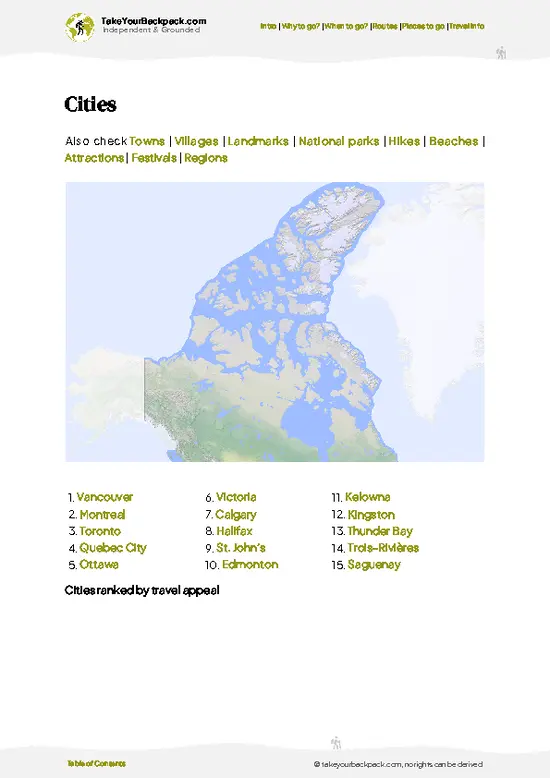
example page 2 from our offline Travel Guide for Canada
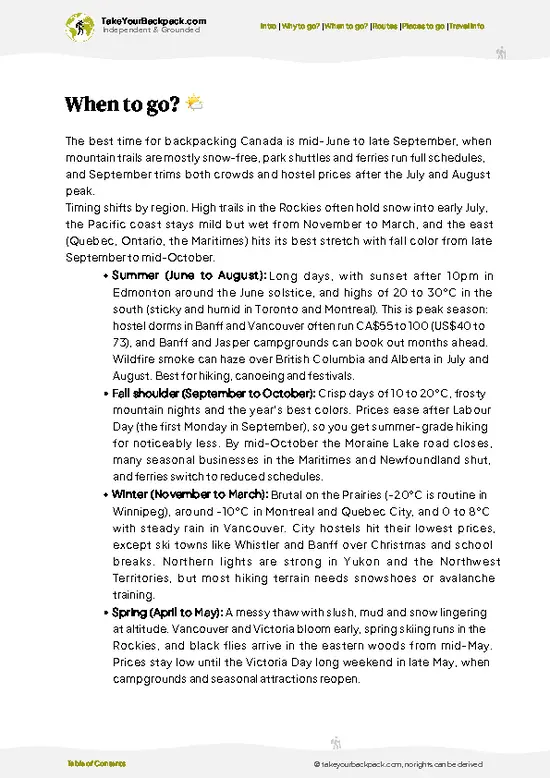
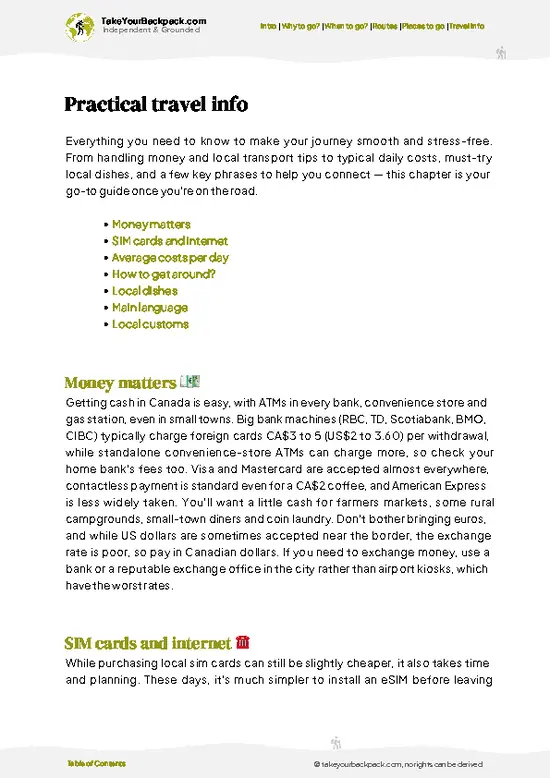
example page 3 from our offline Travel Guide for Canada
example page 4 from our offline Travel Guide for Canada
example page 5 from our offline Travel Guide for Canada
example page 6 from our offline Travel Guide for Canada
example page 7 from our offline Travel Guide for Canada
Loading the map 🌍
CLICK TO FILTER
cities
towns
villages
landmarks
national parks
hikes
beaches
attractions
festivals
regions
SHOW COUNTRY’S BESTSHOW ALL

✨ Why go?
Ranked #14 national park in Canada
Why La Mauricie should be on your travel list

La Mauricie National Park rewards self-reliant travelers because the best of it is reached on your own feet or paddle, with no guide needed. The backcountry has roughly 150 lakes and a network of canoe-camping sites, and Lac Wapizagonke gives you a long, calm lake that suits first-time paddlers. Trails are well marked and short enough to string together over a few days. Rental canoes and kayaks are available in the park, so you can travel light. Reserving a backcountry campsite on Lac Anticagamac or Lac Waber gets you quiet water and loons at dawn. Tours exist, but they add little here.

💡 HighlightsMust-see experiences and standout moments

  1. Lac Wapizagonke: a long, narrow lake framed by granite cliffs, best seen by canoe or kayak with sandy beaches for stopping.
  2. Les Cascades: an easy 2.4-kilometer loop past small cascades near Lac Wapizagonke.
  3. Les Falaises: a 4-kilometer loop to lookouts atop rock walls, with wide views over Lac Wapizagonke and the surrounding forested hills.
  4. Lac-Solitaire Trail: a 6.1-kilometer forest loop to a quiet lake, good for spotting loons.
  5. Lac-du-Pimbina Trail: a demanding 14.2-kilometer forest loop, one of the park’s longest day hikes and bright with color in fall.
  6. Wildlife Watching: moose, black bears, beavers and loons are all present, and moose are most often spotted at dawn or dusk.
  7. Lac Anticagamac: a backcountry lake with canoe-camping sites and a peaceful feel.
La Mauricie National Park is best met first … read more 👉
  1. Lac Wapizagonke: a long, narrow lake framed by granite cliffs, best seen by canoe or kayak with sandy beaches for stopping.
  2. Les Cascades: an easy 2.4-kilometer loop past small cascades near Lac Wapizagonke.
  3. Les Falaises: a 4-kilometer loop to lookouts atop rock walls, with wide views over Lac Wapizagonke and the surrounding forested hills.
  4. Lac-Solitaire Trail: a 6.1-kilometer forest loop to a quiet lake, good for spotting loons.
  5. Lac-du-Pimbina Trail: a demanding 14.2-kilometer forest loop, one of the park’s longest day hikes and bright with color in fall.
  6. Wildlife Watching: moose, black bears, beavers and loons are all present, and moose are most often spotted at dawn or dusk.
  7. Lac Anticagamac: a backcountry lake with canoe-camping sites and a peaceful feel.
La Mauricie National Park is best met first at Lac Wapizagonke, where a short paddle shows its lakes, cliffs and quiet better than any single trail.
Spotted a mistake or missing something? Contact us.

Things to do near La Mauricie National Park

Ratings based on Tripadvisor reviews. When you book through this link, you support our work at no extra cost to you.

🌤️ When to go?Best time to explore La Mauricie

  • Summer (June to August): Daytime highs run 22 to 26°C (72 to 79°F) and lakes are warm enough for swimming. Long daylight suits big paddling days. Campgrounds fill on weekends, so reserve early, and bugs peak in June.
  • Fall (mid-September to mid-October): Highs of 8 to 17°C (46 to 63°F) and maple color make this the busiest stretch outside summer. Nights drop near freezing.
  • Winter (December to March): Temperatures sit between -15 and -3°C (5 to 27°F), with short days. Snowshoeing, cross-country skiing and heated ready-to-camp yurts replace paddling, and crowds are thin.
  • Spring (April to May): Thaw and mud, with highs of 5 to 15°C (41 to 59°F). Many services open only in mid-May.
Book canoe-camping sites for midweek in July or early September to dodge peak demand.

source: climatestotravel.comJANJanuary: below average for travelingFEBFebruary: below average for travelingMARMarch: fair for travelingAPRApril: fair for travelingMAYMay: good for travelingJUNJune: highly recommended for travelingJULJuly: highly recommended for travelingAUGAugust: highly recommended for travelingSEPSeptember: excellent for travelingOCTOctober: good for travelingNOVNovember: fair for travelingDECDecember: below average for traveling
when-to-go

✈️ The backpacker research shortcutCanada Travel Guide

An offline-friendly backpacking guide with optimized travel routes, ranked highlights, transport advice, and the best areas to stay.
example page 0 from our offline Travel Guide for Canada
example page 1 from our offline Travel Guide for Canada
example page 2 from our offline Travel Guide for Canada
example page 3 from our offline Travel Guide for Canada
example page 4 from our offline Travel Guide for Canada
example page 5 from our offline Travel Guide for Canada
example page 6 from our offline Travel Guide for Canada
example page 7 from our offline Travel Guide for Canada
The digital guide (385 pages) contains:
✅ 125 highlights, ranked by travel appeal
✅ Optimized 14, 21 & 30-day travel routes
✅ Cities, national parks, landmarks, beaches
✅ How to get around
✅ Offline-friendly for travel without Wi-Fi
👉 Click to see all 30+ guide features

📅 Plan smarter in minutes, not weeks
✅ Month by month travel advice
✅ Festivals & national holidays
✅ Budget expectations

🗺️ Go to the right places, skip the overrated ones
✅ Honest pros & cons of destinations
✅ Top hikes, parks & viewpoints
✅ Lesser-known places most travelers miss
✅ Clear “worth it vs skip it” guidance

🛏️ Travel smoothly without rookie mistakes
✅ Best areas to stay
✅ Transport systems explained simply
✅ Common scams & safety advice
✅ SIM cards, money & practical tips

🌍 Understand the country, not just visit it
✅ Culture & traditions
✅ Local customs
✅ Festivals worth planning around
✅ Traveler-friendly historical context
✅ Insights that make places more meaningful

📱 Built for real travel conditions
✅ Fully downloadable PDF
✅ Works completely offline
✅ Optimized for phone use
✅ Useful in remote areas & buses
✅ Everything in one place
Stop searching, start planning
Get instant access to your full guide. 30‑day money-back guarantee.
+ Add another guide for just

By proceeding you agree to our terms.
Sent to your inbox immediately after payment • 100% Secure Checkout
Best Backpacking Travel Advisor 2025 tourism awardBest Backpacking
Travel Advisor
2025
What others say about Take Your Backpack Guides:
⭐⭐⭐⭐⭐
Fantastic, amazing amount of information!
⭐⭐⭐⭐⭐
My goodness this is amazing, it's what I've been looking for hats off too you!
⭐⭐⭐⭐⭐
I think this is absolutely BRILLIANT
⭐⭐⭐⭐
Very complete and informative. It's still missing places, but I gotta to commend you
⭐⭐⭐⭐⭐
This is truly amazing, thank you, can't wait to explore it with my kids!
⭐⭐⭐⭐⭐
Awesome resource, thank you!
⭐⭐⭐⭐⭐
This is amazing! Can't wait to explore the ones I haven't seen
⭐⭐⭐⭐
I love this! Well done, great idea.
⭐⭐⭐⭐⭐
Thanks for taking the time to make this gem!
⭐⭐⭐⭐⭐
This might be the best website I've ever seen.
⭐⭐⭐⭐⭐
Congratulations, and thank you so much for your work; it's incredibly valuable.
⭐⭐⭐⭐
In all seriousness I think you did a great job pointing out the important spots
⭐⭐⭐⭐⭐
10/10 very good
⭐⭐⭐⭐⭐
As someone who's only just starting to visit regularly this is awesome, thank you.
⭐⭐⭐⭐
Thank you very much! I'm going to visit my dad, it's going to be very useful!
⭐⭐⭐⭐⭐
This is really cool! We'll be travelling for the first time and this definitely come in handy.
⭐⭐⭐⭐⭐
You are now our minister of culture, congratulations 👨‍💼
⭐⭐⭐⭐⭐
Just wanted to tell you that this is a pearl! Going to follow your recommendations.
⭐⭐⭐⭐⭐
This is so cool. I'll definitely be using the resource for my travels soon.
⭐⭐⭐⭐⭐
This is very impressive! Good work.
⭐⭐⭐⭐⭐
This is an amazing and informative site. Very well done!

🛏️ Where to stay?Best areas and accommodation options

The most practical base is inside La Mauricie National Park itself, in Parks Canada campgrounds at Rivière à la Pêche (near the east entrance) and Lac Wapizagonke, plus backcountry sites on lakes like Lac Anticagamac, all booked online. Rustic oTENTiks (A-frame tent cabins) and yurts at Lac Wapizagonke suit anyone without gear, from about US$100 a night. Outside the park, Shawinigan (about 15 minutes from the south gate) has motels, chain hotels and B&Bs for US$90 to 160. Saint-Jean-des-Piles, a tiny village at the park’s edge, offers a few inns and a hostel-style option in season. Trois-Rivières, … read more 👉
The most practical base is inside La Mauricie National Park itself, in Parks Canada campgrounds at Rivière à la Pêche (near the east entrance) and Lac Wapizagonke, plus backcountry sites on lakes like Lac Anticagamac, all booked online. Rustic oTENTiks (A-frame tent cabins) and yurts at Lac Wapizagonke suit anyone without gear, from about US$100 a night. Outside the park, Shawinigan (about 15 minutes from the south gate) has motels, chain hotels and B&Bs for US$90 to 160. Saint-Jean-des-Piles, a tiny village at the park’s edge, offers a few inns and a hostel-style option in season. Trois-Rivières, roughly 45 minutes away, has more variety and eateries, including budget rooms near the university from about US$60. Shawinigan is the best compromise if campsites are full.

👛 Costs (as of 22 October 2026)How expensive it really is

A realistic budget for La Mauricie National Park is about US$75 per person per day when camping and cooking most meals. Prices are in Canadian dollars, converted here to US$.
CategoryBudget RangeLocal Reality
Entrance feeUS$6 to 8Adult daily rate; kids 17 and under are free, and an annual Discovery Pass pays off after about a week of visits.
Accommodation (high season)US$18 to 30Front-country campsites cost around US$20 to 30 a night, and backcountry sites about US$12 to 18 per person, plus the reservation fee. oTENTiks cost more, near US$100 per unit.
Accommodation (low season)US$12 to 20Fewer services, and winter yurts cost more than tent sites.
Local transportUS$0 to 30No public transit reaches the park. Shuttle, rideshare or rental split between travelers adds up.
Canoe or kayak rentalUS$0 to
… read more 👉
A realistic budget for La Mauricie National Park is about US$75 per person per day when camping and cooking most meals. Prices are in Canadian dollars, converted here to US$.
CategoryBudget RangeLocal Reality
Entrance feeUS$6 to 8Adult daily rate; kids 17 and under are free, and an annual Discovery Pass pays off after about a week of visits.
Accommodation (high season)US$18 to 30Front-country campsites cost around US$20 to 30 a night, and backcountry sites about US$12 to 18 per person, plus the reservation fee. oTENTiks cost more, near US$100 per unit.
Accommodation (low season)US$12 to 20Fewer services, and winter yurts cost more than tent sites.
Local transportUS$0 to 30No public transit reaches the park. Shuttle, rideshare or rental split between travelers adds up.
Canoe or kayak rentalUS$0 to 35Skip it if you bring a boat; rentals run about US$30 to 40 for a half day.
Food and suppliesUS$20 to 30Stock up in Shawinigan or Trois-Rivières, as prices near the park are higher.
Total Daily BudgetUS$75Based on high-season camping, a daily entrance fee, a half day of rental and groceries.


source: parks.canada.ca
⚠️ Prices can change and everyone travels differently, so take this as a rough guide. Hope it helps you plan your adventure!

🥾 TrailsExploring La Mauricie: trails, terrain, and views

La Mauricie National Park has more than 110 kilometers of hiking trails, mostly through mixed forest, rocky ridges and lakeshore, with short loops and longer backcountry routes. Terrain is rolling, with root-laced paths and some steep rocky sections, and mud can linger in spring. Moose and black bears live here, so store food securely.
  • Les Cascades: about 2.4 kilometers (loop), 1 hour, easy. Passes small cascades near Lac Wapizagonke.
  • Mekinac: under revision; the section along the Saint-Maurice River is closed for good, and only the part from the Mekinac parking lot to the Familiale Trail is open.
… read more 👉
La Mauricie National Park has more than 110 kilometers of hiking trails, mostly through mixed forest, rocky ridges and lakeshore, with short loops and longer backcountry routes. Terrain is rolling, with root-laced paths and some steep rocky sections, and mud can linger in spring. Moose and black bears live here, so store food securely.
  • Les Cascades: about 2.4 kilometers (loop), 1 hour, easy. Passes small cascades near Lac Wapizagonke.
  • Mekinac: under revision; the section along the Saint-Maurice River is closed for good, and only the part from the Mekinac parking lot to the Familiale Trail is open.
  • Les Chutes-Waber: 9.2 kilometers by boat plus a 7.2-kilometer hiking loop, 6 to 8 hours, intermediate. Ends at Waber Falls.
  • Lac-Solitaire: about 6.1 kilometers (loop), 2.5 hours, intermediate. Forest loop to a quiet lake.
  • Lac Wapizagonke by canoe: a paddle route along the lake, with backcountry campsites reachable by canoe.
The park is easiest to reach by car, since there is no regular public transit to either entrance. Some visitors arrive by bus to Shawinigan or Trois-Rivières and continue by taxi or rideshare. Summer weekends and fall color season draw the biggest crowds, while weekdays stay calmer. A daily entry fee applies, and paying in Canadian dollars is standard.
⚠️ Hiking info can sometimes be outdated or inaccurate. Before you hit the trail, check the latest conditions with locals. If you do spot anything that's off, I'd love to hear from you, so I can update it for fellow travelers.

🛡️ SafetyStaying Safe: What Travelers Should Know

La Mauricie is well managed and straightforward, with the main issues being weather, bugs and preparation. Black bears live here, so store food in the metal lockers or hang it, keep a clean camp and make noise on blind corners. Mosquitoes and black flies are fierce from May to early July, so bring a head net and long sleeves. Trails on the Canadian Shield are rooty and rocky, and wet granite is slick, so wear real hiking shoes. Cell coverage is patchy on the lakes. Carry a paper map, filter or boil lake water, and watch for afternoon thunderstorms when paddling, heading to shore early. Ticks are present, so check yourself after hikes.

FAQCommon questions from travelers

Plan on 2 to 3 days for La Mauricie National Park, which is enough for the Les Cascades and Lac Wapizagonke trails plus a paddle. Backpackers planning a canoe-camping trip should allow 3 to 4 days. The 63-kilometer Promenade scenic road, with its lookouts, takes a few hours by itself.
Getting around without a car is hard, since no public transit reaches La Mauricie National Park. Buses run to Shawinigan and Trois-Rivières (about 2 hours from Montreal and 2.5 from Quebec City), but the gates are roughly 15 to 30 minutes farther by taxi or rideshare. Hitching is uncommon, so many visitors rent a car or arrange a shuttle.
Yes, La Mauricie National Park charges an entrance fee of roughly US$6 to 8 per adult per day, and children 17 and under are free. Camping and backcountry sites need a separate reservation made online through Parks Canada, costing about US$12 to 30 a night, and backcountry stays require a permit. Reserve weeks ahead for July and August weekends.
⚠️ Things can change over time, so always validate details locally before you go.

Other Canadian national parks near La Mauricie

Explore more nearby:


💡 Not sure where to go next?
Create a personalized itinerary for Canada including La Mauricie and the places that fit your trip.

Generate my itinerary

👉 Discover all national parks

Or checkout all Canada has to offer (think cities, towns, villages, national parks, hikes, beaches, festivals)
Country photo of Canada

We 💚 feedbackWhat to keep in mind

La Mauricie National Park hides its best moments in the shoulder hours, when mist sits on the lakes and loons call before the day-trippers arrive. I would camp near water, set an early alarm and paddle first, then hike after lunch. Bring bug protection.

✈️ When did I visit Canada?
As part of my 1.5 year travel around the world trip, I visited Canada in 2016.

✍️ Help improve this page!
The information on this page is based on my own backpacking experience in Canada, supplemented with up-to-date research and feedback from other travelers. Travel details can change, so if you notice anything outdated or incomplete, feel free to let me know.


🙋‍♂️ Give feedback

👋 Meet the founderWho’s Behind Take Your Backpack?

Johan, backpacker and founder of TakeYourBackpackHi, I’m Johan (Netherlands 🇳🇱), the creator of TakeYourBackpack. Over the past 3 decades, I’ve backpacked through 90+ countries across six continents, gaining extensive experience with independent travel, long-term trips, and overland routes.

This site is built on a combination of firsthand travel experience and carefully curated insights from other backpackers. Many guides are based on places I’ve personally visited, while others bring together tips, observations, and practical advice shared by trusted travelers I’ve met along the way.

The goal is to provide realistic, experience-driven guidance — not generic itineraries — so you can explore destinations with better context, clearer expectations, and more confidence.