×

Canada🇨🇦 | townsWhistleralpine village, ski slopes, mountain biking | things to do and best time to go

Explore SookeExplore Whitehorse

Backpacking in Whistler
🏆 Top picktown ranked #2
By Johan Kruseman 🇳🇱 | Updated June 15, 2026

Most people only realize on the bus out of town that Whistler’s real advantage isn’t the ski hill; it’s how compact and car-free your whole stay can be if you plan it right. Whistler sits in British Columbia, about two hours north of Vancouver along the Sea-to-Sky Highway, and it’s basically a purpose-built mountain village wrapped in forest and granite peaks. For backpackers, that means you can step off the Vancouver–Whistler bus, walk to your hostel, and have trails, lakes, and bars all within shoe-leather distance. It works best as a basecamp: day hikes to alpine lakes, bike paths threading through the trees, cheap-ish supermarket picnics by Lost Lake. It’s pricier and more polished than scruffy Squamish, more outdoorsy and intimate than Vancouver. Social energy is high in season, with hostels and staff housing fueling bar nights, but off-season can feel sleepy. Safety is solid; your budget, less so.

Discover everything you want to know in the 📖 Canada Travel Guide.


Get your Canada guide
133 ranked highlights, routes & tips, works offline (518 pages)
Loading the map 🌍
CLICK TO FILTER
cities
towns
villages
landmarks
national parks
hikes
beaches
attractions
festivals
regions
SHOW COUNTRY’S BESTSHOW ALL

✨ Why go?
Ranked #2 town in Canada
The unique appeal for travelers

Whistler is a backpacker’s hub that offers a unique blend of convenience and community. Nestled in the mountains, it serves as a launching pad for nearby hikes like Garibaldi Lake or the scenic trails of the Whistler Blackcomb area. The fresh mountain air and the scent of pine create an invigorating backdrop for your adventures.

The town itself is walkable, with charming streets lined with small-scale hostels and guesthouses that foster a friendly atmosphere. You’ll find cozy spots to share stories over a cup of locally roasted coffee or a hearty meal featuring fresh, regional ingredients. This is where slow travelers and solo adventurers thrive, soaking in the laid-back vibe while mingling with fellow backpackers.

Most visitors tend to linger for a few days, enjoying both the outdoor activitiesread more 👉
Whistler is a backpacker’s hub that offers a unique blend of convenience and community. Nestled in the mountains, it serves as a launching pad for nearby hikes like Garibaldi Lake or the scenic trails of the Whistler Blackcomb area. The fresh mountain air and the scent of pine create an invigorating backdrop for your adventures.

The town itself is walkable, with charming streets lined with small-scale hostels and guesthouses that foster a friendly atmosphere. You’ll find cozy spots to share stories over a cup of locally roasted coffee or a hearty meal featuring fresh, regional ingredients. This is where slow travelers and solo adventurers thrive, soaking in the laid-back vibe while mingling with fellow backpackers.

Most visitors tend to linger for a few days, enjoying both the outdoor activities and the cultural experiences. Whistler isn’t just a pit stop; it’s a place to recharge and connect. The balance of nature and community makes it a perfect fit for those who appreciate a slower pace, while still having the option to dive into the action when the mood strikes.
Want to include Whistler in your Canada route?
Create a personalized Canada itinerary that includes Whistler and the places that fit your trip — based on your travel style, budget, and available time. Get your route in seconds.

Generate my trip

💡 HighlightsDon't-miss highlights and experiences

  • Squamish Lil’wat Cultural Centre — a beautifully curated place where Squamish and Lil’wat stories, art and ceremonial objects are presented side-by-side; great for learning local Indigenous history and buying authentic work from community artists.
  • PEAK 2 PEAK Gondola — that jaw-dropping, record-holding glass-and-steel ride between Whistler and Blackcomb; you get alpine views you can’t replicate from a road and a real sense of the mountains that define the town.
  • Whistler Museum & Archives — small but sharp: local logging, ski history, Indigenous-context exhibits and a clear take on how the Olympics reshaped the town. Good for a rainy-hour deep-dive into why Whistler is the way it is.
  • Whistler Olympic Plaza — the actual heart of the 2010 Opening Ceremonies footprint; now a public plaza
read more 👉
  • Squamish Lil’wat Cultural Centre — a beautifully curated place where Squamish and Lil’wat stories, art and ceremonial objects are presented side-by-side; great for learning local Indigenous history and buying authentic work from community artists.
  • PEAK 2 PEAK Gondola — that jaw-dropping, record-holding glass-and-steel ride between Whistler and Blackcomb; you get alpine views you can’t replicate from a road and a real sense of the mountains that define the town.
  • Whistler Museum & Archives — small but sharp: local logging, ski history, Indigenous-context exhibits and a clear take on how the Olympics reshaped the town. Good for a rainy-hour deep-dive into why Whistler is the way it is.
  • Whistler Olympic Plaza — the actual heart of the 2010 Opening Ceremonies footprint; now a public plaza with skateable fountains, frequent events and a tangible Olympic vibe that still draws celebrations and markets.
  • Lost Lake Park — a short walk from the village with pine-shaded trails, a sandy swim beach in summer and easy cross-country tracks in winter; quiet, local-feeling and perfect for a picnic or an early-morning run.
  • Audain Art Museum — striking architecture housing a world-class collection of First Nations and British Columbian art (including a fantastic gallery of Emily Carr and contemporary Indigenous works); compact but impressive.
  • Whistler Sliding Centre — visit the Olympic bobsleigh and skeleton track: guided tours, museum bits about the 2010 Games and the chance to try a wheeled-bobsleigh experience in summer if you want an adrenaline fix.
  • Whistler Train Wreck — an offbeat hike to a cluster of graffiti-covered, derailed boxcars splashed among the trees; visually striking, photogenic and oddly peaceful, with interpretive panels about the area’s rail history nearby.
  • Nita Lake & Lakeside Trail — quieter than Alta Lake, with calm water, a lakeside trail that’s perfect for a stroll or coffee-stop at the lodge; a great spot to slow down and watch the mountains reflect on the water.
  • Whistler Village (Village Stroll & Marketplace) — the pedestrian heart of the town: eateries, independent shops, mountain-vibe nightlife and regular street performances; it’s touristy, sure, but it’s also where Whistler’s energy hangs out.
A few great day trips outside Whistler: the Sea-to-Sky Gondola and Stawamus Chief in Squamish, the turquoise lakes of Joffre Lakes Provincial Park, and the classic alpine hike to Garibaldi Lake — Garibaldi Lake is my personal favourite.
Spotted a mistake or missing something? Contact us.

Things to do around Whistler

Ratings based on Tripadvisor reviews. When you book through this link, you support our work at no extra cost to you.

🏘️ NeighborhoodsUnderstanding the local layout

Whistler is a playground for outdoor enthusiasts, blending adventure with a vibrant community. Each neighborhood offers a unique flavor, making it essential to choose wisely for your stay.

Whistler Village
This is the heart of the action. You’ll find a lively atmosphere with shops, restaurants, and bars. The walkability is top-notch; everything is within a short stroll. Expect higher prices here, but the convenience is worth it. Perfect for short stays where you want to soak in the nightlife and energy.

Upper Village
A bit quieter but still close to the slopes. This area has a more upscale vibe, with luxury lodges and fine dining. It’s ideal for those looking for a more relaxed experience after a day on the mountain. While it’s less walkable than the Village, shuttle access is solid. … read more 👉
Whistler is a playground for outdoor enthusiasts, blending adventure with a vibrant community. Each neighborhood offers a unique flavor, making it essential to choose wisely for your stay.

Whistler Village
This is the heart of the action. You’ll find a lively atmosphere with shops, restaurants, and bars. The walkability is top-notch; everything is within a short stroll. Expect higher prices here, but the convenience is worth it. Perfect for short stays where you want to soak in the nightlife and energy.

Upper Village
A bit quieter but still close to the slopes. This area has a more upscale vibe, with luxury lodges and fine dining. It’s ideal for those looking for a more relaxed experience after a day on the mountain. While it’s less walkable than the Village, shuttle access is solid. Great for longer stays if you want a balance of tranquility and access.

Function Junction
This is the budget-friendly option. A mix of local businesses and affordable accommodations, it’s a bit removed from the main tourist areas. The vibe is laid-back, attracting a more local crowd. Walkability is limited, but the bus service is reliable. Perfect for longer stays if you want to immerse yourself in the local culture without breaking the bank.

Creekside
A hidden treasure with a more intimate feel. It’s quieter than the Village, with a cozy atmosphere and a few great eateries. The slopes are easily accessible, but you’ll need a car or bus for a night out. Ideal for those looking for a peaceful retreat after a day of adventure, especially for longer visits.

⌛️ 1 day1-day itinerary for Whistler

Whistler, Canada, is more than just a ski resort; it’s a vibrant town where the mountains meet a lively village atmosphere. The crisp air carries the scent of pine and fresh coffee, inviting you to explore its stunning landscapes and rich culture.

Start your day at the local favorite, **Purebread**, a bakery that’s anything but ordinary. The moment you step inside, the aroma of freshly baked bread and pastries wraps around you like a warm hug. Grab a coffee and a slice of their famous lemon loaf, then head to **Whistler Village**, where the charming pedestrian streets buzz with energy.

After fueling up, take the **Peak 2 Peak Gondola**. This engineering marvel connects Whistler and Blackcomb mountains, offering breathtaking views of the surrounding peaks and valleys. The glass-bottom gondola … read more 👉
Whistler, Canada, is more than just a ski resort; it’s a vibrant town where the mountains meet a lively village atmosphere. The crisp air carries the scent of pine and fresh coffee, inviting you to explore its stunning landscapes and rich culture.

Start your day at the local favorite, **Purebread**, a bakery that’s anything but ordinary. The moment you step inside, the aroma of freshly baked bread and pastries wraps around you like a warm hug. Grab a coffee and a slice of their famous lemon loaf, then head to **Whistler Village**, where the charming pedestrian streets buzz with energy.

After fueling up, take the **Peak 2 Peak Gondola**. This engineering marvel connects Whistler and Blackcomb mountains, offering breathtaking views of the surrounding peaks and valleys. The glass-bottom gondola is a thrill, and the ride itself is a perfect way to soak in the beauty of the area.

In the afternoon, wander over to **Lost Lake**, a serene spot just a short walk from the village. The trail around the lake is peaceful, lined with wildflowers and the sound of rustling leaves. It’s a great place to unwind, and if you’re feeling adventurous, a quick dip in the cool water is refreshing.

As evening approaches, make your way to **Function Junction**, a neighborhood often overlooked by tourists. Here, you’ll find **The Whistler Brewing Company**. Enjoy a flight of local brews while soaking in the laid-back vibe. The brewery’s outdoor patio is perfect for watching the sunset paint the sky in hues of orange and pink.

Finish your day with dinner at **Araxi**, where the farm-to-table philosophy shines through every dish. The atmosphere is warm, and the food is a celebration of local flavors.

Whistler is a place where every moment feels earned, and the payoff is a day filled with adventure, beauty, and unforgettable experiences.
Turn your Whistler visit into an Canada adventure
Build a complete Canada route with Whistler, hidden gems, must-see destinations, and realistic travel times included.

Generate my trip

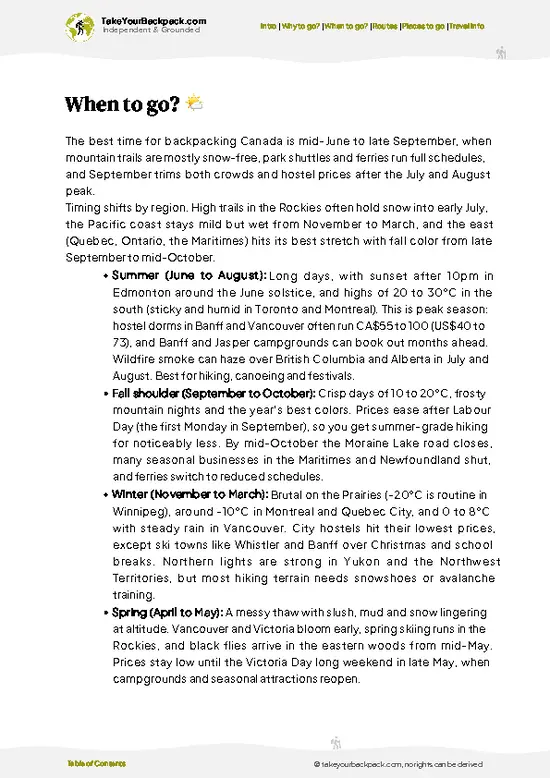
🌤️ When to go?Weather, crowds, and seasonal trade-offs


  • Weather: Whistler’s weather swings dramatically with the seasons. Summers (June to September) offer mild, dry days averaging 15-22°C (59-72°F), perfect for hiking and biking without the mud slog. Winters plunge to -5 to 0°C (23-32°F), blanketing the mountains in snow, ideal for skiing but tricky for backpackers seeking warmth.

  • Temperature: Spring and fall bring cool, crisp air—around 5-15°C (41-59°F)—which can feel brisk on exposed trails but refreshingly clear. Pack layers; mornings and evenings bite with chill, while midday sun can warm your skin.

  • Daylight Hours: Long summer days stretch up to 16 hours of light, giving you ample time to explore trails and soak in views. Winter days shrink to 8 hours, pushing you to plan activities tightly and embrace the early dusk ambiance.

  • Crowds:
read more 👉

  • Weather: Whistler’s weather swings dramatically with the seasons. Summers (June to September) offer mild, dry days averaging 15-22°C (59-72°F), perfect for hiking and biking without the mud slog. Winters plunge to -5 to 0°C (23-32°F), blanketing the mountains in snow, ideal for skiing but tricky for backpackers seeking warmth.

  • Temperature: Spring and fall bring cool, crisp air—around 5-15°C (41-59°F)—which can feel brisk on exposed trails but refreshingly clear. Pack layers; mornings and evenings bite with chill, while midday sun can warm your skin.

  • Daylight Hours: Long summer days stretch up to 16 hours of light, giving you ample time to explore trails and soak in views. Winter days shrink to 8 hours, pushing you to plan activities tightly and embrace the early dusk ambiance.

  • Crowds: Summer and winter peak seasons flood Whistler with tourists, hiking trails and lifts buzzing with energy but also congestion. Shoulder seasons (late spring and early fall) offer quieter paths and a more intimate connection with the landscape.

  • Seasonal Activities: Summer is your playground for mountain biking, hiking, and lake swims. Winter transforms Whistler into a snow sports haven. Shoulder seasons reveal waterfalls and fall colors, with fewer crowds and a slower pace.

  • Price Fluctuations: Expect accommodation and activity prices to spike during summer and winter holidays. Booking in shoulder seasons can save you a solid chunk of cash while still delivering excellent weather and access.


Pro-tip: Aim for late spring or early fall to dodge the crowds, enjoy crisp air, and catch Whistler’s wild side without the premium price tag or the ski-lodge crush.


source: climatestotravel.comJANJanuary: good for travelingFEBFebruary: good for travelingMARMarch: good for travelingAPRApril: highly recommended for travelingMAYMay: highly recommended for travelingJUNJune: excellent for travelingJULJuly: excellent for travelingAUGAugust: excellent for travelingSEPSeptember: highly recommended for travelingOCTOctober: highly recommended for travelingNOVNovember: fair for travelingDECDecember: good for traveling
canada-city-whistler v1
© Google |

✈️ The backpacker research shortcutCanada Travel Guide

An offline-friendly backpacking guide with optimized travel routes, ranked highlights, transport advice, and the best areas to stay.
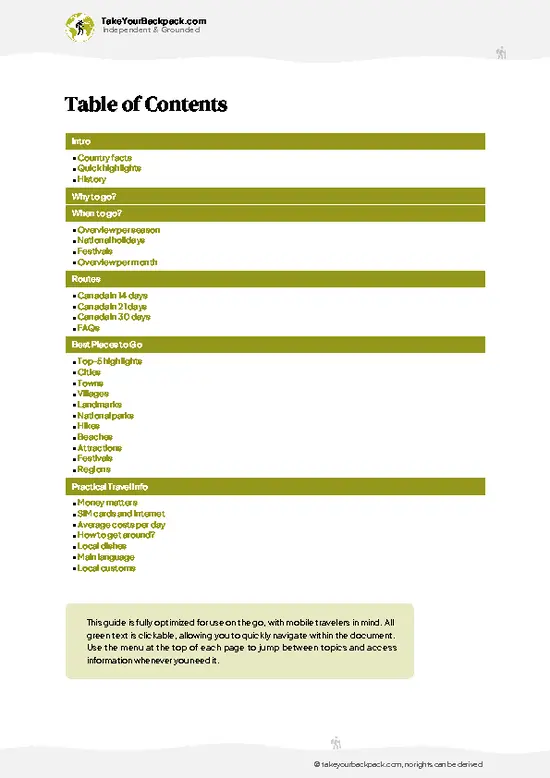
example page 0 from our offline Travel Guide for Canada
example page 1 from our offline Travel Guide for Canada
example page 2 from our offline Travel Guide for Canada
example page 3 from our offline Travel Guide for Canada
example page 4 from our offline Travel Guide for Canada
example page 5 from our offline Travel Guide for Canada
example page 6 from our offline Travel Guide for Canada
example page 7 from our offline Travel Guide for Canada
The digital guide (518 pages) contains:
133 highlights, ranked by travel appeal
Optimized 14, 21 & 30-day travel routes
Cities, national parks, landmarks, beaches
How to get around
Offline-friendly for travel without Wi-Fi
👉 Click to see all 30+ guide features

📅 Plan smarter in minutes, not weeks
Month by month travel advice
Festivals & national holidays
Budget expectations

🗺️ Go to the right places, skip the overrated ones
Honest pros & cons of destinations
Top hikes, parks & viewpoints
Lesser-known places most travelers miss
Clear “worth it vs skip it” guidance

🛏️ Travel smoothly without rookie mistakes
Best areas to stay
Transport systems explained simply
Common scams & safety advice
SIM cards, money & practical tips

🌍 Understand the country, not just visit it
Culture & traditions
Local customs
Festivals worth planning around
Traveler-friendly historical context
Insights that make places more meaningful

📱 Built for real travel conditions
Fully downloadable PDF
Works completely offline
Optimized for phone use
Useful in remote areas & buses
Everything in one place
Save weeks of stressful planning
Get instant access to your full guide. 30‑day money-back guarantee.


By proceeding you agree to our terms.
Sent to your inbox immediately after payment • 100% Secure Checkout
Best Backpacking Travel Advisor 2025 tourism awardBest Backpacking
Travel Advisor
2025
What others say about Take Your Backpack Guides:
⭐⭐⭐⭐⭐
Fantastic, amazing amount of information!
⭐⭐⭐⭐⭐
My goodness this is amazing, it's what I've been looking for hats off too you!
⭐⭐⭐⭐⭐
I think this is absolutely BRILLIANT
⭐⭐⭐⭐
Very complete and informative. It's still missing places, but I gotta to commend you
⭐⭐⭐⭐⭐
This is truly amazing, thank you, can't wait to explore it with my kids!
⭐⭐⭐⭐⭐
Awesome resource, thank you!
⭐⭐⭐⭐⭐
This is amazing! Can't wait to explore the ones I haven't seen
⭐⭐⭐⭐
I love this! Well done, great idea.
⭐⭐⭐⭐⭐
Thanks for taking the time to make this gem!
⭐⭐⭐⭐⭐
This might be the best website I've ever seen.
⭐⭐⭐⭐⭐
Congratulations, and thank you so much for your work; it's incredibly valuable.
⭐⭐⭐⭐
In all seriousness I think you did a great job pointing out the important spots
⭐⭐⭐⭐⭐
10/10 very good
⭐⭐⭐⭐⭐
As someone who's only just starting to visit regularly this is awesome, thank you.
⭐⭐⭐⭐
Thank you very much! I'm going to visit my dad, it's going to be very useful!
⭐⭐⭐⭐⭐
This is really cool! We'll be travelling for the first time and this definitely come in handy.
⭐⭐⭐⭐⭐
You are now our minister of culture, congratulations 👨‍💼
⭐⭐⭐⭐⭐
Just wanted to tell you that this is a pearl! Going to follow your recommendations.
⭐⭐⭐⭐⭐
This is so cool. I'll definitely be using the resource for my travels soon.
⭐⭐⭐⭐⭐
This is very impressive! Good work.
⭐⭐⭐⭐⭐
This is an amazing and informative site. Very well done!

🛏️ Where to stay?Choosing the right base

Whistler Village is the heartbeat for backpackers craving a mix of safety, social buzz, and budget-friendly options. This compact, pedestrian-only zone hums with energy from dawn’s first coffee aroma to the clink of après-ski glasses. Staying here means you’re steps from the lifts, trails, and a lively crowd that’s easy to strike up conversation with—solo travelers especially appreciate this natural social magnet. The vibe is casual but charged, with street performers, local markets, and a steady flow of adventurers swapping stories over craft brews.

Compared to the quieter, more residential … read more 👉
Whistler Village is the heartbeat for backpackers craving a mix of safety, social buzz, and budget-friendly options. This compact, pedestrian-only zone hums with energy from dawn’s first coffee aroma to the clink of après-ski glasses. Staying here means you’re steps from the lifts, trails, and a lively crowd that’s easy to strike up conversation with—solo travelers especially appreciate this natural social magnet. The vibe is casual but charged, with street performers, local markets, and a steady flow of adventurers swapping stories over craft brews.

Compared to the quieter, more residential neighborhoods like Creekside or Function Junction, Whistler Village puts you in the thick of things. Those areas offer peace and a slower pace, but they lack the instant connection and walk-everywhere convenience that backpackers thrive on. Plus, hostels and budget lodgings cluster here, making it easier to meet like-minded travelers without the hassle of long commutes or pricey rides.

The air carries a crisp mountain scent, mingling pine and fresh snow in winter, or wildflowers and earth in summer. This sensory backdrop makes the sometimes steep prices and busy streets feel like part of the adventure, not a drawback. In Whistler Village, you’re not just staying somewhere—you’re plugged into the pulse of the mountain town, where every corner invites you to dive deeper into the experience.

🚌 Getting aroundGetting around like a local

Whistler moves at the pace of the mountains themselves—sometimes slow and deliberate, other times quick and unpredictable. The air carries the crisp scent of pine and the faint hum of ski lifts, blending with the chatter of visitors who are part adrenaline junkie, part nature lover. This isn’t a place where you’ll find rigid timetables etched in stone; instead, it’s a town that flows with the seasons and the moods of its visitors. Understanding this rhythm is your key to unlocking a smoother, more authentic experience. You’ll want to lean into the natural flow—knowing when to walk, when to catch a bus, and when a quick shuttle is your best bet—because that’s how you avoid the tourist crush and get the real Whistler vibe.


  • Walking: The heart of Whistler Village is compact and pedestrian-friendly,
read more 👉
Whistler moves at the pace of the mountains themselves—sometimes slow and deliberate, other times quick and unpredictable. The air carries the crisp scent of pine and the faint hum of ski lifts, blending with the chatter of visitors who are part adrenaline junkie, part nature lover. This isn’t a place where you’ll find rigid timetables etched in stone; instead, it’s a town that flows with the seasons and the moods of its visitors. Understanding this rhythm is your key to unlocking a smoother, more authentic experience. You’ll want to lean into the natural flow—knowing when to walk, when to catch a bus, and when a quick shuttle is your best bet—because that’s how you avoid the tourist crush and get the real Whistler vibe.


  • Walking: The heart of Whistler Village is compact and pedestrian-friendly, making walking your default mode. Strolling through the village lets you soak in the scent of fresh mountain air mixed with wood smoke from nearby lodges. It’s free, flexible, and the best way to catch spontaneous street performances or pop-up markets. Expect to cover most spots within 20 minutes on foot.


  • Whistler Transit System (Local Bus): This is your budget-friendly backbone for getting around beyond the village core. Buses run roughly every 15-30 minutes from early morning (around 6:30 AM) until late evening (about 11 PM). A single ride costs just a few dollars, making it perfect for hopping between neighborhoods or reaching trailheads without the hassle of parking. The buses are clean and reliable, though they can fill up during peak ski season or summer weekends.


  • Peak 2 Peak Gondola: Not just a transit option but an experience, this gondola links Whistler and Blackcomb mountains. It’s pricier than the bus but worth it for the jaw-dropping views and quick access to alpine trails. Operating from 9 AM to 4 PM in winter and longer in summer, it’s essential if you want to maximize your mountain time without the slog of a long hike or drive.


  • Shuttle Services: For budget travelers aiming to reach nearby spots like Creekside or Function Junction, shuttles offer a middle ground between bus and taxi. They’re more flexible with schedules, often running early morning to late evening, and cost slightly more than the bus but less than a taxi. These are great if you’re carrying gear or want to avoid multiple transfers.


  • Biking: Whistler’s bike paths are extensive and well-maintained, offering a fast, scenic way to get around when the weather cooperates. Rentals are affordable, and the terrain varies from gentle village loops to challenging mountain trails. Riding lets you control your pace and route, plus the fresh mountain air and pine scent make every pedal stroke feel like part of the adventure.

👛 Costs (as of 31 December 2025)Travel costs and budget guide for Whistler

Backpacking in Whistler, Canada, means balancing the crisp mountain air and stunning alpine views with a cost that reflects its status as a top-tier outdoor destination. Here’s what you’re realistically looking at day-to-day.
  • Dorm Accommodation: Hostels in Whistler hover around $40 to $60 USD per night for a dorm bed. It’s not the cheapest spot, but you’re paying for proximity to the slopes and trails. Booking early can snag you the lower end of that range, especially outside peak ski season.
  • Meals: Eating out leans toward the pricey side. Budget about $15 to $25 USD for a casual meal—think pub fare or a quick sandwich. Groceries for self-catering can bring daily food costs down to around $10 to $15 USD if you hit the local markets or grocery stores.
  • Local Transport: Whistler’s village
read more 👉
Backpacking in Whistler, Canada, means balancing the crisp mountain air and stunning alpine views with a cost that reflects its status as a top-tier outdoor destination. Here’s what you’re realistically looking at day-to-day.
  • Dorm Accommodation: Hostels in Whistler hover around $40 to $60 USD per night for a dorm bed. It’s not the cheapest spot, but you’re paying for proximity to the slopes and trails. Booking early can snag you the lower end of that range, especially outside peak ski season.
  • Meals: Eating out leans toward the pricey side. Budget about $15 to $25 USD for a casual meal—think pub fare or a quick sandwich. Groceries for self-catering can bring daily food costs down to around $10 to $15 USD if you hit the local markets or grocery stores.
  • Local Transport: Whistler’s village is compact, so walking is your best bet and free. For longer trips, the local bus system costs about $3 USD per ride, with day passes around $7 to $10 USD. Renting a bike is another option, roughly $25 to $40 USD per day, which doubles as a way to soak in the mountain air.
  • Basic Activities/Entry Fees: Hiking and exploring the outdoors are mostly free, but expect to pay for some activities. For example, the Whistler Mountain Bike Park lift tickets start around $50 USD for a day pass in summer. Ski lift tickets in winter are significantly higher, often $100+ USD per day. Museums and galleries are modest, usually under $15 USD.
  • Miscellaneous Expenses: Think coffee, snacks, or a beer after a long day—budget around $10 to $20 USD. Wi-Fi and laundry services in hostels or cafes might add a few extra dollars here and there.

All told, a realistic daily budget for backpacking in Whistler ranges from about $80 to $150 USD. The lower end means sticking to dorms, cooking your own meals, and focusing on free outdoor activities. The higher end lets you indulge in a few paid adventures and meals out. Whistler’s charm is in its fresh mountain air and outdoor playground, so spending smartly on essentials leaves room to splurge on the experiences that make the trip memorable.


source: destinationbc.ca
⚠️ Prices can change and everyone travels differently, so take this as a rough guide. Hope it helps you plan your adventure!

🚌 Day tripsShort trips worth adding

Whistler isn’t just a ski town; it’s a launchpad for unforgettable day trips that reveal the wild heart of British Columbia. With its stunning backdrop of mountains and forests, you can easily escape the hustle and dive into nature’s playground. Here are some top picks.

Garibaldi Lake
A hike to Garibaldi Lake is like stepping into a postcard. The trail winds through lush forests, with the scent of pine filling the air. After about 9 kilometers, you’re greeted by a turquoise lake that looks like it’s been plucked from a dream. The hike takes roughly 4-5 hours round trip, so start early to enjoy the tranquility. Bring a packed lunch to savor by the water’s edge. Expect to spend around $10 for parking and snacks. Late spring to early fall is ideal, but be wary of the crowds in July and August. … read more 👉
Whistler isn’t just a ski town; it’s a launchpad for unforgettable day trips that reveal the wild heart of British Columbia. With its stunning backdrop of mountains and forests, you can easily escape the hustle and dive into nature’s playground. Here are some top picks.

Garibaldi Lake
A hike to Garibaldi Lake is like stepping into a postcard. The trail winds through lush forests, with the scent of pine filling the air. After about 9 kilometers, you’re greeted by a turquoise lake that looks like it’s been plucked from a dream. The hike takes roughly 4-5 hours round trip, so start early to enjoy the tranquility. Bring a packed lunch to savor by the water’s edge. Expect to spend around $10 for parking and snacks. Late spring to early fall is ideal, but be wary of the crowds in July and August. Many first-timers underestimate the trail’s difficulty; wear sturdy shoes and pack plenty of water.


Joffre Lakes
Joffre Lakes is a feast for the senses. The three lakes, each a different shade of blue, are connected by a trail that’s about 10 kilometers long. The first lake is just a short walk from the parking lot, but don’t stop there. The real magic happens at the upper lake, where you can sit on a rock and soak in the view of glaciers. The hike usually takes about 4-6 hours round trip. Budget around $15 for parking and snacks. Late spring to early fall is best, but be prepared for a busy trail in peak season. A common mistake is to underestimate the weather; it can change quickly, so layers are key.


Whistler Mountain
For a quick thrill, take the gondola up Whistler Mountain. The ride itself is an experience, offering panoramic views of the surrounding peaks. Once at the top, you can explore various trails or simply enjoy a coffee at the summit café. The gondola ride costs about $60, but it’s worth every penny for the views. Plan for a half-day trip, and go early to beat the crowds. Late spring and early fall offer the best weather, but be mindful of the wind. Many first-timers miss the hiking trails that start right at the top; don’t just take the gondola and leave!


Brandywine Falls
Just a short drive from Whistler, Brandywine Falls is a must-see. The 70-meter waterfall is breathtaking, especially when the sun hits the water just right. The walk to the viewpoint is only about 1 kilometer, making it accessible for everyone. Plan for a couple of hours, including travel time, and expect to spend around $5 for parking. Spring is the best time to see the falls in full flow, but it’s beautiful year-round. A common mistake is to overlook the viewpoint; there’s a second trail that leads to a more secluded area for a different perspective.


These day trips from Whistler offer a blend of adventure and serenity, making it easy to immerse yourself in the natural beauty of British Columbia.
Want to know what more Canada offers?
The Canada Travel Guide describes 133 highlights, from cities to national parks, from beaches to hikes

Get the Travel Guide -

🛡️ SafetyScams, Hazards, and Annoyances

Whistler is generally a safe haven for backpackers, but a few practical tips can enhance your experience. The village strolls are lively, but keep your wits about you in crowded spots, especially around the lifts and bars. That’s where pickpockets might lurk, so wear a crossbody bag and keep your phone tucked away.

If you’re solo, the evenings can feel different. Stick to well-lit paths and avoid shortcuts through dark areas. The vibe is friendly, but it’s smart to stay aware of your surroundings, especially after a late night out.

As for scams, they’re rare, but be cautious of overly eager street performers or vendors pushing overpriced goods. Trust your instincts; if something feels off, it probably is.

Overall, embrace the adventure, but carry yourself with confidence. The beauty … read more 👉
Whistler is generally a safe haven for backpackers, but a few practical tips can enhance your experience. The village strolls are lively, but keep your wits about you in crowded spots, especially around the lifts and bars. That’s where pickpockets might lurk, so wear a crossbody bag and keep your phone tucked away.

If you’re solo, the evenings can feel different. Stick to well-lit paths and avoid shortcuts through dark areas. The vibe is friendly, but it’s smart to stay aware of your surroundings, especially after a late night out.

As for scams, they’re rare, but be cautious of overly eager street performers or vendors pushing overpriced goods. Trust your instincts; if something feels off, it probably is.

Overall, embrace the adventure, but carry yourself with confidence. The beauty of Whistler is earned through exploration, and a little awareness goes a long way in making your journey smooth and enjoyable.

Other Canadian towns near Whistler

Explore more nearby:

  • Powell River—sunshine coast, paper mill, lakes and trails| 117 km away
  • Nanaimo—Harborfront, ferry terminal, island forests| 127 km away
  • Port Alberni—inland fjord, logging history, salmon runs| 165 km away

💡 Not sure where to go next?
Create a personalized itinerary for Canada including Whistler and the places that fit your trip.

Generate my itinerary

👉 Discover all towns

Or checkout all Canada has to offer (think cities, towns, villages, national parks, hikes, beaches, festivals)
Country photo of Canada

We 💚 feedbackFinal thoughts on visiting Whistler

Whistler’s energy is electric, especially when you’re carving fresh tracks on the slopes or sipping a local brew while the sun dips behind the mountains. But be ready for the crowds; peak season can feel like a bustling beehive. Embrace the chaos, though. It’s part of the experience. Just plan your hikes and dining for early or late to dodge the rush. The payoff? A slice of nature that feels alive, vibrant, and utterly worth it.

✈️ When did I visit Canada?
As part of my 1.5 year travel around the world trip, I visited Canada in 2016.

✍️ Help improve this page!
The information on this page is based on my own backpacking experience in Canada, supplemented with up-to-date research and feedback from other travelers. Travel details can change, so if you notice anything outdated or incomplete, feel free to let me know.


🙋‍♂️ Give feedback

👋 Meet the founderWho’s Behind Take Your Backpack?

Johan, backpacker and founder of TakeYourBackpackHi, I’m Johan (Netherlands 🇳🇱), the creator of TakeYourBackpack. Over the past decade, I’ve backpacked through 80+ countries across six continents, gaining extensive experience with independent travel, long-term trips, and overland routes.

This site is built on a combination of firsthand travel experience and carefully curated insights from other backpackers. Many guides are based on places I’ve personally visited, while others bring together tips, observations, and practical advice shared by trusted travelers I’ve met along the way.

The goal is to provide realistic, experience-driven guidance — not generic itineraries — so you can explore destinations with better context, clearer expectations, and more confidence.

Get full Canada guide •
Instant download • 133 highlights • Full Offline guide