×

Canada🇨🇦 | townsYellowknifeAurora tours, floatplane Old Town, houseboats, Great Slave Lake | things to do and best time to go

Explore WhitehorseExplore Canmore

Backpacking in Yellowknife
🌟 Highlighttown ranked #7
By Johan Kruseman 🇳🇱 | Updated October 22, 2026

Yellowknife sits on a lake, not in the Arctic tundra, and its boreal forest of spruce and birch surprises people who expect bare ice. It is in the north of Canada, on the north shore of Great Slave Lake, and flights make it easy to reach. The core is small: a rocky Old Town of floatplanes and houseboats, a few cafés, and a handful of hostels and guesthouses. Evenings are slow, and you meet other travelers mostly on tours. I would walk the Frame Lake Trail on arrival, since the boardwalks smell of wet spruce and the ravens are loud, and you learn the layout for free. Aurora viewing needs a dark site out of town, so book it rather than wander. A first day could start at the lake and end at a pub on the water.

Discover everything you want to know in the 📖 Canada Travel Guide.


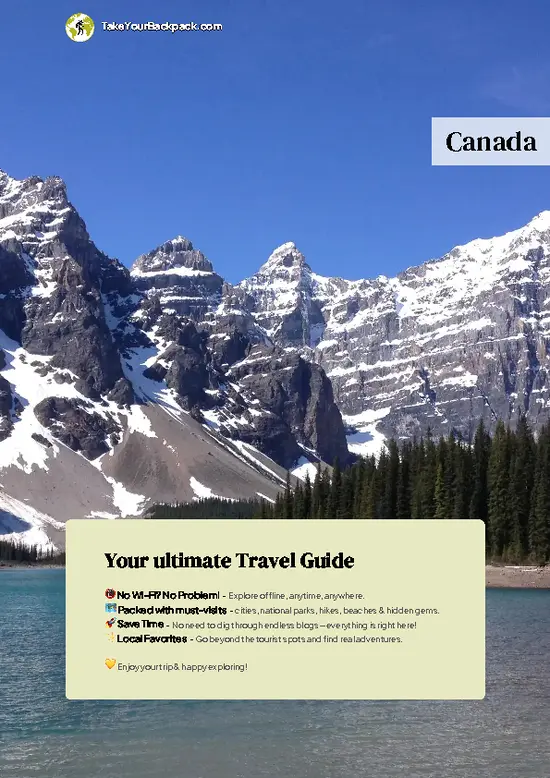
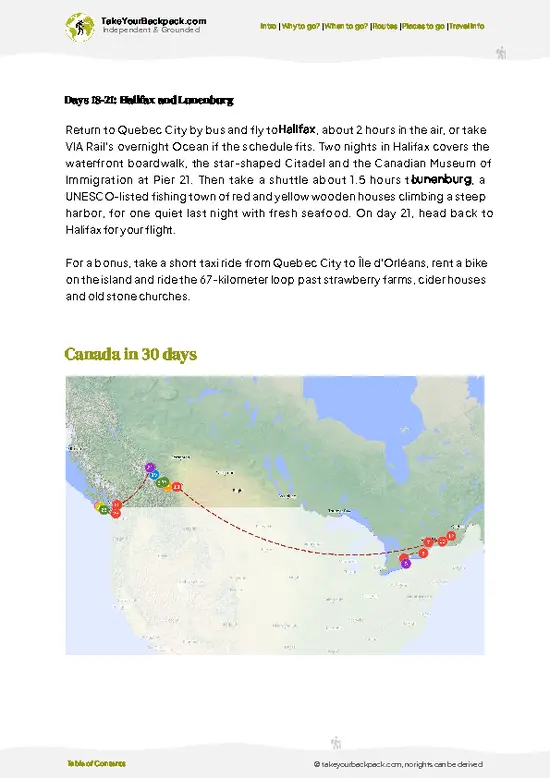
example page 0 from our offline Travel Guide for Canada
example page 1 from our offline Travel Guide for Canada
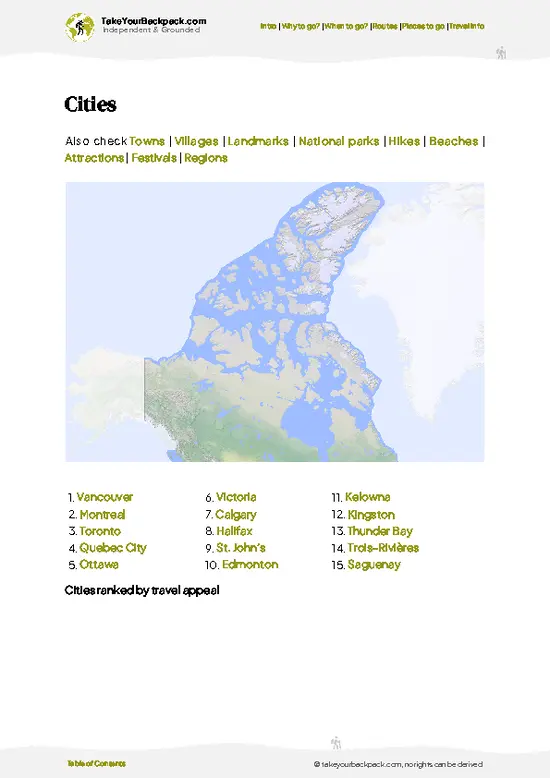
example page 2 from our offline Travel Guide for Canada
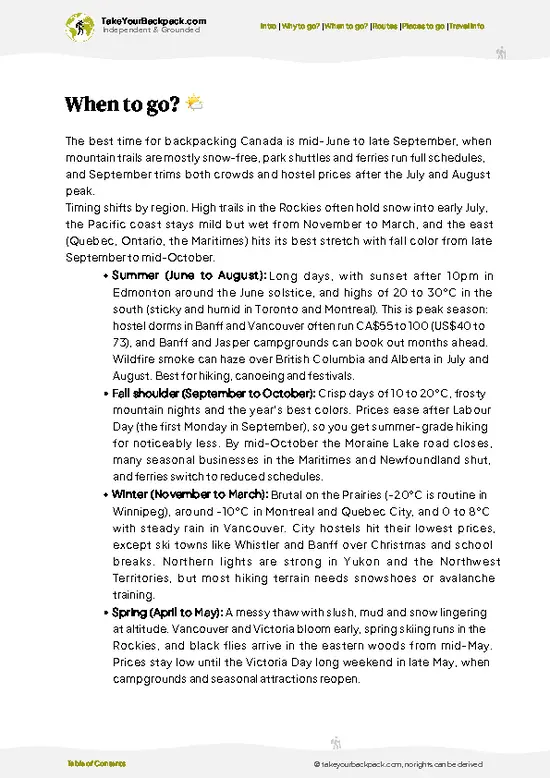
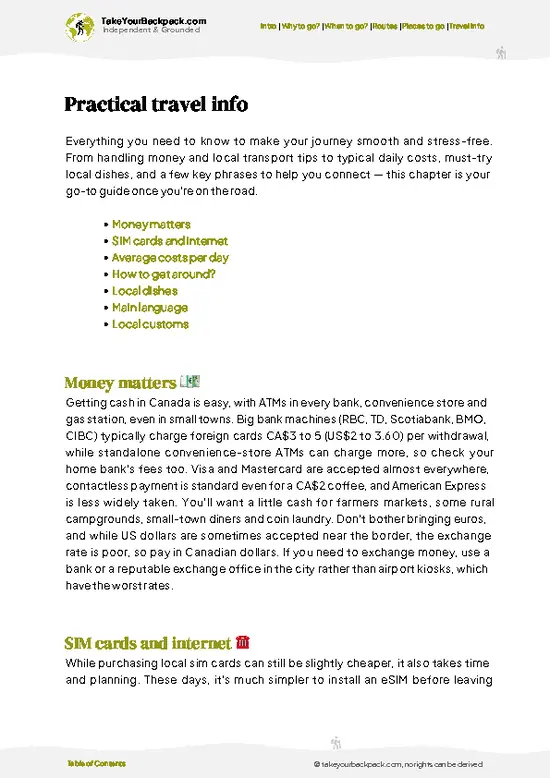
example page 3 from our offline Travel Guide for Canada
example page 4 from our offline Travel Guide for Canada
example page 5 from our offline Travel Guide for Canada
example page 6 from our offline Travel Guide for Canada
example page 7 from our offline Travel Guide for Canada
Loading the map 🌍
CLICK TO FILTER
cities
towns
villages
landmarks
national parks
hikes
beaches
attractions
festivals
regions
SHOW COUNTRY’S BESTSHOW ALL

✨ Why go?
Ranked #7 town in Canada
The unique appeal for travelers

Yellowknife works as the one northern stop where a backpacker gets wilderness, culture and a bed in the same place. The draw is the sky: the city sits under the Auroral Oval, so clear nights in the dark season often bring displays, and tours leave from town to dark sites a short drive out. Between sightings you can paddle or fish on Great Slave Lake, or walk trails from your door. Old Town adds Dene and Métis history, houseboat stories and gold-mining relics. Most people stay three or four nights, since aurora forecasts are unreliable and a spare night improves your odds. It is social in a small way, with communal hostel kitchens and tour vans full of solo travelers. It suits hikers, photographers and slow travelers more than anyone chasing nightlife, and the high prices suit those who plan.

💡 HighlightsEssential experiences to have while visiting Yellowknife

  1. Aurora viewing sites: Yellowknife is known for northern lights, and the best views come from guided outings to dark spots outside the glow of town. Go between late fall and early spring on clear nights. Tours run about US$130 to 250 for 3 to 5 hours, and they supply heated viewing lodges and cameras help.
  2. Old Town and Latham Island: A walk past floatplane docks, painted shacks and the lake. Free, 1 to 2 hours, best on a calm summer evening.
  3. Bush Pilots Monument at Pilot’s Monument: A rock-top viewpoint above Old Town, reached by stairs. It gives a wide look over Back Bay and the houseboats. Free, 30 minutes, best at sunset in summer.
  4. Prince of Wales Northern Heritage Centre: The territorial museum covers Dene and Inuit culture, wildlife and mining history. Entry is usually free or low cost, and
… read more 👉
  1. Aurora viewing sites: Yellowknife is known for northern lights, and the best views come from guided outings to dark spots outside the glow of town. Go between late fall and early spring on clear nights. Tours run about US$130 to 250 for 3 to 5 hours, and they supply heated viewing lodges and cameras help.
  2. Old Town and Latham Island: A walk past floatplane docks, painted shacks and the lake. Free, 1 to 2 hours, best on a calm summer evening.
  3. Bush Pilots Monument at Pilot’s Monument: A rock-top viewpoint above Old Town, reached by stairs. It gives a wide look over Back Bay and the houseboats. Free, 30 minutes, best at sunset in summer.
  4. Prince of Wales Northern Heritage Centre: The territorial museum covers Dene and Inuit culture, wildlife and mining history. Entry is usually free or low cost, and it takes 1.5 to 2 hours. Visit on a cold or wet day.
  5. Houseboat Bay and Back Bay: Live-aboard houseboats sit frozen in or floating by season. Walk the shoreline or take a short paddle in summer (rentals about US$30 to 50 for a few hours). Allow 1 to 2 hours.
Beyond town, Cameron Falls, Blachford Lake and Prelude Lake Territorial Park all make good day trips from Yellowknife. For a first visit, the aurora tour is the one to book.
Spotted a mistake or missing something? Contact us.

Things to do around Yellowknife

Ratings based on Tripadvisor reviews. When you book through this link, you support our work at no extra cost to you.

🏘️ NeighborhoodsUnderstanding the local layout

Yellowknife splits into a few compact areas, and knowing which one suits your day saves you a lot of cold walking.
  • Old Town: Sits on the shore of Great Slave Lake, with weathered wooden cabins, houseboats, float planes droning overhead and the smell of woodsmoke and fried fish. Hills and rock outcrops make it hilly, so wear grippy shoes in winter. Visit Bush Pilot’s Monument for the view, then eat whitefish at a lakeside spot. Walk it, because parking is tight and the lanes are narrow.
  • Downtown: A grid of low-rise offices, cafes, pubs and the Northern Frontier Visitors Centre, about 15 minutes on foot from end to end. Sidewalks are plowed, but wind off the lake bites, so duck into shops to thaw. Nightlife is a handful of pubs with live music, loud on weekends and quiet midweek.
  • Frame Lake: Home
… read more 👉
Yellowknife splits into a few compact areas, and knowing which one suits your day saves you a lot of cold walking.
  • Old Town: Sits on the shore of Great Slave Lake, with weathered wooden cabins, houseboats, float planes droning overhead and the smell of woodsmoke and fried fish. Hills and rock outcrops make it hilly, so wear grippy shoes in winter. Visit Bush Pilot’s Monument for the view, then eat whitefish at a lakeside spot. Walk it, because parking is tight and the lanes are narrow.
  • Downtown: A grid of low-rise offices, cafes, pubs and the Northern Frontier Visitors Centre, about 15 minutes on foot from end to end. Sidewalks are plowed, but wind off the lake bites, so duck into shops to thaw. Nightlife is a handful of pubs with live music, loud on weekends and quiet midweek.
  • Frame Lake: Home to the legislature, the Prince of Wales Northern Heritage Centre and a 7 km (4.3 mile) lakeside loop trail with a boardwalk. It is calm, with crunching snow or birdsong depending on the season. Distances between sights are longer, so link them with a bus or a short ride.
  • Latham Island and Back Bay: Residential and quiet, with houseboats moored in the bay. Come for the water and the stillness, not for dining. Aurora chasers often prefer the dark edges here over downtown glare.

⌛️ 1 dayA smart one-day plan

8:00 AM, Old Town: Start by the water while the floatplanes warm up and the lake is calm. Have coffee and walk the docks toward Latham Island, then climb the rock to the Bush Pilots Monument for the view.
10:30 AM, Back Bay and houseboats: Follow the shore path past the painted houseboats and look for the ravens and gulls. Stay along the edge, since the residents live here year round.
12:30 PM, lunch: Have whitefish or a hearty soup at a lakeside café in Old Town, then walk or take a short taxi into the center.
2:00 PM, Prince of Wales Northern Heritage Centre: Spend about two hours with Dene and Inuit exhibits, the mining history and the wildlife displays. It sets context for everything outside.
4:30 PM, Frame Lake Trail: Walk the boardwalk loop through spruce and rock. It is off the usual route, … read more 👉
8:00 AM, Old Town: Start by the water while the floatplanes warm up and the lake is calm. Have coffee and walk the docks toward Latham Island, then climb the rock to the Bush Pilots Monument for the view.
10:30 AM, Back Bay and houseboats: Follow the shore path past the painted houseboats and look for the ravens and gulls. Stay along the edge, since the residents live here year round.
12:30 PM, lunch: Have whitefish or a hearty soup at a lakeside café in Old Town, then walk or take a short taxi into the center.
2:00 PM, Prince of Wales Northern Heritage Centre: Spend about two hours with Dene and Inuit exhibits, the mining history and the wildlife displays. It sets context for everything outside.
4:30 PM, Frame Lake Trail: Walk the boardwalk loop through spruce and rock. It is off the usual route, quiet, and good for beaver and birds.
7:00 PM, dinner: Eat in the center, then rest.
10:00 PM, aurora outing: In dark season, join a tour to a viewing site out of town and wait under the open sky. In summer, return to the lakeshore and watch the long dusk instead.

🌤️ When to go?Weather, crowds, and seasonal trade-offs

February and March are the most dependable months for northern lights and dry cold, while July and August suit hiking and paddling.
  • Winter (Dec to Mar): Highs around -20 to -25°C (-4 to -13°F), lows can hit -35°C (-31°F). Days are short, but aurora tours run most clear nights. Prices for tours peak.
  • Spring (Apr to May): Ice roads melt and temperatures range from -5 to 12°C (23 to 54°F). Quiet, cheaper, and the light returns fast.
  • Summer (Jun to Aug): Highs 18 to 24°C (64 to 75°F), with almost nonstop daylight around the solstice. Mosquitoes are thick in June and July. Lodging fills up.
  • Autumn (Sep to Oct): Cool, 10 to -5°C (50 to 23°F), with early aurora viewing and gold birch leaves, plus fewer visitors.
Book aurora tours for at least three nights so one cloudy evening does not sink your trip.

source: climatestotravel.comJANJanuary: good for travelingFEBFebruary: good for travelingMARMarch: good for travelingAPRApril: fair for travelingMAYMay: highly recommended for travelingJUNJune: excellent for travelingJULJuly: excellent for travelingAUGAugust: excellent for travelingSEPSeptember: highly recommended for travelingOCTOctober: fair for travelingNOVNovember: fair for travelingDECDecember: good for traveling
when-to-go

✈️ The backpacker research shortcutCanada Travel Guide

An offline-friendly backpacking guide with optimized travel routes, ranked highlights, transport advice, and the best areas to stay.
example page 0 from our offline Travel Guide for Canada
example page 1 from our offline Travel Guide for Canada
example page 2 from our offline Travel Guide for Canada
example page 3 from our offline Travel Guide for Canada
example page 4 from our offline Travel Guide for Canada
example page 5 from our offline Travel Guide for Canada
example page 6 from our offline Travel Guide for Canada
example page 7 from our offline Travel Guide for Canada
The digital guide (385 pages) contains:
✅ 125 highlights, ranked by travel appeal
✅ Optimized 14, 21 & 30-day travel routes
✅ Cities, national parks, landmarks, beaches
✅ How to get around
✅ Offline-friendly for travel without Wi-Fi
👉 Click to see all 30+ guide features

📅 Plan smarter in minutes, not weeks
✅ Month by month travel advice
✅ Festivals & national holidays
✅ Budget expectations

🗺️ Go to the right places, skip the overrated ones
✅ Honest pros & cons of destinations
✅ Top hikes, parks & viewpoints
✅ Lesser-known places most travelers miss
✅ Clear “worth it vs skip it” guidance

🛏️ Travel smoothly without rookie mistakes
✅ Best areas to stay
✅ Transport systems explained simply
✅ Common scams & safety advice
✅ SIM cards, money & practical tips

🌍 Understand the country, not just visit it
✅ Culture & traditions
✅ Local customs
✅ Festivals worth planning around
✅ Traveler-friendly historical context
✅ Insights that make places more meaningful

📱 Built for real travel conditions
✅ Fully downloadable PDF
✅ Works completely offline
✅ Optimized for phone use
✅ Useful in remote areas & buses
✅ Everything in one place
Stop searching, start planning
Get instant access to your full guide. 30‑day money-back guarantee.
+ Add another guide for just

By proceeding you agree to our terms.
Sent to your inbox immediately after payment • 100% Secure Checkout
Best Backpacking Travel Advisor 2025 tourism awardBest Backpacking
Travel Advisor
2025
What others say about Take Your Backpack Guides:
⭐⭐⭐⭐⭐
Fantastic, amazing amount of information!
⭐⭐⭐⭐⭐
My goodness this is amazing, it's what I've been looking for hats off too you!
⭐⭐⭐⭐⭐
I think this is absolutely BRILLIANT
⭐⭐⭐⭐
Very complete and informative. It's still missing places, but I gotta to commend you
⭐⭐⭐⭐⭐
This is truly amazing, thank you, can't wait to explore it with my kids!
⭐⭐⭐⭐⭐
Awesome resource, thank you!
⭐⭐⭐⭐⭐
This is amazing! Can't wait to explore the ones I haven't seen
⭐⭐⭐⭐
I love this! Well done, great idea.
⭐⭐⭐⭐⭐
Thanks for taking the time to make this gem!
⭐⭐⭐⭐⭐
This might be the best website I've ever seen.
⭐⭐⭐⭐⭐
Congratulations, and thank you so much for your work; it's incredibly valuable.
⭐⭐⭐⭐
In all seriousness I think you did a great job pointing out the important spots
⭐⭐⭐⭐⭐
10/10 very good
⭐⭐⭐⭐⭐
As someone who's only just starting to visit regularly this is awesome, thank you.
⭐⭐⭐⭐
Thank you very much! I'm going to visit my dad, it's going to be very useful!
⭐⭐⭐⭐⭐
This is really cool! We'll be travelling for the first time and this definitely come in handy.
⭐⭐⭐⭐⭐
You are now our minister of culture, congratulations 👨‍💼
⭐⭐⭐⭐⭐
Just wanted to tell you that this is a pearl! Going to follow your recommendations.
⭐⭐⭐⭐⭐
This is so cool. I'll definitely be using the resource for my travels soon.
⭐⭐⭐⭐⭐
This is very impressive! Good work.
⭐⭐⭐⭐⭐
This is an amazing and informative site. Very well done!

🛏️ Where to stay?Best areas to stay in Canada

Downtown and Old Town are the best places for a budget bed, and downtown wins for convenience. Dorm-style beds are scarce in Yellowknife, so choose private guesthouses, B&Bs or basic rooms, usually US$90 to 150 a night, and book early for winter aurora season and summer weekends.
Downtown puts you within a short walk of grocery stores, restaurants and the bus stops, which matters when it is -30°C (-22°F). Streets are lit and fairly busy by day, and quieter after 10 pm, with some noise near the pubs on weekends.
Old Town is calmer, with lake views and a more local feel, but it is hillier and icier … read more 👉
Downtown and Old Town are the best places for a budget bed, and downtown wins for convenience. Dorm-style beds are scarce in Yellowknife, so choose private guesthouses, B&Bs or basic rooms, usually US$90 to 150 a night, and book early for winter aurora season and summer weekends.
Downtown puts you within a short walk of grocery stores, restaurants and the bus stops, which matters when it is -30°C (-22°F). Streets are lit and fairly busy by day, and quieter after 10 pm, with some noise near the pubs on weekends.
Old Town is calmer, with lake views and a more local feel, but it is hillier and icier in winter, and fewer shops are nearby. Taxis fill the gap if you stay here at night. Staying near the airport is cheap in some cases but isolates you from the city center.

🚌 Getting aroundMoving around without the hassle

Yellowknife’s downtown and Old Town are walkable in under 20 minutes, but walking stops making sense once you head to Frame Lake’s far side, the airport or anything past the highway. In winter, the dry cold squeaks underfoot and wind off Great Slave Lake stings exposed skin, so short blocks feel long. Traffic is light, though the city is spread out.
  • Walking: Free and best for the core. Distances look short on a map, but at -30°C (-22°F) allow extra time and cover your face. Experienced travelers duck into shops and cafes between stretches.
  • Yellowknife Transit buses: Fare is about US$3 per ride, with day passes around US$7 to 8. Routes cover downtown, the airport area and residential zones, but service is limited and runs roughly 7 am to 7 pm on weekdays, with reduced Saturday service and none
… read more 👉
Yellowknife’s downtown and Old Town are walkable in under 20 minutes, but walking stops making sense once you head to Frame Lake’s far side, the airport or anything past the highway. In winter, the dry cold squeaks underfoot and wind off Great Slave Lake stings exposed skin, so short blocks feel long. Traffic is light, though the city is spread out.
  • Walking: Free and best for the core. Distances look short on a map, but at -30°C (-22°F) allow extra time and cover your face. Experienced travelers duck into shops and cafes between stretches.
  • Yellowknife Transit buses: Fare is about US$3 per ride, with day passes around US$7 to 8. Routes cover downtown, the airport area and residential zones, but service is limited and runs roughly 7 am to 7 pm on weekdays, with reduced Saturday service and none on Sunday. Check the current timetable before you plan around it.
  • Taxis: Rides within town cost roughly US$10 to 20, and the airport run is about US$15 to 20. Heaters run hot, which feels wonderful after a night outside. Taxis are the practical choice late at night, so book by phone as flagging one down is rare.
  • Rental car: Roughly US$60 to 110 a day. It makes sense for Cameron Falls or Ingraham Trail trips, and winter driving needs caution on icy roads and tire checks. Sharing the cost with others cuts the price per person, so find travel partners at your hostel or tour.
  • Tours with pickup: Aurora and day tours include hotel pickup. Experienced travelers use these in winter to avoid driving in the dark and cold.

👛 Costs (as of 22 October 2026)Typical daily expenses

Yellowknife costs about US$235 a day for a backpacker in high season, mainly because lodging and food are expensive in the North.
CategoryBudget RangeLocal Reality
Dorm accommodationUS$90 to 150Few true dorms; budget guesthouses and simple rooms. Summer and aurora season cost most.
MealsUS$40 to 70Groceries and cafe lunches keep costs down; restaurant dinners run US$20 to 35.
Local transportUS$6 to 20Bus fares are about US$3; taxis cost more.
Basic activities/entry feesUS$0 to 30Hikes and the lakeside are free; the heritage museum is free or low-cost.
Miscellaneous expensesUS$10 to 20Coffee, laundry, bug spray or winter gear.
Total Daily BudgetUS$235High season, using the top of the dorm range with mid-range other categories.
Cooking your own breakfast and lunch saves the most, because grocery stores … read more 👉
Yellowknife costs about US$235 a day for a backpacker in high season, mainly because lodging and food are expensive in the North.
CategoryBudget RangeLocal Reality
Dorm accommodationUS$90 to 150Few true dorms; budget guesthouses and simple rooms. Summer and aurora season cost most.
MealsUS$40 to 70Groceries and cafe lunches keep costs down; restaurant dinners run US$20 to 35.
Local transportUS$6 to 20Bus fares are about US$3; taxis cost more.
Basic activities/entry feesUS$0 to 30Hikes and the lakeside are free; the heritage museum is free or low-cost.
Miscellaneous expensesUS$10 to 20Coffee, laundry, bug spray or winter gear.
Total Daily BudgetUS$235High season, using the top of the dorm range with mid-range other categories.
Cooking your own breakfast and lunch saves the most, because grocery stores are well stocked though pricey. Travelers pay in Canadian dollars.


source: spectacularnwt.com
⚠️ Prices can change and everyone travels differently, so take this as a rough guide. Hope it helps you plan your adventure!

🚌 Day tripsShort trips worth adding

Yellowknife works well as a base for short outings, though most require a car or a guided tour, so plan your cost per person.Cameron Falls: The Ingraham Trail drive takes about 45 minutes, then a 3 km (1.9 mile) round trip hike through spruce and rock leads to the falls. A rental car costs US$60 to 110, or a tour is available. Go in summer or fall, and wear good boots because the boardwalk and rock sections get slippery.
Prelude Lake: About 30 minutes east, this lake offers paddling, swimming and short trails, with a day cost of US$0 to 40 plus transport. Visit June to September. Bring bug spray, since many first-timers underestimate the mosquitoes.
Madeline Lake and Pontoon Lake: Roughly 25 to 40 minutes along the Ingraham Trail, these quiet lakes suit picnics and paddling. A few dollars covers … read more 👉
Yellowknife works well as a base for short outings, though most require a car or a guided tour, so plan your cost per person.Cameron Falls: The Ingraham Trail drive takes about 45 minutes, then a 3 km (1.9 mile) round trip hike through spruce and rock leads to the falls. A rental car costs US$60 to 110, or a tour is available. Go in summer or fall, and wear good boots because the boardwalk and rock sections get slippery.
Prelude Lake: About 30 minutes east, this lake offers paddling, swimming and short trails, with a day cost of US$0 to 40 plus transport. Visit June to September. Bring bug spray, since many first-timers underestimate the mosquitoes.
Madeline Lake and Pontoon Lake: Roughly 25 to 40 minutes along the Ingraham Trail, these quiet lakes suit picnics and paddling. A few dollars covers snacks, plus fuel. They’re best in summer, and in winter you can look for northern lights away from city light.
Aurora Viewing on the Ingraham Trail: Evening tours leave Yellowknife and cost roughly US$150 to 250, which is pricey but includes warm clothing and heated cabins. Go from late August to April, and allow at least two nights because clouds can ruin a viewing.

🛡️ SafetyScams, Hazards, and Annoyances

Yellowknife is broadly safe, and the real risks are the cold and the dark. In winter, dress in layers, wear insulated boots and keep your phone warm, because frostbite can start in minutes at -30°C (-22°F). Never walk long distances at night in extreme cold; call a taxi instead. Downtown has some public intoxication and panhandling near the main strip, especially late evening, which is usually just awkward and best handled by walking on with a polite no. Keep valuables out of parked cars and lock bikes. Solo travelers do fine, and aurora viewing in groups or on tours is safer than heading to a dark roadside alone. On the Ingraham Trail, tell someone your plans, since cell coverage is patchy. Wildlife like bears appears in summer, so carry bear spray on trails.

FAQFrequently asked questions about Yellowknife

Yellowknife is worth a real visit, not a pass-through, mainly for aurora viewing and the lake-and-rock landscape of the Canadian Shield. Between roughly mid-August and mid-April the northern lights show on clear nights, and Old Town, Bush Pilots Monument and the Dettah ice road in winter add daytime reasons to stay. Summer brings near-endless daylight for paddling Great Slave Lake and hiking Cameron Falls, a trailhead about 30 minutes from town by car.
Three to four days suits Yellowknife for most backpackers. That gives you one day for Old Town, the Prince of Wales Northern Heritage Centre and the Bush Pilots Monument viewpoint, one for a day trip to Cameron Falls or Hidden Lake Territorial Park, and two or more nights for aurora chances, since clouds can ruin any single evening. Aurora tour packages usually run three to four nights for this reason, and tours cost about US$130 to 250 per person.
Yellowknife is a poor fit for a day trip from another city, since the nearest large city, Edmonton, lies about 1,500 km away by road (roughly 2 days of driving) or 1.5 to 2 hours by direct flight. Flying up for one day is possible, with return fares often US$400 to 800, but aurora viewing only starts after dark and the town is best with at least two nights. Most visitors arrive by air and stay a few nights, then use Yellowknife as a base for short outings of their own.
⚠️ Things can change over time, so always validate details locally before you go.

Other Canadian towns near Yellowknife

Explore more nearby:

  • Fort Smith—Slave River rapids, nesting pelicans, Wood Buffalo gateway| 303 km away
  • Dawson Creek—Mile 0 post, grain elevator gallery, pioneer village| 815 km away
  • Inuvik—Igloo church, Arctic greenhouse, Inuvialuit crafts, delta boardwalks| 1103 km away

💡 Not sure where to go next?
Create a personalized itinerary for Canada including Yellowknife and the places that fit your trip.

Generate my itinerary

👉 Discover all towns

Or checkout all Canada has to offer (think cities, towns, villages, national parks, hikes, beaches, festivals)
Country photo of Canada

We 💚 feedbackWhat to keep in mind

Yellowknife is best from late autumn to March for aurora, or in midsummer for paddling under a sky that barely darkens. I would pick one season rather than both. Book at least three nights and bring layers, because clear skies are never guaranteed and cold nights test patience.

✈️ When did I visit Canada?
As part of my 1.5 year travel around the world trip, I visited Canada in 2016.

✍️ Help improve this page!
The information on this page is based on my own backpacking experience in Canada, supplemented with up-to-date research and feedback from other travelers. Travel details can change, so if you notice anything outdated or incomplete, feel free to let me know.


🙋‍♂️ Give feedback

👋 Meet the founderWho’s Behind Take Your Backpack?

Johan, backpacker and founder of TakeYourBackpackHi, I’m Johan (Netherlands 🇳🇱), the creator of TakeYourBackpack. Over the past 3 decades, I’ve backpacked through 90+ countries across six continents, gaining extensive experience with independent travel, long-term trips, and overland routes.

This site is built on a combination of firsthand travel experience and carefully curated insights from other backpackers. Many guides are based on places I’ve personally visited, while others bring together tips, observations, and practical advice shared by trusted travelers I’ve met along the way.

The goal is to provide realistic, experience-driven guidance — not generic itineraries — so you can explore destinations with better context, clearer expectations, and more confidence.