
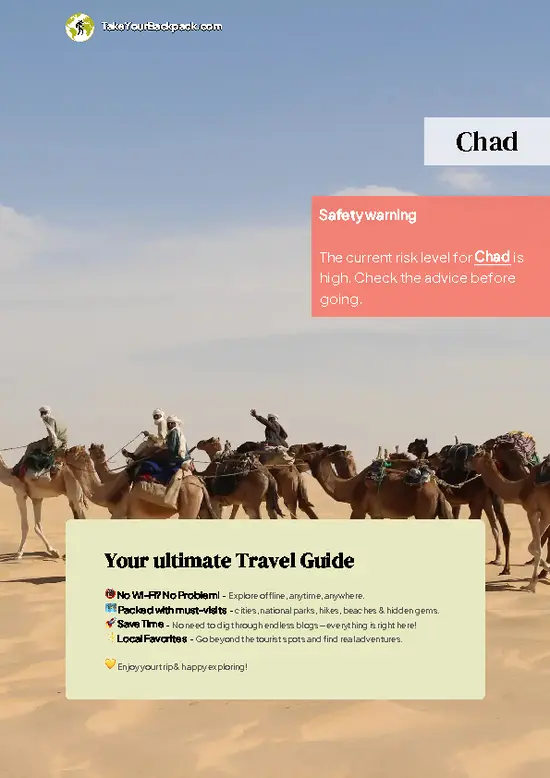
- Logone riverfront and boat landing — The river is the heartbeat of Laï: slow-moving water, pirogues tied up, fishermen in the morning and great light at sunset. Easy to walk the bank, hire a small boat for an hour or two, and watch river life and bird activity up close.
- Laï Central Market (Grand Marché) — A noisy, colorful market where locals buy produce, spices, fabric and small household goods. Best early morning for fresh fish, fruit and to see daily trade rhythms and barter in action.
- Sara craft quarter and traditional housing areas — Neighborhoods where you can see mud-brick houses, woven mats and basketry being made, and meet artisans who still work with local materials. Quiet, photogenic and genuinely local.
- Mission church and compound — The Catholic mission (a visible part of
- Logone riverfront and boat landing — The river is the heartbeat of Laï: slow-moving water, pirogues tied up, fishermen in the morning and great light at sunset. Easy to walk the bank, hire a small boat for an hour or two, and watch river life and bird activity up close.
- Laï Central Market (Grand Marché) — A noisy, colorful market where locals buy produce, spices, fabric and small household goods. Best early morning for fresh fish, fruit and to see daily trade rhythms and barter in action.
- Sara craft quarter and traditional housing areas — Neighborhoods where you can see mud-brick houses, woven mats and basketry being made, and meet artisans who still work with local materials. Quiet, photogenic and genuinely local.
- Mission church and compound — The Catholic mission (a visible part of town life) is worth visiting for its old-school compound layout, simple church architecture and the role it plays in local education and health — a good spot to talk with residents about community life.
- Central mosque and religious quarter — The main mosque anchors a busy quarter where you can observe daily prayers, traditional dress and the peaceful rhythm of religious life; it’s a good place to learn about the town’s cultural mix (ask before photographing).
- Prefecture and colonial-era administrative buildings — Laï’s administrative heart still shows traces of colonial-era planning and public buildings. Walking this area gives a sense of the town’s history and how local government meets everyday life.
- Weekly livestock market (marché aux bestiaux) — When it runs, this is lively and very local: herders, traders, and the bargaining of cattle and goats. It’s noisy, dusty and a great window into the rural economy that keeps the town going.
- Boatbuilding and canoe workshops — Small yards along the Logone where traditional pirogues are carved and repaired. Watching craftsmen work with simple tools gives a real appreciation for the river-dependent lifestyle.
- Colonial-era cemetery and memorial spots — Small, often overlooked graveyards and memorial markers that tell pieces of Laï’s past — colonial encounters, local notables, and wartime traces. Respectful visits here can be quietly revealing.
- Riverside evening food stalls and town square — Come evening the riverbank and central square fill with grills selling fish and simple local plates, music and the slow social life of the town. Cheap, tasty and the best way to meet locals and swap travel stories.
Spotted a mistake or missing something? Contact us.

 Best Backpacking

 Hi, I’m Johan (Netherlands 🇳🇱), the creator of TakeYourBackpack. Over the past 3 decades, I’ve backpacked through 90+ countries across six continents, gaining extensive experience with independent travel, long-term trips, and overland routes.