×

Chad🇹🇩 | regionsTibesti Mountainsvolcanic peaks, deep gorges, Toubou settlements | things to do and best time to go

Explore TandjiléExplore Amdjarass

Backpacking in Tibesti Mountains
🏆 Top pickregion ranked #1
By Johan Kruseman 🇳🇱 | Updated September 3, 2026

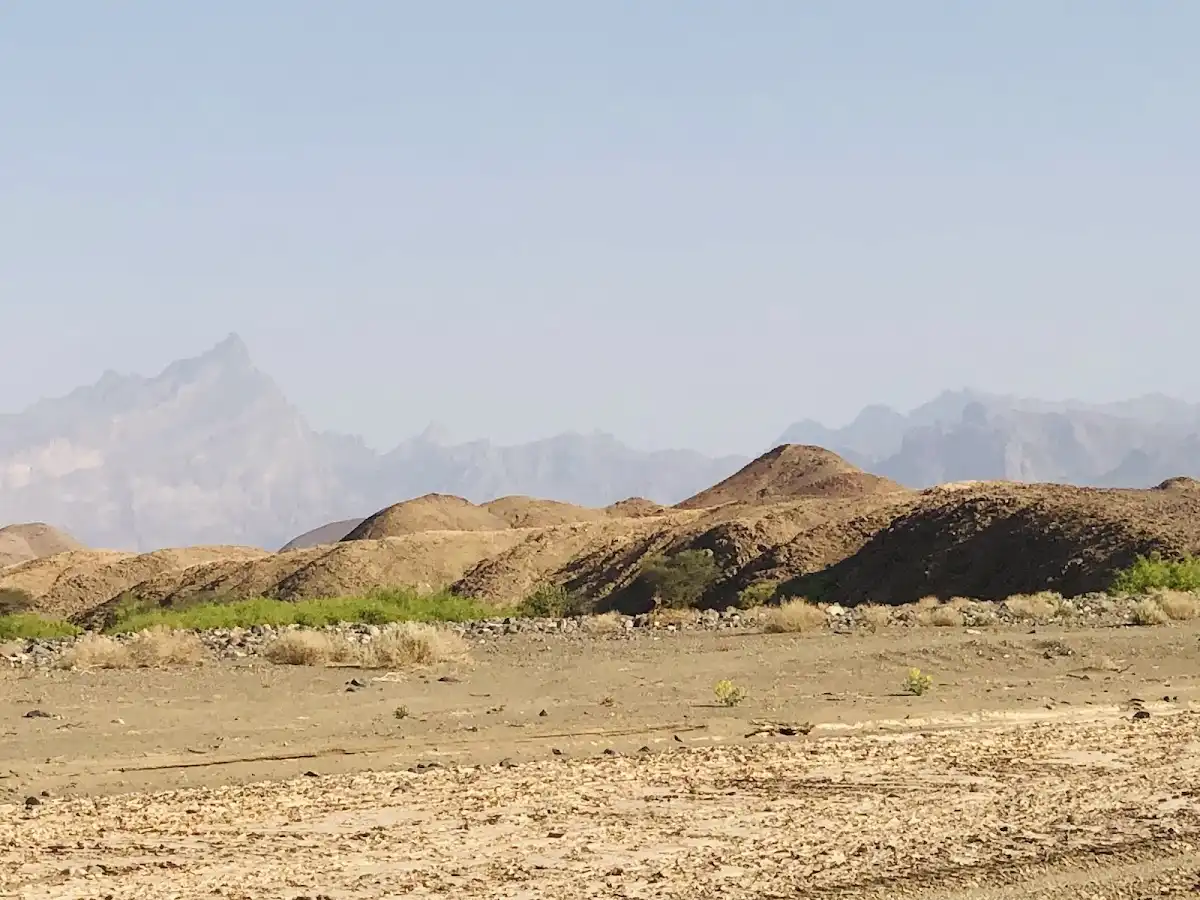
Everyone’s heard the legend: people trek to the Tibesti Mountains for the “highest peak in the Sahara.” Sure, Emi Koussi is a brag-worthy summit, but here’s the real secret—what actually matters is the feeling of being somewhere so raw, so off-grid, that you start to question if you’re still on Earth. The Tibesti sits in Chad’s far north, wedged against Libya, where the Sahara turns volcanic and the map becomes more suggestion than fact. For backpackers, this is not a casual detour. The landscapes are wild—lava fields, canyons, ancient rock art, and the kind of silence that makes your ears ring. Costs are high, transport is a logistical puzzle, and you’ll swap creature comforts for stories you can’t buy. There’s zero tourist gloss here; towns like Zouar feel more like outposts than destinations. Compared to the busier south or even the Ennedi Plateau, Tibesti is pure frontier—untamed, unpredictable, and, if you’re up for it, absolutely worth the effort.

Discover everything you want to know in the 📖 Chad Travel Guide.
Safety warning

The current risk level for Chad is high. Check the advice before going.


Get your Chad guide
70 ranked highlights, routes & tips, works offline (294 pages)
Loading the map 🌍
CLICK TO FILTER
cities
towns
landmarks
national parks
hikes
attractions
festivals
regions
SHOW COUNTRY’S BESTSHOW ALL

✨ Why go?
Ranked #1 region in Chad
What makes this region worth visiting

The Tibesti Mountains in Chad are a backpacker’s dream for a reason. First off, the variety of landscapes is mind-blowing. You’ve got everything from rugged peaks to vast deserts, all within a stone’s throw. This means you can dive into multiple experiences without the hassle of constant relocation.

Transport flexibility is another perk. You can hop on a 4x4 or even rent a camel for a more authentic vibe. This lets you explore at your own pace, soaking in the stunning vistas and local culture without feeling rushed.

Speaking of culture, the Tibesti region is rich with traditions and communities that are eager to share their stories. You can mix nature and culture seamlessly, whether you’re hiking to ancient petroglyphs or sharing a meal with the locals.

Slow travel here isn’t just a … read more 👉
The Tibesti Mountains in Chad are a backpacker’s dream for a reason. First off, the variety of landscapes is mind-blowing. You’ve got everything from rugged peaks to vast deserts, all within a stone’s throw. This means you can dive into multiple experiences without the hassle of constant relocation.

Transport flexibility is another perk. You can hop on a 4x4 or even rent a camel for a more authentic vibe. This lets you explore at your own pace, soaking in the stunning vistas and local culture without feeling rushed.

Speaking of culture, the Tibesti region is rich with traditions and communities that are eager to share their stories. You can mix nature and culture seamlessly, whether you’re hiking to ancient petroglyphs or sharing a meal with the locals.

Slow travel here isn’t just a choice; it’s a way to truly connect with the land and its people. You’ll find that every moment spent in the Tibesti is a chance to discover something new, making it a high-value experience that’s hard to replicate elsewhere.
Want to include Tibesti Mountains in your Chad route?
Create a personalized Chad itinerary that includes Tibesti Mountains and the places that fit your trip — based on your travel style, budget, and available time. Get your route in seconds.

Generate my trip

💡 HighlightsEssential experiences to have while visiting Tibesti Mountains

  • Emi Koussi (the summit and caldera) — The highest peak in the Sahara, a cold, moonlike volcanic caldera with sweeping views across the Tibesti. Climbing or trekking around Emi Koussi feels properly remote—you won’t find paved trails or tourist kiosks, just lava rock, wind, and big sky.
  • Tarso Toussidé — A dramatic volcanic massif whose cones and black lava flows stand out against the ochre desert. Toussidé’s sharp rims and steeper routes make it a favorite for photographers and geology nerds; the landscape here is a textbook example of Saharan volcanism that you can walk across.
  • Tarso Voon and surrounding lava plains — Wide, broken lava fields, eroded plateaus and sculpted cliffs that feel like another planet. The scale and textures of these plateaus are distinctive to Tibesti and create
read more 👉
  • Emi Koussi (the summit and caldera) — The highest peak in the Sahara, a cold, moonlike volcanic caldera with sweeping views across the Tibesti. Climbing or trekking around Emi Koussi feels properly remote—you won’t find paved trails or tourist kiosks, just lava rock, wind, and big sky.
  • Tarso Toussidé — A dramatic volcanic massif whose cones and black lava flows stand out against the ochre desert. Toussidé’s sharp rims and steeper routes make it a favorite for photographers and geology nerds; the landscape here is a textbook example of Saharan volcanism that you can walk across.
  • Tarso Voon and surrounding lava plains — Wide, broken lava fields, eroded plateaus and sculpted cliffs that feel like another planet. The scale and textures of these plateaus are distinctive to Tibesti and create spectacular light at sunrise and sunset.
  • Bardaï (the regional town and market) — The human hub of the Tibesti: a dusty, lively place where Tubu traders, camel drivers and elders meet. The market and town center are the best places to see everyday Tubu life, hire local guides, and stock up before heading into the mountains.
  • Zouar village and its mountain foothills — A traditional Tubu settlement tucked by the ranges, known locally for house styles, clan tombs and seasonal gatherings. It’s quieter than Bardaï but full of local character and great for strolling through real mountain-desert life.
  • Miski and nearby hill villages (hidden gem) — A small, remote mining and pastoral community tucked into Tibesti’s northern foothills. Miski is off most travel itineraries but offers raw, on-the-ground interaction with mountain Tubu communities and close access to nearby trails and outcrops.
  • Petroglyph and rock-art panels in remote wadis (hidden gem) — Scattered, hard-won rock carvings and paintings tucked away in sheltered ravines. They’re quieter and less catalogued than the art in better-known Saharan ranges, giving a genuinely exploratory feel when you find them.
  • Guelta pools and ephemeral wadis (hidden gem) — Small permanent or seasonal water pockets in cliff bases and riverbeds where wildlife, camels and people congregate. These green, watery micro-ecosystems in the mountains are precious and visually striking—especially against the red rock.
  • Aouzou area and the border landscapes — Remote borderlands with layered history (precolonial routes, the Aouzou Strip dispute). The wide desert approaches, abandoned outposts and salty pans capture the geopolitics and historical trade routes that shaped Tibesti life.
  • The Tibesti volcanic field: craters, cones and lava corridors — Beyond any single peak, the whole volcanic field is the region’s character: chains of craters, collapsed calderas and long lava corridors you can walk and camp along. It’s a geology-and-landscape immersion you won’t get anywhere else.
Spotted a mistake or missing something? Contact us.
⌛️ 5 daysWhat you can realistically do in a week

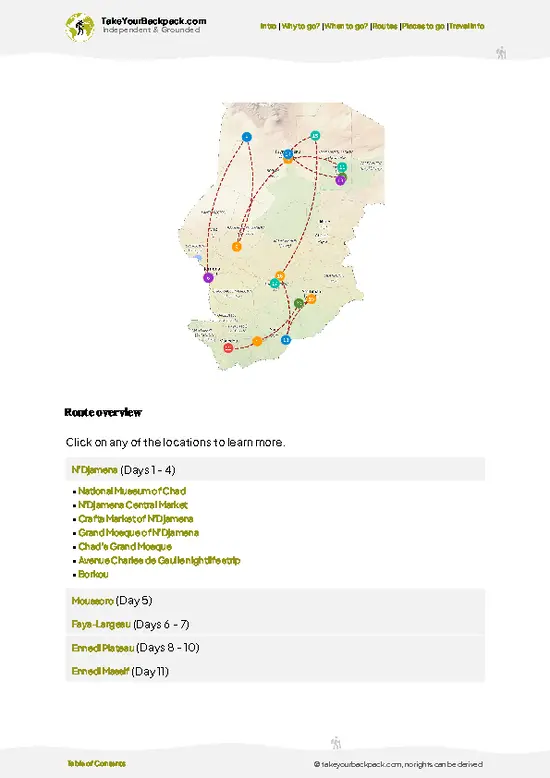
Day 1: Faya-Largeau
The journey kicks off in Faya-Largeau, the gateway to the Tibesti Mountains. You’ll want to acclimate here, soaking in the local vibe and preparing for the adventure ahead. The transport options are limited, so timing is crucial. Arrange your 4x4 for the next leg early; it’s your lifeline into the mountains. The roads can be unpredictable, so flexibility is key. Spend the evening chatting with locals over a plate of spiced goat, and you’ll get the inside scoop on what to expect.

Day 2: Faya-Largeau to Guelta d’Archei
This leg is where the magic begins. The drive to Guelta d’Archei is a bumpy ride, but the stunning rock formations and ancient petroglyphs make it worthwhile. You’ll want to leave at dawn to beat the heat and maximize your time exploring. The Guelta itself … read more 👉
Day 1: Faya-Largeau
The journey kicks off in Faya-Largeau, the gateway to the Tibesti Mountains. You’ll want to acclimate here, soaking in the local vibe and preparing for the adventure ahead. The transport options are limited, so timing is crucial. Arrange your 4x4 for the next leg early; it’s your lifeline into the mountains. The roads can be unpredictable, so flexibility is key. Spend the evening chatting with locals over a plate of spiced goat, and you’ll get the inside scoop on what to expect.

Day 2: Faya-Largeau to Guelta d’Archei
This leg is where the magic begins. The drive to Guelta d’Archei is a bumpy ride, but the stunning rock formations and ancient petroglyphs make it worthwhile. You’ll want to leave at dawn to beat the heat and maximize your time exploring. The Guelta itself is a natural oasis, perfect for a refreshing dip. Keep your camera ready; the sunset here is a spectacle that will etch itself in your memory.

Day 3: Guelta d’Archei to Ounianga Lakes
Head to Ounianga Lakes, a surreal contrast to the arid landscape. The journey is long, but the lakes are a sight to behold. This is where you can really feel the isolation of the Tibesti. Bring snacks and water; the ride can take longer than expected. Once you arrive, take a moment to appreciate the tranquility. A night under the stars here is a must.

Day 4: Ounianga Lakes to the Tibesti Mountains
Now you’re diving deeper into the heart of the mountains. The terrain gets rugged, and the 4x4 will be put to the test. This is where you’ll feel the thrill of adventure. The landscapes shift dramatically, and you’ll want to stop frequently for photos. The locals are friendly; engage with them to learn about their way of life.

Day 5: Off-Path Reward: The Toubou Villages
Take a detour to visit the Toubou villages. This isn’t just a cultural experience; it’s a chance to connect with the people who call this harsh land home. Their hospitality is genuine, and you’ll leave with stories that enrich your journey.

The must-do day? Day 3 at Ounianga Lakes. It’s the highlight of the trip, blending natural beauty with a sense of peace that’s hard to find elsewhere. This is where you’ll truly understand the soul of the Tibesti Mountains.
Turn your Tibesti Mountains visit into an Chad adventure
Build a complete Chad route with Tibesti Mountains, hidden gems, must-see destinations, and realistic travel times included.

Generate my trip

🌤️ When to go?Choosing the right time of year


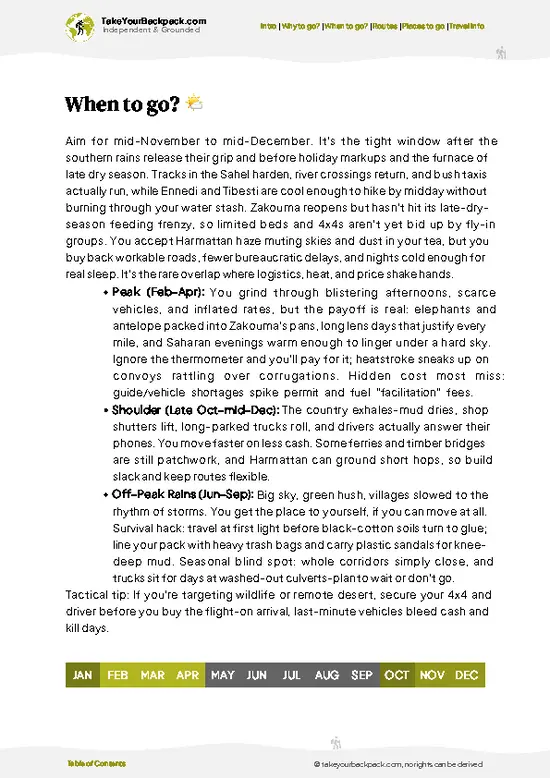
  • Topic: Weather – The Tibesti Mountains are a desert highland, so expect scorching days and freezing nights in the dry season. The best window is between November and February when temperatures drop to a manageable 15-25°C (59-77°F) during the day, avoiding the brutal heat of the summer months.

  • Topic: Temperature – Nights can plunge below 0°C (32°F) even in the best season, so pack layers. Days are crisp but comfortable, perfect for hiking without melting into your gear.

  • Topic: Daylight Hours – Around 11 to 12 hours of daylight in the peak season gives you enough time to explore without rushing, but don’t expect long twilight; the desert sky darkens fast.

  • Topic: Crowds – This region is off the beaten path, so crowds are minimal year-round. However, the cooler months attract the few
read more 👉

  • Topic: Weather – The Tibesti Mountains are a desert highland, so expect scorching days and freezing nights in the dry season. The best window is between November and February when temperatures drop to a manageable 15-25°C (59-77°F) during the day, avoiding the brutal heat of the summer months.

  • Topic: Temperature – Nights can plunge below 0°C (32°F) even in the best season, so pack layers. Days are crisp but comfortable, perfect for hiking without melting into your gear.

  • Topic: Daylight Hours – Around 11 to 12 hours of daylight in the peak season gives you enough time to explore without rushing, but don’t expect long twilight; the desert sky darkens fast.

  • Topic: Crowds – This region is off the beaten path, so crowds are minimal year-round. However, the cooler months attract the few adventurous souls who know the secret, so expect a handful of fellow trekkers then.

  • Topic: Seasonal Activities – Winter months bring clearer skies for stargazing and safer trekking conditions. Summer is a no-go unless you’re a desert heat masochist; sandstorms and extreme heat shut down most activity.

  • Topic: Price Fluctuations – Local guides and transport costs spike slightly in the cooler months due to demand, but it’s worth the premium. Off-season prices drop but come with serious discomfort and risk.


Pro-tip: Book your guides and permits for November to February early—this window is short, and the savvy few who know get first dibs on the best routes and campsites.


source: climatestotravel.comJANJanuary: excellent for travelingFEBFebruary: excellent for travelingMARMarch: good for travelingAPRApril: fair for travelingMAYMay: below average for travelingJUNJune: below average for travelingJULJuly: below average for travelingAUGAugust: below average for travelingSEPSeptember: fair for travelingOCTOctober: good for travelingNOVNovember: excellent for travelingDECDecember: excellent for traveling
chad-region-tibesti-mountains
© Google |

✈️ The backpacker research shortcutChad Travel Guide

An offline-friendly backpacking guide with optimized travel routes, ranked highlights, transport advice, and the best areas to stay.
example page 0 from our offline Travel Guide for Chad
example page 1 from our offline Travel Guide for Chad
example page 2 from our offline Travel Guide for Chad
example page 3 from our offline Travel Guide for Chad
example page 4 from our offline Travel Guide for Chad
example page 5 from our offline Travel Guide for Chad
example page 6 from our offline Travel Guide for Chad
example page 7 from our offline Travel Guide for Chad
The digital guide (294 pages) contains:
70 highlights, ranked by travel appeal
Optimized 7, 14 & 21-day travel routes
Cities, national parks, landmarks, beaches
How to get around
Offline-friendly for travel without Wi-Fi
👉 Click to see all 30+ guide features

📅 Plan smarter in minutes, not weeks
Month by month travel advice
Festivals & national holidays
Budget expectations

🗺️ Go to the right places, skip the overrated ones
Honest pros & cons of destinations
Top hikes, parks & viewpoints
Lesser-known places most travelers miss
Clear “worth it vs skip it” guidance

🛏️ Travel smoothly without rookie mistakes
Best areas to stay
Transport systems explained simply
Common scams & safety advice
SIM cards, money & practical tips

🌍 Understand the country, not just visit it
Culture & traditions
52 Essential phrases & customs
Festivals worth planning around
Traveler-friendly historical context
Insights that make places more meaningful

📱 Built for real travel conditions
Fully downloadable PDF
Works completely offline
Optimized for phone use
Useful in remote areas & buses
Everything in one place
Save weeks of stressful planning
Get instant access to your full guide. 30‑day money-back guarantee.
+ Add another guide for just €6.50

By proceeding you agree to our terms.
Sent to your inbox immediately after payment • 100% Secure Checkout
Best Backpacking Travel Advisor 2025 tourism awardBest Backpacking
Travel Advisor
2025
What others say about Take Your Backpack Guides:
⭐⭐⭐⭐⭐
Fantastic, amazing amount of information!
⭐⭐⭐⭐⭐
My goodness this is amazing, it's what I've been looking for hats off too you!
⭐⭐⭐⭐⭐
I think this is absolutely BRILLIANT
⭐⭐⭐⭐
Very complete and informative. It's still missing places, but I gotta to commend you
⭐⭐⭐⭐⭐
This is truly amazing, thank you, can't wait to explore it with my kids!
⭐⭐⭐⭐⭐
Awesome resource, thank you!
⭐⭐⭐⭐⭐
This is amazing! Can't wait to explore the ones I haven't seen
⭐⭐⭐⭐
I love this! Well done, great idea.
⭐⭐⭐⭐⭐
Thanks for taking the time to make this gem!
⭐⭐⭐⭐⭐
This might be the best website I've ever seen.
⭐⭐⭐⭐⭐
Congratulations, and thank you so much for your work; it's incredibly valuable.
⭐⭐⭐⭐
In all seriousness I think you did a great job pointing out the important spots
⭐⭐⭐⭐⭐
10/10 very good
⭐⭐⭐⭐⭐
As someone who's only just starting to visit regularly this is awesome, thank you.
⭐⭐⭐⭐
Thank you very much! I'm going to visit my dad, it's going to be very useful!
⭐⭐⭐⭐⭐
This is really cool! We'll be travelling for the first time and this definitely come in handy.
⭐⭐⭐⭐⭐
You are now our minister of culture, congratulations 👨‍💼
⭐⭐⭐⭐⭐
Just wanted to tell you that this is a pearl! Going to follow your recommendations.
⭐⭐⭐⭐⭐
This is so cool. I'll definitely be using the resource for my travels soon.
⭐⭐⭐⭐⭐
This is very impressive! Good work.
⭐⭐⭐⭐⭐
This is an amazing and informative site. Very well done!

🛏️ Where to stay?Where staying makes the most sense

When you’re trekking through the Tibesti Mountains in Chad, your choice of where to stay can make or break your experience. Let’s dive into the best spots that cater to backpackers looking for safety, social vibes, and budget-friendly options.

Start with Bardaï. This town is your gateway to the mountains. It’s a hub for travelers, so you’ll find plenty of fellow adventurers to swap stories with. The local markets buzz with energy, and you can grab a meal that won’t break the bank. Plus, the people here are welcoming, making it easy to feel at home.

Next up is Faya-Largeau. While it’s a bit off … read more 👉
When you’re trekking through the Tibesti Mountains in Chad, your choice of where to stay can make or break your experience. Let’s dive into the best spots that cater to backpackers looking for safety, social vibes, and budget-friendly options.

Start with Bardaï. This town is your gateway to the mountains. It’s a hub for travelers, so you’ll find plenty of fellow adventurers to swap stories with. The local markets buzz with energy, and you can grab a meal that won’t break the bank. Plus, the people here are welcoming, making it easy to feel at home.

Next up is Faya-Largeau. While it’s a bit off the beaten path, it’s worth the trek. This town has a laid-back atmosphere, perfect for unwinding after a long day of exploring. You’ll find a mix of locals and travelers, which is ideal for making connections. The sunsets here are something else—don’t miss them.

Lastly, consider Gouro. It’s smaller but offers a unique charm. The community is tight-knit, and you’ll likely be invited to share a meal or a story. This is where you can really soak in the local culture without the touristy distractions.

Each of these spots offers a different flavor of the Tibesti experience. Choose wisely, and you’ll walk away with memories that last a lifetime.

🚌 Getting aroundMoving around without the hassle

The Tibesti Mountains in Chad are a realm where time bends and chaos reigns. Picture this: rugged landscapes that seem to stretch into eternity, where the sun blazes overhead and the wind whispers secrets of ancient nomads. Here, schedules are more of a suggestion than a rule. You’ll find yourself navigating a dance between intuition and necessity, where the journey is as much about the experience as the destination. Embrace the unpredictability; it’s part of the charm. You’re not just traveling; you’re immersing yourself in a living tapestry of culture and nature.


  • Shared Taxi (Clando): These are your go-to for hopping between towns. They usually leave when full, so be prepared for a wait. Expect to pay around 5,000-10,000 CFA for a ride, depending on distance. They’re fast—often the quickest
read more 👉
The Tibesti Mountains in Chad are a realm where time bends and chaos reigns. Picture this: rugged landscapes that seem to stretch into eternity, where the sun blazes overhead and the wind whispers secrets of ancient nomads. Here, schedules are more of a suggestion than a rule. You’ll find yourself navigating a dance between intuition and necessity, where the journey is as much about the experience as the destination. Embrace the unpredictability; it’s part of the charm. You’re not just traveling; you’re immersing yourself in a living tapestry of culture and nature.


  • Shared Taxi (Clando): These are your go-to for hopping between towns. They usually leave when full, so be prepared for a wait. Expect to pay around 5,000-10,000 CFA for a ride, depending on distance. They’re fast—often the quickest option—but comfort can be hit or miss, depending on your fellow passengers.


  • 4x4 Rentals: If you’re feeling adventurous and have a bit more cash, renting a 4x4 gives you the freedom to explore at your own pace. Prices hover around 50,000 CFA per day, plus fuel. You’ll need to be cautious of road conditions, but the comfort level is high, and you can stop wherever you want. Just make sure to fill up whenever you can; gas stations are sparse.


  • Bus Services: For the budget-conscious, local buses are available, but don’t expect luxury. They operate on a loose schedule, often leaving in the early morning. Fares are typically under 5,000 CFA, but the ride can be long and bumpy. Bring snacks and a good book; you might be in for a wait.


  • Hitchhiking: This is a viable option if you’re feeling bold. Locals are generally friendly and willing to help, but it’s a game of patience. It’s free, but you’ll need to be flexible with your plans and ready for some unexpected detours.


For a tactical edge, always ask locals about the best times to travel. Early mornings are usually less crowded, and you’ll have a better shot at snagging a seat in a shared taxi or bus. Plus, the cooler temperatures make for a more pleasant journey. Embrace the flow of the Tibesti; it’s all part of the adventure.

🍲 FoodLocal Cuisine & Drinks

In the Tibesti Mountains, food is a vibrant tapestry of flavors that tells the story of the land and its people. You’ll want to dive into traditional dishes like boulle, a hearty millet porridge often served with a spicy sauce. The aroma of grilled meats wafts through the air at local markets, where vendors serve up skewers of marinated goat or lamb, charred to perfection. Pair that with foutou, a starchy side made from cassava or yam, and you’re in for a treat.

For drinks, don’t miss out on bissap, a refreshing hibiscus tea that’s both tart and sweet, perfect for cooling off after a day of trekking. Street vendors often sell it chilled, and it’s a great way to mingle with locals.

Eating here is a communal affair. You’ll find that sharing meals is the norm, so don’t be surprised if you’re … read more 👉
In the Tibesti Mountains, food is a vibrant tapestry of flavors that tells the story of the land and its people. You’ll want to dive into traditional dishes like boulle, a hearty millet porridge often served with a spicy sauce. The aroma of grilled meats wafts through the air at local markets, where vendors serve up skewers of marinated goat or lamb, charred to perfection. Pair that with foutou, a starchy side made from cassava or yam, and you’re in for a treat.

For drinks, don’t miss out on bissap, a refreshing hibiscus tea that’s both tart and sweet, perfect for cooling off after a day of trekking. Street vendors often sell it chilled, and it’s a great way to mingle with locals.

Eating here is a communal affair. You’ll find that sharing meals is the norm, so don’t be surprised if you’re invited to join a group at a bustling café or a roadside stall. Etiquette is simple: use your right hand for eating, and don’t be shy about digging in.

Markets are the heartbeat of dining in the region. The vibrancy of colors and sounds creates an atmosphere that’s electric. Grab a seat at a low table, and let the flavors of the Tibesti envelop you.

FAQFrequently asked questions about Tibesti Mountains

7 to 10 days are recommended to explore the Tibesti Mountains thoroughly, allowing time for trekking, acclimatization, and visiting key sites like Emi Koussi volcano and the volcanic calderas. The terrain is rugged and remote, so extra days help manage travel delays and altitude adjustments.
Without a car, you rely on local guides and camel caravans for transportation, as there are no public transport services in the Tibesti Mountains. Walking and trekking are the primary ways to get around, with guides arranging logistics and navigation through the desert and mountainous terrain.
The Tibesti Mountains are known for their volcanic peaks, including Emi Koussi, the highest volcano in the Sahara at 3,415 meters. The region is also famous for its prehistoric rock art, remote desert landscapes, and unique Tuareg culture.
⚠️ Things can change over time, so always validate details locally before you go.

Other Chadian regions near Tibesti Mountains

Explore more nearby:

  • Borkou—erg dunes, remote oases, desert plateaus| 365 km away
  • Lakes of Ounianga—saltwater lakes, sandstone cliffs, unique microclimates| 370 km away
  • Bahr El Gazel—seasonal wadis, nomadic herders, Sahelian plains| 825 km away

💡 Not sure where to go next?
Create a personalized itinerary for Chad including Tibesti Mountains and the places that fit your trip.

Generate my itinerary

👉 Discover all regions

Or checkout all Chad has to offer (think cities, towns, villages, national parks, hikes, beaches, festivals)
Country photo of Chad

We 💚 feedbackIs it worth it?

The Tibesti Mountains are a wild, raw beauty that feels like stepping into another world. The vibe? It’s a mix of adventure and serenity, with vast landscapes that stretch your imagination. Don’t miss the sunrise over the dunes; it’s a game-changer. Just a heads-up: the heat can be relentless, so plan your hikes for early morning or late afternoon. Embrace the local culture, too; the hospitality is genuine and will surprise you. Trust me, this place gets under your skin in the best way.

✍️ Help improve this page!
The information on this page is based on in-depth research, insights shared by experienced travelers, and feedback from the local travel community in Chad. While every effort is made to keep the information accurate and current, conditions can change — so if you spot anything incorrect or outdated, please get in touch.


🙋‍♂️ Give feedback

👋 Meet the founderWho’s Behind Take Your Backpack?

Johan, backpacker and founder of TakeYourBackpackHi, I’m Johan (Netherlands 🇳🇱), the creator of TakeYourBackpack. Over the past decade, I’ve backpacked through 80+ countries across six continents, gaining extensive experience with independent travel, long-term trips, and overland routes.

This site is built on a combination of firsthand travel experience and carefully curated insights from other backpackers. Many guides are based on places I’ve personally visited, while others bring together tips, observations, and practical advice shared by trusted travelers I’ve met along the way.

The goal is to provide realistic, experience-driven guidance — not generic itineraries — so you can explore destinations with better context, clearer expectations, and more confidence.

Get full Chad guide •
Instant download • 70 highlights • Full Offline guide