×

Chile🇨🇱 | regionsValle del ElquiPisco distilleries, observatory nights, vineyard terraces, adobe villages | things to do and best time to go

Explore Lake DistrictExplore Easter Island

Backpacking in Valle del Elqui
👌 Worth visitingregion ranked #6
By Johan Kruseman 🇳🇱 | Updated October 19, 2026

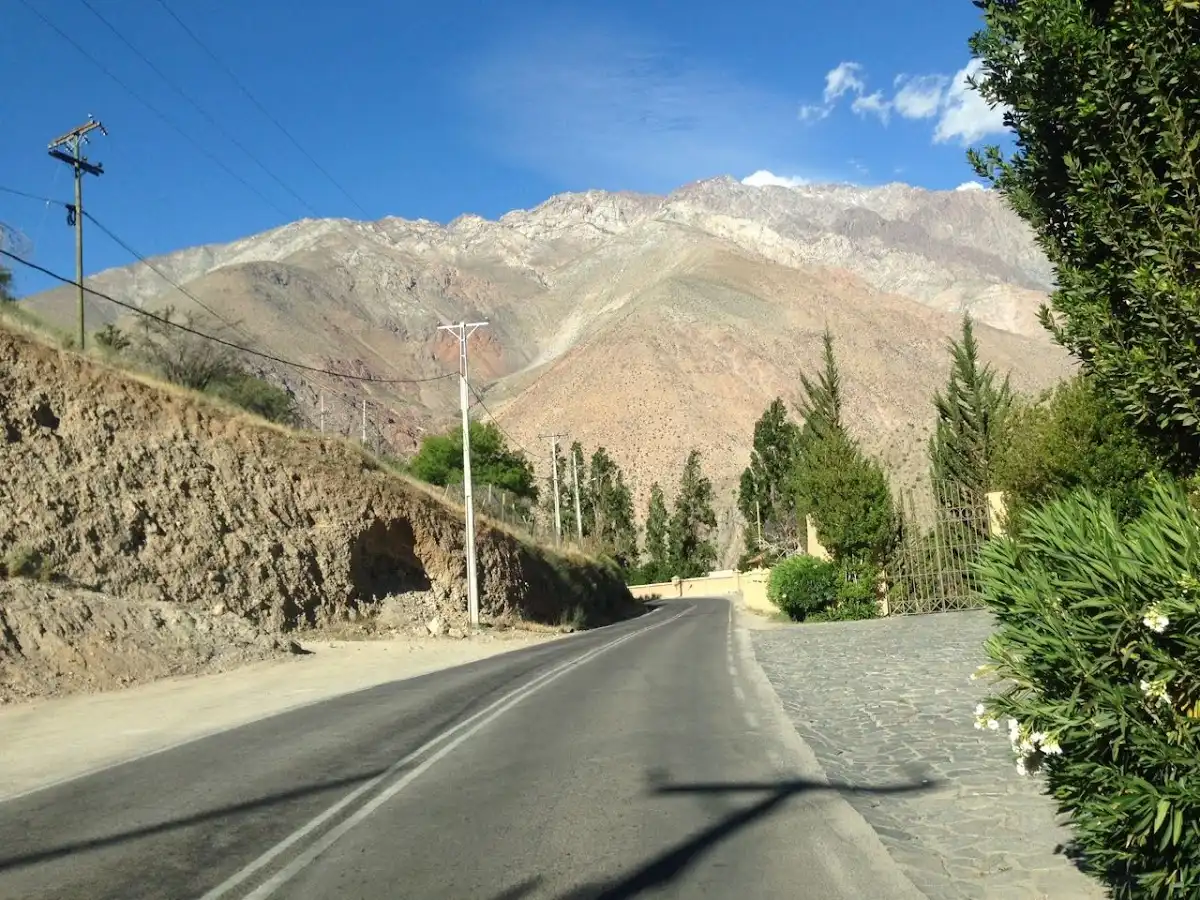
Decades ago the Elqui Valley was a farming corridor of grapes for pisco, papayas and goat herds, with Gabriela Mistral’s village of Vicuña as its quiet capital. Today it is a stargazing and mystic-wellness stop in the north of Chile, inland from La Serena. That shift works because the air is dry, cloud is rare and a single road follows the river, so everything sits close together. The cost is some commercialized “cosmic energy” in Pisco Elqui and crowded observatory tours. I stepped off the bus in Pisco Elqui and found the plaza smelling of woodsmoke and fig, with a church of dark wood and a guy tuning a guitar by the bench. It felt like a village that still ran on its own clock. Rows of vines climb brown hills, and distilleries pour tastings. Book observatory tours ahead, and check the moon calendar, since a full moon washes out the stars.

Discover everything you want to know in the 📖 Chile Travel Guide.


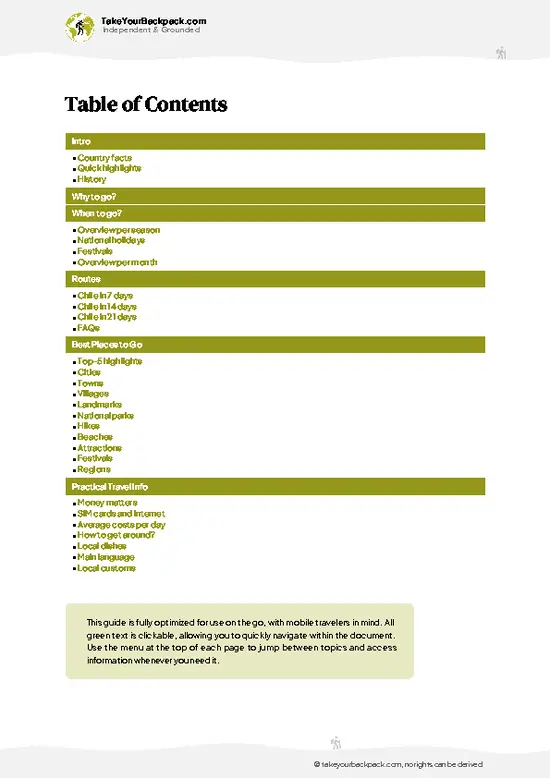
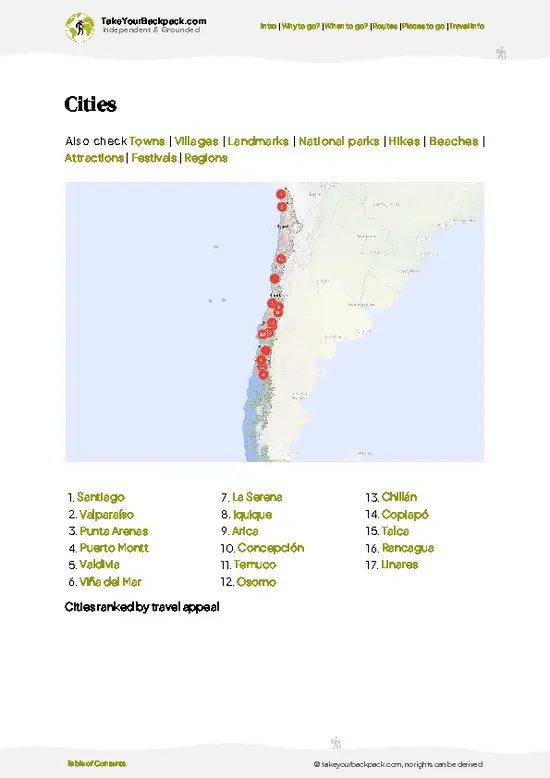
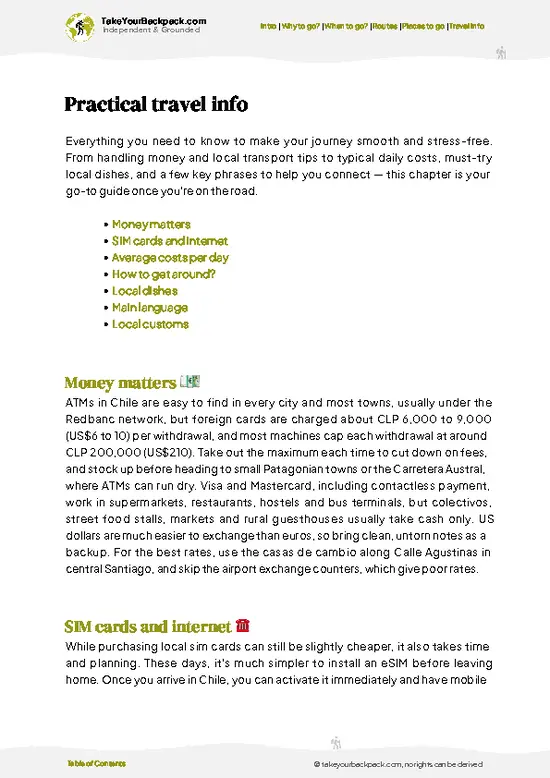
example page 0 from our offline Travel Guide for Chile
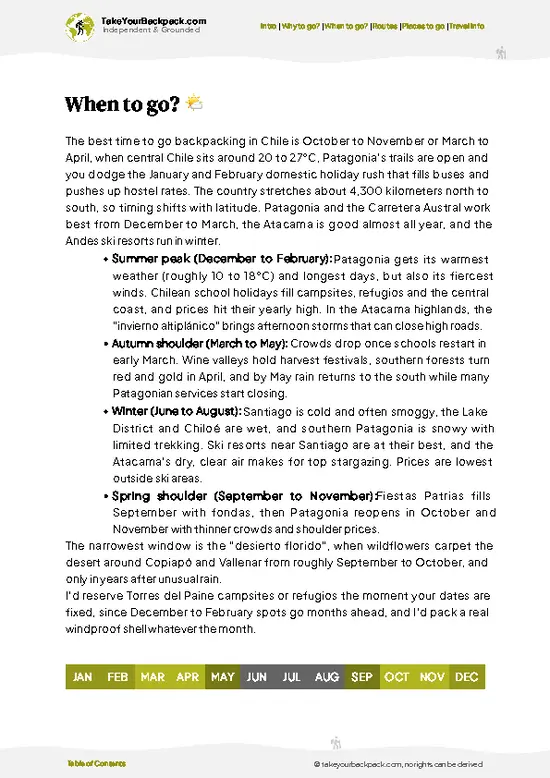
example page 1 from our offline Travel Guide for Chile
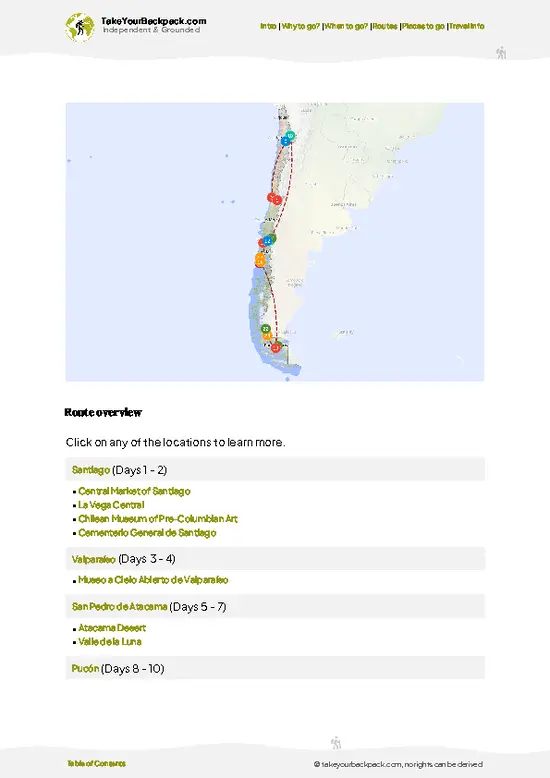
example page 2 from our offline Travel Guide for Chile
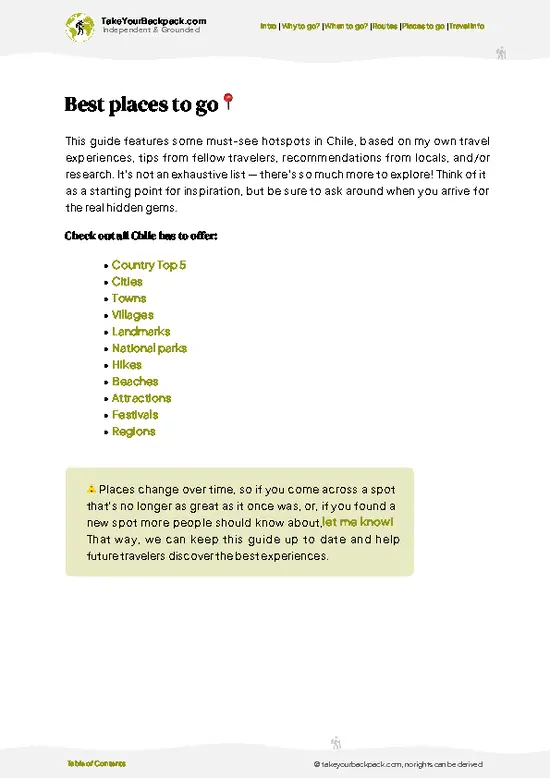
example page 3 from our offline Travel Guide for Chile
example page 4 from our offline Travel Guide for Chile
example page 5 from our offline Travel Guide for Chile
example page 6 from our offline Travel Guide for Chile
example page 7 from our offline Travel Guide for Chile
Loading the map 🌍
CLICK TO FILTER
cities
towns
villages
landmarks
national parks
hikes
beaches
attractions
festivals
regions
SHOW COUNTRY’S BESTSHOW ALL

✨ Why go?
Ranked #6 region in Chile
What makes this region worth visiting

Valle del Elqui gives backpackers a compact route where one narrow road ties together everything worth doing, so you can sleep in one place and cover the rest without repacking. Colectivos and buses run between Vicuña, Montegrande and Pisco Elqui, which makes slow travel easy and lets you stop where a view or a vineyard pulls you in.

The real appeal is the mix. By day you can visit the Capel pisco distillery outside Vicuña or walk to Mistral’s modest Montegrande schoolhouse, then climb a dry ridge for river views. After dark the same valley turns into one of the clearest skies on the planet, with several observatories open to visitors. Hostels here are relaxed, and long dinners with fresh goat cheese and local wine are the norm. If you want culture, landscape and stars without constant bus changes, this is the place.

💡 HighlightsEssential experiences to have while visiting Valle del Elqui

  1. Pisco Elqui: the village most people picture when they think of the valley, with a leafy plaza, adobe-style houses and a wooden church. It is the easiest base for tastings and short walks, and the evening air smells of grape must.
  2. Planta Capel, Vicuña: Chile’s big pisco brand runs tours of its distillery just outside Vicuña, where you see the copper stills and aging cellars and finish with a tasting. Book ahead in high season.
  3. Destilería Artesanal Fundo Los Nichos: a small family distillery near Pisco Elqui where the tour is personal and you taste the product alongside the people who make it.
  4. Cochiguaz Valley: a side valley branching off near Montegrande, with a gravel road, orchards, hot-spring style hostels and quiet trails. It stays calmer than the main road and suits slow walks.
  5. Gabriela Mistral
… read more 👉
  1. Pisco Elqui: the village most people picture when they think of the valley, with a leafy plaza, adobe-style houses and a wooden church. It is the easiest base for tastings and short walks, and the evening air smells of grape must.
  2. Planta Capel, Vicuña: Chile’s big pisco brand runs tours of its distillery just outside Vicuña, where you see the copper stills and aging cellars and finish with a tasting. Book ahead in high season.
  3. Destilería Artesanal Fundo Los Nichos: a small family distillery near Pisco Elqui where the tour is personal and you taste the product alongside the people who make it.
  4. Cochiguaz Valley: a side valley branching off near Montegrande, with a gravel road, orchards, hot-spring style hostels and quiet trails. It stays calmer than the main road and suits slow walks.
  5. Gabriela Mistral Museum, Vicuña: a modest museum in the Nobel poet’s hometown with her manuscripts, photographs and a replica of her humble childhood house. Entry is cheap, and an hour is plenty.
  6. Cavas del Valle, near Montegrande: a small organic family winery, where you can taste on a terrace overlooking vineyards.
  7. Montegrande: the tiny village where Gabriela Mistral grew up and is buried on a hillside. Her grave looks over the valley’s dry brown slopes, and almost nobody else is there.
  8. Embalse Puclaro: a large reservoir west of Vicuña, with turquoise water against bare mountains. Locals come for windsurfing and kayaking, and it offers a good picnic spot.
  9. Observatorio Mamalluca, Vicuña: the valley’s clear dry air makes it one of the best places in the world for stargazing, and this observatory runs evening tours with telescopes and guides who explain the southern sky. Reserve in advance.
  10. Alcohuaz: a remote hamlet high up a rough road, with a handful of adobe houses, goat pastures and a few rustic lodgings. Bring a sturdy vehicle or hire a driver, and expect silence.
Spotted a mistake or missing something? Contact us.

Things to do around Valle del Elqui

Ratings based on Tripadvisor reviews. When you book through this link, you support our work at no extra cost to you.

⌛️ 5 days5-day itinerary for Valle del Elqui

Day 1: Vicuña
Start in Vicuña by morning, because it is the valley’s transport hub and buses from La Serena arrive here. Visit the Mistral museum, then take a night tour at Mamalluca, since the town’s clear skies are best used on your first evening while energy is high.

Day 2: Montegrande
Take a colectivo up the valley to Montegrande. Spend the morning at the schoolhouse and grave, then walk between orchards. Shared taxis run frequently on this single road, so no rush is needed, and you can reach Pisco Elqui by afternoon.

Day 3: Pisco Elqui
Settle into Pisco Elqui and tour the Pisco Mistral distillery on the plaza, then wander the village and eat slowly. The village is small enough that you can do everything on foot, which makes this the easy day.

Day 4: Cochiguaz
A detour up the side valley … read more 👉
Day 1: Vicuña
Start in Vicuña by morning, because it is the valley’s transport hub and buses from La Serena arrive here. Visit the Mistral museum, then take a night tour at Mamalluca, since the town’s clear skies are best used on your first evening while energy is high.

Day 2: Montegrande
Take a colectivo up the valley to Montegrande. Spend the morning at the schoolhouse and grave, then walk between orchards. Shared taxis run frequently on this single road, so no rush is needed, and you can reach Pisco Elqui by afternoon.

Day 3: Pisco Elqui
Settle into Pisco Elqui and tour the Pisco Mistral distillery on the plaza, then wander the village and eat slowly. The village is small enough that you can do everything on foot, which makes this the easy day.

Day 4: Cochiguaz
A detour up the side valley gives quiet farm tracks and river views without leaving the main road for long. Go early, and expect limited transport, so arrange a ride back or walk.

Day 5: Alcohuaz
Head up to Alcohuaz for the dramatic road and mountain village, then return down the valley toward La Serena. If one day justifies the trip, I would pick Day 4, when the valley is at its quietest and greenest.

🌤️ When to go?Weather, crowds, and seasonal trade-offs

Clear skies run nearly all year, so timing comes down to temperature, crowds and the moon.
  • Summer (December to February): Days reach 28 to 32°C (82 to 90°F) in the valley floor towns, nights drop to 12 to 15°C (54 to 59°F). Long daylight, full hostels, and the highest prices, especially around New Year.
  • Autumn (March to May): Highs of 22 to 27°C (72 to 81°F), grape harvest in the vineyards, thinner crowds and easy bookings.
  • Winter (June to August): Days stay a mild 17 to 20°C (63 to 68°F), but nights near the high villages fall to 0 to 5°C (32 to 41°F). Stargazing is sharpest, with the Milky Way overhead, and rooms are cheapest. Rain is rare.
  • Spring (September to November): Highs of 22 to 26°C (72 to 79°F), green slopes, and calm trails before the summer rush.
Book observatory tours a few days … read more 👉
Clear skies run nearly all year, so timing comes down to temperature, crowds and the moon.
  • Summer (December to February): Days reach 28 to 32°C (82 to 90°F) in the valley floor towns, nights drop to 12 to 15°C (54 to 59°F). Long daylight, full hostels, and the highest prices, especially around New Year.
  • Autumn (March to May): Highs of 22 to 27°C (72 to 81°F), grape harvest in the vineyards, thinner crowds and easy bookings.
  • Winter (June to August): Days stay a mild 17 to 20°C (63 to 68°F), but nights near the high villages fall to 0 to 5°C (32 to 41°F). Stargazing is sharpest, with the Milky Way overhead, and rooms are cheapest. Rain is rare.
  • Spring (September to November): Highs of 22 to 26°C (72 to 79°F), green slopes, and calm trails before the summer rush.
Book observatory tours a few days ahead and plan around the new moon, since a full moon washes out the sky.


source: climatestotravel.comJANJanuary: highly recommended for travelingFEBFebruary: excellent for travelingMARMarch: excellent for travelingAPRApril: highly recommended for travelingMAYMay: fair for travelingJUNJune: fair for travelingJULJuly: below average for travelingAUGAugust: below average for travelingSEPSeptember: fair for travelingOCTOctober: highly recommended for travelingNOVNovember: good for travelingDECDecember: highly recommended for traveling
chile-region-valle-del-elqui
© Google |

✈️ The backpacker research shortcutChile Travel Guide

An offline-friendly backpacking guide with optimized travel routes, ranked highlights, transport advice, and the best areas to stay.
example page 0 from our offline Travel Guide for Chile
example page 1 from our offline Travel Guide for Chile
example page 2 from our offline Travel Guide for Chile
example page 3 from our offline Travel Guide for Chile
example page 4 from our offline Travel Guide for Chile
example page 5 from our offline Travel Guide for Chile
example page 6 from our offline Travel Guide for Chile
example page 7 from our offline Travel Guide for Chile
The digital guide (333 pages) contains:
✅ 107 highlights, ranked by travel appeal
✅ Optimized 7, 14 & 21-day travel routes
✅ Cities, national parks, landmarks, beaches
✅ How to get around
✅ Offline-friendly for travel without Wi-Fi
👉 Click to see all 30+ guide features

📅 Plan smarter in minutes, not weeks
✅ Month by month travel advice
✅ Festivals & national holidays
✅ Budget expectations

🗺️ Go to the right places, skip the overrated ones
✅ Honest pros & cons of destinations
✅ Top hikes, parks & viewpoints
✅ Lesser-known places most travelers miss
✅ Clear “worth it vs skip it” guidance

🛏️ Travel smoothly without rookie mistakes
✅ Best areas to stay
✅ Transport systems explained simply
✅ Common scams & safety advice
✅ SIM cards, money & practical tips

🌍 Understand the country, not just visit it
✅ Culture & traditions
✅ 52 Essential phrases & customs
✅ Festivals worth planning around
✅ Traveler-friendly historical context
✅ Insights that make places more meaningful

📱 Built for real travel conditions
✅ Fully downloadable PDF
✅ Works completely offline
✅ Optimized for phone use
✅ Useful in remote areas & buses
✅ Everything in one place
Stop searching, start planning
Get instant access to your full guide. 30‑day money-back guarantee.
+ Add another guide for just

By proceeding you agree to our terms.
Sent to your inbox immediately after payment • 100% Secure Checkout
Best Backpacking Travel Advisor 2025 tourism awardBest Backpacking
Travel Advisor
2025
What others say about Take Your Backpack Guides:
⭐⭐⭐⭐⭐
Fantastic, amazing amount of information!
⭐⭐⭐⭐⭐
My goodness this is amazing, it's what I've been looking for hats off too you!
⭐⭐⭐⭐⭐
I think this is absolutely BRILLIANT
⭐⭐⭐⭐
Very complete and informative. It's still missing places, but I gotta to commend you
⭐⭐⭐⭐⭐
This is truly amazing, thank you, can't wait to explore it with my kids!
⭐⭐⭐⭐⭐
Awesome resource, thank you!
⭐⭐⭐⭐⭐
This is amazing! Can't wait to explore the ones I haven't seen
⭐⭐⭐⭐
I love this! Well done, great idea.
⭐⭐⭐⭐⭐
Thanks for taking the time to make this gem!
⭐⭐⭐⭐⭐
This might be the best website I've ever seen.
⭐⭐⭐⭐⭐
Congratulations, and thank you so much for your work; it's incredibly valuable.
⭐⭐⭐⭐
In all seriousness I think you did a great job pointing out the important spots
⭐⭐⭐⭐⭐
10/10 very good
⭐⭐⭐⭐⭐
As someone who's only just starting to visit regularly this is awesome, thank you.
⭐⭐⭐⭐
Thank you very much! I'm going to visit my dad, it's going to be very useful!
⭐⭐⭐⭐⭐
This is really cool! We'll be travelling for the first time and this definitely come in handy.
⭐⭐⭐⭐⭐
You are now our minister of culture, congratulations 👨‍💼
⭐⭐⭐⭐⭐
Just wanted to tell you that this is a pearl! Going to follow your recommendations.
⭐⭐⭐⭐⭐
This is so cool. I'll definitely be using the resource for my travels soon.
⭐⭐⭐⭐⭐
This is very impressive! Good work.
⭐⭐⭐⭐⭐
This is an amazing and informative site. Very well done!

🛏️ Where to stay?Where staying makes the most sense

Pisco Elqui is the best base for most backpackers, with Vicuña as the practical second choice.
Pisco Elqui is a small village of adobe houses and a shady plaza, about 1 to 1.5 hours from Vicuña. Hostel dorms there run roughly US$15 to 25, and the social scene forms around communal gardens, small bars and yoga or meditation spaces. Distilleries and trailheads are within walking distance, and the night sky is clear from the edge of the village. It feels safe enough to walk back after dark.
Vicuña is the valley’s main town, with the widest range of cheap rooms (US$12 to 30), supermarkets, ATMs and … read more 👉
Pisco Elqui is the best base for most backpackers, with Vicuña as the practical second choice.
Pisco Elqui is a small village of adobe houses and a shady plaza, about 1 to 1.5 hours from Vicuña. Hostel dorms there run roughly US$15 to 25, and the social scene forms around communal gardens, small bars and yoga or meditation spaces. Distilleries and trailheads are within walking distance, and the night sky is clear from the edge of the village. It feels safe enough to walk back after dark.
Vicuña is the valley’s main town, with the widest range of cheap rooms (US$12 to 30), supermarkets, ATMs and the most frequent transport. It suits late arrivals and early departures, and it lies close to the observatories and to Gabriela Mistral’s museum.
Montegrande is quieter and more rural, with a handful of homestays and cabins, good for a calm night among fig trees and vineyards. Paihuano sits between the two and offers farm stays and campsites for travelers with tents. Book ahead in January and February.

🚌 Getting aroundGetting around like a local

Shared taxis and local buses from La Serena get you up the valley most easily, because the single paved road runs 100 km (60 miles) from the coast to the Andes and every town sits along it. Services are frequent, cheap and mostly reliable, though they thin out after dark and on Sundays.
  • Intercity buses from La Serena: Buses to Vicuña take about 1 to 1.25 hours and cost US$2 to 3, leaving every 10 to 15 minutes from the terminal. You ride past dry brown hills, then vines appear and the valley turns suddenly green.
  • Local buses and minibuses: From Vicuña, small buses reach Pisco Elqui in 1 to 1.5 hours for US$2 to 4, a few times a day. The road climbs through Paihuano, and you step off beside pisco distillery gates and plazas shaded by pepper trees.
  • Colectivos (shared taxis): Fixed-route cars link
… read more 👉
Shared taxis and local buses from La Serena get you up the valley most easily, because the single paved road runs 100 km (60 miles) from the coast to the Andes and every town sits along it. Services are frequent, cheap and mostly reliable, though they thin out after dark and on Sundays.
  • Intercity buses from La Serena: Buses to Vicuña take about 1 to 1.25 hours and cost US$2 to 3, leaving every 10 to 15 minutes from the terminal. You ride past dry brown hills, then vines appear and the valley turns suddenly green.
  • Local buses and minibuses: From Vicuña, small buses reach Pisco Elqui in 1 to 1.5 hours for US$2 to 4, a few times a day. The road climbs through Paihuano, and you step off beside pisco distillery gates and plazas shaded by pepper trees.
  • Colectivos (shared taxis): Fixed-route cars link Vicuña, Montegrande and Pisco Elqui for US$2 to 4 a seat, leaving when full. They are quicker than buses and reach the smaller villages, so you arrive at a hillside café before the afternoon heat peaks.
  • Bicycle rental: Around US$12 to 20 a day in Vicuña or Pisco Elqui. The slopes between villages are gentle, with little traffic, and you can stop at roadside fruit stands and small pisco producers.
  • Guided tours and transfers: Observatory and night-sky tours include pickup, usually US$25 to 50. Roads to the observatories are dark and winding, so the transfer saves you a long walk and gets you under the stars safely.
Services run on distance and demand, so travel early in the day, carry small cash in pesos for fares, and arrange the ride home before an evening tour.

🍲 FoodEating & Drinking in Valle del Elqui

Pisco is the valley’s signature drink, and tasting it at a distillery gives you the sweet, floral smell of muscat grapes before the clean, warm burn. Try a pisco sour with lime and egg white, or a piscola mixed with cola, the everyday Chilean order. Locals also drink mistela, a sweet grape-and-pisco liqueur, and papayas al jugo, a syrupy preserved papaya dessert.
Lunch is where the valley shines. Look for cabrito (roast goat) and empanadas with goat cheese, baked until the edges crackle. Small family restaurants in Vicuña and Pisco Elqui serve a set lunch (menú del día) for about US$7 to 12, often with soup, a main and a drink. The market and roadside stands sell fresh figs, avocados, chirimoyas and dried fruit, while garden cafés pour solar-cooked coffee and fruit juices.
Etiquette is relaxed, … read more 👉
Pisco is the valley’s signature drink, and tasting it at a distillery gives you the sweet, floral smell of muscat grapes before the clean, warm burn. Try a pisco sour with lime and egg white, or a piscola mixed with cola, the everyday Chilean order. Locals also drink mistela, a sweet grape-and-pisco liqueur, and papayas al jugo, a syrupy preserved papaya dessert.
Lunch is where the valley shines. Look for cabrito (roast goat) and empanadas with goat cheese, baked until the edges crackle. Small family restaurants in Vicuña and Pisco Elqui serve a set lunch (menú del día) for about US$7 to 12, often with soup, a main and a drink. The market and roadside stands sell fresh figs, avocados, chirimoyas and dried fruit, while garden cafés pour solar-cooked coffee and fruit juices.
Etiquette is relaxed, but lunch runs late and kitchens may close between services in the afternoon. Say “buen provecho” when joining a table, and tip around 10 percent, often added by asking for “la cuenta con propina”.

FAQCommon questions from travelers

Valle del Elqui needs 2 to 4 days for most backpackers. Two days covers Vicuña, a pisco distillery and one stargazing night, while three to four days lets you add Pisco Elqui, Montegrande and a hike. Allow a full day just for La Serena transfers if you are coming from far away.
In Valle del Elqui, shared taxis (colectivos) and local buses cover the whole road without a car. Buses from La Serena to Vicuña take about 1 to 1.25 hours for US$2 to 3, and minibuses on to Pisco Elqui take 1 to 1.5 hours for US$2 to 4. Rented bikes (US$12 to 20 a day) work well between villages, and tour operators handle observatory pickups.
Valle del Elqui is known for pisco, one of Chile’s two main pisco-producing regions, and for some of the clearest night skies on Earth. Vineyards and distilleries line the valley, and Pisco Elqui is the best-known village. It is also the homeland of Nobel poet Gabriela Mistral, with a museum in Vicuña, and has several public and private observatories.
⚠️ Things can change over time, so always validate details locally before you go.

Other Chilean regions near Valle del Elqui

Explore more nearby:

  • Atacama Desert—Salt ridges, flamingo lagoons, dawn geysers, dark skies| 704 km away
  • Lake District—Smoking volcano, araucaria forest, hot springs, whitewater| 1065 km away
  • Chiloé Island—Shingled churches, stilt houses, curanto, rain| 1436 km away

💡 Not sure where to go next?
Create a personalized itinerary for Chile including Valle del Elqui and the places that fit your trip.

Generate my itinerary

👉 Discover all regions

Or checkout all Chile has to offer (think cities, towns, villages, national parks, hikes, beaches, festivals)
Country photo of Chile

We 💚 feedbackSumming up the experience

Most first-timers rush the main road and miss the side valleys, where the valley’s real quiet lives. In Valle del Elqui, I would book one night in Cochiguaz or Alcohuaz, bring warm layers for the clear, cold evenings, and spend them under the stars rather than in a bar.

✈️ When did I visit Chile?
I have visited Chile, together with Argentina, in September 2012.

✍️ Help improve this page!
The information on this page is based on my own backpacking experience in Chile, supplemented with up-to-date research and feedback from other travelers. Travel details can change, so if you notice anything outdated or incomplete, feel free to let me know.


🙋‍♂️ Give feedback

👋 Meet the founderWho’s Behind Take Your Backpack?

Johan, backpacker and founder of TakeYourBackpackHi, I’m Johan (Netherlands 🇳🇱), the creator of TakeYourBackpack. Over the past 3 decades, I’ve backpacked through 90+ countries across six continents, gaining extensive experience with independent travel, long-term trips, and overland routes.

This site is built on a combination of firsthand travel experience and carefully curated insights from other backpackers. Many guides are based on places I’ve personally visited, while others bring together tips, observations, and practical advice shared by trusted travelers I’ve met along the way.

The goal is to provide realistic, experience-driven guidance — not generic itineraries — so you can explore destinations with better context, clearer expectations, and more confidence.