×

China🇨🇳 | citiesChengduteahouse culture, panda reserves, spicy cuisine | things to do and best time to go

Explore BeijingExplore Fenghuang Ancient Town

Backpacking in Chengdu
🏆 Top pickcity ranked #5
By Johan Kruseman 🇳🇱 | Updated June 11, 2026

Ten years ago Chengdu felt like a big village with skyscrapers: slow tea houses, old men playing mahjong, barely any hostels. Today it’s a full-on Chinese mega-city with a metro web, craft beer bars, and malls everywhere, but the laid-back core survived. You’re in western China, in Sichuan province, the launchpad for Tibet and the mountains. For backpackers, Chengdu is easy mode: cheap hostels, simple metro, spicy food on every corner, and a nightlife strip around Jiuyanqiao that actually fills up. Kuanzhai Alley and Jinli are touristy but still fun for a first wander; People’s Park and Wenshu Monastery show the slower, tea-sipping side. It’s safer and more relaxed than Chongqing, less intense than Xi’an, but also more modern and polished than many hope. You trade some “edge” for comfort, convenience, and hotpot.

Discover everything you want to know in the 📖 China Travel Guide.


Get your China guide
139 ranked highlights, routes & tips, works offline (496 pages)
Loading the map 🌍
CLICK TO FILTER
cities
towns
landmarks
national parks
hikes
beaches
attractions
festivals
regions
SHOW COUNTRY’S BESTSHOW ALL

✨ Why go?
Ranked #5 city in China
What makes it a must-see city

Chengdu is a backpacker’s haven that strikes a balance between time, money, and comfort. It’s a city where you can dive into delicious street food without breaking the bank, making it easy to fuel up for a day of exploration. The walkability of Chengdu means you can wander through vibrant neighborhoods, soaking in the local culture without the hassle of public transport.

As a basecamp for day trips, it’s strategically located near stunning natural landscapes, allowing you to maximize your time without sacrificing comfort. The hostels here are not just places to crash; they’re social hubs where you can connect with fellow travelers and share tips.

When the sun sets, the nightlife offers a mix of chill bars and lively clubs, perfect for unwinding after a day of adventures. Plus, with easy … read more 👉
Chengdu is a backpacker’s haven that strikes a balance between time, money, and comfort. It’s a city where you can dive into delicious street food without breaking the bank, making it easy to fuel up for a day of exploration. The walkability of Chengdu means you can wander through vibrant neighborhoods, soaking in the local culture without the hassle of public transport.

As a basecamp for day trips, it’s strategically located near stunning natural landscapes, allowing you to maximize your time without sacrificing comfort. The hostels here are not just places to crash; they’re social hubs where you can connect with fellow travelers and share tips.

When the sun sets, the nightlife offers a mix of chill bars and lively clubs, perfect for unwinding after a day of adventures. Plus, with easy onward travel options, you can seamlessly continue your journey. Chengdu fits into a backpacking route beautifully, whether you’re staying for a while or just passing through.
Want to include Chengdu in your China route?
Create a personalized China itinerary that includes Chengdu and the places that fit your trip — based on your travel style, budget, and available time. Get your route in seconds.

Generate my trip

💡 HighlightsDon't-miss highlights and experiences

  1. Chengdu Research Base of Giant Panda Breeding — The obvious must-see: a well-run conservation and breeding center where you can watch pandas (especially cubs) being fed and playing. Go early when they’re most active, and treat it like a stroll through a calm, green campus rather than a zoo rush.
  2. Wuhou Shrine (Wuhouci) — A beautifully preserved memorial to the Three Kingdoms era (esp. Zhuge Liang) with quiet courtyards, historical plaques and stone inscriptions; it’s history you can walk through and feel connected to the city’s literary-military past.
  3. Jinli Ancient Street — Right next to Wuhouci, this restored pedestrian lane is full of Sichuan snacks, folk crafts and street performances; it’s touristy but still a great place to sample local flavors and buy handcrafted souvenirs with a
read more 👉
  1. Chengdu Research Base of Giant Panda Breeding — The obvious must-see: a well-run conservation and breeding center where you can watch pandas (especially cubs) being fed and playing. Go early when they’re most active, and treat it like a stroll through a calm, green campus rather than a zoo rush.
  2. Wuhou Shrine (Wuhouci) — A beautifully preserved memorial to the Three Kingdoms era (esp. Zhuge Liang) with quiet courtyards, historical plaques and stone inscriptions; it’s history you can walk through and feel connected to the city’s literary-military past.
  3. Jinli Ancient Street — Right next to Wuhouci, this restored pedestrian lane is full of Sichuan snacks, folk crafts and street performances; it’s touristy but still a great place to sample local flavors and buy handcrafted souvenirs with a lively old-town vibe.
  4. Du Fu Thatched Cottage — The poet Du Fu’s reconstructed home and garden give you a mellow, green escape and a direct link to Tang-dynasty literature; the museum displays manuscripts and contextualizes Chengdu’s literary history in a peaceful setting.
  5. Wenshu Monastery — An active Buddhist temple complex with lovely halls, incense smoke and a long vegetarian-food street right outside; it’s both spiritually alive and reliably good for trying authentic Sichuanese vegetarian snacks.
  6. Kuanzhai Alleys (Wide & Narrow Alleys) — A woven set of historic alleys and courtyard homes that now host tea houses, boutique shops and small museums; wander early or late to catch the charm without the midday crowds and notice how old architecture is repurposed into city life.
  7. Jinsha Site Museum — A modern museum built on an important archaeological site (the gold Sunbird was found here); exhibits explain the ancient Shu culture and are surprisingly well-presented — a great contrast to the city’s later historical layers.
  8. People’s Park (Renmin Park) & Heming Teahouse — The social living room of Chengdu: people doing tai chi, calligraphy on the ground, mahjong, and teahouses where seniors spend hours. Sit at Heming Teahouse, order jasmine tea, and watch the city’s everyday rhythms unfold.
  9. Shu Feng Ya Yun (Sichuan Opera) Teahouse — For the signature live experience: an intimate teahouse performance of Sichuan opera with face-changing and local music. The shows are short, theatrical, and best enjoyed with a tea and a seat near the front.
  10. Wangjianglou Park (Wangjiang Tower) — A quieter, less-touristed park with bamboo groves, historic pavilions and links to Chengdu’s poetry tradition (think Tang-dynasty literati). It’s a lovely place to escape the urban beat and sit beside bamboo and river views.
A few great day trips nearby are the Leshan Giant Buddha, the Dujiangyan Irrigation System and Mount Qingcheng — my personal favorite for its tranquil Taoist paths and forested temples is Mount Qingcheng.
Spotted a mistake or missing something? Contact us.

Things to do in Chengdu

Ratings based on Tripadvisor reviews. When you book through this link, you support our work at no extra cost to you.

🏘️ NeighborhoodsHow different areas shape the experience

Chengdu is a vibrant city where ancient culture meets modern convenience, making it a backpacker’s playground. Here’s how the neighborhoods stack up:

Qintai Road: This area is a cultural hotspot, rich with teahouses and traditional architecture. The vibe is relaxed, perfect for soaking in local life. Prices are moderate, and it’s walkable, making it great for short stays. Nightlife is low-key, focusing more on evening tea sessions than wild parties.

Jinli Ancient Street: A bustling blend of shops and street food, this area is a sensory overload. Expect higher prices due to its tourist appeal, but the experience is worth it. It’s walkable and close to major attractions, ideal for short visits. Nightlife is lively, with plenty of bars and eateries to explore.

Wuhouci: Known for its historical … read more 👉
Chengdu is a vibrant city where ancient culture meets modern convenience, making it a backpacker’s playground. Here’s how the neighborhoods stack up:

Qintai Road: This area is a cultural hotspot, rich with teahouses and traditional architecture. The vibe is relaxed, perfect for soaking in local life. Prices are moderate, and it’s walkable, making it great for short stays. Nightlife is low-key, focusing more on evening tea sessions than wild parties.

Jinli Ancient Street: A bustling blend of shops and street food, this area is a sensory overload. Expect higher prices due to its tourist appeal, but the experience is worth it. It’s walkable and close to major attractions, ideal for short visits. Nightlife is lively, with plenty of bars and eateries to explore.

Wuhouci: Known for its historical significance, this neighborhood offers a quieter atmosphere. It’s budget-friendly and walkable, making it suitable for longer stays. The nightlife is subdued, focusing on local dining rather than bars, perfect for those looking to unwind after a day of exploration.

Chunxi Road: The commercial heart of Chengdu, this area is vibrant and energetic. Prices can vary, but you’ll find plenty of budget options. It’s highly walkable and well-connected by public transport. Nightlife is bustling, with numerous clubs and restaurants, making it great for both short and long stays.

⌛️ 1 day1-day itinerary for Chengdu

Chengdu, the capital of Sichuan province, is a city where ancient culture meets modern vibrancy. Known for its spicy cuisine and laid-back tea culture, it’s a place that invites you to slow down and savor every moment.

Start your day in the Jinli Ancient Street area. This lively neighborhood is a feast for the senses, with its traditional architecture and bustling market stalls. Grab a bowl of spicy dan dan noodles from a local vendor; the heat will wake you up better than coffee. As you wander, take in the intricate crafts and perhaps pick up a handmade souvenir.

In the afternoon, head to the Chengdu Research Base of Giant Panda Breeding. It’s a short taxi ride away and offers a chance to see these adorable creatures up close. Arrive early to catch them during feeding time when they’re … read more 👉
Chengdu, the capital of Sichuan province, is a city where ancient culture meets modern vibrancy. Known for its spicy cuisine and laid-back tea culture, it’s a place that invites you to slow down and savor every moment.

Start your day in the Jinli Ancient Street area. This lively neighborhood is a feast for the senses, with its traditional architecture and bustling market stalls. Grab a bowl of spicy dan dan noodles from a local vendor; the heat will wake you up better than coffee. As you wander, take in the intricate crafts and perhaps pick up a handmade souvenir.

In the afternoon, head to the Chengdu Research Base of Giant Panda Breeding. It’s a short taxi ride away and offers a chance to see these adorable creatures up close. Arrive early to catch them during feeding time when they’re most active. The experience is both heartwarming and educational, and it’s a highlight that’s worth the time and money.

As evening approaches, make your way to the Kuanzhai Alley area. This neighborhood is less touristy but brimming with character. Here, you can find a cozy teahouse where you can unwind and sip on some jasmine tea while watching locals play mahjong. For dinner, dive into a hot pot restaurant nearby. The communal experience of cooking your own meal is not just delicious but also a great way to connect with fellow diners.

Chengdu is a city that thrives on its unique blend of tradition and modernity. By focusing on these neighborhoods, you’ll not only avoid the tourist traps but also immerse yourself in the local culture, making your day truly memorable.
Turn your Chengdu visit into an China adventure
Build a complete China route with Chengdu, hidden gems, must-see destinations, and realistic travel times included.

Generate my trip

🌤️ When to go?Weather, crowds, and seasonal trade-offs


  • Weather: Chengdu’s climate leans humid subtropical, meaning hot, sticky summers and mild, damp winters. April to June offers pleasant warmth around 15-25°C (59-77°F), avoiding the oppressive summer humidity and winter chill.

  • Temperature: Summer highs can hit 30-35°C (86-95°F), which drains energy fast when you’re hauling a pack. Winters hover near 5-10°C (41-50°F), often gray and drizzly—less fun for wandering.

  • Daylight Hours: Spring and early autumn provide a solid 12-14 hours of daylight, enough time to explore without rushing but not so long that you burn out.

  • Crowds: Peak tourist season aligns with Chinese holidays in May and October. Avoid these for a quieter experience; late spring and early autumn strike a balance between manageable crowds and open attractions.

  • Seasonal Activities:
read more 👉

  • Weather: Chengdu’s climate leans humid subtropical, meaning hot, sticky summers and mild, damp winters. April to June offers pleasant warmth around 15-25°C (59-77°F), avoiding the oppressive summer humidity and winter chill.

  • Temperature: Summer highs can hit 30-35°C (86-95°F), which drains energy fast when you’re hauling a pack. Winters hover near 5-10°C (41-50°F), often gray and drizzly—less fun for wandering.

  • Daylight Hours: Spring and early autumn provide a solid 12-14 hours of daylight, enough time to explore without rushing but not so long that you burn out.

  • Crowds: Peak tourist season aligns with Chinese holidays in May and October. Avoid these for a quieter experience; late spring and early autumn strike a balance between manageable crowds and open attractions.

  • Seasonal Activities: Spring brings blooming cherry blossoms and tea harvests, while autumn offers crisp air and vibrant foliage in nearby parks—both prime for immersive local experiences.

  • Price Fluctuations: Accommodation and transport costs spike during national holidays and summer. Booking in shoulder seasons (April-May, September-October) nets better deals without sacrificing comfort.


Pro-tip: Aim for late April or early October—sweet spots where weather, crowds, and prices align to maximize your Chengdu adventure without the usual trade-offs.


source: climatestotravel.comJANJanuary: fair for travelingFEBFebruary: fair for travelingMARMarch: good for travelingAPRApril: excellent for travelingMAYMay: highly recommended for travelingJUNJune: highly recommended for travelingJULJuly: fair for travelingAUGAugust: fair for travelingSEPSeptember: highly recommended for travelingOCTOctober: excellent for travelingNOVNovember: good for travelingDECDecember: fair for traveling
when-to-go

✈️ The backpacker research shortcutChina Travel Guide

An offline-friendly backpacking guide with optimized travel routes, ranked highlights, transport advice, and the best areas to stay.
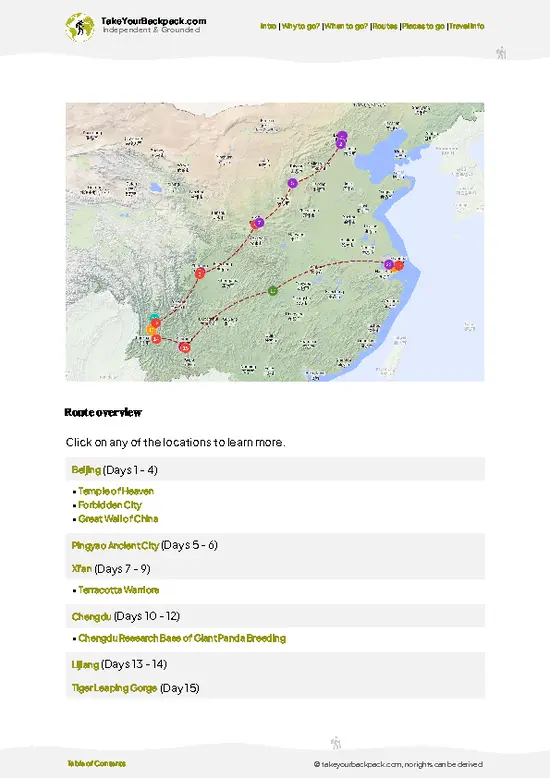
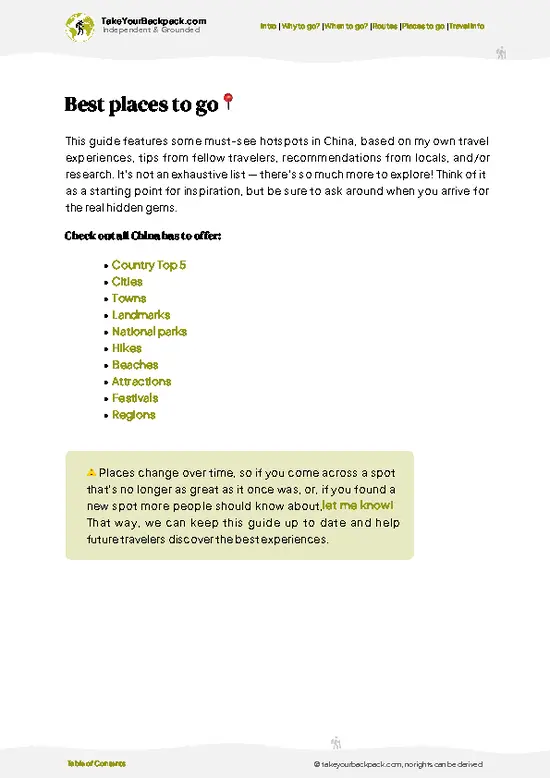
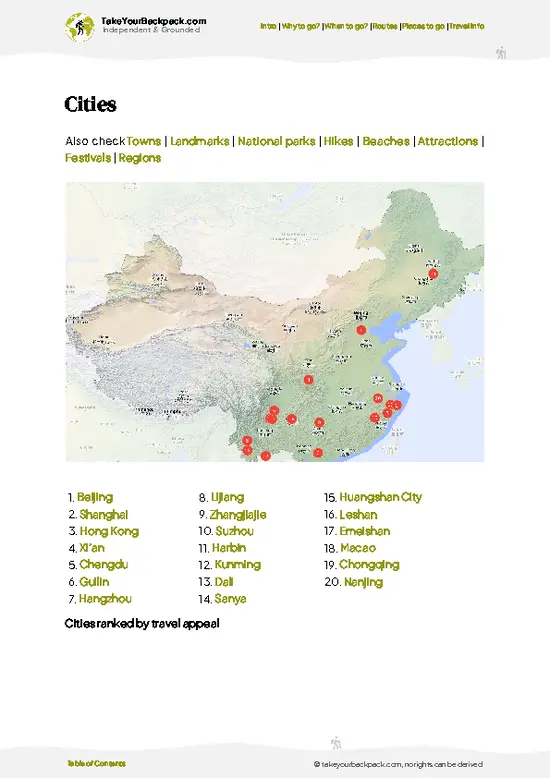
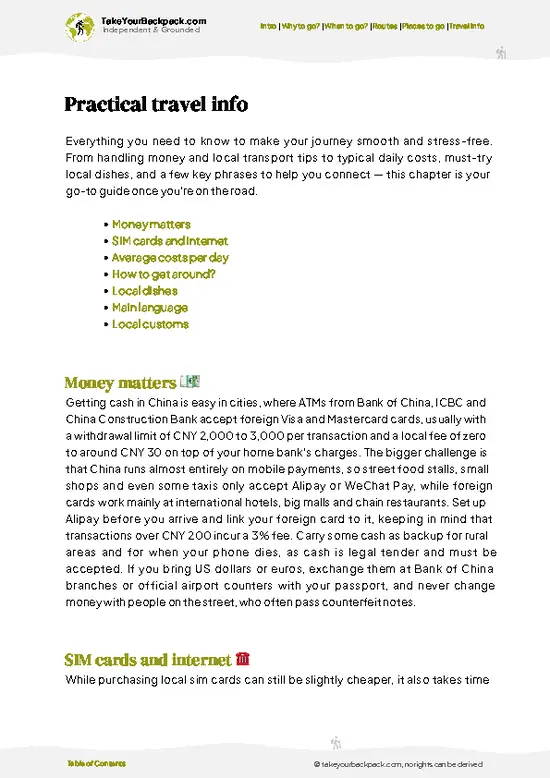
example page 0 from our offline Travel Guide for China
example page 1 from our offline Travel Guide for China
example page 2 from our offline Travel Guide for China
example page 3 from our offline Travel Guide for China
example page 4 from our offline Travel Guide for China
example page 5 from our offline Travel Guide for China
example page 6 from our offline Travel Guide for China
example page 7 from our offline Travel Guide for China
The digital guide (496 pages) contains:
139 highlights, ranked by travel appeal
Optimized 14, 21 & 30-day travel routes
Cities, national parks, landmarks, beaches
How to get around
Offline-friendly for travel without Wi-Fi
👉 Click to see all 30+ guide features

📅 Plan smarter in minutes, not weeks
Month by month travel advice
Festivals & national holidays
Budget expectations

🗺️ Go to the right places, skip the overrated ones
Honest pros & cons of destinations
Top hikes, parks & viewpoints
Lesser-known places most travelers miss
Clear “worth it vs skip it” guidance

🛏️ Travel smoothly without rookie mistakes
Best areas to stay
Transport systems explained simply
Common scams & safety advice
SIM cards, money & practical tips

🌍 Understand the country, not just visit it
Culture & traditions
52 Essential phrases & customs
Festivals worth planning around
Traveler-friendly historical context
Insights that make places more meaningful

📱 Built for real travel conditions
Fully downloadable PDF
Works completely offline
Optimized for phone use
Useful in remote areas & buses
Everything in one place
Save weeks of stressful planning
Get instant access to your full guide. 30‑day money-back guarantee.


By proceeding you agree to our terms.
Sent to your inbox immediately after payment • 100% Secure Checkout
Best Backpacking Travel Advisor 2025 tourism awardBest Backpacking
Travel Advisor
2025
What others say about Take Your Backpack Guides:
⭐⭐⭐⭐⭐
Fantastic, amazing amount of information!
⭐⭐⭐⭐⭐
My goodness this is amazing, it's what I've been looking for hats off too you!
⭐⭐⭐⭐⭐
I think this is absolutely BRILLIANT
⭐⭐⭐⭐
Very complete and informative. It's still missing places, but I gotta to commend you
⭐⭐⭐⭐⭐
This is truly amazing, thank you, can't wait to explore it with my kids!
⭐⭐⭐⭐⭐
Awesome resource, thank you!
⭐⭐⭐⭐⭐
This is amazing! Can't wait to explore the ones I haven't seen
⭐⭐⭐⭐
I love this! Well done, great idea.
⭐⭐⭐⭐⭐
Thanks for taking the time to make this gem!
⭐⭐⭐⭐⭐
This might be the best website I've ever seen.
⭐⭐⭐⭐⭐
Congratulations, and thank you so much for your work; it's incredibly valuable.
⭐⭐⭐⭐
In all seriousness I think you did a great job pointing out the important spots
⭐⭐⭐⭐⭐
10/10 very good
⭐⭐⭐⭐⭐
As someone who's only just starting to visit regularly this is awesome, thank you.
⭐⭐⭐⭐
Thank you very much! I'm going to visit my dad, it's going to be very useful!
⭐⭐⭐⭐⭐
This is really cool! We'll be travelling for the first time and this definitely come in handy.
⭐⭐⭐⭐⭐
You are now our minister of culture, congratulations 👨‍💼
⭐⭐⭐⭐⭐
Just wanted to tell you that this is a pearl! Going to follow your recommendations.
⭐⭐⭐⭐⭐
This is so cool. I'll definitely be using the resource for my travels soon.
⭐⭐⭐⭐⭐
This is very impressive! Good work.
⭐⭐⭐⭐⭐
This is an amazing and informative site. Very well done!

🛏️ Where to stay?Where staying makes the most sense

Chengdu’s backpacker sweet spot lies in the area around Kuanzhai Alley and the nearby Wuhou District. This zone strikes a smart balance between safety, social buzz, and budget-friendly options. Kuanzhai Alley is a network of old streets revamped into a lively hub where you can find plenty of hostels packed with solo travelers and small groups. It’s a place where striking up a conversation over a local craft beer or spicy Sichuan snack feels natural, not forced.

Compared to the city center’s high-end shopping districts or the quieter, more residential neighborhoods, Kuanzhai Alley and Wuhou offer … read more 👉
Chengdu’s backpacker sweet spot lies in the area around Kuanzhai Alley and the nearby Wuhou District. This zone strikes a smart balance between safety, social buzz, and budget-friendly options. Kuanzhai Alley is a network of old streets revamped into a lively hub where you can find plenty of hostels packed with solo travelers and small groups. It’s a place where striking up a conversation over a local craft beer or spicy Sichuan snack feels natural, not forced.

Compared to the city center’s high-end shopping districts or the quieter, more residential neighborhoods, Kuanzhai Alley and Wuhou offer a compact, walkable scene that’s both accessible and engaging. Hostels here tend to be clean, affordable, and geared toward the social traveler, making it easier to meet others without sacrificing comfort or safety. Public transport links are solid, so you’re never far from Chengdu’s panda reserves or teahouses.

If you want to trade a bit of peace for connection and convenience, this area is your best bet. It’s where the city’s pulse meets the backpacker’s rhythm, giving you a real feel for Chengdu without the tourist overload or the isolation of outlying districts.

🚌 Getting aroundMoving around without the hassle

Chengdu moves at its own rhythm—a curious blend of laid-back charm and sudden bursts of urban hustle. It’s not a city that demands you sync your watch to a strict timetable; instead, it invites you to read the pulse of the streets, where scooters dart through traffic with a wink and buses arrive when they’re good and ready. This isn’t about rigid schedules but about mastering the flow, spotting the patterns beneath the apparent chaos. Your choices here aren’t just about getting from A to B—they’re about deciding how much time, money, and comfort you’re willing to trade for the experience itself.


  • Walking: The ultimate budget option and the best way to soak in Chengdu’s street life. Free, obviously, but expect to spend time—Chengdu’s core is compact enough for strolls between major sights,
read more 👉
Chengdu moves at its own rhythm—a curious blend of laid-back charm and sudden bursts of urban hustle. It’s not a city that demands you sync your watch to a strict timetable; instead, it invites you to read the pulse of the streets, where scooters dart through traffic with a wink and buses arrive when they’re good and ready. This isn’t about rigid schedules but about mastering the flow, spotting the patterns beneath the apparent chaos. Your choices here aren’t just about getting from A to B—they’re about deciding how much time, money, and comfort you’re willing to trade for the experience itself.


  • Walking: The ultimate budget option and the best way to soak in Chengdu’s street life. Free, obviously, but expect to spend time—Chengdu’s core is compact enough for strolls between major sights, though summer heat or drizzle can test your patience.


  • Metro: Fast, efficient, and cheap. Runs roughly from 6:00 AM to 11:00 PM, with fares starting at 2 RMB and maxing out around 7 RMB depending on distance. Comfortable air-conditioned cars and predictable schedules make it a solid choice when you want to save time without breaking the bank.


  • City Buses: The slowpoke of the group but dirt cheap, usually under 2 RMB. Buses run from about 5:30 AM to 10:30 PM, though frequency varies wildly—peak hours see buses every 5-10 minutes, off-peak can stretch to 20 or more. Expect crowding and occasional delays, but it’s a window into local life and a wallet-friendly option.


  • Didi (Ride-Hailing): When time is tight and comfort matters, Didi offers a middle ground. Prices fluctuate with demand but expect around 15-30 RMB for short city trips. It’s faster door-to-door than buses or metro, with air-conditioned cars and the convenience of cashless payment, but it’s the priciest option here.


  • Bicycles and E-Bikes (Shared): A flexible, low-cost way to cover medium distances. Rental costs hover around 1-2 RMB per half hour. Great for exploring neighborhoods off the beaten path, but watch out for traffic and weather. It’s a trade-off between freedom and physical effort.

👛 Costs (as of 30 January 2025)Money, prices, and spending tips

Backpacking in Chengdu offers a fascinating balance of affordability and comfort, but knowing where your money goes lets you play the system smartly.
  • Dorm Accommodation (High Season and Off-Season): In peak travel months, expect to pay around $8-$12 per night for a bed in a clean, well-located dorm. Off-season drops that to about $5-$8. The difference is noticeable but manageable if you time your visit right.
  • Meals: Street food and local eateries dominate here. You can eat well for $3-$6 per meal if you stick to staples like spicy noodles, dumplings, or hotpot snacks. Western-style cafes or restaurants push that to $8-$15, but they’re not necessary unless you want a break from Sichuan spice.
  • Local Transport: Single bus or metro rides cost about $0.30-$0.50. It’s cheap enough to hop on and
read more 👉
Backpacking in Chengdu offers a fascinating balance of affordability and comfort, but knowing where your money goes lets you play the system smartly.
  • Dorm Accommodation (High Season and Off-Season): In peak travel months, expect to pay around $8-$12 per night for a bed in a clean, well-located dorm. Off-season drops that to about $5-$8. The difference is noticeable but manageable if you time your visit right.
  • Meals: Street food and local eateries dominate here. You can eat well for $3-$6 per meal if you stick to staples like spicy noodles, dumplings, or hotpot snacks. Western-style cafes or restaurants push that to $8-$15, but they’re not necessary unless you want a break from Sichuan spice.
  • Local Transport: Single bus or metro rides cost about $0.30-$0.50. It’s cheap enough to hop on and off, but if you’re moving around a lot, it adds up.
  • City Transport Pass: A day pass for unlimited metro rides runs around $2.50-$3.50. If you plan multiple trips, this is a no-brainer for saving both money and hassle.
  • Basic Activities/Entry Fees: Most temples, parks, and museums charge between $2 and $7. Some iconic spots like the Giant Panda Breeding Research Base have entry fees closer to $10-$15. Budgeting for one or two paid attractions a day is realistic.
  • Miscellaneous Expenses: Think bottled water, snacks, occasional coffee, or small souvenirs. Around $2-$5 daily keeps you covered without overspending.

All told, a savvy backpacker in Chengdu can expect to spend roughly $15 to $30 per day, depending on how much comfort and convenience they want. The real trick is balancing those dorm savings with occasional splurges on food or attractions that make the city come alive. Knowing where to invest your dollars turns a simple trip into a layered experience you’ll actually remember.
⚠️ Prices can change and everyone travels differently, so take this as a rough guide. Hope it helps you plan your adventure!

🚌 Day tripsShort trips worth adding

Chengdu is a fantastic launchpad for day trips that blend culture, nature, and adventure. Here’s how to make the most of your time without breaking the bank.

Giant Panda Breeding Research Base
Just a 30-minute bus ride from the city center, this is a must-see for animal lovers. You’ll get up close with the iconic pandas, especially during feeding times when they’re most active. Entry is around 58 RMB, and it’s best to go early in the morning to avoid the crowds. A common mistake? Skipping the red pandas—they’re just as charming!


Leshan Giant Buddha
About two hours from Chengdu, this UNESCO World Heritage site is home to the world’s largest stone Buddha. The boat ride offers a unique perspective, and tickets are around 80 RMB. Aim for a weekday visit to dodge the throngs of tourists. … read more 👉
Chengdu is a fantastic launchpad for day trips that blend culture, nature, and adventure. Here’s how to make the most of your time without breaking the bank.

Giant Panda Breeding Research Base
Just a 30-minute bus ride from the city center, this is a must-see for animal lovers. You’ll get up close with the iconic pandas, especially during feeding times when they’re most active. Entry is around 58 RMB, and it’s best to go early in the morning to avoid the crowds. A common mistake? Skipping the red pandas—they’re just as charming!


Leshan Giant Buddha
About two hours from Chengdu, this UNESCO World Heritage site is home to the world’s largest stone Buddha. The boat ride offers a unique perspective, and tickets are around 80 RMB. Aim for a weekday visit to dodge the throngs of tourists. The hike up to the viewing platform is steep but worth it for the panoramic views. Don’t forget to bring water; it can get hot!


Mount Emei
This sacred mountain is a bit further at about two and a half hours, but the spiritual vibe and stunning scenery make it worthwhile. Entry is around 185 RMB, and you can take a cable car to save time. The best months to visit are April to June when the flowers bloom. Many first-timers underestimate the weather; it can be chilly at the top, so layer up!


Dujiangyan Irrigation System
Just an hour away, this ancient irrigation system is a marvel of engineering. Entry is about 90 RMB, and you can stroll along the river and explore the surrounding parks. The best time to visit is in spring when the cherry blossoms are in full bloom. A common rookie error? Not allowing enough time to explore the nearby temples.


Qingcheng Mountain
Only an hour from Chengdu, this mountain is a Taoist sanctuary with lush greenery and serene temples. The entrance fee is around 80 RMB, and you can hike or take a cable car. Autumn is particularly beautiful here, with vibrant foliage. Many backpackers miss the side trails—exploring them can lead to breathtaking views and fewer crowds.
Want to know what more China offers?
The China Travel Guide describes 139 highlights, from cities to national parks, from beaches to hikes

Get the Travel Guide -

🍲 FoodLocal Cuisine & Drinks

In Chengdu, food is a vibrant dance of flavors and aromas that beckons you to dive in. Start with the signature dishes: Mapo Tofu, a spicy, numbing delight, and Dan Dan Noodles, which pack a punch with their rich, savory sauce. Don’t miss the hot pot experience, where you’ll cook fresh ingredients in bubbling broth, surrounded by friends and laughter.

Backpackers often find their meals in street food stalls or bustling night markets. The air is thick with the scent of grilled skewers and spicy dumplings. Casual eateries serve up hearty bowls of noodles and rice dishes, perfect for refueling after a day of exploration.

When it comes to drinks, tea culture reigns supreme. Sip on Chengdu’s famous jasmine tea while engaging in lively conversation. Don’t forget to try Sichuan pepper-infused read more 👉
In Chengdu, food is a vibrant dance of flavors and aromas that beckons you to dive in. Start with the signature dishes: Mapo Tofu, a spicy, numbing delight, and Dan Dan Noodles, which pack a punch with their rich, savory sauce. Don’t miss the hot pot experience, where you’ll cook fresh ingredients in bubbling broth, surrounded by friends and laughter.

Backpackers often find their meals in street food stalls or bustling night markets. The air is thick with the scent of grilled skewers and spicy dumplings. Casual eateries serve up hearty bowls of noodles and rice dishes, perfect for refueling after a day of exploration.

When it comes to drinks, tea culture reigns supreme. Sip on Chengdu’s famous jasmine tea while engaging in lively conversation. Don’t forget to try Sichuan pepper-infused cocktails at local bars, where the atmosphere buzzes with energy.

Etiquette is simple: share your food and enjoy the communal vibe. Slurping your noodles is not just acceptable; it’s a compliment to the chef. Embrace the chaos and flavors, and you’ll find Chengdu’s culinary scene is a feast for the senses.

🛡️ SafetyTraveler Safety Guide

Chengdu is generally safe for backpackers, but a few situations warrant your attention. The bustling streets can be overwhelming, especially in crowded markets like Jinli. Keep your belongings close; pickpockets can thrive in tight spaces.

Solo travelers should be mindful at night. While the city is lively, stick to well-lit areas and avoid wandering into quieter neighborhoods after dark.

Common scams include overly friendly locals who might offer to guide you, only to expect payment later. Politely decline and keep moving. Street vendors can also be persistent, but a firm “no” usually does the trick.

Overall, carry yourself with confidence. Be aware of your surroundings, trust your instincts, and you’ll navigate Chengdu like a pro. Enjoy the food, the culture, and the warmth of the … read more 👉
Chengdu is generally safe for backpackers, but a few situations warrant your attention. The bustling streets can be overwhelming, especially in crowded markets like Jinli. Keep your belongings close; pickpockets can thrive in tight spaces.

Solo travelers should be mindful at night. While the city is lively, stick to well-lit areas and avoid wandering into quieter neighborhoods after dark.

Common scams include overly friendly locals who might offer to guide you, only to expect payment later. Politely decline and keep moving. Street vendors can also be persistent, but a firm “no” usually does the trick.

Overall, carry yourself with confidence. Be aware of your surroundings, trust your instincts, and you’ll navigate Chengdu like a pro. Enjoy the food, the culture, and the warmth of the locals without letting minor annoyances steal your joy.

Other Chinese cities near Chengdu

Explore more nearby:

  • Leshan—giant Buddha, river confluence, ferry crossings| 117 km away
  • Emeishan—sacred mountain, monasteries, misty forests| 122 km away
  • Lijiang Ancient Town—Stone bridges, Naxi courtyards, mountain backdrop| 556 km away

💡 Not sure where to go next?
Create a personalized itinerary for China including Chengdu and the places that fit your trip.

Generate my itinerary

👉 Discover all cities

Or checkout all China has to offer (think cities, towns, villages, national parks, hikes, beaches, festivals)
Country photo of China

We 💚 feedbackKey takeaways before you go

Chengdu is a food lover’s paradise. The spicy hotpot and street snacks are a culinary adventure that’ll make your taste buds dance. But be ready for the crowds; this city buzzes with energy, especially around the popular eateries. If you can embrace the hustle, you’ll uncover layers of culture and flavor that make the chaos worth it. Just remember, patience is key when you’re elbow-deep in deliciousness.

✈️ When did I visit China?
As part of my 1.5 year travel around the world trip, I visited China in August 2015, coming from Mongolia by the TransMongolia Express.

✍️ Help improve this page!
The information on this page is based on my own backpacking experience in China, supplemented with up-to-date research and feedback from other travelers. Travel details can change, so if you notice anything outdated or incomplete, feel free to let me know.


🙋‍♂️ Give feedback

👋 Meet the founderWho’s Behind Take Your Backpack?

Johan, backpacker and founder of TakeYourBackpackHi, I’m Johan (Netherlands 🇳🇱), the creator of TakeYourBackpack. Over the past decade, I’ve backpacked through 80+ countries across six continents, gaining extensive experience with independent travel, long-term trips, and overland routes.

This site is built on a combination of firsthand travel experience and carefully curated insights from other backpackers. Many guides are based on places I’ve personally visited, while others bring together tips, observations, and practical advice shared by trusted travelers I’ve met along the way.

The goal is to provide realistic, experience-driven guidance — not generic itineraries — so you can explore destinations with better context, clearer expectations, and more confidence.

Get full China guide •
Instant download • 139 highlights • Full Offline guide