
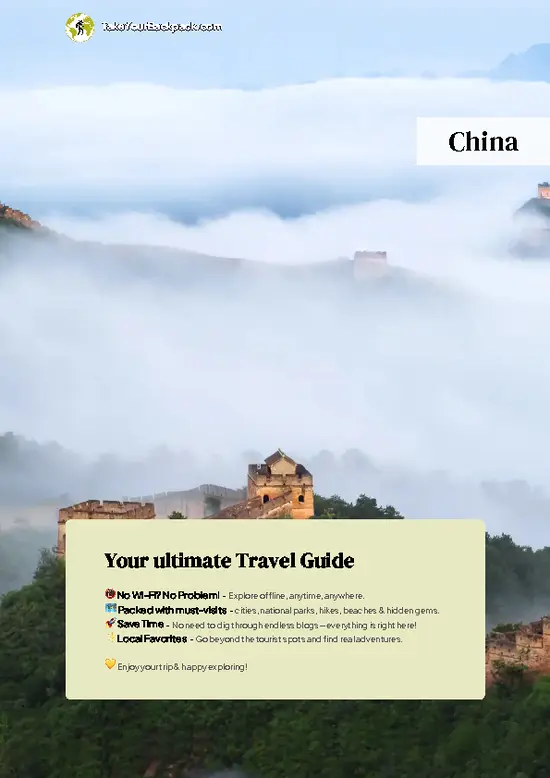
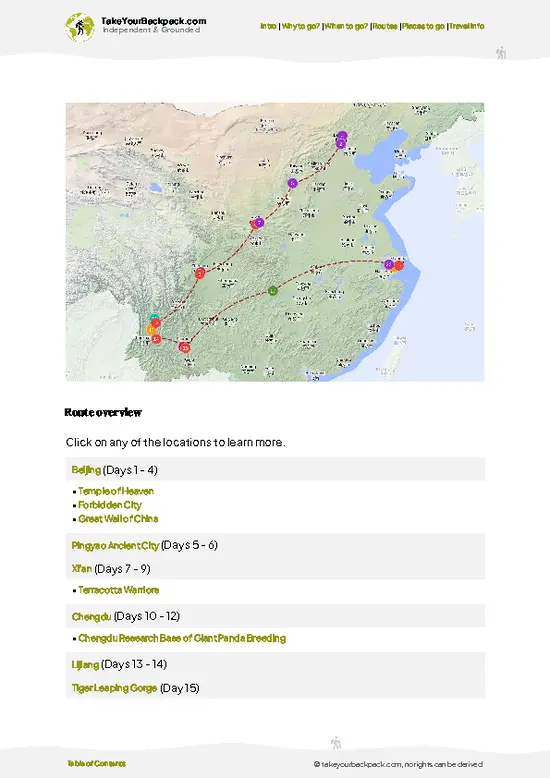
Ciqikou Ancient Town
This isn’t just a tourist stroll—Ciqikou is a living, breathing chunk of old Chongqing, with Ming and Qing architecture, smoky tea houses, and the kind of street food that stains your fingers and memory. You’ll dodge locals buying pickled vegetables and kids chasing after tanghulu (candied hawthorn skewers). The trade-off: it’s crowded on weekends, but early mornings (before 10am) are quieter and more atmospheric. Entry is free, but snacks and souvenirs can add up. Give yourself 2-3 hours if you want to linger in a tea house and people-watch.
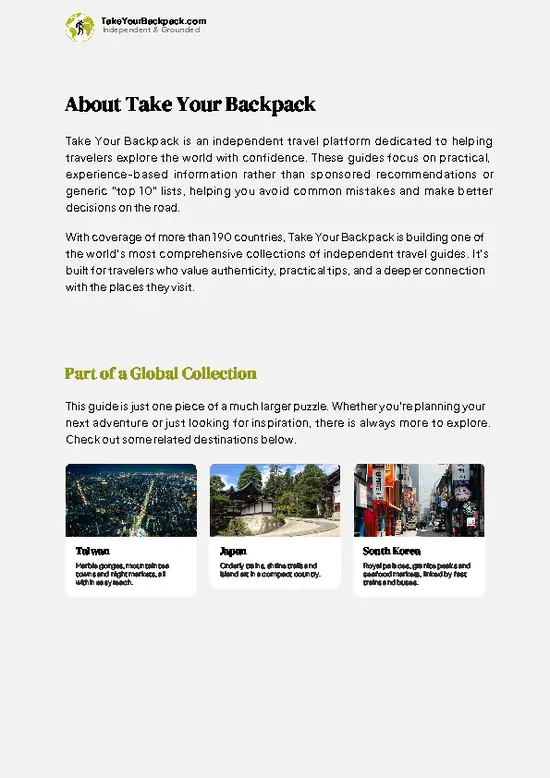
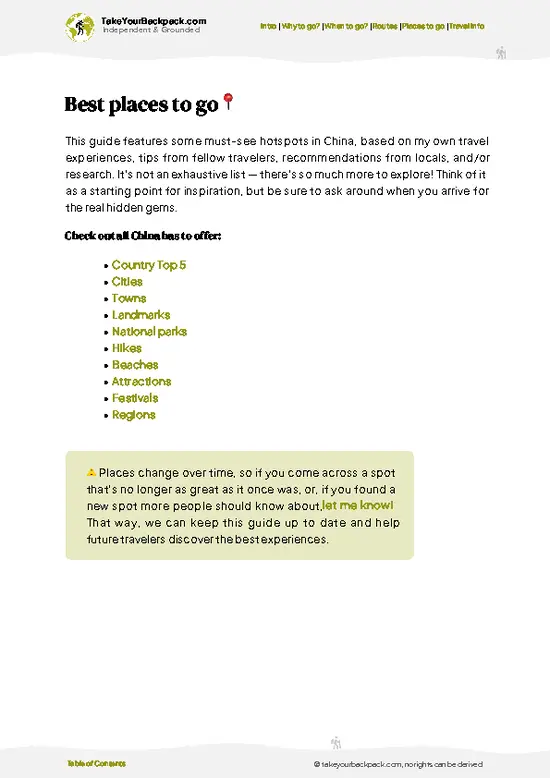
Hongya Cave (Hongyadong)
This multi-level riverside complex looks like a Studio Ghibli fever dream—wooden stilt houses stacked above the Jialing River, glowing with neon at night. The lower levels are a maze of food stalls and bars, … read more 👉
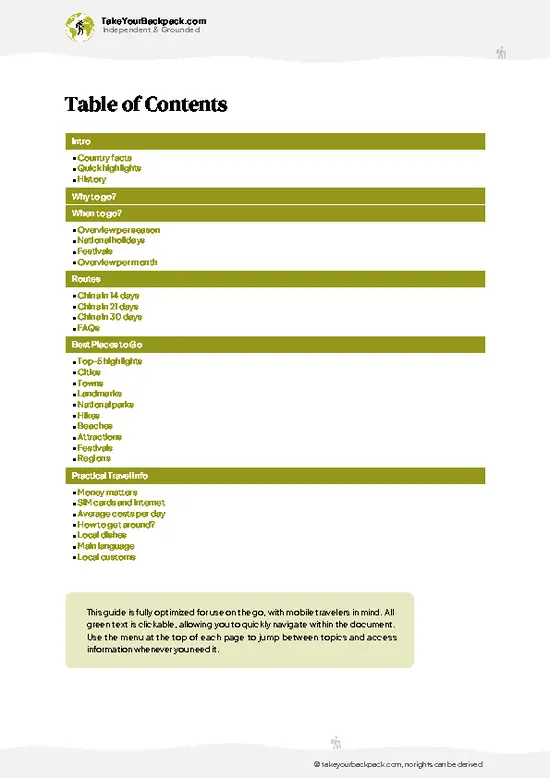
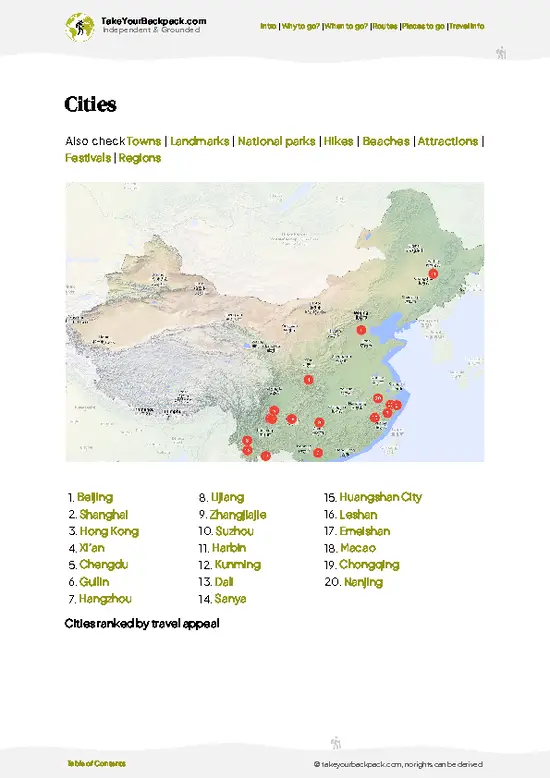
Ciqikou Ancient Town
This isn’t just a tourist stroll—Ciqikou is a living, breathing chunk of old Chongqing, with Ming and Qing architecture, smoky tea houses, and the kind of street food that stains your fingers and memory. You’ll dodge locals buying pickled vegetables and kids chasing after tanghulu (candied hawthorn skewers). The trade-off: it’s crowded on weekends, but early mornings (before 10am) are quieter and more atmospheric. Entry is free, but snacks and souvenirs can add up. Give yourself 2-3 hours if you want to linger in a tea house and people-watch.
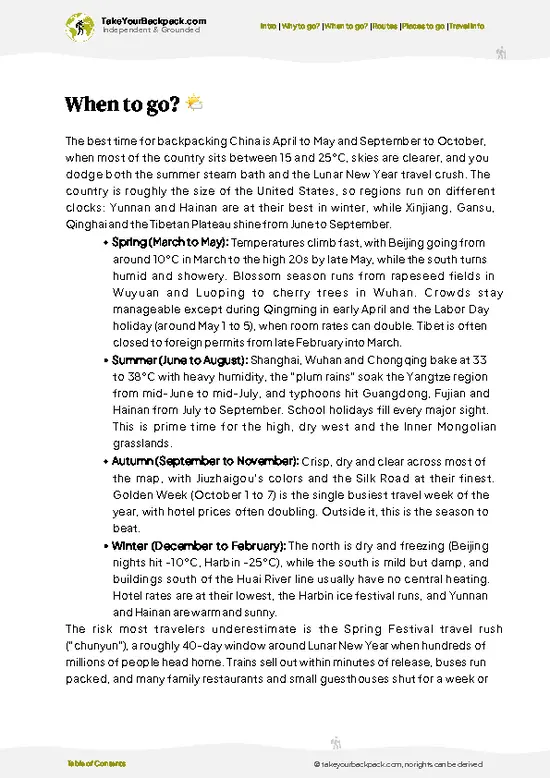
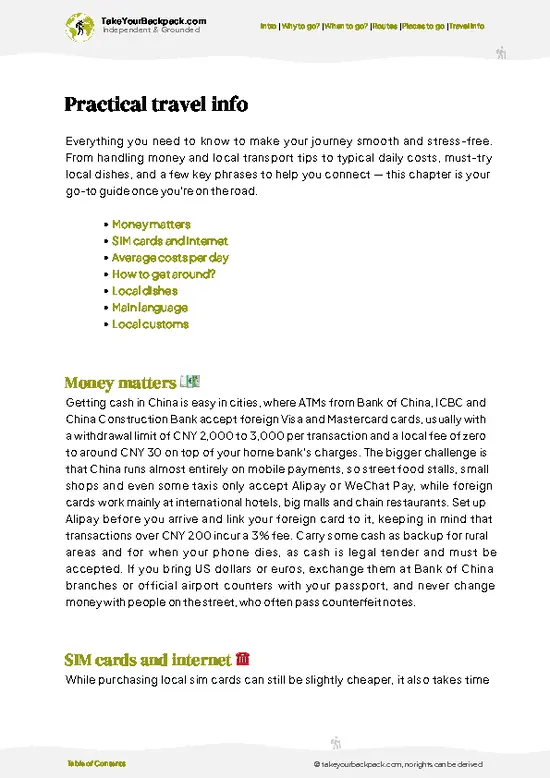
Hongya Cave (Hongyadong)
This multi-level riverside complex looks like a Studio Ghibli fever dream—wooden stilt houses stacked above the Jialing River, glowing with neon at night. The lower levels are a maze of food stalls and bars, while the upper decks offer panoramic city views. It’s touristy, yes, but the spectacle is pure Chongqing: chaotic, vertical, and unapologetically loud. Best visited after sunset for the full light show. Entry is free, but expect to pay 30-80 RMB for a meal or drink. You can see the highlights in 1-2 hours, but it’s easy to lose track of time.
Jiefangbei Pedestrian Street
This is Chongqing’s commercial heart—a kinetic, high-rise canyon of LED screens, flagship stores, and the city’s iconic Liberation Monument. It’s not about shopping (unless you want to), but about feeling the pulse of modern Chongqing. Street performers, snack carts, and the sheer density of humanity make it a sensory overload. Visit in the evening for peak energy. Free to wander, but budget for snacks or a coffee (20-50 RMB). An hour is enough unless you’re drawn into the side alleys.
Three Gorges Museum
Skip the generic museums—this one is a deep dive into the Yangtze’s history, the city’s wartime role, and the massive engineering gamble of the Three Gorges Dam. The exhibits are bilingual and surprisingly hands-on. It’s air-conditioned, so a smart escape from summer’s humidity. Go on a weekday morning to avoid school groups. Entry is free, but bring ID for registration. Allow 1.5-2 hours for a thorough visit.
Liziba Station (Monorail Through Building)
Chongqing’s topography is wild, and nowhere is that clearer than at Liziba, where the city’s monorail literally passes through a residential building. It’s a quick stop, but the photo op is pure “only in Chongqing.” The best view is from the street below or from the monorail itself. Go mid-morning for good light and fewer crowds. Free to watch; a monorail ride costs about 2-3 RMB. Fifteen minutes is plenty unless you’re a transit geek.
Yangtze River Cableway
This is the shortcut between two worlds: glide above the Yangtze in a Soviet-era cable car, with skyscrapers on one side and the old city on the other. It’s a commuter route, not just a tourist ride, so you’ll share the cabin with locals. Sunset is prime time for city views, but lines are longest then. Tickets are 20 RMB one-way. The ride itself is five minutes, but budget 30-45 minutes for waiting and photos.
E’ling Park
A rare patch of green with a hilltop pagoda and panoramic views over Chongqing’s tangled skyline and rivers. Locals come here to play cards, practice tai chi, or just escape the concrete. The air feels a little cleaner, and the city’s chaos drops a notch. Early morning is best for misty views and quiet paths. Entry is 5 RMB. An hour is enough for a stroll and a climb to the pagoda.
For day trips, the Dazu Rock Carvings (my personal favorite for their haunting Buddhist artistry), Wulong Karst landscapes, and the ghost city of Fengdu are all within striking distance—each a different flavor of Chongqing’s wild, layered history.
Spotted a mistake or missing something? Contact us.

Private Customized Tour: Chongqing City Highlights in One Day

Chongqing Cyber City in 1 Day Private tour

Chongqing: Private Food Tour and Magical Night View

Chongqing Private Day Tour to Wulong Karst National Geology Park

Chongqing Motorcycle Tour-Neon Glide Riverlight Rider

Chongqing Local Food Tour Adventure

True Taste of Chongqing: Offbeat Walks & Hotpot in One Day

Chongqing 1949 Grand Theater Immersive Show Ticket

Chongqing Wulong Exploration Private Day Tour With the Lunch


 Best Backpacking
 Hi, I’m Johan (Netherlands 🇳🇱), the creator of TakeYourBackpack. Over the past 3 decades, I’ve backpacked through 90+ countries across six continents, gaining extensive experience with independent travel, long-term trips, and overland routes.