×

China🇨🇳 | landmarksClassical Gardens of SuzhouRockeries, koi ponds, scholar pavilions | things to do and best time to go

Explore Badain Jaran DesertExplore Forbidden City

Backpacking in Classical Gardens of Suzhou
UNESCO World Heritage site
🌟 Highlightunique site ranked #9
By Johan Kruseman 🇳🇱 | Updated May 25, 2026

Everyone shows you Suzhou’s gardens as empty, meditative havens; in reality, you’re often shoulder‑to‑shoulder with tour groups and selfie sticks. The Classical Gardens of Suzhou sit in Jiangsu Province, just west of Shanghai, and they’re one of the easiest “old China” hits you can tack onto a backpacking loop. They’re not cheap by China standards, and hopping between multiple gardens adds up, but the payoff is real: centuries-old scholar gardens where every rock, pond, and crooked pine is basically deliberate poetry. The wow-factor is subtle, not jaw-drop—more “quiet genius” than “Great Wall drama.” Photos can look postcard-perfect if you angle around the crowds. I’ve had my best moments here at opening time, when the tour flags haven’t invaded yet and the place finally breathes.

Discover everything you want to know in the 📖 China Travel Guide.


Get your China guide
139 ranked highlights, routes & tips, works offline (496 pages)
Loading the map 🌍
CLICK TO FILTER
cities
towns
landmarks
national parks
hikes
beaches
attractions
festivals
regions
SHOW COUNTRY’S BESTSHOW ALL

✨ Why go?
Ranked #9 unique site in China
What makes it a must-see unique site

The Classical Gardens of Suzhou are a must-see for backpackers willing to dig deeper than the surface. Sure, they attract crowds, especially during peak seasons, but don’t let that deter you. These gardens are a masterclass in tranquility, showcasing centuries of Chinese landscape design.

The entry fee is low, making it accessible for budget travelers. You’ll find yourself wandering through intricate pathways, surrounded by ancient trees and serene ponds. Each garden tells a story, reflecting the philosophy of harmony between nature and architecture.

What’s more, Suzhou is a natural stop on the route between Shanghai and Hangzhou, making it easy to fit into your itinerary. Spend a day here, and you’ll walk away with a sense of peace that’s hard to find in the hustle of modern China. The … read more 👉
The Classical Gardens of Suzhou are a must-see for backpackers willing to dig deeper than the surface. Sure, they attract crowds, especially during peak seasons, but don’t let that deter you. These gardens are a masterclass in tranquility, showcasing centuries of Chinese landscape design.

The entry fee is low, making it accessible for budget travelers. You’ll find yourself wandering through intricate pathways, surrounded by ancient trees and serene ponds. Each garden tells a story, reflecting the philosophy of harmony between nature and architecture.

What’s more, Suzhou is a natural stop on the route between Shanghai and Hangzhou, making it easy to fit into your itinerary. Spend a day here, and you’ll walk away with a sense of peace that’s hard to find in the hustle of modern China. The gardens may be popular, but they offer a slice of authentic culture that’s worth every moment spent.
Want to include Classical Gardens of Suzhou in your China route?
Create a personalized China itinerary that includes Classical Gardens of Suzhou and the places that fit your trip — based on your travel style, budget, and available time. Get your route in seconds.

Generate my trip

💡 HighlightsMust-see experiences and standout moments

  • Humble Administrator’s Garden (Zhuozheng Yuan) — The biggest and most famous of the bunch, it’s a masterpiece of water channels, islands and pavilions. Historic layout for leisurely boat-and-walk viewing; great for seeing how space, water and poetry were combined to impress scholars and officials.
  • Lingering Garden (Liu Yuan) — Famous for its exquisite rockeries and layered halls; everything feels intentionally staged so each turn reveals a new framed scene. The stone craftsmanship and close-up architecture are top-tier examples of classical taste.
  • Master of the Nets Garden (Wangshi Yuan) — My personal favorite: small but perfectly composed, it nails the “less is more” idea. Intimate courtyards, tight sightlines, and a pond that makes the whole place feel much larger than it is.
  • Lion Grove
read more 👉
  • Humble Administrator’s Garden (Zhuozheng Yuan) — The biggest and most famous of the bunch, it’s a masterpiece of water channels, islands and pavilions. Historic layout for leisurely boat-and-walk viewing; great for seeing how space, water and poetry were combined to impress scholars and officials.
  • Lingering Garden (Liu Yuan) — Famous for its exquisite rockeries and layered halls; everything feels intentionally staged so each turn reveals a new framed scene. The stone craftsmanship and close-up architecture are top-tier examples of classical taste.
  • Master of the Nets Garden (Wangshi Yuan) — My personal favorite: small but perfectly composed, it nails the “less is more” idea. Intimate courtyards, tight sightlines, and a pond that makes the whole place feel much larger than it is.
  • Lion Grove Garden (Shizi Lin) — Famous for its crazy maze of Taihu limestone rockeries that look like frozen waves or snarling lions. Clambering the narrow paths and caves gives a playful, slightly vertigo-inducing perspective you won’t get in flatter gardens.
  • Canglang Pavilion (Surging Wave Pavilion) — One of the oldest surviving examples, it’s compact and poetic with classical inscriptions and direct water views. Feels less staged, more lived-in—good if you want an authentic, quieter atmosphere.
  • Garden of Cultivation (Yipu) — A quieter, less-touristed garden with finely balanced architecture and water reflections. Great for noticing small details: carved beams, lattice windows, and how light plays on the ponds.
  • Borrowed Scenery, Rockeries, and Water Design (the design principles) — Not a single spot, but the core experience: look for “borrowed scenery” where views outside the garden are framed as part of the composition, the dramatic Taihu rocks, and the way buildings and water are choreographed. Once you spot these tricks, every path becomes interesting.
Spotted a mistake or missing something? Contact us.

Things to do around Classical Gardens of Suzhou

Ratings based on Tripadvisor reviews. When you book through this link, you support our work at no extra cost to you.

🌤️ When to go?Weather, crowds, and seasonal trade-offs


  • Weather: Spring (March to May) and autumn (September to November) offer mild, comfortable weather. Expect temperatures around 15-25°C (59-77°F). Summers scorch with humidity and occasional rain, while winters dip to 0-8°C (32-46°F), often gray and damp.

  • Daylight Hours: Peak daylight stretches from 10 to 14 hours in spring and autumn, perfect for exploring without rushing. Winter days shrink to about 9 hours, limiting sightseeing time.

  • Crowds: Spring, especially April, floods the gardens with tourists chasing cherry blossoms. Autumn sees fewer crowds but still busy on weekends. Winter is quietest, offering a rare chance to enjoy the gardens in near solitude.

  • Seasonal Activities: Spring brings blooming flowers and traditional festivals, adding color and life. Autumn highlights crisp
read more 👉

  • Weather: Spring (March to May) and autumn (September to November) offer mild, comfortable weather. Expect temperatures around 15-25°C (59-77°F). Summers scorch with humidity and occasional rain, while winters dip to 0-8°C (32-46°F), often gray and damp.

  • Daylight Hours: Peak daylight stretches from 10 to 14 hours in spring and autumn, perfect for exploring without rushing. Winter days shrink to about 9 hours, limiting sightseeing time.

  • Crowds: Spring, especially April, floods the gardens with tourists chasing cherry blossoms. Autumn sees fewer crowds but still busy on weekends. Winter is quietest, offering a rare chance to enjoy the gardens in near solitude.

  • Seasonal Activities: Spring brings blooming flowers and traditional festivals, adding color and life. Autumn highlights crisp foliage and calmer vibes. Winter’s stark beauty reveals the gardens’ architecture without distraction.

  • Price Fluctuations: Entry fees stay stable year-round, but accommodation and transport spike during spring festival and national holidays. Off-season travel means better deals and less hassle.


Pro-tip: Aim for late autumn weekdays—cool, calm, and clear—when the gardens show their true character without the Instagram mobs.


source: climatestotravel.comJANJanuary: fair for travelingFEBFebruary: fair for travelingMARMarch: highly recommended for travelingAPRApril: good for travelingMAYMay: highly recommended for travelingJUNJune: fair for travelingJULJuly: below average for travelingAUGAugust: below average for travelingSEPSeptember: highly recommended for travelingOCTOctober: excellent for travelingNOVNovember: highly recommended for travelingDECDecember: fair for traveling
when-to-go

✈️ The backpacker research shortcutChina Travel Guide

An offline-friendly backpacking guide with optimized travel routes, ranked highlights, transport advice, and the best areas to stay.
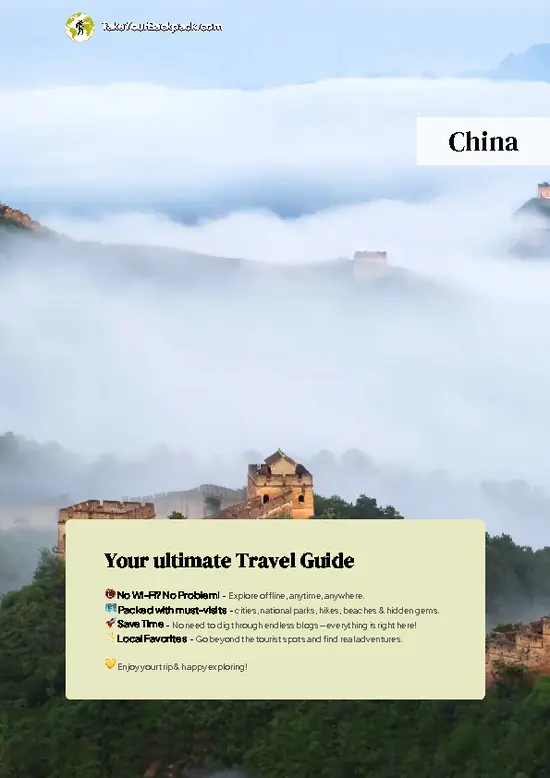
example page 0 from our offline Travel Guide for China
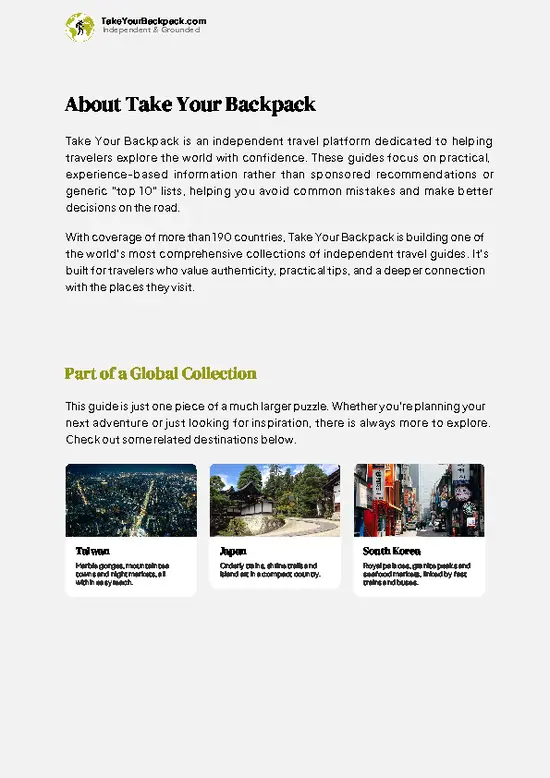
example page 1 from our offline Travel Guide for China
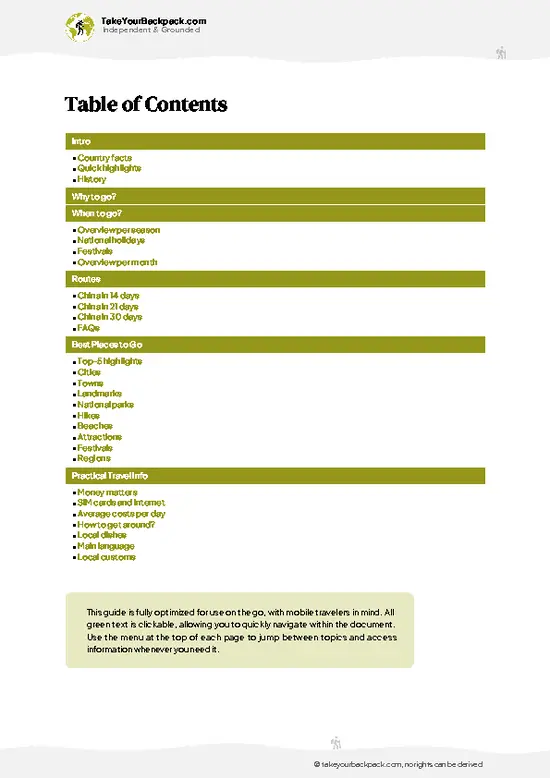
example page 2 from our offline Travel Guide for China
example page 3 from our offline Travel Guide for China
example page 4 from our offline Travel Guide for China
example page 5 from our offline Travel Guide for China
example page 6 from our offline Travel Guide for China
example page 7 from our offline Travel Guide for China
The digital guide (496 pages) contains:
139 highlights, ranked by travel appeal
Optimized 14, 21 & 30-day travel routes
Cities, national parks, landmarks, beaches
How to get around
Offline-friendly for travel without Wi-Fi
👉 Click to see all 30+ guide features

📅 Plan smarter in minutes, not weeks
Month by month travel advice
Festivals & national holidays
Budget expectations

🗺️ Go to the right places, skip the overrated ones
Honest pros & cons of destinations
Top hikes, parks & viewpoints
Lesser-known places most travelers miss
Clear “worth it vs skip it” guidance

🛏️ Travel smoothly without rookie mistakes
Best areas to stay
Transport systems explained simply
Common scams & safety advice
SIM cards, money & practical tips

🌍 Understand the country, not just visit it
Culture & traditions
52 Essential phrases & customs
Festivals worth planning around
Traveler-friendly historical context
Insights that make places more meaningful

📱 Built for real travel conditions
Fully downloadable PDF
Works completely offline
Optimized for phone use
Useful in remote areas & buses
Everything in one place
Save weeks of stressful planning
Get instant access to your full guide. 30‑day money-back guarantee.


By proceeding you agree to our terms.
Sent to your inbox immediately after payment • 100% Secure Checkout
Best Backpacking Travel Advisor 2025 tourism awardBest Backpacking
Travel Advisor
2025
What others say about Take Your Backpack Guides:
⭐⭐⭐⭐⭐
Fantastic, amazing amount of information!
⭐⭐⭐⭐⭐
My goodness this is amazing, it's what I've been looking for hats off too you!
⭐⭐⭐⭐⭐
I think this is absolutely BRILLIANT
⭐⭐⭐⭐
Very complete and informative. It's still missing places, but I gotta to commend you
⭐⭐⭐⭐⭐
This is truly amazing, thank you, can't wait to explore it with my kids!
⭐⭐⭐⭐⭐
Awesome resource, thank you!
⭐⭐⭐⭐⭐
This is amazing! Can't wait to explore the ones I haven't seen
⭐⭐⭐⭐
I love this! Well done, great idea.
⭐⭐⭐⭐⭐
Thanks for taking the time to make this gem!
⭐⭐⭐⭐⭐
This might be the best website I've ever seen.
⭐⭐⭐⭐⭐
Congratulations, and thank you so much for your work; it's incredibly valuable.
⭐⭐⭐⭐
In all seriousness I think you did a great job pointing out the important spots
⭐⭐⭐⭐⭐
10/10 very good
⭐⭐⭐⭐⭐
As someone who's only just starting to visit regularly this is awesome, thank you.
⭐⭐⭐⭐
Thank you very much! I'm going to visit my dad, it's going to be very useful!
⭐⭐⭐⭐⭐
This is really cool! We'll be travelling for the first time and this definitely come in handy.
⭐⭐⭐⭐⭐
You are now our minister of culture, congratulations 👨‍💼
⭐⭐⭐⭐⭐
Just wanted to tell you that this is a pearl! Going to follow your recommendations.
⭐⭐⭐⭐⭐
This is so cool. I'll definitely be using the resource for my travels soon.
⭐⭐⭐⭐⭐
This is very impressive! Good work.
⭐⭐⭐⭐⭐
This is an amazing and informative site. Very well done!

🛏️ Where to stay?Best areas to stay in China

Staying near the Classical Gardens of Suzhou? You’ll want to focus on a couple of key areas that balance safety, social vibes, and accessibility.

First up, the Guanqian Street area. This bustling hub is a magnet for backpackers. You’ll find a mix of budget accommodations and lively street food stalls. The energy here is infectious, and it’s a great spot to meet fellow travelers. Plus, you’re just a short walk from the gardens, making early morning visits a breeze.

Next, consider the Pingjiang Road district. This area is a bit quieter but still offers a charming atmosphere. Think traditional … read more 👉
Staying near the Classical Gardens of Suzhou? You’ll want to focus on a couple of key areas that balance safety, social vibes, and accessibility.

First up, the Guanqian Street area. This bustling hub is a magnet for backpackers. You’ll find a mix of budget accommodations and lively street food stalls. The energy here is infectious, and it’s a great spot to meet fellow travelers. Plus, you’re just a short walk from the gardens, making early morning visits a breeze.

Next, consider the Pingjiang Road district. This area is a bit quieter but still offers a charming atmosphere. Think traditional architecture and canals. It’s perfect for those who want a taste of local life without the chaos. The hostels here often have communal spaces where you can swap stories over tea.

Both areas keep you close to the gardens while immersing you in Suzhou’s unique culture. Just be prepared for crowds, especially during peak seasons. But trust me, the authentic experiences you’ll find here are worth every moment.

👛 Costs (as of 10 January 2025)What things cost and how to budget

Visiting the Classical Gardens of Suzhou is a journey into tranquility, but it comes with its own set of costs that you should know about.
  • Entrance Fees: Expect to pay between €5 to €15 ($6 to $18) per garden. The most famous ones, like the Humble Administrator’s Garden, might be on the higher end. If you plan to visit multiple gardens, consider a combo ticket for better value.
  • Transportation: Getting around Suzhou is straightforward. A taxi ride from the train station to the gardens will cost around €5 to €10 ($6 to $12). Public buses are cheaper, usually under €1 ($1.20), but they can be crowded and less convenient.
  • Food and Drinks: Dining options vary widely. Street food can be as low as €1 to €3 ($1.20 to $4), while a sit-down meal at a local restaurant might set you back €10 to €20 ($12
read more 👉
Visiting the Classical Gardens of Suzhou is a journey into tranquility, but it comes with its own set of costs that you should know about.
  • Entrance Fees: Expect to pay between €5 to €15 ($6 to $18) per garden. The most famous ones, like the Humble Administrator’s Garden, might be on the higher end. If you plan to visit multiple gardens, consider a combo ticket for better value.
  • Transportation: Getting around Suzhou is straightforward. A taxi ride from the train station to the gardens will cost around €5 to €10 ($6 to $12). Public buses are cheaper, usually under €1 ($1.20), but they can be crowded and less convenient.
  • Food and Drinks: Dining options vary widely. Street food can be as low as €1 to €3 ($1.20 to $4), while a sit-down meal at a local restaurant might set you back €10 to €20 ($12 to $24). Budget for snacks and drinks, especially if you’re wandering the gardens for a while.
  • Souvenirs: If you want to take a piece of Suzhou home, expect to spend €5 to €30 ($6 to $36) on local crafts or tea. Prices can vary based on quality and authenticity, so shop around.
  • Guided Tours: If you prefer a deeper dive into the history and culture, guided tours range from €20 to €50 ($24 to $60). This can be worth it for the insights you’ll gain, especially in a place rich with stories.

Plan your budget wisely, and you’ll find that the real magic of Suzhou lies beyond the crowds and costs.


source: chinadiscovery.com
⚠️ Prices can change and everyone travels differently, so take this as a rough guide. Hope it helps you plan your adventure!

Other Chinese landmarks near Classical Gardens of Suzhou

Explore more nearby:

  • Grand Canal—Ancient waterway, stone bridges, riverside towns| 8 km away
  • Huangshan Mountain—Granite peaks, pine forests, sea of clouds| 270 km away
  • Mount Taishan—Pilgrim stairs, stone inscriptions, summit temples| 480 km away

💡 Not sure where to go next?
Create a personalized itinerary for China including Classical Gardens of Suzhou and the places that fit your trip.

Generate my itinerary

👉 Discover all landmarks

Or checkout all China has to offer (think cities, towns, villages, national parks, hikes, beaches, festivals)
Country photo of China

We 💚 feedbackWhat to keep in mind

The Classical Gardens of Suzhou are a breath of fresh air amidst China’s chaos. You’ll find tranquility in the intricate designs and serene ponds that feel like stepping into a painting. But let’s be real: the crowds can be overwhelming, especially during peak seasons. If you can dodge the masses, you’ll uncover a slice of history that’s genuinely transformative. Just be prepared for the hustle—it’s part of the experience.

✈️ When did I visit China?
As part of my 1.5 year travel around the world trip, I visited China in August 2015, coming from Mongolia by the TransMongolia Express.

✍️ Help improve this page!
The information on this page is based on my own backpacking experience in China, supplemented with up-to-date research and feedback from other travelers. Travel details can change, so if you notice anything outdated or incomplete, feel free to let me know.


🙋‍♂️ Give feedback

👋 Meet the founderWho’s Behind Take Your Backpack?

Johan, backpacker and founder of TakeYourBackpackHi, I’m Johan (Netherlands 🇳🇱), the creator of TakeYourBackpack. Over the past decade, I’ve backpacked through 80+ countries across six continents, gaining extensive experience with independent travel, long-term trips, and overland routes.

This site is built on a combination of firsthand travel experience and carefully curated insights from other backpackers. Many guides are based on places I’ve personally visited, while others bring together tips, observations, and practical advice shared by trusted travelers I’ve met along the way.

The goal is to provide realistic, experience-driven guidance — not generic itineraries — so you can explore destinations with better context, clearer expectations, and more confidence.

Get full China guide •
Instant download • 139 highlights • Full Offline guide