×

China🇨🇳 | unique sitesTemple of Confucius in QufuAncestral halls, carved steles, ancient cypresses | things to do and best time to go

Explore Summer Palace, BeijingExplore Temple of Heaven, Beijing

Backpacking in Temple of Confucius in Qufu
UNESCO World Heritage site
👀 For curious travelersunique site ranked #20
By Johan Kruseman 🇳🇱 | Updated May 6, 2026

Most people realize too late that Qufu’s Confucius Temple works best if you stay a night, hit it right at opening, and then you basically get a UNESCO heavyweight almost to yourself. It’s in Shandong province, inland between Beijing and Shanghai, on the old Confucian home turf. The complex is grand but not flashy, more slow-burn than jaw-drop, with tour groups and ticket bundles that feel pricey, yet the courtyards, cypress groves, and ritual details are gold if you actually care about Chinese thought, not just photos.

Discover everything you want to know in the 📖 China Travel Guide.
Loading the map 🌍
CLICK TO FILTER
city
town
unique site
national park
hike
beach
attraction
festival
region
SHOW COUNTRY’S BESTSHOW ALL

✨ Why go?
Ranked #20 unique site in China
What sets this place apart

The Temple of Confucius in Qufu is a must-see for backpackers seeking depth over Instagram likes. Yes, it can get crowded, especially during peak seasons, but the rich history and serene atmosphere make it worth your time. This isn’t just another tourist trap; it’s a living tribute to one of the greatest philosophers.

Entry fees are low, and the site is easily accessible from major cities like Beijing. It fits seamlessly into a broader route through Shandong Province, allowing you to explore nearby Confucius’ birthplace and the Cemetery of Confucius. The effort-to-reward ratio is high here; you’ll walk away with a deeper understanding of Chinese culture and philosophy. Don’t just check it off your list—immerse yourself in the authentic experience.
Get the complete Travel Guide for China
Everything organized for offline planning — routes, highlights, costs & tips

See what’s inside 👉

Get the Travel Guide -

💡 HighlightsThe experiences that define the visit

  1. Dacheng Hall (Hall of Great Completion) — The main ceremonial hall and the visual centerpiece: huge wooden structure, richly painted beams, and the central spirit tablet for Confucius. It’s where imperial sacrifices were staged, so you feel the weight of centuries of official reverence the moment you step inside.
  2. Lingxing Gate and the central axis of courtyards — A sequence of gates, courtyards and covered walkways laid out on a strict north-south axis. Walk it slowly; the procession of gates and paifang arches is a textbook in Confucian spatial order and makes for great photos with disappearing perspectives.
  3. Stele Pavilion (the stone tablet forest) — Hundreds of steles and stone inscriptions from many dynasties record imperial honors, scholarship and local history. It’s a goldmine for
read more 👉
  1. Dacheng Hall (Hall of Great Completion) — The main ceremonial hall and the visual centerpiece: huge wooden structure, richly painted beams, and the central spirit tablet for Confucius. It’s where imperial sacrifices were staged, so you feel the weight of centuries of official reverence the moment you step inside.
  2. Lingxing Gate and the central axis of courtyards — A sequence of gates, courtyards and covered walkways laid out on a strict north-south axis. Walk it slowly; the procession of gates and paifang arches is a textbook in Confucian spatial order and makes for great photos with disappearing perspectives.
  3. Stele Pavilion (the stone tablet forest) — Hundreds of steles and stone inscriptions from many dynasties record imperial honors, scholarship and local history. It’s a goldmine for anyone who likes calligraphy, textual layers of history, or quietly tracing centuries of praise carved in stone — my personal favorite because it rewards slow, curious looking.
  4. Apricot Platform / Teaching Area — The spot traditionally associated with Confucius’ teaching and disciples. It’s small and understated, but loaded with symbolic meaning for anyone interested in education, philosophy or the mythic side of the place.
  5. Ancient cypress grove and quiet courtyards — Scattered, old cypresses provide shade and a genuine sense of age; the cool, green courtyards are excellent for a relaxed break between halls. They’re the reason the compound doesn’t feel like a museum of props but like a lived-in sacred landscape.
  6. Imperial memorial tablets and carved stone animals — Look for carved stone lions, mythical creatures and the rows of memorial tablets that record emperors’ edicts. The details on these carvings and tablets show how political power and Confucian ritual were tied together.
  7. Seasonal rituals and music performances — If you time your visit for Confucius’ birthday or certain festival days you can catch traditional sacrificial rites and classical yayue music. It’s a rare chance to see the site functioning as a cultural living tradition, not just a historical relic.
Spotted a mistake or missing something? Contact us.

Things to do around Temple of Confucius in Qufu

Ratings based on Tripadvisor reviews. When you book through this link, you support our work at no extra cost to you.

🌤️ When to go?When to go for the best experience


  • Weather: Spring (April-May) and autumn (September-October) offer mild, comfortable temperatures—around 15-22°C (59-72°F)—avoiding the stifling summer heat and damp winter chill.

  • Daylight Hours: Longer days in spring and autumn give you ample time to explore without rushing, with roughly 12-14 hours of daylight.

  • Crowds: Peak tourist season hits in summer and Chinese holidays, turning the temple into a packed photo op. Off-peak months mean fewer selfie sticks and more breathing room.

  • Seasonal Activities: Spring brings blooming gardens around the temple, enhancing the atmosphere; autumn’s crisp air sharpens the temple’s ancient stone details.

  • Price Fluctuations: Entry fees stay steady, but accommodation and transport costs spike during national holidays and summer, so plan accordingly.
read more 👉

  • Weather: Spring (April-May) and autumn (September-October) offer mild, comfortable temperatures—around 15-22°C (59-72°F)—avoiding the stifling summer heat and damp winter chill.

  • Daylight Hours: Longer days in spring and autumn give you ample time to explore without rushing, with roughly 12-14 hours of daylight.

  • Crowds: Peak tourist season hits in summer and Chinese holidays, turning the temple into a packed photo op. Off-peak months mean fewer selfie sticks and more breathing room.

  • Seasonal Activities: Spring brings blooming gardens around the temple, enhancing the atmosphere; autumn’s crisp air sharpens the temple’s ancient stone details.

  • Price Fluctuations: Entry fees stay steady, but accommodation and transport costs spike during national holidays and summer, so plan accordingly.


Pro-tip: Aim for late April or early October to dodge crowds, enjoy perfect weather, and soak in the temple’s quiet grandeur without the tourist circus.


source: climatestotravel.comJANJanuary: fair for travelingFEBFebruary: fair for travelingMARMarch: good for travelingAPRApril: excellent for travelingMAYMay: excellent for travelingJUNJune: good for travelingJULJuly: below average for travelingAUGAugust: below average for travelingSEPSeptember: excellent for travelingOCTOctober: excellent for travelingNOVNovember: good for travelingDECDecember: fair for traveling
when-to-go

✈️ The backpacker research shortcutChina Travel Guide

An offline-friendly backpacking guide with optimized travel routes, ranked highlights, transport advice, and the best areas to stay.
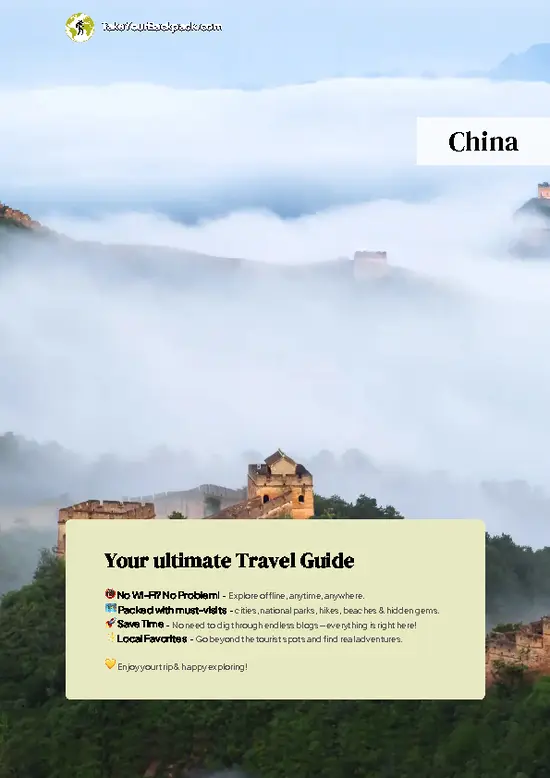
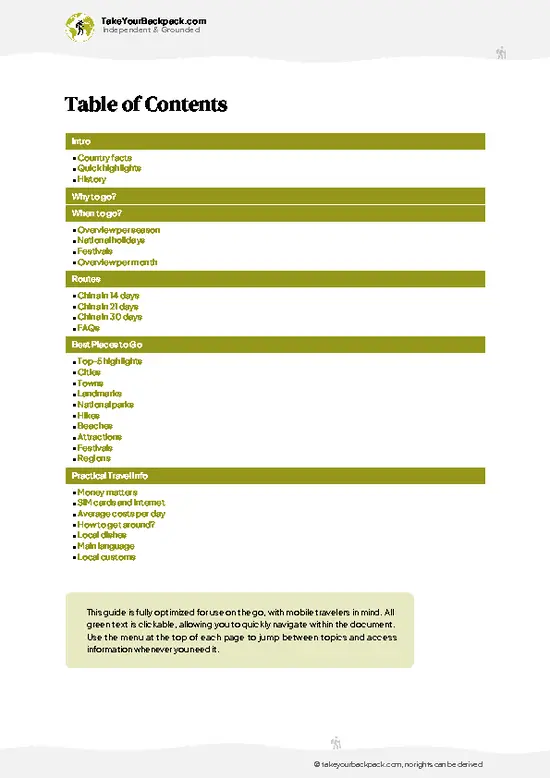
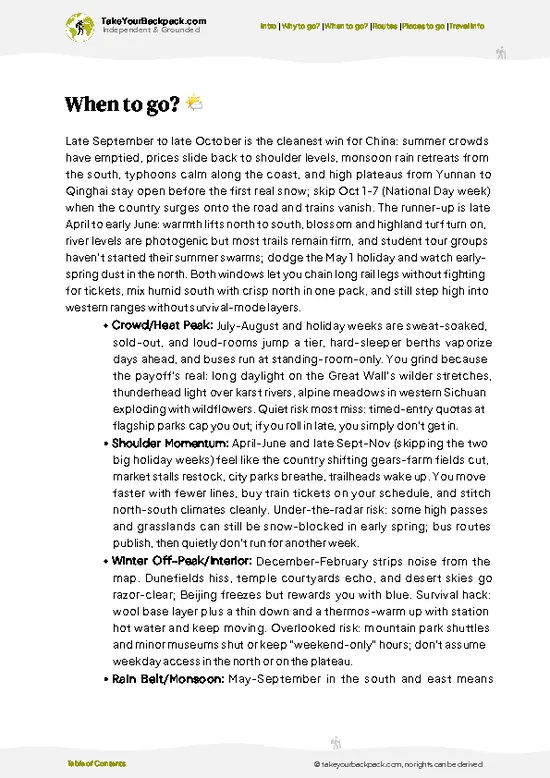
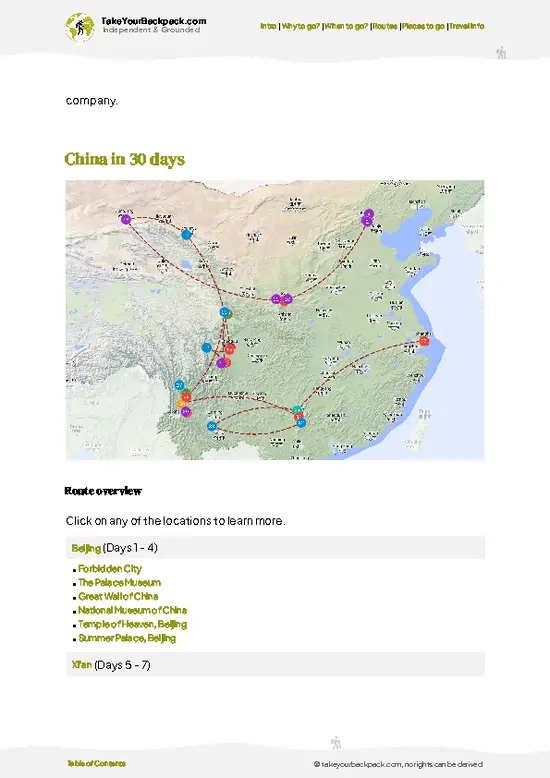
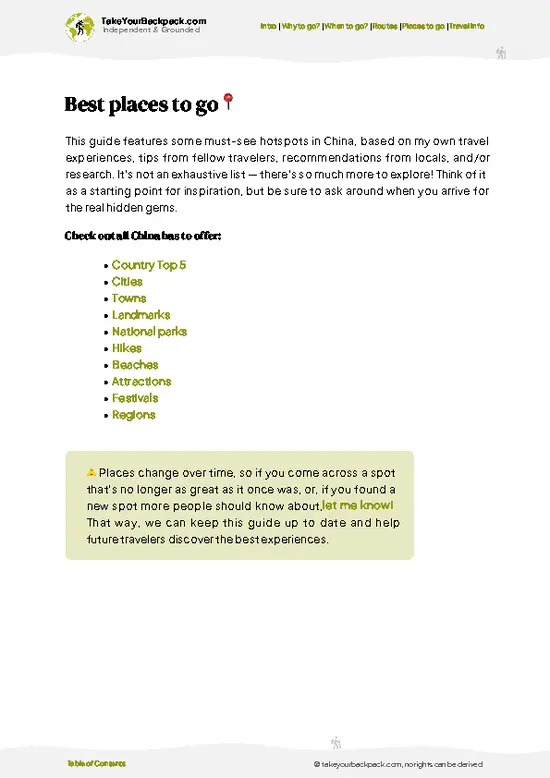
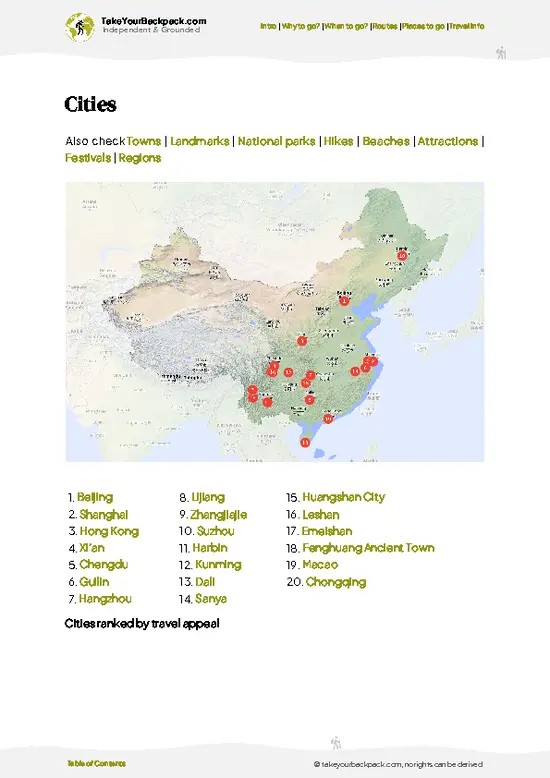
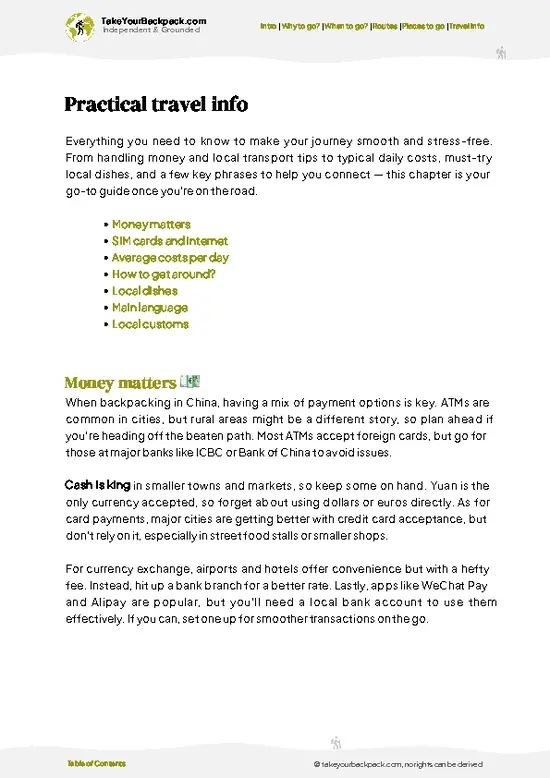
example page 0 from our offline Travel Guide for Chinaexample page 1 from our offline Travel Guide for Chinaexample page 2 from our offline Travel Guide for Chinaexample page 3 from our offline Travel Guide for Chinaexample page 4 from our offline Travel Guide for Chinaexample page 5 from our offline Travel Guide for Chinaexample page 6 from our offline Travel Guide for Chinaexample page 7 from our offline Travel Guide for China
The digital guide (496 pages) contains:
139 highlights, ranked by travel appeal
Optimized 14, 21 & 30-day travel routes
Cities, national parks, beaches, historical sites, ...
How to get around
Offline-friendly for travel without Wi-Fi
👉 Click to see all 30+ guide features

📅 Plan smarter in minutes, not weeks
Month by month travel advice
Festivals & national holidays
Budget expectations

🗺️ Go to the right places, skip the overrated ones
Honest pros & cons of destinations
Top hikes, parks & viewpoints
Lesser-known places most travelers miss
Clear “worth it vs skip it” guidance

🛏️ Travel smoothly without rookie mistakes
Best areas to stay
Transport systems explained simply
Common scams & safety advice
SIM cards, money & practical tips

🌍 Understand the country, not just visit it
Culture & traditions
52 Essential phrases & customs
Festivals worth planning around
Traveler-friendly historical context
Insights that make places more meaningful

📱 Built for real travel conditions
Fully downloadable PDF
Works completely offline
Optimized for phone use
Useful in remote areas & buses
Everything in one place
Save weeks of stressful planning
Get instant access to the full guide directly. 30-day money-back guarantee.


Sent to your inbox immediately after payment • 100% Secure Checkout
Best Backpacking Travel Advisor 2025 tourism awardBest Backpacking
Travel Advisor
2025
What others say about Take Your Backpack Guides:
⭐⭐⭐⭐⭐
Fantastic, amazing amount of information!
⭐⭐⭐⭐⭐
My goodness this is amazing, it's what I've been looking for hats off too you!
⭐⭐⭐⭐⭐
I think this is absolutely BRILLIANT
⭐⭐⭐⭐
Very complete and informative. It's still missing places, but I gotta to commend you
⭐⭐⭐⭐⭐
This is truly amazing, thank you, can't wait to explore it with my kids!
⭐⭐⭐⭐⭐
Awesome resource, thank you!
⭐⭐⭐⭐⭐
This is amazing! Can't wait to explore the ones I haven't seen
⭐⭐⭐⭐
I love this! Well done, great idea.
⭐⭐⭐⭐⭐
Thanks for taking the time to make this gem!
⭐⭐⭐⭐⭐
This might be the best website I've ever seen.
⭐⭐⭐⭐⭐
Congratulations, and thank you so much for your work; it's incredibly valuable.
⭐⭐⭐⭐
In all seriousness I think you did a great job pointing out the important spots
⭐⭐⭐⭐⭐
10/10 very good
⭐⭐⭐⭐⭐
As someone who's only just starting to visit regularly this is awesome, thank you.
⭐⭐⭐⭐
Thank you very much! I'm going to visit my dad, it's going to be very useful!
⭐⭐⭐⭐⭐
This is really cool! We'll be travelling for the first time and this definitely come in handy.
⭐⭐⭐⭐⭐
You are now our minister of culture, congratulations 👨‍💼
⭐⭐⭐⭐⭐
Just wanted to tell you that this is a pearl! Going to follow your recommendations.
⭐⭐⭐⭐⭐
This is so cool. I'll definitely be using the resource for my travels soon.
⭐⭐⭐⭐⭐
This is very impressive! Good work.
⭐⭐⭐⭐⭐
This is an amazing and informative site. Very well done!

🛏️ Where to stay?How to pick the right area

Stay near the Temple of Confucius in Qufu, and you’ll find a mix of history and local life. The area around the temple is buzzing with energy. You’ll encounter street vendors selling snacks and locals chatting over tea.

Look for accommodations in the old town. It’s safe, and you’ll be close to the temple, making early morning visits a breeze. Plus, you can easily wander into the narrow alleys and discover small shops and eateries that don’t make it to Instagram feeds.

Another option is near the Qufu train station. It’s a bit more modern, with a good selection of budget-friendly hostels. You’ll … read more 👉
Stay near the Temple of Confucius in Qufu, and you’ll find a mix of history and local life. The area around the temple is buzzing with energy. You’ll encounter street vendors selling snacks and locals chatting over tea.

Look for accommodations in the old town. It’s safe, and you’ll be close to the temple, making early morning visits a breeze. Plus, you can easily wander into the narrow alleys and discover small shops and eateries that don’t make it to Instagram feeds.

Another option is near the Qufu train station. It’s a bit more modern, with a good selection of budget-friendly hostels. You’ll meet fellow travelers, share stories, and maybe even find a hiking buddy for nearby Mount Tai. Authentic experiences await; just step off the beaten path.

👛 Costs (as of 10 January 2025)Money, prices, and spending tips

Visiting the Temple of Confucius in Qufu isn’t just a stroll through history; it’s a dive into the essence of Chinese culture. Here’s what you can expect in terms of costs:
  • Entrance Fee: Expect to pay around €30 ($35) for a ticket. This grants you access to the temple complex, which is expansive and rich in history. It’s worth every cent to walk where Confucius once walked.
  • Guided Tours: If you want to enhance your experience, consider a guided tour. Prices range from €15 to €50 ($18 to $60), depending on the depth of the tour and the guide’s expertise. A knowledgeable guide can bring the stories to life, making the visit more meaningful.
  • Transportation: Getting to Qufu can vary. A train from Beijing costs about €50 ($60) for a second-class ticket. Local transport within Qufu, like taxis or buses,
read more 👉
Visiting the Temple of Confucius in Qufu isn’t just a stroll through history; it’s a dive into the essence of Chinese culture. Here’s what you can expect in terms of costs:
  • Entrance Fee: Expect to pay around €30 ($35) for a ticket. This grants you access to the temple complex, which is expansive and rich in history. It’s worth every cent to walk where Confucius once walked.
  • Guided Tours: If you want to enhance your experience, consider a guided tour. Prices range from €15 to €50 ($18 to $60), depending on the depth of the tour and the guide’s expertise. A knowledgeable guide can bring the stories to life, making the visit more meaningful.
  • Transportation: Getting to Qufu can vary. A train from Beijing costs about €50 ($60) for a second-class ticket. Local transport within Qufu, like taxis or buses, will set you back around €5 ($6) each way. Budget for this to avoid surprises.
  • Food: Dining options are plentiful. Street food can be as low as €2 ($2.50) for a quick bite, while a sit-down meal might cost you €10 to €20 ($12 to $24). Try the local specialties; they’re a crucial part of the experience.
  • Accommodation: Options range widely. Budget hostels start at around €10 ($12) per night, while mid-range hotels can go up to €50 ($60). Splurge a bit for a place with character; it adds to the journey.

The Temple of Confucius is a treasure trove of wisdom and culture. The costs reflect the value of what you’ll experience. Don’t let the price tag scare you; the real magic lies in the stories and the atmosphere that surrounds you.


source: chinahighlights.com
⚠️ Prices can change and everyone travels differently, so take this as a rough guide. Hope it helps you plan your adventure!

Other Chinese unique sites near Temple of Confucius in Qufu

Explore more nearby:


👉 Discover all unique sites

Or checkout all China has to offer (think cities, towns, villages, national parks, hikes, beaches, festivals)
Country photo of China
film
0
0
0a
Great Wall of China
film
1
1
1a
Forbidden City
Pixabay
film
2
2
2a
Terracotta Warriors
Pixabay
film
3
3
3a
Mount Emei Scenic Area (Leshan Giant Buddha)
film
4
4
4a
Ancient City of Ping Yao
film
5
5
5a
Dali ancient town
film
6
6
6a
Honghe Hani Rice Terraces
film
7
7
7a
Yungang Grottoes

We 💚 feedbackIs it worth it?

The Temple of Confucius in Qufu is a must-see for its profound sense of history and the serene atmosphere that envelops you. But brace yourself for the crowds; it can feel like a tourist circus, especially during peak seasons. Still, if you can navigate the hustle, the wisdom of Confucius whispers through the ancient stones, making it all worthwhile.

✈️ When did I visit China?
As part of my 1.5 year travel around the world trip, I visited China in August 2015, coming from Mongolia by the TransMongolia Express.

✍️ Help improve this page!
The information on this page is based on my own backpacking experience in China, supplemented with up-to-date research and feedback from other travelers. Travel details can change, so if you notice anything outdated or incomplete, feel free to let me know.


🙋‍♂️ Give feedback

👋 Meet the founderWho’s Behind Take Your Backpack?

Johan, backpacker and founder of TakeYourBackpackHi, I’m Johan (Netherlands 🇳🇱), the creator of TakeYourBackpack. Over the past decade, I’ve backpacked through 80+ countries across six continents, gaining extensive experience with independent travel, long-term trips, and overland routes.

This site is built on a combination of firsthand travel experience and carefully curated insights from other backpackers. Many guides are based on places I’ve personally visited, while others bring together tips, observations, and practical advice shared by trusted travelers I’ve met along the way.

The goal is to provide realistic, experience-driven guidance — not generic itineraries — so you can explore destinations with better context, clearer expectations, and more confidence.

Get full China guide •
Instant download • 139 highlights • Full Offline guide