v2.webp)
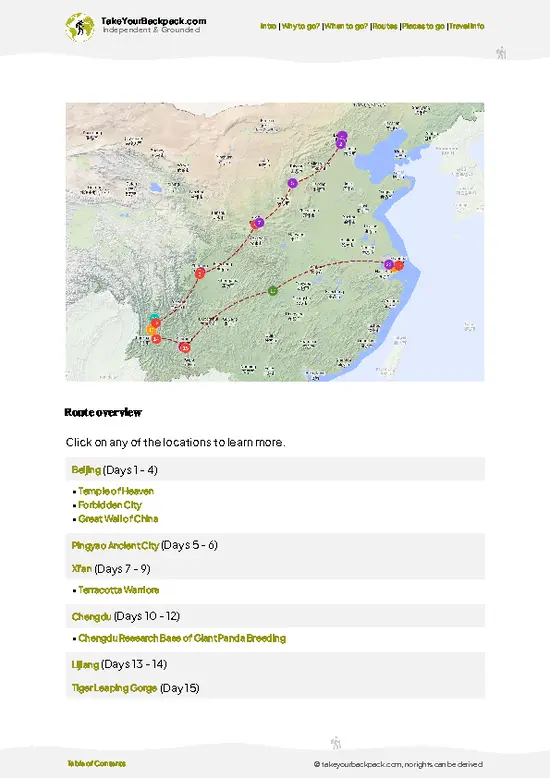
- Hongyun Jinding (Red Clouds Golden Summit) — The postcard image of Fanjingshan: two sheer granite peaks with temples clinging to the tops, a narrow connecting ridge and unreal sunrises that light up the “red cloud” that gives the summit its name. It’s the place to feel the mountain’s sacred Buddhist history and the dramatic geology in one shot.
- Mushroom Stone (the iconic mushroom-shaped pinnacle) — A precarious, perfectly balanced rock formation that looks like someone stuck a giant mushroom on a cliff. The short, exposed walk around it (and the photos you’ll get) are unique to Fanjingshan. Personal favorite — it’s small-scale, weird, and oddly intimate compared to the big summit panoramas.
- Endemic wildlife — Guizhou snub-nosed monkey habitat — Fanjingshan is one of the only places in
- Hongyun Jinding (Red Clouds Golden Summit) — The postcard image of Fanjingshan: two sheer granite peaks with temples clinging to the tops, a narrow connecting ridge and unreal sunrises that light up the “red cloud” that gives the summit its name. It’s the place to feel the mountain’s sacred Buddhist history and the dramatic geology in one shot.
- Mushroom Stone (the iconic mushroom-shaped pinnacle) — A precarious, perfectly balanced rock formation that looks like someone stuck a giant mushroom on a cliff. The short, exposed walk around it (and the photos you’ll get) are unique to Fanjingshan. Personal favorite — it’s small-scale, weird, and oddly intimate compared to the big summit panoramas.
- Endemic wildlife — Guizhou snub-nosed monkey habitat — Fanjingshan is one of the only places in the world to reliably encounter Rhinopithecus brelichi. Early-morning watches (quiet, guided) in the reserve give you a real chance to see these rare primates in native forest — an experience you won’t replicate on other Chinese peaks.
- Primeval beech and fir forests — Ancient, moss-draped beech stands and mixed montane forests that look prehistoric. Trails that thread this forest let you see unusual understory plants, giant trunks and real biodiversity — the whole mountain feels like a living museum of species that survived glacial shifts.
- Cliffside temples and pilgrimage stairways — Small, often centuries-old temples and roadside shrines tucked into cliffs and ledges between peaks. They give the mountain its lived-in spiritual atmosphere: incense, prayer ribbons, and worn stone steps used by generations of pilgrims.
- Cable-car ridge approach and high-altitude viewpoints — The ride up (or down) and the ridgeline observation platforms give a dramatic sense of the mountain’s verticality — sheer drops, pillar-like peaks and the sea of clouds below. It’s faster than hiking but the vistas are genuinely special and very Fanjingshan.
- Local mountain village homestays and foraging — Hidden gem: small villages on Fanjingshan’s lower slopes where families host simple homestays, cook chestnut, wild-mushroom and local herb dishes, and will happily take you for a short forage. It’s a hands-on way to taste regional mountain life — most day-tourists never see this side.
- Quiet East-Ridge/less-traveled hiking routes — Hidden gem: pick one of the less-used ridgeline trails east of the main circuit and you’ll get long stretches with nobody around, different angles on the peaks, and an emptier, more contemplative mountain experience. Great if you want the geology and forest without the crowds.
- Lower-valley waterfalls and streams — Hidden gem: the narrow valleys beneath the high peaks hold clear streams, small cascades and cool pools that most summit-focused visitors miss. Walk the valley trails for birding, quiet picnics and a very different sensibility of Fanjingshan — softer, wetter and green.
- Endemic plants and specialist botany trails — Fanjingshan’s isolated peaks foster many locally endemic plants and rare medicinal species. Guided botany walks (or careful solo exploration with a field guide) reveal flowers, ferns and shrubs you won’t see on other ranges — a real draw if you like plants, not just panoramas.
Spotted a mistake or missing something? Contact us.
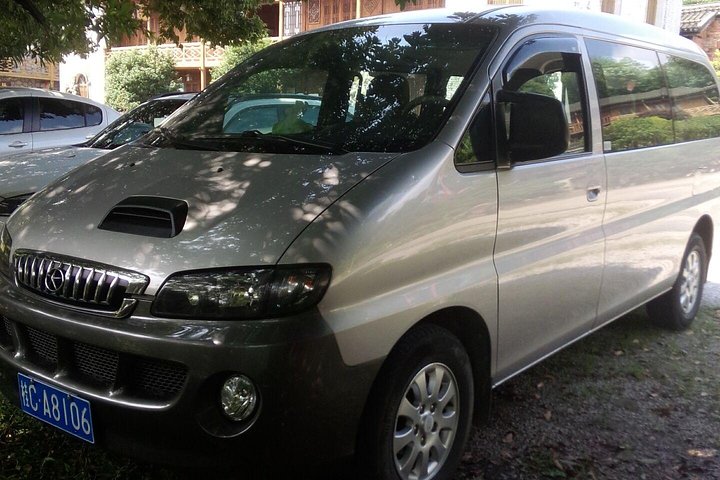
Private Transfer from Fenghuang to Guilin and stops at Hongjiang

Private transfer from Fenghuang to Guilin and stops at Hongjiang & Longsheng

1-Day Self-Guided Fanjing Mountain Tour from Fenghuang

Self-Guided Tour:Southern Great Wall and Furong old Town From Fenghuang

Private Transfer from Fenghuang to Guilin and stops at Longji Terraces

Fenghuang hotel to Longsheng(Longji Rice Terraces) hotel

Private Transfer from Fenghuang Hotel to Zhangjiajie Train Station

Fenghuang hotel to Longsheng(Longji) hotel and stops at Chengyang Dong Village
Private transfer from Fenghuang to Guilin and stops at Chengyang & Longsheng

 Best Backpacking
.jpg) Hi, I’m Johan (Netherlands 🇳🇱), the creator of TakeYourBackpack. Over the past 3 decades, I’ve backpacked through 90+ countries across six continents, gaining extensive experience with independent travel, long-term trips, and overland routes.
Hi, I’m Johan (Netherlands 🇳🇱), the creator of TakeYourBackpack. Over the past 3 decades, I’ve backpacked through 90+ countries across six continents, gaining extensive experience with independent travel, long-term trips, and overland routes.