
×

China🇨🇳 | attractionsHubei Provincial MuseumChu culture, ancient bells, archaeological finds | things to do and best time to go

Explore Guangdong MuseumExplore Yunnan Nationalities Museum

Backpacking in Hubei Provincial Museum
👀 For curious travelersattraction ranked #23
By Johan Kruseman 🇳🇱 | Updated October 15, 2026

A guard’s shoes squeak on polished stone as you lean in, nose almost touching a 2,400-year-old bronze bell, the air sharp with the tang of metal and lacquer. This is Wuhan, central China—Hubei Provincial Museum’s home turf. Forget the Instagram fantasy of empty halls and solo enlightenment; you’ll jostle with schoolkids and selfie sticks, but the payoff is real. The sheer weight of history here—bells that once shook palaces, silk that outlasted dynasties—hits harder than any glossy Shanghai skyline. It’s free, accessible, and unapologetically local, but you’ll need patience and a taste for the real, not the staged.

Discover everything you want to know in the 📖 China Travel Guide.


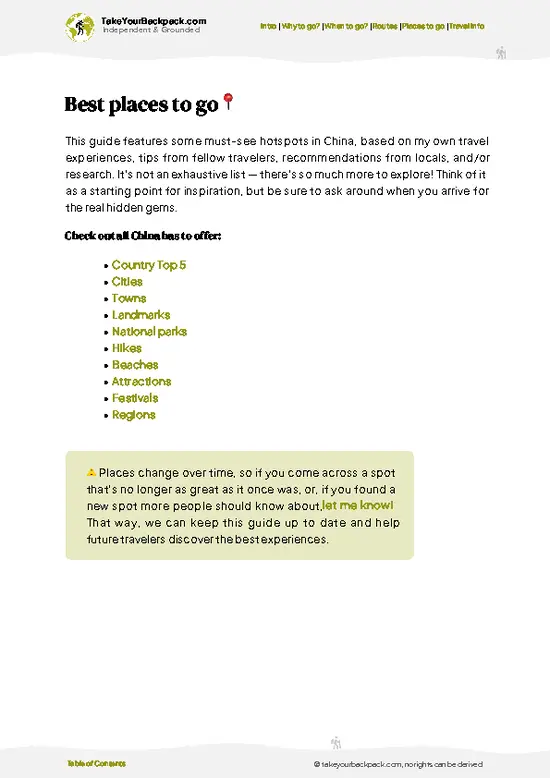
example page 0 from our offline Travel Guide for China
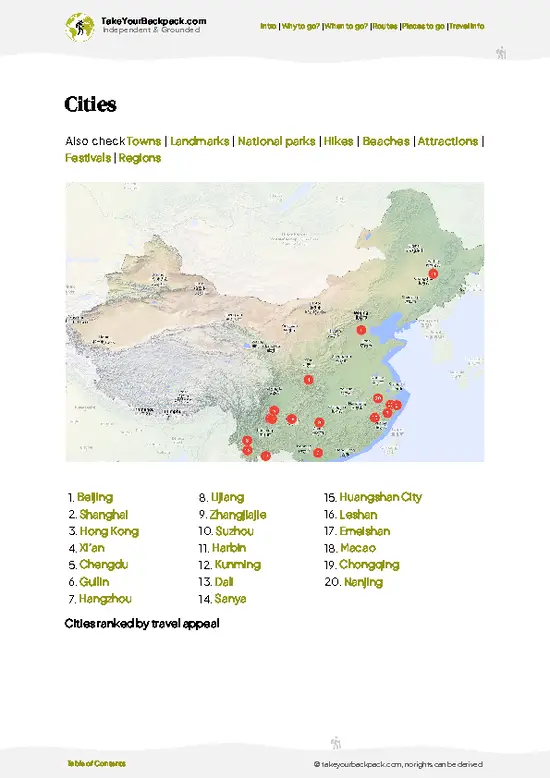
example page 1 from our offline Travel Guide for China
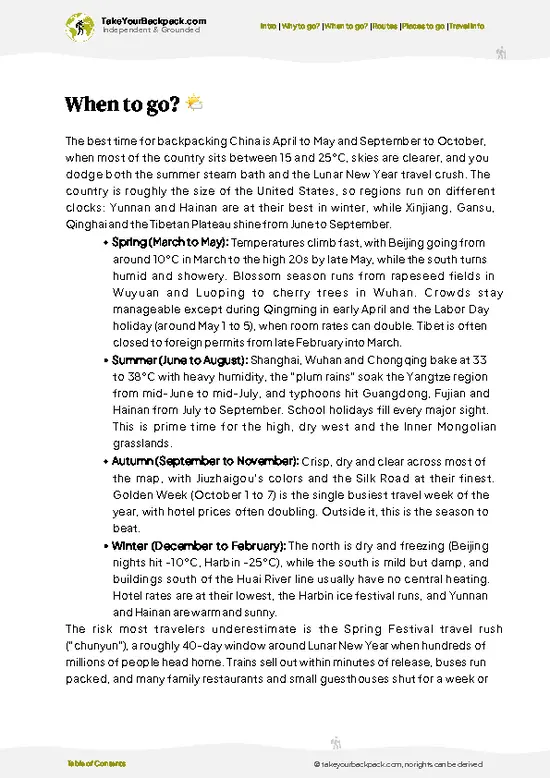
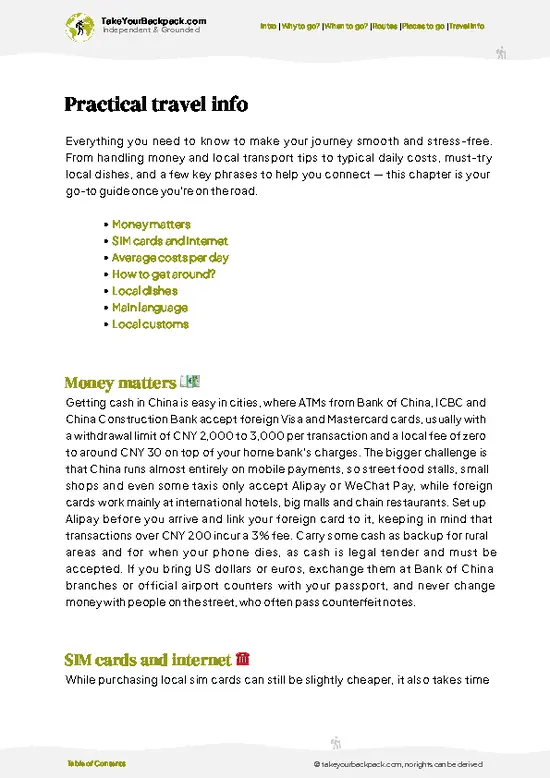
example page 2 from our offline Travel Guide for China
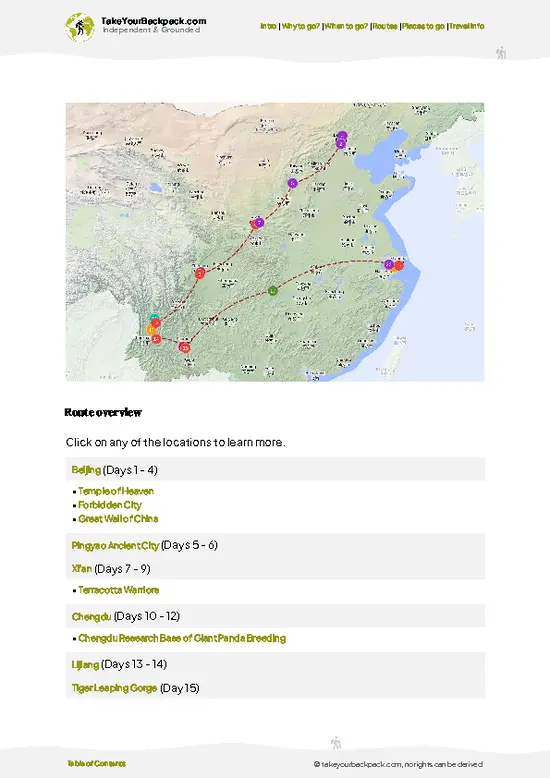
example page 3 from our offline Travel Guide for China
example page 4 from our offline Travel Guide for China
example page 5 from our offline Travel Guide for China
example page 6 from our offline Travel Guide for China
example page 7 from our offline Travel Guide for China
Loading the map 🌍
CLICK TO FILTER
cities
towns
landmarks
national parks
hikes
beaches
attractions
festivals
regions
SHOW COUNTRY’S BESTSHOW ALL

✨ Why go?
Ranked #23 attraction in China
What makes this attraction worth visiting

The Hubei Provincial Museum isn’t just another stop on the China circuit—it’s a heavyweight in cultural depth. Sure, it draws crowds, especially around the ancient Zenghouyi Tomb artifacts, but that’s because these relics are the real deal: bronze bells that sing, silk manuscripts, and jade pieces that rewrite what you thought you knew about early Chinese civilization. Backpackers grind through the lines because the museum offers a rare, tactile connection to history that no Instagram snapshot can capture. It’s a milestone on the route, a place where the effort of navigating Wuhan’s urban sprawl pays off with a genuine, mind-expanding payoff.

💡 HighlightsPlaces and moments you shouldn't skip

1. The Sword of Goujian
This isn’t just a museum piece—it’s a 2,500-year-old bronze sword that still looks sharp enough to slice through modern ego. The blade’s legendary preservation and intricate inscriptions are a direct slap in the face to anyone who thinks ancient China was all mud and myth. It’s the kind of artifact that makes you question what you thought you knew about “old stuff.”


2. The Chime Bells of Marquis Yi
If you think musical history is boring, stand in front of this wall of ancient bronze bells and let the scale hit you. These bells are massive, perfectly tuned, and occasionally played live by musicians in the museum. It’s not just a display—it’s a full-body reminder that music was high-tech long before Spotify. This is my personal favorite: the sound is haunting, regal, and … read more 👉
1. The Sword of Goujian
This isn’t just a museum piece—it’s a 2,500-year-old bronze sword that still looks sharp enough to slice through modern ego. The blade’s legendary preservation and intricate inscriptions are a direct slap in the face to anyone who thinks ancient China was all mud and myth. It’s the kind of artifact that makes you question what you thought you knew about “old stuff.”


2. The Chime Bells of Marquis Yi
If you think musical history is boring, stand in front of this wall of ancient bronze bells and let the scale hit you. These bells are massive, perfectly tuned, and occasionally played live by musicians in the museum. It’s not just a display—it’s a full-body reminder that music was high-tech long before Spotify. This is my personal favorite: the sound is haunting, regal, and absolutely unforgettable.


3. The Tomb of Marquis Yi of Zeng
You get a front-row seat to a 5th-century BCE aristocrat’s afterlife starter pack. The tomb is a labyrinth of lacquerware, weapons, and even the remains of musicians and servants. It’s a raw, unfiltered look at ancient Chinese beliefs about death, status, and the lengths people will go to impress the gods—or their neighbors.


4. Chu Culture Artifacts
Skip the generic pottery and head straight for the Chu bronzes and lacquerware. The wild, almost psychedelic designs are a reminder that ancient Hubei was a hotbed of creativity, not just a footnote in someone else’s empire. These pieces have attitude—bold colors, strange animal motifs, and a confidence that jumps off the shelf.


5. Live Demonstrations and Performances
If you time it right, you’ll catch live performances on replica chime bells or traditional instruments. This isn’t a dusty, silent museum—when the music starts, the whole place vibrates with energy. It’s the rare museum moment that feels alive, not embalmed.
Spotted a mistake or missing something? Contact us.

🌤️ When to go?Weather, crowds, and seasonal trade-offs

  • Topic: Weather and Temperature - The best months to visit are April, May, September, and October when temperatures hover between 15-25°C (59-77°F). Summers (June to August) get hot and humid, often above 30°C (86°F), making indoor museum visits less comfortable.
  • Topic: Daylight Hours - Spring and autumn offer balanced daylight, around 11-13 hours, giving you ample time to explore without rushing. Winter days are shorter, limiting your sightseeing window.
  • Topic: Crowds - Avoid major Chinese holidays like Golden Week in early October and the Spring Festival in late January or February; these times flood the museum with tourists and school groups, killing the vibe.
  • Topic: Seasonal Activities - The museum occasionally hosts special exhibitions in spring and autumn, adding depth beyond the
… read more 👉
  • Topic: Weather and Temperature - The best months to visit are April, May, September, and October when temperatures hover between 15-25°C (59-77°F). Summers (June to August) get hot and humid, often above 30°C (86°F), making indoor museum visits less comfortable.
  • Topic: Daylight Hours - Spring and autumn offer balanced daylight, around 11-13 hours, giving you ample time to explore without rushing. Winter days are shorter, limiting your sightseeing window.
  • Topic: Crowds - Avoid major Chinese holidays like Golden Week in early October and the Spring Festival in late January or February; these times flood the museum with tourists and school groups, killing the vibe.
  • Topic: Seasonal Activities - The museum occasionally hosts special exhibitions in spring and autumn, adding depth beyond the permanent displays. Summer events are rare, and winter is mostly quiet.
  • Topic: Price Fluctuations - Entry fees stay stable year-round, but expect higher prices for guided tours or special exhibits during peak seasons like October.
Pro-tip: Aim for a weekday visit in April or October morning hours to dodge crowds and soak in the artifacts without the usual crush.


source: climatestotravel.comJANJanuary: fair for travelingFEBFebruary: fair for travelingMARMarch: good for travelingAPRApril: excellent for travelingMAYMay: excellent for travelingJUNJune: fair for travelingJULJuly: fair for travelingAUGAugust: fair for travelingSEPSeptember: excellent for travelingOCTOctober: highly recommended for travelingNOVNovember: good for travelingDECDecember: good for traveling
when-to-go

✈️ The backpacker research shortcutChina Travel Guide

An offline-friendly backpacking guide with optimized travel routes, ranked highlights, transport advice, and the best areas to stay.
example page 0 from our offline Travel Guide for China
example page 1 from our offline Travel Guide for China
example page 2 from our offline Travel Guide for China
example page 3 from our offline Travel Guide for China
example page 4 from our offline Travel Guide for China
example page 5 from our offline Travel Guide for China
example page 6 from our offline Travel Guide for China
example page 7 from our offline Travel Guide for China
The digital guide (436 pages) contains:
✅ 121 highlights, ranked by travel appeal
✅ Optimized 14, 21 & 30-day travel routes
✅ Cities, national parks, landmarks, beaches
✅ How to get around
✅ Offline-friendly for travel without Wi-Fi
👉 Click to see all 30+ guide features

📅 Plan smarter in minutes, not weeks
✅ Month by month travel advice
✅ Festivals & national holidays
✅ Budget expectations

🗺️ Go to the right places, skip the overrated ones
✅ Honest pros & cons of destinations
✅ Top hikes, parks & viewpoints
✅ Lesser-known places most travelers miss
✅ Clear “worth it vs skip it” guidance

🛏️ Travel smoothly without rookie mistakes
✅ Best areas to stay
✅ Transport systems explained simply
✅ Common scams & safety advice
✅ SIM cards, money & practical tips

🌍 Understand the country, not just visit it
✅ Culture & traditions
✅ 52 Essential phrases & customs
✅ Festivals worth planning around
✅ Traveler-friendly historical context
✅ Insights that make places more meaningful

📱 Built for real travel conditions
✅ Fully downloadable PDF
✅ Works completely offline
✅ Optimized for phone use
✅ Useful in remote areas & buses
✅ Everything in one place
Stop searching, start planning
Get instant access to your full guide. 30‑day money-back guarantee.
+ Add another guide for just

By proceeding you agree to our terms.
Sent to your inbox immediately after payment • 100% Secure Checkout
Best Backpacking Travel Advisor 2025 tourism awardBest Backpacking
Travel Advisor
2025
What others say about Take Your Backpack Guides:
⭐⭐⭐⭐⭐
Fantastic, amazing amount of information!
⭐⭐⭐⭐⭐
My goodness this is amazing, it's what I've been looking for hats off too you!
⭐⭐⭐⭐⭐
I think this is absolutely BRILLIANT
⭐⭐⭐⭐
Very complete and informative. It's still missing places, but I gotta to commend you
⭐⭐⭐⭐⭐
This is truly amazing, thank you, can't wait to explore it with my kids!
⭐⭐⭐⭐⭐
Awesome resource, thank you!
⭐⭐⭐⭐⭐
This is amazing! Can't wait to explore the ones I haven't seen
⭐⭐⭐⭐
I love this! Well done, great idea.
⭐⭐⭐⭐⭐
Thanks for taking the time to make this gem!
⭐⭐⭐⭐⭐
This might be the best website I've ever seen.
⭐⭐⭐⭐⭐
Congratulations, and thank you so much for your work; it's incredibly valuable.
⭐⭐⭐⭐
In all seriousness I think you did a great job pointing out the important spots
⭐⭐⭐⭐⭐
10/10 very good
⭐⭐⭐⭐⭐
As someone who's only just starting to visit regularly this is awesome, thank you.
⭐⭐⭐⭐
Thank you very much! I'm going to visit my dad, it's going to be very useful!
⭐⭐⭐⭐⭐
This is really cool! We'll be travelling for the first time and this definitely come in handy.
⭐⭐⭐⭐⭐
You are now our minister of culture, congratulations 👨‍💼
⭐⭐⭐⭐⭐
Just wanted to tell you that this is a pearl! Going to follow your recommendations.
⭐⭐⭐⭐⭐
This is so cool. I'll definitely be using the resource for my travels soon.
⭐⭐⭐⭐⭐
This is very impressive! Good work.
⭐⭐⭐⭐⭐
This is an amazing and informative site. Very well done!

🛏️ Where to stay?How to pick the right area

Forget the postcard-perfect image of the Hubei Provincial Museum as a quiet, contemplative spot. It’s a magnet for weekend crowds and school groups, especially on weekends and holidays. That means the real charm isn’t inside the museum itself but in where you land nearby. The area around Jianghan Road offers a gritty, lived-in vibe that’s perfect for backpackers craving authenticity. It’s safe, packed with street food stalls, and buzzing with local life after hours—ideal for solo travelers who want to connect without the tourist bubble. Plus, it’s well-connected by public transit, so you can dodge … read more 👉
Forget the postcard-perfect image of the Hubei Provincial Museum as a quiet, contemplative spot. It’s a magnet for weekend crowds and school groups, especially on weekends and holidays. That means the real charm isn’t inside the museum itself but in where you land nearby. The area around Jianghan Road offers a gritty, lived-in vibe that’s perfect for backpackers craving authenticity. It’s safe, packed with street food stalls, and buzzing with local life after hours—ideal for solo travelers who want to connect without the tourist bubble. Plus, it’s well-connected by public transit, so you can dodge the crowds at the museum by timing your visits early or late. This neighborhood isn’t polished, but it’s real—and that’s where the magic happens.

👛 Costs (as of 15 October 2026)What things cost and how to budget

The entrance to Hubei Provincial Museum is generally free, but visitors may need to pay a small fee of around USD 5 for special exhibitions or audio guides. Additional costs could include transportation and optional guided tours.
⚠️ Prices can change and everyone travels differently, so take this as a rough guide. Hope it helps you plan your adventure!

FAQFrequently asked questions about Hubei Provincial Museum

2 to 3 hours is sufficient to visit Hubei Provincial Museum and see its main exhibits. This allows time to explore the ancient artifacts, including the famous Chu culture relics and the bronze collection. Allocate extra time if you want to join guided tours or attend special exhibitions.
Yes, Hubei Provincial Museum is worth the entrance fee, which is typically free but may require a small booking fee or ID deposit. The museum houses one of China's most important collections of ancient artifacts, including the well-preserved Marquis Yi of Zeng's tomb items. It offers a deep insight into regional history and culture, making it valuable for history enthusiasts.
Take Wuhan Metro Line 2 to the Provincial Museum Station, which is the most convenient way to reach Hubei Provincial Museum. The museum is located near East Lake, about 7 kilometers east of Wuhan city center. Taxis and buses are also available, but the metro is faster and more reliable during peak hours.
⚠️ Things can change over time, so always validate details locally before you go.

Other Chinese attractions near Hubei Provincial Museum

Explore more nearby:


💡 Not sure where to go next?
Create a personalized itinerary for China including Hubei Provincial Museum and the places that fit your trip.

Generate my itinerary

👉 Discover all attractions

Or checkout all China has to offer (think cities, towns, villages, national parks, hikes, beaches, festivals)
Country photo of China

We 💚 feedbackKey takeaways before you go

The Hubei Provincial Museum isn’t some quiet, off-the-beaten-path spot—it gets busy, especially on weekends. But if you’re into ancient Chinese history, the sheer scale and detail of the Chu culture artifacts here are unmatched. It’s a deep dive into a world most travelers never see, worth the crowd crush if you ask me.

✈️ When did I visit China?
As part of my 1.5 year travel around the world trip, I visited China in August 2015, coming from Mongolia by the TransMongolia Express.

✍️ Help improve this page!
The information on this page is based on my own backpacking experience in China, supplemented with up-to-date research and feedback from other travelers. Travel details can change, so if you notice anything outdated or incomplete, feel free to let me know.


🙋‍♂️ Give feedback

👋 Meet the founderWho’s Behind Take Your Backpack?

Johan, backpacker and founder of TakeYourBackpackHi, I’m Johan (Netherlands 🇳🇱), the creator of TakeYourBackpack. Over the past 3 decades, I’ve backpacked through 90+ countries across six continents, gaining extensive experience with independent travel, long-term trips, and overland routes.

This site is built on a combination of firsthand travel experience and carefully curated insights from other backpackers. Many guides are based on places I’ve personally visited, while others bring together tips, observations, and practical advice shared by trusted travelers I’ve met along the way.

The goal is to provide realistic, experience-driven guidance — not generic itineraries — so you can explore destinations with better context, clearer expectations, and more confidence.