×

China🇨🇳 | attractionsLingering Gardenrockeries, covered walkways, ornamental halls | things to do and best time to go

Explore Humble Administrator’s GardenExplore Shaanxi History Museum

Backpacking in Lingering Garden
🌟 Highlightattraction ranked #10
By Johan Kruseman 🇳🇱 | Updated October 15, 2026

A bamboo flute echoes off stone, cutting through the chatter of tour groups and the faint scent of pond water. You’re wedged between a selfie-stick brigade and a local couple arguing softly over a map, your boots scraping ancient flagstones slick with humidity. This is the Lingering Garden, tucked into the heart of Suzhou, eastern China—about a half-hour bullet train from Shanghai, but a universe away in spirit.

Here’s the truth: the crowds are relentless, especially on weekends, and ticket prices aren’t exactly backpacker pocket change. But if you can tune out the noise, the garden’s centuries-old rockeries and winding corridors deliver a kind of quiet drama you won’t find at the Great Wall or the Terracotta Army. It’s less about spectacle, more about subtlety—a place where patience pays off, and the real magic is in the details most tourists miss.

Discover everything you want to know in the 📖 China Travel Guide.


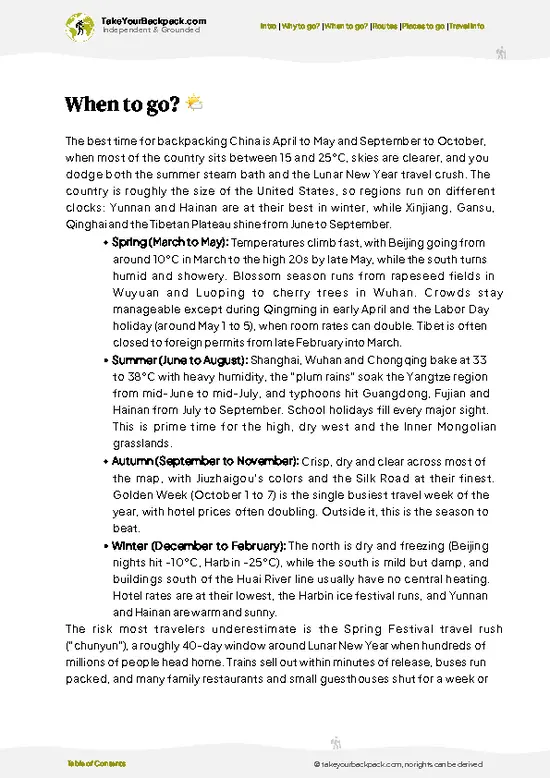
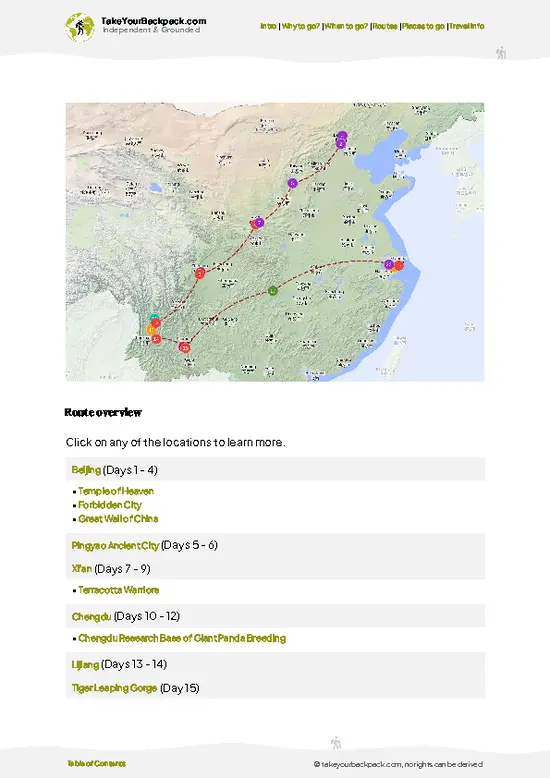
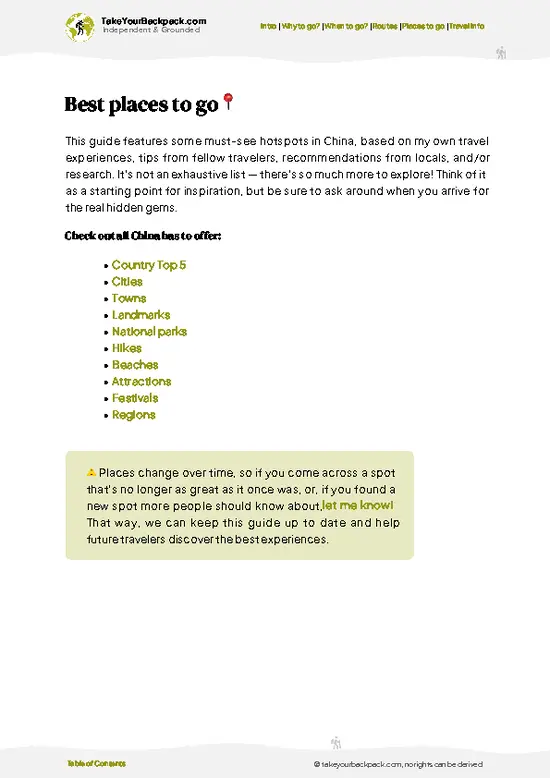
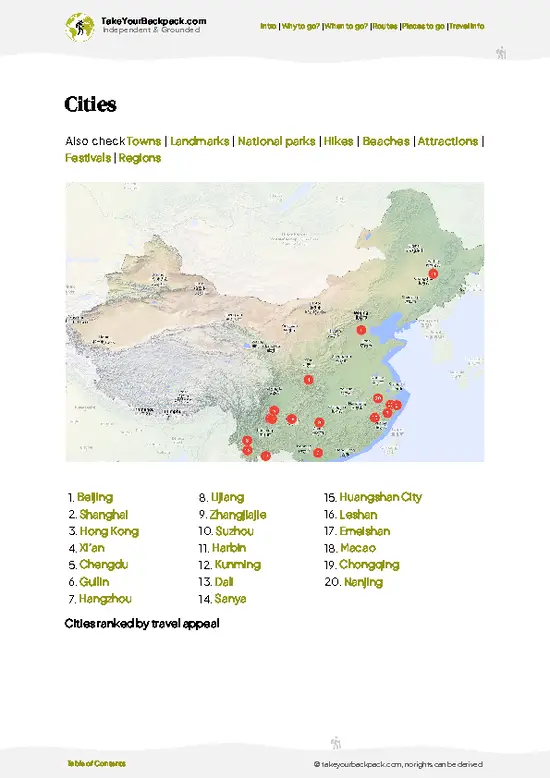
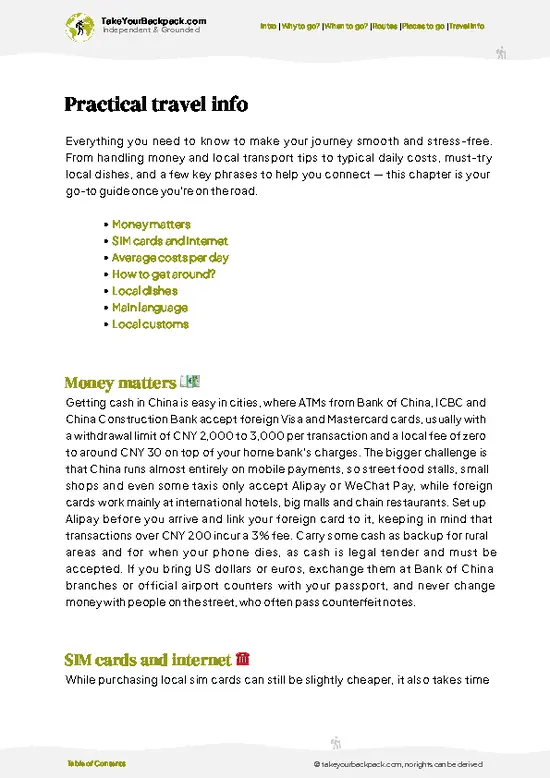
example page 0 from our offline Travel Guide for China
example page 1 from our offline Travel Guide for China
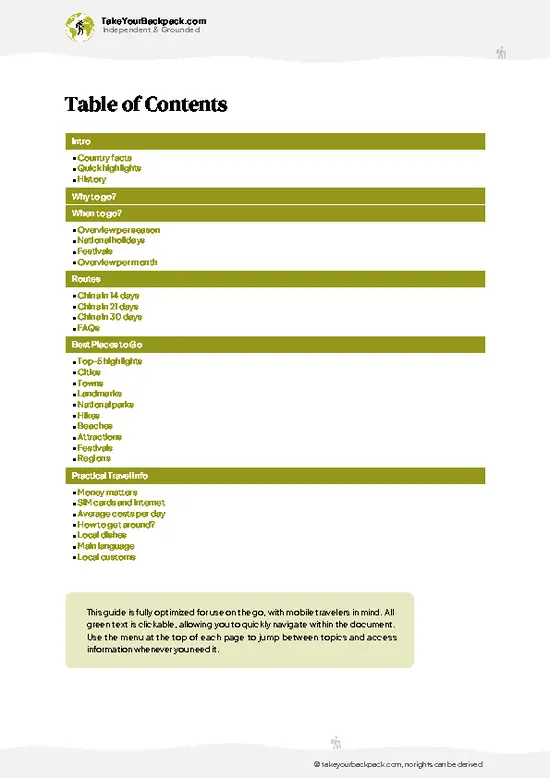
example page 2 from our offline Travel Guide for China
example page 3 from our offline Travel Guide for China
example page 4 from our offline Travel Guide for China
example page 5 from our offline Travel Guide for China
example page 6 from our offline Travel Guide for China
example page 7 from our offline Travel Guide for China
Loading the map 🌍
CLICK TO FILTER
cities
towns
landmarks
national parks
hikes
beaches
attractions
festivals
regions
SHOW COUNTRY’S BESTSHOW ALL

✨ Why go?
Ranked #10 attraction in China
Reasons people choose to visit here

The Lingering Garden in China isn’t just another pretty face on Instagram—it’s a heavyweight in the world of classical Chinese gardens. Sure, it draws crowds, especially during peak seasons, and the entry fee isn’t exactly pocket change for a backpacker. But here’s the kicker: this place is a masterclass in landscape architecture and philosophy, packed into one sprawling, meticulously crafted space. Every rock, pond, and pavilion tells a story that’s been centuries in the making, reflecting Ming dynasty aesthetics and the deep cultural value of harmony between humans and nature. It’s not just a garden; it’s a living museum of Chinese art, history, and design. For backpackers trekking through Jiangsu province, Lingering Garden is a major milestone—offering a rare chance to slow down, absorb … read more 👉
The Lingering Garden in China isn’t just another pretty face on Instagram—it’s a heavyweight in the world of classical Chinese gardens. Sure, it draws crowds, especially during peak seasons, and the entry fee isn’t exactly pocket change for a backpacker. But here’s the kicker: this place is a masterclass in landscape architecture and philosophy, packed into one sprawling, meticulously crafted space. Every rock, pond, and pavilion tells a story that’s been centuries in the making, reflecting Ming dynasty aesthetics and the deep cultural value of harmony between humans and nature. It’s not just a garden; it’s a living museum of Chinese art, history, and design. For backpackers trekking through Jiangsu province, Lingering Garden is a major milestone—offering a rare chance to slow down, absorb centuries of tradition, and see how nature and culture fuse in a way that’s both calming and intellectually thrilling. The effort to get here pays off with a kind of quiet adrenaline you won’t find in a crowded city square.

💡 HighlightsMust-see experiences and standout moments

1. The Central Pond (Lotus Pool)
Forget the Instagram shots of perfect reflections—yes, you’ll see a dozen selfie sticks fighting for the same angle. But the real magic is how the water acts as the garden’s lungs. Stand still and watch how the light bounces off the ripples, how the koi dart under the surface, and how the entire garden seems to inhale and exhale around this pool. It’s not about the photo; it’s about the rhythm of life here.


2. The Cloud-Capped Peak Stone
This isn’t just a rock. It’s a 3.3-meter-tall limestone relic, pockmarked and twisted, that’s been obsessed over for centuries. Locals treat it like a celebrity. It’s the garden’s weird, charismatic anchor—proof that the Chinese garden tradition is about celebrating the strange and imperfect, not just manicured beauty. If … read more 👉
1. The Central Pond (Lotus Pool)
Forget the Instagram shots of perfect reflections—yes, you’ll see a dozen selfie sticks fighting for the same angle. But the real magic is how the water acts as the garden’s lungs. Stand still and watch how the light bounces off the ripples, how the koi dart under the surface, and how the entire garden seems to inhale and exhale around this pool. It’s not about the photo; it’s about the rhythm of life here.


2. The Cloud-Capped Peak Stone
This isn’t just a rock. It’s a 3.3-meter-tall limestone relic, pockmarked and twisted, that’s been obsessed over for centuries. Locals treat it like a celebrity. It’s the garden’s weird, charismatic anchor—proof that the Chinese garden tradition is about celebrating the strange and imperfect, not just manicured beauty. If you want to understand Suzhou’s soul, start here.


3. The Lingering Corridor
Here’s where the crowds thin out. The corridor snakes through the garden, its walls painted with hundreds of lattice window designs. Each window frames a different slice of the landscape—bonsai, bamboo, a flash of red carp. It’s like walking through a living scroll painting, and every step gives you a new perspective. This is the garden’s secret superpower: it controls your view, and your mood, with ruthless precision.


4. The Celestial Hall of Five Peaks
This isn’t just a fancy name. The hall is a masterclass in Ming Dynasty architecture, with its dark wood beams and upturned eaves. But what makes it sing is the way it opens onto five jagged limestone peaks, arranged to mimic distant mountains. It’s a theatrical reveal—one moment you’re indoors, the next you’re staring at a miniature wilderness.


5. The Bonsai Garden (Personal Favorite)
If you think bonsai is just a hobby for patient retirees, this corner will change your mind. Hundreds of ancient, gnarled trees—some older than the United States—are displayed like living sculptures. The artistry is jaw-dropping, but it’s the atmosphere that gets you: quiet, contemplative, and just a little bit wild. I always linger here the longest. This is where the garden drops its museum mask and feels genuinely alive.
Spotted a mistake or missing something? Contact us.

🌤️ When to go?Seasonal considerations and timing

  • Weather: The Lingering Garden is best tackled in spring (April to May) or autumn (September to October). These months dodge the brutal summer heat and the damp chill of winter, offering mild, comfortable conditions perfect for wandering.
  • Temperature: Spring and autumn temperatures hover around 15-22°C (59-72°F), ideal for long strolls without sweating buckets or freezing your fingers off.
  • Daylight Hours: Expect roughly 11-13 hours of daylight during these shoulder seasons, giving you ample time to explore without rushing.
  • Crowds: Summer (June to August) draws the biggest crowds, including domestic tourists escaping the heat elsewhere. Winter is quiet but less pleasant weather-wise. Spring and autumn strike the best balance—fewer people, more breathing room.
  • Seasonal Activities: Spring
… read more 👉
  • Weather: The Lingering Garden is best tackled in spring (April to May) or autumn (September to October). These months dodge the brutal summer heat and the damp chill of winter, offering mild, comfortable conditions perfect for wandering.
  • Temperature: Spring and autumn temperatures hover around 15-22°C (59-72°F), ideal for long strolls without sweating buckets or freezing your fingers off.
  • Daylight Hours: Expect roughly 11-13 hours of daylight during these shoulder seasons, giving you ample time to explore without rushing.
  • Crowds: Summer (June to August) draws the biggest crowds, including domestic tourists escaping the heat elsewhere. Winter is quiet but less pleasant weather-wise. Spring and autumn strike the best balance—fewer people, more breathing room.
  • Seasonal Activities: Spring showcases blooming flowers that add a splash of color to the garden’s classic design. Autumn brings crisp air and vibrant foliage, enhancing the garden’s layered textures.
  • Price Fluctuations: Entry fees stay stable year-round, but accommodation and transport costs spike in summer and during Chinese public holidays. Booking outside these peaks saves you cash and hassle.
Pro-tip: Aim for a weekday visit in April or October morning hours to dodge crowds and catch the garden bathed in soft, natural light—pure magic without the Instagram chaos.


source: climatestotravel.comJANJanuary: fair for travelingFEBFebruary: fair for travelingMARMarch: good for travelingAPRApril: excellent for travelingMAYMay: excellent for travelingJUNJune: good for travelingJULJuly: fair for travelingAUGAugust: fair for travelingSEPSeptember: excellent for travelingOCTOctober: excellent for travelingNOVNovember: good for travelingDECDecember: fair for traveling
when-to-go

✈️ The backpacker research shortcutChina Travel Guide

An offline-friendly backpacking guide with optimized travel routes, ranked highlights, transport advice, and the best areas to stay.
example page 0 from our offline Travel Guide for China
example page 1 from our offline Travel Guide for China
example page 2 from our offline Travel Guide for China
example page 3 from our offline Travel Guide for China
example page 4 from our offline Travel Guide for China
example page 5 from our offline Travel Guide for China
example page 6 from our offline Travel Guide for China
example page 7 from our offline Travel Guide for China
The digital guide (436 pages) contains:
✅ 121 highlights, ranked by travel appeal
✅ Optimized 14, 21 & 30-day travel routes
✅ Cities, national parks, landmarks, beaches
✅ How to get around
✅ Offline-friendly for travel without Wi-Fi
👉 Click to see all 30+ guide features

📅 Plan smarter in minutes, not weeks
✅ Month by month travel advice
✅ Festivals & national holidays
✅ Budget expectations

🗺️ Go to the right places, skip the overrated ones
✅ Honest pros & cons of destinations
✅ Top hikes, parks & viewpoints
✅ Lesser-known places most travelers miss
✅ Clear “worth it vs skip it” guidance

🛏️ Travel smoothly without rookie mistakes
✅ Best areas to stay
✅ Transport systems explained simply
✅ Common scams & safety advice
✅ SIM cards, money & practical tips

🌍 Understand the country, not just visit it
✅ Culture & traditions
✅ 52 Essential phrases & customs
✅ Festivals worth planning around
✅ Traveler-friendly historical context
✅ Insights that make places more meaningful

📱 Built for real travel conditions
✅ Fully downloadable PDF
✅ Works completely offline
✅ Optimized for phone use
✅ Useful in remote areas & buses
✅ Everything in one place
Stop searching, start planning
Get instant access to your full guide. 30‑day money-back guarantee.
+ Add another guide for just

By proceeding you agree to our terms.
Sent to your inbox immediately after payment • 100% Secure Checkout
Best Backpacking Travel Advisor 2025 tourism awardBest Backpacking
Travel Advisor
2025
What others say about Take Your Backpack Guides:
⭐⭐⭐⭐⭐
Fantastic, amazing amount of information!
⭐⭐⭐⭐⭐
My goodness this is amazing, it's what I've been looking for hats off too you!
⭐⭐⭐⭐⭐
I think this is absolutely BRILLIANT
⭐⭐⭐⭐
Very complete and informative. It's still missing places, but I gotta to commend you
⭐⭐⭐⭐⭐
This is truly amazing, thank you, can't wait to explore it with my kids!
⭐⭐⭐⭐⭐
Awesome resource, thank you!
⭐⭐⭐⭐⭐
This is amazing! Can't wait to explore the ones I haven't seen
⭐⭐⭐⭐
I love this! Well done, great idea.
⭐⭐⭐⭐⭐
Thanks for taking the time to make this gem!
⭐⭐⭐⭐⭐
This might be the best website I've ever seen.
⭐⭐⭐⭐⭐
Congratulations, and thank you so much for your work; it's incredibly valuable.
⭐⭐⭐⭐
In all seriousness I think you did a great job pointing out the important spots
⭐⭐⭐⭐⭐
10/10 very good
⭐⭐⭐⭐⭐
As someone who's only just starting to visit regularly this is awesome, thank you.
⭐⭐⭐⭐
Thank you very much! I'm going to visit my dad, it's going to be very useful!
⭐⭐⭐⭐⭐
This is really cool! We'll be travelling for the first time and this definitely come in handy.
⭐⭐⭐⭐⭐
You are now our minister of culture, congratulations 👨‍💼
⭐⭐⭐⭐⭐
Just wanted to tell you that this is a pearl! Going to follow your recommendations.
⭐⭐⭐⭐⭐
This is so cool. I'll definitely be using the resource for my travels soon.
⭐⭐⭐⭐⭐
This is very impressive! Good work.
⭐⭐⭐⭐⭐
This is an amazing and informative site. Very well done!

🛏️ Where to stay?Best areas to stay in China

If you’re backpacking to see the Lingering Garden in Suzhou, forget the glossy brochures that make it look like a quiet stroll through a secret paradise. The reality? It’s a magnet for day-trippers and tour groups, especially on weekends. Crowds can swarm the narrow paths, and entrance fees, while not outrageous, add up if you’re hopping between gardens. So where do you crash to dodge the tourist circus but still soak in the local vibe?

Aim for the area around Guanqian Street. It’s a solid base—safe, lively, and packed with budget guesthouses and hostels where solo travelers mingle easily. You’re … read more 👉
If you’re backpacking to see the Lingering Garden in Suzhou, forget the glossy brochures that make it look like a quiet stroll through a secret paradise. The reality? It’s a magnet for day-trippers and tour groups, especially on weekends. Crowds can swarm the narrow paths, and entrance fees, while not outrageous, add up if you’re hopping between gardens. So where do you crash to dodge the tourist circus but still soak in the local vibe?

Aim for the area around Guanqian Street. It’s a solid base—safe, lively, and packed with budget guesthouses and hostels where solo travelers mingle easily. You’re close enough to the Lingering Garden for a morning visit before the crowds hit, but you also get the bonus of authentic street food stalls, teahouses, and a genuine pulse of Suzhou life after hours. This neighborhood isn’t polished for tourists; it’s where locals unwind, so you’ll catch real conversations and maybe even a few invites to join in.

Skip the fancy hotel zones. The real charm—and the best stories—happen where the city breathes, not where it’s sanitized. Guanqian Street nails that balance: accessible, social, and wallet-friendly.

👛 Costs (as of 15 October 2026)Travel costs and budget guide for Lingering Garden

As of the latest available information, the Lingering Garden in Suzhou, China, charges an admission fee of 55 Chinese Yuan (CNY) during the busy season (April, May, July to October) and 45 CNY during the off-season (January, February, March, June, November, and December). This equates to approximately €6 to €7, depending on the current exchange rate. Additional costs may include optional guided tours or audio guide rentals, which are typically available for an extra fee. It's advisable to check the official website or contact the museum directly for the most current pricing and any additional fees.

source: english.suzhou.gov.cn
⚠️ Prices can change and everyone travels differently, so take this as a rough guide. Hope it helps you plan your adventure!

FAQFrequently asked questions about Lingering Garden

2 to 3 hours is sufficient to explore Lingering Garden thoroughly, allowing time to appreciate its classical Chinese garden design and architecture.
Yes, Lingering Garden is worth the entrance fee, which is around 40 RMB. It offers a unique glimpse into traditional Chinese garden art and culture, making it a valuable cultural experience.
To get to Lingering Garden, take bus number 7, 10, or 18 to the Lingering Garden stop in Suzhou. It is located about 5 kilometers from the city center and is easily accessible by public transport.
⚠️ Things can change over time, so always validate details locally before you go.

Other Chinese attractions near Lingering Garden

Explore more nearby:


💡 Not sure where to go next?
Create a personalized itinerary for China including Lingering Garden and the places that fit your trip.

Generate my itinerary

👉 Discover all attractions

Or checkout all China has to offer (think cities, towns, villages, national parks, hikes, beaches, festivals)
Country photo of China

We 💚 feedbackFinal thoughts on visiting Lingering Garden

The Lingering Garden isn’t some quiet retreat where you’ll find solitude—expect crowds, especially on weekends. But here’s the kicker: its design is a masterclass in subtlety, with every rock and corridor crafted to shift your perspective as you wander. If you can push past the tourist buzz, you’ll catch moments of genuine Zen that no photo can capture. That’s the real magic worth your time.

✈️ When did I visit China?
As part of my 1.5 year travel around the world trip, I visited China in August 2015, coming from Mongolia by the TransMongolia Express.

✍️ Help improve this page!
The information on this page is based on my own backpacking experience in China, supplemented with up-to-date research and feedback from other travelers. Travel details can change, so if you notice anything outdated or incomplete, feel free to let me know.


🙋‍♂️ Give feedback

👋 Meet the founderWho’s Behind Take Your Backpack?

Johan, backpacker and founder of TakeYourBackpackHi, I’m Johan (Netherlands 🇳🇱), the creator of TakeYourBackpack. Over the past 3 decades, I’ve backpacked through 90+ countries across six continents, gaining extensive experience with independent travel, long-term trips, and overland routes.

This site is built on a combination of firsthand travel experience and carefully curated insights from other backpackers. Many guides are based on places I’ve personally visited, while others bring together tips, observations, and practical advice shared by trusted travelers I’ve met along the way.

The goal is to provide realistic, experience-driven guidance — not generic itineraries — so you can explore destinations with better context, clearer expectations, and more confidence.