v2.webp)
Entrance Sculpture: “Victims”
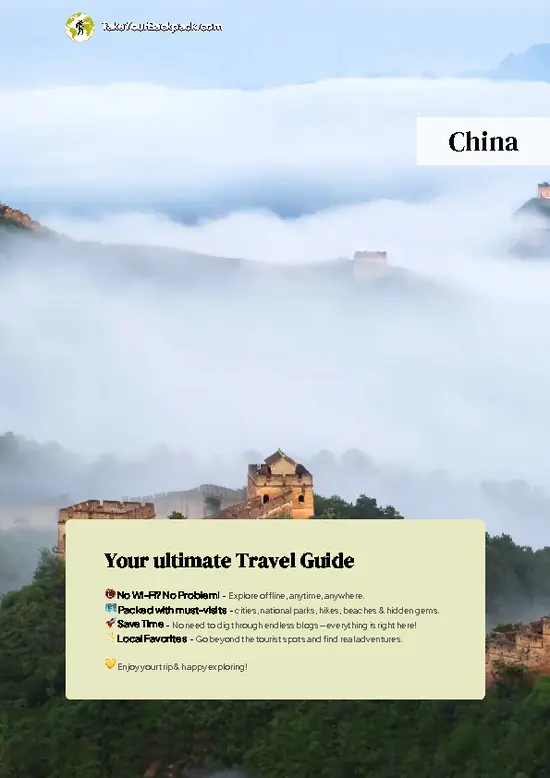
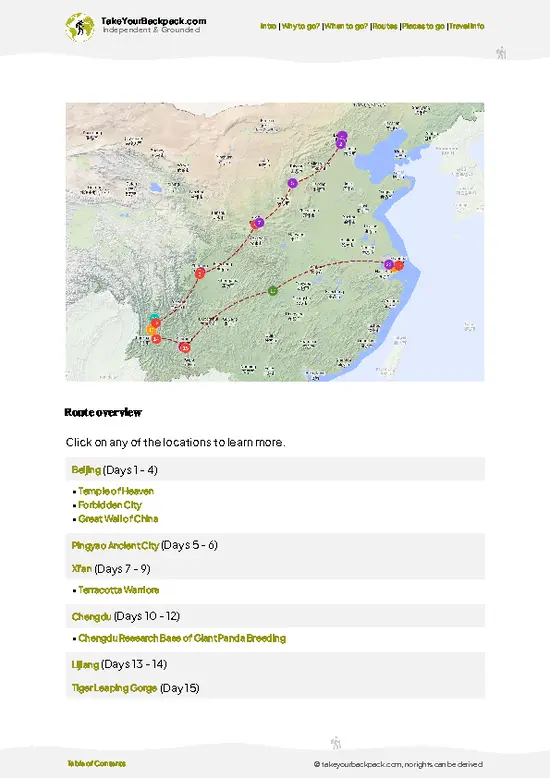
You don’t ease into the Nanjing Massacre Memorial Hall. The entrance hits you with a massive, contorted sculpture of the dead and dying—no filters, no soft focus. It’s a gut punch, and it sets the tone: this is not a place for sanitized history. The scale and rawness force you to confront the reality before you even step inside.
Mass Grave Site
This is the real deal—an excavated pit containing the remains of thousands. You’re not looking at a replica or a plaque; you’re staring at the bones. It’s one of the rare places in the world where the horror is literally beneath your feet. The glass floor lets you see the remains, and the silence here is heavier than any words.
Historical Exhibition Hall
Forget the dry museum vibe. The Exhibition Hall is a relentless barrage … read more 👉
You don’t ease into the Nanjing Massacre Memorial Hall. The entrance hits you with a massive, contorted sculpture of the dead and dying—no filters, no soft focus. It’s a gut punch, and it sets the tone: this is not a place for sanitized history. The scale and rawness force you to confront the reality before you even step inside.
Mass Grave Site
This is the real deal—an excavated pit containing the remains of thousands. You’re not looking at a replica or a plaque; you’re staring at the bones. It’s one of the rare places in the world where the horror is literally beneath your feet. The glass floor lets you see the remains, and the silence here is heavier than any words.
Historical Exhibition Hall
Forget the dry museum vibe. The Exhibition Hall is a relentless barrage … read more 👉
Entrance Sculpture: “Victims”
You don’t ease into the Nanjing Massacre Memorial Hall. The entrance hits you with a massive, contorted sculpture of the dead and dying—no filters, no soft focus. It’s a gut punch, and it sets the tone: this is not a place for sanitized history. The scale and rawness force you to confront the reality before you even step inside.
Mass Grave Site
This is the real deal—an excavated pit containing the remains of thousands. You’re not looking at a replica or a plaque; you’re staring at the bones. It’s one of the rare places in the world where the horror is literally beneath your feet. The glass floor lets you see the remains, and the silence here is heavier than any words.
Historical Exhibition Hall
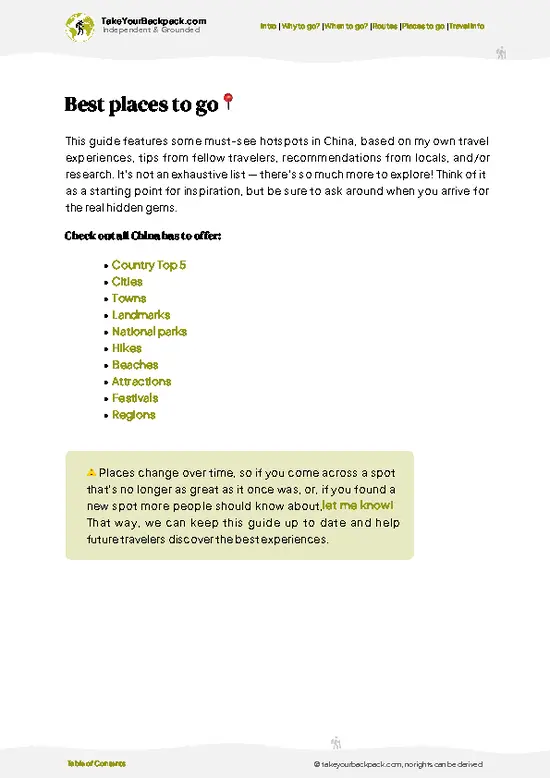
Forget the dry museum vibe. The Exhibition Hall is a relentless barrage of photos, survivor testimonies, and artifacts. The curation is sharp, not sentimental. You get the facts, the faces, and the aftermath. It’s not entertainment, but it’s impossible to look away. If you want to understand how propaganda, war, and apathy can destroy a city, this is your crash course.
Wall of Names
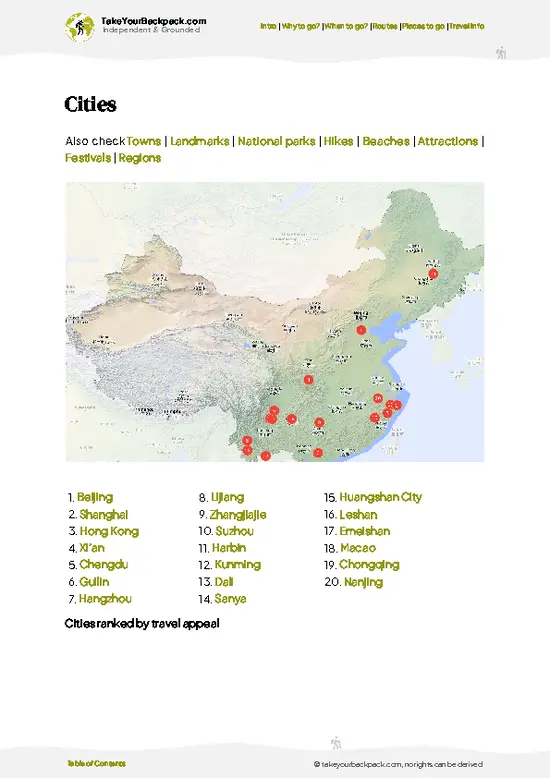
Rows upon rows of names, etched in stone. It’s not just a list—it’s a physical reminder of scale. The repetition drives home the loss in a way numbers never could. You’ll see people tracing names with their fingers, and it’s impossible not to feel the weight.
Peace Statue (Personal Favorite)
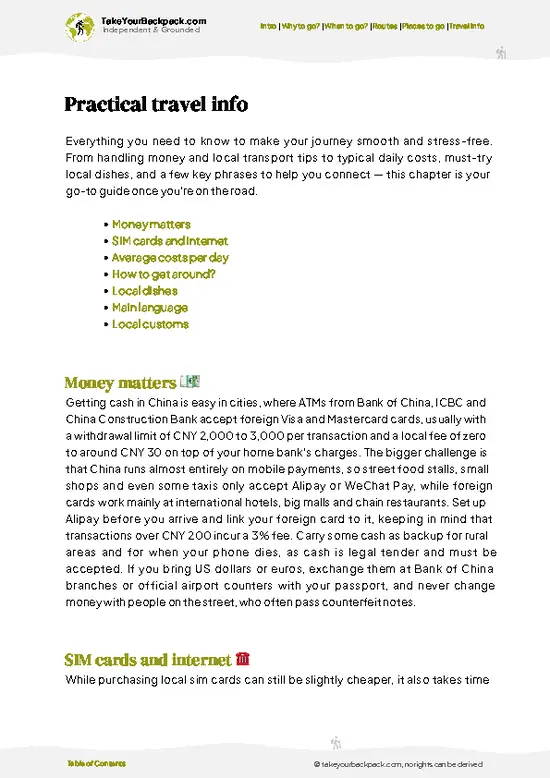
After all the brutality, you end at the Peace Statue. It’s not cheesy. It’s a battered woman holding a child, eyes closed, as if she’s survived the impossible. It’s the only spot where hope cracks through the darkness. I always linger here. It’s the reminder that survival is its own kind of defiance.
You don’t ease into the Nanjing Massacre Memorial Hall. The entrance hits you with a massive, contorted sculpture of the dead and dying—no filters, no soft focus. It’s a gut punch, and it sets the tone: this is not a place for sanitized history. The scale and rawness force you to confront the reality before you even step inside.
Mass Grave Site
This is the real deal—an excavated pit containing the remains of thousands. You’re not looking at a replica or a plaque; you’re staring at the bones. It’s one of the rare places in the world where the horror is literally beneath your feet. The glass floor lets you see the remains, and the silence here is heavier than any words.
Historical Exhibition Hall
Forget the dry museum vibe. The Exhibition Hall is a relentless barrage of photos, survivor testimonies, and artifacts. The curation is sharp, not sentimental. You get the facts, the faces, and the aftermath. It’s not entertainment, but it’s impossible to look away. If you want to understand how propaganda, war, and apathy can destroy a city, this is your crash course.
Wall of Names
Rows upon rows of names, etched in stone. It’s not just a list—it’s a physical reminder of scale. The repetition drives home the loss in a way numbers never could. You’ll see people tracing names with their fingers, and it’s impossible not to feel the weight.
Peace Statue (Personal Favorite)
After all the brutality, you end at the Peace Statue. It’s not cheesy. It’s a battered woman holding a child, eyes closed, as if she’s survived the impossible. It’s the only spot where hope cracks through the darkness. I always linger here. It’s the reminder that survival is its own kind of defiance.
Spotted a mistake or missing something? Contact us.

All Inclusive Nanjing City Private Day Tour with Tailor-Made Highlights

6-Hour Private Tour of Xiaoling Tomb,City Wall & Memorial Hall

Nanjing City Private Customized Day Tour with Lunch

Nanjing Private Day Tour of The Republic Era with Lunch

4-Hour Nanjing City Private Tailor-Made Tour in Your Way

Nanjing Private Flexible Day Tour with Professional Guide and Driver Service

Nanjing Self-Guided Day Tour with Private Car and Driver Service

2-Day Nanjing Private Flexible Customized Tour with Lunch Option

PRI Day Tour to Nanjing Massacre Memorial Hall and Qiqiao Village


 Best Backpacking
.jpg) Hi, I’m Johan (Netherlands 🇳🇱), the creator of TakeYourBackpack. Over the past 3 decades, I’ve backpacked through 90+ countries across six continents, gaining extensive experience with independent travel, long-term trips, and overland routes.
Hi, I’m Johan (Netherlands 🇳🇱), the creator of TakeYourBackpack. Over the past 3 decades, I’ve backpacked through 90+ countries across six continents, gaining extensive experience with independent travel, long-term trips, and overland routes.