×

China🇨🇳 | attractionsHumble Administrator’s Gardenclassical Suzhou garden, winding waterways, pavilions | things to do and best time to go

Explore Potala Palace Cultural Exhibition CenterExplore Lingering Garden

Backpacking in Humble Administrator’s Garden
🌟 Highlightattraction ranked #9
By Johan Kruseman 🇳🇱 | Updated October 15, 2026

Here’s what nobody tells you until you’re sweating through your second hour in Suzhou: the Humble Administrator’s Garden has shaded pavilions and zigzag bridges that let you dodge the worst of the midday sun—an absolute gift when the crowds swell and the humidity hits. Smack in the heart of Suzhou, Jiangsu Province, this isn’t some sleepy side trip; it’s one of China’s most famous classical gardens, and it knows it. Backpackers get a double-edged sword here: yes, you’ll jostle with tour groups and selfie sticks, and the ticket price is no joke by China standards. But the payoff is real. The garden’s labyrinth of lotus ponds, bonsai forests, and Ming-era architecture delivers a kind of slow-burn awe that’s rare in a country obsessed with scale. It’s not adrenaline—it’s atmosphere, and it lingers long after the crowds thin.

Discover everything you want to know in the 📖 China Travel Guide.


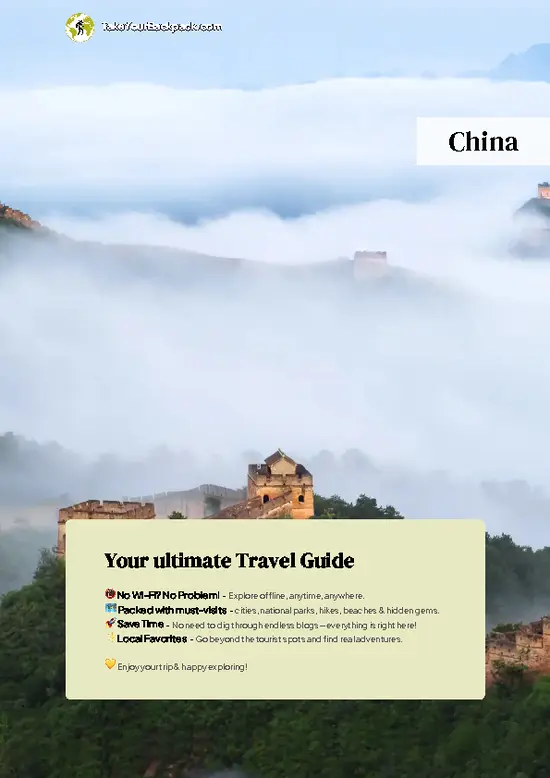
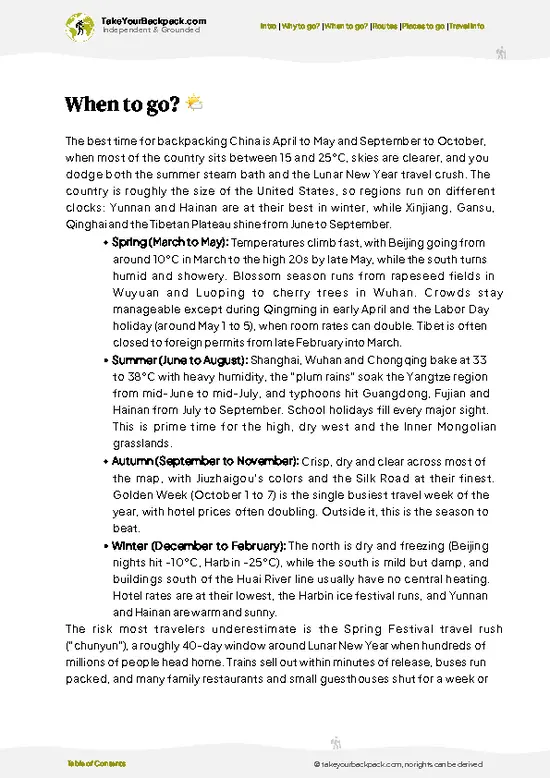
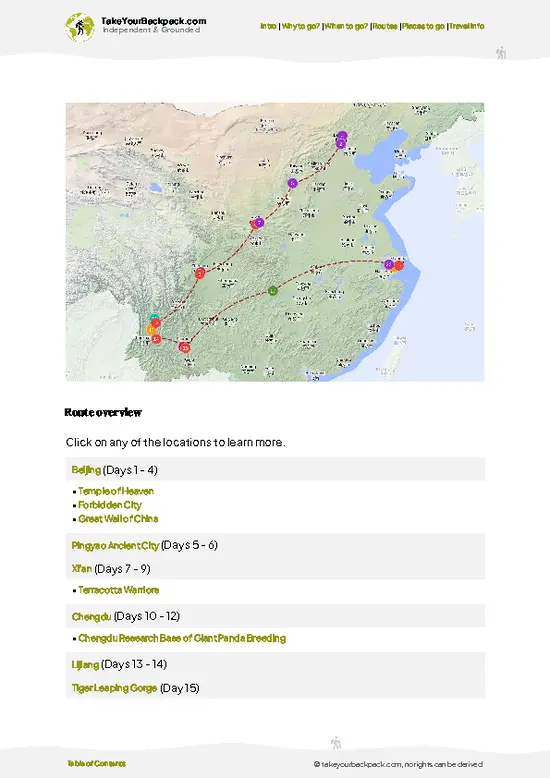
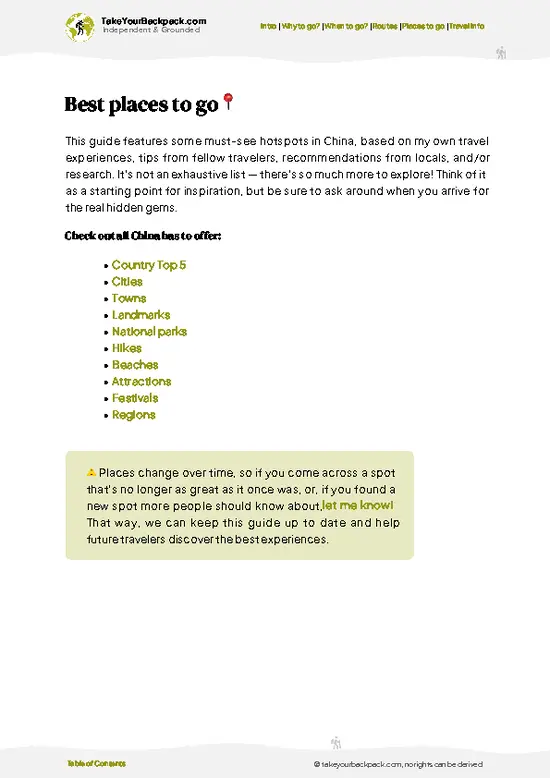
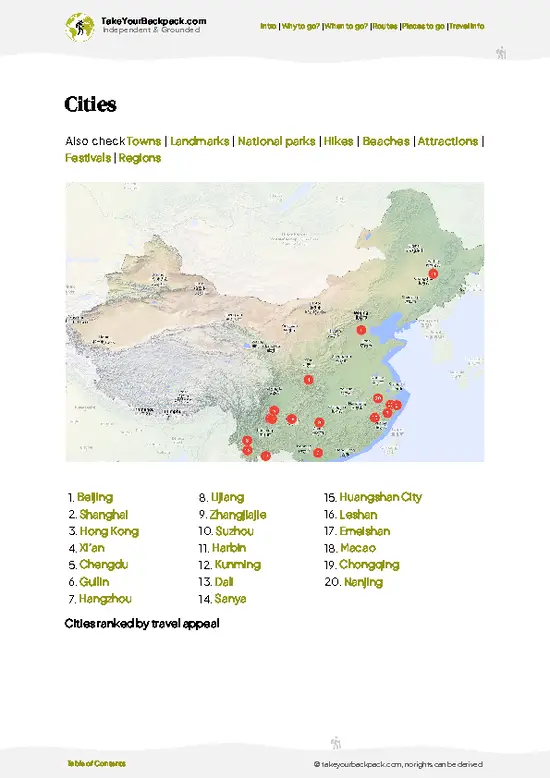
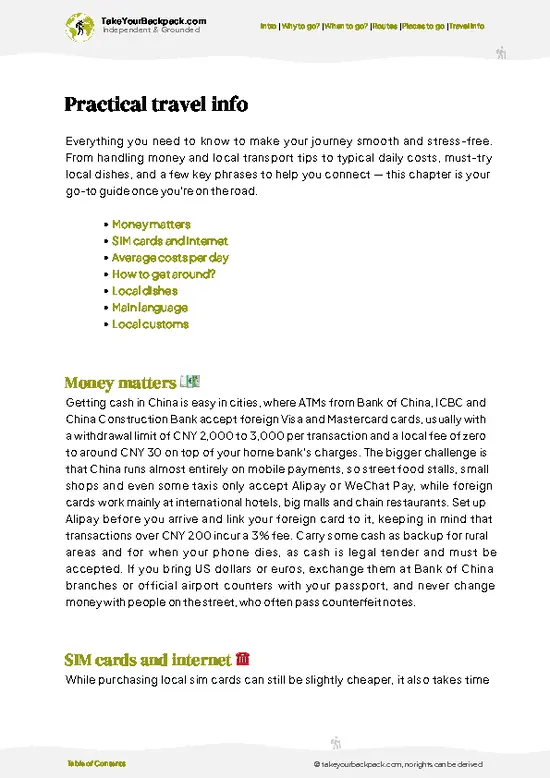
example page 0 from our offline Travel Guide for China
example page 1 from our offline Travel Guide for China
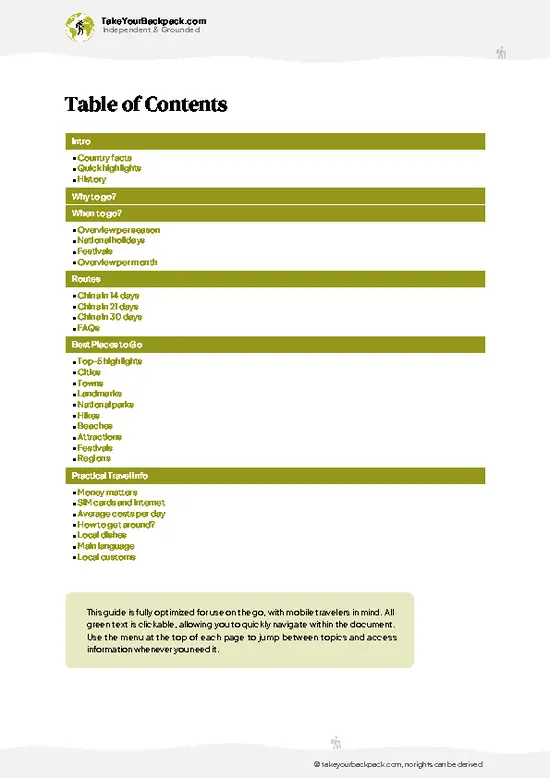
example page 2 from our offline Travel Guide for China
example page 3 from our offline Travel Guide for China
example page 4 from our offline Travel Guide for China
example page 5 from our offline Travel Guide for China
example page 6 from our offline Travel Guide for China
example page 7 from our offline Travel Guide for China
Loading the map 🌍
CLICK TO FILTER
cities
towns
landmarks
national parks
hikes
beaches
attractions
festivals
regions
SHOW COUNTRY’S BESTSHOW ALL

✨ Why go?
Ranked #9 attraction in China
What makes it a must-see attraction

The Humble Administrator’s Garden isn’t just another pretty spot on the Suzhou map—it’s a heavyweight in China’s cultural ring. Sure, it draws crowds, especially during peak season, but that’s because it’s the gold standard of classical Chinese gardens. This place isn’t about flashy Instagram shots; it’s about stepping into a living piece of history that’s been carefully preserved since the Ming Dynasty. The intricate layout of ponds, pavilions, and winding paths isn’t just for show—it’s a masterclass in landscape design that influenced gardens across Asia. Backpackers who make the trek here aren’t just ticking a box; they’re diving deep into the soul of Chinese aesthetics and philosophy. It’s a major milestone on the classic Yangtze River route, offering a rare blend of tranquility and cultural … read more 👉
The Humble Administrator’s Garden isn’t just another pretty spot on the Suzhou map—it’s a heavyweight in China’s cultural ring. Sure, it draws crowds, especially during peak season, but that’s because it’s the gold standard of classical Chinese gardens. This place isn’t about flashy Instagram shots; it’s about stepping into a living piece of history that’s been carefully preserved since the Ming Dynasty. The intricate layout of ponds, pavilions, and winding paths isn’t just for show—it’s a masterclass in landscape design that influenced gardens across Asia. Backpackers who make the trek here aren’t just ticking a box; they’re diving deep into the soul of Chinese aesthetics and philosophy. It’s a major milestone on the classic Yangtze River route, offering a rare blend of tranquility and cultural immersion that feels like a reward for the effort it takes to get here. If you want to understand China beyond the headlines, this garden is where the story unfolds in quiet, deliberate beauty.

💡 HighlightsKey sights and experiences for travelers

The Central Lotus Pond
Forget the Instagram-perfect water lilies—this pond is the beating heart of the garden, and it’s rarely as tranquil as the filtered photos suggest. You’ll be elbow-to-elbow with selfie sticks in peak season, but the real magic is in the geometry: bridges zigzagging with mathematical precision, pavilions perched like chess pieces, and reflections that turn the whole scene into a living ink painting. Stand still for a moment and watch the way locals use the space—old men practicing calligraphy, kids chasing dragonflies. This is Suzhou’s social stage, not just a photo op.


The Hall of Distant Fragrance
Here’s where the garden’s name actually delivers. In late spring, the air is thick with the scent of lotus and osmanthus, but even off-season, this hall is a masterclass in … read more 👉
The Central Lotus Pond
Forget the Instagram-perfect water lilies—this pond is the beating heart of the garden, and it’s rarely as tranquil as the filtered photos suggest. You’ll be elbow-to-elbow with selfie sticks in peak season, but the real magic is in the geometry: bridges zigzagging with mathematical precision, pavilions perched like chess pieces, and reflections that turn the whole scene into a living ink painting. Stand still for a moment and watch the way locals use the space—old men practicing calligraphy, kids chasing dragonflies. This is Suzhou’s social stage, not just a photo op.


The Hall of Distant Fragrance
Here’s where the garden’s name actually delivers. In late spring, the air is thick with the scent of lotus and osmanthus, but even off-season, this hall is a masterclass in sensory design. The windows are cut to frame the pond like a scroll painting, and the breeze carries the garden’s best aromas straight through. It’s not just a building—it’s a lesson in how architecture can choreograph your senses.


The Bonsai Garden
This isn’t your grandma’s potted plant collection. The bonsai here are ancient, gnarled, and full of attitude—some over 400 years old, twisted into shapes that look like they’ve survived a dozen dynasties. If you want to see living history, this is it. The artistry is so intense you’ll find yourself staring at a single tree for ten minutes, trying to decode its story.


The “Borrowed Scenery” Technique
This is my personal favorite. The garden’s designers were obsessed with the idea of “borrowing” distant views—framing pagodas, rooftops, and even the sky itself through carefully placed windows and doorways. It’s like a living Instagram filter, but invented centuries before the app. Stand in the right spot and you’ll see the city sneak into the garden, blurring the line between cultivated beauty and wild reality. It’s a reminder that the best views aren’t always the most obvious.


The Museum Exhibits
Most visitors skip the actual museum, which is a rookie mistake. The exhibits dig into the philosophy and engineering behind the garden—how water is managed, why certain stones are placed just so, and the stories of the eccentric scholars who once called this place home. If you want to understand why the Humble Administrator’s Garden isn’t just another pretty park, this is where you get the backstory that makes the whole place click.
Spotted a mistake or missing something? Contact us.

Things to do around Humble Administrator’s Garden

Ratings based on Tripadvisor reviews. When you book through this link, you support our work at no extra cost to you.

🌤️ When to go?Seasonal considerations and timing

  • Weather: The garden is best visited in spring (March to May) and autumn (September to November) when the weather is mild and pleasant. Summers can be hot and humid, with temperatures often hitting 30-35°C (86-95°F), making the stroll less enjoyable.
  • Temperature: Spring and autumn offer comfortable temperatures ranging from 15-25°C (59-77°F). Winters (December to February) can be chilly, dropping to 0-5°C (32-41°F), which might dampen the experience but also means fewer tourists.
  • Daylight Hours: Longer daylight in spring and autumn means more time to explore without rushing. Summers have the longest days but come with the heat and crowds, while winters have shorter daylight, limiting your window.
  • Crowds: The garden gets packed during Chinese public holidays and weekends, especially in
… read more 👉
  • Weather: The garden is best visited in spring (March to May) and autumn (September to November) when the weather is mild and pleasant. Summers can be hot and humid, with temperatures often hitting 30-35°C (86-95°F), making the stroll less enjoyable.
  • Temperature: Spring and autumn offer comfortable temperatures ranging from 15-25°C (59-77°F). Winters (December to February) can be chilly, dropping to 0-5°C (32-41°F), which might dampen the experience but also means fewer tourists.
  • Daylight Hours: Longer daylight in spring and autumn means more time to explore without rushing. Summers have the longest days but come with the heat and crowds, while winters have shorter daylight, limiting your window.
  • Crowds: The garden gets packed during Chinese public holidays and weekends, especially in April and October. Visiting on weekdays in shoulder seasons helps you avoid the throngs and enjoy the tranquility that the garden promises.
  • Seasonal Activities: Spring brings blooming flowers and lush greenery, while autumn showcases colorful foliage. Both seasons highlight the garden’s design in different ways, making these periods visually rewarding beyond just the weather.
  • Price Fluctuations: Entry fees remain fairly stable year-round, but expect slight price hikes during peak tourist seasons in spring and autumn. Off-season visits can save a few yuan, but weigh that against less favorable weather.
Pro-tip: Aim for late April or early October on a weekday morning—cool air, fewer crowds, and the garden’s natural beauty at its peak make it worth the trip.


source: climatestotravel.comJANJanuary: fair for travelingFEBFebruary: fair for travelingMARMarch: excellent for travelingAPRApril: highly recommended for travelingMAYMay: excellent for travelingJUNJune: fair for travelingJULJuly: fair for travelingAUGAugust: fair for travelingSEPSeptember: excellent for travelingOCTOctober: highly recommended for travelingNOVNovember: excellent for travelingDECDecember: fair for traveling
when-to-go

✈️ The backpacker research shortcutChina Travel Guide

An offline-friendly backpacking guide with optimized travel routes, ranked highlights, transport advice, and the best areas to stay.
example page 0 from our offline Travel Guide for China
example page 1 from our offline Travel Guide for China
example page 2 from our offline Travel Guide for China
example page 3 from our offline Travel Guide for China
example page 4 from our offline Travel Guide for China
example page 5 from our offline Travel Guide for China
example page 6 from our offline Travel Guide for China
example page 7 from our offline Travel Guide for China
The digital guide (436 pages) contains:
✅ 121 highlights, ranked by travel appeal
✅ Optimized 14, 21 & 30-day travel routes
✅ Cities, national parks, landmarks, beaches
✅ How to get around
✅ Offline-friendly for travel without Wi-Fi
👉 Click to see all 30+ guide features

📅 Plan smarter in minutes, not weeks
✅ Month by month travel advice
✅ Festivals & national holidays
✅ Budget expectations

🗺️ Go to the right places, skip the overrated ones
✅ Honest pros & cons of destinations
✅ Top hikes, parks & viewpoints
✅ Lesser-known places most travelers miss
✅ Clear “worth it vs skip it” guidance

🛏️ Travel smoothly without rookie mistakes
✅ Best areas to stay
✅ Transport systems explained simply
✅ Common scams & safety advice
✅ SIM cards, money & practical tips

🌍 Understand the country, not just visit it
✅ Culture & traditions
✅ 52 Essential phrases & customs
✅ Festivals worth planning around
✅ Traveler-friendly historical context
✅ Insights that make places more meaningful

📱 Built for real travel conditions
✅ Fully downloadable PDF
✅ Works completely offline
✅ Optimized for phone use
✅ Useful in remote areas & buses
✅ Everything in one place
Stop searching, start planning
Get instant access to your full guide. 30‑day money-back guarantee.
+ Add another guide for just

By proceeding you agree to our terms.
Sent to your inbox immediately after payment • 100% Secure Checkout
Best Backpacking Travel Advisor 2025 tourism awardBest Backpacking
Travel Advisor
2025
What others say about Take Your Backpack Guides:
⭐⭐⭐⭐⭐
Fantastic, amazing amount of information!
⭐⭐⭐⭐⭐
My goodness this is amazing, it's what I've been looking for hats off too you!
⭐⭐⭐⭐⭐
I think this is absolutely BRILLIANT
⭐⭐⭐⭐
Very complete and informative. It's still missing places, but I gotta to commend you
⭐⭐⭐⭐⭐
This is truly amazing, thank you, can't wait to explore it with my kids!
⭐⭐⭐⭐⭐
Awesome resource, thank you!
⭐⭐⭐⭐⭐
This is amazing! Can't wait to explore the ones I haven't seen
⭐⭐⭐⭐
I love this! Well done, great idea.
⭐⭐⭐⭐⭐
Thanks for taking the time to make this gem!
⭐⭐⭐⭐⭐
This might be the best website I've ever seen.
⭐⭐⭐⭐⭐
Congratulations, and thank you so much for your work; it's incredibly valuable.
⭐⭐⭐⭐
In all seriousness I think you did a great job pointing out the important spots
⭐⭐⭐⭐⭐
10/10 very good
⭐⭐⭐⭐⭐
As someone who's only just starting to visit regularly this is awesome, thank you.
⭐⭐⭐⭐
Thank you very much! I'm going to visit my dad, it's going to be very useful!
⭐⭐⭐⭐⭐
This is really cool! We'll be travelling for the first time and this definitely come in handy.
⭐⭐⭐⭐⭐
You are now our minister of culture, congratulations 👨‍💼
⭐⭐⭐⭐⭐
Just wanted to tell you that this is a pearl! Going to follow your recommendations.
⭐⭐⭐⭐⭐
This is so cool. I'll definitely be using the resource for my travels soon.
⭐⭐⭐⭐⭐
This is very impressive! Good work.
⭐⭐⭐⭐⭐
This is an amazing and informative site. Very well done!

🛏️ Where to stay?Best areas to stay in China

The Humble Administrator’s Garden is a knockout slice of classical Chinese landscaping, but let’s cut through the postcard-perfect hype. It’s a magnet for day-trippers and tour groups, especially mid-morning, so expect crowds and a steady stream of selfie sticks. The entrance fee isn’t dirt cheap either, which can sting if you’re on a tight budget. But here’s the kicker: the real magic isn’t just inside the garden walls—it’s in the neighborhoods nearby where locals live, eat, and unwind.

For backpackers, the best spots to crash are the areas just west and south of the garden, around Pingjiang … read more 👉
The Humble Administrator’s Garden is a knockout slice of classical Chinese landscaping, but let’s cut through the postcard-perfect hype. It’s a magnet for day-trippers and tour groups, especially mid-morning, so expect crowds and a steady stream of selfie sticks. The entrance fee isn’t dirt cheap either, which can sting if you’re on a tight budget. But here’s the kicker: the real magic isn’t just inside the garden walls—it’s in the neighborhoods nearby where locals live, eat, and unwind.

For backpackers, the best spots to crash are the areas just west and south of the garden, around Pingjiang Road and Shiquan Street. These neighborhoods are safe, buzzing with energy, and packed with affordable guesthouses and hostels that attract solo travelers and budget adventurers. You’ll find narrow alleys lined with teahouses, street food stalls, and quirky cafes where you can swap stories with fellow backpackers or locals who aren’t just selling you a tourist experience. It’s the kind of place where you get a real feel for Suzhou’s rhythm, away from the polished tourist traps. Staying here means you’re a short walk from the garden but immersed in the city’s authentic pulse—exactly what you want after a day of dodging crowds inside the attraction.

👛 Costs (as of 15 October 2026)Money, prices, and spending tips

The entrance ticket to Humble Administrator’s Garden typically costs around USD10 to 15. Additional costs may include guided tours or audio guides, which can range from USD3 to 5. There are no significant extra fees once inside, but budget for refreshments or souvenirs if desired.

source: szgarden.com
⚠️ Prices can change and everyone travels differently, so take this as a rough guide. Hope it helps you plan your adventure!

FAQTraveler FAQ

2 to 3 hours is sufficient to explore Humble Administrator’s Garden thoroughly, allowing time to appreciate its classical Chinese garden design and various pavilions.
Yes, the entrance fee of around 70 RMB is worth it for the well-preserved Ming Dynasty garden, its beautiful water features, and the cultural insight it offers into traditional Chinese landscaping.
Take bus number 游2 or 游5 to the Humble Administrator’s Garden stop, or walk about 15 minutes from the Suzhou Railway Station; taxis are also a convenient option if you prefer direct transport.
⚠️ Things can change over time, so always validate details locally before you go.

Other Chinese attractions near Humble Administrator’s Garden

Explore more nearby:


💡 Not sure where to go next?
Create a personalized itinerary for China including Humble Administrator’s Garden and the places that fit your trip.

Generate my itinerary

👉 Discover all attractions

Or checkout all China has to offer (think cities, towns, villages, national parks, hikes, beaches, festivals)
Country photo of China

We 💚 feedbackParting advice and final tips

The Humble Administrator’s Garden isn’t some quiet escape—expect crowds, especially on weekends, and entrance fees that feel steep if you’re used to free parks. But here’s the kicker: the way water, stone, and plants are choreographed creates a living painting that shifts with every step and season. It’s not just a garden; it’s a masterclass in subtle design that stays with you long after you leave.

✈️ When did I visit China?
As part of my 1.5 year travel around the world trip, I visited China in August 2015, coming from Mongolia by the TransMongolia Express.

✍️ Help improve this page!
The information on this page is based on my own backpacking experience in China, supplemented with up-to-date research and feedback from other travelers. Travel details can change, so if you notice anything outdated or incomplete, feel free to let me know.


🙋‍♂️ Give feedback

👋 Meet the founderWho’s Behind Take Your Backpack?

Johan, backpacker and founder of TakeYourBackpackHi, I’m Johan (Netherlands 🇳🇱), the creator of TakeYourBackpack. Over the past 3 decades, I’ve backpacked through 90+ countries across six continents, gaining extensive experience with independent travel, long-term trips, and overland routes.

This site is built on a combination of firsthand travel experience and carefully curated insights from other backpackers. Many guides are based on places I’ve personally visited, while others bring together tips, observations, and practical advice shared by trusted travelers I’ve met along the way.

The goal is to provide realistic, experience-driven guidance — not generic itineraries — so you can explore destinations with better context, clearer expectations, and more confidence.