×

China🇨🇳 | attractionsSuzhou MuseumI.M. Pei design, Ming artifacts, minimalist courtyards | things to do and best time to go

Explore Henan MuseumExplore Beidaihe Beach

Backpacking in Suzhou Museum
🌟 Highlightattraction ranked #8
By Johan Kruseman 🇳🇱 | Updated September 4, 2026

Is everyone really coming to Suzhou Museum just to gawk at I.M. Pei’s architecture? Sure, the sharp lines and whitewashed walls look great on a phone screen, but if that’s all you’re after, you’ll miss the real payoff: the way the museum’s design actually channels Suzhou’s centuries-old garden culture into a living, breathing experience. Suzhou sits just west of Shanghai, but the museum is a world apart—equal parts art vault, history lesson, and quiet oasis. For backpackers, it’s a rare spot where you can dodge the worst of the tour bus stampede if you time it right (avoid weekends, trust me), and entry is free, which is a minor miracle in a country where ticket prices can feel like a shakedown. The crowds can be thick, but the vibe is contemplative, not chaotic—a welcome breather after the sensory overload of China’s mega-cities.

Discover everything you want to know in the 📖 China Travel Guide.


Get your China guide
130 ranked highlights, routes & tips, works offline (463 pages)
Loading the map 🌍
CLICK TO FILTER
cities
towns
landmarks
national parks
hikes
beaches
attractions
festivals
regions
SHOW COUNTRY’S BESTSHOW ALL

✨ Why go?
Ranked #8 attraction in China
What sets this place apart

Suzhou Museum isn’t just another stop on the China backpacker circuit—it’s a checkpoint where history, art, and architecture collide in a way that punches above its weight. Sure, it’s not the kind of place that floods your Instagram feed with crowds of selfie-stick wielders, but that’s part of its charm. The museum’s design, courtesy of I.M. Pei, is a masterclass in blending modern minimalism with traditional Chinese aesthetics—think sharp angles meeting delicate garden courtyards. Inside, the exhibits don’t just show artifacts; they tell stories of Suzhou’s silk trade, classical gardens, and centuries-old craftsmanship that shaped the region’s identity. It’s a cultural deep dive that rewards the effort of navigating the city’s maze-like streets. For backpackers threading through Jiangsu province, … read more 👉
Suzhou Museum isn’t just another stop on the China backpacker circuit—it’s a checkpoint where history, art, and architecture collide in a way that punches above its weight. Sure, it’s not the kind of place that floods your Instagram feed with crowds of selfie-stick wielders, but that’s part of its charm. The museum’s design, courtesy of I.M. Pei, is a masterclass in blending modern minimalism with traditional Chinese aesthetics—think sharp angles meeting delicate garden courtyards. Inside, the exhibits don’t just show artifacts; they tell stories of Suzhou’s silk trade, classical gardens, and centuries-old craftsmanship that shaped the region’s identity. It’s a cultural deep dive that rewards the effort of navigating the city’s maze-like streets. For backpackers threading through Jiangsu province, Suzhou Museum is a milestone that offers a breather from the usual tourist blitz, delivering a quiet but powerful connection to China’s layered past. It’s not flashy, but it’s real—and that’s why it earns a spot on any serious route.
Want to include Suzhou Museum in your China route?
Create a personalized China itinerary that includes Suzhou Museum and the places that fit your trip — based on your travel style, budget, and available time. Get your route in seconds.

Generate my trip

💡 HighlightsKey sights and experiences for travelers

I.M. Pei’s Architectural Playground
Let’s cut through the hype: yes, you’ll see people posing for selfies in every corner, but the real showstopper is the building itself. I.M. Pei didn’t just design a museum—he staged a dialogue between razor-sharp modernism and Suzhou’s ancient garden tradition. The geometry is so precise it almost feels mischievous, with light bouncing off white walls and reflecting pools that make you forget you’re in a city of ten million. If you’re the type who gets bored in museums, this one will keep your eyes—and your camera—busy. (And yes, it’s my personal favorite. I’ve spent more time staring at the shadows on the floor here than at some entire national parks.)


The Ming and Qing Dynasty Galleries
Skip the urge to rush past the ceramics and scrolls. These galleries … read more 👉
I.M. Pei’s Architectural Playground
Let’s cut through the hype: yes, you’ll see people posing for selfies in every corner, but the real showstopper is the building itself. I.M. Pei didn’t just design a museum—he staged a dialogue between razor-sharp modernism and Suzhou’s ancient garden tradition. The geometry is so precise it almost feels mischievous, with light bouncing off white walls and reflecting pools that make you forget you’re in a city of ten million. If you’re the type who gets bored in museums, this one will keep your eyes—and your camera—busy. (And yes, it’s my personal favorite. I’ve spent more time staring at the shadows on the floor here than at some entire national parks.)


The Ming and Qing Dynasty Galleries
Skip the urge to rush past the ceramics and scrolls. These galleries are a crash course in what made Suzhou a cultural powerhouse for centuries. You’ll see lacquerware, silk, and calligraphy that actually lived through dynasties—no replicas here. The curation is tight, so you’re not wading through endless glass cases. Instead, you get a greatest-hits tour of Chinese artistry, minus the museum fatigue.


The Scholar’s Garden Courtyards
Suzhou is famous for its classical gardens, but the museum’s courtyards are a clever remix. Pei distilled the essence of Suzhou’s private gardens—rockeries, bamboo, water, and all—into compact, contemplative spaces. You can actually hear yourself think here, which is more than I can say for the city’s more famous (and mobbed) gardens. It’s a rare chance to experience the garden tradition without elbowing through tour groups.


Temporary Exhibitions
Here’s the wildcard: the rotating exhibitions are where the museum flexes its creative muscle. One month it’s contemporary ink painting, the next it’s avant-garde sculpture or a deep dive into local history. The quality is consistently high, and the themes often riff on Suzhou’s identity—bridging past and present in ways that feel fresh, not forced. If you’re lucky, you’ll catch something that makes you rethink what a Chinese museum can be.


The Rooftop and Water Features
Most visitors miss this: the rooftop and water features aren’t just pretty—they’re engineered for reflection, both literal and mental. The pools mirror the sky and the city, blurring the line between inside and out. It’s a spot to decompress, away from the crowds, and watch the play of light that Pei obsessed over. If you want a moment of real magic, this is where you’ll find it—no filter needed.
Spotted a mistake or missing something? Contact us.

Things to do around Suzhou Museum

Ratings based on Tripadvisor reviews. When you book through this link, you support our work at no extra cost to you.

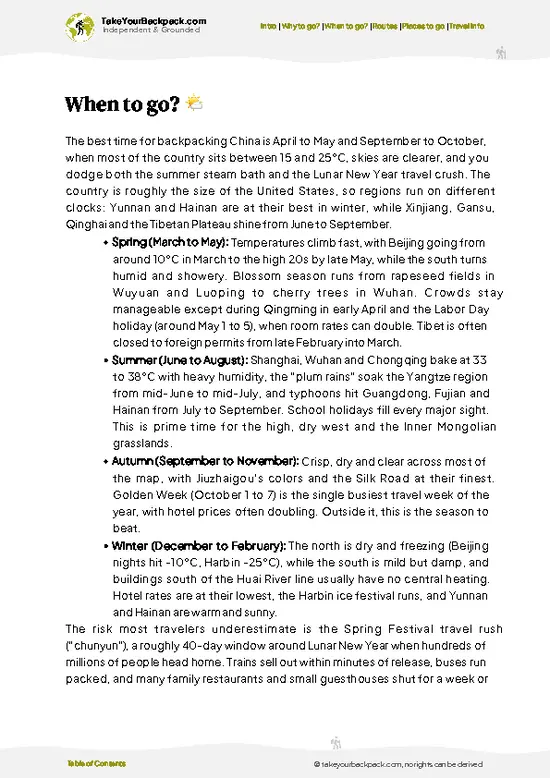
🌤️ When to go?Weather, crowds, and seasonal trade-offs


  • Weather: The best time to visit Suzhou Museum is during spring (March to May) and autumn (September to November). These months offer mild, comfortable weather, avoiding the stifling summer heat and the damp chill of winter.

  • Temperature: Spring temperatures hover around 15-22°C (59-72°F), while autumn sees 18-24°C (64-75°F). These ranges keep you comfortable while wandering the museum’s open courtyards and gardens.

  • Daylight Hours: Expect roughly 11-13 hours of daylight in spring and autumn, enough time to explore without rushing but not so long that you get museum fatigue.

  • Crowds: Avoid Chinese public holidays like Golden Week in early October and Labor Day in May. These periods flood Suzhou with tourists, turning the museum into a photo-op traffic jam.

  • Seasonal Activities: Spring
read more 👉

  • Weather: The best time to visit Suzhou Museum is during spring (March to May) and autumn (September to November). These months offer mild, comfortable weather, avoiding the stifling summer heat and the damp chill of winter.

  • Temperature: Spring temperatures hover around 15-22°C (59-72°F), while autumn sees 18-24°C (64-75°F). These ranges keep you comfortable while wandering the museum’s open courtyards and gardens.

  • Daylight Hours: Expect roughly 11-13 hours of daylight in spring and autumn, enough time to explore without rushing but not so long that you get museum fatigue.

  • Crowds: Avoid Chinese public holidays like Golden Week in early October and Labor Day in May. These periods flood Suzhou with tourists, turning the museum into a photo-op traffic jam.

  • Seasonal Activities: Spring brings blooming gardens around the museum, adding a natural layer to your visit. Autumn offers crisp air and fewer bugs, making outdoor areas more pleasant.

  • Price Fluctuations: Entry fees stay stable year-round, but accommodation and transport costs spike during peak holiday periods, so plan accordingly.


Pro-tip: Aim for a weekday morning in late April or early October to dodge crowds and enjoy the museum’s architecture and exhibits in near solitude.


source: climatestotravel.comJANJanuary: fair for travelingFEBFebruary: fair for travelingMARMarch: excellent for travelingAPRApril: excellent for travelingMAYMay: good for travelingJUNJune: fair for travelingJULJuly: below average for travelingAUGAugust: below average for travelingSEPSeptember: excellent for travelingOCTOctober: highly recommended for travelingNOVNovember: excellent for travelingDECDecember: fair for traveling
when-to-go

✈️ The backpacker research shortcutChina Travel Guide

An offline-friendly backpacking guide with optimized travel routes, ranked highlights, transport advice, and the best areas to stay.
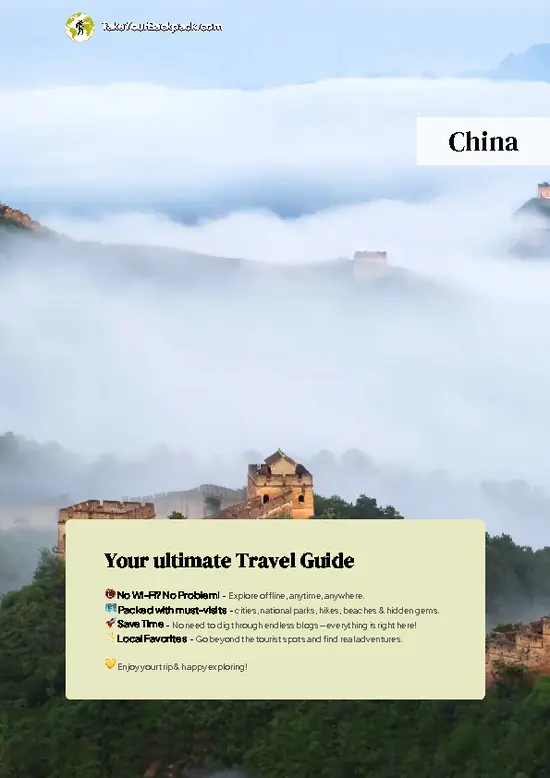
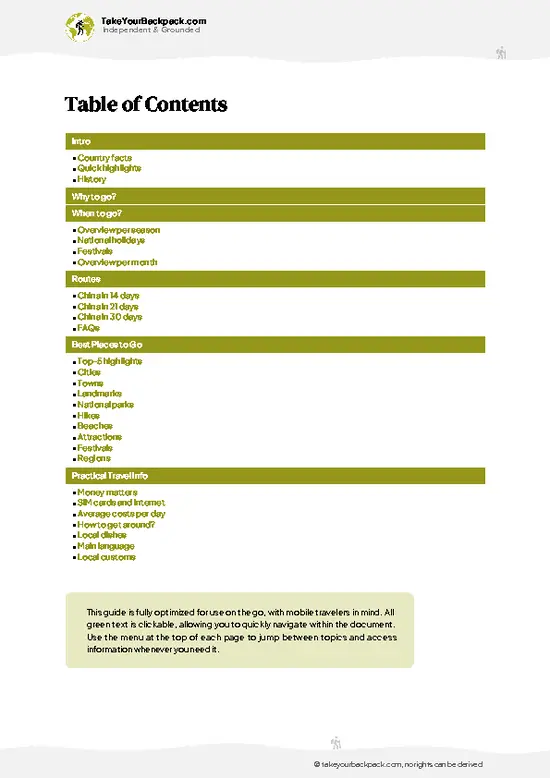
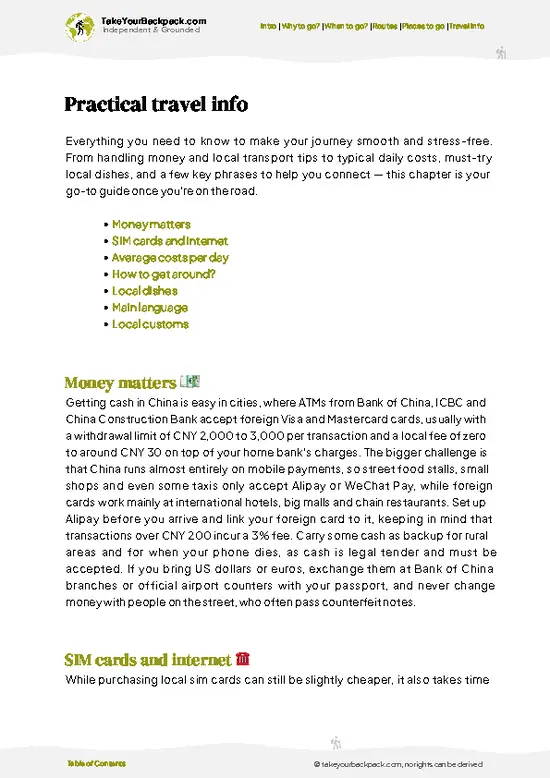
example page 0 from our offline Travel Guide for China
example page 1 from our offline Travel Guide for China
example page 2 from our offline Travel Guide for China
example page 3 from our offline Travel Guide for China
example page 4 from our offline Travel Guide for China
example page 5 from our offline Travel Guide for China
example page 6 from our offline Travel Guide for China
example page 7 from our offline Travel Guide for China
The digital guide (463 pages) contains:
130 highlights, ranked by travel appeal
Optimized 14, 21 & 30-day travel routes
Cities, national parks, landmarks, beaches
How to get around
Offline-friendly for travel without Wi-Fi
👉 Click to see all 30+ guide features

📅 Plan smarter in minutes, not weeks
Month by month travel advice
Festivals & national holidays
Budget expectations

🗺️ Go to the right places, skip the overrated ones
Honest pros & cons of destinations
Top hikes, parks & viewpoints
Lesser-known places most travelers miss
Clear “worth it vs skip it” guidance

🛏️ Travel smoothly without rookie mistakes
Best areas to stay
Transport systems explained simply
Common scams & safety advice
SIM cards, money & practical tips

🌍 Understand the country, not just visit it
Culture & traditions
52 Essential phrases & customs
Festivals worth planning around
Traveler-friendly historical context
Insights that make places more meaningful

📱 Built for real travel conditions
Fully downloadable PDF
Works completely offline
Optimized for phone use
Useful in remote areas & buses
Everything in one place
Save weeks of stressful planning
Get instant access to your full guide. 30‑day money-back guarantee.
+ Add another guide for just US$7.80

By proceeding you agree to our terms.
Sent to your inbox immediately after payment • 100% Secure Checkout
Best Backpacking Travel Advisor 2025 tourism awardBest Backpacking
Travel Advisor
2025
What others say about Take Your Backpack Guides:
⭐⭐⭐⭐⭐
Fantastic, amazing amount of information!
⭐⭐⭐⭐⭐
My goodness this is amazing, it's what I've been looking for hats off too you!
⭐⭐⭐⭐⭐
I think this is absolutely BRILLIANT
⭐⭐⭐⭐
Very complete and informative. It's still missing places, but I gotta to commend you
⭐⭐⭐⭐⭐
This is truly amazing, thank you, can't wait to explore it with my kids!
⭐⭐⭐⭐⭐
Awesome resource, thank you!
⭐⭐⭐⭐⭐
This is amazing! Can't wait to explore the ones I haven't seen
⭐⭐⭐⭐
I love this! Well done, great idea.
⭐⭐⭐⭐⭐
Thanks for taking the time to make this gem!
⭐⭐⭐⭐⭐
This might be the best website I've ever seen.
⭐⭐⭐⭐⭐
Congratulations, and thank you so much for your work; it's incredibly valuable.
⭐⭐⭐⭐
In all seriousness I think you did a great job pointing out the important spots
⭐⭐⭐⭐⭐
10/10 very good
⭐⭐⭐⭐⭐
As someone who's only just starting to visit regularly this is awesome, thank you.
⭐⭐⭐⭐
Thank you very much! I'm going to visit my dad, it's going to be very useful!
⭐⭐⭐⭐⭐
This is really cool! We'll be travelling for the first time and this definitely come in handy.
⭐⭐⭐⭐⭐
You are now our minister of culture, congratulations 👨‍💼
⭐⭐⭐⭐⭐
Just wanted to tell you that this is a pearl! Going to follow your recommendations.
⭐⭐⭐⭐⭐
This is so cool. I'll definitely be using the resource for my travels soon.
⭐⭐⭐⭐⭐
This is very impressive! Good work.
⭐⭐⭐⭐⭐
This is an amazing and informative site. Very well done!

🛏️ Where to stay?Best areas and accommodation options

Suzhou Museum sits in a part of the city that’s easy to romanticize but tricky to navigate if you’re chasing the real deal. The immediate area around the museum is quiet, almost too quiet for solo backpackers looking to meet others or soak up local energy. It’s safe, yes, but more suited for a quick cultural hit than hanging out. If you want to be close to the museum but still plugged into the pulse of Suzhou, aim for the neighborhoods just south or southeast of the museum, near Guanqian Street or Shiquan Street. These areas are where locals and travelers collide—street food stalls, teahouses, … read more 👉
Suzhou Museum sits in a part of the city that’s easy to romanticize but tricky to navigate if you’re chasing the real deal. The immediate area around the museum is quiet, almost too quiet for solo backpackers looking to meet others or soak up local energy. It’s safe, yes, but more suited for a quick cultural hit than hanging out. If you want to be close to the museum but still plugged into the pulse of Suzhou, aim for the neighborhoods just south or southeast of the museum, near Guanqian Street or Shiquan Street. These areas are where locals and travelers collide—street food stalls, teahouses, and small shops create a lively backdrop that’s far from the sterile museum zone.

These neighborhoods offer a mix of affordable guesthouses and hostels that attract budget travelers and solo adventurers. You’ll find people swapping stories over cheap noodles or planning their next move. It’s not luxury, but it’s real life—safe streets, easy access to public transport, and a vibe that’s more “living city” than “tourist bubble.” Staying here means you get the museum’s culture without losing the gritty, social side of Suzhou that makes the trip worth it.

👛 Costs (as of 4 September 2026)Typical daily expenses

Admission to Suzhou Museum is free for all visitors. However, advance booking is mandatory. Tickets must be reserved online through the museum's official WeChat mini-program, with booking opening seven days prior to the visit date. Each ticket allows one person for single entry to the museum. When the number of visitors exceeds the maximum daily capacity, the museum will implement visitor flow restriction measures. ([suzhoumoca.com](https://www.suzhoumoca.com/en/page/visitor-guide?utm_source=openai))

source: szmuseum.com
⚠️ Prices can change and everyone travels differently, so take this as a rough guide. Hope it helps you plan your adventure!

FAQFrequently asked questions about Suzhou Museum

2 to 3 hours is sufficient to visit Suzhou Museum. This allows time to explore the main exhibits and the architecture designed by I.M. Pei. Allocate extra time if you want to visit the nearby Humble Administrator's Garden.
Yes, Suzhou Museum is worth the entrance fee, which is free for most visitors but may require a small fee for special exhibitions. The museum offers a unique blend of traditional Chinese art and modern architecture, making it a valuable cultural experience.
Take bus lines 7, 10, or 64 to the Suzhou Museum stop, or walk from the Humble Administrator's Garden, which is about 500 meters away. Taxis and ride-hailing apps are also convenient options, especially if you are coming from farther locations.
⚠️ Things can change over time, so always validate details locally before you go.

Other Chinese attractions near Suzhou Museum

Explore more nearby:


💡 Not sure where to go next?
Create a personalized itinerary for China including Suzhou Museum and the places that fit your trip.

Generate my itinerary

👉 Discover all attractions

Or checkout all China has to offer (think cities, towns, villages, national parks, hikes, beaches, festivals)
Country photo of China

We 💚 feedbackSumming up the experience

Suzhou Museum isn’t just another pretty building—it’s a masterclass in blending old and new, with I.M. Pei’s sharp angles playing off classical Chinese gardens. But heads up: it gets packed, especially on weekends, and the quiet you crave can vanish fast. Still, if you time it right, the way history and modern design collide here is worth every second of the wait.

✈️ When did I visit China?
As part of my 1.5 year travel around the world trip, I visited China in August 2015, coming from Mongolia by the TransMongolia Express.

✍️ Help improve this page!
The information on this page is based on my own backpacking experience in China, supplemented with up-to-date research and feedback from other travelers. Travel details can change, so if you notice anything outdated or incomplete, feel free to let me know.


🙋‍♂️ Give feedback

👋 Meet the founderWho’s Behind Take Your Backpack?

Johan, backpacker and founder of TakeYourBackpackHi, I’m Johan (Netherlands 🇳🇱), the creator of TakeYourBackpack. Over the past decade, I’ve backpacked through 80+ countries across six continents, gaining extensive experience with independent travel, long-term trips, and overland routes.

This site is built on a combination of firsthand travel experience and carefully curated insights from other backpackers. Many guides are based on places I’ve personally visited, while others bring together tips, observations, and practical advice shared by trusted travelers I’ve met along the way.

The goal is to provide realistic, experience-driven guidance — not generic itineraries — so you can explore destinations with better context, clearer expectations, and more confidence.

Get full China guide •
Instant download • 130 highlights • Full Offline guide