×

China🇨🇳 | citiesKaifengSong dynasty relics, night markets, lakeside parks | things to do and best time to go

Explore QufuExplore Zhengzhou

Backpacking in Kaifeng
👍 Recommendedcity ranked #27
By Johan Kruseman 🇳🇱 | Updated June 9, 2026

Most people either confuse Kaifeng with “just another Henan city” or assume it’s a theme-park version of its Song-dynasty past; it’s neither. Sitting on the Yellow River plain east of Zhengzhou in central China, Kaifeng is a low-rise, lived-in former capital where night markets, the old city wall, and Millennium City Park feel more local than polished. It’s cheap, safe, and easy to navigate, but backpacker infrastructure and foreigner-friendly nightlife are thin, so you trade hostels and expat bars for dumpling stalls, temple courtyards, and curious stares.

Discover everything you want to know in the 📖 China Travel Guide.


Get your China guide
139 ranked highlights, routes & tips, works offline (496 pages)
Loading the map 🌍
CLICK TO FILTER
cities
towns
landmarks
national parks
hikes
beaches
attractions
festivals
regions
SHOW COUNTRY’S BESTSHOW ALL

✨ Why go?
Ranked #27 city in China
What sets this place apart

Kaifeng is a strategic stop for backpackers weaving through China. Its affordable hostels offer a cozy basecamp, perfect for those wanting to stretch their budget without sacrificing comfort. The city is walkable, making it easy to explore local food stalls and vibrant markets. With a mix of cultural highlights and nightlife, you can dive into the local scene without feeling rushed. Plus, it’s a gateway for day trips to nearby attractions, enhancing your travel experience. If you’re looking for a place that balances value and character, Kaifeng fits the bill, whether for a quick stop or a deeper dive.
Want to include Kaifeng in your China route?
Create a personalized China itinerary that includes Kaifeng and the places that fit your trip — based on your travel style, budget, and available time. Get your route in seconds.

Generate my trip

💡 HighlightsPlaces and moments you shouldn't skip

  1. Iron Pagoda (Tie Ta) — A striking 11th-century Song-dynasty pagoda of glazed bricks that somehow survived floods and wars; great for close-up shots of the carved reliefs and to feel the scale of Kaifeng’s ancient capital era.
  2. Dragon Pavilion / Longting Park — The raised pavilion and surrounding gardens sit on the site of the old imperial palace; you get sweeping views, historic architecture, and a sense of where the Northern Song court once presided over the city.
  3. Daxiangguo Temple — One of Kaifeng’s oldest and most active Buddhist temples: big wooden halls, incense, and centuries of art and ritual. It’s a living cultural site rather than just a photo stop.
  4. Qingming Riverside Landscape Garden (Qingming Shanghe Park) — A large, immersive park inspired by the famous painting Along the River
read more 👉
  1. Iron Pagoda (Tie Ta) — A striking 11th-century Song-dynasty pagoda of glazed bricks that somehow survived floods and wars; great for close-up shots of the carved reliefs and to feel the scale of Kaifeng’s ancient capital era.
  2. Dragon Pavilion / Longting Park — The raised pavilion and surrounding gardens sit on the site of the old imperial palace; you get sweeping views, historic architecture, and a sense of where the Northern Song court once presided over the city.
  3. Daxiangguo Temple — One of Kaifeng’s oldest and most active Buddhist temples: big wooden halls, incense, and centuries of art and ritual. It’s a living cultural site rather than just a photo stop.
  4. Qingming Riverside Landscape Garden (Qingming Shanghe Park) — A large, immersive park inspired by the famous painting Along the River During the Qingming Festival; expect reconstructed Song-era streets, boat rides and evening light shows that bring the painting to life.
  5. Kaifeng Museum — Small, well curated, and focused on the city’s role as the Song capital: ceramics, coins, architectural fragments and exhibits that actually make the city’s history click into place.
  6. Millennium City Park (Song Dynasty Town) — A recreated Song-period urban complex with craftsmen demonstrations, shadow puppetry, and streetscapes; touristy but useful if you want hands-on demos of Song daily life and crafts.
  7. Northern Song Imperial City Site Park (Bei Song Huangcheng ruins) — Earthworks, foundations and explanatory displays mark the footprint of the Song imperial city. Not glamorous, but essential for understanding the scale and layout of Kaifeng at its height.
  8. Yuwangtai Park (Yuwang Pavilion) — A compact historic park honoring Yu the Great with a terrace, inscriptions and quiet pond views. It’s a good spot for a short, reflective stop away from the busiest tourist loops.
  9. Liangyuan Garden — A traditional Chinese private garden in the city: pavilions, ponds and winding paths that show the literati aesthetic that persisted in Kaifeng long after the Song era.
  10. Bell & Drum Towers area and the Bian River night market — The old towers anchor an atmospheric patch of streets and riverside food stalls; come here in the evening for local snacks, bustling markets and an authentic city vibe that’s less museum and more lived-in.
If you want day trips, nearby highlights include Shaolin Temple and Mount Song (Dengfeng), the Longmen Grottoes and old Luoyang, and the museums and markets of Zhengzhou — my personal favorite for a day trip is Shaolin Temple (it’s huge, atmospheric and actually worth the travel).
Spotted a mistake or missing something? Contact us.

Things to do near Kaifeng

Ratings based on Tripadvisor reviews. When you book through this link, you support our work at no extra cost to you.

🏘️ NeighborhoodsWhere things are and how it's laid out

Kaifeng offers a rich tapestry of history and culture, perfect for backpackers looking to dive deep into local life.

Old Town: This area is a must for history buffs. You’ll find ancient architecture and vibrant street markets. It’s walkable and packed with budget-friendly eateries. The nightlife is low-key, making it ideal for short stays.

New District: A contrast to the Old Town, this area has modern amenities and shopping. It’s slightly pricier but offers better transport links. Perfect for longer stays if you want comfort without sacrificing access to attractions.

West District: Known for its parks and quieter vibe, this neighborhood is great for relaxation. It’s less touristy, making it a hidden spot for those who want to escape the hustle. Walkable, with local cafes, it’s perfect for a laid-back experience.

⌛️ 1 dayHow to make the most of one day

Kaifeng, a city steeped in history, offers a unique blend of ancient charm and modern life. Start your day at the iconic Iron Pagoda, where the intricate brickwork tells tales of dynasties past. The morning light casts a warm glow, perfect for snapping photos.

Stroll through the nearby Dragon Pavilion Park, where locals practice tai chi. It’s a serene spot to soak in the atmosphere. Grab a quick breakfast at a local street vendor—try the savory jianbing, a Chinese crepe that’s a morning staple.

In the afternoon, head to the bustling Night Market area. While it’s known for its evening vibrancy, visiting during the day reveals hidden gems like artisanal shops and local crafts. Don’t miss the lesser-known Kaifeng Museum, where you can dive into the city’s rich history without the crowds. … read more 👉
Kaifeng, a city steeped in history, offers a unique blend of ancient charm and modern life. Start your day at the iconic Iron Pagoda, where the intricate brickwork tells tales of dynasties past. The morning light casts a warm glow, perfect for snapping photos.

Stroll through the nearby Dragon Pavilion Park, where locals practice tai chi. It’s a serene spot to soak in the atmosphere. Grab a quick breakfast at a local street vendor—try the savory jianbing, a Chinese crepe that’s a morning staple.

In the afternoon, head to the bustling Night Market area. While it’s known for its evening vibrancy, visiting during the day reveals hidden gems like artisanal shops and local crafts. Don’t miss the lesser-known Kaifeng Museum, where you can dive into the city’s rich history without the crowds.

As evening falls, return to the Night Market for dinner. Sample the dumplings and enjoy the lively street performances. This blend of sights, tastes, and sounds will make your day in Kaifeng truly memorable.
Turn your Kaifeng visit into an China adventure
Build a complete China route with Kaifeng, hidden gems, must-see destinations, and realistic travel times included.

Generate my trip

🌤️ When to go?Seasonal considerations and timing


  • Weather: Spring (April-May) and autumn (September-October) offer mild, dry conditions. Expect 15-25°C (59-77°F), perfect for walking without sweating buckets or freezing.

  • Temperature: Summers soar to 30-35°C (86-95°F), often sticky and draining. Winters dip below 0°C (32°F), bringing chill and occasional frost—less fun for wandering ancient streets.

  • Daylight Hours: Peak daylight in summer stretches to about 14 hours, but the heat offsets the extra time. Spring and autumn balance 11-13 hours, ideal for exploring without rushing.

  • Crowds: National holidays like Golden Week (early October) pack Kaifeng with domestic tourists, hiking prices and crowd density. Off-peak months see fewer visitors, letting you breathe and bargain.

  • Seasonal Activities: Autumn hosts the Chrysanthemum Festival, a cultural
read more 👉

  • Weather: Spring (April-May) and autumn (September-October) offer mild, dry conditions. Expect 15-25°C (59-77°F), perfect for walking without sweating buckets or freezing.

  • Temperature: Summers soar to 30-35°C (86-95°F), often sticky and draining. Winters dip below 0°C (32°F), bringing chill and occasional frost—less fun for wandering ancient streets.

  • Daylight Hours: Peak daylight in summer stretches to about 14 hours, but the heat offsets the extra time. Spring and autumn balance 11-13 hours, ideal for exploring without rushing.

  • Crowds: National holidays like Golden Week (early October) pack Kaifeng with domestic tourists, hiking prices and crowd density. Off-peak months see fewer visitors, letting you breathe and bargain.

  • Seasonal Activities: Autumn hosts the Chrysanthemum Festival, a cultural highlight worth timing your visit for. Spring brings blooming gardens and temple fairs, adding local color without overwhelming crowds.

  • Price Fluctuations: Expect higher accommodation and transport costs during peak holiday periods and festivals. Shoulder seasons (late spring, early autumn) offer better deals and availability.


Pro-tip: Aim for late September to early October—cool weather, manageable crowds, and the Chrysanthemum Festival all align for a high-value, memorable visit.


source: climatestotravel.comJANJanuary: fair for travelingFEBFebruary: fair for travelingMARMarch: good for travelingAPRApril: excellent for travelingMAYMay: excellent for travelingJUNJune: good for travelingJULJuly: fair for travelingAUGAugust: fair for travelingSEPSeptember: excellent for travelingOCTOctober: highly recommended for travelingNOVNovember: good for travelingDECDecember: fair for traveling
when-to-go

✈️ The backpacker research shortcutChina Travel Guide

An offline-friendly backpacking guide with optimized travel routes, ranked highlights, transport advice, and the best areas to stay.
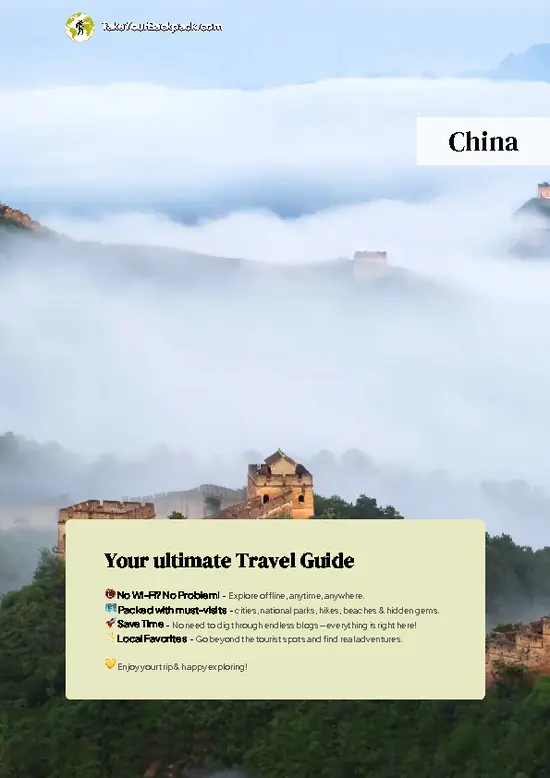
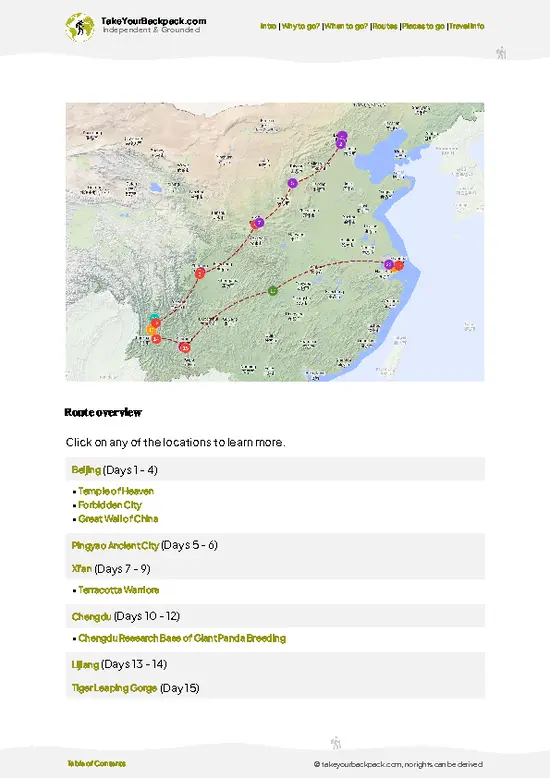
example page 0 from our offline Travel Guide for China
example page 1 from our offline Travel Guide for China
example page 2 from our offline Travel Guide for China
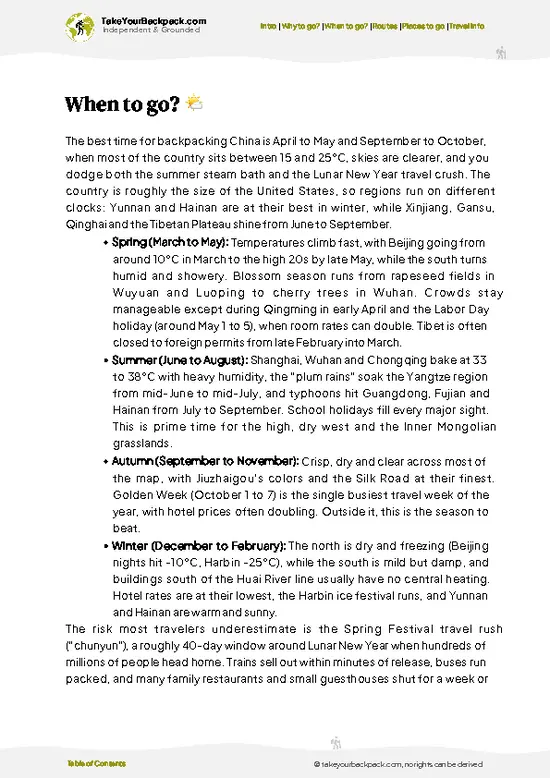
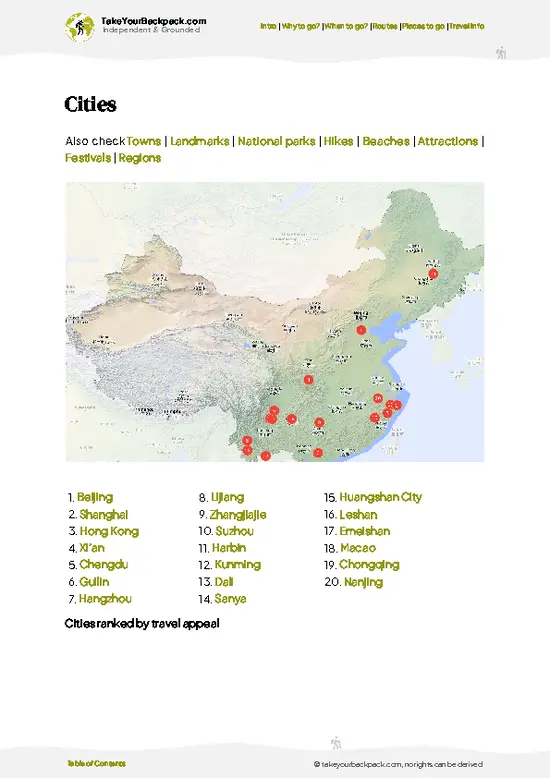
example page 3 from our offline Travel Guide for China
example page 4 from our offline Travel Guide for China
example page 5 from our offline Travel Guide for China
example page 6 from our offline Travel Guide for China
example page 7 from our offline Travel Guide for China
The digital guide (496 pages) contains:
139 highlights, ranked by travel appeal
Optimized 14, 21 & 30-day travel routes
Cities, national parks, landmarks, beaches
How to get around
Offline-friendly for travel without Wi-Fi
👉 Click to see all 30+ guide features

📅 Plan smarter in minutes, not weeks
Month by month travel advice
Festivals & national holidays
Budget expectations

🗺️ Go to the right places, skip the overrated ones
Honest pros & cons of destinations
Top hikes, parks & viewpoints
Lesser-known places most travelers miss
Clear “worth it vs skip it” guidance

🛏️ Travel smoothly without rookie mistakes
Best areas to stay
Transport systems explained simply
Common scams & safety advice
SIM cards, money & practical tips

🌍 Understand the country, not just visit it
Culture & traditions
52 Essential phrases & customs
Festivals worth planning around
Traveler-friendly historical context
Insights that make places more meaningful

📱 Built for real travel conditions
Fully downloadable PDF
Works completely offline
Optimized for phone use
Useful in remote areas & buses
Everything in one place
Save weeks of stressful planning
Get instant access to your full guide. 30‑day money-back guarantee.


By proceeding you agree to our terms.
Sent to your inbox immediately after payment • 100% Secure Checkout
Best Backpacking Travel Advisor 2025 tourism awardBest Backpacking
Travel Advisor
2025
What others say about Take Your Backpack Guides:
⭐⭐⭐⭐⭐
Fantastic, amazing amount of information!
⭐⭐⭐⭐⭐
My goodness this is amazing, it's what I've been looking for hats off too you!
⭐⭐⭐⭐⭐
I think this is absolutely BRILLIANT
⭐⭐⭐⭐
Very complete and informative. It's still missing places, but I gotta to commend you
⭐⭐⭐⭐⭐
This is truly amazing, thank you, can't wait to explore it with my kids!
⭐⭐⭐⭐⭐
Awesome resource, thank you!
⭐⭐⭐⭐⭐
This is amazing! Can't wait to explore the ones I haven't seen
⭐⭐⭐⭐
I love this! Well done, great idea.
⭐⭐⭐⭐⭐
Thanks for taking the time to make this gem!
⭐⭐⭐⭐⭐
This might be the best website I've ever seen.
⭐⭐⭐⭐⭐
Congratulations, and thank you so much for your work; it's incredibly valuable.
⭐⭐⭐⭐
In all seriousness I think you did a great job pointing out the important spots
⭐⭐⭐⭐⭐
10/10 very good
⭐⭐⭐⭐⭐
As someone who's only just starting to visit regularly this is awesome, thank you.
⭐⭐⭐⭐
Thank you very much! I'm going to visit my dad, it's going to be very useful!
⭐⭐⭐⭐⭐
This is really cool! We'll be travelling for the first time and this definitely come in handy.
⭐⭐⭐⭐⭐
You are now our minister of culture, congratulations 👨‍💼
⭐⭐⭐⭐⭐
Just wanted to tell you that this is a pearl! Going to follow your recommendations.
⭐⭐⭐⭐⭐
This is so cool. I'll definitely be using the resource for my travels soon.
⭐⭐⭐⭐⭐
This is very impressive! Good work.
⭐⭐⭐⭐⭐
This is an amazing and informative site. Very well done!

🛏️ Where to stay?Where staying makes the most sense

In Kaifeng, the sweet spot for backpackers is the area around the Drum Tower and the nearby Ancient Street. This neighborhood nails the balance between safety and social buzz, with plenty of budget hostels that attract solo travelers and small groups alike. It’s compact enough to explore on foot, so you save time and money on transport, and the streets hum with local life—street food stalls, teahouses, and night markets that keep the vibe lively without the tourist overload. Compared to the quieter, more residential outskirts, this zone offers a built-in community and easy access to Kaifeng’s … read more 👉
In Kaifeng, the sweet spot for backpackers is the area around the Drum Tower and the nearby Ancient Street. This neighborhood nails the balance between safety and social buzz, with plenty of budget hostels that attract solo travelers and small groups alike. It’s compact enough to explore on foot, so you save time and money on transport, and the streets hum with local life—street food stalls, teahouses, and night markets that keep the vibe lively without the tourist overload. Compared to the quieter, more residential outskirts, this zone offers a built-in community and easy access to Kaifeng’s historic core, making it the logical choice for anyone wanting to maximize comfort and connection on a budget.

🚌 Getting aroundMoving around without the hassle

Kaifeng moves with a rhythm that’s part ancient pulse, part modern shuffle. It’s not a city where you’ll find everything on a strict timetable, but neither is it a free-for-all chaos. Instead, it’s a blend: some buses stick to schedules, but expect delays and crowds. Walking feels like the most honest way to sync with the city’s heartbeat—slow enough to catch the details, fast enough to keep up with the flow. Your choices here boil down to a trade-off between saving time, saving money, or grabbing a bit more comfort. Knowing which mode suits your style means you’re not just getting around—you’re playing the city’s game and winning.


  • Walking: Free, flexible, and the best way to soak in Kaifeng’s historic streets; expect to cover 3-5 km per hour depending on your pace and stops.

  • City Bus:
read more 👉
Kaifeng moves with a rhythm that’s part ancient pulse, part modern shuffle. It’s not a city where you’ll find everything on a strict timetable, but neither is it a free-for-all chaos. Instead, it’s a blend: some buses stick to schedules, but expect delays and crowds. Walking feels like the most honest way to sync with the city’s heartbeat—slow enough to catch the details, fast enough to keep up with the flow. Your choices here boil down to a trade-off between saving time, saving money, or grabbing a bit more comfort. Knowing which mode suits your style means you’re not just getting around—you’re playing the city’s game and winning.


  • Walking: Free, flexible, and the best way to soak in Kaifeng’s historic streets; expect to cover 3-5 km per hour depending on your pace and stops.

  • City Bus: Runs roughly from 6:00 AM to 9:00 PM, costs about 1-2 RMB per ride; slow during rush hours but dirt cheap and extensive coverage.

  • Shared Electric Scooters: Available via apps, around 1 RMB per 15 minutes; faster than walking, but requires a smartphone and some balance.

  • Taxis: Start at about 10 RMB, with a 2.5 RMB per km rate; quicker and more comfortable but can get stuck in traffic and cost adds up fast.

  • Bike Rentals: Around 5-10 RMB per hour; a sweet spot between walking and motorized transport, giving you speed and freedom without the taxi price.

👛 Costs (as of 30 January 2025)Money, prices, and spending tips

Backpacking in Kaifeng, China, offers a fascinating blend of history and culture at a surprisingly manageable cost. Here’s how your daily expenses typically break down:
  • Dorm Accommodation (High Season): Expect to pay around $10 to $15 per night. High season, usually spring and autumn, sees a slight bump due to tourist influx, but dorms remain affordable and basic.
  • Dorm Accommodation (Off-Season): Prices drop to about $7 to $10 per night. Fewer travelers mean better deals, and you can often negotiate directly with hostels for a discount.
  • Meals: Street food and local eateries dominate here. Budget around $5 to $8 daily if you stick to simple meals like noodles, dumplings, and steamed buns. Splurge a bit on a nicer meal, and you might hit $10 to $12.
  • Local Transport: Kaifeng’s buses are cheap
read more 👉
Backpacking in Kaifeng, China, offers a fascinating blend of history and culture at a surprisingly manageable cost. Here’s how your daily expenses typically break down:
  • Dorm Accommodation (High Season): Expect to pay around $10 to $15 per night. High season, usually spring and autumn, sees a slight bump due to tourist influx, but dorms remain affordable and basic.
  • Dorm Accommodation (Off-Season): Prices drop to about $7 to $10 per night. Fewer travelers mean better deals, and you can often negotiate directly with hostels for a discount.
  • Meals: Street food and local eateries dominate here. Budget around $5 to $8 daily if you stick to simple meals like noodles, dumplings, and steamed buns. Splurge a bit on a nicer meal, and you might hit $10 to $12.
  • Local Transport: Kaifeng’s buses are cheap and efficient. A single ride costs roughly $0.30 to $0.50. Budget $1.50 to $2 for multiple short trips daily.
  • City Transport Pass: If you plan to move around a lot, a day pass or stored-value card can save money and hassle, usually costing around $2 to $3 per day.
  • Basic Activities/Entry Fees: Most historical sites and museums charge modest fees, typically $3 to $6. Visiting a couple of key spots daily will set you back about $6 to $12.
  • Miscellaneous Expenses: This covers bottled water, snacks, occasional coffee, or small souvenirs. Allocate $2 to $5 to stay comfortably covered.

All told, you’re looking at a daily budget between $20 and $35. This range balances thrift with comfort, letting you soak in Kaifeng’s rich heritage without constant penny-pinching. The key is knowing when to splurge on a guided tour or a special meal and when to keep it simple. Mastering this trade-off turns your trip into a smooth, rewarding experience rather than a constant scramble.
⚠️ Prices can change and everyone travels differently, so take this as a rough guide. Hope it helps you plan your adventure!

🚌 Day tripsBest day trips from Kaifeng

Kaifeng is a fantastic launchpad for day trips that blend culture, history, and natural beauty. Here are some standout options that won’t drain your wallet or your time.

Longmen Grottoes
Just a couple of hours from Kaifeng, the Longmen Grottoes are a treasure trove of Buddhist art carved into limestone cliffs. The intricate sculptures and serene atmosphere make it a spiritual haven. Budget around 100 RMB for entrance and transport. Spring and autumn are ideal for pleasant weather. A common mistake? Rushing through without taking time to absorb the details.


Yanshan Scenic Area
This mountainous region is about an hour away and offers stunning views and hiking trails. You can explore ancient temples and enjoy a picnic with local snacks. Expect to spend around 50 RMB for transport and … read more 👉
Kaifeng is a fantastic launchpad for day trips that blend culture, history, and natural beauty. Here are some standout options that won’t drain your wallet or your time.

Longmen Grottoes
Just a couple of hours from Kaifeng, the Longmen Grottoes are a treasure trove of Buddhist art carved into limestone cliffs. The intricate sculptures and serene atmosphere make it a spiritual haven. Budget around 100 RMB for entrance and transport. Spring and autumn are ideal for pleasant weather. A common mistake? Rushing through without taking time to absorb the details.


Yanshan Scenic Area
This mountainous region is about an hour away and offers stunning views and hiking trails. You can explore ancient temples and enjoy a picnic with local snacks. Expect to spend around 50 RMB for transport and snacks. Late spring is perfect for wildflowers. Many first-timers miss the best trails by sticking to the main paths.


Kaifeng’s Ancient City Wall
While technically in Kaifeng, walking the ancient city wall is a must-do. It’s a great way to soak in the city’s history and offers panoramic views. You can easily spend a few hours here for about 30 RMB. Early morning is best to avoid crowds. Don’t forget to bring water; it can get hot up there.
Want to know what more China offers?
The China Travel Guide describes 139 highlights, from cities to national parks, from beaches to hikes

Get the Travel Guide -

🍲 FoodLocal Flavors for Backpackers

In Kaifeng, local cuisine is a vibrant tapestry of flavors. Don’t miss the Kaifeng dumplings, filled with juicy meats and herbs, or the scallion pancakes that sizzle on street corners. The night markets buzz with energy, offering skewers of grilled meats and spicy noodles that beckon you to dive in.

When it comes to drinks, try the local tea — it’s a ritual here, often enjoyed in small teahouses where you can sip and chat. Etiquette matters; slurping your noodles shows appreciation, while sharing dishes fosters camaraderie. Embrace the chaos and savor every bite; it’s all part of the experience.

🛡️ SafetyStaying Safe: What Travelers Should Know

Kaifeng is generally safe for travelers, but a few areas require a sharper eye. Stick to well-lit streets at night, especially around the bustling night markets. Solo travelers should be mindful of their surroundings, particularly in crowded spots where pickpockets might lurk.

Common scams include overly friendly locals offering unsolicited help, which can lead to inflated prices. Politely decline and keep your plans to yourself. Carry your belongings close and maintain a confident demeanor; this often deters unwanted attention. Enjoy the city, but stay aware, and you’ll navigate it just fine.

Other Chinese cities near Kaifeng

Explore more nearby:

  • Zhengzhou—Yellow River crossing, museum collections, transport hub| 63 km away
  • Qufu—Confucius temples, ancestral halls, walled compounds| 278 km away
  • Tai’an—Mount Tai, pilgrimage routes, stone inscriptions| 296 km away

💡 Not sure where to go next?
Create a personalized itinerary for China including Kaifeng and the places that fit your trip.

Generate my itinerary

👉 Discover all cities

Or checkout all China has to offer (think cities, towns, villages, national parks, hikes, beaches, festivals)
Country photo of China

We 💚 feedbackParting advice and final tips

Kaifeng’s rich history is palpable; walking through its ancient streets feels like stepping back in time. But be ready for the crowds, especially during festivals. It’s a trade-off: vibrant culture versus a bustling atmosphere. Choose wisely, and you’ll find the magic in the chaos.

✈️ When did I visit China?
As part of my 1.5 year travel around the world trip, I visited China in August 2015, coming from Mongolia by the TransMongolia Express.

✍️ Help improve this page!
The information on this page is based on my own backpacking experience in China, supplemented with up-to-date research and feedback from other travelers. Travel details can change, so if you notice anything outdated or incomplete, feel free to let me know.


🙋‍♂️ Give feedback

👋 Meet the founderWho’s Behind Take Your Backpack?

Johan, backpacker and founder of TakeYourBackpackHi, I’m Johan (Netherlands 🇳🇱), the creator of TakeYourBackpack. Over the past decade, I’ve backpacked through 80+ countries across six continents, gaining extensive experience with independent travel, long-term trips, and overland routes.

This site is built on a combination of firsthand travel experience and carefully curated insights from other backpackers. Many guides are based on places I’ve personally visited, while others bring together tips, observations, and practical advice shared by trusted travelers I’ve met along the way.

The goal is to provide realistic, experience-driven guidance — not generic itineraries — so you can explore destinations with better context, clearer expectations, and more confidence.

Get full China guide •
Instant download • 139 highlights • Full Offline guide