×

China🇨🇳 | citiesQufuConfucius temples, ancestral halls, walled compounds | things to do and best time to go

Explore Tai’anExplore Kaifeng

Backpacking in Qufu
👍 Recommendedcity ranked #28
By Johan Kruseman 🇳🇱 | Updated June 18, 2026

Incense smoke curls around your face as a guide’s flag bobs above the crowd, temple drums thudding somewhere behind the stone gates. This is Qufu, in Shandong province, the hometown of Confucius and a small city that runs on school groups and quiet side streets. It’s cheap, safe, and easy to navigate, but slower and more inward-looking than nearby Jinan or coastal Qingdao. You come for the Confucius Temple, Mansion, and Cemetery complex, not for nightlife or hostels full of backpackers. The vibe is studious, ceremonial, almost museum-like, which can feel either deeply calming or a bit stiff, depending on how much you enjoy lingering in courtyards and reading plaques.

Discover everything you want to know in the 📖 China Travel Guide.


Get your China guide
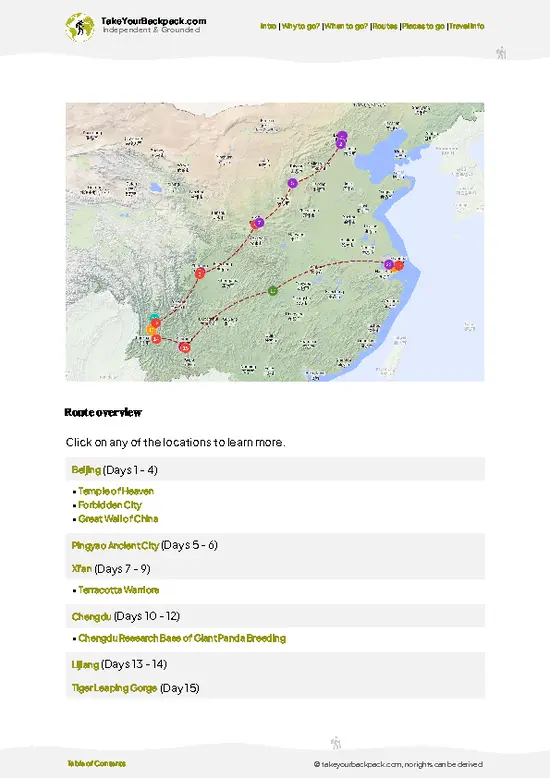
139 ranked highlights, routes & tips, works offline (496 pages)
Loading the map 🌍
CLICK TO FILTER
cities
towns
landmarks
national parks
hikes
beaches
attractions
festivals
regions
SHOW COUNTRY’S BESTSHOW ALL

✨ Why go?
Ranked #28 city in China
Why visitors keep coming back

Qufu is a strategic stop for backpackers weaving through China. It offers a solid basecamp for day trips to nearby historical sites, making it easy to explore without the hassle of constant packing. The hostels here are budget-friendly and social, perfect for meeting fellow travelers. You’ll find affordable food options that satisfy cravings without breaking the bank. The city is walkable, allowing you to soak in the local vibe without relying on transport. While nightlife isn’t wild, it’s cozy enough for a relaxed evening. If you’re after a mix of culture and convenience, Qufu fits the bill nicely.
Want to include Qufu in your China route?
Create a personalized China itinerary that includes Qufu and the places that fit your trip — based on your travel style, budget, and available time. Get your route in seconds.

Generate my trip

💡 HighlightsDon't-miss highlights and experiences

  1. Temple of Confucius (Kong Miao) — The heart of Qufu: enormous courtyards, classical wooden halls and layers of imperial plaques. Visiting gives a real sense of how Confucian ritual and state power fused across dynasties.
  2. Dacheng Hall (Hall of Great Achievement) — The Temple’s main stage: a massive, highly decorated hall with original carvings, painted rafters and the historic spirit tablets. It’s the visual and emotional centrepiece where the major ceremonies were held.
  3. Apricot Altar / Xingtan (Teaching Platform) — A small, humbling spot in the Temple complex said to mark where Confucius taught his students. It’s quieter than the big halls and great for imagining the day-to-day of early Confucian teaching.
  4. Forest of Stone Steles (Bei Ting) — Rows of ancient steles and calligraphy spanning
read more 👉
  1. Temple of Confucius (Kong Miao) — The heart of Qufu: enormous courtyards, classical wooden halls and layers of imperial plaques. Visiting gives a real sense of how Confucian ritual and state power fused across dynasties.
  2. Dacheng Hall (Hall of Great Achievement) — The Temple’s main stage: a massive, highly decorated hall with original carvings, painted rafters and the historic spirit tablets. It’s the visual and emotional centrepiece where the major ceremonies were held.
  3. Apricot Altar / Xingtan (Teaching Platform) — A small, humbling spot in the Temple complex said to mark where Confucius taught his students. It’s quieter than the big halls and great for imagining the day-to-day of early Confucian teaching.
  4. Forest of Stone Steles (Bei Ting) — Rows of ancient steles and calligraphy spanning centuries. If you like inscriptions, seals and the evolution of Chinese script, walking this pavilion is a slow, tangible lesson in history.
  5. Cemetery of Confucius (Kong Lin) — A vast, park-like cemetery where Confucius and thousands of his descendants are buried among pathways and pavilions. It’s peaceful, rooted, and full of genealogical gravitas you can actually walk through.
  6. Tomb of Confucius (within Kong Lin) — The raised burial mound and surrounding ancestral tombs are the pilgrimage focus. Standing here puts everything in scale: family, lineage, and centuries of ritual memory.
  7. Kong Family Mansion (Kong Fu) — The traditional residence of Confucius’s descendants. The compound’s courtyards, service rooms and formal halls show how a powerful scholarly clan lived and ran its household across imperial China.
  8. Kong Mansion — Genealogy Rooms & Inner Courtyards — The mansion’s family records, ancestral tablets and private courtyards give a rare, up-close look at Confucian family organization and bureaucratic life beyond the public temple.
  9. Qufu Old Town (the lanes around the temple) — Narrow lanes, local markets, calligraphy and souvenir shops, old brickwork and small teahouses. It’s where the everyday life of a Confucian city still plays out and where you’ll find honest street food and craft stalls.
  10. Millennial Cypresses and Ancient Trees — Scattered across the Temple, Mansion and Cemetery are some towering, centuries-old cypresses. They’re not just photogenic; they’re living witnesses that anchor the whole site’s atmosphere.
A few great day trips just outside Qufu: the Nishan Scenic Area (Confucius’s reputed birthplace) — my personal favorite for its hillside shrines and quiet pilgrimage vibe — plus Mount Tai (Taishan) for a classic mountain hike and the Mencius Temple in nearby Zoucheng if you want more Confucian-era sites.
Spotted a mistake or missing something? Contact us.

Things to do near Qufu

Ratings based on Tripadvisor reviews. When you book through this link, you support our work at no extra cost to you.

🏘️ NeighborhoodsUnderstanding the local layout

Qufu is a city steeped in history, offering a unique blend of culture and accessibility for backpackers. Here’s how the neighborhoods stack up:

Confucius Temple Area: This is the heart of Qufu, buzzing with tourists and locals alike. It’s walkable, with plenty of budget-friendly eateries. Expect a lively atmosphere, especially in the evenings. Perfect for short stays if you want to soak in the history.

Qufu Old Town: A quieter vibe with charming streets and traditional architecture. It’s ideal for longer stays, allowing you to explore at a leisurely pace. Costs are moderate, and you can easily navigate on foot.

New District: More modern and less touristy, this area offers affordable accommodations and local dining. It’s a bit further from major attractions, but public transport is accessible. … read more 👉
Qufu is a city steeped in history, offering a unique blend of culture and accessibility for backpackers. Here’s how the neighborhoods stack up:

Confucius Temple Area: This is the heart of Qufu, buzzing with tourists and locals alike. It’s walkable, with plenty of budget-friendly eateries. Expect a lively atmosphere, especially in the evenings. Perfect for short stays if you want to soak in the history.

Qufu Old Town: A quieter vibe with charming streets and traditional architecture. It’s ideal for longer stays, allowing you to explore at a leisurely pace. Costs are moderate, and you can easily navigate on foot.

New District: More modern and less touristy, this area offers affordable accommodations and local dining. It’s a bit further from major attractions, but public transport is accessible. Great for those seeking a local experience without the hustle.

⌛️ 1 day1-day itinerary for Qufu

Qufu, the birthplace of Confucius, is a city steeped in history and philosophy. It’s not just about ancient temples; it’s a living canvas of culture and tradition.

Start your morning at the Confucius Temple, where the intricate carvings and serene courtyards invite reflection. Spend a couple of hours wandering through the halls, absorbing the wisdom that permeates the air. From there, stroll to the nearby Kong Family Mansion, a sprawling complex that showcases the legacy of Confucius’s descendants.

In the afternoon, head to the lesser-known Qufu Old Town. Here, you’ll find narrow alleys filled with local artisans and street food stalls. Grab a bowl of jiaozi (dumplings) from a vendor who’s been perfecting the recipe for decades.

As evening falls, make your way to the Confucius Forest. … read more 👉
Qufu, the birthplace of Confucius, is a city steeped in history and philosophy. It’s not just about ancient temples; it’s a living canvas of culture and tradition.

Start your morning at the Confucius Temple, where the intricate carvings and serene courtyards invite reflection. Spend a couple of hours wandering through the halls, absorbing the wisdom that permeates the air. From there, stroll to the nearby Kong Family Mansion, a sprawling complex that showcases the legacy of Confucius’s descendants.

In the afternoon, head to the lesser-known Qufu Old Town. Here, you’ll find narrow alleys filled with local artisans and street food stalls. Grab a bowl of jiaozi (dumplings) from a vendor who’s been perfecting the recipe for decades.

As evening falls, make your way to the Confucius Forest. It’s a peaceful escape, where ancient cypress trees stand guard over the philosopher’s tomb. The atmosphere is magical as the sun sets, casting long shadows and inviting quiet contemplation. This day in Qufu balances history, culture, and local flavor, making it a high-value experience you won’t forget.
Turn your Qufu visit into an China adventure
Build a complete China route with Qufu, hidden gems, must-see destinations, and realistic travel times included.

Generate my trip

🌤️ When to go?Seasonal considerations and timing


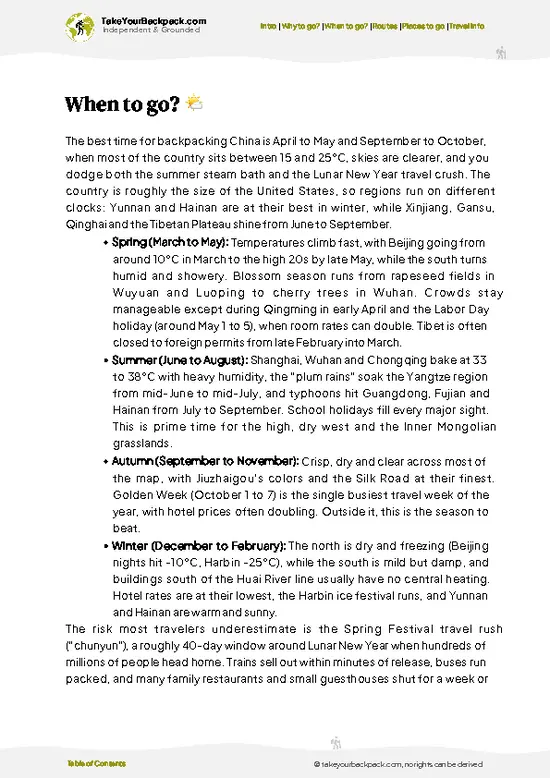
  • Weather: Spring (April-May) and autumn (September-October) offer mild, dry conditions. Summers can hit 30-35°C (86-95°F) with sticky humidity, while winters drop to near freezing, making outdoor exploring less pleasant.

  • Temperature: Ideal backpacking temps hover around 15-22°C (59-72°F) in spring and fall, perfect for walking the Confucius sites without overheating or bundling up.

  • Daylight Hours: Spring and autumn provide balanced daylight—about 12-14 hours—enough time to explore without rushing or losing light early.

  • Crowds: Peak tourist influx aligns with Chinese holidays in May and October, so expect busier sites then. Off-peak months like March or November offer quieter, more reflective visits.

  • Seasonal Activities: Spring brings blooming gardens around Confucius Temple, while
read more 👉

  • Weather: Spring (April-May) and autumn (September-October) offer mild, dry conditions. Summers can hit 30-35°C (86-95°F) with sticky humidity, while winters drop to near freezing, making outdoor exploring less pleasant.

  • Temperature: Ideal backpacking temps hover around 15-22°C (59-72°F) in spring and fall, perfect for walking the Confucius sites without overheating or bundling up.

  • Daylight Hours: Spring and autumn provide balanced daylight—about 12-14 hours—enough time to explore without rushing or losing light early.

  • Crowds: Peak tourist influx aligns with Chinese holidays in May and October, so expect busier sites then. Off-peak months like March or November offer quieter, more reflective visits.

  • Seasonal Activities: Spring brings blooming gardens around Confucius Temple, while autumn showcases crisp air and harvest festivals nearby, adding cultural layers to your trip.

  • Price Fluctuations: Accommodation and transport costs spike during national holidays and peak seasons; traveling just before or after these windows can save you a noticeable chunk of cash.


Pro-tip: Aim for late April or early October to balance comfort, crowd size, and wallet impact—this is when Qufu’s rhythm feels just right for a backpacker who wants to soak it all in without the hassle.


source: climatestotravel.comJANJanuary: fair for travelingFEBFebruary: fair for travelingMARMarch: good for travelingAPRApril: excellent for travelingMAYMay: highly recommended for travelingJUNJune: fair for travelingJULJuly: below average for travelingAUGAugust: below average for travelingSEPSeptember: excellent for travelingOCTOctober: excellent for travelingNOVNovember: good for travelingDECDecember: fair for traveling
when-to-go

✈️ The backpacker research shortcutChina Travel Guide

An offline-friendly backpacking guide with optimized travel routes, ranked highlights, transport advice, and the best areas to stay.
example page 0 from our offline Travel Guide for China
example page 1 from our offline Travel Guide for China
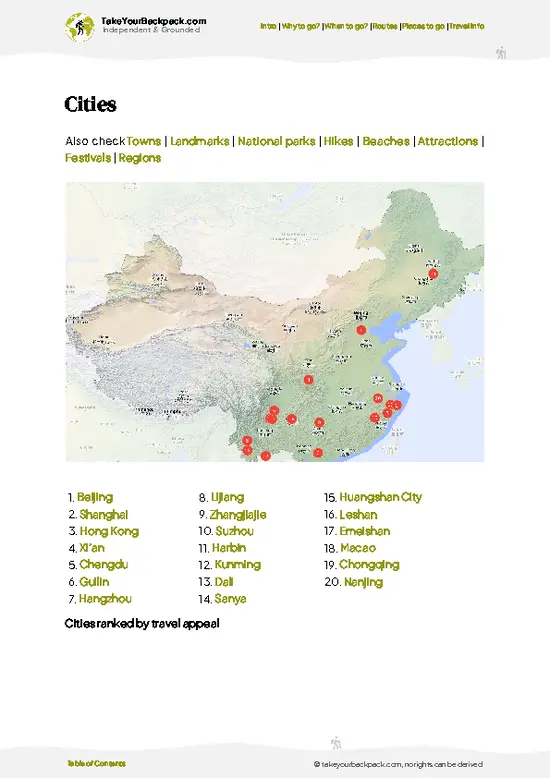
example page 2 from our offline Travel Guide for China
example page 3 from our offline Travel Guide for China
example page 4 from our offline Travel Guide for China
example page 5 from our offline Travel Guide for China
example page 6 from our offline Travel Guide for China
example page 7 from our offline Travel Guide for China
The digital guide (496 pages) contains:
139 highlights, ranked by travel appeal
Optimized 14, 21 & 30-day travel routes
Cities, national parks, landmarks, beaches
How to get around
Offline-friendly for travel without Wi-Fi
👉 Click to see all 30+ guide features

📅 Plan smarter in minutes, not weeks
Month by month travel advice
Festivals & national holidays
Budget expectations

🗺️ Go to the right places, skip the overrated ones
Honest pros & cons of destinations
Top hikes, parks & viewpoints
Lesser-known places most travelers miss
Clear “worth it vs skip it” guidance

🛏️ Travel smoothly without rookie mistakes
Best areas to stay
Transport systems explained simply
Common scams & safety advice
SIM cards, money & practical tips

🌍 Understand the country, not just visit it
Culture & traditions
52 Essential phrases & customs
Festivals worth planning around
Traveler-friendly historical context
Insights that make places more meaningful

📱 Built for real travel conditions
Fully downloadable PDF
Works completely offline
Optimized for phone use
Useful in remote areas & buses
Everything in one place
Save weeks of stressful planning
Get instant access to your full guide. 30‑day money-back guarantee.


By proceeding you agree to our terms.
Sent to your inbox immediately after payment • 100% Secure Checkout
Best Backpacking Travel Advisor 2025 tourism awardBest Backpacking
Travel Advisor
2025
What others say about Take Your Backpack Guides:
⭐⭐⭐⭐⭐
Fantastic, amazing amount of information!
⭐⭐⭐⭐⭐
My goodness this is amazing, it's what I've been looking for hats off too you!
⭐⭐⭐⭐⭐
I think this is absolutely BRILLIANT
⭐⭐⭐⭐
Very complete and informative. It's still missing places, but I gotta to commend you
⭐⭐⭐⭐⭐
This is truly amazing, thank you, can't wait to explore it with my kids!
⭐⭐⭐⭐⭐
Awesome resource, thank you!
⭐⭐⭐⭐⭐
This is amazing! Can't wait to explore the ones I haven't seen
⭐⭐⭐⭐
I love this! Well done, great idea.
⭐⭐⭐⭐⭐
Thanks for taking the time to make this gem!
⭐⭐⭐⭐⭐
This might be the best website I've ever seen.
⭐⭐⭐⭐⭐
Congratulations, and thank you so much for your work; it's incredibly valuable.
⭐⭐⭐⭐
In all seriousness I think you did a great job pointing out the important spots
⭐⭐⭐⭐⭐
10/10 very good
⭐⭐⭐⭐⭐
As someone who's only just starting to visit regularly this is awesome, thank you.
⭐⭐⭐⭐
Thank you very much! I'm going to visit my dad, it's going to be very useful!
⭐⭐⭐⭐⭐
This is really cool! We'll be travelling for the first time and this definitely come in handy.
⭐⭐⭐⭐⭐
You are now our minister of culture, congratulations 👨‍💼
⭐⭐⭐⭐⭐
Just wanted to tell you that this is a pearl! Going to follow your recommendations.
⭐⭐⭐⭐⭐
This is so cool. I'll definitely be using the resource for my travels soon.
⭐⭐⭐⭐⭐
This is very impressive! Good work.
⭐⭐⭐⭐⭐
This is an amazing and informative site. Very well done!

🛏️ Where to stay?Choosing the right base

In Qufu, the clear winner for backpackers is the area around the Confucius Temple and the nearby Old Town. This neighborhood nails the balance between safety and social buzz, with plenty of budget hostels clustered close enough to walk between. It’s where solo travelers naturally bump into each other, sharing tips over cheap street food or a local tea. Compared to the quieter, more residential outskirts, this zone keeps you plugged into the city’s pulse without the noise or hassle of busier commercial districts. You’re trading a bit of modern convenience for authentic atmosphere and easy access … read more 👉
In Qufu, the clear winner for backpackers is the area around the Confucius Temple and the nearby Old Town. This neighborhood nails the balance between safety and social buzz, with plenty of budget hostels clustered close enough to walk between. It’s where solo travelers naturally bump into each other, sharing tips over cheap street food or a local tea. Compared to the quieter, more residential outskirts, this zone keeps you plugged into the city’s pulse without the noise or hassle of busier commercial districts. You’re trading a bit of modern convenience for authentic atmosphere and easy access to the main sights—exactly the kind of trade-off that makes a trip memorable.

🚌 Getting aroundHow to get from A to B

Qufu moves at a pace that’s part ancient rhythm, part modern hustle. It’s not a city where you’ll find everything running like clockwork, but it’s also not a free-for-all chaos. Instead, it’s a blend: some buses stick to schedules, while tuk-tuks and bikes respond to the moment’s need. Your choices here are a dance between saving time, spending less, or grabbing a bit more comfort. Understanding this flow means you’re not just getting from A to B—you’re playing the city’s game on your terms.


  • Walking: The purest way to soak in Qufu’s layers. Free, flexible, and slow enough to catch the details of temple carvings and street vendors. Ideal for short distances within the Old Town, but tiring if you’re hauling gear or pressed for time.

  • City Bus: Runs roughly from 6:00 AM to 9:00 PM, fares
read more 👉
Qufu moves at a pace that’s part ancient rhythm, part modern hustle. It’s not a city where you’ll find everything running like clockwork, but it’s also not a free-for-all chaos. Instead, it’s a blend: some buses stick to schedules, while tuk-tuks and bikes respond to the moment’s need. Your choices here are a dance between saving time, spending less, or grabbing a bit more comfort. Understanding this flow means you’re not just getting from A to B—you’re playing the city’s game on your terms.


  • Walking: The purest way to soak in Qufu’s layers. Free, flexible, and slow enough to catch the details of temple carvings and street vendors. Ideal for short distances within the Old Town, but tiring if you’re hauling gear or pressed for time.

  • City Bus: Runs roughly from 6:00 AM to 9:00 PM, fares around 1-2 RMB. It’s cheap and covers major routes, but expect stops every few blocks and a crowd during rush hours. Not the fastest, but reliable for budget travelers who want to stretch their yuan.

  • Tuk-Tuk: A quick, flexible option that you can flag down anywhere. Prices vary but usually start around 10 RMB for short hops. Faster than the bus and more direct, but less comfortable and no fixed schedule—perfect when time is tight but you want to avoid the bus crush.

  • Bicycle Rental: About 10-20 RMB per day, giving you freedom to explore beyond walking range without the noise and hassle of motor traffic. Great balance of speed and comfort, especially for hitting spots like the Confucius Temple and Cemetery at your own pace.

👛 Costs (as of 2 February 2025)What things cost and how to budget

Backpacking in Qufu, China, offers a clear trade-off map between time, money, and comfort, with costs that reflect its status as a smaller city rich in cultural heritage but less tourist-saturated than major hubs.
  • Dorm Accommodation (High Season): Expect to pay around $10 to $15 USD per night. High season, typically around Chinese holidays or spring and autumn, pushes prices up due to demand near Confucius Temple and related sites.
  • Dorm Accommodation (Off-Season): Prices drop to about $6 to $10 USD. Off-season means fewer tourists, so hostels lower rates to fill beds, but quality and availability might vary.
  • Meals: Street food and local eateries dominate here. Budget about $3 to $7 USD per day if you stick to simple meals like noodles, dumplings, or rice dishes. Western-style or sit-down
read more 👉
Backpacking in Qufu, China, offers a clear trade-off map between time, money, and comfort, with costs that reflect its status as a smaller city rich in cultural heritage but less tourist-saturated than major hubs.
  • Dorm Accommodation (High Season): Expect to pay around $10 to $15 USD per night. High season, typically around Chinese holidays or spring and autumn, pushes prices up due to demand near Confucius Temple and related sites.
  • Dorm Accommodation (Off-Season): Prices drop to about $6 to $10 USD. Off-season means fewer tourists, so hostels lower rates to fill beds, but quality and availability might vary.
  • Meals: Street food and local eateries dominate here. Budget about $3 to $7 USD per day if you stick to simple meals like noodles, dumplings, or rice dishes. Western-style or sit-down restaurants will push costs higher.
  • Local Transport: Qufu is compact. Single bus rides cost roughly $0.30 to $0.50 USD. Walking is often the fastest and cheapest way to get around the historic center.
  • City Transport Pass: If you plan multiple bus trips, a daily pass might be available around $1 to $2 USD, but it’s not always necessary given the city’s walkability.
  • Basic Activities/Entry Fees: Key sites like the Confucius Temple, Cemetery, and Mansion charge about $10 to $15 USD for combined tickets. Smaller museums or attractions might be $2 to $5 USD each.
  • Miscellaneous Expenses: This includes bottled water, snacks, occasional coffee, or small souvenirs. Budget around $2 to $5 USD daily to cover these incidental costs.

Altogether, a realistic daily budget for backpacking in Qufu ranges from roughly $20 to $40 USD. This range balances the essentials with a bit of comfort and cultural access. The city’s compact size means you can save time and money by walking, but investing in entry fees is where the real value lies—these sites are the heart of Qufu’s unique appeal.


source: chinatravel.com
⚠️ Prices can change and everyone travels differently, so take this as a rough guide. Hope it helps you plan your adventure!

🚌 Day tripsExploring the surroundings

Qufu is a fantastic launchpad for day trips that pack a punch without draining your wallet or time. Here are some standout options.

Confucius Temple and Cemetery
Just a quick 10-minute bus ride from Qufu, this UNESCO World Heritage site is a must. The temple complex is vast, filled with ancient trees and intricate carvings that whisper stories of Confucius himself. Expect to spend around 50 RMB for entry. Early spring or late autumn is ideal for fewer crowds and pleasant weather. A common mistake? Rushing through without taking time to soak in the serene atmosphere.


Mount Tai
About an hour away by bus, Mount Tai is a sacred site with breathtaking views. The hike can be challenging, but you can also take a cable car for a more leisurely ascent. Budget around 200 RMB for transport and … read more 👉
Qufu is a fantastic launchpad for day trips that pack a punch without draining your wallet or time. Here are some standout options.

Confucius Temple and Cemetery
Just a quick 10-minute bus ride from Qufu, this UNESCO World Heritage site is a must. The temple complex is vast, filled with ancient trees and intricate carvings that whisper stories of Confucius himself. Expect to spend around 50 RMB for entry. Early spring or late autumn is ideal for fewer crowds and pleasant weather. A common mistake? Rushing through without taking time to soak in the serene atmosphere.


Mount Tai
About an hour away by bus, Mount Tai is a sacred site with breathtaking views. The hike can be challenging, but you can also take a cable car for a more leisurely ascent. Budget around 200 RMB for transport and entry. Spring and fall offer the best hiking conditions. Many first-timers underestimate the time needed to explore; plan for a full day to truly appreciate it.


Qingdao
A bit further at about 2.5 hours by train, Qingdao offers a coastal escape with stunning beaches and German colonial architecture. Train tickets can be as low as 80 RMB. Summer is peak season, but visiting in early fall means fewer tourists and still-warm waters. Don’t forget to try the local beer! Many backpackers miss the scenic coastal walk; it’s a highlight.


Zhoucun Ancient Town
Just under an hour from Qufu, this ancient town is a treasure trove of Ming and Qing architecture. Entry is free, and you can easily spend a few hours wandering the narrow streets and sampling local snacks. Spring is lovely, with blooming flowers. A common pitfall is not venturing beyond the main street; the hidden alleys hold the real charm.
Want to know what more China offers?
The China Travel Guide describes 139 highlights, from cities to national parks, from beaches to hikes

Get the Travel Guide -

🍲 FoodWhat to Eat & Drink

In Qufu, the birthplace of Confucius, food is a celebration of tradition. Dive into Kongfu cuisine, where sweet and savory flavors dance together. Don’t miss the braised chicken or steamed dumplings filled with local vegetables. Street vendors line the bustling markets, offering spicy skewers and tofu dishes that sizzle on hot griddles.

As you sip on local tea, embrace the ritual of sharing — it’s not just a drink; it’s a moment of connection. Eating is often communal, so don’t hesitate to join a table. Remember, in Qufu, food is more than sustenance; it’s a way to engage with the culture and its people.

🛡️ SafetyScams, Hazards, and Annoyances

Qufu is generally safe, but a few areas require extra awareness. Stick to well-lit streets at night, especially around the Confucius Temple, where crowds thin out. Solo travelers should blend in; avoid drawing attention with flashy gear.

Common scams include overly friendly locals offering unsolicited tours or help. Politely decline and keep moving. Everyday annoyances might involve persistent street vendors, but a firm “no, thank you” usually suffices. Stay alert, trust your instincts, and you’ll navigate Qufu with ease.

Other Chinese cities near Qufu

Explore more nearby:

  • Tai’an—Mount Tai, pilgrimage routes, stone inscriptions| 82 km away
  • Kaifeng—Song dynasty relics, night markets, lakeside parks| 278 km away
  • Zhengzhou—Yellow River crossing, museum collections, transport hub| 339 km away

💡 Not sure where to go next?
Create a personalized itinerary for China including Qufu and the places that fit your trip.

Generate my itinerary

👉 Discover all cities

Or checkout all China has to offer (think cities, towns, villages, national parks, hikes, beaches, festivals)
Country photo of China

We 💚 feedbackWhat to keep in mind

Qufu is a treasure trove of Confucian history, where you can walk through ancient temples and feel the weight of wisdom in the air. Just be ready for the crowds; it can get busy, especially during festivals. Embrace the chaos—it’s part of the experience.

✈️ When did I visit China?
As part of my 1.5 year travel around the world trip, I visited China in August 2015, coming from Mongolia by the TransMongolia Express.

✍️ Help improve this page!
The information on this page is based on my own backpacking experience in China, supplemented with up-to-date research and feedback from other travelers. Travel details can change, so if you notice anything outdated or incomplete, feel free to let me know.


🙋‍♂️ Give feedback

👋 Meet the founderWho’s Behind Take Your Backpack?

Johan, backpacker and founder of TakeYourBackpackHi, I’m Johan (Netherlands 🇳🇱), the creator of TakeYourBackpack. Over the past decade, I’ve backpacked through 80+ countries across six continents, gaining extensive experience with independent travel, long-term trips, and overland routes.

This site is built on a combination of firsthand travel experience and carefully curated insights from other backpackers. Many guides are based on places I’ve personally visited, while others bring together tips, observations, and practical advice shared by trusted travelers I’ve met along the way.

The goal is to provide realistic, experience-driven guidance — not generic itineraries — so you can explore destinations with better context, clearer expectations, and more confidence.

Get full China guide •
Instant download • 139 highlights • Full Offline guide