v2.webp)
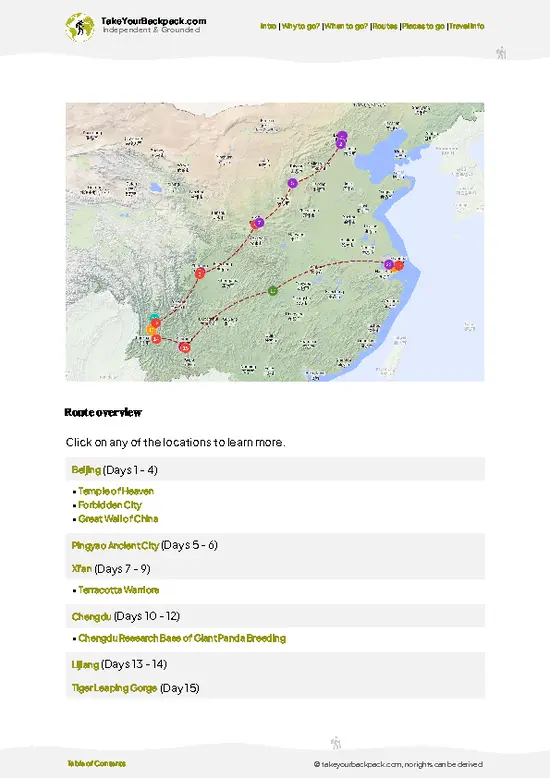
- Mount Tai (Taishan) — The mountain itself is the reason most people come: a living mix of pilgrimage, history and scenery. Climb (or cable-car) through forests, temples and imperial inscriptions — sunrise from the summit is famously memorable.
- Dai Temple (岱庙) — The big, well-preserved ceremonial complex at the mountain’s base where emperors performed rites. It’s quieter than the summit but full of carved halls, courtyards and the feel of imperial China folded into daily life.
- Bixia Temple (碧霞祠) — A popular shrine dedicated to the Mountain Goddess (Bixia Yuanjun) up on Taishan. Pilgrims still leave offerings; the architecture and ritual atmosphere make it a culturally rich stop on the ascent.
- South Heavenly Gate / Summit area (南天门 & 玉皇顶) — The final stretch and the summit plateau. It’s
- Mount Tai (Taishan) — The mountain itself is the reason most people come: a living mix of pilgrimage, history and scenery. Climb (or cable-car) through forests, temples and imperial inscriptions — sunrise from the summit is famously memorable.
- Dai Temple (岱庙) — The big, well-preserved ceremonial complex at the mountain’s base where emperors performed rites. It’s quieter than the summit but full of carved halls, courtyards and the feel of imperial China folded into daily life.
- Bixia Temple (碧霞祠) — A popular shrine dedicated to the Mountain Goddess (Bixia Yuanjun) up on Taishan. Pilgrims still leave offerings; the architecture and ritual atmosphere make it a culturally rich stop on the ascent.
- South Heavenly Gate / Summit area (南天门 & 玉皇顶) — The final stretch and the summit plateau. It’s where the mountain’s drama concentrates: wind, wide views and the imperial plaques that mark the top. Sunrise or sunset here is why people suffer the stairs.
- The Sacred Way (神道) and stone statues) — The stone “spirit way” lined with carved animals and official figures between the foot and the holy sites. It’s a great place to see Ming/Qing funerary and imperial iconography up close without the crowds at the summit.
- Mount Tai stone inscriptions (泰山石刻) — Hundreds of imperial and literati inscriptions sprinkled across paths and cliffs. If you care about calligraphy, politics and centuries of pilgrims leaving their mark, this is a real highlight.
- Hongmen / Red Gate (红门) — The traditional southern entrance and historic starting point for the ancient imperial route up Taishan. It’s photogenic, easy to reach and gives a good sense of the pilgrimage tradition before you head up.
- Taishan Cableways (泰山索道) — Two different cable-car lines that save time and energy while giving panoramic views of the slopes. They’re not just convenient; the ride itself is a low-effort way to appreciate the mountain’s scale and layers.
- Tai’an Museum (泰安博物馆) — Compact but well-curated: local archaeology, Mount Tai artifacts and exhibits on regional folk traditions. Good when you want context for what you saw on the mountain, or when the weather turns.
- Old streets & local market near Daiyue / Taishan’s base — The collection of neighborhood lanes, food stalls and small shops around the temple area and city outskirts. Less “tourist attraction,” more everyday Tai’an: cheap dumplings, local pastries, and a glimpse of how people live around the sacred mountain.
Spotted a mistake or missing something? Contact us.

2-Night Best of Shandong Tour by Bullet Train from Beijing

Qufu Private Walking Tour to Confucius Temple, Kong Mansion and Forest

Qufu Private Tour to Confucius Temple, Family Mansion, Cemetery and Ni Mountain

Private Qufu Bullet Train Trip to Qingdao City Highlights and Beer Museum

All-Inclusive Private Classic Day Tour in Qufu

3-Day Highlights of Shandong by bullet train from Beijing

2-Day Private Sightseeing Tour of Qufu City Highlights and Mount Tai

Private Customized Beijing City Highlights Day Trip from Qufu by Bullet Train

Confucius temple day tour in Qufu start from Qufu bullet train station or city


 Best Backpacking
.jpg) Hi, I’m Johan (Netherlands 🇳🇱), the creator of TakeYourBackpack. Over the past 3 decades, I’ve backpacked through 90+ countries across six continents, gaining extensive experience with independent travel, long-term trips, and overland routes.
Hi, I’m Johan (Netherlands 🇳🇱), the creator of TakeYourBackpack. Over the past 3 decades, I’ve backpacked through 90+ countries across six continents, gaining extensive experience with independent travel, long-term trips, and overland routes.