×

China🇨🇳 | citiesShigatseTashilhunpo Monastery, Tibetan markets, plateau landscapes | things to do and best time to go

Explore HaikouExplore Chamdo

Backpacking in Shigatse
👍 Recommendedcity ranked #26
By Johan Kruseman 🇳🇱 | Updated September 4, 2026

Most online blurbs sell Shigatse as a quick monastery stop, but for backpackers it’s actually one of the easiest places in Tibet to slow down and watch real daily life. Sitting in south-central Tibet, western China, it’s the region’s second city and a natural pause between Lhasa and Everest Base Camp. Tashilhunpo Monastery is the headline, but the old town alleys, riverside walks, and low-key teahouses are what hook you. Travel logistics are bureaucratic and tour-heavy, yet once you’re there, walking around feels relaxed and safe, with prices a notch lower than Lhasa but higher than most of China. Nightlife is almost non-existent, foreign backpacker density is thin, and that’s the trade: fewer hostel bar buddies, more quiet, high-altitude routine that feels like you’ve actually landed somewhere, not just passed through.

Discover everything you want to know in the 📖 China Travel Guide.


Get your China guide
130 ranked highlights, routes & tips, works offline (463 pages)
Loading the map 🌍
CLICK TO FILTER
cities
towns
landmarks
national parks
hikes
beaches
attractions
festivals
regions
SHOW COUNTRY’S BESTSHOW ALL

✨ Why go?
Ranked #26 city in China
Why visitors keep coming back

Shigatse is a strategic stop for backpackers navigating Tibet. It offers a solid mix of affordable hostels and local eateries, making it easy to stretch your budget. The city is walkable, allowing you to soak in the atmosphere without the hassle of transport. It serves as a basecamp for day trips to stunning sites, maximizing your experience without draining your wallet. Plus, the nightlife is low-key but lively, perfect for unwinding after a day of exploration. If you’re looking for a place that balances value and convenience, Shigatse fits the bill, but don’t linger too long unless you’re drawn to its unique vibe.
Want to include Shigatse in your China route?
Create a personalized China itinerary that includes Shigatse and the places that fit your trip — based on your travel style, budget, and available time. Get your route in seconds.

Generate my trip

💡 HighlightsDon't-miss highlights and experiences

  1. Tashilhunpo Monastery — The city’s spiritual heart: an enormous, active Gelugpa monastery where you can watch monks’ daily rituals, admire Tibetan architecture up close, and feel the pulse of local devotional life.
  2. The Great Jampa (Maitreya) Statue — Inside Tashilhunpo, this towering gilded Maitreya Buddha is majestic in scale and detail; seeing it in person gives real sense of the monastery’s historical importance and craft skill.
  3. Panchen Lama Tombs (Tashilhunpo Necropolis) — A short walk from the main halls, the layered chortens and mausoleums honoring past Panchen Lamas are atmospheric and historically important, with quiet courtyards that reward slow exploration.
  4. Shigatse Dzong (Samdrubtse Dzong ruins) — The old fortress perched above town isn’t a polished museum; it’s ruins and ramparts
read more 👉
  1. Tashilhunpo Monastery — The city’s spiritual heart: an enormous, active Gelugpa monastery where you can watch monks’ daily rituals, admire Tibetan architecture up close, and feel the pulse of local devotional life.
  2. The Great Jampa (Maitreya) Statue — Inside Tashilhunpo, this towering gilded Maitreya Buddha is majestic in scale and detail; seeing it in person gives real sense of the monastery’s historical importance and craft skill.
  3. Panchen Lama Tombs (Tashilhunpo Necropolis) — A short walk from the main halls, the layered chortens and mausoleums honoring past Panchen Lamas are atmospheric and historically important, with quiet courtyards that reward slow exploration.
  4. Shigatse Dzong (Samdrubtse Dzong ruins) — The old fortress perched above town isn’t a polished museum; it’s ruins and ramparts with great views over Shigatse and a direct feel for the city’s strategic past.
  5. Shigatse Old Town & Main Market — Narrow alleys, tea houses and stalls selling everything from yak butter lamps to dried meat; the market is where daily Tibetan life is visible and great for low-key people-watching and bargain snacks.
  6. Xigazê (Shigatse) Regional Museum — Small but well-curated, the museum gives useful context: local costumes, religious objects, and regional archaeology that help make sense of what you’ve seen around town.
  7. Tashilhunpo Thangka and Craft Workshops — Look for small studios and monastery-linked workshops where painters and carvers still practice traditional techniques; watching a thangka being painted is one of those slow, meditative experiences that sticks with you.
  8. Kora routes, Mani Walls & Prayer Wheels — The circumambulation paths around the monastery and through parts of town are practical pilgrimage routes lined with mani stones and spinning wheels — visit to see devotion in motion and catch local ritual customs.
  9. Rooftop Teahouses and Local Cafés — Simple rooftop spots above the old town offer cheap butter tea, yak-belly momos and genuine sunset views over monastery roofs and the surrounding brown hills — low-cost, high-reward places to soak atmosphere.
  10. Nyang Riverbank & Confluence Viewpoints — Walk the riverside paths or climb to nearby viewpoints for quiet scenery and to see how the river shapes the city; good for sunset light and photographing the monastery from a distance.
Nearby day trips that pair well with Shigatse: Gyantse (Pelkor Chode Monastery and the famous Kumbum), Sakya Monastery and its gray-stone complex, and the rural villages in the Nyang/Yarlung river valleys — Gyantse’s Kumbum is my personal favorite.
Spotted a mistake or missing something? Contact us.

Things to do in Shigatse

Ratings based on Tripadvisor reviews. When you book through this link, you support our work at no extra cost to you.

🏘️ NeighborhoodsWhere things are and how it's laid out

Shigatse offers a unique blend of Tibetan culture and accessibility, making it a fascinating stop for backpackers. Here’s how the neighborhoods stack up:

Central Shigatse: The heart of the city, this area buzzes with local markets and eateries. It’s walkable and affordable, perfect for short stays. You’ll find a mix of budget hostels and guesthouses. Nightlife is low-key, but the atmosphere is vibrant during the day.

Gyantse Road: A quieter stretch, ideal for those seeking a more laid-back vibe. It’s slightly pricier but offers stunning views of the surrounding mountains. Great for longer stays, with easy access to transport links.

Old Town: Rich in history, this area is a treasure trove of traditional architecture. It’s compact and walkable, making it easy to explore. While nightlife is … read more 👉
Shigatse offers a unique blend of Tibetan culture and accessibility, making it a fascinating stop for backpackers. Here’s how the neighborhoods stack up:

Central Shigatse: The heart of the city, this area buzzes with local markets and eateries. It’s walkable and affordable, perfect for short stays. You’ll find a mix of budget hostels and guesthouses. Nightlife is low-key, but the atmosphere is vibrant during the day.

Gyantse Road: A quieter stretch, ideal for those seeking a more laid-back vibe. It’s slightly pricier but offers stunning views of the surrounding mountains. Great for longer stays, with easy access to transport links.

Old Town: Rich in history, this area is a treasure trove of traditional architecture. It’s compact and walkable, making it easy to explore. While nightlife is minimal, the cultural experience is worth the trade-off.

⌛️ 1 dayWhat you can realistically do in a day

Shigatse, the second-largest city in Tibet, is a captivating blend of rich history and vibrant culture. Start your day at the Tashilhunpo Monastery, the seat of the Panchen Lama. Its intricate architecture and serene atmosphere will set a reflective tone for your journey. Spend a couple of hours wandering through its halls, soaking in the spiritual energy.

In the afternoon, head to the bustling local market in the old town. Here, you can sample traditional Tibetan momos and sip on butter tea while mingling with locals. This is a great spot to pick up unique handicrafts, too. For a less-traveled experience, venture to the nearby Shigatse Dzong. The views from the fortress are stunning, and you’ll escape the tourist crowds.

As evening falls, stroll along the banks of the Yarlung Tsangpo River. … read more 👉
Shigatse, the second-largest city in Tibet, is a captivating blend of rich history and vibrant culture. Start your day at the Tashilhunpo Monastery, the seat of the Panchen Lama. Its intricate architecture and serene atmosphere will set a reflective tone for your journey. Spend a couple of hours wandering through its halls, soaking in the spiritual energy.

In the afternoon, head to the bustling local market in the old town. Here, you can sample traditional Tibetan momos and sip on butter tea while mingling with locals. This is a great spot to pick up unique handicrafts, too. For a less-traveled experience, venture to the nearby Shigatse Dzong. The views from the fortress are stunning, and you’ll escape the tourist crowds.

As evening falls, stroll along the banks of the Yarlung Tsangpo River. The sunset casts a golden hue over the mountains, making it the perfect backdrop for reflection. Grab dinner at a local eatery, where the warmth of the community will leave you feeling connected. This day in Shigatse is not just about sights; it’s about immersing yourself in the heart of Tibetan life.
Turn your Shigatse visit into an China adventure
Build a complete China route with Shigatse, hidden gems, must-see destinations, and realistic travel times included.

Generate my trip

🌤️ When to go?When to go for the best experience


  • Weather: Spring (April-May) and autumn (September-October) offer the most stable weather, avoiding the harsh cold of winter and the heavy rains of summer monsoon.

  • Temperature: Expect 10-20°C (50-68°F) in spring and autumn—comfortable for hiking and exploring without freezing or sweating buckets.

  • Daylight Hours: Around 12-14 hours in spring and autumn, giving you plenty of daylight for trekking and sightseeing without rushing.

  • Crowds: Peak tourist season is summer; spring and autumn see fewer visitors, so you get more space and a quieter vibe.

  • Seasonal Activities: Spring brings blooming rhododendrons, while autumn offers vibrant foliage and local festivals—both add cultural depth to your trip.

  • Price Fluctuations: Summer prices spike due to demand; shoulder seasons (spring and autumn)
read more 👉

  • Weather: Spring (April-May) and autumn (September-October) offer the most stable weather, avoiding the harsh cold of winter and the heavy rains of summer monsoon.

  • Temperature: Expect 10-20°C (50-68°F) in spring and autumn—comfortable for hiking and exploring without freezing or sweating buckets.

  • Daylight Hours: Around 12-14 hours in spring and autumn, giving you plenty of daylight for trekking and sightseeing without rushing.

  • Crowds: Peak tourist season is summer; spring and autumn see fewer visitors, so you get more space and a quieter vibe.

  • Seasonal Activities: Spring brings blooming rhododendrons, while autumn offers vibrant foliage and local festivals—both add cultural depth to your trip.

  • Price Fluctuations: Summer prices spike due to demand; shoulder seasons (spring and autumn) provide better deals on accommodation and transport.


Pro-tip: Aim for late April or early October to balance weather, crowds, and cost—this is when Shigatse feels like it’s yours alone.


source: climatestotravel.comJANJanuary: below average for travelingFEBFebruary: below average for travelingMARMarch: fair for travelingAPRApril: excellent for travelingMAYMay: excellent for travelingJUNJune: good for travelingJULJuly: fair for travelingAUGAugust: fair for travelingSEPSeptember: excellent for travelingOCTOctober: excellent for travelingNOVNovember: fair for travelingDECDecember: below average for traveling
when-to-go

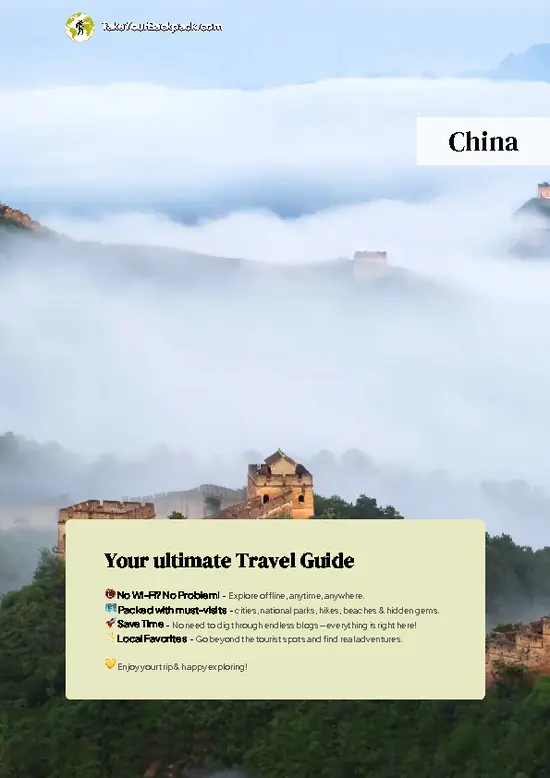
✈️ The backpacker research shortcutChina Travel Guide

An offline-friendly backpacking guide with optimized travel routes, ranked highlights, transport advice, and the best areas to stay.
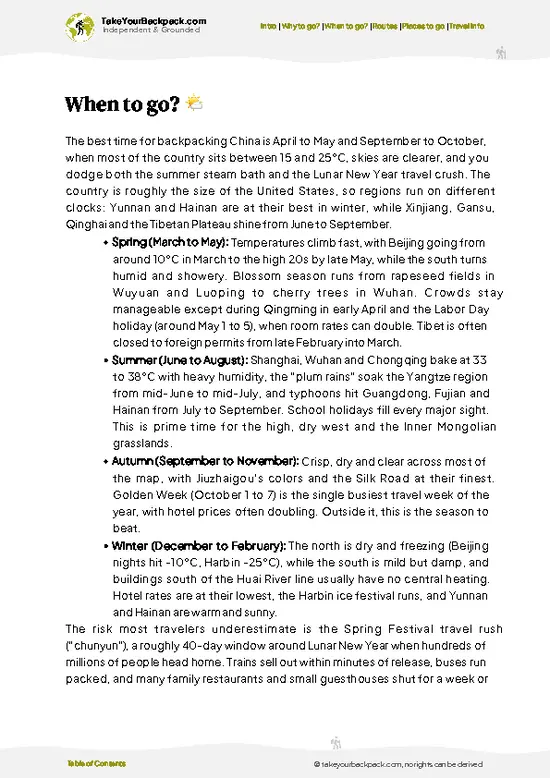
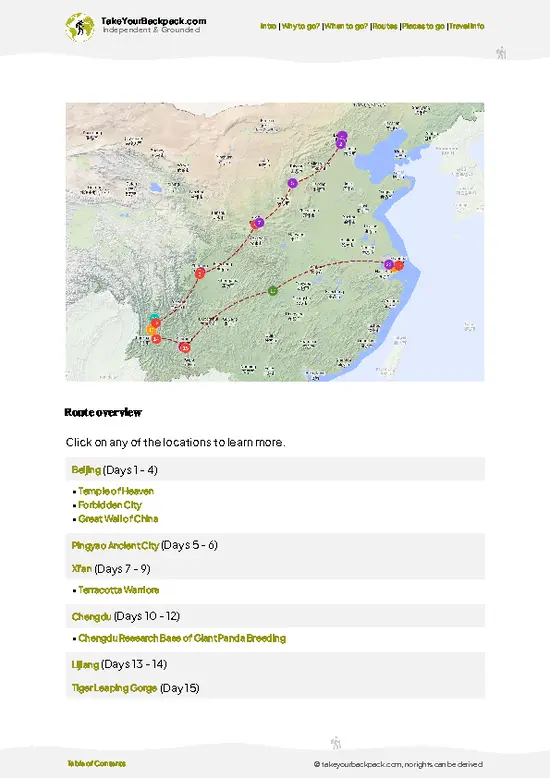
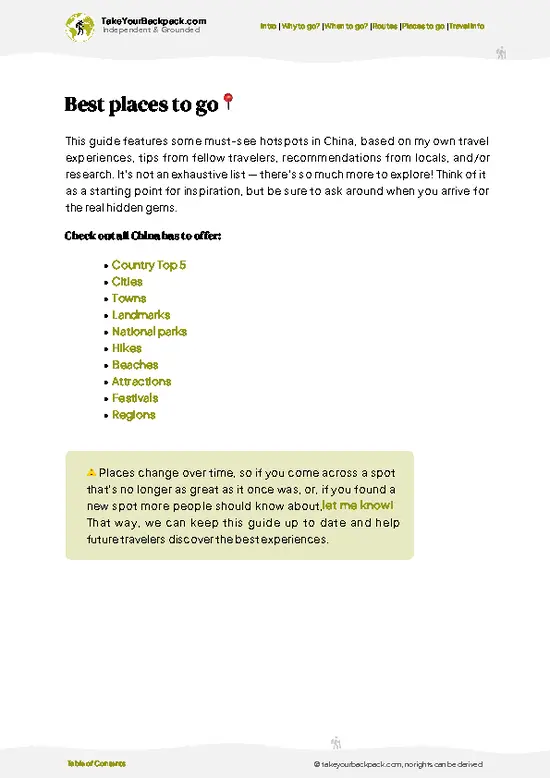
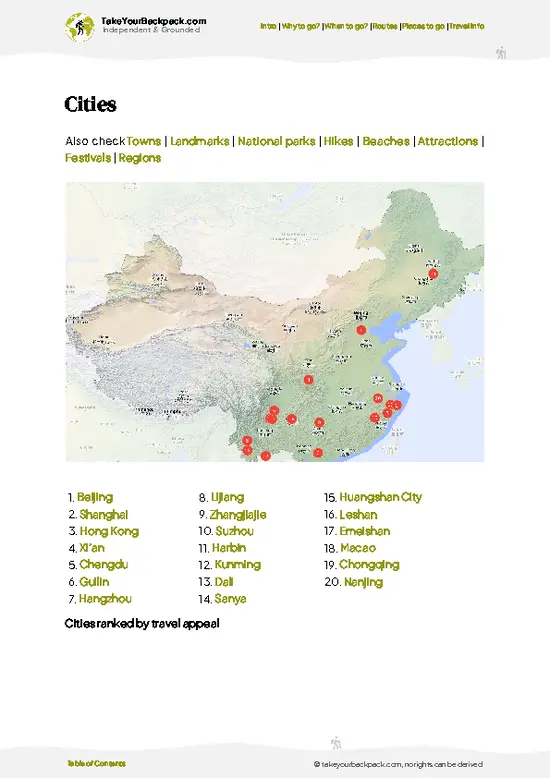
example page 0 from our offline Travel Guide for China
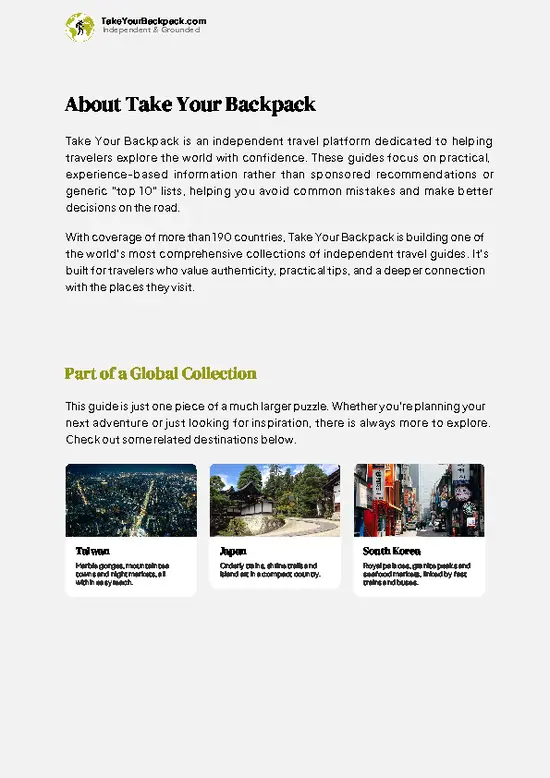
example page 1 from our offline Travel Guide for China
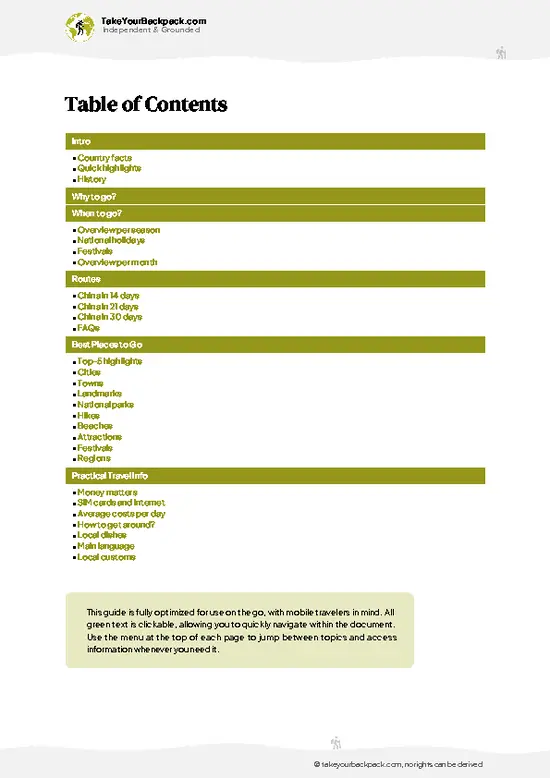
example page 2 from our offline Travel Guide for China
example page 3 from our offline Travel Guide for China
example page 4 from our offline Travel Guide for China
example page 5 from our offline Travel Guide for China
example page 6 from our offline Travel Guide for China
example page 7 from our offline Travel Guide for China
The digital guide (463 pages) contains:
130 highlights, ranked by travel appeal
Optimized 14, 21 & 30-day travel routes
Cities, national parks, landmarks, beaches
How to get around
Offline-friendly for travel without Wi-Fi
👉 Click to see all 30+ guide features

📅 Plan smarter in minutes, not weeks
Month by month travel advice
Festivals & national holidays
Budget expectations

🗺️ Go to the right places, skip the overrated ones
Honest pros & cons of destinations
Top hikes, parks & viewpoints
Lesser-known places most travelers miss
Clear “worth it vs skip it” guidance

🛏️ Travel smoothly without rookie mistakes
Best areas to stay
Transport systems explained simply
Common scams & safety advice
SIM cards, money & practical tips

🌍 Understand the country, not just visit it
Culture & traditions
52 Essential phrases & customs
Festivals worth planning around
Traveler-friendly historical context
Insights that make places more meaningful

📱 Built for real travel conditions
Fully downloadable PDF
Works completely offline
Optimized for phone use
Useful in remote areas & buses
Everything in one place
Save weeks of stressful planning
Get instant access to your full guide. 30‑day money-back guarantee.
+ Add another guide for just US$7.80

By proceeding you agree to our terms.
Sent to your inbox immediately after payment • 100% Secure Checkout
Best Backpacking Travel Advisor 2025 tourism awardBest Backpacking
Travel Advisor
2025
What others say about Take Your Backpack Guides:
⭐⭐⭐⭐⭐
Fantastic, amazing amount of information!
⭐⭐⭐⭐⭐
My goodness this is amazing, it's what I've been looking for hats off too you!
⭐⭐⭐⭐⭐
I think this is absolutely BRILLIANT
⭐⭐⭐⭐
Very complete and informative. It's still missing places, but I gotta to commend you
⭐⭐⭐⭐⭐
This is truly amazing, thank you, can't wait to explore it with my kids!
⭐⭐⭐⭐⭐
Awesome resource, thank you!
⭐⭐⭐⭐⭐
This is amazing! Can't wait to explore the ones I haven't seen
⭐⭐⭐⭐
I love this! Well done, great idea.
⭐⭐⭐⭐⭐
Thanks for taking the time to make this gem!
⭐⭐⭐⭐⭐
This might be the best website I've ever seen.
⭐⭐⭐⭐⭐
Congratulations, and thank you so much for your work; it's incredibly valuable.
⭐⭐⭐⭐
In all seriousness I think you did a great job pointing out the important spots
⭐⭐⭐⭐⭐
10/10 very good
⭐⭐⭐⭐⭐
As someone who's only just starting to visit regularly this is awesome, thank you.
⭐⭐⭐⭐
Thank you very much! I'm going to visit my dad, it's going to be very useful!
⭐⭐⭐⭐⭐
This is really cool! We'll be travelling for the first time and this definitely come in handy.
⭐⭐⭐⭐⭐
You are now our minister of culture, congratulations 👨‍💼
⭐⭐⭐⭐⭐
Just wanted to tell you that this is a pearl! Going to follow your recommendations.
⭐⭐⭐⭐⭐
This is so cool. I'll definitely be using the resource for my travels soon.
⭐⭐⭐⭐⭐
This is very impressive! Good work.
⭐⭐⭐⭐⭐
This is an amazing and informative site. Very well done!

🛏️ Where to stay?Best areas and accommodation options

In Shigatse, the best spot for backpackers is the area around the city center near the main bus station and the old town streets. This zone strikes a smart balance: it’s safe, bustling enough to meet fellow travelers, and packed with budget hostels that cater to solo adventurers. You’re close to local markets and eateries, so comfort isn’t about luxury but authentic convenience—grab a meal, rest, and plot your next move without wasting time or cash on taxis. Compared to the quieter outskirts or newer commercial zones, this neighborhood keeps you plugged into the city’s pulse, making every moment … read more 👉
In Shigatse, the best spot for backpackers is the area around the city center near the main bus station and the old town streets. This zone strikes a smart balance: it’s safe, bustling enough to meet fellow travelers, and packed with budget hostels that cater to solo adventurers. You’re close to local markets and eateries, so comfort isn’t about luxury but authentic convenience—grab a meal, rest, and plot your next move without wasting time or cash on taxis. Compared to the quieter outskirts or newer commercial zones, this neighborhood keeps you plugged into the city’s pulse, making every moment count without breaking the bank or sacrificing social energy.

🚌 Getting aroundMoving around without the hassle

Shigatse moves at a pace that’s part deliberate, part improvisational. It’s not a city where you’ll find strict timetables etched in stone, but neither is it a free-for-all chaos. Instead, it’s a rhythm of local intuition and practical necessity—where timing bends around the flow of daily life, and your best bet is to read the room rather than the clock. This means your travel choices here are a balancing act between patience, budget, and comfort, with each mode of transit offering a distinct trade-off.


  • Walking: The ultimate budget option—free, flexible, and immersive. Shigatse’s compact center makes walking practical, but be ready for uneven sidewalks and altitude challenges. It’s slow but lets you absorb the city’s pulse.

  • Local Minibus: Runs roughly from 7 AM to 7 PM, fares under 5
read more 👉
Shigatse moves at a pace that’s part deliberate, part improvisational. It’s not a city where you’ll find strict timetables etched in stone, but neither is it a free-for-all chaos. Instead, it’s a rhythm of local intuition and practical necessity—where timing bends around the flow of daily life, and your best bet is to read the room rather than the clock. This means your travel choices here are a balancing act between patience, budget, and comfort, with each mode of transit offering a distinct trade-off.


  • Walking: The ultimate budget option—free, flexible, and immersive. Shigatse’s compact center makes walking practical, but be ready for uneven sidewalks and altitude challenges. It’s slow but lets you absorb the city’s pulse.

  • Local Minibus: Runs roughly from 7 AM to 7 PM, fares under 5 CNY. It’s cheap and fairly frequent but expect crowding and basic comfort. Speed varies with traffic and stops, so factor in some unpredictability.

  • Shared Taxi: Departures depend on filling seats, typically from early morning until dusk. Costs around 20-30 CNY for short to mid-range trips. Faster than minibuses, more comfortable, but you sacrifice schedule control.

  • Private Taxi: Available anytime, negotiable fares starting around 80 CNY within city limits. Offers maximum comfort and speed but hits your wallet hard—best reserved for tight schedules or group splits.

  • Bicycle Rental: A middle ground between walking and motorized transit. Costs about 30 CNY per day, gives you speed and freedom without the expense of taxis. Terrain can be challenging, so consider your fitness and altitude acclimation.

👛 Costs (as of 4 September 2026)Typical daily expenses

Backpacking in Shigatse, China, demands a clear-eyed view of where your money goes, so you can decide what to prioritize—time, comfort, or saving every cent.
  • Dorm Accommodation (High Season): Expect to pay around $10-$15 per night. High season, typically spring and autumn, pushes prices up due to increased tourist flow and better weather.
  • Dorm Accommodation (Off-Season): In winter or less busy months, prices drop to about $6-$10. The trade-off is fewer amenities and sometimes colder rooms, but it’s a solid way to stretch your budget.
  • Meals: Street food and local eateries will run you $3-$7 per meal. Tibetan staples like momos and noodles are filling and affordable. Western-style or tourist-targeted restaurants can double that price, so choose wisely based on your comfort threshold.
  • Local Transport:
read more 👉
Backpacking in Shigatse, China, demands a clear-eyed view of where your money goes, so you can decide what to prioritize—time, comfort, or saving every cent.
  • Dorm Accommodation (High Season): Expect to pay around $10-$15 per night. High season, typically spring and autumn, pushes prices up due to increased tourist flow and better weather.
  • Dorm Accommodation (Off-Season): In winter or less busy months, prices drop to about $6-$10. The trade-off is fewer amenities and sometimes colder rooms, but it’s a solid way to stretch your budget.
  • Meals: Street food and local eateries will run you $3-$7 per meal. Tibetan staples like momos and noodles are filling and affordable. Western-style or tourist-targeted restaurants can double that price, so choose wisely based on your comfort threshold.
  • Local Transport: Short rides on shared minibuses or taxis cost roughly $0.50-$1.50. It’s cheap but can be slow and crowded, so factor in time if you’re on a tight schedule.
  • City Transport Pass: Shigatse doesn’t have a formal city transport pass system like bigger cities. Budget around $2-$3 daily if you rely heavily on taxis or minibuses for convenience.
  • Basic Activities/Entry Fees: Visiting key sites like Tashilhunpo Monastery or local museums typically costs $3-$7. Some places might have small additional fees for photography or guided tours.
  • Miscellaneous Expenses: This covers bottled water, snacks, phone top-ups, and occasional small purchases. Plan for $2-$5 daily to stay comfortably stocked without surprises.

Add it all up, and a realistic daily budget for backpacking in Shigatse ranges from about $20 on a shoestring to $35 if you lean towards a bit more comfort or convenience. Knowing these trade-offs lets you decide if you want to save time by paying a bit more or dive deeper into local life by stretching your dollars.


source: chinatibettravel.com
⚠️ Prices can change and everyone travels differently, so take this as a rough guide. Hope it helps you plan your adventure!

🚌 Day tripsShort trips worth adding

Shigatse is a fantastic base for day trips that blend culture, adventure, and stunning landscapes. Here are some top picks that will enrich your experience without the hassle of overnight stays.

Tashilhunpo Monastery
Just a short walk from the city center, Tashilhunpo is a must-see. This sprawling complex is the seat of the Panchen Lama and offers a deep dive into Tibetan Buddhism. Expect to spend around 2-3 hours exploring its intricate halls and vibrant murals. Budget travelers can get by on less than $5 for entry and snacks. The best time to visit is early morning to avoid crowds and soak in the serene atmosphere. A common mistake is rushing through; take your time to absorb the spiritual energy.


Gyantse
A 2-hour bus ride will take you to Gyantse, home to the iconic Kumbum Stupa. … read more 👉
Shigatse is a fantastic base for day trips that blend culture, adventure, and stunning landscapes. Here are some top picks that will enrich your experience without the hassle of overnight stays.

Tashilhunpo Monastery
Just a short walk from the city center, Tashilhunpo is a must-see. This sprawling complex is the seat of the Panchen Lama and offers a deep dive into Tibetan Buddhism. Expect to spend around 2-3 hours exploring its intricate halls and vibrant murals. Budget travelers can get by on less than $5 for entry and snacks. The best time to visit is early morning to avoid crowds and soak in the serene atmosphere. A common mistake is rushing through; take your time to absorb the spiritual energy.


Gyantse
A 2-hour bus ride will take you to Gyantse, home to the iconic Kumbum Stupa. This architectural marvel is a pilgrimage site and showcases stunning frescoes. The round trip will cost about $10, including bus fare and entry fees. Spring and autumn are ideal for pleasant weather. Many first-timers overlook the local market; don’t miss it for authentic Tibetan snacks and handicrafts.


Lake Yamdrok
About 3 hours from Shigatse, Lake Yamdrok is a breathtaking turquoise gem surrounded by snow-capped peaks. The journey is half the fun, with stunning views along the way. Expect to spend around $15 for transport and snacks. Late spring to early fall is the best time to visit, as winter can be harsh. A common pitfall is not checking the weather; conditions can change rapidly.
Want to know what more China offers?
The China Travel Guide describes 130 highlights, from cities to national parks, from beaches to hikes

Get the Travel Guide -

🍲 FoodLocal Flavors for Backpackers

In Shigatse, local cuisine is a vibrant tapestry of flavors. Don’t miss tsampa, a roasted barley flour dish that’s a staple for many Tibetans. Pair it with butter tea, a creamy, salty drink that warms you up after a day of exploring.

Street food stalls buzz with energy, offering momos—steamed dumplings filled with meat or veggies. Grab a few as you wander through bustling markets, where the air is thick with spices and the chatter of locals.

When dining, expect a communal vibe; sharing dishes is the norm. Embrace the slow pace of meals, savoring each bite while soaking in the lively atmosphere.

🛡️ SafetyStaying Safe: What Travelers Should Know

Shigatse is generally safe, but awareness is key. Stick to well-lit areas at night, especially around the market and bus station. Solo travelers should blend in; avoid drawing attention with flashy gear.

Watch for common scams, like overly friendly locals offering unsolicited tours or help, which can lead to inflated prices. Always negotiate before accepting services. Everyday annoyances include persistent street vendors; a polite but firm “no” usually suffices. Carry yourself confidently, and you’ll navigate the city with ease.

FAQCommon questions from travelers

2 to 3 days are sufficient to explore Shigatse, including its main attractions like Tashilhunpo Monastery and the local markets. This allows time for acclimatization to the altitude and some day trips around the area.
Yes, Shigatse is generally safe for solo backpackers. Basic precautions like avoiding isolated areas at night and keeping valuables secure are advised. The local population is friendly, and the city has a low crime rate compared to larger urban centers.
Shigatse is known for Tashilhunpo Monastery, the traditional seat of the Panchen Lama, and its role as a cultural and religious center in Tibet. It is also a gateway for travelers heading to Mount Everest Base Camp from the Tibetan side.
⚠️ Things can change over time, so always validate details locally before you go.

Other Chinese cities near Shigatse

Explore more nearby:

  • Chamdo—river gorges, Tibetan villages, remote monasteries| 824 km away
  • Ruili—border town, jade markets, cross-border trade| 1065 km away
  • Lijiang—canal network, Naxi culture, old town squares| 1145 km away

💡 Not sure where to go next?
Create a personalized itinerary for China including Shigatse and the places that fit your trip.

Generate my itinerary

👉 Discover all cities

Or checkout all China has to offer (think cities, towns, villages, national parks, hikes, beaches, festivals)
Country photo of China

We 💚 feedbackParting advice and final tips

Shigatse is a treasure trove of Tibetan culture, with Tashilhunpo Monastery offering a deep dive into local spirituality and history. But be ready for altitude headaches; the thin air can hit hard. Embrace the challenge, and the rewards will be worth it.

✈️ When did I visit China?
As part of my 1.5 year travel around the world trip, I visited China in August 2015, coming from Mongolia by the TransMongolia Express.

✍️ Help improve this page!
The information on this page is based on my own backpacking experience in China, supplemented with up-to-date research and feedback from other travelers. Travel details can change, so if you notice anything outdated or incomplete, feel free to let me know.


🙋‍♂️ Give feedback

👋 Meet the founderWho’s Behind Take Your Backpack?

Johan, backpacker and founder of TakeYourBackpackHi, I’m Johan (Netherlands 🇳🇱), the creator of TakeYourBackpack. Over the past decade, I’ve backpacked through 80+ countries across six continents, gaining extensive experience with independent travel, long-term trips, and overland routes.

This site is built on a combination of firsthand travel experience and carefully curated insights from other backpackers. Many guides are based on places I’ve personally visited, while others bring together tips, observations, and practical advice shared by trusted travelers I’ve met along the way.

The goal is to provide realistic, experience-driven guidance — not generic itineraries — so you can explore destinations with better context, clearer expectations, and more confidence.

Get full China guide •
Instant download • 130 highlights • Full Offline guide