
×

China🇨🇳 | attractionsTerracotta Warriors and Horses Museumlife-sized statues, Qin tomb, excavation pits | things to do and best time to go

Explore The Palace MuseumExplore Mogao Caves Digital Exhibition Center

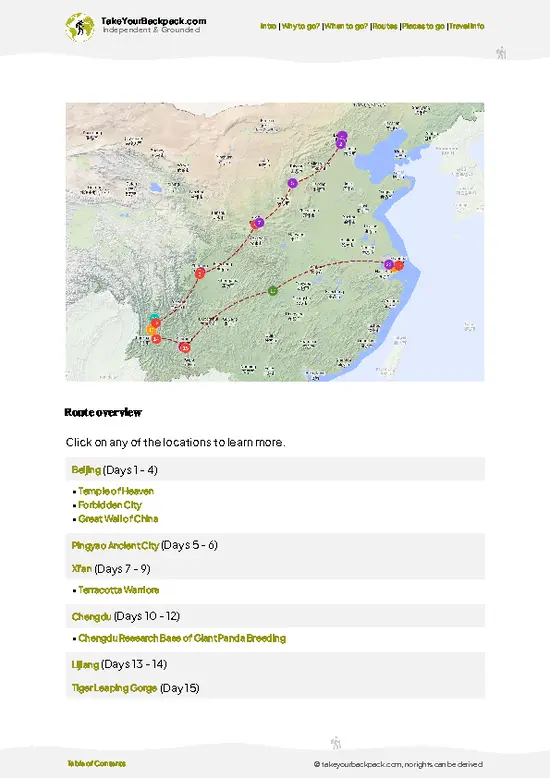
Backpacking in Terracotta Warriors and Horses Museum
🏆 Top pickattraction ranked #2
By Johan Kruseman 🇳🇱 | Updated September 4, 2026

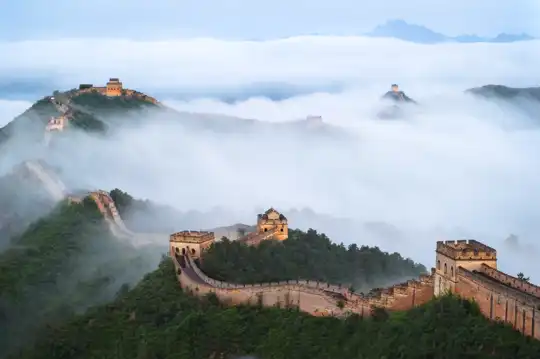
Here’s what nobody tells you: the Terracotta Warriors and Horses Museum isn’t one single, jaw-dropping army lined up in perfect formation—it’s a sprawling complex, and most of the soldiers you’ll see are still buried, broken, or mid-restoration. The museum sits about an hour outside Xi’an, in Shaanxi Province, and yes, you’ll share the experience with busloads of tourists wielding selfie sticks like battle standards. But here’s the kicker: even with the crowds and the steep ticket price (by backpacker standards), the first time you lock eyes with a 2,000-year-old clay soldier—each face unique, each detail hand-carved—you feel the weight of history hit you in the chest. It’s not intimate or tranquil, but it’s raw, massive, and unapologetically grand. Compared to the Great Wall’s wild stretches or the karst peaks of Yangshuo, this is less about scenery and more about scale, ambition, and the audacity of ancient China.

Discover everything you want to know in the 📖 China Travel Guide.


Get your China guide
130 ranked highlights, routes & tips, works offline (463 pages)
Loading the map 🌍
CLICK TO FILTER
cities
towns
landmarks
national parks
hikes
beaches
attractions
festivals
regions
SHOW COUNTRY’S BESTSHOW ALL

✨ Why go?
Ranked #2 attraction in China
Reasons people choose to visit here

The Terracotta Warriors and Horses Museum is no secret—expect crowds, especially from tour buses flooding in by the dozen. It’s not cheap either, with entrance fees and the inevitable vendor hustle around the site. But here’s the real deal: this isn’t just a tourist stop; it’s a full-on history slam dunk. These thousands of life-sized soldiers, horses, and chariots aren’t just statues—they’re a 2,200-year-old army frozen in time, guarding the tomb of China’s first emperor, Qin Shi Huang. The craftsmanship is staggering, each figure unique, down to the facial expressions and armor details. You feel the weight of ancient ambition and the sheer scale of imperial power.

For backpackers, this is a milestone, a tangible link to China’s vast, complex past that no textbook or museum replica can match. … read more 👉
The Terracotta Warriors and Horses Museum is no secret—expect crowds, especially from tour buses flooding in by the dozen. It’s not cheap either, with entrance fees and the inevitable vendor hustle around the site. But here’s the real deal: this isn’t just a tourist stop; it’s a full-on history slam dunk. These thousands of life-sized soldiers, horses, and chariots aren’t just statues—they’re a 2,200-year-old army frozen in time, guarding the tomb of China’s first emperor, Qin Shi Huang. The craftsmanship is staggering, each figure unique, down to the facial expressions and armor details. You feel the weight of ancient ambition and the sheer scale of imperial power.

For backpackers, this is a milestone, a tangible link to China’s vast, complex past that no textbook or museum replica can match. The adrenaline hits when you realize you’re standing where history was literally unearthed, a moment that rewires your sense of time and place. Yes, it’s busy and a bit commercialized, but the payoff is a rare, visceral connection to a civilization that shaped the world. Skip it, and you miss a cornerstone of any serious China route.
Want to include Terracotta Warriors and Horses Museum in your China route?
Create a personalized China itinerary that includes Terracotta Warriors and Horses Museum and the places that fit your trip — based on your travel style, budget, and available time. Get your route in seconds.

Generate my trip

💡 HighlightsMust-see experiences and standout moments

1. Pit 1: The Main Army
Let’s cut through the hype: this is the blockbuster, the reason you’re here, and yes, it’s crowded. But there’s a reason every tour bus in China points its nose at Pit 1. You’re staring at a literal army—over 6,000 life-sized soldiers, each with a unique face, standing in formation as if they’re about to march out of the earth. The scale is absurd. The detail is obsessive. It’s not just a photo op; it’s a punch in the gut from 2,200 years ago. The sheer number of statues, the eerie silence, and the knowledge that you’re looking at a funerary project that bankrupted an empire—this is the kind of spectacle that makes you forget about the elbows in your ribs.


2. Pit 2: The Specialists
If Pit 1 is the main event, Pit 2 is where you get the director’s cut. Here you’ll find … read more 👉
1. Pit 1: The Main Army
Let’s cut through the hype: this is the blockbuster, the reason you’re here, and yes, it’s crowded. But there’s a reason every tour bus in China points its nose at Pit 1. You’re staring at a literal army—over 6,000 life-sized soldiers, each with a unique face, standing in formation as if they’re about to march out of the earth. The scale is absurd. The detail is obsessive. It’s not just a photo op; it’s a punch in the gut from 2,200 years ago. The sheer number of statues, the eerie silence, and the knowledge that you’re looking at a funerary project that bankrupted an empire—this is the kind of spectacle that makes you forget about the elbows in your ribs.


2. Pit 2: The Specialists
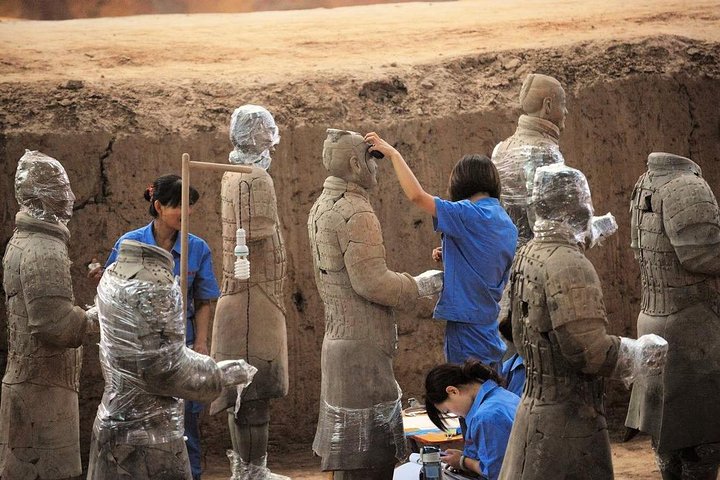
If Pit 1 is the main event, Pit 2 is where you get the director’s cut. Here you’ll find the archers, cavalry, and charioteers—the tactical brains of the operation. The pit is partially excavated, so you see the process in action: half-buried warriors, horses peeking out of the clay, and the raw, unfinished edges of archaeology. It’s less polished, more intimate, and weirdly suspenseful. You’re not just gawking at statues; you’re watching history being unearthed in real time.


3. The Bronze Chariots
These are not just museum pieces—they’re the ancient equivalent of a luxury sports car. The two half-size bronze chariots, displayed in a climate-controlled case, are masterpieces of engineering and artistry. The detail is wild: moving parts, intricate harnesses, and paint that’s somehow survived centuries underground. If you want to see the technical genius of the Qin dynasty, this is where it’s hiding.


4. The Face Game
Here’s the secret sauce: every single warrior has a different face. No copy-paste, no shortcuts. Some look bored, some look furious, some look like they’re about to crack a joke. It’s a parade of personalities, and it’s addictive to scan the rows and pick out your favorites. This is the human touch that Instagram never captures—the sense that you’re looking at real people, not just relics.


5. The Archaeologists at Work
This is my personal favorite. If you time it right, you’ll see actual archaeologists in the pits, painstakingly brushing away dirt or piecing together shattered warriors. It’s not staged for tourists; it’s the real, slow, obsessive work of discovery. Watching them reminds you that the Terracotta Army isn’t just a finished product—it’s an ongoing story, and you’re catching it mid-chapter. That’s the real magic: history isn’t dead here, it’s still being written.
Spotted a mistake or missing something? Contact us.

Things to do around Terracotta Warriors and Horses Museum

Ratings based on Tripadvisor reviews. When you book through this link, you support our work at no extra cost to you.

🌤️ When to go?Best time to visit Terracotta Warriors and Horses Museum


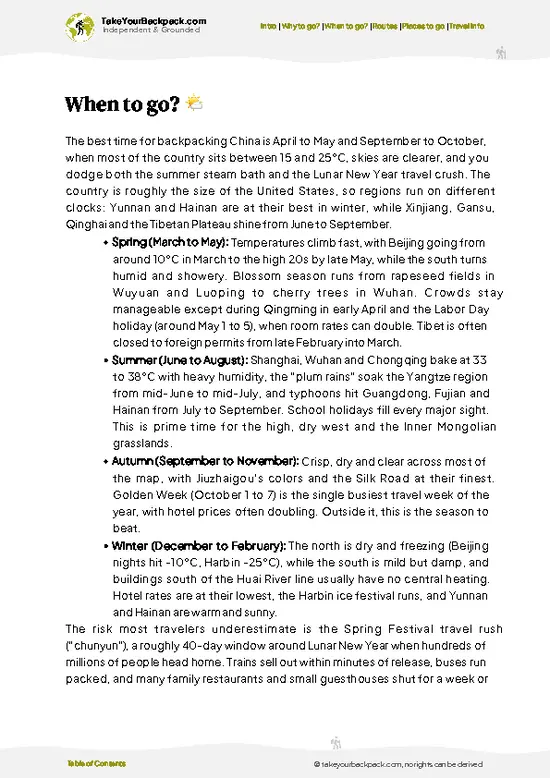
  • Weather: The best weather hits in April, May, September, and October. You get mild temperatures without the choking summer humidity or the bone-chilling cold of winter. Summers (June to August) can be brutally hot, often pushing 30-35°C (86-95°F), which makes wandering around the open-air pits exhausting.

  • Temperature: Winters (December to February) dip below freezing, hovering around 0-5°C (32-41°F), which is tough for long outdoor visits. Spring and autumn offer a comfortable 15-25°C (59-77°F), perfect for exploring without overheating or freezing.

  • Daylight Hours: Peak daylight stretches from April to September, giving you about 12-14 hours to soak in the site. In winter, daylight shrinks to around 9-10 hours, limiting your exploration window.

  • Crowds: The site is a magnet for tourists
read more 👉

  • Weather: The best weather hits in April, May, September, and October. You get mild temperatures without the choking summer humidity or the bone-chilling cold of winter. Summers (June to August) can be brutally hot, often pushing 30-35°C (86-95°F), which makes wandering around the open-air pits exhausting.

  • Temperature: Winters (December to February) dip below freezing, hovering around 0-5°C (32-41°F), which is tough for long outdoor visits. Spring and autumn offer a comfortable 15-25°C (59-77°F), perfect for exploring without overheating or freezing.

  • Daylight Hours: Peak daylight stretches from April to September, giving you about 12-14 hours to soak in the site. In winter, daylight shrinks to around 9-10 hours, limiting your exploration window.

  • Crowds: The site is a magnet for tourists year-round, but the worst crush is during Chinese public holidays like Golden Week (early October) and National Day (October 1-7). Avoid these if you want to dodge selfie sticks and tour groups.

  • Seasonal Activities: There are no flashy seasonal events here, but spring and autumn bring the best light and fewer crowds, making your visit feel more personal and less like a conveyor belt experience.

  • Price Fluctuations: Ticket prices stay fairly stable year-round, but expect a slight hike during peak tourist seasons and holidays. Booking in advance can save you from last-minute price jumps and long lines.


Pro-tip: Aim for a weekday visit in late April or early October—cool weather, manageable crowds, and enough daylight to explore without feeling rushed or roasted.


source: climatestotravel.comJANJanuary: fair for travelingFEBFebruary: fair for travelingMARMarch: good for travelingAPRApril: excellent for travelingMAYMay: excellent for travelingJUNJune: fair for travelingJULJuly: fair for travelingAUGAugust: fair for travelingSEPSeptember: excellent for travelingOCTOctober: highly recommended for travelingNOVNovember: good for travelingDECDecember: fair for traveling
when-to-go

✈️ The backpacker research shortcutChina Travel Guide

An offline-friendly backpacking guide with optimized travel routes, ranked highlights, transport advice, and the best areas to stay.
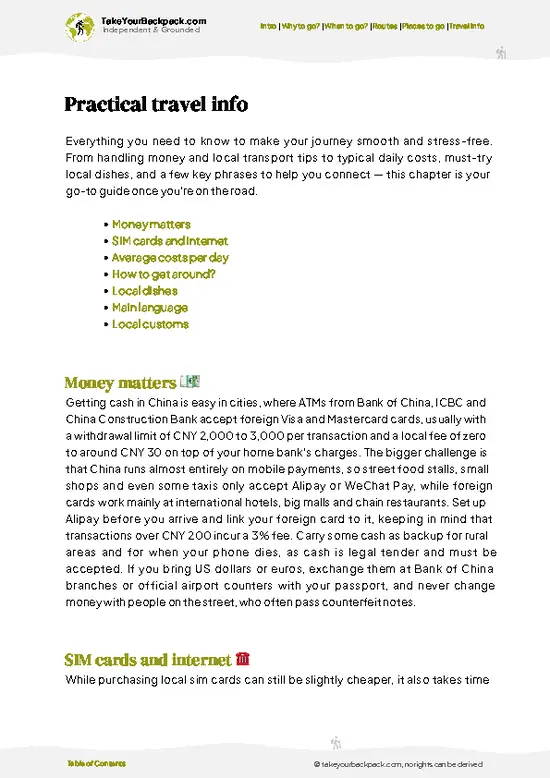
example page 0 from our offline Travel Guide for China
example page 1 from our offline Travel Guide for China
example page 2 from our offline Travel Guide for China
example page 3 from our offline Travel Guide for China
example page 4 from our offline Travel Guide for China
example page 5 from our offline Travel Guide for China
example page 6 from our offline Travel Guide for China
example page 7 from our offline Travel Guide for China
The digital guide (463 pages) contains:
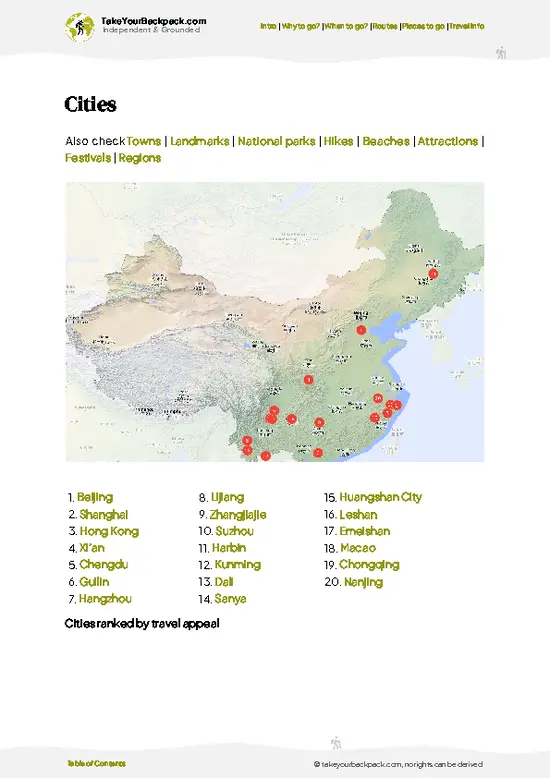
130 highlights, ranked by travel appeal
Optimized 14, 21 & 30-day travel routes
Cities, national parks, landmarks, beaches
How to get around
Offline-friendly for travel without Wi-Fi
👉 Click to see all 30+ guide features

📅 Plan smarter in minutes, not weeks
Month by month travel advice
Festivals & national holidays
Budget expectations

🗺️ Go to the right places, skip the overrated ones
Honest pros & cons of destinations
Top hikes, parks & viewpoints
Lesser-known places most travelers miss
Clear “worth it vs skip it” guidance

🛏️ Travel smoothly without rookie mistakes
Best areas to stay
Transport systems explained simply
Common scams & safety advice
SIM cards, money & practical tips

🌍 Understand the country, not just visit it
Culture & traditions
52 Essential phrases & customs
Festivals worth planning around
Traveler-friendly historical context
Insights that make places more meaningful

📱 Built for real travel conditions
Fully downloadable PDF
Works completely offline
Optimized for phone use
Useful in remote areas & buses
Everything in one place
Save weeks of stressful planning
Get instant access to your full guide. 30‑day money-back guarantee.
+ Add another guide for just US$7.80

By proceeding you agree to our terms.
Sent to your inbox immediately after payment • 100% Secure Checkout
Best Backpacking Travel Advisor 2025 tourism awardBest Backpacking
Travel Advisor
2025
What others say about Take Your Backpack Guides:
⭐⭐⭐⭐⭐
Fantastic, amazing amount of information!
⭐⭐⭐⭐⭐
My goodness this is amazing, it's what I've been looking for hats off too you!
⭐⭐⭐⭐⭐
I think this is absolutely BRILLIANT
⭐⭐⭐⭐
Very complete and informative. It's still missing places, but I gotta to commend you
⭐⭐⭐⭐⭐
This is truly amazing, thank you, can't wait to explore it with my kids!
⭐⭐⭐⭐⭐
Awesome resource, thank you!
⭐⭐⭐⭐⭐
This is amazing! Can't wait to explore the ones I haven't seen
⭐⭐⭐⭐
I love this! Well done, great idea.
⭐⭐⭐⭐⭐
Thanks for taking the time to make this gem!
⭐⭐⭐⭐⭐
This might be the best website I've ever seen.
⭐⭐⭐⭐⭐
Congratulations, and thank you so much for your work; it's incredibly valuable.
⭐⭐⭐⭐
In all seriousness I think you did a great job pointing out the important spots
⭐⭐⭐⭐⭐
10/10 very good
⭐⭐⭐⭐⭐
As someone who's only just starting to visit regularly this is awesome, thank you.
⭐⭐⭐⭐
Thank you very much! I'm going to visit my dad, it's going to be very useful!
⭐⭐⭐⭐⭐
This is really cool! We'll be travelling for the first time and this definitely come in handy.
⭐⭐⭐⭐⭐
You are now our minister of culture, congratulations 👨‍💼
⭐⭐⭐⭐⭐
Just wanted to tell you that this is a pearl! Going to follow your recommendations.
⭐⭐⭐⭐⭐
This is so cool. I'll definitely be using the resource for my travels soon.
⭐⭐⭐⭐⭐
This is very impressive! Good work.
⭐⭐⭐⭐⭐
This is an amazing and informative site. Very well done!

🛏️ Where to stay?Where staying makes the most sense

Forget the glossy Instagram shots of the Terracotta Warriors—yes, the crowds are brutal, and the entrance fee isn’t exactly pocket change for a backpacker. But here’s the real deal: the magic isn’t just in the statues; it’s in the gritty, lived-in neighborhoods where you crash after a day of elbowing through tourists.

If you want to be close to the museum without getting swallowed by tourist traps, aim for the areas around the Xi’an city outskirts, especially near the museum’s southern entrance. This zone is quieter, safer, and surprisingly social. You’ll find a mix of budget guesthouses and … read more 👉
Forget the glossy Instagram shots of the Terracotta Warriors—yes, the crowds are brutal, and the entrance fee isn’t exactly pocket change for a backpacker. But here’s the real deal: the magic isn’t just in the statues; it’s in the gritty, lived-in neighborhoods where you crash after a day of elbowing through tourists.

If you want to be close to the museum without getting swallowed by tourist traps, aim for the areas around the Xi’an city outskirts, especially near the museum’s southern entrance. This zone is quieter, safer, and surprisingly social. You’ll find a mix of budget guesthouses and local eateries where you can actually talk to people who live here, not just other travelers. It’s a chance to soak in the local vibe without the constant buzz of tour groups.

Staying in downtown Xi’an is tempting for nightlife and transport, but it means a 40-minute bus or taxi ride to the warriors. If you’re solo and want to meet others, the outskirts near the museum have a handful of hostels that attract like-minded backpackers—think communal dinners, shared rides, and swapping stories about the day’s discoveries.

Bottom line: don’t just chase convenience or cheap beds downtown. The real value is in the neighborhoods that let you breathe, connect, and experience the Terracotta Warriors beyond the selfie line.

👛 Costs (as of 4 September 2026)Money, prices, and spending tips

The entrance ticket to the Terracotta Warriors and Horses Museum typically costs around USD20. Additional costs may include audio guides or guided tours, which range from USD10 to USD15. Transportation to and from the site can vary but is generally affordable.

source: travelchinaguide.com
⚠️ Prices can change and everyone travels differently, so take this as a rough guide. Hope it helps you plan your adventure!

FAQTraveler FAQ

3 to 4 hours is sufficient to visit the Terracotta Warriors and Horses Museum to see the main pits and the museum exhibits. Allocate extra time if you want to explore in detail or visit the nearby Qin Shi Huang Mausoleum. The site is large and can be crowded, so plan accordingly.
Yes, the entrance fee is worth it for the unique historical and archaeological significance of the Terracotta Warriors. Tickets cost around 150 CNY (about 20 USD) and provide access to one of the most important ancient sites in China. The scale and preservation of the figures justify the price for most travelers.
Take a bus or taxi from Xi'an city center, about 40 kilometers away; the bus ride takes around 1 hour. Public buses like line 306 or tourist shuttle buses run regularly to the museum. Alternatively, taxis or private tours offer more convenience but at a higher cost.
⚠️ Things can change over time, so always validate details locally before you go.

Other Chinese attractions near Terracotta Warriors and Horses Museum

Explore more nearby:


💡 Not sure where to go next?
Create a personalized itinerary for China including Terracotta Warriors and Horses Museum and the places that fit your trip.

Generate my itinerary

👉 Discover all attractions

Or checkout all China has to offer (think cities, towns, villages, national parks, hikes, beaches, festivals)
Country photo of China

We 💚 feedbackIs it worth it?

The Terracotta Warriors are a jaw-dropping testament to ancient ambition—thousands of life-sized soldiers frozen in time, each with its own face. But brace yourself: the crowds can feel like a tidal wave, especially midday, and the entry fee isn’t pocket change. Still, standing there, surrounded by this army that’s survived over two millennia, you get a rare, humbling glimpse into history’s sheer scale and human effort. That’s the real magic.

✈️ When did I visit China?
As part of my 1.5 year travel around the world trip, I visited China in August 2015, coming from Mongolia by the TransMongolia Express.

✍️ Help improve this page!
The information on this page is based on my own backpacking experience in China, supplemented with up-to-date research and feedback from other travelers. Travel details can change, so if you notice anything outdated or incomplete, feel free to let me know.


🙋‍♂️ Give feedback

👋 Meet the founderWho’s Behind Take Your Backpack?

Johan, backpacker and founder of TakeYourBackpackHi, I’m Johan (Netherlands 🇳🇱), the creator of TakeYourBackpack. Over the past decade, I’ve backpacked through 80+ countries across six continents, gaining extensive experience with independent travel, long-term trips, and overland routes.

This site is built on a combination of firsthand travel experience and carefully curated insights from other backpackers. Many guides are based on places I’ve personally visited, while others bring together tips, observations, and practical advice shared by trusted travelers I’ve met along the way.

The goal is to provide realistic, experience-driven guidance — not generic itineraries — so you can explore destinations with better context, clearer expectations, and more confidence.

Get full China guide •
Instant download • 130 highlights • Full Offline guide