
×

China🇨🇳 | attractionsShaanxi History MuseumTang dynasty, bronze vessels, Silk Road relics | things to do and best time to go

Explore Lingering Garden MuseumExplore Nanjing Massacre Memorial Hall

Backpacking in Shaanxi History Museum
👍 Recommendedattraction ranked #12
By Johan Kruseman 🇳🇱 | Updated September 4, 2026

Here’s the curveball: the Shaanxi History Museum, despite its world-class collection, is free—if you can snag a ticket before they’re gone by mid-morning. Set in Xi’an, the ancient capital at the heart of China, this place is less a quiet temple of learning and more a full-contact sport. You’ll elbow through tour groups and selfie sticks, but the payoff is real: Tang Dynasty gold, Silk Road relics, and a sense of China’s scale that no Instagram filter can fake. It’s chaotic, yes, but the raw energy and sheer density of history here make the crowds worth it. If you want a museum that feels alive, this is it.

Discover everything you want to know in the 📖 China Travel Guide.


Get your China guide
130 ranked highlights, routes & tips, works offline (463 pages)
Loading the map 🌍
CLICK TO FILTER
cities
towns
landmarks
national parks
hikes
beaches
attractions
festivals
regions
SHOW COUNTRY’S BESTSHOW ALL

✨ Why go?
Ranked #12 attraction in China
What sets this place apart

The Shaanxi History Museum isn’t just another stop on the China backpacker circuit—it’s a heavyweight in cultural storytelling. Sure, it draws crowds, especially on weekends, and the entry fee isn’t dirt cheap by local standards. But here’s the kicker: this place is a vault of China’s ancient soul, packed with relics from the Tang dynasty and beyond that you won’t find anywhere else. The exhibits don’t just sit there; they narrate the rise and fall of empires with a clarity that hits harder than any guidebook. For anyone trekking through China’s heartland, it’s a milestone that transforms dusty history into a vivid, adrenaline-pumping journey through time. Skip it, and you miss the backbone of Shaanxi’s—and China’s—story.
Want to include Shaanxi History Museum in your China route?
Create a personalized China itinerary that includes Shaanxi History Museum and the places that fit your trip — based on your travel style, budget, and available time. Get your route in seconds.

Generate my trip

💡 HighlightsThe experiences that define the visit

The Tang Dynasty Murals
Forget the glassy-eyed shuffle past dusty relics. These murals are the real backstage pass to imperial China’s wildest era. You’ll see polo matches, court banquets, and even the emperor’s favorite horses—painted with a swagger that Instagram filters can’t touch. The colors are faded, but the attitude is not. This is the Tang Dynasty with its hair down.


The Terracotta Warriors (Museum Edition)
Yes, you’ve heard of the army in the pits outside Xi’an. But here, you get up close—no mud, no crowds, no bus tour megaphones. The museum’s warriors are fewer, but the lighting and displays let you actually study the craftsmanship. You’ll notice details the outdoor site can’t deliver, like the individualized faces and the traces of original paint.


The Hejia Village Hoard
This is … read more 👉
The Tang Dynasty Murals
Forget the glassy-eyed shuffle past dusty relics. These murals are the real backstage pass to imperial China’s wildest era. You’ll see polo matches, court banquets, and even the emperor’s favorite horses—painted with a swagger that Instagram filters can’t touch. The colors are faded, but the attitude is not. This is the Tang Dynasty with its hair down.


The Terracotta Warriors (Museum Edition)
Yes, you’ve heard of the army in the pits outside Xi’an. But here, you get up close—no mud, no crowds, no bus tour megaphones. The museum’s warriors are fewer, but the lighting and displays let you actually study the craftsmanship. You’ll notice details the outdoor site can’t deliver, like the individualized faces and the traces of original paint.


The Hejia Village Hoard
This is the museum’s mic-drop moment. A stash of gold, silver, and jade buried during the chaos of the An Lushan Rebellion, then forgotten for over a thousand years. The sheer opulence is jaw-dropping, but what really gets you is the sense of panic and hope in every object—treasures meant to be recovered, never seen again until now.


The Stone Steles Gallery
Rows of ancient stone slabs, carved with imperial decrees and Buddhist sutras. It’s not just for calligraphy nerds. Run your eyes over the grooves and you’re staring at the original social media—messages meant to last centuries. The scale and weight of history here is almost physical.


The Tang Sancai Ceramics
My personal favorite. These tricolor glazed horses, camels, and court ladies are pure Tang Dynasty attitude. They’re playful, a little bit gaudy, and totally unapologetic. You can practically hear the Silk Road traffic outside the kiln. If you want to see ancient art that still feels alive, this is it.
Spotted a mistake or missing something? Contact us.

Things to do around Shaanxi History Museum

Ratings based on Tripadvisor reviews. When you book through this link, you support our work at no extra cost to you.

🌤️ When to go?Best time to visit Shaanxi History Museum


  • Weather & Temperature: Shaanxi History Museum is best visited in spring (April-May) or autumn (September-October) when temperatures hover between 15-25°C (59-77°F). Summers scorch at 30°C+ (86°F+), and winters dip below freezing, making long museum visits less pleasant.

  • Daylight Hours: From March to October, daylight stretches from about 11 to 14 hours, giving you ample time to explore without rushing. Winter months shrink daylight to around 9-10 hours, which can feel tight if you’re squeezing in other sites.

  • Crowds: Expect heavy crowds during Chinese public holidays like May Day (early May) and National Day (early October). Weekdays outside these periods are quieter, letting you soak in exhibits without shoulder-to-shoulder traffic.

  • Seasonal Activities: The museum occasionally hosts
read more 👉

  • Weather & Temperature: Shaanxi History Museum is best visited in spring (April-May) or autumn (September-October) when temperatures hover between 15-25°C (59-77°F). Summers scorch at 30°C+ (86°F+), and winters dip below freezing, making long museum visits less pleasant.

  • Daylight Hours: From March to October, daylight stretches from about 11 to 14 hours, giving you ample time to explore without rushing. Winter months shrink daylight to around 9-10 hours, which can feel tight if you’re squeezing in other sites.

  • Crowds: Expect heavy crowds during Chinese public holidays like May Day (early May) and National Day (early October). Weekdays outside these periods are quieter, letting you soak in exhibits without shoulder-to-shoulder traffic.

  • Seasonal Activities: The museum occasionally hosts special exhibitions and cultural events in spring and autumn, adding layers to your visit beyond the permanent displays.

  • Price Fluctuations: Entry fees remain stable year-round, but guided tours and audio guides may cost more during peak tourist seasons due to demand.


Pro-tip: Aim for a weekday morning in late April or early October—cool weather, manageable crowds, and a chance to catch special exhibits without paying a premium.


source: climatestotravel.comJANJanuary: fair for travelingFEBFebruary: fair for travelingMARMarch: good for travelingAPRApril: excellent for travelingMAYMay: highly recommended for travelingJUNJune: good for travelingJULJuly: fair for travelingAUGAugust: fair for travelingSEPSeptember: excellent for travelingOCTOctober: highly recommended for travelingNOVNovember: good for travelingDECDecember: fair for traveling
when-to-go

✈️ The backpacker research shortcutChina Travel Guide

An offline-friendly backpacking guide with optimized travel routes, ranked highlights, transport advice, and the best areas to stay.
example page 0 from our offline Travel Guide for China
example page 1 from our offline Travel Guide for China
example page 2 from our offline Travel Guide for China
example page 3 from our offline Travel Guide for China
example page 4 from our offline Travel Guide for China
example page 5 from our offline Travel Guide for China
example page 6 from our offline Travel Guide for China
example page 7 from our offline Travel Guide for China
The digital guide (463 pages) contains:
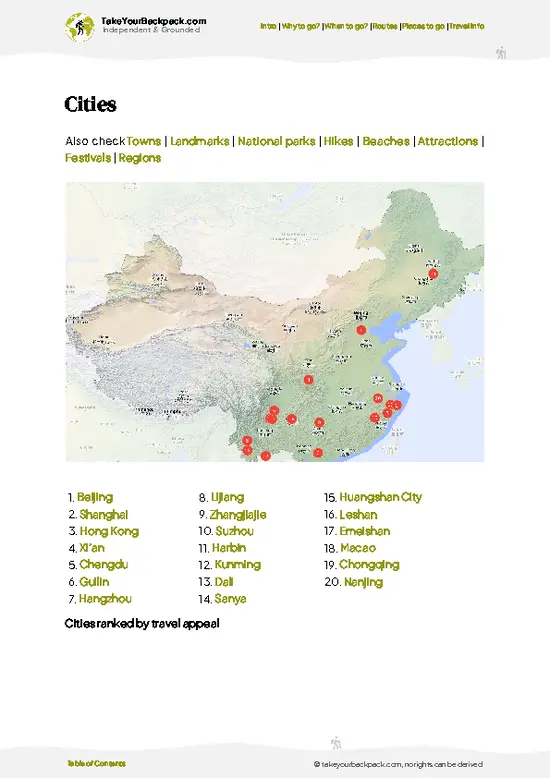
130 highlights, ranked by travel appeal
Optimized 14, 21 & 30-day travel routes
Cities, national parks, landmarks, beaches
How to get around
Offline-friendly for travel without Wi-Fi
👉 Click to see all 30+ guide features

📅 Plan smarter in minutes, not weeks
Month by month travel advice
Festivals & national holidays
Budget expectations

🗺️ Go to the right places, skip the overrated ones
Honest pros & cons of destinations
Top hikes, parks & viewpoints
Lesser-known places most travelers miss
Clear “worth it vs skip it” guidance

🛏️ Travel smoothly without rookie mistakes
Best areas to stay
Transport systems explained simply
Common scams & safety advice
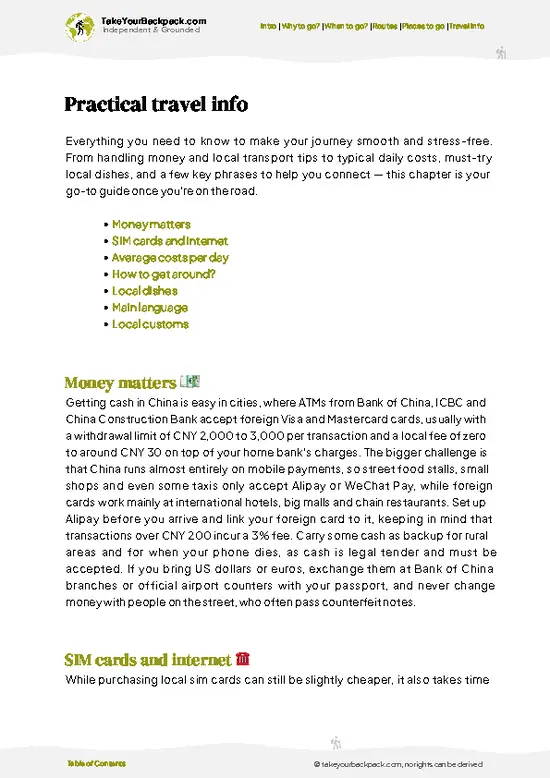
SIM cards, money & practical tips

🌍 Understand the country, not just visit it
Culture & traditions
52 Essential phrases & customs
Festivals worth planning around
Traveler-friendly historical context
Insights that make places more meaningful

📱 Built for real travel conditions
Fully downloadable PDF
Works completely offline
Optimized for phone use
Useful in remote areas & buses
Everything in one place
Save weeks of stressful planning
Get instant access to your full guide. 30‑day money-back guarantee.
+ Add another guide for just US$7.80

By proceeding you agree to our terms.
Sent to your inbox immediately after payment • 100% Secure Checkout
Best Backpacking Travel Advisor 2025 tourism awardBest Backpacking
Travel Advisor
2025
What others say about Take Your Backpack Guides:
⭐⭐⭐⭐⭐
Fantastic, amazing amount of information!
⭐⭐⭐⭐⭐
My goodness this is amazing, it's what I've been looking for hats off too you!
⭐⭐⭐⭐⭐
I think this is absolutely BRILLIANT
⭐⭐⭐⭐
Very complete and informative. It's still missing places, but I gotta to commend you
⭐⭐⭐⭐⭐
This is truly amazing, thank you, can't wait to explore it with my kids!
⭐⭐⭐⭐⭐
Awesome resource, thank you!
⭐⭐⭐⭐⭐
This is amazing! Can't wait to explore the ones I haven't seen
⭐⭐⭐⭐
I love this! Well done, great idea.
⭐⭐⭐⭐⭐
Thanks for taking the time to make this gem!
⭐⭐⭐⭐⭐
This might be the best website I've ever seen.
⭐⭐⭐⭐⭐
Congratulations, and thank you so much for your work; it's incredibly valuable.
⭐⭐⭐⭐
In all seriousness I think you did a great job pointing out the important spots
⭐⭐⭐⭐⭐
10/10 very good
⭐⭐⭐⭐⭐
As someone who's only just starting to visit regularly this is awesome, thank you.
⭐⭐⭐⭐
Thank you very much! I'm going to visit my dad, it's going to be very useful!
⭐⭐⭐⭐⭐
This is really cool! We'll be travelling for the first time and this definitely come in handy.
⭐⭐⭐⭐⭐
You are now our minister of culture, congratulations 👨‍💼
⭐⭐⭐⭐⭐
Just wanted to tell you that this is a pearl! Going to follow your recommendations.
⭐⭐⭐⭐⭐
This is so cool. I'll definitely be using the resource for my travels soon.
⭐⭐⭐⭐⭐
This is very impressive! Good work.
⭐⭐⭐⭐⭐
This is an amazing and informative site. Very well done!

🛏️ Where to stay?Choosing the right base

The area around the Shaanxi History Museum isn’t some polished tourist bubble—it’s a real slice of Xi’an life, and that’s exactly why backpackers dig it. Forget the flashy hotel zones; the neighborhoods just south and southeast of the museum offer a gritty, authentic vibe where you’ll bump into fellow travelers and locals alike. It’s safe, with plenty of street food stalls and small eateries that won’t drain your wallet but will fill you up with bold, local flavors. The crowds here are manageable compared to the city center, so you get to breathe and soak in the history without elbowing through … read more 👉
The area around the Shaanxi History Museum isn’t some polished tourist bubble—it’s a real slice of Xi’an life, and that’s exactly why backpackers dig it. Forget the flashy hotel zones; the neighborhoods just south and southeast of the museum offer a gritty, authentic vibe where you’ll bump into fellow travelers and locals alike. It’s safe, with plenty of street food stalls and small eateries that won’t drain your wallet but will fill you up with bold, local flavors. The crowds here are manageable compared to the city center, so you get to breathe and soak in the history without elbowing through selfie sticks. Plus, these areas have a solid mix of guesthouses and budget digs where social atmospheres thrive—perfect for solo backpackers looking to swap stories over a cheap beer or a bowl of hand-pulled noodles. This is where the real magic of Xi’an’s past and present collide.

👛 Costs (as of 4 September 2026)Typical daily expenses

As of March 2026, the Shaanxi History Museum offers free admission for the three main exhibition halls, with a daily limit of 6,000 tickets. For expedited entry, a paid ticket costing approximately €3 grants access to the Treasures of the Great Tang Dynasty exhibition. An audio guide is available for rent at about €3 per day, with a deposit of approximately €13. For a comprehensive experience, including the Mural Paintings of the Tang Dynasty exhibition, a ticket priced around €40 is required.

source: sxhm.com
⚠️ Prices can change and everyone travels differently, so take this as a rough guide. Hope it helps you plan your adventure!

FAQTraveler FAQ

2 to 3 hours is sufficient to explore the Shaanxi History Museum thoroughly. The museum houses over 370,000 items, including ancient pottery, bronze, and murals, so allocate enough time to appreciate the exhibits. Avoid weekends and public holidays to skip long lines and crowds.
Yes, the Shaanxi History Museum is worth the entrance fee, which is typically around 30 RMB. It offers a comprehensive overview of Shaanxi's rich history, including artifacts from the Qin and Tang dynasties, making it a valuable cultural experience. The museum is well-maintained and provides informative displays that justify the cost.
Take Metro Line 2 to Beidajie Station, then walk about 10 minutes southwest to the museum. Alternatively, several bus lines stop near the museum, including routes 601 and 608. The museum is located in the northern part of Xi'an, close to the Giant Wild Goose Pagoda area.
⚠️ Things can change over time, so always validate details locally before you go.

Other Chinese attractions near Shaanxi History Museum

Explore more nearby:


💡 Not sure where to go next?
Create a personalized itinerary for China including Shaanxi History Museum and the places that fit your trip.

Generate my itinerary

👉 Discover all attractions

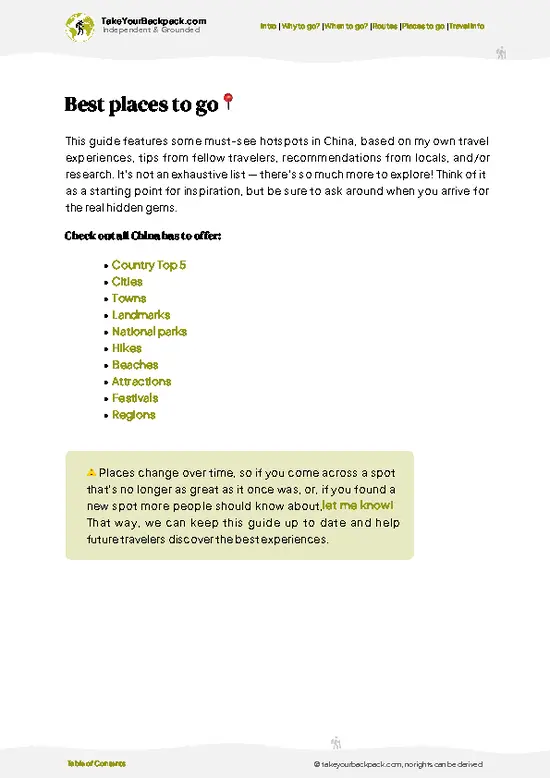
Or checkout all China has to offer (think cities, towns, villages, national parks, hikes, beaches, festivals)
Country photo of China

We 💚 feedbackKey takeaways before you go

The Shaanxi History Museum isn’t some quiet, tucked-away relic—expect crowds, especially on weekends, and a bit of a wait to get in. But if you want to see where China’s ancient heart beats loudest, with artifacts that tell stories no guidebook can capture, this place delivers. It’s history you can almost touch, raw and real.

✈️ When did I visit China?
As part of my 1.5 year travel around the world trip, I visited China in August 2015, coming from Mongolia by the TransMongolia Express.

✍️ Help improve this page!
The information on this page is based on my own backpacking experience in China, supplemented with up-to-date research and feedback from other travelers. Travel details can change, so if you notice anything outdated or incomplete, feel free to let me know.


🙋‍♂️ Give feedback

👋 Meet the founderWho’s Behind Take Your Backpack?

Johan, backpacker and founder of TakeYourBackpackHi, I’m Johan (Netherlands 🇳🇱), the creator of TakeYourBackpack. Over the past decade, I’ve backpacked through 80+ countries across six continents, gaining extensive experience with independent travel, long-term trips, and overland routes.

This site is built on a combination of firsthand travel experience and carefully curated insights from other backpackers. Many guides are based on places I’ve personally visited, while others bring together tips, observations, and practical advice shared by trusted travelers I’ve met along the way.

The goal is to provide realistic, experience-driven guidance — not generic itineraries — so you can explore destinations with better context, clearer expectations, and more confidence.

Get full China guide •
Instant download • 130 highlights • Full Offline guide