v2.webp)
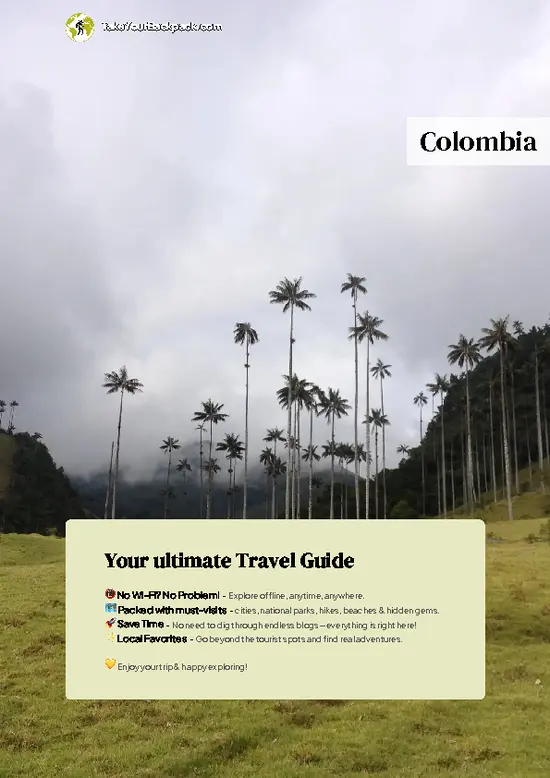
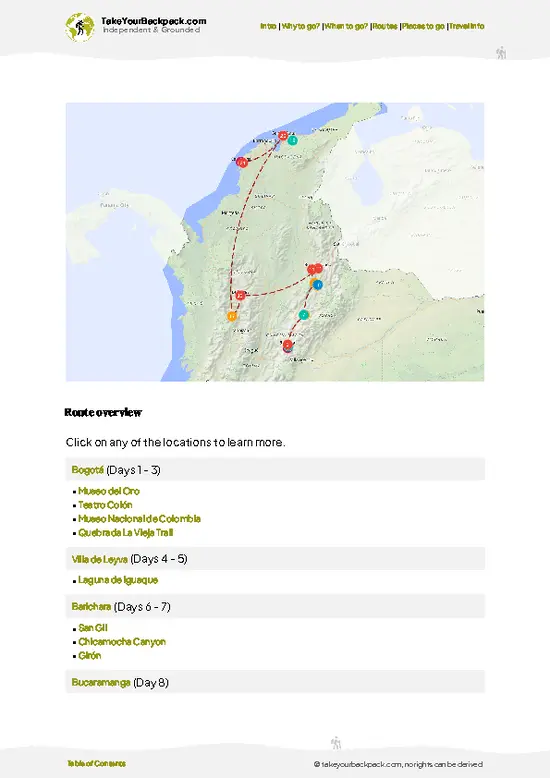
- Field of frailejones — The tall, fuzzy Espeletia plants are what make Sumapaz look otherworldly: clustered, sculptural “trees” that only grow in páramo. Walking through those groves feels like stepping into a slow-motion landscape you won’t see on lowland trails. (Personal favorite — they’re iconic and strangely photogenic at golden hour.)
- High-altitude lagoons and peat bogs (ciénagas) — Small mirror-flat lakes and spongy peatlands dot the trail; the reflections are great for photos and the soft, hummocky ground changes how you hike — more careful footing, more silence. These wetlands are also the reason the páramo is a vital water source for nearby valleys.
- Sea-of-clouds viewpoints — On clearer mornings you get wide, unobstructed panoramas and the classic cloud inversion where valleys
- Field of frailejones — The tall, fuzzy Espeletia plants are what make Sumapaz look otherworldly: clustered, sculptural “trees” that only grow in páramo. Walking through those groves feels like stepping into a slow-motion landscape you won’t see on lowland trails. (Personal favorite — they’re iconic and strangely photogenic at golden hour.)
- High-altitude lagoons and peat bogs (ciénagas) — Small mirror-flat lakes and spongy peatlands dot the trail; the reflections are great for photos and the soft, hummocky ground changes how you hike — more careful footing, more silence. These wetlands are also the reason the páramo is a vital water source for nearby valleys.
- Sea-of-clouds viewpoints — On clearer mornings you get wide, unobstructed panoramas and the classic cloud inversion where valleys are blanketed in mist and you’re on an island of sky. Sunrises here are simple but dramatic, and they make the effort of the climb worth it.
- Unique paramo flora and small wildlife — Beyond frailejones you’ll see cushion plants, tufted grasses, moss carpets and a swarm of tiny life: hummingbirds, highland flycatchers and insects adapted to cold. It’s more about subtle, specialized species than big mammals — you notice details if you slow down.
- Local campesino trails and cultural touches — The route still follows paths used by local shepherds and farmers, so you get glimpses of rural highland life: simple stone corrals, grazing horses or cattle, and occasional chat with locals who know the land best. That human element gives the hike context — it’s not just scenery, it’s working countryside.
Spotted a mistake or missing something? Contact us.

Comuna 4 Walking Tour Medellin

Private Tour Comuna 13 with Cable Car Ride

The Howling Trail Hike

Private Guatape & Paragliding Tour: Epic Views & Thrills

City Tour Medellin

Cartagena Jet Ski Adventure with Optional Drone Video

Rent a Local Friend: Bogota Private Custom Tour (4, 6 or 8 hrs)

100-Year-Old family-run Finca: Horseback Riding & More

Coffee & Chocolate Private Tour in Medellin: Genuine Experience


 Best Backpacking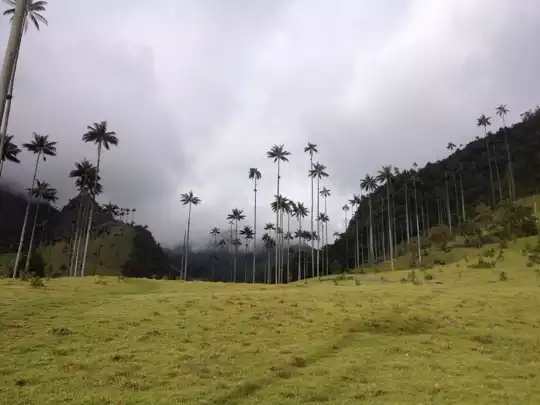
.jpg) Hi, I’m Johan (Netherlands 🇳🇱), the creator of TakeYourBackpack. Over the past 3 decades, I’ve backpacked through 90+ countries across six continents, gaining extensive experience with independent travel, long-term trips, and overland routes.
Hi, I’m Johan (Netherlands 🇳🇱), the creator of TakeYourBackpack. Over the past 3 decades, I’ve backpacked through 90+ countries across six continents, gaining extensive experience with independent travel, long-term trips, and overland routes.