×

Colombia🇨🇴 | beachesCabo de la VelaKitesurf wind, desert-meets-sea, Pilón de Azúcar, hammock rancherías | things to do and best time to go

Explore Cabo San JuanExplore Isla Fuerte

Backpacking in Cabo de la Vela
👌 Worth visitingbeach ranked #6
By Johan Kruseman 🇳🇱 | Updated October 19, 2026

Cabo de la Vela has no bank and no fixed ATM you can rely on, so carry all your cash in from Riohacha. It sits on the Guajira Peninsula in the north of Colombia, at the end of a long dirt-track drive across desert. The beach itself is shallow, windy and a bit scruffy with kelp and litter. Skip it for a classic swim. Come for the kitesurfing wind, the cactus-and-sand scenery and the flat turquoise bay. Accommodation is hammocks and basic rancherías with fish on every plate. Crowds stay modest outside holiday weeks. At dusk I always hear goats bleating over the steady hiss of wind through the thatch, and that sound is Cabo to me. The last thing you see is Pilón de Azúcar glowing across the water.

Discover everything you want to know in the 📖 Colombia Travel Guide.


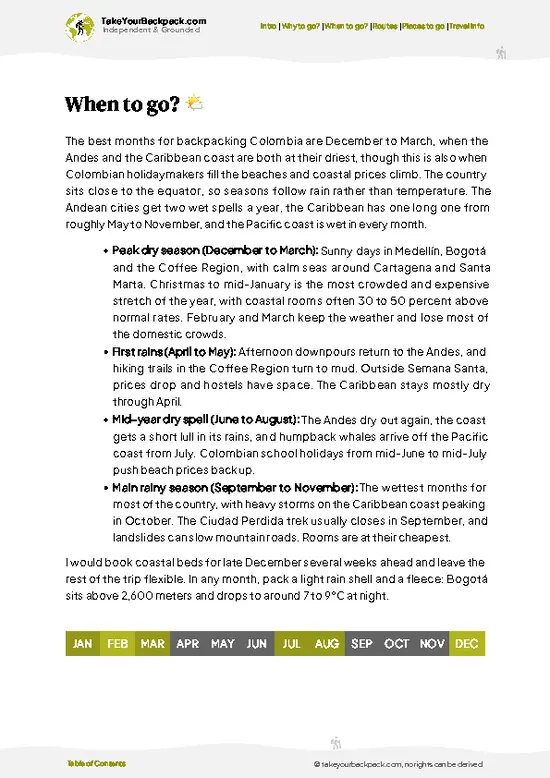
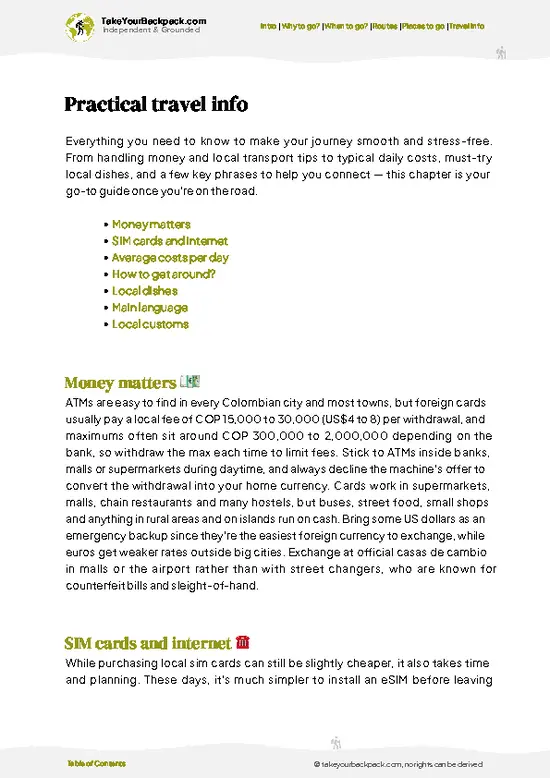
example page 0 from our offline Travel Guide for Colombia
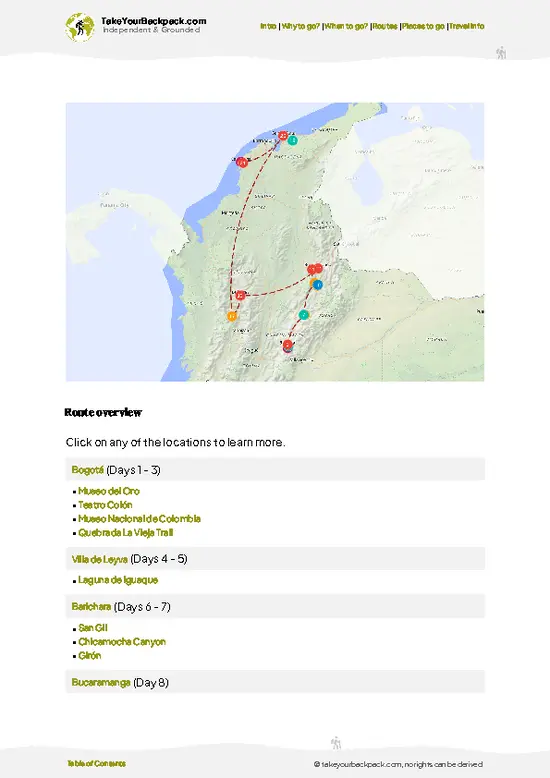
example page 1 from our offline Travel Guide for Colombia
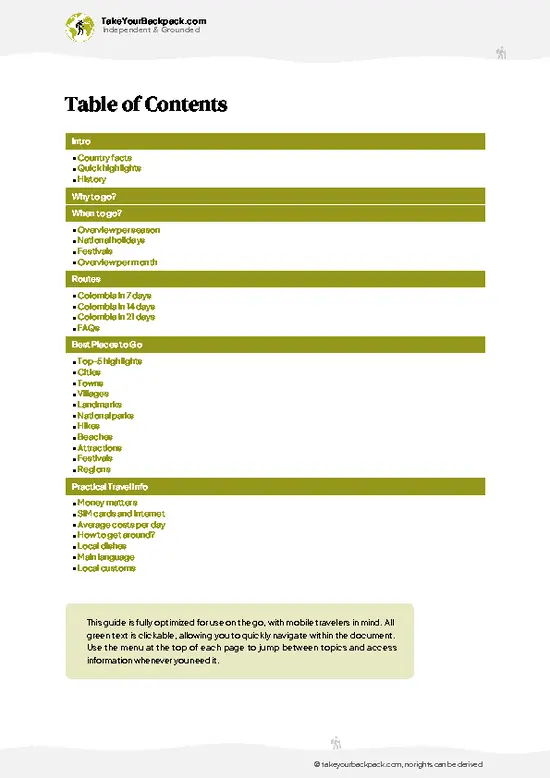
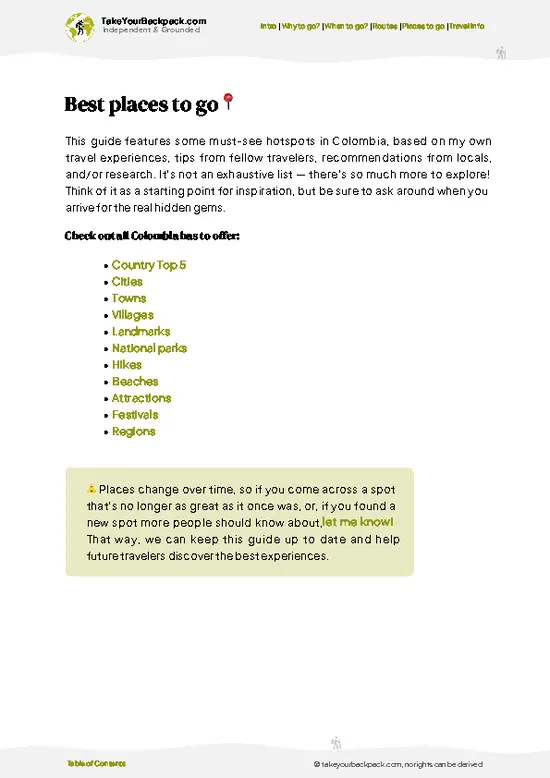
example page 2 from our offline Travel Guide for Colombia
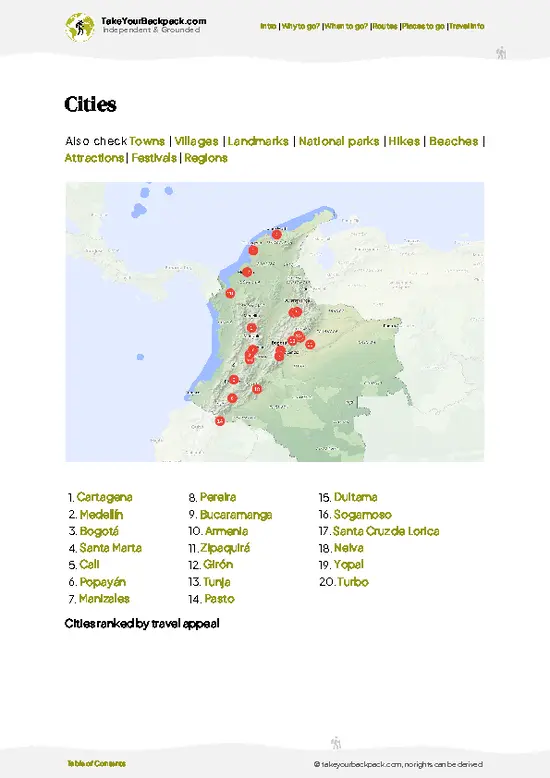
example page 3 from our offline Travel Guide for Colombia
example page 4 from our offline Travel Guide for Colombia
example page 5 from our offline Travel Guide for Colombia
example page 6 from our offline Travel Guide for Colombia
example page 7 from our offline Travel Guide for Colombia
Loading the map 🌍
CLICK TO FILTER
cities
towns
villages
landmarks
national parks
hikes
beaches
attractions
festivals
regions
SHOW COUNTRY’S BESTSHOW ALL

✨ Why go?
Ranked #6 beach in Colombia
The unique appeal for travelers

Cabo de la Vela beach is where backpackers stop because the road simply ends here, and the end of the road is the point. Wayuu-run rancherías rent a hammock or chinchorro for the night, which keeps costs low and puts you in the middle of Wayuu life, with grilled fish and goat on the menu. Evenings are social. Everyone ends up on the same patch of sand, swapping routes while the wind drops.

The second reason is wind. Cabo de la Vela beach has some of Colombia's steadiest breezes, and the shallow bay makes kitesurfing lessons approachable for beginners. Even if you never touch a kite, you can watch them from a beach chair.

It also works as a connector. Most people use it as the last stop before pushing on to Punta Gallinas, so Cabo de la Vela beach becomes the place to stock up, rest and plan the northern leg.

💡 HighlightsDon't-miss highlights and experiences

  1. Pilón de Azúcar: a small rocky hill with a little shrine to the Virgin, a short walk or ride from the village. A tiny beach sits at its base, and it is the calmest swimming spot nearby.
  2. Faro del Cabo: the lighthouse on the headland above the village. The climb is short and the view takes in the whole bay, the desert and the sea at once, ideal in the late afternoon.
  3. Playa Ojo de Agua: a sheltered cove with clearer, calmer water than the main strand. It is the best place here for an actual swim and a bit of snorkeling when the wind allows.
  4. Kitesurfing on the bay: shallow, warm, constant wind. Local schools run beginner lessons, and the flat water means falling is forgiving.
  5. Stargazing and sunset on the sand: there is almost no light pollution, so after dinner the sky fills in overhead. Sunset over
… read more 👉
  1. Pilón de Azúcar: a small rocky hill with a little shrine to the Virgin, a short walk or ride from the village. A tiny beach sits at its base, and it is the calmest swimming spot nearby.
  2. Faro del Cabo: the lighthouse on the headland above the village. The climb is short and the view takes in the whole bay, the desert and the sea at once, ideal in the late afternoon.
  3. Playa Ojo de Agua: a sheltered cove with clearer, calmer water than the main strand. It is the best place here for an actual swim and a bit of snorkeling when the wind allows.
  4. Kitesurfing on the bay: shallow, warm, constant wind. Local schools run beginner lessons, and the flat water means falling is forgiving.
  5. Stargazing and sunset on the sand: there is almost no light pollution, so after dinner the sky fills in overhead. Sunset over the water is the main daily event, and the night view is free.
If time is short, skip Playa Ojo de Agua and spend the hours at Pilón de Azúcar and the lighthouse.
Spotted a mistake or missing something? Contact us.

🌤️ When to go?Choosing the right time of year

  • Dry and windy season (December to April): Cabo de la Vela is at its best, with almost no rain, highs of 30 to 34°C (86 to 93°F) and a steady trade wind that fills the kitesurfers' sails and keeps the heat bearable. Days run about 11.5 to 12 hours of light.
  • Peak crowds (late December to mid January, Holy Week, Colombian long weekends): Rancherías and hammock spots fill, and prices for beds and jeep tours climb noticeably. Book ahead or arrive early in the day.
  • Short rains (May to June): Brief showers turn the dirt tracks muddy, but it is quieter, the wind softens and the sea is calmer. Temperatures stay around 30 to 35°C (86 to 95°F).
  • Mid-year lull (July to August): Drier again with lighter crowds, and good value for hammocks.
  • Wet months (September to November): The heaviest rain falls here, though
… read more 👉
  • Dry and windy season (December to April): Cabo de la Vela is at its best, with almost no rain, highs of 30 to 34°C (86 to 93°F) and a steady trade wind that fills the kitesurfers' sails and keeps the heat bearable. Days run about 11.5 to 12 hours of light.
  • Peak crowds (late December to mid January, Holy Week, Colombian long weekends): Rancherías and hammock spots fill, and prices for beds and jeep tours climb noticeably. Book ahead or arrive early in the day.
  • Short rains (May to June): Brief showers turn the dirt tracks muddy, but it is quieter, the wind softens and the sea is calmer. Temperatures stay around 30 to 35°C (86 to 95°F).
  • Mid-year lull (July to August): Drier again with lighter crowds, and good value for hammocks.
  • Wet months (September to November): The heaviest rain falls here, though totals stay low. Roads to Uribia can flood and the sea turns murky.
Arrive on a weekday in February or March for strong wind and thinner crowds.


source: climatestotravel.comJANJanuary: excellent for travelingFEBFebruary: excellent for travelingMARMarch: excellent for travelingAPRApril: good for travelingMAYMay: fair for travelingJUNJune: fair for travelingJULJuly: fair for travelingAUGAugust: fair for travelingSEPSeptember: fair for travelingOCTOctober: fair for travelingNOVNovember: good for travelingDECDecember: excellent for traveling
colombia-beach-cabo-de-la-vela
© Google | Diego Rocha

✈️ The backpacker research shortcutColombia Travel Guide

An offline-friendly backpacking guide with optimized travel routes, ranked highlights, transport advice, and the best areas to stay.
example page 0 from our offline Travel Guide for Colombia
example page 1 from our offline Travel Guide for Colombia
example page 2 from our offline Travel Guide for Colombia
example page 3 from our offline Travel Guide for Colombia
example page 4 from our offline Travel Guide for Colombia
example page 5 from our offline Travel Guide for Colombia
example page 6 from our offline Travel Guide for Colombia
example page 7 from our offline Travel Guide for Colombia
The digital guide (349 pages) contains:
✅ 115 highlights, ranked by travel appeal
✅ Optimized 7, 14 & 21-day travel routes
✅ Cities, national parks, landmarks, beaches
✅ How to get around
✅ Offline-friendly for travel without Wi-Fi
👉 Click to see all 30+ guide features

📅 Plan smarter in minutes, not weeks
✅ Month by month travel advice
✅ Festivals & national holidays
✅ Budget expectations

🗺️ Go to the right places, skip the overrated ones
✅ Honest pros & cons of destinations
✅ Top hikes, parks & viewpoints
✅ Lesser-known places most travelers miss
✅ Clear “worth it vs skip it” guidance

🛏️ Travel smoothly without rookie mistakes
✅ Best areas to stay
✅ Transport systems explained simply
✅ Common scams & safety advice
✅ SIM cards, money & practical tips

🌍 Understand the country, not just visit it
✅ Culture & traditions
✅ 52 Essential phrases & customs
✅ Festivals worth planning around
✅ Traveler-friendly historical context
✅ Insights that make places more meaningful

📱 Built for real travel conditions
✅ Fully downloadable PDF
✅ Works completely offline
✅ Optimized for phone use
✅ Useful in remote areas & buses
✅ Everything in one place
Stop searching, start planning
Get instant access to your full guide. 30‑day money-back guarantee.
+ Add another guide for just

By proceeding you agree to our terms.
Sent to your inbox immediately after payment • 100% Secure Checkout
Best Backpacking Travel Advisor 2025 tourism awardBest Backpacking
Travel Advisor
2025
What others say about Take Your Backpack Guides:
⭐⭐⭐⭐⭐
Fantastic, amazing amount of information!
⭐⭐⭐⭐⭐
My goodness this is amazing, it's what I've been looking for hats off too you!
⭐⭐⭐⭐⭐
I think this is absolutely BRILLIANT
⭐⭐⭐⭐
Very complete and informative. It's still missing places, but I gotta to commend you
⭐⭐⭐⭐⭐
This is truly amazing, thank you, can't wait to explore it with my kids!
⭐⭐⭐⭐⭐
Awesome resource, thank you!
⭐⭐⭐⭐⭐
This is amazing! Can't wait to explore the ones I haven't seen
⭐⭐⭐⭐
I love this! Well done, great idea.
⭐⭐⭐⭐⭐
Thanks for taking the time to make this gem!
⭐⭐⭐⭐⭐
This might be the best website I've ever seen.
⭐⭐⭐⭐⭐
Congratulations, and thank you so much for your work; it's incredibly valuable.
⭐⭐⭐⭐
In all seriousness I think you did a great job pointing out the important spots
⭐⭐⭐⭐⭐
10/10 very good
⭐⭐⭐⭐⭐
As someone who's only just starting to visit regularly this is awesome, thank you.
⭐⭐⭐⭐
Thank you very much! I'm going to visit my dad, it's going to be very useful!
⭐⭐⭐⭐⭐
This is really cool! We'll be travelling for the first time and this definitely come in handy.
⭐⭐⭐⭐⭐
You are now our minister of culture, congratulations 👨‍💼
⭐⭐⭐⭐⭐
Just wanted to tell you that this is a pearl! Going to follow your recommendations.
⭐⭐⭐⭐⭐
This is so cool. I'll definitely be using the resource for my travels soon.
⭐⭐⭐⭐⭐
This is very impressive! Good work.
⭐⭐⭐⭐⭐
This is an amazing and informative site. Very well done!

🛏️ Where to stay?How to pick the right area

The best base for backpackers is the village center along the waterfront, where the rancherías (family-run guesthouses) cluster within a few minutes' walk of the sand. Expect to pay about US$8 to 15 for a hammock and US$20 to 40 for a basic private room with a fan, usually with simple meals available from the same family.
The stretch near Playa Mar Azul and the main beach has the most social atmosphere. Hammock terraces face the water, travelers swap tour plans over dinner, and the kitesurf schools sit close by. Sleeping in a hammock on a windy night is cooler and more comfortable than a stuffy … read more 👉
The best base for backpackers is the village center along the waterfront, where the rancherías (family-run guesthouses) cluster within a few minutes' walk of the sand. Expect to pay about US$8 to 15 for a hammock and US$20 to 40 for a basic private room with a fan, usually with simple meals available from the same family.
The stretch near Playa Mar Azul and the main beach has the most social atmosphere. Hammock terraces face the water, travelers swap tour plans over dinner, and the kitesurf schools sit close by. Sleeping in a hammock on a windy night is cooler and more comfortable than a stuffy room, and sheets are usually supplied.
For quiet, choose the rancherías toward the Pilón de Azúcar side or along the western edge of the bay. You are a short walk or moto ride from the lookout and farther from the generators and music in the center. Power is limited and Wi-Fi is weak or absent, so bring a power bank. Beds in high season go quickly, so arrive by early afternoon.

🛡️ SafetyTraveler Safety Guide

Cabo de la Vela beach is calm and shallow, which makes the swimming easy for most travelers. The bay is sheltered, there are no strong rips, and tides barely matter. Wind is the main factor. It picks up by midday, whips sand into your face and makes the water choppy, so swim in the morning. Kitesurfers share the bay, so keep clear of their lines. Stingrays are possible in the shallows, so shuffle your feet entering the water.
The sun here is brutal, with almost no shade on the sand. Bring a hat, reef-safe sunscreen and more water than you expect to drink.
Theft on the beach is rare, but keep phones and cash with you instead of leaving them on a towel. Cash matters here because there are no ATMs. Walk back to your ranchería in daylight, as paths between the beach and the village are unlit.

FAQFrequently asked questions about Cabo de la Vela

Getting to Cabo de la Vela beach means reaching Riohacha first, then taking a shared taxi or colectivo to Uribia (about 1 hour, US$3 to 5), and finally a pickup truck across the desert to the cape (about 2 to 2.5 hours, roughly US$8 to 12 per seat). Most backpackers leave Riohacha in the morning because pickups from Uribia fill up and stop running by mid-afternoon. Expect a mostly unpaved final stretch, though a paved road now covers part of the route. Organized 3 to 4 day Guajira tours from Riohacha or Santa Marta also include the transfer.
Cabo de la Vela beach suits wading and relaxed swimming in warm, shallow, often choppy water, but it is the top kitesurfing spot in the area thanks to steady trade winds that blow strongly from roughly December to April. Kite schools on the flat, shallow water north of the village rent gear and give lessons, with beginner classes typically costing US$50 to 80 per hour or more. Snorkeling is limited because the water is often cloudy and wind-whipped. Calmer mornings are best for a swim, and sunscreen matters since there is very little shade.
Cabo de la Vela beach has no entrance fee, and you can walk the shoreline and watch the sunset at Pilón de Azúcar at no cost. The Wayuu community that owns the land charges small amounts in some spots, such as US$1 to 2 for parking or access to certain viewpoints like the lighthouse hill. Your real costs are lodging in a hammock (about US$8 to 12 a night) or a basic room (about US$25 to 40), plus meals that often run US$6 to 12, with grilled fish and goat being the local staples. Bring enough cash in Colombian pesos, since there are no ATMs and card payments rarely work.
⚠️ Things can change over time, so always validate details locally before you go.

Other Colombian beaches near Cabo de la Vela

Explore more nearby:

  • Palomino—Rip currents, river tubing, palm-lined strand, Sierra Nevada backdrop| 186 km away
  • Cabo San Juan—Boulder-ringed bay, rock hammock hut, Tayrona jungle trail, calm swimming| 220 km away
  • Playa Blanca—Powder-white sand, knee-deep shallows, thatched huts, Barú day boats| 436 km away

💡 Not sure where to go next?
Create a personalized itinerary for Colombia including Cabo de la Vela and the places that fit your trip.

Generate my itinerary

👉 Discover all beaches

Or checkout all Colombia has to offer (think cities, towns, villages, national parks, hikes, beaches, festivals)
Country photo of Colombia

We 💚 feedbackFinal thoughts on visiting Cabo de la Vela

Cabo de la Vela beach is at its best in the late afternoon, when the wind softens, the kites fill the bay and the light turns the desert gold. I would go in the drier months and bring cash, a headlamp and a buff for the dust. Skip the midday sun.

✈️ When did I visit Colombia?
Did a good 3-week trip around Colombia in August 2014.

✍️ Help improve this page!
The information on this page is based on my own backpacking experience in Colombia, supplemented with up-to-date research and feedback from other travelers. Travel details can change, so if you notice anything outdated or incomplete, feel free to let me know.


🙋‍♂️ Give feedback

👋 Meet the founderWho’s Behind Take Your Backpack?

Johan, backpacker and founder of TakeYourBackpackHi, I’m Johan (Netherlands 🇳🇱), the creator of TakeYourBackpack. Over the past 3 decades, I’ve backpacked through 90+ countries across six continents, gaining extensive experience with independent travel, long-term trips, and overland routes.

This site is built on a combination of firsthand travel experience and carefully curated insights from other backpackers. Many guides are based on places I’ve personally visited, while others bring together tips, observations, and practical advice shared by trusted travelers I’ve met along the way.

The goal is to provide realistic, experience-driven guidance — not generic itineraries — so you can explore destinations with better context, clearer expectations, and more confidence.