×

Colombia🇨🇴 | national parksPisba National Parkpáramo valleys, cold streams, Andean flora | things to do and best time to go

Explore Isla de Salamanca National ParkExplore Tinigua National Park

Backpacking in Pisba
👀 For curious travelersnational park ranked #24
By Johan Kruseman 🇳🇱 | Updated September 4, 2026

Most summaries skip the main thing about Pisba National Park: it’s not a polished hiking destination at all, it’s a raw páramo backcountry where logistics are harder than the trails. Pisba sits in Boyacá, in the Eastern Cordillera, between Soatá and Sogamoso. You get big open moorlands, fog, frailejones, cold rain, almost no crowds, and basically zero infrastructure. Access is rough, signage minimal, camping very DIY. Compared with El Cocuy or Chingaza, Pisba feels wilder, lonelier, cheaper—and far less beginner‑friendly.

Discover everything you want to know in the 📖 Colombia Travel Guide.
Loading the map 🌍
CLICK TO FILTER
cities
towns
villages
landmarks
national parks
hikes
beaches
attractions
festivals
regions
SHOW COUNTRY’S BESTSHOW ALL

✨ Why go?
Ranked #24 national park in Colombia
The unique appeal for travelers

Backpackers flock to Pisba National Park for its blend of independent exploration and budget-friendly options. You’ll find campsites and hostels nearby that won’t break the bank, allowing you to stretch your funds for experiences that matter. The park boasts a variety of trails, catering to different skill levels, making it ideal for both novices and seasoned hikers. Self-guided travelers thrive here; the well-marked paths and stunning landscapes invite you to set your own pace. Avoid the tour traps and embrace the freedom of discovering Pisba on your own terms.
Want to include Pisba National Park in your Colombia route?
Create a personalized Colombia itinerary that includes Pisba National Park and the places that fit your trip — based on your travel style, budget, and available time. Get your route in seconds.

Generate my trip

💡 HighlightsMust-see experiences and standout moments

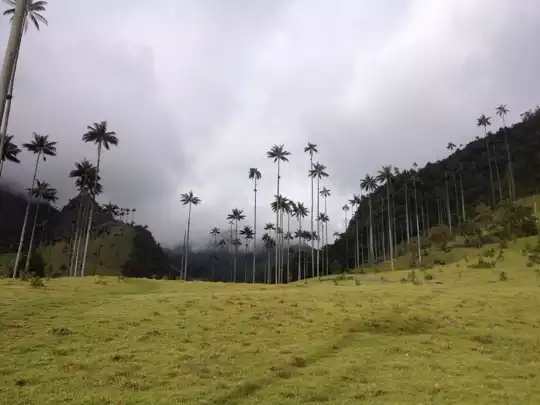
  • Páramo landscapes and frailejones — The iconic Espeletia “frailejón” plants carpet the high moor here, giving the landscape a prehistoric, other-worldly look. These slow-growing giants and cushion plants are what make Pisba’s páramo so visually unique and ecologically important — they literally trap and release water for the valleys below. Expect cold, wind, and dramatic low clouds.
  • High-Andean lagoons — Scattered mirror-like lagoons sit in the hollows of the páramo; early morning light makes them spectacular for photos. They’re also biodiversity hotspots for amphibians and aquatic plants, and a quiet place to watch reflections of the ridges and sky.
  • Peat bogs and wetlands — The peatlands in Pisba look plain at first but are fascinating once you notice the hummocks, sphagnum mats, and
read more 👉
  • Páramo landscapes and frailejones — The iconic Espeletia “frailejón” plants carpet the high moor here, giving the landscape a prehistoric, other-worldly look. These slow-growing giants and cushion plants are what make Pisba’s páramo so visually unique and ecologically important — they literally trap and release water for the valleys below. Expect cold, wind, and dramatic low clouds.
  • High-Andean lagoons — Scattered mirror-like lagoons sit in the hollows of the páramo; early morning light makes them spectacular for photos. They’re also biodiversity hotspots for amphibians and aquatic plants, and a quiet place to watch reflections of the ridges and sky.
  • Peat bogs and wetlands — The peatlands in Pisba look plain at first but are fascinating once you notice the hummocks, sphagnum mats, and tiny endemic plants. These bogs are crucial for local water regulation and texture up hikes with squelchy, spongy ground — bring waterproof boots.
  • Wildlife watching: spectacled bears, raptors and paramo specialists — Pisba is one of the few protected places in the East Andes where you might glimpse a spectacled bear or see Andean raptors riding the thermals. Birdlife includes paramo specialists and hummingbirds near the forest edges; sightings are rare, so patience and a quiet approach pay off.
  • Hiking trails and panoramic ridgelines — Trails range from steep day hikes to multi-hour ridge walks that give sweeping views across the Eastern Cordillera. The routes can be muddy and exposed, so plan for variable weather and bring a local guide for route knowledge and safety.
  • Cloud-forest transition zones — The park’s edges drop into high cloud forest pockets with mossy trees, orchids and a different suite of birds and insects. These forest fragments contrast nicely with the open páramo and are where you’ll find more sheltered wildlife activity.
  • Solitude, stargazing and sunrise over the moor — Nights are clear and cold, and the lack of light pollution makes for serious stargazing. Personal favorite: getting up before dawn, hiking to a quiet lagoon and watching the sun spill color across the moor — it’s simple, remote, and unforgettable. Pack layers and thermos-level patience.
Spotted a mistake or missing something? Contact us.

Things to do near Pisba National Park

Ratings based on Tripadvisor reviews. When you book through this link, you support our work at no extra cost to you.

🌤️ When to go?Weather, crowds, and seasonal trade-offs


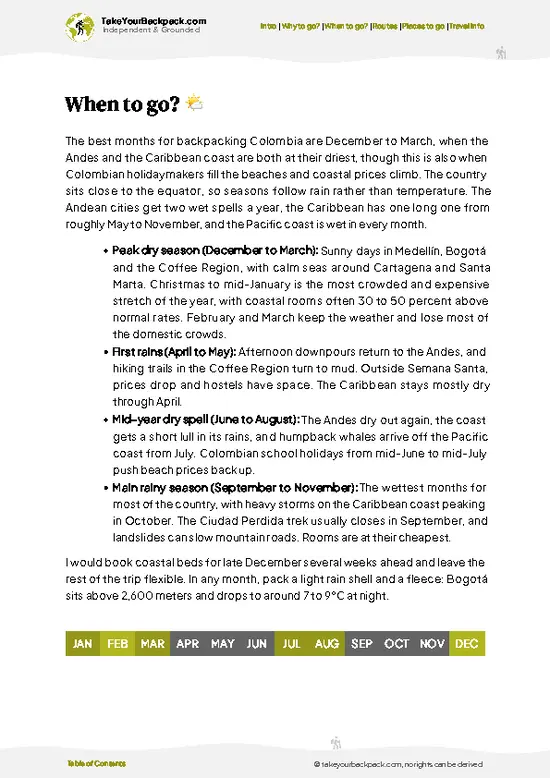
  • Weather: The dry season from December to March offers the most reliable hiking conditions. Rainfall drops significantly, reducing slippery trails and leech encounters.

  • Temperature: Expect daytime highs around 18-22°C (64-72°F) and chilly nights near 5-8°C (41-46°F). Layering is essential, especially at higher elevations.

  • Daylight Hours: Roughly 11 to 12 hours of daylight year-round, giving you ample time for long treks without rushing.

  • Crowds: Pisba is off the beaten path, but the dry season sees a modest uptick in visitors. Avoid weekends to keep solitude intact.

  • Seasonal Activities: Birdwatching peaks during the dry months when visibility is clear and species are active. Wet months limit access to some trails.

  • Price Fluctuations: Local guides and accommodations may charge more during the
read more 👉

  • Weather: The dry season from December to March offers the most reliable hiking conditions. Rainfall drops significantly, reducing slippery trails and leech encounters.

  • Temperature: Expect daytime highs around 18-22°C (64-72°F) and chilly nights near 5-8°C (41-46°F). Layering is essential, especially at higher elevations.

  • Daylight Hours: Roughly 11 to 12 hours of daylight year-round, giving you ample time for long treks without rushing.

  • Crowds: Pisba is off the beaten path, but the dry season sees a modest uptick in visitors. Avoid weekends to keep solitude intact.

  • Seasonal Activities: Birdwatching peaks during the dry months when visibility is clear and species are active. Wet months limit access to some trails.

  • Price Fluctuations: Local guides and accommodations may charge more during the dry season. Booking ahead can lock in better rates.


Pro-tip: Plan your visit early in the dry season to balance good weather, fewer crowds, and better prices—this keeps your energy focused on the trail, not logistics.


source: climatestotravel.comJANJanuary: excellent for travelingFEBFebruary: excellent for travelingMARMarch: excellent for travelingAPRApril: good for travelingMAYMay: fair for travelingJUNJune: fair for travelingJULJuly: good for travelingAUGAugust: good for travelingSEPSeptember: good for travelingOCTOctober: fair for travelingNOVNovember: fair for travelingDECDecember: excellent for traveling
when-to-go

✈️ The backpacker research shortcutColombia Travel Guide

An offline-friendly backpacking guide with optimized travel routes, ranked highlights, transport advice, and the best areas to stay.
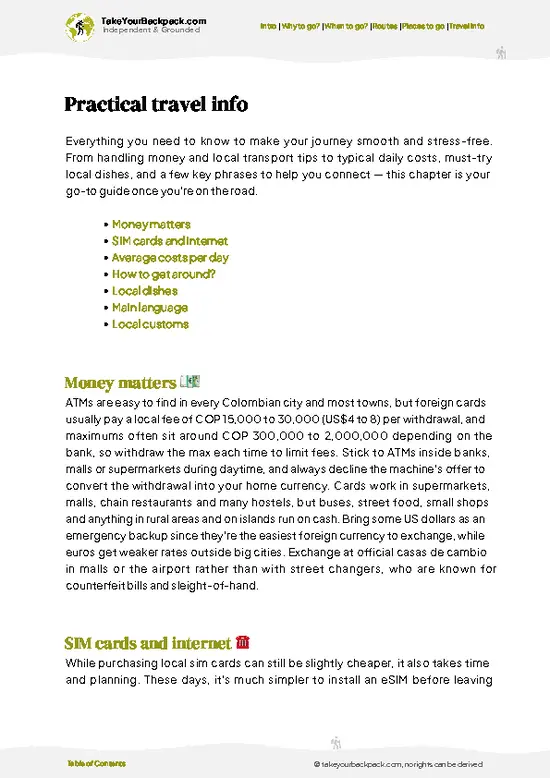
example page 0 from our offline Travel Guide for Colombia
example page 1 from our offline Travel Guide for Colombia
example page 2 from our offline Travel Guide for Colombia
example page 3 from our offline Travel Guide for Colombia
example page 4 from our offline Travel Guide for Colombia
example page 5 from our offline Travel Guide for Colombia
example page 6 from our offline Travel Guide for Colombia
example page 7 from our offline Travel Guide for Colombia
The digital guide (464 pages) contains:
122 highlights, ranked by travel appeal
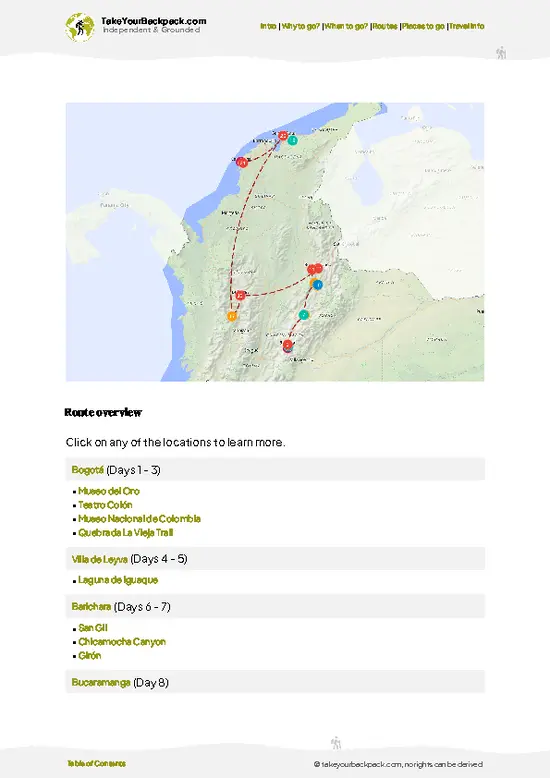
Optimized 7, 14 & 21-day travel routes
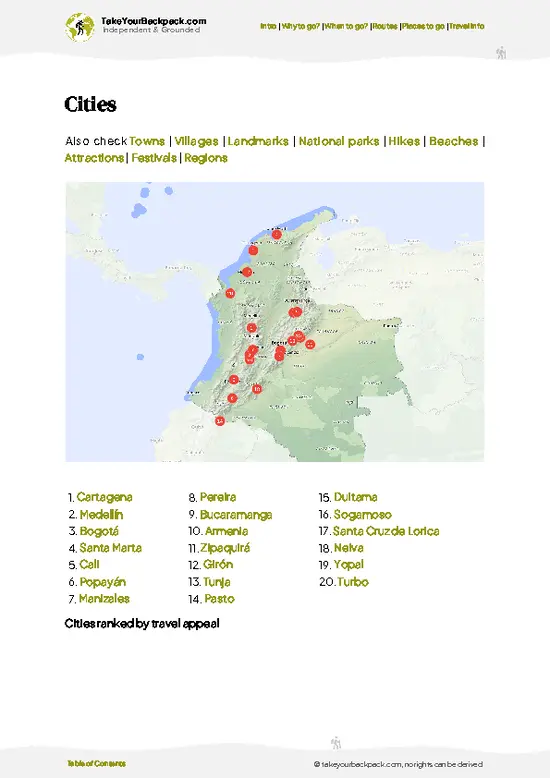
Cities, national parks, landmarks, beaches
How to get around
Offline-friendly for travel without Wi-Fi
👉 Click to see all 30+ guide features

📅 Plan smarter in minutes, not weeks
Month by month travel advice
Festivals & national holidays
Budget expectations

🗺️ Go to the right places, skip the overrated ones
Honest pros & cons of destinations
Top hikes, parks & viewpoints
Lesser-known places most travelers miss
Clear “worth it vs skip it” guidance

🛏️ Travel smoothly without rookie mistakes
Best areas to stay
Transport systems explained simply
Common scams & safety advice
SIM cards, money & practical tips

🌍 Understand the country, not just visit it
Culture & traditions
52 Essential phrases & customs
Festivals worth planning around
Traveler-friendly historical context
Insights that make places more meaningful

📱 Built for real travel conditions
Fully downloadable PDF
Works completely offline
Optimized for phone use
Useful in remote areas & buses
Everything in one place
Save weeks of stressful planning
Get instant access to your full guide. 30‑day money-back guarantee.
+ Add another guide for just US$7.80

By proceeding you agree to our terms.
Sent to your inbox immediately after payment • 100% Secure Checkout
Best Backpacking Travel Advisor 2025 tourism awardBest Backpacking
Travel Advisor
2025
What others say about Take Your Backpack Guides:
⭐⭐⭐⭐⭐
Fantastic, amazing amount of information!
⭐⭐⭐⭐⭐
My goodness this is amazing, it's what I've been looking for hats off too you!
⭐⭐⭐⭐⭐
I think this is absolutely BRILLIANT
⭐⭐⭐⭐
Very complete and informative. It's still missing places, but I gotta to commend you
⭐⭐⭐⭐⭐
This is truly amazing, thank you, can't wait to explore it with my kids!
⭐⭐⭐⭐⭐
Awesome resource, thank you!
⭐⭐⭐⭐⭐
This is amazing! Can't wait to explore the ones I haven't seen
⭐⭐⭐⭐
I love this! Well done, great idea.
⭐⭐⭐⭐⭐
Thanks for taking the time to make this gem!
⭐⭐⭐⭐⭐
This might be the best website I've ever seen.
⭐⭐⭐⭐⭐
Congratulations, and thank you so much for your work; it's incredibly valuable.
⭐⭐⭐⭐
In all seriousness I think you did a great job pointing out the important spots
⭐⭐⭐⭐⭐
10/10 very good
⭐⭐⭐⭐⭐
As someone who's only just starting to visit regularly this is awesome, thank you.
⭐⭐⭐⭐
Thank you very much! I'm going to visit my dad, it's going to be very useful!
⭐⭐⭐⭐⭐
This is really cool! We'll be travelling for the first time and this definitely come in handy.
⭐⭐⭐⭐⭐
You are now our minister of culture, congratulations 👨‍💼
⭐⭐⭐⭐⭐
Just wanted to tell you that this is a pearl! Going to follow your recommendations.
⭐⭐⭐⭐⭐
This is so cool. I'll definitely be using the resource for my travels soon.
⭐⭐⭐⭐⭐
This is very impressive! Good work.
⭐⭐⭐⭐⭐
This is an amazing and informative site. Very well done!

🛏️ Where to stay?Best areas to stay in Colombia

Pisba National Park doesn’t have formal accommodations within its boundaries, but don’t let that deter you. The nearby town of Pajarito is your best bet. Here, you’ll find budget-friendly hostels and guesthouses that cater to backpackers.

Look for places like Hostal La Cabaña, which offers basic amenities and a friendly vibe. Another option is the town of Duitama, about an hour away, where you can find more varied lodging.

Keep in mind that transportation to the park can be tricky, so plan ahead. Bring cash, as many places don’t accept cards. This way, you’ll preserve your energy and budget for the adventures ahead.

👛 Costs (as of 4 September 2026)Typical daily expenses

Visiting Pisba National Park in Colombia requires some budgeting awareness. Entrance fees typically range from $5 to $10 USD per person. This fee grants you access to the park’s trails and natural beauty.

Accommodation options vary widely. Basic camping can cost around $3 to $10 USD per night. If you prefer a more comfortable stay, lodges nearby may charge between $30 and $70 USD per night.

Food expenses can also add up. Expect to spend about $5 to $15 USD per meal, depending on whether you’re dining at a local eatery or a more upscale restaurant.

Transportation is another factor. If you’re traveling from Bogotá, bus fares to the nearest town can range from $10 to $20 USD. Once in the area, local transport options like taxis or shared rides may cost around $5 to $15 USD.

Plan for additional … read more 👉
Visiting Pisba National Park in Colombia requires some budgeting awareness. Entrance fees typically range from $5 to $10 USD per person. This fee grants you access to the park’s trails and natural beauty.

Accommodation options vary widely. Basic camping can cost around $3 to $10 USD per night. If you prefer a more comfortable stay, lodges nearby may charge between $30 and $70 USD per night.

Food expenses can also add up. Expect to spend about $5 to $15 USD per meal, depending on whether you’re dining at a local eatery or a more upscale restaurant.

Transportation is another factor. If you’re traveling from Bogotá, bus fares to the nearest town can range from $10 to $20 USD. Once in the area, local transport options like taxis or shared rides may cost around $5 to $15 USD.

Plan for additional costs like guided tours, which can range from $20 to $50 USD, depending on the length and inclusions.

Keep in mind that cash is king in this region. Many places may not accept cards, so bring enough to cover your expenses. Being prepared will help you focus on enjoying the park rather than worrying about finances.


source: colombia.travel
⚠️ Prices can change and everyone travels differently, so take this as a rough guide. Hope it helps you plan your adventure!

🥾 TrailsDiscover Pisba's top trails and natural wonders

Pisba National Park is a hidden gem in Colombia, perfect for those who crave adventure without the crowds. The park features a mix of lush cloud forests, dramatic canyons, and rolling hills, all teeming with wildlife. You might spot colorful birds, playful monkeys, or even the elusive puma if you’re lucky. The terrain can be quite varied, so be prepared for some steep climbs and muddy paths, especially during the rainy season.

One of the standout hikes is the Sendero del Alto de la Virgen. Here are the details:
  • Length: 10 km
  • Estimated Duration: 4-5 hours
  • Difficulty Level: Moderate
  • Key Features: Stunning
read more 👉
Pisba National Park is a hidden gem in Colombia, perfect for those who crave adventure without the crowds. The park features a mix of lush cloud forests, dramatic canyons, and rolling hills, all teeming with wildlife. You might spot colorful birds, playful monkeys, or even the elusive puma if you’re lucky. The terrain can be quite varied, so be prepared for some steep climbs and muddy paths, especially during the rainy season.

One of the standout hikes is the Sendero del Alto de la Virgen. Here are the details:
  • Length: 10 km
  • Estimated Duration: 4-5 hours
  • Difficulty Level: Moderate
  • Key Features: Stunning views of the surrounding valleys, diverse flora, and the iconic Virgen rock formation.
  • Terrain: A mix of well-trodden paths and rugged sections with some steep inclines.

Getting to Pisba is relatively straightforward, with public transport options available from nearby towns. Buses from Ibagué or Pasto can drop you off not too far from the park entrance. As for crowds, this place tends to be less frequented than more popular parks, so you can often enjoy the trails in peace. Just keep in mind there might be a small entrance fee, usually around 10,000 COP, which is a steal for the experience you’ll get. Pack your gear, bring some snacks, and get ready for a memorable adventure!
⚠️ Hiking info can sometimes be outdated or inaccurate. Before you hit the trail, check the latest conditions with locals. If you do spot anything that's off, I'd love to hear from you, so I can update it for fellow travelers.

🛡️ SafetyStaying Safe: What Travelers Should Know

Pisba National Park offers a rewarding experience, but it’s wise to be prepared. Weather can shift quickly, so pack layers and a reliable rain jacket. The trails vary; some sections are steep and rocky, requiring careful footing. Navigation can be tricky, especially in dense areas, so a map and compass are essential.

Wildlife is present, including snakes and insects. Keep a respectful distance and avoid feeding animals. First-timers often underestimate the altitude; take your time to acclimate. With the right gear and mindset, you’ll navigate Pisba’s beauty smoothly.

FAQCommon questions from travelers

2 to 3 days are recommended to explore Pisba National Park thoroughly. This allows time for hiking, wildlife observation, and visiting key sites like the páramo ecosystem. Longer stays are beneficial if you want to explore remote areas or do multi-day treks.
Yes, you can visit Pisba National Park without a car. Public transportation options exist from nearby towns like Sogamoso or Duitama, followed by local taxis or moto-taxis to park entrances. Guided tours often include transport from these towns as well.
Yes, an entrance fee is required to enter Pisba National Park. The fee is approximately 10,000 to 20,000 Colombian Pesos (around 3 to 6 USD), depending on the season and visitor category. Permits for certain activities or guided tours may incur additional costs.
⚠️ Things can change over time, so always validate details locally before you go.

Other Colombian national parks near Pisba

Explore more nearby:


💡 Not sure where to go next?
Create a personalized itinerary for Colombia including Pisba and the places that fit your trip.

Generate my itinerary

👉 Discover all national parks

Or checkout all Colombia has to offer (think cities, towns, villages, national parks, hikes, beaches, festivals)
Country photo of Colombia

We 💚 feedbackWhat to keep in mind

Pisba National Park is a treasure for those who crave untouched nature and diverse ecosystems. But be prepared: the trails can be challenging and poorly marked. Bring a good map and a sense of adventure. It’s worth the effort for the solitude and beauty you’ll find.

✈️ When did I visit Colombia?
Did a good 3-week trip around Colombia in August 2014.

✍️ Help improve this page!
The information on this page is based on my own backpacking experience in Colombia, supplemented with up-to-date research and feedback from other travelers. Travel details can change, so if you notice anything outdated or incomplete, feel free to let me know.


🙋‍♂️ Give feedback

👋 Meet the founderWho’s Behind Take Your Backpack?

Johan, backpacker and founder of TakeYourBackpackHi, I’m Johan (Netherlands 🇳🇱), the creator of TakeYourBackpack. Over the past decade, I’ve backpacked through 80+ countries across six continents, gaining extensive experience with independent travel, long-term trips, and overland routes.

This site is built on a combination of firsthand travel experience and carefully curated insights from other backpackers. Many guides are based on places I’ve personally visited, while others bring together tips, observations, and practical advice shared by trusted travelers I’ve met along the way.

The goal is to provide realistic, experience-driven guidance — not generic itineraries — so you can explore destinations with better context, clearer expectations, and more confidence.

Get full Colombia guide •
Instant download • 122 highlights • Full Offline guide