v2.webp)
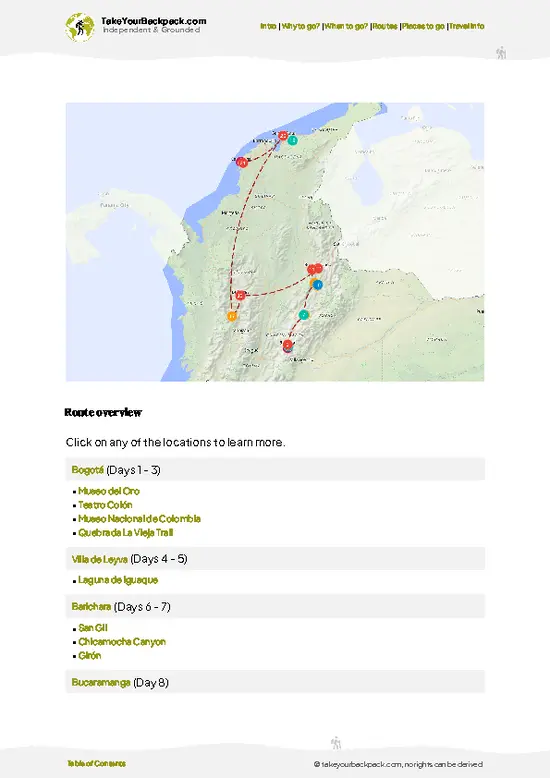
- Malecón and Atrato River: the town's living room, with boats, food stalls and sunset crowds. Go late afternoon. Free, 1 hour.
- Catedral de San Francisco de Asís: the main church on the Malecón, facing the Parque Centenario, with striking Afro-inspired interior art. Morning is calmer. Free, 20 minutes.
- Parque Manuel Mosquera Garcés: the central plaza where locals gather, play dominoes and chat. Evenings are liveliest. Free, 30 minutes.
- Plaza de Mercado: the market where Pacific fish, borojó and chontaduro are sold. Go before 10 AM. Free to enter, about 1 hour.
Spotted a mistake or missing something? Contact us.

Private Tour Charm of Cocora Valley Salento and Philandia

Full-Day Private Coffee Tour in Cocora Valley and Salento

Salento, Cocora+Filand PREMIUM PLAN. exit: Pereira/Armenia.

Salento and Cócora Tour plus Coffee Farm from Pereira or Armenia

Snowy Ruiz + Hot Springs from Manizales

Cocora, Salento and Filandia Tour

The Anti Coffee tour: a visit to La Cascada Arcoiris Farm

Coffee Farm and Santa Rosa Hot Springs Tour from Pereira or Armenia

Private Tour Cocora Valley, Salento, Philandia and Coffee


 Best Backpacking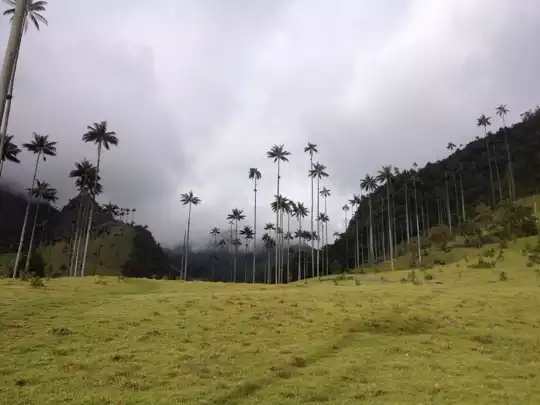
.jpg) Hi, I’m Johan (Netherlands 🇳🇱), the creator of TakeYourBackpack. Over the past 3 decades, I’ve backpacked through 90+ countries across six continents, gaining extensive experience with independent travel, long-term trips, and overland routes.
Hi, I’m Johan (Netherlands 🇳🇱), the creator of TakeYourBackpack. Over the past 3 decades, I’ve backpacked through 90+ countries across six continents, gaining extensive experience with independent travel, long-term trips, and overland routes.