v2.webp)
- Casa del Fundador Gonzalo Suárez Rendón: the conquistador’s 1540s house on Plaza de Bolívar, with painted ceilings and Muisca-influenced details. Mornings are quiet. Entry about US$1 to 2, 45 minutes.
- Iglesia de Santo Domingo: the gilded Rosary Chapel is the showpiece, with carved and painted surfaces covering nearly every inch. Go when it opens in the morning. About US$1 to 2, 30 to 45 minutes.
- Casa del Escribano Juan de Vargas: a colonial house famed for its ceiling paintings from European engravings, including odd allegorical scenes. Entry about US$1 to 2, 30 minutes.
- Catedral Basílica Metropolitana: on the main plaza, with an ornate interior and a mix of styles. Free to enter, 20 to 30 minutes, best outside mass times.
- Iglesia de San Francisco: among the oldest churches in the city, plain
- Casa del Fundador Gonzalo Suárez Rendón: the conquistador’s 1540s house on Plaza de Bolívar, with painted ceilings and Muisca-influenced details. Mornings are quiet. Entry about US$1 to 2, 45 minutes.
- Iglesia de Santo Domingo: the gilded Rosary Chapel is the showpiece, with carved and painted surfaces covering nearly every inch. Go when it opens in the morning. About US$1 to 2, 30 to 45 minutes.
- Casa del Escribano Juan de Vargas: a colonial house famed for its ceiling paintings from European engravings, including odd allegorical scenes. Entry about US$1 to 2, 30 minutes.
- Catedral Basílica Metropolitana: on the main plaza, with an ornate interior and a mix of styles. Free to enter, 20 to 30 minutes, best outside mass times.
- Iglesia de San Francisco: among the oldest churches in the city, plain outside and richly decorated within. Free or a small donation, 20 minutes.
- Parque Pinzón and the Plaza de Bolívar area: a stroll between plazas with bakeries and student hangouts. Free, 1 hour, best at dusk.
Spotted a mistake or missing something? Contact us.

Bogota City Private Tour - Monserrate, Museo del Oro, Candelaria

Ancestral Expedition through the Cave of the Factory

Villa de Leyva Food Tour at Sunset
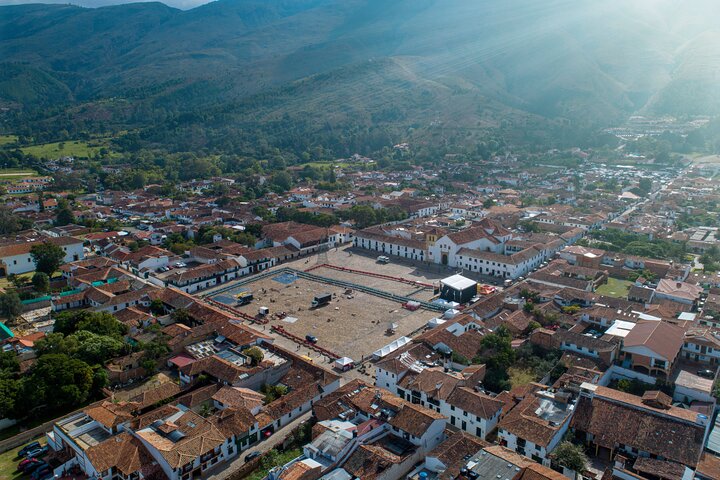
From Villa de Leyva 5 Hour City Tour

Discover Villa de Leyva with Museums & Coffee Tasting

Ráquira Colors & Culture: Day Trip with Lunch & Transport

From Villa de Leyva Vineyard Tour

Bogota Luxury City Tour: Premium Vehicle, Tour Guide & Tickets

From Villa de Leyva La Periquera Hiking Tour


 Best Backpacking
.jpg) Hi, I’m Johan (Netherlands 🇳🇱), the creator of TakeYourBackpack. Over the past 3 decades, I’ve backpacked through 90+ countries across six continents, gaining extensive experience with independent travel, long-term trips, and overland routes.
Hi, I’m Johan (Netherlands 🇳🇱), the creator of TakeYourBackpack. Over the past 3 decades, I’ve backpacked through 90+ countries across six continents, gaining extensive experience with independent travel, long-term trips, and overland routes.