×

Costa Rica🇨🇷 | national parksBraulio Carrillo National ParkPrimary rainforest, Barva cloud forest, Route 32 overlooks, muddy backcountry | things to do and best time to go

Explore Tapantí National ParkExplore Bajos del Toro

Backpacking in Braulio Carrillo
👍 Recommendednational park ranked #11
By Johan Kruseman 🇳🇱 | Updated October 22, 2026

Braulio Carrillo is not a single trailhead but a huge swath of cloud and rain forest, and most travelers only ever see the Zurquí and Quebrada González sectors. It lies north-east of San José, in the center of Costa Rica, cut by Highway 32. That road explains the easy access and the constant truck rumble at the edges. Smarter is to hike early, when the mist is thick and the crowds are thin. I still connect this place with the sharp, wet-leaf smell on the Zurquí sector and the bell-like calls of oropendolas overhead. Trails are muddy, steep and often drizzly, so wear real boots. The park ends, on its quieter side, at the Río Sucio’s milky blue-gray water.

Discover everything you want to know in the 📖 Costa Rica Travel Guide.


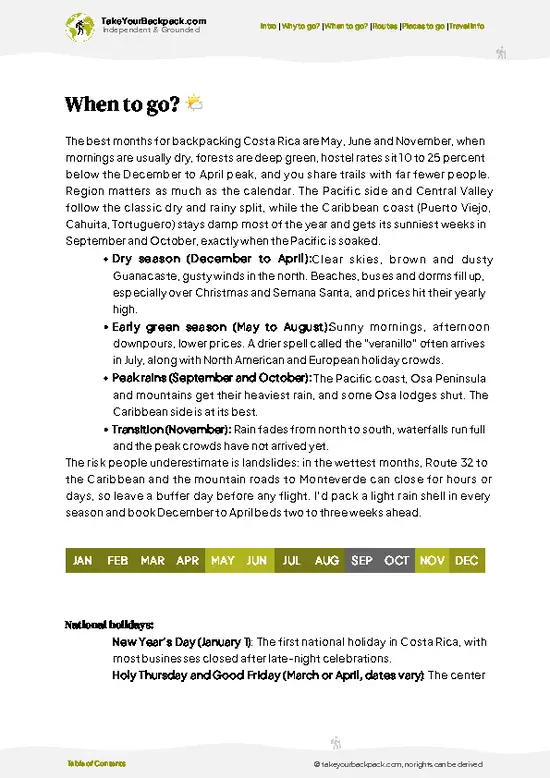
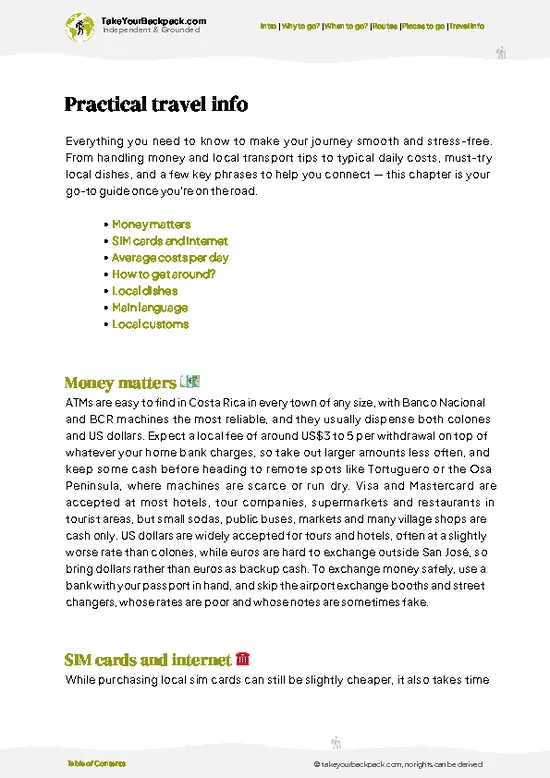
example page 0 from our offline Travel Guide for Costa Rica
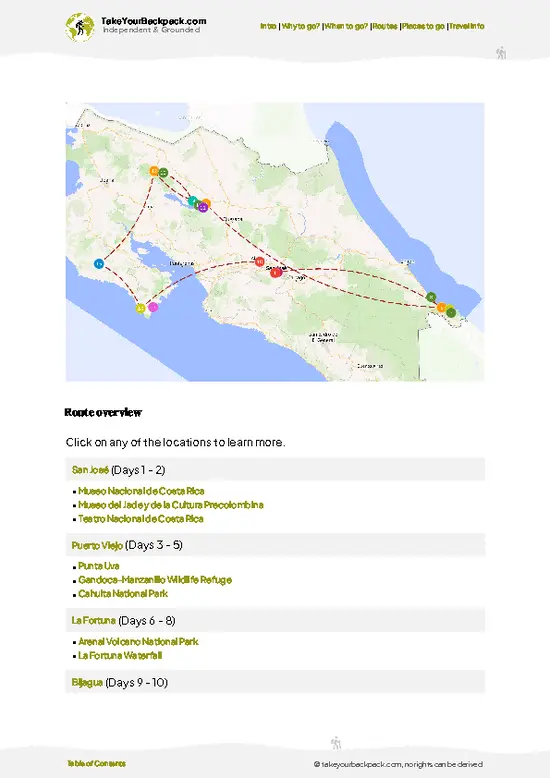
example page 1 from our offline Travel Guide for Costa Rica
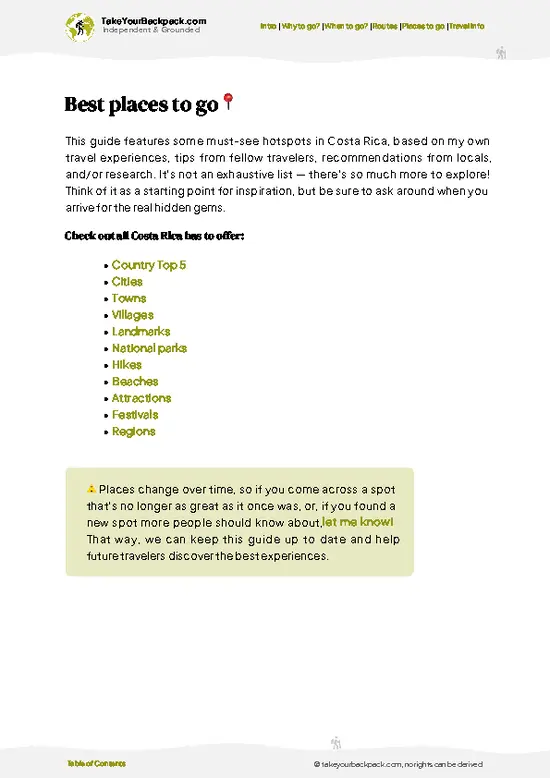
example page 2 from our offline Travel Guide for Costa Rica
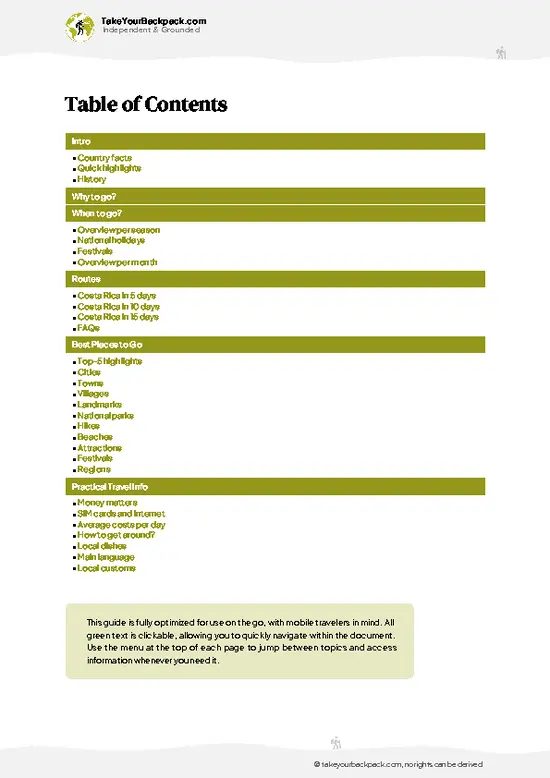
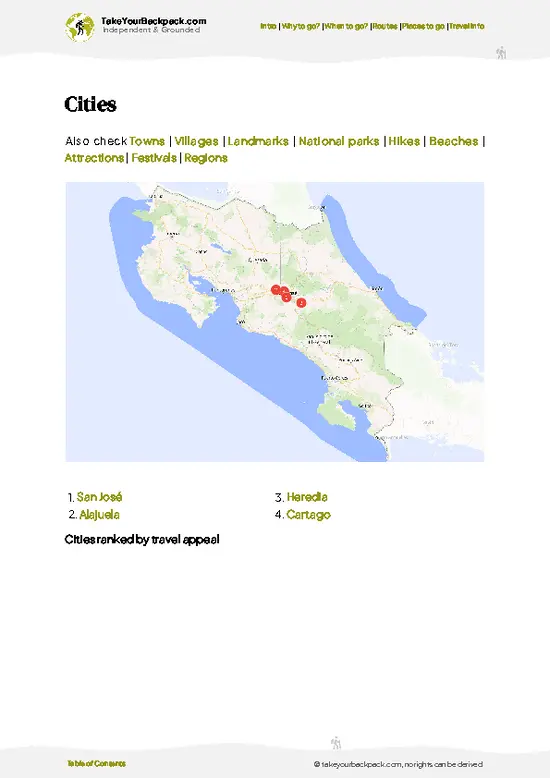
example page 3 from our offline Travel Guide for Costa Rica
example page 4 from our offline Travel Guide for Costa Rica
example page 5 from our offline Travel Guide for Costa Rica
example page 6 from our offline Travel Guide for Costa Rica
example page 7 from our offline Travel Guide for Costa Rica
Loading the map 🌍
CLICK TO FILTER
cities
towns
villages
landmarks
national parks
hikes
beaches
attractions
festivals
regions
SHOW COUNTRY’S BESTSHOW ALL

✨ Why go?
Ranked #11 national park in Costa Rica
Reasons people choose to explore here

Braulio Carrillo National Park suits self-guided travelers because the main sectors sit right on a public road, so you can reach them without a tour or a rental car. The park is also close to a capital city, which means you can hike a rainforest at breakfast and be back among city hostels by evening. Trail variety matters too. The short, well-marked loops at Quebrada González and Zurquí suit a quick morning, while the long, rugged path to Volcán Barva gives serious hikers a proper day out. Guides help with birds and frogs, yet nothing forces you to hire one. Wildlife is the other draw: toucans, sloths, and hummingbirds all turn up along the wet forest edges, and the damp air keeps everything loud and green.

💡 HighlightsThe experiences that define the visit

  1. Volcán Barva: The park’s best-known climb leads through cloud forest to a crater lake that sits inside mossy, dripping woods. Expect mud, mist and sharp cold air.
  2. Quebrada González sector: Short loops with a hanging bridge over a creek, good for birds such as toucans and tanagers.
  3. Zurquí sector: Hummingbirds crowd the feeders near the road, and the forest trails behind them run steep and wet.
  4. Sendero Las Palmas: A quiet trail where you walk under tall palms and tree ferns, with a chance of spotting sloths in the canopy.
  5. Sendero Los Botarramas: A forest trail at the Quebrada González sector with big trees, bromeliads and muddy sections.
  6. Río Sucio viewpoint: A spot where sulfur-tinted water meets a clear river, giving two colors side by side.
  7. Bird watching along Highway 32: Roadside pullouts offer
… read more 👉
  1. Volcán Barva: The park’s best-known climb leads through cloud forest to a crater lake that sits inside mossy, dripping woods. Expect mud, mist and sharp cold air.
  2. Quebrada González sector: Short loops with a hanging bridge over a creek, good for birds such as toucans and tanagers.
  3. Zurquí sector: Hummingbirds crowd the feeders near the road, and the forest trails behind them run steep and wet.
  4. Sendero Las Palmas: A quiet trail where you walk under tall palms and tree ferns, with a chance of spotting sloths in the canopy.
  5. Sendero Los Botarramas: A forest trail at the Quebrada González sector with big trees, bromeliads and muddy sections.
  6. Río Sucio viewpoint: A spot where sulfur-tinted water meets a clear river, giving two colors side by side.
  7. Bird watching along Highway 32: Roadside pullouts offer easy looks at tanagers, motmots and oropendolas.
Braulio Carrillo National Park asks for advance tickets in its busiest sectors, so reserve through the park’s online system before you go.
Spotted a mistake or missing something? Contact us.

Things to do around Braulio Carrillo National Park

Ratings based on Tripadvisor reviews. When you book through this link, you support our work at no extra cost to you.

🌤️ When to go?Seasonal considerations and timing

  • Drier Months (February to April): Trails are firmest and cloud lifts more often, though this park is among the wettest in the country and no month is truly dry. Highs run 22 to 27°C (72 to 81°F) at Quebrada González, cooler and misty up high on Barva.
  • Green Season (May to November): Expect rain most afternoons and nearly daily downpours in October and November. Rainforest feels loud and lush, mud is deep, and lodging is cheaper. Daylight lasts about 12 hours year-round.
  • December and January: Showers persist on the Caribbean slope, yet Costa Rican holiday crowds and higher lodging prices arrive.
  • Weekdays: Ranger stations are quietest Tuesday to Thursday, while weekends bring local families.
Start hikes by 7 am, since clouds and rain build from midday.

source: climatestotravel.comJANJanuary: highly recommended for travelingFEBFebruary: highly recommended for travelingMARMarch: highly recommended for travelingAPRApril: highly recommended for travelingMAYMay: good for travelingJUNJune: fair for travelingJULJuly: fair for travelingAUGAugust: fair for travelingSEPSeptember: fair for travelingOCTOctober: fair for travelingNOVNovember: good for travelingDECDecember: highly recommended for traveling
costa-rica-national-park-braulio-carrillo-national-park
© Google |

✈️ The backpacker research shortcutCosta Rica Travel Guide

An offline-friendly backpacking guide with optimized travel routes, ranked highlights, transport advice, and the best areas to stay.
example page 0 from our offline Travel Guide for Costa Rica
example page 1 from our offline Travel Guide for Costa Rica
example page 2 from our offline Travel Guide for Costa Rica
example page 3 from our offline Travel Guide for Costa Rica
example page 4 from our offline Travel Guide for Costa Rica
example page 5 from our offline Travel Guide for Costa Rica
example page 6 from our offline Travel Guide for Costa Rica
example page 7 from our offline Travel Guide for Costa Rica
The digital guide (287 pages) contains:
✅ 90 highlights, ranked by travel appeal
✅ Optimized 5, 10 & 15-day travel routes
✅ Cities, national parks, landmarks, beaches
✅ How to get around
✅ Offline-friendly for travel without Wi-Fi
👉 Click to see all 30+ guide features

📅 Plan smarter in minutes, not weeks
✅ Month by month travel advice
✅ Festivals & national holidays
✅ Budget expectations

🗺️ Go to the right places, skip the overrated ones
✅ Honest pros & cons of destinations
✅ Top hikes, parks & viewpoints
✅ Lesser-known places most travelers miss
✅ Clear “worth it vs skip it” guidance

🛏️ Travel smoothly without rookie mistakes
✅ Best areas to stay
✅ Transport systems explained simply
✅ Common scams & safety advice
✅ SIM cards, money & practical tips

🌍 Understand the country, not just visit it
✅ Culture & traditions
✅ 52 Essential phrases & customs
✅ Festivals worth planning around
✅ Traveler-friendly historical context
✅ Insights that make places more meaningful

📱 Built for real travel conditions
✅ Fully downloadable PDF
✅ Works completely offline
✅ Optimized for phone use
✅ Useful in remote areas & buses
✅ Everything in one place
Stop searching, start planning
Get instant access to your full guide. 30‑day money-back guarantee.
+ Add another guide for just

By proceeding you agree to our terms.
Sent to your inbox immediately after payment • 100% Secure Checkout
Best Backpacking Travel Advisor 2025 tourism awardBest Backpacking
Travel Advisor
2025
What others say about Take Your Backpack Guides:
⭐⭐⭐⭐⭐
Fantastic, amazing amount of information!
⭐⭐⭐⭐⭐
My goodness this is amazing, it's what I've been looking for hats off too you!
⭐⭐⭐⭐⭐
I think this is absolutely BRILLIANT
⭐⭐⭐⭐
Very complete and informative. It's still missing places, but I gotta to commend you
⭐⭐⭐⭐⭐
This is truly amazing, thank you, can't wait to explore it with my kids!
⭐⭐⭐⭐⭐
Awesome resource, thank you!
⭐⭐⭐⭐⭐
This is amazing! Can't wait to explore the ones I haven't seen
⭐⭐⭐⭐
I love this! Well done, great idea.
⭐⭐⭐⭐⭐
Thanks for taking the time to make this gem!
⭐⭐⭐⭐⭐
This might be the best website I've ever seen.
⭐⭐⭐⭐⭐
Congratulations, and thank you so much for your work; it's incredibly valuable.
⭐⭐⭐⭐
In all seriousness I think you did a great job pointing out the important spots
⭐⭐⭐⭐⭐
10/10 very good
⭐⭐⭐⭐⭐
As someone who's only just starting to visit regularly this is awesome, thank you.
⭐⭐⭐⭐
Thank you very much! I'm going to visit my dad, it's going to be very useful!
⭐⭐⭐⭐⭐
This is really cool! We'll be travelling for the first time and this definitely come in handy.
⭐⭐⭐⭐⭐
You are now our minister of culture, congratulations 👨‍💼
⭐⭐⭐⭐⭐
Just wanted to tell you that this is a pearl! Going to follow your recommendations.
⭐⭐⭐⭐⭐
This is so cool. I'll definitely be using the resource for my travels soon.
⭐⭐⭐⭐⭐
This is very impressive! Good work.
⭐⭐⭐⭐⭐
This is an amazing and informative site. Very well done!

🛏️ Where to stay?Best areas and accommodation options

Stay in San José or in the small towns around the park, because there are no lodges inside Braulio Carrillo National Park. Camping is only offered at the Barva sector, and you must book with SINAC in advance. San José is the easiest base: hostels in Barrio Amón and Escalante cost US$12 to 25 for a dorm bed, and the Zurquí sector sits roughly 30 to 45 minutes away by bus or car. Heredia, a university town about 45 minutes from the Barva entrance, has cheap guesthouses at US$25 to 45 a double. Near the Caribbean side, Guápiles and Puerto Viejo de Sarapiquí have simple hotels for US$30 to 50. Sarapiquí … read more 👉
Stay in San José or in the small towns around the park, because there are no lodges inside Braulio Carrillo National Park. Camping is only offered at the Barva sector, and you must book with SINAC in advance. San José is the easiest base: hostels in Barrio Amón and Escalante cost US$12 to 25 for a dorm bed, and the Zurquí sector sits roughly 30 to 45 minutes away by bus or car. Heredia, a university town about 45 minutes from the Barva entrance, has cheap guesthouses at US$25 to 45 a double. Near the Caribbean side, Guápiles and Puerto Viejo de Sarapiquí have simple hotels for US$30 to 50. Sarapiquí suits those combining rainforest hikes with river trips, and the lowland Magsaysay sector is nearby. Pick San José for the most flexibility with public buses.

👛 Costs (as of 22 October 2026)Typical daily expenses

Braulio Carrillo National Park costs a backpacker about US$41 to 85 a day when you stay in San José and visit independently. Prices are approximate and paid in colones or by card.
CategoryBudget RangeLocal Reality
Entrance feeUS$12 to 15Foreign adults pay per sector, with advance booking through SINAC. Sectors include Zurquí, Quebrada González and Barva.
Accommodation (high season)US$15 to 30Dorm beds in San José or cheap guesthouses in Heredia. Low season runs a few dollars less.
Local transportUS$4 to 12Buses from San José toward Guápiles pass the park along the highway. Taxis or shuttles to Barva cost more.
Food and suppliesUS$10 to 18Sodas serve a casado lunch for US$5 to 8. Pack snacks and water because there are no shops on the trails.
Guide (optional)US$0 to 10Guided walks run US$40 to 70
… read more 👉
Braulio Carrillo National Park costs a backpacker about US$41 to 85 a day when you stay in San José and visit independently. Prices are approximate and paid in colones or by card.
CategoryBudget RangeLocal Reality
Entrance feeUS$12 to 15Foreign adults pay per sector, with advance booking through SINAC. Sectors include Zurquí, Quebrada González and Barva.
Accommodation (high season)US$15 to 30Dorm beds in San José or cheap guesthouses in Heredia. Low season runs a few dollars less.
Local transportUS$4 to 12Buses from San José toward Guápiles pass the park along the highway. Taxis or shuttles to Barva cost more.
Food and suppliesUS$10 to 18Sodas serve a casado lunch for US$5 to 8. Pack snacks and water because there are no shops on the trails.
Guide (optional)US$0 to 10Guided walks run US$40 to 70 per person, so shared costs matter.
Total Daily BudgetUS$41 to 85About US$63 midrange for an independent day hiker.


source: visitcostarica.com
⚠️ Prices can change and everyone travels differently, so take this as a rough guide. Hope it helps you plan your adventure!

🥾 TrailsExploring Braulio Carrillo: trails, terrain, and views

Braulio Carrillo National Park offers a wide range of walks, from easy forest loops to a long muddy volcano climb. Trails are generally wet, so waterproof boots and a rain jacket matter here.
  • Sendero Las Palmas: About 1.6 km, roughly 1 hour, easy to moderate. Tall palms and tree ferns, with some slippery sections.
  • Sendero Los Botarramas: About 2 km, roughly 1 to 1.5 hours, moderate. Dense forest, bromeliads and a few steep stretches.
  • Quebrada González loops: Short trails of around 1 to 2 km, about 1 hour, easy. A creek, a suspension bridge and good birding.
  • Volcán Barva trail: About 3 km to the lagoon,
… read more 👉
Braulio Carrillo National Park offers a wide range of walks, from easy forest loops to a long muddy volcano climb. Trails are generally wet, so waterproof boots and a rain jacket matter here.
  • Sendero Las Palmas: About 1.6 km, roughly 1 hour, easy to moderate. Tall palms and tree ferns, with some slippery sections.
  • Sendero Los Botarramas: About 2 km, roughly 1 to 1.5 hours, moderate. Dense forest, bromeliads and a few steep stretches.
  • Quebrada González loops: Short trails of around 1 to 2 km, about 1 hour, easy. A creek, a suspension bridge and good birding.
  • Volcán Barva trail: About 3 km to the lagoon, a few hours round trip, moderate to hard. Cloud forest, mud, thick moss and a crater lake at the end.
Wildlife includes toucans, hummingbirds, sloths, monkeys and, rarely, larger cats. Expect cool, misty conditions at higher elevations and humid heat lower down.
Buses along Highway 32 stop near the main sectors, so reaching the park without a car is possible. Weekends can be busy at Quebrada González, while Volcán Barva tends to be quiet. Entrance requires a paid ticket in US dollars, bought in advance for popular sectors.
⚠️ Hiking info can sometimes be outdated or inaccurate. Before you hit the trail, check the latest conditions with locals. If you do spot anything that's off, I'd love to hear from you, so I can update it for fellow travelers.

🛡️ SafetyTraveler Safety Guide

Braulio Carrillo National Park is well managed, but its wet, steep rainforest trails demand more preparation than most visitors expect. Mud and slick roots make footing slow, so wear boots with grip and carry a rain jacket even on sunny mornings. Trails at Quebrada González and Los Quetzales are marked, though stick to them, as dense forest disorients quickly. Rivers rise fast after heavy rain, so skip crossings when water turns brown. Snakes, including the venomous fer-de-lance, rest on trails, so watch your steps and never reach into vegetation. Keep distance from any wildlife. Do not leave valuables in cars at the trailhead parking areas along the highway, where break-ins occur. Tell someone your route and carry offline maps.

FAQCommon questions from travelers

Two days is enough for Braulio Carrillo National Park if you want several sectors. One day covers Quebrada González or the Zurquí trails from San José, while a second day suits the cloud forest at Barva or the lowland Magsaysay area near Puerto Viejo de Sarapiquí. Add a third day if you want a camping night at Barva.
Yes, Braulio Carrillo National Park can be reached without a car, though only a few trails are easy this way. Buses from San José’s Gran Terminal del Caribe toward Guápiles stop near Zurquí and Quebrada González, and the trip takes roughly 40 to 60 minutes. Barva is harder, so reach it by bus to Heredia and then a taxi of around US$20 to 35.
Yes, Braulio Carrillo National Park charges foreign visitors an entrance fee of about US$12 to 15 per sector, and you must reserve before arrival through the SINAC system. Tickets are limited, so book a few days ahead at busy sectors like Quebrada González. Overnight camping at Barva needs a separate permit and costs extra, and paying by card is usual.
⚠️ Things can change over time, so always validate details locally before you go.

Other Costa Rican national parks near Braulio Carrillo

Explore more nearby:


💡 Not sure where to go next?
Create a personalized itinerary for Costa Rica including Braulio Carrillo and the places that fit your trip.

Generate my itinerary

👉 Discover all national parks

Or checkout all Costa Rica has to offer (think cities, towns, villages, national parks, hikes, beaches, festivals)
Country photo of Costa Rica

We 💚 feedbackSumming up the experience

Braulio Carrillo National Park pairs well with a morning in San José before you head toward the Caribbean lowlands or the Sarapiquí region, since the highway runs right past it. I would hike Zurquí or Quebrada González early, then keep moving, and pack a dry layer for the afternoon.

✈️ When did I visit Costa Rica?
Costa Rica I visited during my half year trip through South and Central America back in 2003

✍️ Help improve this page!
The information on this page is based on my own backpacking experience in Costa Rica, supplemented with up-to-date research and feedback from other travelers. Travel details can change, so if you notice anything outdated or incomplete, feel free to let me know.


🙋‍♂️ Give feedback

👋 Meet the founderWho’s Behind Take Your Backpack?

Johan, backpacker and founder of TakeYourBackpackHi, I’m Johan (Netherlands 🇳🇱), the creator of TakeYourBackpack. Over the past 3 decades, I’ve backpacked through 90+ countries across six continents, gaining extensive experience with independent travel, long-term trips, and overland routes.

This site is built on a combination of firsthand travel experience and carefully curated insights from other backpackers. Many guides are based on places I’ve personally visited, while others bring together tips, observations, and practical advice shared by trusted travelers I’ve met along the way.

The goal is to provide realistic, experience-driven guidance — not generic itineraries — so you can explore destinations with better context, clearer expectations, and more confidence.