×

Costa Rica🇨🇷 | festivalsFiesta de los DiablitosBoruca devils, balsa masks, burlap costumes, bull battle | things to do and best time to go

Explore CartagoExplore Envision

Backpacking in Fiesta de los Diablitos
👀 For curious travelersfestival ranked #11
By Johan Kruseman 🇳🇱 | Updated October 22, 2026

The diablitos wear carved balsa wood masks painted in bright colors, and the costumes are stitched from burlap sacks (jute), so the day sounds like rustling sacking, conch shells and drums. Fiesta de los Diablitos is the Indigenous Boruca festival in the southern Pacific highlands of Costa Rica, held in the village of Rey Curré and in Boruca itself. Dancers play the “devils” fighting a bull, the Spanish invader, and the bull knocks the devils down before they rise again, capture it and burn it at the end, after hours of running, shouting and chicha. Expect dust, smoke from cooking fires and long waits. A woman selling tamales told me, “Come hungry and stay for the night.” Unlike the polished Guanacaste folklore shows, nothing here is staged for tourists.

Discover everything you want to know in the 📖 Costa Rica Travel Guide.


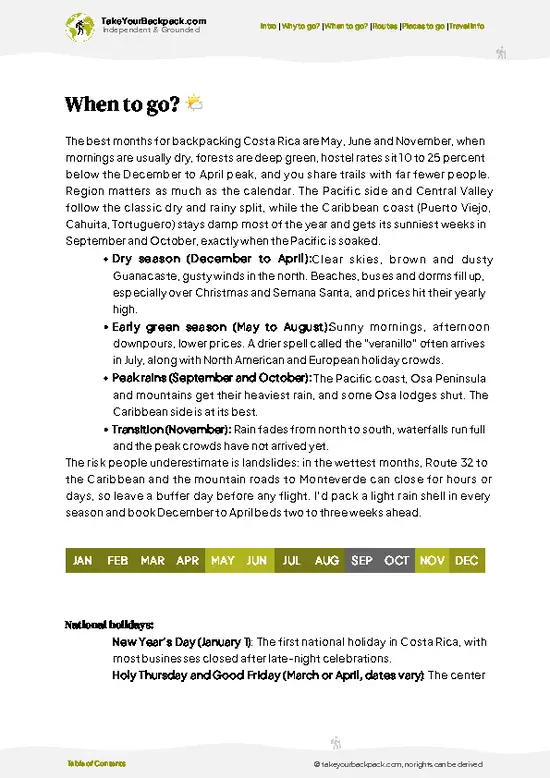
example page 0 from our offline Travel Guide for Costa Rica
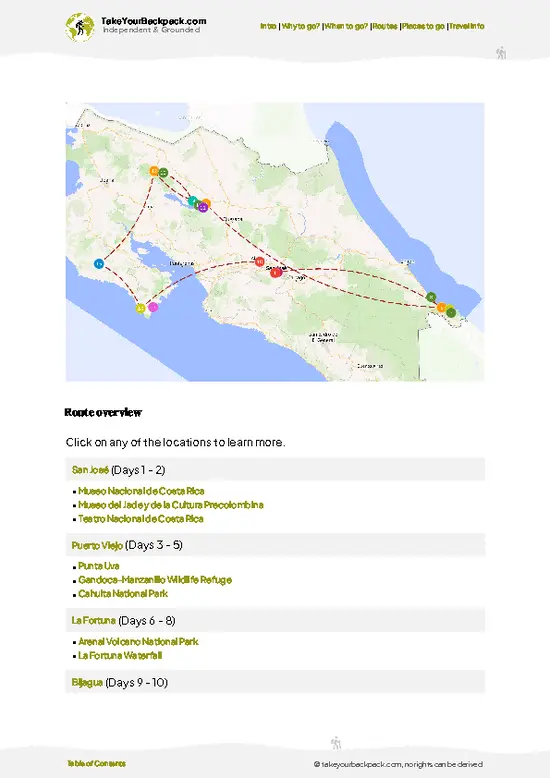
example page 1 from our offline Travel Guide for Costa Rica
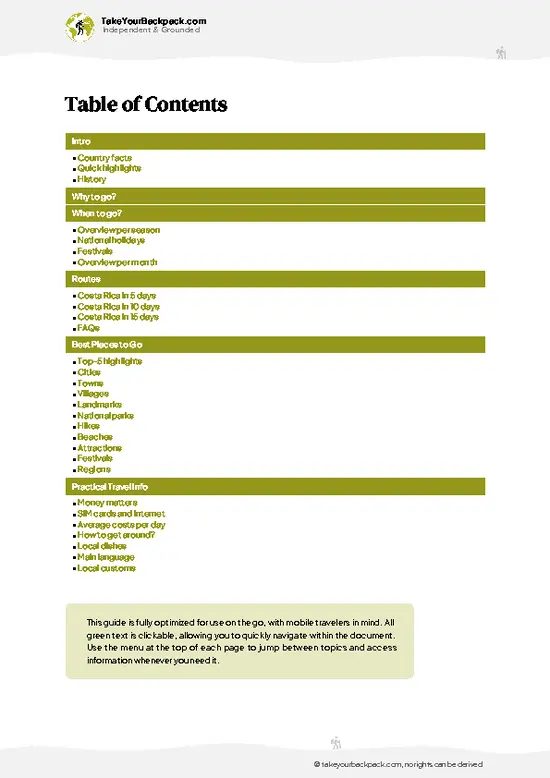
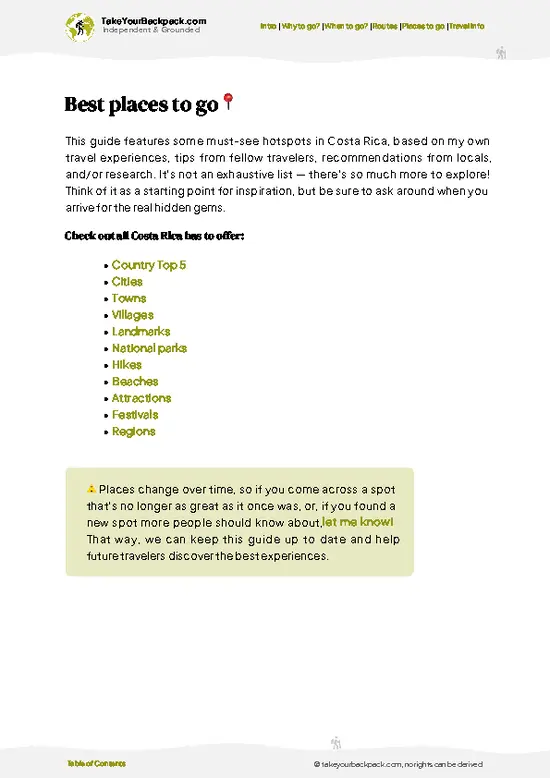
example page 2 from our offline Travel Guide for Costa Rica
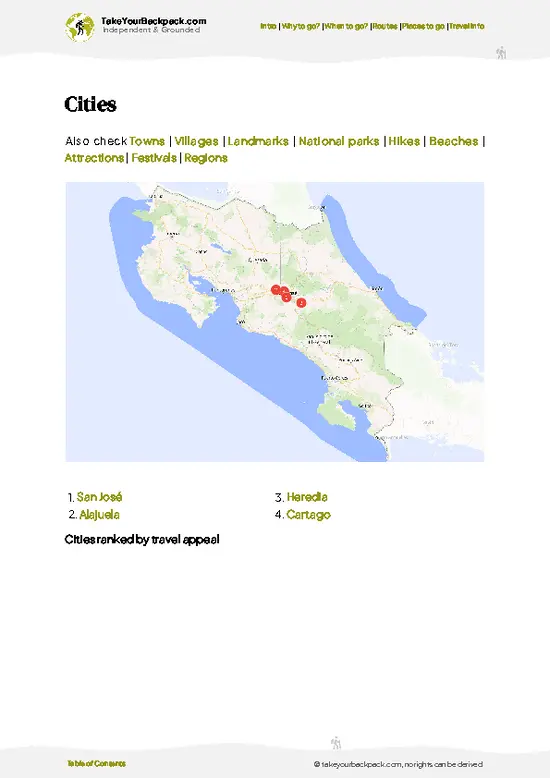
example page 3 from our offline Travel Guide for Costa Rica
example page 4 from our offline Travel Guide for Costa Rica
example page 5 from our offline Travel Guide for Costa Rica
example page 6 from our offline Travel Guide for Costa Rica
example page 7 from our offline Travel Guide for Costa Rica
Loading the map 🌍
CLICK TO FILTER
cities
towns
villages
landmarks
national parks
hikes
beaches
attractions
festivals
regions
SHOW COUNTRY’S BESTSHOW ALL

✨ Why go?
Ranked #11 festival in Costa Rica
Why visitors keep coming back

Fiesta de los Diablitos pulls backpackers off the Pan-American Highway because it is one of the few Indigenous ceremonies in Costa Rica still run for the community, not for a tour group. Three days of dancing give you time to settle into the rhythm of the village, chat with mask carvers and weavers, and buy directly from them, so your money goes to the families who made the piece. The festival runs from the end of December into early January in Boruca and in early February in Rey Curré, so it fits neatly between the beaches of the Osa Peninsula and the cloud forest of San Gerardo de Dota. Lodging is simple homestay-style rooms and a few guesthouses in nearby Buenos Aires, and the whole event is free to watch and far cheaper than a music festival. Bring respect and patience, and you may be offered a seat near the fire and a cup of chicha.

💡 HighlightsDon't-miss highlights and experiences

  1. The Diablito Dance Procession: masked dancers in burlap costumes run through the village, blowing conch shells and charging the bull, in loops that continue for hours.
  2. The Bull Battle: the central drama, in which a dancer in a wooden bull frame battles the diablitos, who are knocked down, representing Spanish conquest, before they rise again and burn the bull on the final day.
  3. Carved Balsa Masks: artisans sell and display the painted masks, each with its own face of a devil, jaguar or fantastic creature, and buying from the maker is the best way to take one home.
  4. Boruca Weaving: women weave cotton on backstrap looms and dye the thread with natural materials such as indigo and murex snail, which you can watch and buy.
  5. Communal Food and Chicha: stalls and family kitchens serve tamales, corn dishes
… read more 👉
  1. The Diablito Dance Procession: masked dancers in burlap costumes run through the village, blowing conch shells and charging the bull, in loops that continue for hours.
  2. The Bull Battle: the central drama, in which a dancer in a wooden bull frame battles the diablitos, who are knocked down, representing Spanish conquest, before they rise again and burn the bull on the final day.
  3. Carved Balsa Masks: artisans sell and display the painted masks, each with its own face of a devil, jaguar or fantastic creature, and buying from the maker is the best way to take one home.
  4. Boruca Weaving: women weave cotton on backstrap looms and dye the thread with natural materials such as indigo and murex snail, which you can watch and buy.
  5. Communal Food and Chicha: stalls and family kitchens serve tamales, corn dishes and fermented corn drink, with smoke from the cooking fires hanging over the dance ground.
Plan on a full day for the main dances, and two if you want the quieter craft stops and the night gatherings.
Spotted a mistake or missing something? Contact us.

Things to do near Fiesta de los Diablitos

Ratings based on Tripadvisor reviews. When you book through this link, you support our work at no extra cost to you.

🌤️ When to go?When is the celebration of Fiesta de los Diablitos?

Fiesta de los Diablitos in Boruca runs for three days, starting at midnight on December 30 and ending January 2 (dates are fixed), while Rey Curré holds its own version in early February, both in the Brunca territory near Buenos Aires de Puntarenas.
  • Best day: The first night and morning of the Boruca fiesta bring the opening of the Diablitos, and the final day brings the burning of the bull, so go for either.
  • Weather: Days reach 28 to 33°C (82 to 91°F) with dry skies, and nights cool to around 18°C (64°F). Bring a hat, sunscreen, a light jacket and sturdy shoes for dusty tracks.
  • Booking: Reserve beds in Buenos Aires or San Isidro a month ahead, since prices rise roughly 20 to 40 percent at New Year.
  • Roads: Arrive the afternoon before, because the last stretch is a rough road and buses fill early.
… read more 👉
Fiesta de los Diablitos in Boruca runs for three days, starting at midnight on December 30 and ending January 2 (dates are fixed), while Rey Curré holds its own version in early February, both in the Brunca territory near Buenos Aires de Puntarenas.
  • Best day: The first night and morning of the Boruca fiesta bring the opening of the Diablitos, and the final day brings the burning of the bull, so go for either.
  • Weather: Days reach 28 to 33°C (82 to 91°F) with dry skies, and nights cool to around 18°C (64°F). Bring a hat, sunscreen, a light jacket and sturdy shoes for dusty tracks.
  • Booking: Reserve beds in Buenos Aires or San Isidro a month ahead, since prices rise roughly 20 to 40 percent at New Year.
  • Roads: Arrive the afternoon before, because the last stretch is a rough road and buses fill early. Leave after the final day ends.
Arrive a day early so you are in the village when the masks come out.


source: climatestotravel.comJANJanuary: not recommended for travelingFEBFebruary: not recommended for travelingMARMarch: not recommended for travelingAPRApril: not recommended for travelingMAYMay: not recommended for travelingJUNJune: not recommended for travelingJULJuly: not recommended for travelingAUGAugust: not recommended for travelingSEPSeptember: not recommended for travelingOCTOctober: not recommended for travelingNOVNovember: not recommended for travelingDECDecember: excellent for traveling

✈️ The backpacker research shortcutCosta Rica Travel Guide

An offline-friendly backpacking guide with optimized travel routes, ranked highlights, transport advice, and the best areas to stay.
example page 0 from our offline Travel Guide for Costa Rica
example page 1 from our offline Travel Guide for Costa Rica
example page 2 from our offline Travel Guide for Costa Rica
example page 3 from our offline Travel Guide for Costa Rica
example page 4 from our offline Travel Guide for Costa Rica
example page 5 from our offline Travel Guide for Costa Rica
example page 6 from our offline Travel Guide for Costa Rica
example page 7 from our offline Travel Guide for Costa Rica
The digital guide (287 pages) contains:
✅ 90 highlights, ranked by travel appeal
✅ Optimized 5, 10 & 15-day travel routes
✅ Cities, national parks, landmarks, beaches
✅ How to get around
✅ Offline-friendly for travel without Wi-Fi
👉 Click to see all 30+ guide features

📅 Plan smarter in minutes, not weeks
✅ Month by month travel advice
✅ Festivals & national holidays
✅ Budget expectations

🗺️ Go to the right places, skip the overrated ones
✅ Honest pros & cons of destinations
✅ Top hikes, parks & viewpoints
✅ Lesser-known places most travelers miss
✅ Clear “worth it vs skip it” guidance

🛏️ Travel smoothly without rookie mistakes
✅ Best areas to stay
✅ Transport systems explained simply
✅ Common scams & safety advice
✅ SIM cards, money & practical tips

🌍 Understand the country, not just visit it
✅ Culture & traditions
✅ 52 Essential phrases & customs
✅ Festivals worth planning around
✅ Traveler-friendly historical context
✅ Insights that make places more meaningful

📱 Built for real travel conditions
✅ Fully downloadable PDF
✅ Works completely offline
✅ Optimized for phone use
✅ Useful in remote areas & buses
✅ Everything in one place
Stop searching, start planning
Get instant access to your full guide. 30‑day money-back guarantee.
+ Add another guide for just

By proceeding you agree to our terms.
Sent to your inbox immediately after payment • 100% Secure Checkout
Best Backpacking Travel Advisor 2025 tourism awardBest Backpacking
Travel Advisor
2025
What others say about Take Your Backpack Guides:
⭐⭐⭐⭐⭐
Fantastic, amazing amount of information!
⭐⭐⭐⭐⭐
My goodness this is amazing, it's what I've been looking for hats off too you!
⭐⭐⭐⭐⭐
I think this is absolutely BRILLIANT
⭐⭐⭐⭐
Very complete and informative. It's still missing places, but I gotta to commend you
⭐⭐⭐⭐⭐
This is truly amazing, thank you, can't wait to explore it with my kids!
⭐⭐⭐⭐⭐
Awesome resource, thank you!
⭐⭐⭐⭐⭐
This is amazing! Can't wait to explore the ones I haven't seen
⭐⭐⭐⭐
I love this! Well done, great idea.
⭐⭐⭐⭐⭐
Thanks for taking the time to make this gem!
⭐⭐⭐⭐⭐
This might be the best website I've ever seen.
⭐⭐⭐⭐⭐
Congratulations, and thank you so much for your work; it's incredibly valuable.
⭐⭐⭐⭐
In all seriousness I think you did a great job pointing out the important spots
⭐⭐⭐⭐⭐
10/10 very good
⭐⭐⭐⭐⭐
As someone who's only just starting to visit regularly this is awesome, thank you.
⭐⭐⭐⭐
Thank you very much! I'm going to visit my dad, it's going to be very useful!
⭐⭐⭐⭐⭐
This is really cool! We'll be travelling for the first time and this definitely come in handy.
⭐⭐⭐⭐⭐
You are now our minister of culture, congratulations 👨‍💼
⭐⭐⭐⭐⭐
Just wanted to tell you that this is a pearl! Going to follow your recommendations.
⭐⭐⭐⭐⭐
This is so cool. I'll definitely be using the resource for my travels soon.
⭐⭐⭐⭐⭐
This is very impressive! Good work.
⭐⭐⭐⭐⭐
This is an amazing and informative site. Very well done!

🛏️ Where to stay?Best areas and accommodation options

Buenos Aires de Puntarenas is the most practical base, about 30 to 45 minutes by road from Boruca and Rey Curré, with simple guesthouses, a few small restaurants and regular buses from San Isidro. It is a quiet farm town, safe to walk after dark on the main streets, and a handy place to meet other festival-goers heading out in shared taxis or pickups.

San Isidro de El General, roughly 1.5 hours away, is the better pick if you want a social scene. It has the widest choice of budget hostels and cheap rooms, plus supermarkets, ATMs and a terminal with onward buses to San José and the Panamanian … read more 👉
Buenos Aires de Puntarenas is the most practical base, about 30 to 45 minutes by road from Boruca and Rey Curré, with simple guesthouses, a few small restaurants and regular buses from San Isidro. It is a quiet farm town, safe to walk after dark on the main streets, and a handy place to meet other festival-goers heading out in shared taxis or pickups.

San Isidro de El General, roughly 1.5 hours away, is the better pick if you want a social scene. It has the widest choice of budget hostels and cheap rooms, plus supermarkets, ATMs and a terminal with onward buses to San José and the Panamanian border. Solo travelers meet others easily there, and you can line up shared rides.

In Boruca itself, community members sometimes host visitors in basic homestays during the fiesta. These are small, so ask locally and arrange early. They put you steps from the action and put money straight into the community.

👛 Costs (as of 22 October 2026)Travel costs and budget guide for Fiesta de los Diablitos

A day at Fiesta de los Diablitos costs about US$33 to 85 per person, with most of that going to a bed and getting there. Entry is free.
CategoryBudget RangeLocal Reality
Festival ticketsUS$0Free community event; small donations and craft purchases are welcome
AccommodationUS$15 to 40Dorm or basic room in Buenos Aires or San Isidro; higher during the festival
Local transportUS$5 to 20Local bus from Buenos Aires, or shared taxi to the village
Food & drinksUS$8 to 15Home-cooked plates from US$3 to 6; pay in cash
Miscellaneous expensesUS$5 to 10Donations, water, sunscreen, a small mask or weaving
Total Daily BudgetUS$33 to 85Roughly US$60 for a typical day with a mid-range bed
⚠️ Prices can change and everyone travels differently, so take this as a rough guide. Hope it helps you plan your adventure!

🍲 FoodWhat to Eat & Drink

Food at Fiesta de los Diablitos is home cooking, not festival-circuit fare. Look for tamales wrapped in banana leaf, arroz con pollo, and stewed pork or beef served from family kitchens and small stands. The signature drink is chicha, a fermented corn beverage, passed around in gourds during the celebrations. Expect cacao-based drinks and fresh tortillas with cheese too.

Try the chicha if offered. It is tangy, slightly sour and deeply tied to the ceremony. Accept small tastes politely, and a small contribution is welcome in return.

Bring cash in small colones bills, since there are no card terminals and the nearest ATMs are in Buenos Aires. Portions are generous and priced at about US$3 to 6. Food is often shared, so sit where invited and do not photograph people eating without asking. Lines form quickly by midday, so eat early.

FAQCommon questions from travelers

Fiesta de los Diablitos takes place from December 30 to January 2 in Boruca, and in early February in Rey Curré. Each lasts about three days, and in Boruca it starts at midnight on December 30. The villages are about 30 to 45 minutes from Buenos Aires de Puntarenas.
Attending Fiesta de los Diablitos is free, since it is a community ritual rather than a ticketed event. Budget US$33 to 85 a day, covering a bed in Buenos Aires or San Isidro (US$15 to 40), transport (US$5 to 20) and food (US$8 to 15). Carry cash, as there are no card terminals in the villages.
Fiesta de los Diablitos needs no tickets, so you can simply turn up in Boruca or Rey Curré. What you do need in advance is a bed, ideally booked two to three months ahead in Buenos Aires or San Isidro. Arrive the evening before, because the dirt roads fill up by mid-morning.
⚠️ Things can change over time, so always validate details locally before you go.

Other Costa Rican festivals near Fiesta de los Diablitos

Explore more nearby:

  • Envision—Week-long jungle camp, yoga and breathwork, rainforest stages, Uvita mud| 52 km away
  • Limón Carnival—Calypso parade, Parque Vargas, rondón, Caribbean comparsas| 115 km away
  • Festival de la Luz—Lantern floats, Paseo Colón, light switch-on, night fireworks| 132 km away

💡 Not sure where to go next?
Create a personalized itinerary for Costa Rica including Fiesta de los Diablitos and the places that fit your trip.

Generate my itinerary

👉 Discover all festivals

Or checkout all Costa Rica has to offer (think cities, towns, villages, national parks, hikes, beaches, festivals)
Country photo of Costa Rica

We 💚 feedbackFinal thoughts on celebrating the Fiesta de los Diablitos

Fiesta de los Diablitos works best as the cultural anchor of a southern loop, paired with the Osa Peninsula or the cloud forests of San Gerardo de Dota. I would arrive the day before, stay in Buenos Aires, and bring cash and a respectful camera policy, since photos may need permission.

✈️ When did I visit Costa Rica?
Costa Rica I visited during my half year trip through South and Central America back in 2003

✍️ Help improve this page!
The information on this page is based on my own backpacking experience in Costa Rica, supplemented with up-to-date research and feedback from other travelers. Travel details can change, so if you notice anything outdated or incomplete, feel free to let me know.


🙋‍♂️ Give feedback

👋 Meet the founderWho’s Behind Take Your Backpack?

Johan, backpacker and founder of TakeYourBackpackHi, I’m Johan (Netherlands 🇳🇱), the creator of TakeYourBackpack. Over the past 3 decades, I’ve backpacked through 90+ countries across six continents, gaining extensive experience with independent travel, long-term trips, and overland routes.

This site is built on a combination of firsthand travel experience and carefully curated insights from other backpackers. Many guides are based on places I’ve personally visited, while others bring together tips, observations, and practical advice shared by trusted travelers I’ve met along the way.

The goal is to provide realistic, experience-driven guidance — not generic itineraries — so you can explore destinations with better context, clearer expectations, and more confidence.