×

Costa Rica🇨🇷 | citiesCartagomountain air, pilgrimage sites, ancient ruins | things to do and best time to go

Explore HerediaExplore Día de los Diablitos

Backpacking in Cartago
👍 Recommendedcity ranked #3
By Johan Kruseman 🇳🇱 | Updated June 6, 2026

Everyone talks about Cartago for one thing: the Basílica de los Ángeles and the big pilgrimage. Impressive, yes, but if you’re backpacking, the real value is how Cartago lets you see everyday Costa Rican life without the tourist markup or chaos. Sitting just east of San José in Costa Rica’s Central Valley, it’s close enough for easy buses, far enough to feel like its own world. The historic core, the ruined Santiago Apóstol church, and the quiet central park are worth a slow wander, and the city makes a great launchpad for Irazú Volcano and Orosi Valley. It’s cheaper and calmer than San José, safer at night if you use normal city sense, and nightlife is low-key bar culture rather than clubbing. You won’t trip over other backpackers, but you’ll meet locals and a few long-term travelers who actually live there. The vibe: lived-in, slightly conservative, quietly interesting.

Discover everything you want to know in the 📖 Costa Rica Travel Guide.
Loading the map 🌍
CLICK TO FILTER
cities
towns
villages
landmarks
national parks
hikes
beaches
attractions
festivals
regions
SHOW COUNTRY’S BESTSHOW ALL

✨ Why go?
Ranked #3 city in Costa Rica
Reasons people choose to visit here

Cartago is a strategic basecamp for backpackers navigating Costa Rica. It’s not just about the highlights; it’s how they fit into your journey. The city offers a walkable layout, making it easy to explore local markets and grab a bite without wasting time. You’ll find a range of hostels that cater to different budgets, often buzzing with fellow travelers sharing tips and stories.

Food options are diverse, from street vendors serving up local flavors to cozy cafes where you can recharge. The nightlife is laid-back but lively enough to connect with other backpackers.

What really sets Cartago apart is its proximity to day trips. You can easily hop on a bus to explore nearby attractions without the hassle of moving your entire pack. Plus, onward travel is a breeze, with connections to major … read more 👉
Cartago is a strategic basecamp for backpackers navigating Costa Rica. It’s not just about the highlights; it’s how they fit into your journey. The city offers a walkable layout, making it easy to explore local markets and grab a bite without wasting time. You’ll find a range of hostels that cater to different budgets, often buzzing with fellow travelers sharing tips and stories.

Food options are diverse, from street vendors serving up local flavors to cozy cafes where you can recharge. The nightlife is laid-back but lively enough to connect with other backpackers.

What really sets Cartago apart is its proximity to day trips. You can easily hop on a bus to explore nearby attractions without the hassle of moving your entire pack. Plus, onward travel is a breeze, with connections to major destinations like San José and the lush highlands.

If you’re looking for a place that balances comfort and value, while still keeping you in the heart of the action, Cartago is worth considering—whether for a quick stop or a longer stay.
Want to include Cartago in your Costa Rica route?
Create a personalized Costa Rica itinerary that includes Cartago and the places that fit your trip — based on your travel style, budget, and available time. Get your route in seconds.

Generate my trip

💡 HighlightsWhat this place is best known for

  1. Basílica de Nuestra Señora de los Ángeles — The heart of Cartago. Famous for the tiny black Madonna “La Negrita,” huge annual pilgrimages on August 2, and classic neo-Romanesque architecture; you’ll feel the local devotion and get a sense of the city’s spiritual core.
  2. Ruinas de la Parroquia de Santiago Apóstol — Atmospheric stone ruins from an old parish damaged by earthquakes. It’s right near the central plaza, great for photos and for imagining colonial Cartago before seismic reshaping.
  3. Parque Central (Plaza de Cartago) — Where locals gather, buskers play, and the city’s daily rhythm happens. Good spot to people-watch, orient yourself, and see the basilica and old municipal buildings in one sweep.
  4. Mercado Central de Cartago — Real market life: fresh produce, cheap local meals, fruit
read more 👉
  1. Basílica de Nuestra Señora de los Ángeles — The heart of Cartago. Famous for the tiny black Madonna “La Negrita,” huge annual pilgrimages on August 2, and classic neo-Romanesque architecture; you’ll feel the local devotion and get a sense of the city’s spiritual core.
  2. Ruinas de la Parroquia de Santiago Apóstol — Atmospheric stone ruins from an old parish damaged by earthquakes. It’s right near the central plaza, great for photos and for imagining colonial Cartago before seismic reshaping.
  3. Parque Central (Plaza de Cartago) — Where locals gather, buskers play, and the city’s daily rhythm happens. Good spot to people-watch, orient yourself, and see the basilica and old municipal buildings in one sweep.
  4. Mercado Central de Cartago — Real market life: fresh produce, cheap local meals, fruit juices, and a mix of stalls selling everything from spices to work boots. Best place to eat cheap and authentic food and chat with vendors.
  5. Museo Municipal de Cartago — Small but focused local history museum with artifacts, photos and exhibits that explain Cartago’s role as Costa Rica’s first capital and its colonial past. Worth an hour if you care about context.
  6. Casa de la Cultura / Centro Cultural de Cartago — A working cultural center with rotating exhibits, workshops, and often live music or theater. Good for catching local arts away from touristy spots.
  7. Estadio José Rafael “Fello” Meza Ivankovich — Home turf of Club Cartaginés. If you can catch a match, the energy is a proper Costa Rican local-football experience; if not, the stadium itself is a marker of civic pride.
  8. Cementerio General de Cartago — A surprisingly interesting walk: old tombstones, family mausoleums and echoes of the city’s past. You’ll see local funerary art and get another slice of history off the beaten path.
  9. Teatro Municipal de Cartago — Historic municipal theater with period architecture and a program of plays, concerts and cultural events. Even if nothing’s on, the building is worth a look from the outside.
  10. Museo de la Basílica / Sala de Exvotos — A small museum or display area associated with the basilica that preserves religious objects, ex-votos and stories tied to the pilgrimages and the statue of La Negrita. It adds layers to the basilica visit.
A few great day trips just outside the city: Irazú Volcano National Park, the Lankester Botanical Garden, and the Orosi Valley (colonial church, coffee farms and hot springs) — my personal favorite for a day trip is the Orosi Valley.
Spotted a mistake or missing something? Contact us.

Things to do near Cartago

Ratings based on Tripadvisor reviews. When you book through this link, you support our work at no extra cost to you.

🏘️ NeighborhoodsNeighborhood guide to Cartago

Cartago, a city steeped in history and surrounded by lush landscapes, offers backpackers a unique blend of culture and accessibility. Here’s a breakdown of its key neighborhoods:

Centro de Cartago: This is the heart of the city. You’ll find the iconic Basilica de Nuestra Señora de los Ángeles, a must-see for its architectural beauty. The vibe is bustling yet manageable, with plenty of budget-friendly eateries and shops. Walkability is high, making it easy to explore on foot. Nightlife is low-key; think cozy bars rather than wild parties. Ideal for short stays, as you can soak in the local culture quickly.

San Nicolás: A quieter residential area that offers a more local experience. It’s less touristy, which means lower prices on food and accommodations. The vibe is relaxed, perfect for those … read more 👉
Cartago, a city steeped in history and surrounded by lush landscapes, offers backpackers a unique blend of culture and accessibility. Here’s a breakdown of its key neighborhoods:

Centro de Cartago: This is the heart of the city. You’ll find the iconic Basilica de Nuestra Señora de los Ángeles, a must-see for its architectural beauty. The vibe is bustling yet manageable, with plenty of budget-friendly eateries and shops. Walkability is high, making it easy to explore on foot. Nightlife is low-key; think cozy bars rather than wild parties. Ideal for short stays, as you can soak in the local culture quickly.

San Nicolás: A quieter residential area that offers a more local experience. It’s less touristy, which means lower prices on food and accommodations. The vibe is relaxed, perfect for those looking to escape the hustle. Walkability is decent, but you might want to use public transport for longer distances. Great for longer stays, especially if you want to immerse yourself in daily life.

El Tejar: Known for its agricultural backdrop, this neighborhood provides a glimpse into rural Costa Rican life. It’s a bit farther from the city center, so transport access is key—buses are frequent. The vibe is peaceful, with fewer tourists around. Ideal for those seeking a longer retreat, but not the best for nightlife; it’s all about the tranquility here.

Choose wisely based on your priorities—each area has its own charm and trade-offs.

⌛️ 1 day1-day itinerary for Cartago

Cartago, Costa Rica, is a city steeped in history and culture, often overshadowed by its more famous neighbors. Yet, it offers a unique glimpse into Costa Rican life, with its charming streets, rich heritage, and the stunning backdrop of the Irazú Volcano. Spend a day here, and you’ll discover a blend of the old and the new, all while enjoying a slower pace that invites exploration.

Start your morning at the iconic Basilica de Nuestra Señora de los Ángeles, a pilgrimage site that draws locals and visitors alike. The intricate architecture and serene atmosphere set the tone for your day. After soaking in the basilica’s beauty, stroll through the nearby Parque de Cartago. Grab a coffee from a local café and enjoy the vibrant energy of the park, where you might catch a glimpse of families enjoying … read more 👉
Cartago, Costa Rica, is a city steeped in history and culture, often overshadowed by its more famous neighbors. Yet, it offers a unique glimpse into Costa Rican life, with its charming streets, rich heritage, and the stunning backdrop of the Irazú Volcano. Spend a day here, and you’ll discover a blend of the old and the new, all while enjoying a slower pace that invites exploration.

Start your morning at the iconic Basilica de Nuestra Señora de los Ángeles, a pilgrimage site that draws locals and visitors alike. The intricate architecture and serene atmosphere set the tone for your day. After soaking in the basilica’s beauty, stroll through the nearby Parque de Cartago. Grab a coffee from a local café and enjoy the vibrant energy of the park, where you might catch a glimpse of families enjoying their morning.

In the afternoon, head to the lesser-known neighborhood of Tierra Blanca. Here, you can visit the ruins of the ancient city of Cartago, a site that often flies under the radar. The remnants of the old cathedral and the surrounding gardens provide a peaceful escape and a chance to reflect on the city’s past. Afterward, treat yourself to a traditional lunch at a local sodas, where the casado will give you a taste of authentic Costa Rican flavors.

As evening approaches, make your way back to the city center. The streets come alive with local vendors and street food. Try some empanadas or churros as you wander. For a perfect end to your day, find a spot with a view of the Irazú Volcano, where you can watch the sunset paint the sky. This day in Cartago, filled with history, local flavors, and stunning sights, will leave you feeling connected to the heart of Costa Rica.
Turn your Cartago visit into an Costa Rica adventure
Build a complete Costa Rica route with Cartago, hidden gems, must-see destinations, and realistic travel times included.

Generate my trip

🌤️ When to go?When to go for the best experience


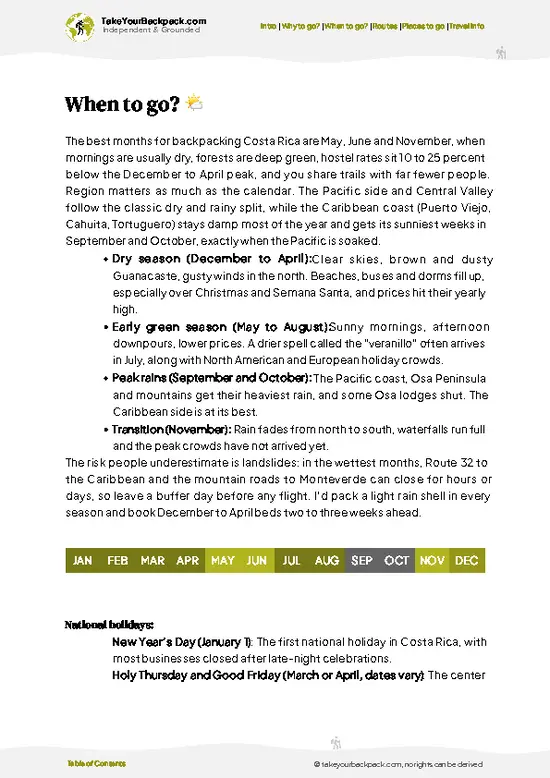
  • Topic: Weather – Cartago’s dry season runs from December to April, offering clear skies and minimal rain, perfect for trekking and exploring ruins without soggy boots. The wet season from May to November brings frequent afternoon showers, which can turn trails slippery but also cool the air and green the landscape.

  • Topic: Temperature – Expect mild highs around 22-26°C (72-79°F) year-round, with cooler nights dipping to 12-15°C (54-59°F). The dry season tends to feel warmer and sunnier, while the wet season is cooler and more humid, so pack layers accordingly.

  • Topic: Daylight Hours – Near the equator, daylight stays steady at about 11-12 hours daily year-round. This consistency means you can plan hikes and activities without worrying about early sunsets messing with your schedule.

read more 👉

  • Topic: Weather – Cartago’s dry season runs from December to April, offering clear skies and minimal rain, perfect for trekking and exploring ruins without soggy boots. The wet season from May to November brings frequent afternoon showers, which can turn trails slippery but also cool the air and green the landscape.

  • Topic: Temperature – Expect mild highs around 22-26°C (72-79°F) year-round, with cooler nights dipping to 12-15°C (54-59°F). The dry season tends to feel warmer and sunnier, while the wet season is cooler and more humid, so pack layers accordingly.

  • Topic: Daylight Hours – Near the equator, daylight stays steady at about 11-12 hours daily year-round. This consistency means you can plan hikes and activities without worrying about early sunsets messing with your schedule.

  • Topic: Crowds – Peak tourist influx aligns with the dry season, especially around Christmas and Easter. Expect more backpackers and higher prices then. The rainy months see fewer visitors, offering solitude but less predictable weather.

  • Topic: Seasonal Activities – Dry months favor outdoor adventures like hiking Irazú Volcano or visiting Tapantí National Park. The wet season brings lush scenery and birdwatching opportunities but can limit some trail access.

  • Topic: Price Fluctuations – Accommodation and tours spike in the dry season due to demand. The rainy season offers better deals and room to negotiate, rewarding those willing to trade some comfort for savings.


Pro-tip: Aim for the shoulder months of November or April to catch thinning crowds, decent weather, and moderate prices—your sweet spot for smart backpacking in Cartago.


source: climatestotravel.comJANJanuary: excellent for travelingFEBFebruary: excellent for travelingMARMarch: excellent for travelingAPRApril: highly recommended for travelingMAYMay: good for travelingJUNJune: fair for travelingJULJuly: fair for travelingAUGAugust: fair for travelingSEPSeptember: fair for travelingOCTOctober: good for travelingNOVNovember: highly recommended for travelingDECDecember: excellent for traveling
costa-rica-city-cartago v1
© Google |

✈️ The backpacker research shortcutCosta Rica Travel Guide

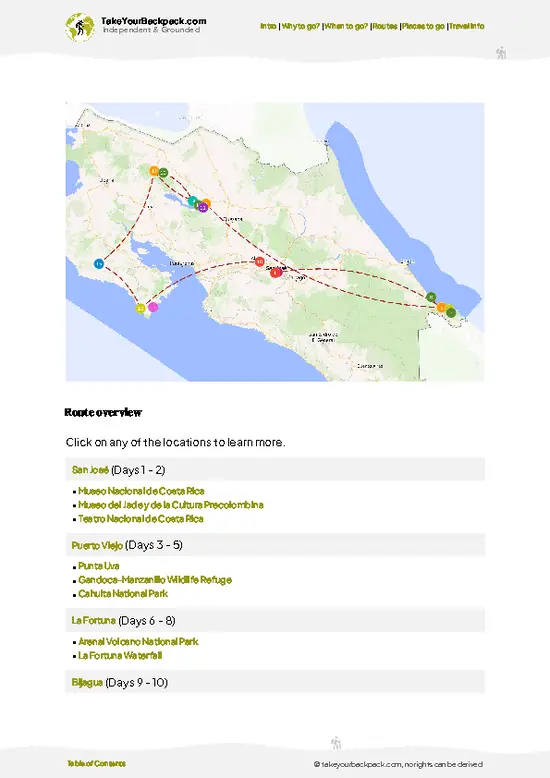
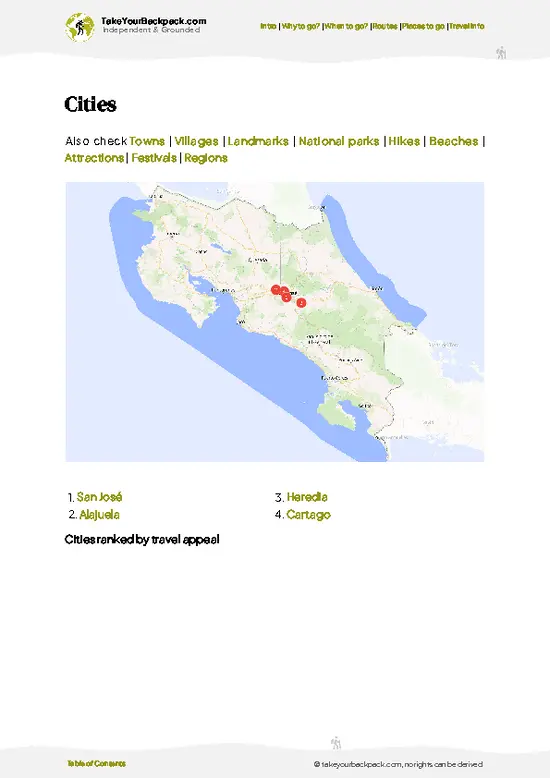
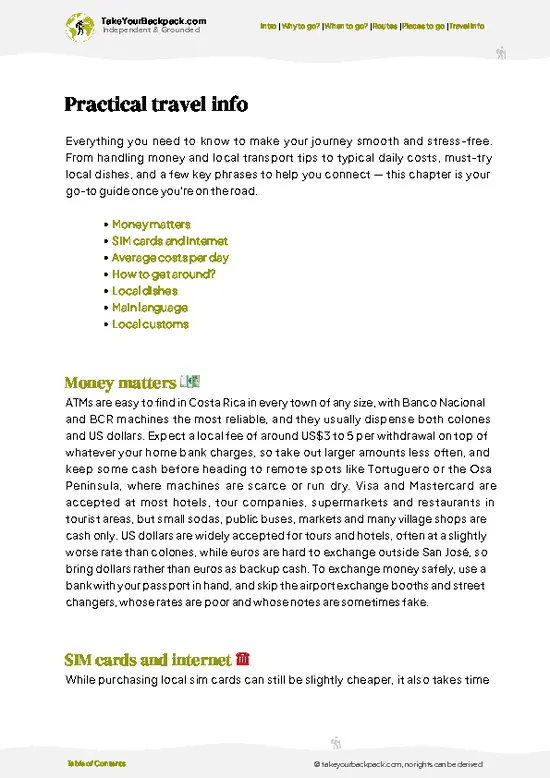
An offline-friendly backpacking guide with optimized travel routes, ranked highlights, transport advice, and the best areas to stay.
example page 0 from our offline Travel Guide for Costa Rica
example page 1 from our offline Travel Guide for Costa Rica
example page 2 from our offline Travel Guide for Costa Rica
example page 3 from our offline Travel Guide for Costa Rica
example page 4 from our offline Travel Guide for Costa Rica
example page 5 from our offline Travel Guide for Costa Rica
example page 6 from our offline Travel Guide for Costa Rica
example page 7 from our offline Travel Guide for Costa Rica
The digital guide (372 pages) contains:
93 highlights, ranked by travel appeal
Optimized 5, 10 & 15-day travel routes
Cities, national parks, landmarks, beaches
How to get around
Offline-friendly for travel without Wi-Fi
👉 Click to see all 30+ guide features

📅 Plan smarter in minutes, not weeks
Month by month travel advice
Festivals & national holidays
Budget expectations

🗺️ Go to the right places, skip the overrated ones
Honest pros & cons of destinations
Top hikes, parks & viewpoints
Lesser-known places most travelers miss
Clear “worth it vs skip it” guidance

🛏️ Travel smoothly without rookie mistakes
Best areas to stay
Transport systems explained simply
Common scams & safety advice
SIM cards, money & practical tips

🌍 Understand the country, not just visit it
Culture & traditions
52 Essential phrases & customs
Festivals worth planning around
Traveler-friendly historical context
Insights that make places more meaningful

📱 Built for real travel conditions
Fully downloadable PDF
Works completely offline
Optimized for phone use
Useful in remote areas & buses
Everything in one place
Save weeks of stressful planning
Get instant access to your full guide. 30‑day money-back guarantee.


By proceeding you agree to our terms.
Sent to your inbox immediately after payment • 100% Secure Checkout
Best Backpacking Travel Advisor 2025 tourism awardBest Backpacking
Travel Advisor
2025
What others say about Take Your Backpack Guides:
⭐⭐⭐⭐⭐
Fantastic, amazing amount of information!
⭐⭐⭐⭐⭐
My goodness this is amazing, it's what I've been looking for hats off too you!
⭐⭐⭐⭐⭐
I think this is absolutely BRILLIANT
⭐⭐⭐⭐
Very complete and informative. It's still missing places, but I gotta to commend you
⭐⭐⭐⭐⭐
This is truly amazing, thank you, can't wait to explore it with my kids!
⭐⭐⭐⭐⭐
Awesome resource, thank you!
⭐⭐⭐⭐⭐
This is amazing! Can't wait to explore the ones I haven't seen
⭐⭐⭐⭐
I love this! Well done, great idea.
⭐⭐⭐⭐⭐
Thanks for taking the time to make this gem!
⭐⭐⭐⭐⭐
This might be the best website I've ever seen.
⭐⭐⭐⭐⭐
Congratulations, and thank you so much for your work; it's incredibly valuable.
⭐⭐⭐⭐
In all seriousness I think you did a great job pointing out the important spots
⭐⭐⭐⭐⭐
10/10 very good
⭐⭐⭐⭐⭐
As someone who's only just starting to visit regularly this is awesome, thank you.
⭐⭐⭐⭐
Thank you very much! I'm going to visit my dad, it's going to be very useful!
⭐⭐⭐⭐⭐
This is really cool! We'll be travelling for the first time and this definitely come in handy.
⭐⭐⭐⭐⭐
You are now our minister of culture, congratulations 👨‍💼
⭐⭐⭐⭐⭐
Just wanted to tell you that this is a pearl! Going to follow your recommendations.
⭐⭐⭐⭐⭐
This is so cool. I'll definitely be using the resource for my travels soon.
⭐⭐⭐⭐⭐
This is very impressive! Good work.
⭐⭐⭐⭐⭐
This is an amazing and informative site. Very well done!

🛏️ Where to stay?Choosing the right base

In Cartago, the backpacker sweet spot is the downtown area, especially around the central park and the nearby streets. This zone nails the balance between safety and social buzz without the inflated prices of tourist traps. You’re close enough to the main bus terminal to make day trips a breeze, which is a huge time-saver when you want to explore the Irazu Volcano or Tapanti National Park without wasting hours on transport.

Compared to the quieter, more residential neighborhoods on the city’s outskirts, downtown Cartago offers a livelier vibe where hostels cluster. These spots attract solo travelers … read more 👉
In Cartago, the backpacker sweet spot is the downtown area, especially around the central park and the nearby streets. This zone nails the balance between safety and social buzz without the inflated prices of tourist traps. You’re close enough to the main bus terminal to make day trips a breeze, which is a huge time-saver when you want to explore the Irazu Volcano or Tapanti National Park without wasting hours on transport.

Compared to the quieter, more residential neighborhoods on the city’s outskirts, downtown Cartago offers a livelier vibe where hostels cluster. These spots attract solo travelers and budget backpackers who want to swap stories over a cheap beer or join group tours. The social energy here is palpable but not overwhelming—think easy connections rather than forced party scenes.

If you stray too far east or south, you’ll find fewer lodging options and less foot traffic, which means less chance to meet fellow travelers or tap into local tips. Plus, those areas can feel a bit isolated, adding time and cost to your daily logistics. Downtown Cartago is your strategic base: safe, social, and smartly positioned to maximize your experience without blowing your budget or your schedule.

🚌 Getting aroundHow to get around Cartago

Cartago moves at a pace that’s neither frantic nor sluggish—it’s a city where schedules exist but bend to local rhythms. You won’t find the precision of a Swiss train timetable here, but neither is it a free-for-all chaos. Instead, it’s a dance of intuition and routine, where buses and taxis follow rough windows of operation, and walking feels like the best way to absorb the city’s pulse. Understanding this flow means you can play the system smartly, choosing when to save time, when to save money, and when to grab a bit of comfort without overpaying.


  • Walking: The ultimate budget option and the best way to soak in Cartago’s character. Most central attractions and markets are within a 20-30 minute stroll. No cost, full control over pace, and zero stress about schedules. It’s slower than
read more 👉
Cartago moves at a pace that’s neither frantic nor sluggish—it’s a city where schedules exist but bend to local rhythms. You won’t find the precision of a Swiss train timetable here, but neither is it a free-for-all chaos. Instead, it’s a dance of intuition and routine, where buses and taxis follow rough windows of operation, and walking feels like the best way to absorb the city’s pulse. Understanding this flow means you can play the system smartly, choosing when to save time, when to save money, and when to grab a bit of comfort without overpaying.


  • Walking: The ultimate budget option and the best way to soak in Cartago’s character. Most central attractions and markets are within a 20-30 minute stroll. No cost, full control over pace, and zero stress about schedules. It’s slower than any vehicle but unbeatable for immersion and zero emissions.


  • Local Buses: These are the backbone of Cartago’s transit for budget travelers. Expect fares around $0.50 to $1.00, with buses running roughly from 5:00 AM to 9:00 PM. They’re slow and often crowded, but they cover most neighborhoods and nearby towns. Comfort is minimal—think hard plastic seats and frequent stops—but the price and reach make them indispensable.


  • Shared Taxis (Colectivos): A step up in speed and comfort, colectivos run on fixed routes but leave when full, so timing is flexible but unpredictable. Fares hover around $1.50 to $2.50. They’re faster than buses and offer a bit more personal space, but you sacrifice schedule certainty. Great for mid-distance trips where you want to save time without paying for a private taxi.


  • Private Taxis: The fastest and most comfortable option, but also the priciest. Expect to pay $5 to $10 for typical city rides. Available 24/7, they offer door-to-door service and air conditioning, which can be a godsend in the midday heat. Use them strategically—splurge when time is tight or when you’re hauling heavy gear.


  • Bike Rentals: A niche but growing option for those who want speed and flexibility without the cost of taxis. Rentals run about $5 to $10 per day. Cartago’s terrain is mostly flat, making biking a viable way to cover more ground than walking without the expense of motorized transport. It’s a balance of effort and efficiency, with the added bonus of fresh air and exercise.


Mastering Cartago’s transit means knowing when to walk, when to squeeze into a colectivo, and when to call a taxi. Each choice is a trade-off between time, money, and comfort—your job is to pick the moments that matter most and optimize your flow through the city accordingly.

👛 Costs (as of 10 October 2025)How expensive it really is

Backpacking in Cartago, Costa Rica, means balancing your budget with the city’s laid-back vibe and modest prices. Here’s the breakdown of what you’re really paying for each day:
  • Dorm Accommodation (High Season): Expect to pay around $12 to $18 per night. High season pushes prices up due to demand, but you’re still in the realm of basic, clean hostels with essential amenities.
  • Dorm Accommodation (Off-Season): Drop to about $8 to $12 per night. Off-season means fewer tourists, so hostels lower prices to fill beds. It’s a good time to snag a bargain without sacrificing safety or comfort.
  • Meals: Budget $8 to $15 daily if you stick to local sodas (small eateries). A typical meal might cost $2 to $5, with fresh fruit and rice-and-beans staples keeping costs low. Splurge occasionally on a nicer
read more 👉
Backpacking in Cartago, Costa Rica, means balancing your budget with the city’s laid-back vibe and modest prices. Here’s the breakdown of what you’re really paying for each day:
  • Dorm Accommodation (High Season): Expect to pay around $12 to $18 per night. High season pushes prices up due to demand, but you’re still in the realm of basic, clean hostels with essential amenities.
  • Dorm Accommodation (Off-Season): Drop to about $8 to $12 per night. Off-season means fewer tourists, so hostels lower prices to fill beds. It’s a good time to snag a bargain without sacrificing safety or comfort.
  • Meals: Budget $8 to $15 daily if you stick to local sodas (small eateries). A typical meal might cost $2 to $5, with fresh fruit and rice-and-beans staples keeping costs low. Splurge occasionally on a nicer meal, and you’ll push toward the upper end.
  • Local Transport: Buses within Cartago are dirt cheap, around $0.50 to $1 per ride. Walking is often feasible, but budget a few rides if you want to cover more ground or avoid the midday heat.
  • City Transport Pass: Cartago doesn’t have a formal city transport pass system like bigger cities. Instead, pay per bus ride, which keeps things flexible but requires a bit of mental math.
  • Basic Activities/Entry Fees: Many local attractions, like museums or parks, charge between $2 and $7. Some natural sites might be free or ask for a small donation. Budget accordingly if you want to explore beyond the city streets.
  • Miscellaneous Expenses: Think bottled water, snacks, occasional coffee, or a SIM card top-up. Around $3 to $7 daily covers these small but necessary extras.

All told, you’re looking at roughly $25 to $45 per day to keep things comfortable but lean. The real trade-off here is between splurging on a nicer meal or activity versus saving on accommodation or transport. Cartago rewards those who mix careful budgeting with a willingness to explore on foot and embrace local flavors.


source: costarica.com
⚠️ Prices can change and everyone travels differently, so take this as a rough guide. Hope it helps you plan your adventure!

🚌 Day tripsWhere to go beyond the main area

Cartago, Costa Rica, is a strategic launchpad for unforgettable day trips that balance time, money, and comfort. Here’s how to maximize your experience without breaking the bank.

Irazu Volcano
Just about an hour from Cartago, Irazu Volcano offers a chance to stand on the edge of a massive crater. The surreal landscape feels otherworldly, especially when the clouds roll in. Entrance is around $15, and the views are worth every cent. The best time to visit is early morning when the skies are clear. A common mistake? Many travelers underestimate the chill at the summit—bring a jacket!


Orosi Valley
A scenic 30-minute drive takes you to Orosi Valley, where lush coffee plantations and the stunning Orosi River await. This area is perfect for a leisurely hike or a coffee tour, costing around … read more 👉
Cartago, Costa Rica, is a strategic launchpad for unforgettable day trips that balance time, money, and comfort. Here’s how to maximize your experience without breaking the bank.

Irazu Volcano
Just about an hour from Cartago, Irazu Volcano offers a chance to stand on the edge of a massive crater. The surreal landscape feels otherworldly, especially when the clouds roll in. Entrance is around $15, and the views are worth every cent. The best time to visit is early morning when the skies are clear. A common mistake? Many travelers underestimate the chill at the summit—bring a jacket!


Orosi Valley
A scenic 30-minute drive takes you to Orosi Valley, where lush coffee plantations and the stunning Orosi River await. This area is perfect for a leisurely hike or a coffee tour, costing around $10 for tastings. The valley is especially vibrant during the dry season, from December to April, when the colors pop. Don’t rush; take your time to soak in the serene atmosphere. First-timers often miss the small, local eateries—grab a meal at one for an authentic taste of Costa Rican cuisine.
👉 Explore Orosi Valley

Turrialba
About an hour and a half from Cartago, Turrialba is a haven for adventure seekers. Whether you’re into white-water rafting or exploring ancient ruins, this town has it all. Expect to spend around $50 for a rafting trip, but the adrenaline rush is priceless. The best months for rafting are from May to November when the rivers are full. A common pitfall? Not booking in advance—these tours fill up quickly!
👉 Explore Turrialba

La Paz Waterfall Gardens
Roughly two hours away, La Paz is a stunning collection of waterfalls and wildlife. The entrance fee is about $50, but you’ll get to see everything from hummingbirds to jaguars. The best time to visit is during the dry season, when the trails are less muddy. Many first-timers overlook the guided tours, which can enhance your experience with insider knowledge.


Santa Rosa National Park
Just under two hours from Cartago, this park is a paradise for nature lovers. With hiking trails that lead to pristine beaches, it’s a great spot for a day of exploration. Expect to spend around $10 for entry. The dry season is ideal, but be prepared for the heat. A common mistake is not bringing enough water—stay hydrated!
👉 Explore Santa Rosa National Park
Want to know what more Costa Rica offers?
The Costa Rica Travel Guide describes 93 highlights, from cities to national parks, from beaches to hikes

Get the Travel Guide -

🍲 FoodEating & Drinking in Cartago

In Cartago, food is a celebration of local flavors and community. Start with gallo pinto, a hearty mix of rice and beans, often served with a side of fried plantains. This dish is a breakfast staple, fueling your adventures with its comforting, savory goodness. Don’t miss out on casado for lunch, a plate that combines rice, beans, salad, and your choice of protein, all drizzled with a zesty salsa.

Street food is where the magic happens. Vendors line the streets, offering empanadas stuffed with cheese or meat, and chifrijo, a delicious bowl of rice, beans, and fried pork topped with avocado. The aroma wafts through the air, pulling you in like a siren’s call.

When it comes to drinks, try agua dulce, a sweet concoction made from sugarcane juice, perfect for cooling down after a day of exploration. … read more 👉
In Cartago, food is a celebration of local flavors and community. Start with gallo pinto, a hearty mix of rice and beans, often served with a side of fried plantains. This dish is a breakfast staple, fueling your adventures with its comforting, savory goodness. Don’t miss out on casado for lunch, a plate that combines rice, beans, salad, and your choice of protein, all drizzled with a zesty salsa.

Street food is where the magic happens. Vendors line the streets, offering empanadas stuffed with cheese or meat, and chifrijo, a delicious bowl of rice, beans, and fried pork topped with avocado. The aroma wafts through the air, pulling you in like a siren’s call.

When it comes to drinks, try agua dulce, a sweet concoction made from sugarcane juice, perfect for cooling down after a day of exploration. The local coffee is another must; it’s rich and robust, often enjoyed black or with a splash of milk.

In Cartago, meals are social events. Expect to share tables and stories, embracing the warm, communal vibe. Remember, it’s not just about the food; it’s about the connections you make over each bite.

🛡️ SafetyStaying Safe: What Travelers Should Know

Cartago is generally safe for backpackers, but a few situational awareness tips can enhance your experience. Stick to well-lit areas at night, especially around the central park and the Basilica. Solo travelers should avoid empty streets after dark; it’s just common sense.

While serious crime is rare, petty theft can happen, particularly in crowded markets or during festivals. Keep your belongings close and be mindful of your surroundings.

Scams are minimal, but be cautious of overly friendly strangers offering unsolicited help or guiding you to shops where they receive a commission. Politely decline and trust your instincts.

Everyday annoyances include the occasional street vendor who can be persistent, but a firm “no, gracias” usually does the trick. Overall, with a little awareness … read more 👉
Cartago is generally safe for backpackers, but a few situational awareness tips can enhance your experience. Stick to well-lit areas at night, especially around the central park and the Basilica. Solo travelers should avoid empty streets after dark; it’s just common sense.

While serious crime is rare, petty theft can happen, particularly in crowded markets or during festivals. Keep your belongings close and be mindful of your surroundings.

Scams are minimal, but be cautious of overly friendly strangers offering unsolicited help or guiding you to shops where they receive a commission. Politely decline and trust your instincts.

Everyday annoyances include the occasional street vendor who can be persistent, but a firm “no, gracias” usually does the trick. Overall, with a little awareness and a confident demeanor, you can navigate Cartago smoothly and enjoy its rich culture without unnecessary stress.

Other Costa Rican cities near Cartago

Explore more nearby:

  • San José—central markets, street murals, urban parks| 20 km away
  • Heredia—colonial buildings, university district, coffee farms| 27 km away
  • Alajuela—volcano views, mango trees, local plazas| 37 km away

💡 Not sure where to go next?
Create a personalized itinerary for Costa Rica including Cartago and the places that fit your trip.

Generate my itinerary

👉 Discover all cities

Or checkout all Costa Rica has to offer (think cities, towns, villages, national parks, hikes, beaches, festivals)
Country photo of Costa Rica

We 💚 feedbackKey takeaways before you go

Cartago’s rich history and vibrant culture make it a must-see. The ruins of the old cathedral tell stories of resilience, while the local markets pulse with life. But be prepared: the weather can be unpredictable. Rain can sneak up on you, so pack a poncho. Embrace the quirks, and you’ll find that Cartago’s charm lies in its authenticity. It’s a place that rewards those willing to explore beyond the surface.

✈️ When did I visit Costa Rica?
Cost Rica I visited during my half year trip through South and Central America back in 2003

✍️ Help improve this page!
The information on this page is based on my own backpacking experience in Costa Rica, supplemented with up-to-date research and feedback from other travelers. Travel details can change, so if you notice anything outdated or incomplete, feel free to let me know.


🙋‍♂️ Give feedback

👋 Meet the founderWho’s Behind Take Your Backpack?

Johan, backpacker and founder of TakeYourBackpackHi, I’m Johan (Netherlands 🇳🇱), the creator of TakeYourBackpack. Over the past decade, I’ve backpacked through 80+ countries across six continents, gaining extensive experience with independent travel, long-term trips, and overland routes.

This site is built on a combination of firsthand travel experience and carefully curated insights from other backpackers. Many guides are based on places I’ve personally visited, while others bring together tips, observations, and practical advice shared by trusted travelers I’ve met along the way.

The goal is to provide realistic, experience-driven guidance — not generic itineraries — so you can explore destinations with better context, clearer expectations, and more confidence.

Get full Costa Rica guide •
Instant download • 93 highlights • Full Offline guide