
×

Cuba🇨🇺 | townsCaibariénsea bridge, shrimp farms, pastel houses | things to do and best time to go

Explore NuevitasExplore Sagua la Grande

Backpacking in Caibarién
🌟 Highlighttown ranked #7
By Johan Kruseman 🇳🇱 | Updated September 4, 2026

Most people online reduce Caibarién to “the gateway to Cayo Santa María,” but the surprise is that the town itself has more real day‑to‑day Cuban life than the resort cayos ever will: salty air, working fishing boats, and old men arguing baseball in the shade. Caibarién sits on Cuba’s north-central coast in Villa Clara province, east of Santa Clara. For backpackers, it works best as a cheap, low-key base for the nearby cayos and as a pause between Santa Clara and the northern beaches. The center is small and walkable, with a breezy malecón and a few casas that double as social hubs rather than party spots. Transport is simple but slow: trucks, shared taxis, occasional buses. It’s cheaper and rougher around the edges than Remedios, less pretty but more lived‑in. Safe enough if you use normal street sense, and ideal if you prefer sea air and quiet evenings over nightlife and polished plazas.

Discover everything you want to know in the 📖 Cuba Travel Guide.


Get your Cuba guide
121 ranked highlights, routes & tips, works offline (450 pages)
Loading the map 🌍
CLICK TO FILTER
cities
towns
villages
landmarks
national parks
hikes
beaches
attractions
festivals
regions
SHOW COUNTRY’S BESTSHOW ALL

✨ Why go?
Ranked #7 town in Cuba
Why visitors keep coming back

Caibarién is a strategic stop for backpackers exploring Cuba. Its proximity to beaches like Playa Caibarién makes it easy to unwind after a day of hiking in the nearby Escambray Mountains. The town’s walkable streets invite you to wander, with small-scale hostels and guesthouses offering a cozy, intimate vibe. You’ll find local food experiences that serve up hearty meals at prices that won’t break the bank.

Travelers often stay a few days, soaking in the friendly social atmosphere while connecting with fellow adventurers. It’s a haven for slow travelers and solo backpackers who appreciate a quieter pace. The charm lies in its simplicity; you won’t find a bustling nightlife, but rather a place to recharge and plan your next move. If you’re looking for a laid-back base with easy access to nature and culture, Caibarién is worth your time.
Want to include Caibarién in your Cuba route?
Create a personalized Cuba itinerary that includes Caibarién and the places that fit your trip — based on your travel style, budget, and available time. Get your route in seconds.

Generate my trip

💡 HighlightsMust-see experiences and standout moments

  • El Malecón and the Muelle — the long seafront walk where locals hang out at sunset, fishermen mend nets, and you get the best low-effort photos of the harbor; ferries and small boats also leave from here to the northern cays, so it’s both scenic and practical.
  • Plaza José Martí (Plaza Central) — the town’s living room: benches, the municipal buildings, and regular neighborhood life. Great for people-watching, catching impromptu music, and getting your bearings.
  • Museo Municipal de Caibarién — small but tidy local museum with exhibits on the town’s maritime history, sugar-era artifacts, and the community’s role in regional events; useful context before you wander the streets.
  • Casa de la Cultura — the cultural center where you’ll find dance rehearsals, local art displays, and occasional concerts
read more 👉
  • El Malecón and the Muelle — the long seafront walk where locals hang out at sunset, fishermen mend nets, and you get the best low-effort photos of the harbor; ferries and small boats also leave from here to the northern cays, so it’s both scenic and practical.
  • Plaza José Martí (Plaza Central) — the town’s living room: benches, the municipal buildings, and regular neighborhood life. Great for people-watching, catching impromptu music, and getting your bearings.
  • Museo Municipal de Caibarién — small but tidy local museum with exhibits on the town’s maritime history, sugar-era artifacts, and the community’s role in regional events; useful context before you wander the streets.
  • Casa de la Cultura — the cultural center where you’ll find dance rehearsals, local art displays, and occasional concerts or workshops; best place to catch authentic music or meet creative locals.
  • The Parish Church (Iglesia Parroquial) — the main church by the plaza; worth a quick visit for its simple colonial-era architecture and to observe local religious life and traditions.
  • Puerto de Caibarién (old port area) — working port with rusting cranes, old warehouses, and lively loading activity; a gritty, photogenic slice of the town’s economic history and current life.
  • Fish market and fishermen’s docks — get up early and watch fish come off the boats, talk to the fishers, and buy ridiculously fresh seafood for a budget lunch; it’s real, noisy, and local.
  • Playa de Caibarién (town beach) and nearby swimming spots — not a Caribbean resort, but pleasant for a quick swim, a relaxed afternoon with locals, and a chance to escape the streets without traveling to the islands.
  • Historic downtown streets and colonial facades — wander the grid of colorful, sometimes-decaying houses and small bodegas; the architecture and street life tell the town’s story better than any guidebook paragraph.
  • Cementerio Municipal — an old municipal cemetery with weathered tombs and sculptures that reflect local history and family stories; quiet, introspective, and full of small historical details if you look closely.
A few easy day trips from Caibarién: the Jardines del Rey keys (Cayo Santa María, Cayo Las Brujas, Cayo Ensenachos) for beaches and resorts, and the nearby historic town of Sagua la Grande if you want provincial architecture and a slower pace—my personal favorite for a day trip is Cayo Santa María.
Spotted a mistake or missing something? Contact us.

🏘️ NeighborhoodsNeighborhood guide to Caibarién

Caibarién is a charming coastal town that offers a slice of authentic Cuban life, perfect for backpackers seeking both adventure and relaxation.

Centro Histórico
This is the heart of Caibarién, where colonial architecture meets local life. The vibe is lively yet laid-back, with street vendors selling fresh fruit and locals chatting over coffee. It’s walkable, making it easy to explore on foot. Budget-friendly casas particulares (guesthouses) are abundant here, ideal for short stays. Nightlife is minimal, but you can find a few bars with live music.

Playa Caibarién
If you’re craving sun and sand, head to Playa Caibarién. The beach is a short walk from the center, offering a more relaxed atmosphere. It’s perfect for longer stays if you want to unwind. The cost of beachside accommodations … read more 👉
Caibarién is a charming coastal town that offers a slice of authentic Cuban life, perfect for backpackers seeking both adventure and relaxation.

Centro Histórico
This is the heart of Caibarién, where colonial architecture meets local life. The vibe is lively yet laid-back, with street vendors selling fresh fruit and locals chatting over coffee. It’s walkable, making it easy to explore on foot. Budget-friendly casas particulares (guesthouses) are abundant here, ideal for short stays. Nightlife is minimal, but you can find a few bars with live music.

Playa Caibarién
If you’re craving sun and sand, head to Playa Caibarién. The beach is a short walk from the center, offering a more relaxed atmosphere. It’s perfect for longer stays if you want to unwind. The cost of beachside accommodations can be higher, but the ocean breeze and sunset views are worth it. Bring your own snacks; options are limited.

Barrio San Juan
This neighborhood offers a glimpse into everyday Cuban life, with vibrant street art and local markets. It’s less touristy, making it a great spot for those wanting to immerse themselves in the culture. Walkability is decent, but be prepared for some uneven sidewalks. It’s quieter, perfect for those looking to recharge after a day of exploration.

⌛️ 1 dayWhat you can realistically do in a day

Caibarién, a small coastal town in Cuba, pulses with a raw, unfiltered charm. It’s a place where the scent of saltwater mingles with the aroma of fresh bread from local bakeries, and the vibrant colors of colonial buildings stand in stark contrast to the deep blue of the sea. This town isn’t on every tourist’s radar, but that’s what makes it special.

Start your morning at the bustling Mercado Municipal. The lively chatter of vendors fills the air as you browse through fresh produce and handmade crafts. Grab a warm pastelito from a nearby stand; the flaky pastry filled with guava is a must-try. Afterward, stroll along the Malecón, where the waves crash against the rocks, and locals gather to fish or chat. The morning light casts a golden hue, perfect for capturing that Instagram shot.

In … read more 👉
Caibarién, a small coastal town in Cuba, pulses with a raw, unfiltered charm. It’s a place where the scent of saltwater mingles with the aroma of fresh bread from local bakeries, and the vibrant colors of colonial buildings stand in stark contrast to the deep blue of the sea. This town isn’t on every tourist’s radar, but that’s what makes it special.

Start your morning at the bustling Mercado Municipal. The lively chatter of vendors fills the air as you browse through fresh produce and handmade crafts. Grab a warm pastelito from a nearby stand; the flaky pastry filled with guava is a must-try. Afterward, stroll along the Malecón, where the waves crash against the rocks, and locals gather to fish or chat. The morning light casts a golden hue, perfect for capturing that Instagram shot.

In the afternoon, head to the nearby Playa de Caibarién. It’s less crowded than other beaches, allowing you to soak in the sun and enjoy the soft, powdery sand. Bring a book or simply watch the fishermen haul in their catch. For a unique experience, visit the Museo de Caibarién, where you can learn about the town’s rich history and its connection to the sugar industry.

As evening falls, wander through the streets of the Centro Histórico. The fading light highlights the intricate details of the architecture. Stop by a local paladar for dinner; the ropa vieja here is a crowd-pleaser. End your day with a stroll back along the Malecón, where the stars twinkle above, and the sound of laughter fills the air. This is Caibarién—authentic, vibrant, and waiting to be discovered.
Turn your Caibarién visit into an Cuba adventure
Build a complete Cuba route with Caibarién, hidden gems, must-see destinations, and realistic travel times included.

Generate my trip

🌤️ When to go?Choosing the right time of year


  • Topic: Weather and Temperature — The dry season from November to April offers the most comfortable conditions, with daytime highs around 25-28°C (77-82°F) and cooler evenings. The air feels crisp and less humid, making long walks and beach time more enjoyable. Avoid the summer months when temperatures soar above 32°C (90°F) and humidity thickens the air like a wet blanket.

  • Topic: Daylight Hours — From late fall to early spring, daylight stretches about 11 to 12 hours, giving you ample time to explore without rushing. The sun sets softly around 6 pm, casting a warm glow over the Malecón, perfect for lingering strolls.

  • Topic: Crowds — Peak tourist season coincides with the dry months, especially December and January, when international visitors flock to Cuba’s beaches. Caibarién remains
read more 👉

  • Topic: Weather and Temperature — The dry season from November to April offers the most comfortable conditions, with daytime highs around 25-28°C (77-82°F) and cooler evenings. The air feels crisp and less humid, making long walks and beach time more enjoyable. Avoid the summer months when temperatures soar above 32°C (90°F) and humidity thickens the air like a wet blanket.

  • Topic: Daylight Hours — From late fall to early spring, daylight stretches about 11 to 12 hours, giving you ample time to explore without rushing. The sun sets softly around 6 pm, casting a warm glow over the Malecón, perfect for lingering strolls.

  • Topic: Crowds — Peak tourist season coincides with the dry months, especially December and January, when international visitors flock to Cuba’s beaches. Caibarién remains quieter than Havana or Varadero but expect a gentle uptick in local tourism during holidays.

  • Topic: Seasonal Activities — The dry season aligns with cultural festivals and local markets bursting with fresh seafood and tropical fruits. This is when the town’s rhythm feels most alive, with music spilling from open windows and streets buzzing with energy.

  • Topic: Price Fluctuations — Accommodation and transport costs rise during the dry season and holidays. Booking ahead can save you from last-minute price hikes. The rainy months offer better deals but come with the trade-off of sporadic downpours and sticky heat.


Pro-tip: Aim for late November or early April to catch the sweet spot—pleasant weather, fewer crowds, and prices that won’t make your wallet wince.


source: climatestotravel.comJANJanuary: highly recommended for travelingFEBFebruary: highly recommended for travelingMARMarch: highly recommended for travelingAPRApril: highly recommended for travelingMAYMay: fair for travelingJUNJune: below average for travelingJULJuly: below average for travelingAUGAugust: below average for travelingSEPSeptember: fair for travelingOCTOctober: fair for travelingNOVNovember: highly recommended for travelingDECDecember: excellent for traveling
cuba-city-caibarien
© Google |

✈️ The backpacker research shortcutCuba Travel Guide

An offline-friendly backpacking guide with optimized travel routes, ranked highlights, transport advice, and the best areas to stay.
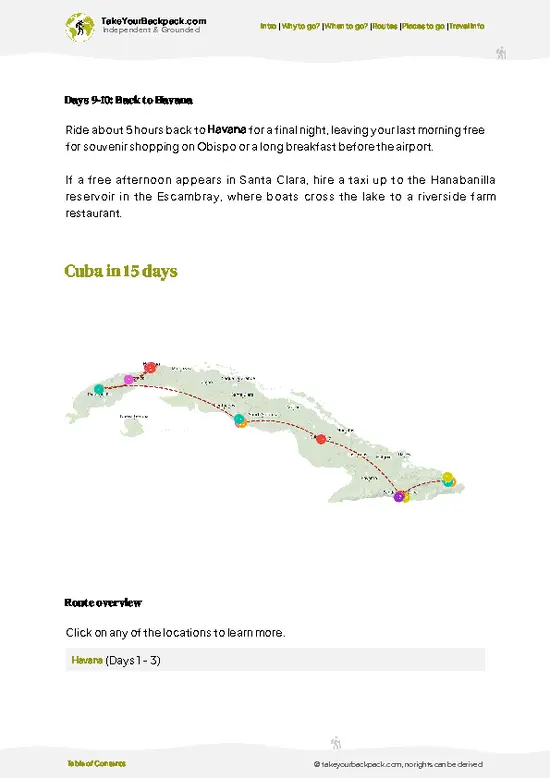
example page 0 from our offline Travel Guide for Cuba
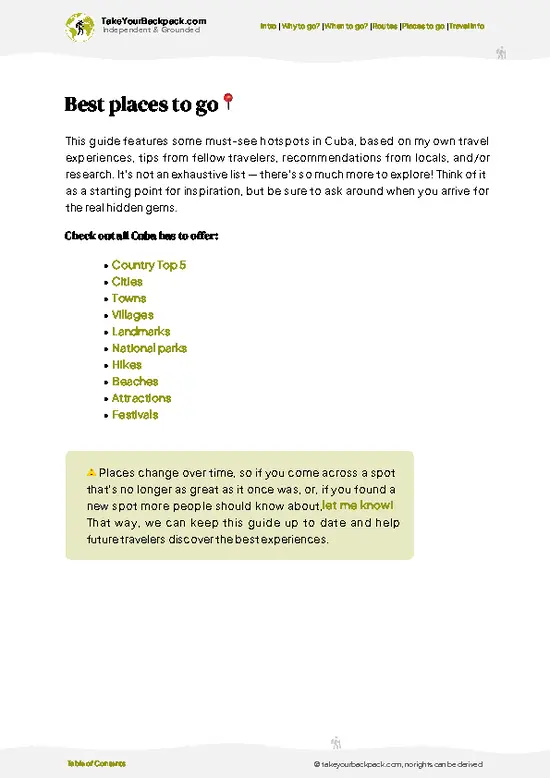
example page 1 from our offline Travel Guide for Cuba
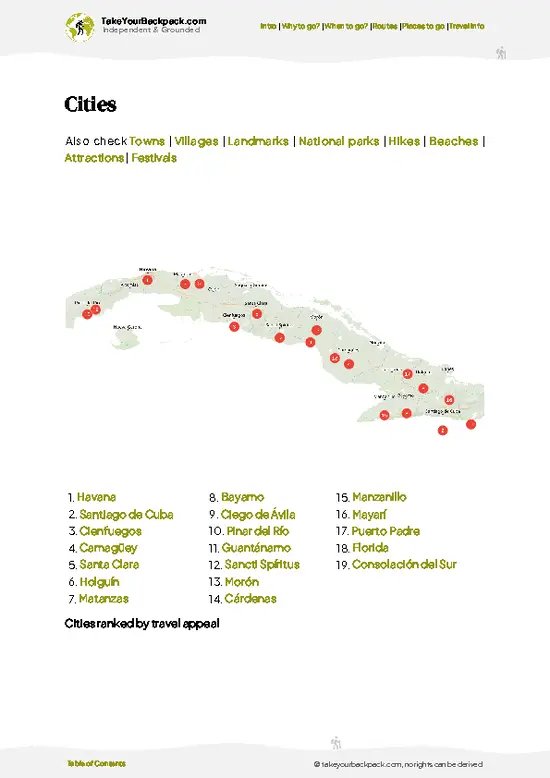
example page 2 from our offline Travel Guide for Cuba
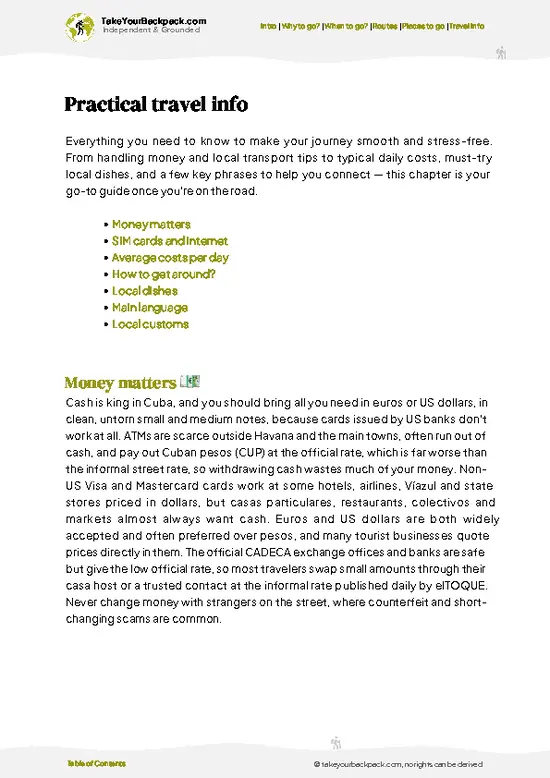
example page 3 from our offline Travel Guide for Cuba
example page 4 from our offline Travel Guide for Cuba
example page 5 from our offline Travel Guide for Cuba
example page 6 from our offline Travel Guide for Cuba
example page 7 from our offline Travel Guide for Cuba
The digital guide (450 pages) contains:
121 highlights, ranked by travel appeal
Optimized 5, 10 & 15-day travel routes
Cities, national parks, landmarks, beaches
How to get around
Offline-friendly for travel without Wi-Fi
👉 Click to see all 30+ guide features

📅 Plan smarter in minutes, not weeks
Month by month travel advice
Festivals & national holidays
Budget expectations

🗺️ Go to the right places, skip the overrated ones
Honest pros & cons of destinations
Top hikes, parks & viewpoints
Lesser-known places most travelers miss
Clear “worth it vs skip it” guidance

🛏️ Travel smoothly without rookie mistakes
Best areas to stay
Transport systems explained simply
Common scams & safety advice
SIM cards, money & practical tips

🌍 Understand the country, not just visit it
Culture & traditions
52 Essential phrases & customs
Festivals worth planning around
Traveler-friendly historical context
Insights that make places more meaningful

📱 Built for real travel conditions
Fully downloadable PDF
Works completely offline
Optimized for phone use
Useful in remote areas & buses
Everything in one place
Save weeks of stressful planning
Get instant access to your full guide. 30‑day money-back guarantee.
+ Add another guide for just US$7.80

By proceeding you agree to our terms.
Sent to your inbox immediately after payment • 100% Secure Checkout
Best Backpacking Travel Advisor 2025 tourism awardBest Backpacking
Travel Advisor
2025
What others say about Take Your Backpack Guides:
⭐⭐⭐⭐⭐
Fantastic, amazing amount of information!
⭐⭐⭐⭐⭐
My goodness this is amazing, it's what I've been looking for hats off too you!
⭐⭐⭐⭐⭐
I think this is absolutely BRILLIANT
⭐⭐⭐⭐
Very complete and informative. It's still missing places, but I gotta to commend you
⭐⭐⭐⭐⭐
This is truly amazing, thank you, can't wait to explore it with my kids!
⭐⭐⭐⭐⭐
Awesome resource, thank you!
⭐⭐⭐⭐⭐
This is amazing! Can't wait to explore the ones I haven't seen
⭐⭐⭐⭐
I love this! Well done, great idea.
⭐⭐⭐⭐⭐
Thanks for taking the time to make this gem!
⭐⭐⭐⭐⭐
This might be the best website I've ever seen.
⭐⭐⭐⭐⭐
Congratulations, and thank you so much for your work; it's incredibly valuable.
⭐⭐⭐⭐
In all seriousness I think you did a great job pointing out the important spots
⭐⭐⭐⭐⭐
10/10 very good
⭐⭐⭐⭐⭐
As someone who's only just starting to visit regularly this is awesome, thank you.
⭐⭐⭐⭐
Thank you very much! I'm going to visit my dad, it's going to be very useful!
⭐⭐⭐⭐⭐
This is really cool! We'll be travelling for the first time and this definitely come in handy.
⭐⭐⭐⭐⭐
You are now our minister of culture, congratulations 👨‍💼
⭐⭐⭐⭐⭐
Just wanted to tell you that this is a pearl! Going to follow your recommendations.
⭐⭐⭐⭐⭐
This is so cool. I'll definitely be using the resource for my travels soon.
⭐⭐⭐⭐⭐
This is very impressive! Good work.
⭐⭐⭐⭐⭐
This is an amazing and informative site. Very well done!

🛏️ Where to stay?How to pick the right area

Caibarién’s heart for backpackers pulses strongest around its central streets near the Malecón and the town plaza. This area hums with life as the sun dips low, casting long shadows over pastel buildings and the salty breeze from the sea carries the faint scent of frying plantains and ocean spray. It’s where you’ll find the best mix of safety and social energy—locals chatting on stoops, musicians tuning guitars, and travelers swapping stories over cheap rum.

Compared to the quieter, more residential outskirts, staying near the plaza means you’re never far from the pulse of daily life and the … read more 👉
Caibarién’s heart for backpackers pulses strongest around its central streets near the Malecón and the town plaza. This area hums with life as the sun dips low, casting long shadows over pastel buildings and the salty breeze from the sea carries the faint scent of frying plantains and ocean spray. It’s where you’ll find the best mix of safety and social energy—locals chatting on stoops, musicians tuning guitars, and travelers swapping stories over cheap rum.

Compared to the quieter, more residential outskirts, staying near the plaza means you’re never far from the pulse of daily life and the handful of hostels that cater to budget travelers. These spots are modest but clean, with communal spaces that make it easy to meet others without the touristy gloss. The streets here are walkable, well-lit, and lively enough to feel secure after dark, unlike the more isolated neighborhoods where the charm fades into silence and uncertainty.

Choosing this central zone isn’t just about convenience—it’s about stepping into Caibarién’s rhythm, where every corner invites connection and the town’s true character unfolds naturally.

🚌 Getting aroundGetting around like a local

Caibarién moves at its own rhythm—less a strict timetable and more a pulse you catch by watching the locals. The sun hits the streets with a warm, golden glare that softens the edges of the town’s faded pastel buildings. Here, schedules are suggestions, not rules. You’ll find the flow is more about feeling the moment: a vendor setting up shop, a colectivo filling with chatter, the slow shuffle of feet on cracked sidewalks. This isn’t a place where you race the clock; it’s a place where you learn to read the subtle cues of daily life and let them guide you. Mastering Caibarién’s transit means tuning into that rhythm, blending patience with a bit of street-smart hustle.


  • Walking: The heart of Caibarién is compact enough to explore on foot, with most sights and the waterfront reachable within
read more 👉
Caibarién moves at its own rhythm—less a strict timetable and more a pulse you catch by watching the locals. The sun hits the streets with a warm, golden glare that softens the edges of the town’s faded pastel buildings. Here, schedules are suggestions, not rules. You’ll find the flow is more about feeling the moment: a vendor setting up shop, a colectivo filling with chatter, the slow shuffle of feet on cracked sidewalks. This isn’t a place where you race the clock; it’s a place where you learn to read the subtle cues of daily life and let them guide you. Mastering Caibarién’s transit means tuning into that rhythm, blending patience with a bit of street-smart hustle.


  • Walking: The heart of Caibarién is compact enough to explore on foot, with most sights and the waterfront reachable within 20 minutes. Walking lets you soak in the salty breeze and catch the scent of fresh bread from corner bakeries—plus, it’s free and flexible, perfect for budget travelers who want to move at their own pace.


  • Colectivos (Shared Taxis): These are the lifeblood of local transit, running from early morning around 6:30 AM until about 9 PM. Expect to pay around 5 CUP (Cuban pesos) for short rides. They’re quick and efficient but fill up fast, so jump in early or be ready to wait for the next one. The ride is bumpy but authentic, with windows down to catch the humid sea air.


  • Local Buses: Less frequent and slower, buses run mainly during daylight hours, roughly 7 AM to 6 PM. Tickets cost about 2 CUP, making them the cheapest option, but don’t expect comfort or strict adherence to schedules. They’re best if you’re not in a rush and want to experience the town like a local.


  • Bicycle Rentals: For about 10-15 CUP per hour, renting a bike is a sweet middle ground between walking and motorized transit. It lets you cover more ground without losing the tactile connection to the town—the wind, the smells, the uneven pavement under your tires. Rentals usually open around 8 AM and close by sunset.

👛 Costs (as of 4 September 2026)How expensive it really is

Backpacking in Caibarién, Cuba, offers a laid-back coastal vibe with costs that reflect its small-town charm and local pace. Here’s what you can expect to spend daily as an independent traveler navigating this spot.
  • Dorm Accommodation: Hostels and casas particulares (private homestays) are the go-to options. Dorm beds typically run between $10 and $15 USD per night. Casas particulares offer a bit more privacy and local flavor, usually around $15 to $25 USD, often including breakfast.
  • Meals: Eating like a local means sticking to paladares (private restaurants) or street food stalls. A simple meal of rice, beans, and chicken or fish will cost about $3 to $6 USD. If you want to splurge on a seafood dish by the water, expect to pay closer to $8 to $12 USD.
  • Local Transport: Caibarién is small
read more 👉
Backpacking in Caibarién, Cuba, offers a laid-back coastal vibe with costs that reflect its small-town charm and local pace. Here’s what you can expect to spend daily as an independent traveler navigating this spot.
  • Dorm Accommodation: Hostels and casas particulares (private homestays) are the go-to options. Dorm beds typically run between $10 and $15 USD per night. Casas particulares offer a bit more privacy and local flavor, usually around $15 to $25 USD, often including breakfast.
  • Meals: Eating like a local means sticking to paladares (private restaurants) or street food stalls. A simple meal of rice, beans, and chicken or fish will cost about $3 to $6 USD. If you want to splurge on a seafood dish by the water, expect to pay closer to $8 to $12 USD.
  • Local Transport: Caibarién is small enough to explore mostly on foot, but for longer trips or to nearby beaches, local buses or shared taxis cost around $1 to $3 USD per ride. Bicycle rentals, a popular choice, go for about $5 to $8 USD per day.
  • Basic Activities/Entry Fees: Most natural attractions like beaches or parks are free or have a nominal fee under $2 USD. If you want to visit a local museum or cultural site, expect entry fees around $2 to $5 USD. Guided tours or boat trips can push the budget higher, typically $15 to $30 USD.
  • Miscellaneous Expenses: This covers bottled water, snacks, occasional internet access, or small souvenirs. Budget around $2 to $5 USD daily here, depending on your habits.

All told, a realistic daily budget for backpacking in Caibarién falls between $25 and $45 USD. This range balances comfort and local immersion without tipping into tourist traps. The town’s slow rhythm means you’ll spend less on transport and more on savoring fresh seafood or chatting with locals in a casa particular’s courtyard.


source: cubatravel.cu
⚠️ Prices can change and everyone travels differently, so take this as a rough guide. Hope it helps you plan your adventure!

🚌 Day tripsBest day trips from Caibarién

Caibarién is a fantastic launchpad for exploring the vibrant heart of Cuba. With its laid-back vibe and local charm, you can easily dive into unforgettable day trips that reveal the island’s true essence.

Santa Clara
Just an hour away, Santa Clara is a must for history buffs. The city is alive with revolutionary spirit, thanks to Che Guevara’s legacy. Stroll through the bustling streets, where the scent of fresh bread wafts from local bakeries. Don’t miss the Che Guevara Mausoleum; it’s a poignant reminder of Cuba’s past. Expect to spend around $10 on transport and a few more for lunch. The best time to visit is in the cooler months, from November to March, when the heat is more bearable. A common mistake? Skipping the local eateries for tourist traps; dive into a paladar for authentic … read more 👉
Caibarién is a fantastic launchpad for exploring the vibrant heart of Cuba. With its laid-back vibe and local charm, you can easily dive into unforgettable day trips that reveal the island’s true essence.

Santa Clara
Just an hour away, Santa Clara is a must for history buffs. The city is alive with revolutionary spirit, thanks to Che Guevara’s legacy. Stroll through the bustling streets, where the scent of fresh bread wafts from local bakeries. Don’t miss the Che Guevara Mausoleum; it’s a poignant reminder of Cuba’s past. Expect to spend around $10 on transport and a few more for lunch. The best time to visit is in the cooler months, from November to March, when the heat is more bearable. A common mistake? Skipping the local eateries for tourist traps; dive into a paladar for authentic flavors.
👉 Explore Santa Clara

Las Salinas
For a taste of Cuba’s natural beauty, head to Las Salinas, about 30 minutes from Caibarién. This stunning beach is a paradise for sun-seekers and birdwatchers alike. The soft sand and turquoise waters create a perfect backdrop for relaxation. Bring a picnic and enjoy the peaceful atmosphere. You can get there for less than $5 in a shared taxi. The best time to go is early morning to beat the crowds and catch the sunrise. Many first-timers forget to bring enough water and snacks, so pack wisely!


Remedios
Just a short ride away, Remedios offers a glimpse into colonial Cuba. The town’s vibrant plazas and colorful buildings are a feast for the eyes. Visit the local market to experience the lively chatter and the aroma of fresh produce. It’s about a 40-minute trip, costing around $5. Aim for a weekday visit to avoid the weekend rush. A common pitfall is underestimating the time needed to explore; give yourself a few hours to soak it all in.
👉 Explore Remedios

Parque Natural Topes de Collantes
If you’re up for a bit of adventure, Topes de Collantes is worth the trek. This national park, about two hours away, is a hiker’s dream, filled with lush greenery and cascading waterfalls. The air is fresh, and the sounds of nature surround you. Expect to pay around $15 for transport and entrance fees. The dry season, from December to April, is ideal for hiking. Many first-timers miss the best trails; grab a local guide to unlock hidden spots.
Want to know what more Cuba offers?
The Cuba Travel Guide describes 121 highlights, from cities to national parks, from beaches to hikes

Get the Travel Guide -

🛡️ SafetyTraveler Safety Guide

Caibarién is generally safe, but a few practical tips can enhance your experience. Stay aware in crowded areas, especially near the bus station or local markets, where pickpockets might lurk. If you’re solo, avoid wandering too far after dark; the streets can feel quiet, and a little caution goes a long way.

Watch for common scams, like overly friendly locals offering unsolicited help that leads to inflated prices. When haggling, keep your cool and smile; it’s part of the dance here.

Carry small bills for purchases to avoid awkward change situations. Embrace the local vibe, but trust your instincts. A confident demeanor often keeps annoyances at bay, letting you soak in the charm of this coastal town.

FAQFrequently asked questions about Caibarién

Yes, Caibarién is worth visiting for its authentic Cuban small-town charm and access to nearby beaches like Santa María. It offers a quieter alternative to more tourist-heavy spots and has a lively local market and waterfront promenade.
Two to three days are sufficient to explore Caibarién, including time to relax on the beaches and visit local attractions such as the Malecon and the town's colonial architecture. This allows for a balanced experience without rushing.
Yes, Caibarién can be visited as a day trip from nearby cities like Santa Clara, which is about 70 kilometers away. The trip takes roughly 1.5 hours by bus or car, making it feasible for a day visit to enjoy the town and nearby beaches.
⚠️ Things can change over time, so always validate details locally before you go.

Other Cuban towns near Caibarién

Explore more nearby:

  • Remedios—baroque churches, cobbled streets, town square| 6 km away
  • Sagua la Grande—riverfront, art nouveau facades, sugar mills| 69 km away
  • Jatibonico—rail crossing, tobacco fields, rural market| 70 km away

💡 Not sure where to go next?
Create a personalized itinerary for Cuba including Caibarién and the places that fit your trip.

Generate my itinerary

👉 Discover all towns

Or checkout all Cuba has to offer (think cities, towns, villages, national parks, hikes, beaches, festivals)
Country photo of Cuba

We 💚 feedbackSumming up the experience

Caibarién is a slice of Cuba where the salty breeze carries the laughter of locals. The vibrant fishing culture is a feast for the senses—fresh seafood sizzling on street grills, the chatter of fishermen at dawn. But be ready for limited tourist infrastructure; it’s not always smooth sailing. Embrace the quirks, and you’ll find a genuine connection that makes the journey worthwhile.

✈️ When did I visit Cuba?
As part of my 1.5 year travel around the world trip, I visited Cuba for 6 weeks in February, March 2016, being extremely lucky that that coincided with the free concert of The Rolling Stones.

✍️ Help improve this page!
The information on this page is based on my own backpacking experience in Cuba, supplemented with up-to-date research and feedback from other travelers. Travel details can change, so if you notice anything outdated or incomplete, feel free to let me know.


🙋‍♂️ Give feedback

👋 Meet the founderWho’s Behind Take Your Backpack?

Johan, backpacker and founder of TakeYourBackpackHi, I’m Johan (Netherlands 🇳🇱), the creator of TakeYourBackpack. Over the past decade, I’ve backpacked through 80+ countries across six continents, gaining extensive experience with independent travel, long-term trips, and overland routes.

This site is built on a combination of firsthand travel experience and carefully curated insights from other backpackers. Many guides are based on places I’ve personally visited, while others bring together tips, observations, and practical advice shared by trusted travelers I’ve met along the way.

The goal is to provide realistic, experience-driven guidance — not generic itineraries — so you can explore destinations with better context, clearer expectations, and more confidence.

Get full Cuba guide •
Instant download • 121 highlights • Full Offline guide