×

Cuba🇨🇺 | national parksParque Nacional Montemarwetlands, crocodile habitat, freshwater lagoons | things to do and best time to go

Explore Parque Nacional Alejandro de HumboldtExplore Parque Baconao

Backpacking in Parque Nacional Montemar
By Johan Kruseman 🇳🇱 | Updated October 23, 2026

Your boot sinks half an inch into warm, sulfur-smelling mud while a flock of flamingos lifts off in a slow pink wave, wings scraping the quiet with a low, leathery flap. Mosquitoes whine in your ears. Somewhere in the mangroves, a crocodile snaps at fish you can’t see. This is Parque Nacional Montemar, spread across the Zapata Peninsula on Cuba’s south coast, west of Playa Larga and Playa Girón. For backpackers, it’s more about wetlands, birds, and reptiles than big mountain hikes: flat trails, boat trips through mangroves, and guided crocodile or birdwatching tours. Access is decent by road but awkward without a driver or tour, and you usually pay layered fees: park entry, guide, boat, sometimes camera. Crowds stay light compared with Viñales or Topes de Collantes, but you trade dramatic peaks for low, swampy horizons and a lot of bugs. Camping is limited and informal; most budget travelers base in Playa Larga’s casas particulares instead of pitching a tent. The vibe is quiet, slightly worn around the edges, and very local—less postcard, more field station—so it rewards patience and curiosity more than quick-hit sightseeing.

Discover everything you want to know in the 📖 Cuba Travel Guide.


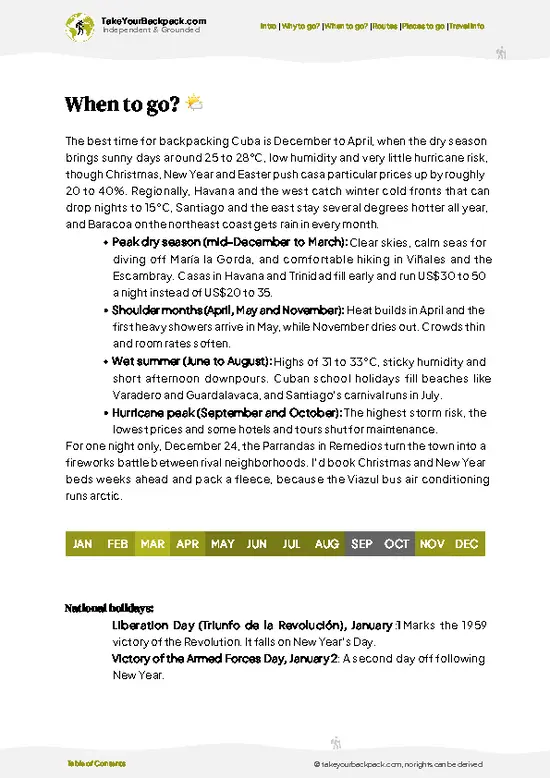
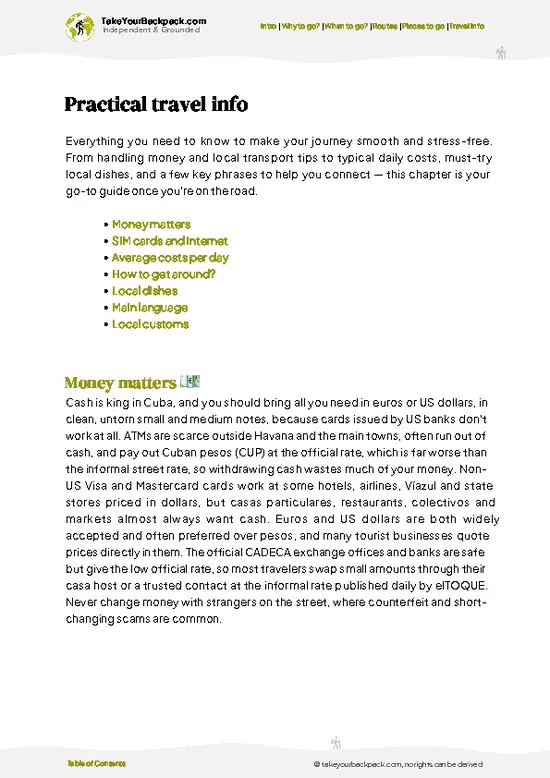
example page 0 from our offline Travel Guide for Cuba
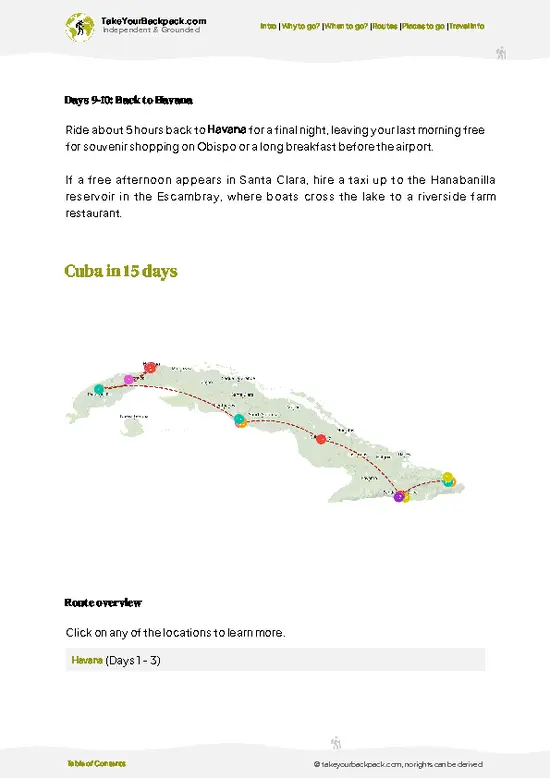
example page 1 from our offline Travel Guide for Cuba
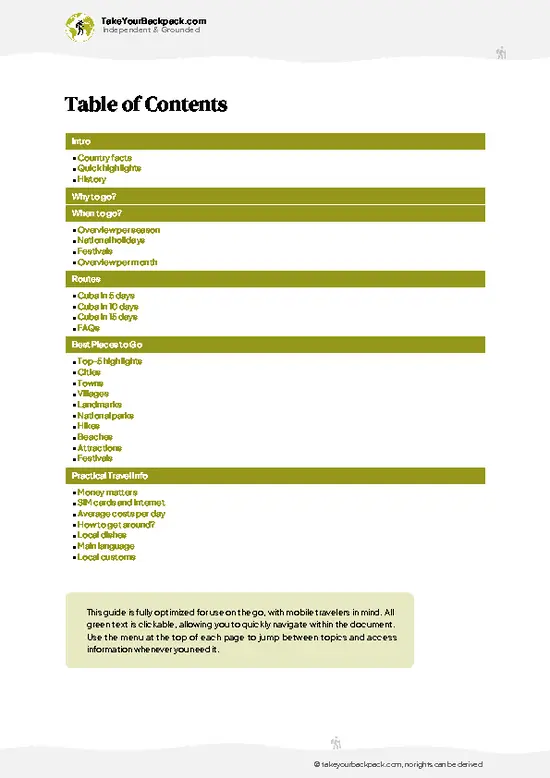
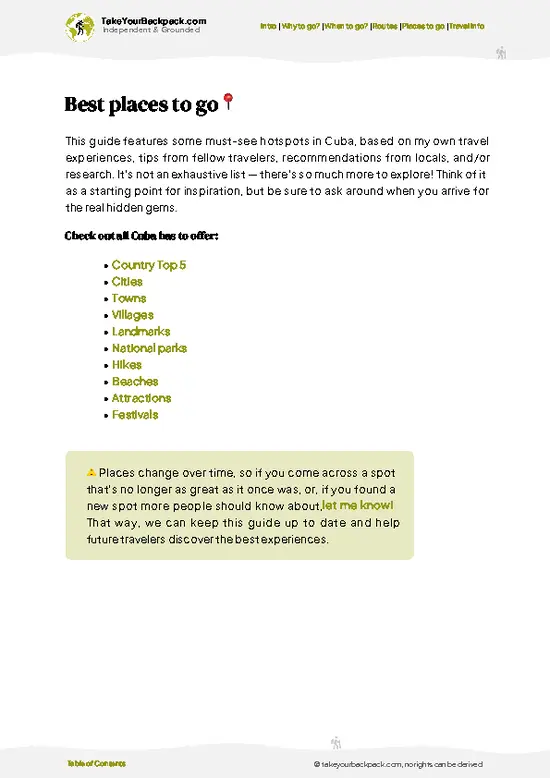
example page 2 from our offline Travel Guide for Cuba
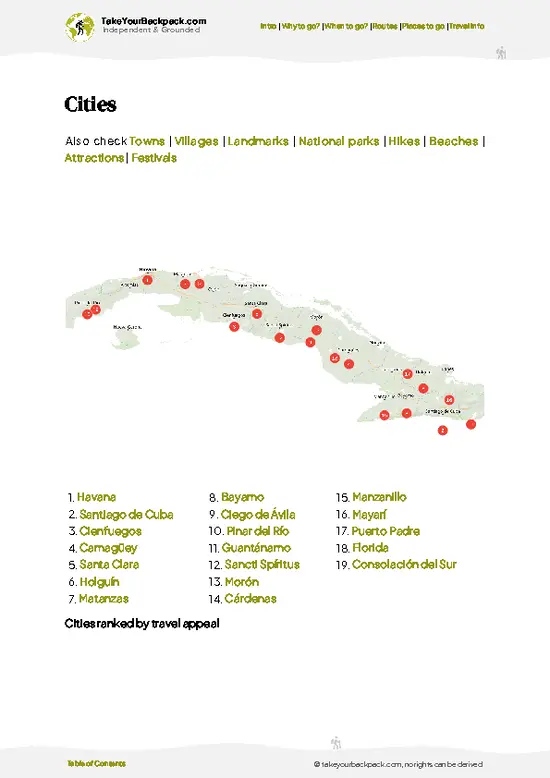
example page 3 from our offline Travel Guide for Cuba
example page 4 from our offline Travel Guide for Cuba
example page 5 from our offline Travel Guide for Cuba
example page 6 from our offline Travel Guide for Cuba
example page 7 from our offline Travel Guide for Cuba
Loading the map 🌍
CLICK TO FILTER
cities
towns
villages
landmarks
national parks
hikes
beaches
attractions
festivals
SHOW COUNTRY’S BESTSHOW ALL

✨ Why go?
Ranked #99 national park in Cuba
Reasons people choose to explore here

Backpackers flock to Parque Nacional Montemar for its promise of independent exploration. The park offers a network of trails that cater to various skill levels, making it ideal for both novices and seasoned hikers. You can choose to wander through lush landscapes or along coastal paths without the constraints of guided tours.

Budget-conscious travelers appreciate the camping options and nearby hostels, which keep costs low while providing a base for adventure. The park’s affordability allows you to stretch your budget for experiences that truly matter, like a sunset over the ocean or a quiet moment in nature.

Self-guided exploration is not just possible; it’s encouraged. With clear signage and well-maintained paths, you can navigate the park confidently. Just remember to carry enough water … read more 👉
Backpackers flock to Parque Nacional Montemar for its promise of independent exploration. The park offers a network of trails that cater to various skill levels, making it ideal for both novices and seasoned hikers. You can choose to wander through lush landscapes or along coastal paths without the constraints of guided tours.

Budget-conscious travelers appreciate the camping options and nearby hostels, which keep costs low while providing a base for adventure. The park’s affordability allows you to stretch your budget for experiences that truly matter, like a sunset over the ocean or a quiet moment in nature.

Self-guided exploration is not just possible; it’s encouraged. With clear signage and well-maintained paths, you can navigate the park confidently. Just remember to carry enough water and snacks, as amenities are limited. This freedom to roam, combined with the park’s natural beauty, makes Montemar a top choice for backpackers seeking authenticity without breaking the bank.

💡 HighlightsPlaces and moments you shouldn't skip

  • Panoramic coastal viewpoints: Dramatic cliffs and headlands give wide, sweepy views over turquoise water — perfect for sunrise or sunset. Big sky, few people, and the kind of light that makes photos look like postcards. (My personal favorite.)
  • Mangrove labyrinths & tidal wetlands: A maze of roots and shallow channels that attract wading birds and juvenile fish. Quiet, mosquito-aware paddles or edge-walking here feel like stepping into a different ecosystem.
  • Coral reefs and snorkeling bays: Shallow reefs reachable from small beaches or rocky points with colorful reef fish and a decent chance of seeing sea turtles or rays. Easy, budget-friendly snorkeling — bring your mask and reef-safe sunscreen.
  • Limestone caves and sinkholes: Small cave systems with stalactites, cool shade, and odd rock
… read more 👉
  • Panoramic coastal viewpoints: Dramatic cliffs and headlands give wide, sweepy views over turquoise water — perfect for sunrise or sunset. Big sky, few people, and the kind of light that makes photos look like postcards. (My personal favorite.)
  • Mangrove labyrinths & tidal wetlands: A maze of roots and shallow channels that attract wading birds and juvenile fish. Quiet, mosquito-aware paddles or edge-walking here feel like stepping into a different ecosystem.
  • Coral reefs and snorkeling bays: Shallow reefs reachable from small beaches or rocky points with colorful reef fish and a decent chance of seeing sea turtles or rays. Easy, budget-friendly snorkeling — bring your mask and reef-safe sunscreen.
  • Limestone caves and sinkholes: Small cave systems with stalactites, cool shade, and odd rock formations. They’re not spelunking-level extreme, but fun to explore between hikes and a great place to cool off.
  • Endemic birdwatching pockets: Thick scrub and coastal forest host several Cuban-specialty birds — think little colorful todies and skulking warblers more than flocks of parrots. Bring binoculars and patience; mornings are best.
  • Mogotes and karst formations: Isolated limestone hills and eroded rock towers that give the landscape character and short, scenic scrambles. Great for a quick climb and panorama without needing technical gear.
  • Secluded beaches and hidden coves: Soft-sand pockets tucked between rock outcrops where you’re often alone. Good for swimming, shell-hunting, or setting up a low-key picnic and napping with the surf in the background.
Spotted a mistake or missing something? Contact us.

🌤️ When to go?Choosing the right time of year

  • Topic: Weather - The dry season from November to April is your best bet. Expect less humidity and rain, making trails safer and more enjoyable. The wet season (May to October) brings heavy showers and occasional hurricanes, which can shut down access and turn paths into mud traps.
  • Topic: Temperature - Temperatures hover between 22°C and 28°C (72°F to 82°F) during the dry months, comfortable for hiking without overheating. The wet season can push temps higher, adding to the muggy feel that drains your energy faster.
  • Topic: Daylight Hours - Daylight is fairly consistent year-round, roughly 11 to 12 hours daily. However, the dry season’s clearer skies mean more reliable sunlight for early starts and late finishes.
  • Topic: Crowds - Peak tourist season aligns with the dry months, especially
… read more 👉
  • Topic: Weather - The dry season from November to April is your best bet. Expect less humidity and rain, making trails safer and more enjoyable. The wet season (May to October) brings heavy showers and occasional hurricanes, which can shut down access and turn paths into mud traps.
  • Topic: Temperature - Temperatures hover between 22°C and 28°C (72°F to 82°F) during the dry months, comfortable for hiking without overheating. The wet season can push temps higher, adding to the muggy feel that drains your energy faster.
  • Topic: Daylight Hours - Daylight is fairly consistent year-round, roughly 11 to 12 hours daily. However, the dry season’s clearer skies mean more reliable sunlight for early starts and late finishes.
  • Topic: Crowds - Peak tourist season aligns with the dry months, especially December through March. Expect more visitors and higher prices. Shoulder months like November and April offer a quieter experience without sacrificing weather quality.
  • Topic: Seasonal Activities - Dry season supports all park activities, from hiking to birdwatching. Wet season limits access to some trails and reduces wildlife visibility due to heavy rains and flooding.
  • Topic: Price Fluctuations - Accommodation and transport costs spike during peak dry season. Booking in shoulder months can save you money and avoid the rush, letting you stretch your budget further.
Pro-tip: Aim for late November or early April—good weather, fewer crowds, and better prices. It’s the sweet spot where you get the park’s best without the usual hassles.


source: climatestotravel.comJANJanuary: highly recommended for travelingFEBFebruary: highly recommended for travelingMARMarch: highly recommended for travelingAPRApril: highly recommended for travelingMAYMay: fair for travelingJUNJune: fair for travelingJULJuly: fair for travelingAUGAugust: fair for travelingSEPSeptember: below average for travelingOCTOctober: fair for travelingNOVNovember: highly recommended for travelingDECDecember: highly recommended for traveling
cuba-national-park-parque-nacional-montemar
© Google |

✈️ The backpacker research shortcutCuba Travel Guide

An offline-friendly backpacking guide with optimized travel routes, ranked highlights, transport advice, and the best areas to stay.
example page 0 from our offline Travel Guide for Cuba
example page 1 from our offline Travel Guide for Cuba
example page 2 from our offline Travel Guide for Cuba
example page 3 from our offline Travel Guide for Cuba
example page 4 from our offline Travel Guide for Cuba
example page 5 from our offline Travel Guide for Cuba
example page 6 from our offline Travel Guide for Cuba
example page 7 from our offline Travel Guide for Cuba
The digital guide (327 pages) contains:
✅ 113 highlights, ranked by travel appeal
✅ Optimized 5, 10 & 15-day travel routes
✅ Cities, national parks, landmarks, beaches
✅ How to get around
✅ Offline-friendly for travel without Wi-Fi
👉 Click to see all 30+ guide features

📅 Plan smarter in minutes, not weeks
✅ Month by month travel advice
✅ Festivals & national holidays
✅ Budget expectations

🗺️ Go to the right places, skip the overrated ones
✅ Honest pros & cons of destinations
✅ Top hikes, parks & viewpoints
✅ Lesser-known places most travelers miss
✅ Clear “worth it vs skip it” guidance

🛏️ Travel smoothly without rookie mistakes
✅ Best areas to stay
✅ Transport systems explained simply
✅ Common scams & safety advice
✅ SIM cards, money & practical tips

🌍 Understand the country, not just visit it
✅ Culture & traditions
✅ 52 Essential phrases & customs
✅ Festivals worth planning around
✅ Traveler-friendly historical context
✅ Insights that make places more meaningful

📱 Built for real travel conditions
✅ Fully downloadable PDF
✅ Works completely offline
✅ Optimized for phone use
✅ Useful in remote areas & buses
✅ Everything in one place
Stop searching, start planning
Get instant access to your full guide. 30‑day money-back guarantee.
+ Add another guide for just

By proceeding you agree to our terms.
Sent to your inbox immediately after payment • 100% Secure Checkout
Best Backpacking Travel Advisor 2025 tourism awardBest Backpacking
Travel Advisor
2025
What others say about Take Your Backpack Guides:
⭐⭐⭐⭐⭐
Fantastic, amazing amount of information!
⭐⭐⭐⭐⭐
My goodness this is amazing, it's what I've been looking for hats off too you!
⭐⭐⭐⭐⭐
I think this is absolutely BRILLIANT
⭐⭐⭐⭐
Very complete and informative. It's still missing places, but I gotta to commend you
⭐⭐⭐⭐⭐
This is truly amazing, thank you, can't wait to explore it with my kids!
⭐⭐⭐⭐⭐
Awesome resource, thank you!
⭐⭐⭐⭐⭐
This is amazing! Can't wait to explore the ones I haven't seen
⭐⭐⭐⭐
I love this! Well done, great idea.
⭐⭐⭐⭐⭐
Thanks for taking the time to make this gem!
⭐⭐⭐⭐⭐
This might be the best website I've ever seen.
⭐⭐⭐⭐⭐
Congratulations, and thank you so much for your work; it's incredibly valuable.
⭐⭐⭐⭐
In all seriousness I think you did a great job pointing out the important spots
⭐⭐⭐⭐⭐
10/10 very good
⭐⭐⭐⭐⭐
As someone who's only just starting to visit regularly this is awesome, thank you.
⭐⭐⭐⭐
Thank you very much! I'm going to visit my dad, it's going to be very useful!
⭐⭐⭐⭐⭐
This is really cool! We'll be travelling for the first time and this definitely come in handy.
⭐⭐⭐⭐⭐
You are now our minister of culture, congratulations 👨‍💼
⭐⭐⭐⭐⭐
Just wanted to tell you that this is a pearl! Going to follow your recommendations.
⭐⭐⭐⭐⭐
This is so cool. I'll definitely be using the resource for my travels soon.
⭐⭐⭐⭐⭐
This is very impressive! Good work.
⭐⭐⭐⭐⭐
This is an amazing and informative site. Very well done!

🛏️ Where to stay?Where staying makes the most sense

For backpackers heading to Parque Nacional Montemar, options are limited but rewarding. Inside the park, you won’t find traditional accommodations. Instead, consider staying in nearby towns like Playa Girón or Cienfuegos.

Playa Girón, just a short drive from the park, offers budget-friendly casas particulares. These are private homes that rent out rooms, giving you a taste of local life. Expect basic amenities but a warm welcome and insider tips on the area.

Cienfuegos, a bit farther away, has more variety. You’ll find hostels and guesthouses that cater to backpackers. The city’s colonial … read more 👉
For backpackers heading to Parque Nacional Montemar, options are limited but rewarding. Inside the park, you won’t find traditional accommodations. Instead, consider staying in nearby towns like Playa Girón or Cienfuegos.

Playa Girón, just a short drive from the park, offers budget-friendly casas particulares. These are private homes that rent out rooms, giving you a taste of local life. Expect basic amenities but a warm welcome and insider tips on the area.

Cienfuegos, a bit farther away, has more variety. You’ll find hostels and guesthouses that cater to backpackers. The city’s colonial architecture and vibrant waterfront are worth exploring, providing a nice break from the park’s rugged beauty.

Be mindful of transportation costs. Public buses are cheap but can be slow. Taxis are faster but pricier. Plan your trips wisely to save energy and funds for the park’s stunning landscapes and wildlife. Prioritize your experiences; the right base will enhance your adventure.

👛 Costs (as of 23 October 2026)How expensive it really is

Visiting Parque Nacional Montemar in Cuba can be a rewarding experience, but it’s essential to be aware of the costs involved to avoid surprises.

Entry fees to the park typically range from $5 to $10 USD per person. This fee grants you access to the park’s stunning landscapes and diverse ecosystems. However, if you plan to engage in guided tours or specific activities, expect to pay extra. Guided tours can range from $20 to $50 USD, depending on the length and type of experience.

Transportation to the park can also add to your budget. If you’re coming from nearby towns, a taxi might cost between $15 and $30 USD, while local buses are cheaper but less frequent.

Food options within the park are limited. If you want to eat on-site, budget around $10 to $20 USD for a meal. Packing your own … read more 👉
Visiting Parque Nacional Montemar in Cuba can be a rewarding experience, but it’s essential to be aware of the costs involved to avoid surprises.

Entry fees to the park typically range from $5 to $10 USD per person. This fee grants you access to the park’s stunning landscapes and diverse ecosystems. However, if you plan to engage in guided tours or specific activities, expect to pay extra. Guided tours can range from $20 to $50 USD, depending on the length and type of experience.

Transportation to the park can also add to your budget. If you’re coming from nearby towns, a taxi might cost between $15 and $30 USD, while local buses are cheaper but less frequent.

Food options within the park are limited. If you want to eat on-site, budget around $10 to $20 USD for a meal. Packing your own snacks can save you money and keep your energy up for hiking.

Lastly, consider the cost of accommodations if you plan to stay overnight. Nearby lodging can range from $30 to $100 USD per night, depending on the type of accommodation you choose.

Being aware of these costs will help you manage your budget effectively, allowing you to focus on enjoying the natural beauty of Parque Nacional Montemar without financial stress.


source: cubatravel.cu
⚠️ Prices can change and everyone travels differently, so take this as a rough guide. Hope it helps you plan your adventure!

🥾 TrailsBest hikes in Parque Nacional Montemar national park

The hiking in Parque Nacional Montemar is a hidden gem, perfect for those looking to escape the usual tourist spots. The park offers a mix of lush landscapes, coastal views, and intriguing wildlife. You’ll find everything from mangroves to limestone cliffs, making each hike a little adventure. Keep your eyes peeled for endemic bird species and maybe even a crocodile or two!

One of the standout trails is the Sendero de la Cueva de los Peces. Here are the details:
  • Length: 5 km
  • Estimated Duration: 2-3 hours
  • Difficulty Level: Moderate
  • Key Features: Stunning views of the coastline, unique geological formations,
… read more 👉
The hiking in Parque Nacional Montemar is a hidden gem, perfect for those looking to escape the usual tourist spots. The park offers a mix of lush landscapes, coastal views, and intriguing wildlife. You’ll find everything from mangroves to limestone cliffs, making each hike a little adventure. Keep your eyes peeled for endemic bird species and maybe even a crocodile or two!

One of the standout trails is the Sendero de la Cueva de los Peces. Here are the details:
  • Length: 5 km
  • Estimated Duration: 2-3 hours
  • Difficulty Level: Moderate
  • Key Features: Stunning views of the coastline, unique geological formations, and a chance to explore the famous cave.
  • Terrain: A mix of rocky paths and sandy stretches, with some elevation changes.

Getting to the park is relatively straightforward. You can catch a bus or a shared taxi from nearby towns, and it’s not too far from Varadero if you’re staying there. As for crowds, it’s usually pretty chill compared to more popular spots in Cuba, so you can enjoy the scenery without feeling rushed. There’s typically a small entrance fee, which goes towards maintaining the park—definitely worth it for the experience!
⚠️ Hiking info can sometimes be outdated or inaccurate. Before you hit the trail, check the latest conditions with locals. If you do spot anything that's off, I'd love to hear from you, so I can update it for fellow travelers.

🛡️ SafetySafety Tips and Common Scams in Parque Nacional Montemar

Parque Nacional Montemar is generally welcoming for backpackers, but a few practical considerations can enhance your experience. Weather can shift unexpectedly, so pack layers and a reliable rain jacket. The terrain is mostly manageable, but some trails feature steep sections and loose footing. Navigation can be tricky; a good map and compass are essential, as trail markers may not always be clear.

Wildlife encounters are rare, but if you spot a crocodile or a bird, observe from a distance. Keep food secure to avoid attracting animals.

First-time visitors often underestimate the importance of hydration. Carry enough water, especially on warmer days, and consider a portable filter for refills. Timing your hikes for early morning or late afternoon can help you avoid the heat and enjoy the park’s tranquility.

FAQTraveler FAQ

2 to 3 days are sufficient to explore Parque Nacional Montemar thoroughly, allowing time for hiking, wildlife observation, and visiting key natural sites.
Yes, you can visit Parque Nacional Montemar without a car by using local taxis or organized tours from nearby towns, though public transport options are limited and less convenient.
Yes, there is an entrance fee for Parque Nacional Montemar, typically around 5 to 10 CUC, and a permit is required for certain activities like camping or guided tours.
⚠️ Things can change over time, so always validate details locally before you go.

Other Cuban national parks near Parque Nacional Montemar

Explore more nearby:


💡 Not sure where to go next?
Create a personalized itinerary for Cuba including Parque Nacional Montemar and the places that fit your trip.

Generate my itinerary

👉 Discover all national parks

Or checkout all Cuba has to offer (think cities, towns, villages, national parks, hikes, beaches, festivals)
Country photo of Cuba

We 💚 feedbackKey takeaways before you go

Parque Nacional Montemar is a treasure for those who crave untouched nature. The mangroves and diverse wildlife offer a rare glimpse into Cuba’s ecological heart. But be prepared: the remoteness can mean limited services and tricky navigation. Bring your own supplies and a good map. Embrace the challenge; it’s part of the adventure. This park rewards those who come ready to explore its wild side.

✈️ When did I visit Cuba?
As part of my 1.5 year travel around the world trip, I visited Cuba for 6 weeks in February, March 2016, being extremely lucky that that coincided with the free concert of The Rolling Stones.

✍️ Help improve this page!
The information on this page is based on my own backpacking experience in Cuba, supplemented with up-to-date research and feedback from other travelers. Travel details can change, so if you notice anything outdated or incomplete, feel free to let me know.


🙋‍♂️ Give feedback

👋 Meet the founderWho’s Behind Take Your Backpack?

Johan, backpacker and founder of TakeYourBackpackHi, I’m Johan (Netherlands 🇳🇱), the creator of TakeYourBackpack. Over the past 3 decades, I’ve backpacked through 90+ countries across six continents, gaining extensive experience with independent travel, long-term trips, and overland routes.

This site is built on a combination of firsthand travel experience and carefully curated insights from other backpackers. Many guides are based on places I’ve personally visited, while others bring together tips, observations, and practical advice shared by trusted travelers I’ve met along the way.

The goal is to provide realistic, experience-driven guidance — not generic itineraries — so you can explore destinations with better context, clearer expectations, and more confidence.