×

Cuba🇨🇺 | citiesPinar del RíoCigar factory, guava rum, Milanés theater, Calle Martí | things to do and best time to go

Explore Santa ClaraExplore Manzanillo

Backpacking in Pinar del Río
👍 Recommendedcity ranked #11
By Johan Kruseman 🇳🇱 | Updated October 22, 2026

Pinar del Río was once a sleepy tobacco provincial capital that travelers rolled through on the way to Viñales; today it is a working Cuban city with a few real sights and almost no tourist polish. It sits in western Cuba, about 150 kilometers from Havana. Spend a morning here, not a week. The cigar factory and the Guayabita rum tour are worth your time, the plaza-and-church circuit is not. At the rum counter I asked the woman pouring samples which bottle she drinks herself, and she pointed to the one with the fruit inside, shrugged, and said the tourists buy the other. Unlike Viñales, there are no tour buses and no sunset crowds.

Discover everything you want to know in the 📖 Cuba Travel Guide.


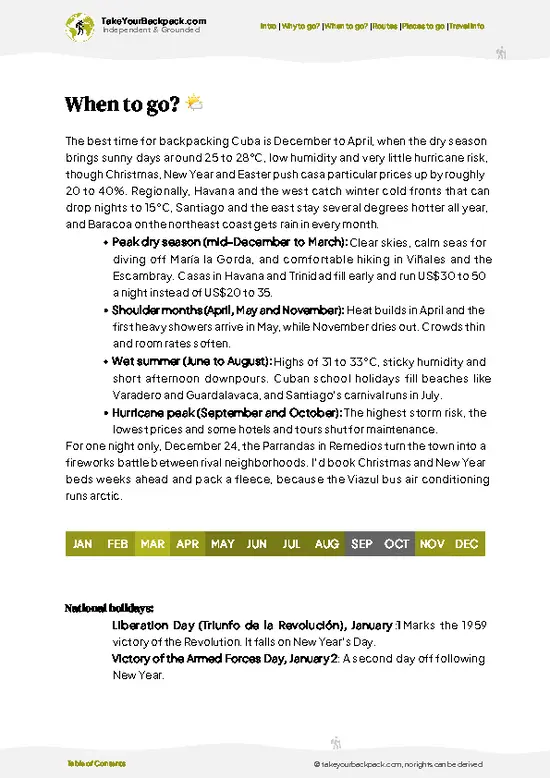
example page 0 from our offline Travel Guide for Cuba
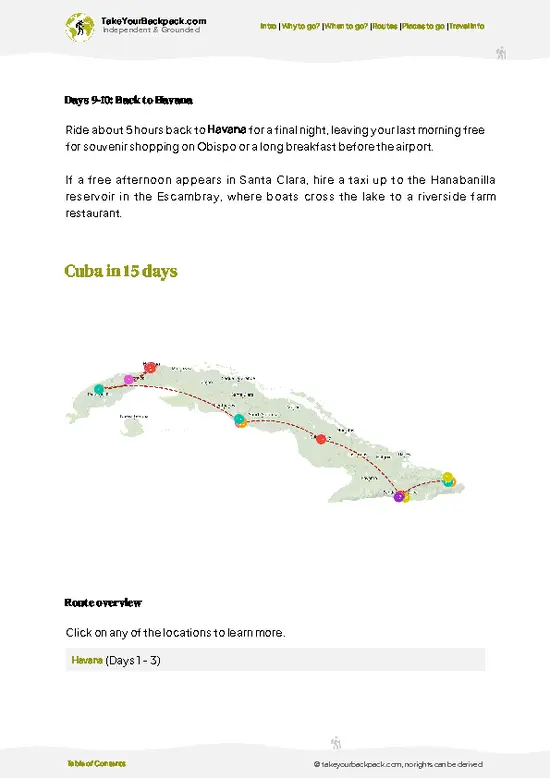
example page 1 from our offline Travel Guide for Cuba
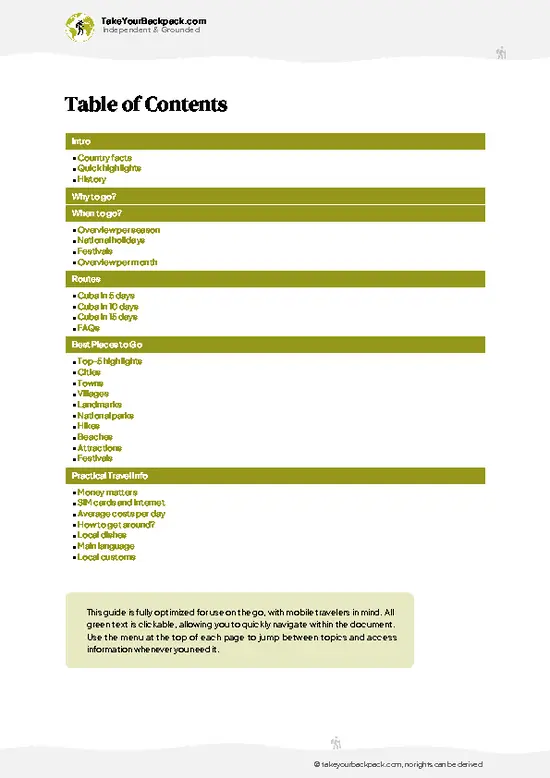
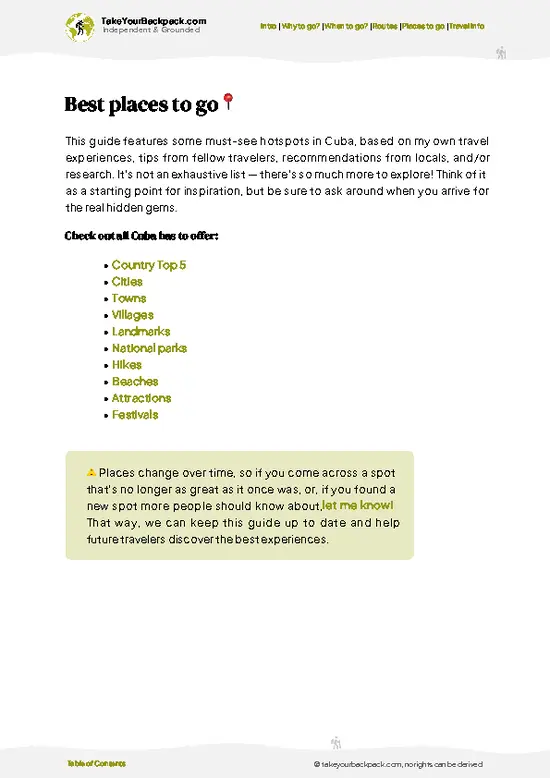
example page 2 from our offline Travel Guide for Cuba
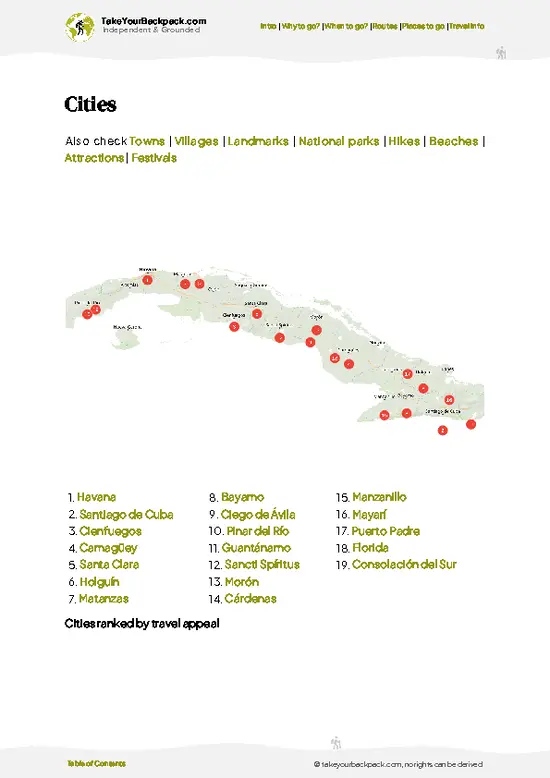
example page 3 from our offline Travel Guide for Cuba
example page 4 from our offline Travel Guide for Cuba
example page 5 from our offline Travel Guide for Cuba
example page 6 from our offline Travel Guide for Cuba
example page 7 from our offline Travel Guide for Cuba
Loading the map 🌍
CLICK TO FILTER
cities
towns
villages
landmarks
national parks
hikes
beaches
attractions
festivals
SHOW COUNTRY’S BESTSHOW ALL

✨ Why go?
Ranked #11 city in Cuba
Reasons people choose to visit here

Pinar del Río earns its place as a working city rather than a resort, and that is the point. Backpackers come because it is the provincial hub of Cuba's tobacco country, so you can see cigars and rum made by people who are not performing for a camera. It also gives you a casa particular scene with fewer touts than Viñales, plus real local food and prices closer to what Cubans pay. The city is small enough to cover on foot, and the Calle Martí pedestrian strip gives you the evening in one straight line. As a route stop it works best as a one-night pause between Havana and the valleys, or as a base if you want the western provinces without the Viñales crowds. Skip it if you need nightlife or beaches.

💡 HighlightsKey sights and experiences for travelers

  1. Fábrica de Tabacos Francisco Donatien: The city's best-known stop, a state cigar factory where rollers work at long tables. Go in the morning on a weekday, when production runs. Entry is roughly US$5 to 10, and the visit takes 30 to 45 minutes. Photos are usually restricted.
  2. Fábrica de Licor Guayabita del Pinar: Makers of Guayabita, the local rum infused with a small wild guava berry. The tour covers the process and ends with a tasting of dry and sweet versions. Expect US$3 to 6 and about 45 minutes. Go before lunch.
  3. Teatro Milanés: A 19th-century theater with an ornate interior, still used for performances. Look inside during the day for around US$1 to 3, or catch an evening show. Allow 20 to 30 minutes.
  4. Catedral de San Rosendo: Pinar's modest cathedral, worth a quick look for its simple colonial-era
… read more 👉
  1. Fábrica de Tabacos Francisco Donatien: The city's best-known stop, a state cigar factory where rollers work at long tables. Go in the morning on a weekday, when production runs. Entry is roughly US$5 to 10, and the visit takes 30 to 45 minutes. Photos are usually restricted.
  2. Fábrica de Licor Guayabita del Pinar: Makers of Guayabita, the local rum infused with a small wild guava berry. The tour covers the process and ends with a tasting of dry and sweet versions. Expect US$3 to 6 and about 45 minutes. Go before lunch.
  3. Teatro Milanés: A 19th-century theater with an ornate interior, still used for performances. Look inside during the day for around US$1 to 3, or catch an evening show. Allow 20 to 30 minutes.
  4. Catedral de San Rosendo: Pinar's modest cathedral, worth a quick look for its simple colonial-era facade and quiet interior. Entry is free or a small donation. Visit in the morning, 15 minutes.
  5. Museo de Ciencias Naturales Tranquilino Sandalio de Noda: An eclectic Moorish-style building with a fossil and animal collection, including a life-size model dinosaur in the garden. Entry is about US$2 to 4. Plan 45 minutes to an hour.
  6. Calle Martí: The long pedestrian-friendly main street, lined with shops, cafés and peso counters. Walk it in the late afternoon as locals do. It is free and takes an hour with stops.
  7. Casa del Veguero tobacco farm visit: A farm just outside Viñales on the road to Pinar del Río that shows curing and rolling by farmers. Go in the morning for about US$5 to 10 including a cigar. Allow one to two hours.
Pinar del Río also works as a launch point for day trips to Viñales valley, Cayo Jutías and the hot springs at San Diego de los Baños. The cigar factory and the Guayabita distillery pair well in one morning since they sit close together.
Spotted a mistake or missing something? Contact us.
🏘️ NeighborhoodsHow different areas shape the experience

Pinar del Río is small enough that you will cover its useful parts on foot in a day, so spend your time where the life is and skip the rest.
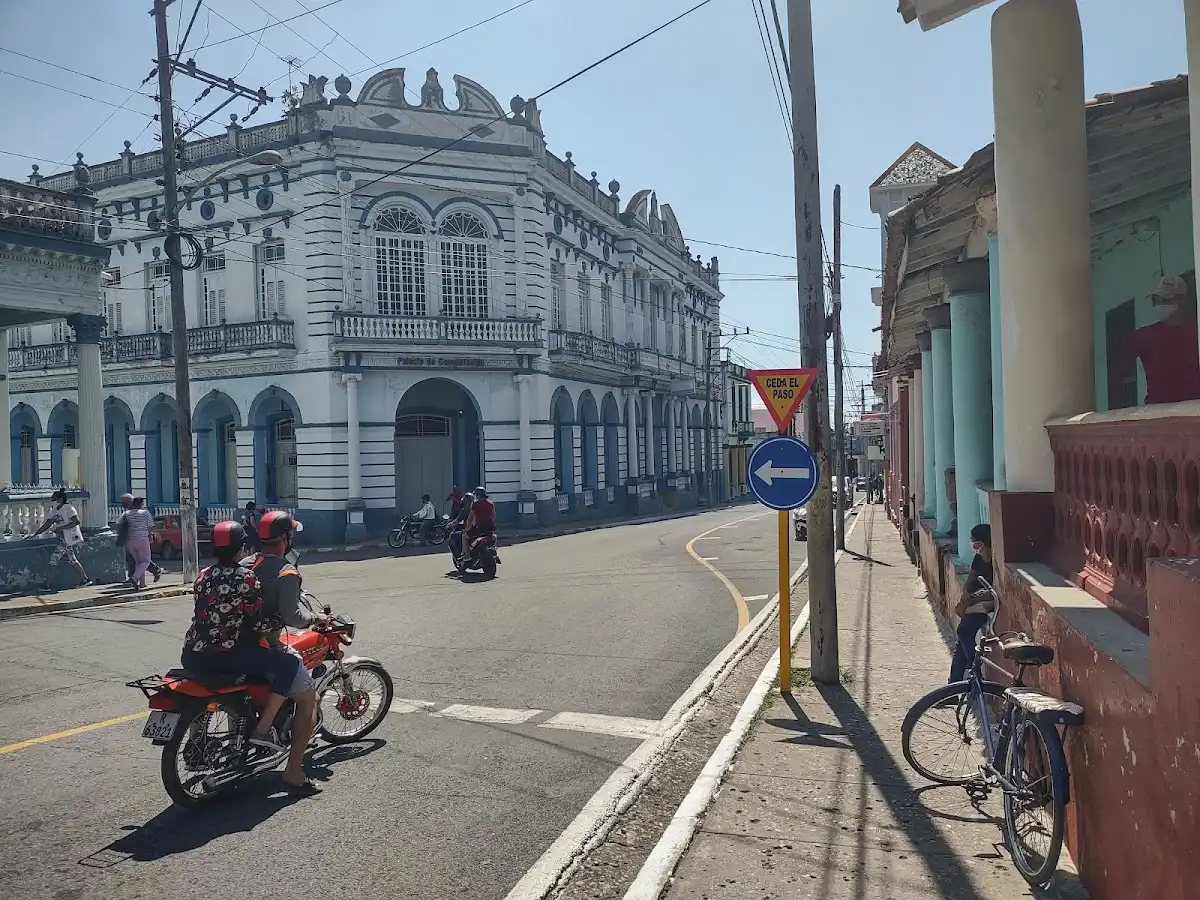
  • Centro and Calle Martí: This is the spine of town and the only area you must see. Colonnaded, tile-fronted streets, the Teatro Milanés, and the cigar and rum shops all sit within a ten-minute walk. Eat and drink here at night, since little else is open.
  • Plaza and Calle Martí east end: Quieter, with the cathedral and the provincial museum. Worth an hour, not more.
  • Fábrica de Tabacos Francisco Donatién: A short walk from the center. Worth the time for watching rollers at work, but go before midday, as it closes early.
  • Fábrica de Guayabita del Pinar: The guava liqueur factory is touristy but cheap and quick. Skip it if you are short on time.
  • Outskirts and Rotonda
… read more 👉
Pinar del Río is small enough that you will cover its useful parts on foot in a day, so spend your time where the life is and skip the rest.
  • Centro and Calle Martí: This is the spine of town and the only area you must see. Colonnaded, tile-fronted streets, the Teatro Milanés, and the cigar and rum shops all sit within a ten-minute walk. Eat and drink here at night, since little else is open.
  • Plaza and Calle Martí east end: Quieter, with the cathedral and the provincial museum. Worth an hour, not more.
  • Fábrica de Tabacos Francisco Donatién: A short walk from the center. Worth the time for watching rollers at work, but go before midday, as it closes early.
  • Fábrica de Guayabita del Pinar: The guava liqueur factory is touristy but cheap and quick. Skip it if you are short on time.
  • Outskirts and Rotonda areas: Residential, spread out, with nothing to see. Only go for a transport connection or a casa particular.

⌛️ 1 daySeeing the highlights in 24 hours

Keep the day on foot, and plan a long lunch when the midday heat peaks, since everything central is within a short walk.
8:30 AM: Calle Martí Start with a coffee and a stroll along the main street while shops open. It gives you the city's real pulse before the heat arrives.
9:30 AM: Fábrica de Tabacos Francisco Donatien Watch the rollers at work. Walk five minutes afterward toward the center.
11:00 AM: Teatro Milanés and Catedral de San Rosendo Look inside the theater, then pop into the nearby cathedral. Both are quick and close together.
12:30 PM: Lunch Choose a paladar near the center for pork and rice, then rest through the hottest hours.
3:00 PM: Museo de Ciencias Naturales The oddball museum is easy to skip but gives you a unique building and a fossil collection. Take your time in the garden. … read more 👉
Keep the day on foot, and plan a long lunch when the midday heat peaks, since everything central is within a short walk.
8:30 AM: Calle Martí Start with a coffee and a stroll along the main street while shops open. It gives you the city's real pulse before the heat arrives.
9:30 AM: Fábrica de Tabacos Francisco Donatien Watch the rollers at work. Walk five minutes afterward toward the center.
11:00 AM: Teatro Milanés and Catedral de San Rosendo Look inside the theater, then pop into the nearby cathedral. Both are quick and close together.
12:30 PM: Lunch Choose a paladar near the center for pork and rice, then rest through the hottest hours.
3:00 PM: Museo de Ciencias Naturales The oddball museum is easy to skip but gives you a unique building and a fossil collection. Take your time in the garden.
4:30 PM: Fábrica de Licor Guayabita del Pinar Take the distillery tour and sample both rums. A short taxi saves your legs.
6:30 PM: Residential streets near the river Off the standard route, walk the quieter neighborhoods as locals sit out on porches. It is the best free part of the day.

🌤️ When to go?Seasonal considerations and timing

November to April is the easiest window for Pinar del Río, with dry days and highs around 26 to 29°C (79 to 84°F).
  • Dry Season (Nov to Apr): Low humidity, cool mornings near 17°C (63°F) in winter, and the best conditions for Viñales hiking. Christmas and Easter are the busiest, and casa prices rise.
  • Wet Season (May to Oct): Hot and sticky, 31 to 34°C (88 to 93°F), with afternoon downpours and muddy trails. Rooms are easier to find and cheaper.
  • Hurricane Risk (Aug to Oct): Pinar del Río sits in the path of storms more than most Cuban cities. Keep your plans flexible.
Book the tobacco harvest season, roughly November to February, if you want to see fields at their busiest.

source: climatestotravel.comJANJanuary: highly recommended for travelingFEBFebruary: highly recommended for travelingMARMarch: highly recommended for travelingAPRApril: highly recommended for travelingMAYMay: fair for travelingJUNJune: fair for travelingJULJuly: fair for travelingAUGAugust: fair for travelingSEPSeptember: below average for travelingOCTOctober: fair for travelingNOVNovember: highly recommended for travelingDECDecember: highly recommended for traveling
cuba-city-pinar-del-rio
© Google |

✈️ The backpacker research shortcutCuba Travel Guide

An offline-friendly backpacking guide with optimized travel routes, ranked highlights, transport advice, and the best areas to stay.
example page 0 from our offline Travel Guide for Cuba
example page 1 from our offline Travel Guide for Cuba
example page 2 from our offline Travel Guide for Cuba
example page 3 from our offline Travel Guide for Cuba
example page 4 from our offline Travel Guide for Cuba
example page 5 from our offline Travel Guide for Cuba
example page 6 from our offline Travel Guide for Cuba
example page 7 from our offline Travel Guide for Cuba
The digital guide (327 pages) contains:
✅ 113 highlights, ranked by travel appeal
✅ Optimized 5, 10 & 15-day travel routes
✅ Cities, national parks, landmarks, beaches
✅ How to get around
✅ Offline-friendly for travel without Wi-Fi
👉 Click to see all 30+ guide features

📅 Plan smarter in minutes, not weeks
✅ Month by month travel advice
✅ Festivals & national holidays
✅ Budget expectations

🗺️ Go to the right places, skip the overrated ones
✅ Honest pros & cons of destinations
✅ Top hikes, parks & viewpoints
✅ Lesser-known places most travelers miss
✅ Clear “worth it vs skip it” guidance

🛏️ Travel smoothly without rookie mistakes
✅ Best areas to stay
✅ Transport systems explained simply
✅ Common scams & safety advice
✅ SIM cards, money & practical tips

🌍 Understand the country, not just visit it
✅ Culture & traditions
✅ 52 Essential phrases & customs
✅ Festivals worth planning around
✅ Traveler-friendly historical context
✅ Insights that make places more meaningful

📱 Built for real travel conditions
✅ Fully downloadable PDF
✅ Works completely offline
✅ Optimized for phone use
✅ Useful in remote areas & buses
✅ Everything in one place
Stop searching, start planning
Get instant access to your full guide. 30‑day money-back guarantee.
+ Add another guide for just

By proceeding you agree to our terms.
Sent to your inbox immediately after payment • 100% Secure Checkout
Best Backpacking Travel Advisor 2025 tourism awardBest Backpacking
Travel Advisor
2025
What others say about Take Your Backpack Guides:
⭐⭐⭐⭐⭐
Fantastic, amazing amount of information!
⭐⭐⭐⭐⭐
My goodness this is amazing, it's what I've been looking for hats off too you!
⭐⭐⭐⭐⭐
I think this is absolutely BRILLIANT
⭐⭐⭐⭐
Very complete and informative. It's still missing places, but I gotta to commend you
⭐⭐⭐⭐⭐
This is truly amazing, thank you, can't wait to explore it with my kids!
⭐⭐⭐⭐⭐
Awesome resource, thank you!
⭐⭐⭐⭐⭐
This is amazing! Can't wait to explore the ones I haven't seen
⭐⭐⭐⭐
I love this! Well done, great idea.
⭐⭐⭐⭐⭐
Thanks for taking the time to make this gem!
⭐⭐⭐⭐⭐
This might be the best website I've ever seen.
⭐⭐⭐⭐⭐
Congratulations, and thank you so much for your work; it's incredibly valuable.
⭐⭐⭐⭐
In all seriousness I think you did a great job pointing out the important spots
⭐⭐⭐⭐⭐
10/10 very good
⭐⭐⭐⭐⭐
As someone who's only just starting to visit regularly this is awesome, thank you.
⭐⭐⭐⭐
Thank you very much! I'm going to visit my dad, it's going to be very useful!
⭐⭐⭐⭐⭐
This is really cool! We'll be travelling for the first time and this definitely come in handy.
⭐⭐⭐⭐⭐
You are now our minister of culture, congratulations 👨‍💼
⭐⭐⭐⭐⭐
Just wanted to tell you that this is a pearl! Going to follow your recommendations.
⭐⭐⭐⭐⭐
This is so cool. I'll definitely be using the resource for my travels soon.
⭐⭐⭐⭐⭐
This is very impressive! Good work.
⭐⭐⭐⭐⭐
This is an amazing and informative site. Very well done!

🛏️ Where to stay?How to pick the right area

Stay in the Centro area around Calle Martí, where casas particulares (private rooms) make up most budget beds in Pinar del Río.
Rooms run about US$15 to 30 and often come with breakfast for another US$3 to 5. Dorm hostels are rare here, so expect private rooms rather than bunks. The streets near Martí are lit, walkable, and quiet after about 10 p.m., with the colectivo and bus stands a short walk away.
The second-best choice is the area near the bus station. It is cheaper and handy for early departures, but dimmer at night and with fewer places to eat. Avoid the far outskirts, where taxis are scarce and rooms are no cheaper.

🚌 Getting aroundGetting around like a local

Pinar del Río’s center is compact and flat, so you can walk from the bus station area to Calle Martí in about 20 minutes, but walking stops making sense once you head to the outskirts or the tobacco fields.
Traffic is light, horse carts are common, and public transport is patchy and slow. Most backpackers rely on shared taxis and walking.
  • Walking: Free and the best way to see the center. Allow an afternoon for everything central.
  • Bici-taxi and coco-taxi: US$1 to 3 for short rides. Agree the price before getting in. Good for luggage, not for sightseeing.
  • Colectivo taxi (shared old car): US$2 to 5 for a seat to nearby towns. Faster than the bus and the best value for Viñales, about 45 minutes to 1 hour.
  • Private taxi: US$15 to 30 for a day trip. Pricey, but useful for reaching the countryside quickly.
… read more 👉
Pinar del Río’s center is compact and flat, so you can walk from the bus station area to Calle Martí in about 20 minutes, but walking stops making sense once you head to the outskirts or the tobacco fields.
Traffic is light, horse carts are common, and public transport is patchy and slow. Most backpackers rely on shared taxis and walking.
  • Walking: Free and the best way to see the center. Allow an afternoon for everything central.
  • Bici-taxi and coco-taxi: US$1 to 3 for short rides. Agree the price before getting in. Good for luggage, not for sightseeing.
  • Colectivo taxi (shared old car): US$2 to 5 for a seat to nearby towns. Faster than the bus and the best value for Viñales, about 45 minutes to 1 hour.
  • Private taxi: US$15 to 30 for a day trip. Pricey, but useful for reaching the countryside quickly.
City buses are crowded and unpredictable, so skip them.

👛 Costs (as of 22 October 2026)Travel costs and budget guide for Pinar del Río

Pinar del Río costs most backpackers about US$45 to 60 a day, and a realistic total in high season is US$53.
CategoryBudget RangeLocal Reality
Dorm accommodation (high season)US$15 to 25Private casa rooms, since dorms are rare
Dorm accommodation (off-season)US$12 to 18Rooms drop in price in the wet months
MealsUS$10 to 18Paladar dinners and street sandwiches
Local transportUS$2 to 5Bici-taxis and short colectivo rides
City transport passNot availableNo pass, pay per ride (US$0)
Basic activities/entry feesUS$3 to 8Factory visits and small entry fees
MiscellaneousUS$3 to 5Water, snacks, and tips
Total Daily BudgetUS$53Based on high-season rates
Eat dinner at your casa and share colectivos with other travelers to cut costs.

source: cubatravel.cu
⚠️ Prices can change and everyone travels differently, so take this as a rough guide. Hope it helps you plan your adventure!

🚌 Day tripsEasy escapes and nearby places

Pinar del Río works well as a base for day trips, since colectivos and buses reach the countryside in under two hours.
Viñales Valley:
Limestone mogotes, tobacco barns, and horseback or walking routes make this the headline trip. A colectivo takes 45 minutes to 1 hour and costs US$2 to 5 each way. Entry to the Cueva del Indio is about US$5. Go November to April and start early, because many first-timers arrive after noon and miss the cool light.
👉 Explore Viñales
Soroa:
A waterfall and orchid garden in the Sierra del Rosario, about 2 hours by road toward Havana. A private taxi is the practical way, roughly US$40 to 60 shared among a few people. Entry is US$3 to 5. Best in the wet season when the falls are full.
👉 Explore Soroa
Cayo Jutías:
A white-sand cay with calm shallow water, about 2.5 hours … read more 👉
Pinar del Río works well as a base for day trips, since colectivos and buses reach the countryside in under two hours.
Viñales Valley:
Limestone mogotes, tobacco barns, and horseback or walking routes make this the headline trip. A colectivo takes 45 minutes to 1 hour and costs US$2 to 5 each way. Entry to the Cueva del Indio is about US$5. Go November to April and start early, because many first-timers arrive after noon and miss the cool light.
👉 Explore Viñales
Soroa:
A waterfall and orchid garden in the Sierra del Rosario, about 2 hours by road toward Havana. A private taxi is the practical way, roughly US$40 to 60 shared among a few people. Entry is US$3 to 5. Best in the wet season when the falls are full.
👉 Explore Soroa
Cayo Jutías:
A white-sand cay with calm shallow water, about 2.5 hours away. Expect US$40 to 70 for a shared taxi plus a small entry fee. Bring food and sunscreen, as there is little shade and few cheap meals.
👉 Explore Cayo Jutías
Las Terrazas:
A reforested community with trails and a river swimming spot, about 2 hours away. Go on a long day and budget US$20 to 40 plus entry of about US$5.
👉 Explore Las Terrazas

🍲 FoodLocal Flavors for Backpackers

Pinar del Río cooks with a farm-country accent. Look for cerdo asado (roast pork) with congrí, often cooked over wood, and viandas like boiled yuca and malanga. The province is known for guayabita del Pinar, a guava-flavored rum served neat or sweet, which you will see sold in nearly every shop.
Backpackers eat at paladares (private restaurants), casual sandwich counters, and the agromercado, where fruit, vegetables, and pork sandwiches sell for a few dollars. Pizza and fried-chicken stands cluster along Calle Martí. Meals cost roughly US$4 to 10.
Ask your casa host to cook dinner, usually US$6 to 10, which often means better food than a restaurant. Many places are cash only, so carry small bills.

🛡️ SafetyStaying Safe: What Travelers Should Know

Pinar del Río is calm and low-key, with petty theft rather than violence as the usual problem. Solo travelers, including women, generally walk the center at night without trouble, though side streets are dim, so stick to Calle Martí after dark. Jineteros (touts) approach near the bus station offering rooms, cigars, and rides, usually with a commission added to your price, so ignore them and book through your casa. Watch for street-sold cigars, which are often fakes or poor quality. Keep cash and phones out of back pockets in crowds, and count change carefully when paying. Agree taxi fares before you set off.

FAQTraveler FAQ

Two days is enough for Pinar del Río itself, covering Calle Martí, the tobacco factory, and the guayabita distillery. Add a third day for Viñales, 45 minutes to 1 hour away by colectivo for US$2 to 5. Many travelers use Pinar del Río as a quieter base for Viñales and Soroa.
Pinar del Río is considered safe for solo backpackers, with petty theft and touts as the main nuisance. Stick to lit streets like Calle Martí at night and book rooms directly with casa owners rather than following touts at the bus station. Taxi fares should be agreed before starting, typically US$1 to 3 for short rides.
Pinar del Río is known for tobacco, with the best cigars in Cuba grown in the province, and for guayabita del Pinar, a guava-flavored rum. The Francisco Donatién tobacco factory and the Teatro Milanés are the main sights. The Viñales Valley lies about an hour away and draws most visitors.
⚠️ Things can change over time, so always validate details locally before you go.

Other Cuban cities near Pinar del Río

Explore more nearby:

  • Consolación del Sur—Tobacco farms, curing barns, farmers’ market, long main street| 22 km away
  • Artemisa—agricultural center, colonial churches, local festivals| 106 km away
  • Havana—Malecón, Vedado casas, Habana Vieja squares, Fusterlandia mosaics| 157 km away

💡 Not sure where to go next?
Create a personalized itinerary for Cuba including Pinar del Río and the places that fit your trip.

Generate my itinerary

👉 Discover all cities

Or checkout all Cuba has to offer (think cities, towns, villages, national parks, hikes, beaches, festivals)
Country photo of Cuba

We 💚 feedbackParting advice and final tips

Pinar del Río gets rushed by travelers who treat it as a bus stop on the way to Viñales. That is the mistake. Stay one night, book your casa in advance, and do the factories in the morning. I would skip the museums and spend the evening on Calle Martí.

✈️ When did I visit Cuba?
As part of my 1.5 year travel around the world trip, I visited Cuba for 6 weeks in February, March 2016, being extremely lucky that that coincided with the free concert of The Rolling Stones.

✍️ Help improve this page!
The information on this page is based on my own backpacking experience in Cuba, supplemented with up-to-date research and feedback from other travelers. Travel details can change, so if you notice anything outdated or incomplete, feel free to let me know.


🙋‍♂️ Give feedback

👋 Meet the founderWho’s Behind Take Your Backpack?

Johan, backpacker and founder of TakeYourBackpackHi, I’m Johan (Netherlands 🇳🇱), the creator of TakeYourBackpack. Over the past 3 decades, I’ve backpacked through 90+ countries across six continents, gaining extensive experience with independent travel, long-term trips, and overland routes.

This site is built on a combination of firsthand travel experience and carefully curated insights from other backpackers. Many guides are based on places I’ve personally visited, while others bring together tips, observations, and practical advice shared by trusted travelers I’ve met along the way.

The goal is to provide realistic, experience-driven guidance — not generic itineraries — so you can explore destinations with better context, clearer expectations, and more confidence.