
×

Curaçao🇨🇼 | landmarksHato CavesLimestone chambers, ancient petroglyphs, stalactite formations | things to do and best time to go

Explore Fort NassauExplore Landhuis Chobolobo

Backpacking in Hato Caves
🏆 Top pickunique site ranked #1
By Johan Kruseman 🇳🇱 | Updated September 4, 2026

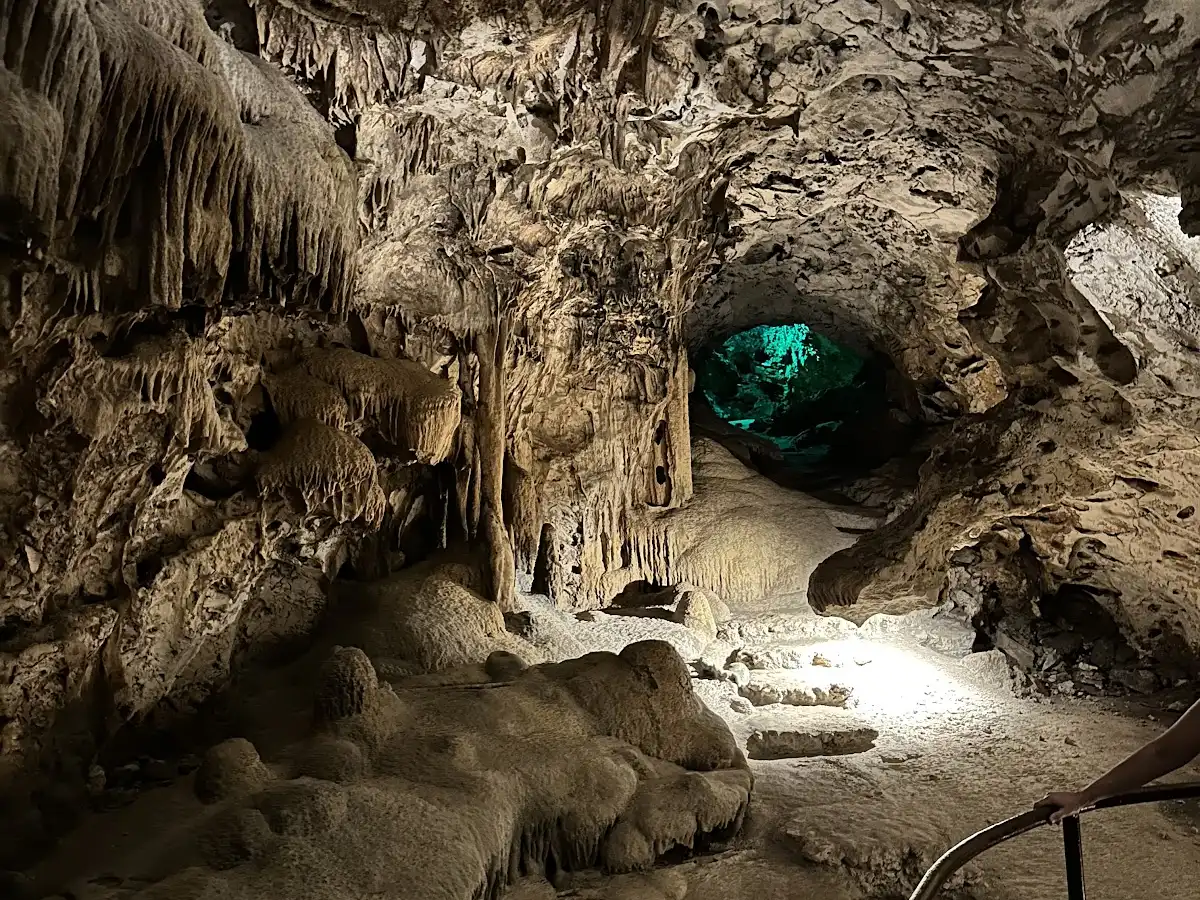
Everyone shows up to Hato Caves for the “cool cave photos” and the bat shots for Instagram, but that’s honestly the least interesting part. What actually matters here is how this limestone maze holds Curaçao’s deeper story: Amerindian petroglyphs, colonial history, and the quiet weight of people who once hid here. Hato Caves sits just north of Willemstad, right by the airport, so it’s one of the easiest “nature” stops on the island. For backpackers, it’s a low-effort, medium-reward outing: short guided tour, manageable stairs, and decent shade from the Caribbean sun. The wow-factor is moderate if you’ve seen big cave systems elsewhere, and the ticket price feels a bit steep for the time you get inside. Tours can feel rushed and touristy, and you won’t have the place to yourself. But the rock formations, the cave light, and the history give your Curaçao trip more depth than another beach bar ever will.

Discover everything you want to know in the 📖 Curaçao Travel Guide.


Get your Curaçao guide
40 ranked highlights, routes & tips, works offline (158 pages)
Loading the map 🌍
CLICK TO FILTER
cities
towns
villages
landmarks
national parks
hikes
beaches
attractions
festivals
regions
SHOW COUNTRY’S BESTSHOW ALL

✨ Why go?
Ranked #1 unique site in Curaçao
What sets this place apart

The Hato Caves in Curaçao are a must-see for backpackers who crave more than just a pretty picture. Sure, you’ll encounter crowds—it’s a popular spot—but don’t let that deter you. The real magic lies in the stunning limestone formations and the ancient petroglyphs that tell stories of the island’s past.

Entry is affordable, making it a solid choice for budget travelers. You’ll get a guided tour that dives into the caves’ history, which is way more enriching than scrolling through Instagram. Plus, the cool temperature inside offers a refreshing break from the tropical heat outside.

Hato Caves fit seamlessly into a broader route around the island. Pair your visit with a trip to the nearby Christoffel National Park or the Shete Boka National Park for a full day of exploration. The caves aren’t … read more 👉
The Hato Caves in Curaçao are a must-see for backpackers who crave more than just a pretty picture. Sure, you’ll encounter crowds—it’s a popular spot—but don’t let that deter you. The real magic lies in the stunning limestone formations and the ancient petroglyphs that tell stories of the island’s past.

Entry is affordable, making it a solid choice for budget travelers. You’ll get a guided tour that dives into the caves’ history, which is way more enriching than scrolling through Instagram. Plus, the cool temperature inside offers a refreshing break from the tropical heat outside.

Hato Caves fit seamlessly into a broader route around the island. Pair your visit with a trip to the nearby Christoffel National Park or the Shete Boka National Park for a full day of exploration. The caves aren’t just a stop; they’re part of a rich tapestry of experiences that showcase Curaçao’s unique culture and landscape. So, lace up those boots and dive into the real Curaçao—it’s worth every step.
Want to include Hato Caves in your Curaçao route?
Create a personalized Curaçao itinerary that includes Hato Caves and the places that fit your trip — based on your travel style, budget, and available time. Get your route in seconds.

Generate my trip

💡 HighlightsThe experiences that define the visit

  • Fossilized coral walls — the cave is carved from an uplifted coral reef, so the walls are full of ancient shells, corals and other marine fossils you can pick out with your eyes; it’s geology that reads like a seaside history book.
  • Stalactites, stalagmites and the cathedral-like main chamber — big, dramatic dripstone formations and a high central room give the place serious “underground cathedral” vibes; great for photos and for appreciating how long this place took to form.
  • Arawak/Taino petroglyphs — visible rock art left by pre-Columbian inhabitants, one of the clearest reminders on Curaçao of the island’s Indigenous past.
  • Archaeological and historical layers — the site isn’t just pretty rock: archaeologists have found traces of human use across eras, so the caves tell stories from
read more 👉
  • Fossilized coral walls — the cave is carved from an uplifted coral reef, so the walls are full of ancient shells, corals and other marine fossils you can pick out with your eyes; it’s geology that reads like a seaside history book.
  • Stalactites, stalagmites and the cathedral-like main chamber — big, dramatic dripstone formations and a high central room give the place serious “underground cathedral” vibes; great for photos and for appreciating how long this place took to form.
  • Arawak/Taino petroglyphs — visible rock art left by pre-Columbian inhabitants, one of the clearest reminders on Curaçao of the island’s Indigenous past.
  • Archaeological and historical layers — the site isn’t just pretty rock: archaeologists have found traces of human use across eras, so the caves tell stories from Indigenous life through colonial times.
  • Pools, seepages and cool microclimate — little water pockets and damp passages create a noticeably cooler space than the hot coastal scrub outside; bring a light jacket and enjoy the quiet splash of water in the dark.
  • Guided tours and interpretive displays — the walkways and lighting make the caves easy to explore and local guides point out the best formations, fossils and history you’d probably miss on your own.
  • Cave wildlife and acoustics — listen for bats and other critters, and try a shout or two—the echoes in some chambers are surprisingly theatrical.
Spotted a mistake or missing something? Contact us.

Things to do around Hato Caves

Ratings based on Tripadvisor reviews. When you book through this link, you support our work at no extra cost to you.

🌤️ When to go?Choosing the right time of year


  • Topic: Weather – The dry season from January to September is your best bet. Expect temperatures around 27-31°C (80-88°F), which means warm but not oppressively hot. The wet season, October to December, brings sudden showers that can turn your spelunking plans into a soggy mess.

  • Topic: Temperature – Inside the caves, it’s cooler, hovering around 24°C (75°F), a welcome break from the Caribbean sun. Outside, midday heat can spike, so plan your visit for early morning or late afternoon to avoid the scorch.

  • Topic: Daylight Hours – Curaçao enjoys roughly 11-12 hours of daylight year-round. Arriving early maximizes your time underground and lets you explore the surrounding park without rushing.

  • Topic: Crowds – Peak tourist season (December to April) means more groups and guided tours, which
read more 👉

  • Topic: Weather – The dry season from January to September is your best bet. Expect temperatures around 27-31°C (80-88°F), which means warm but not oppressively hot. The wet season, October to December, brings sudden showers that can turn your spelunking plans into a soggy mess.

  • Topic: Temperature – Inside the caves, it’s cooler, hovering around 24°C (75°F), a welcome break from the Caribbean sun. Outside, midday heat can spike, so plan your visit for early morning or late afternoon to avoid the scorch.

  • Topic: Daylight Hours – Curaçao enjoys roughly 11-12 hours of daylight year-round. Arriving early maximizes your time underground and lets you explore the surrounding park without rushing.

  • Topic: Crowds – Peak tourist season (December to April) means more groups and guided tours, which can dilute the sense of discovery. Off-peak months offer a quieter, more intimate experience but beware of occasional rain.

  • Topic: Seasonal Activities – The caves host fewer events, but nearby nature trails and snorkeling spots thrive in the dry season, adding layers to your trip.

  • Topic: Price Fluctuations – Entrance fees stay stable year-round, but accommodation and flights spike during peak months. Booking off-season can save you serious cash.


Pro-tip: Hit the Hato Caves in the shoulder months of April or September—fewer crowds, decent weather, and better deals make it the sweet spot for backpackers craving authenticity without the hassle.


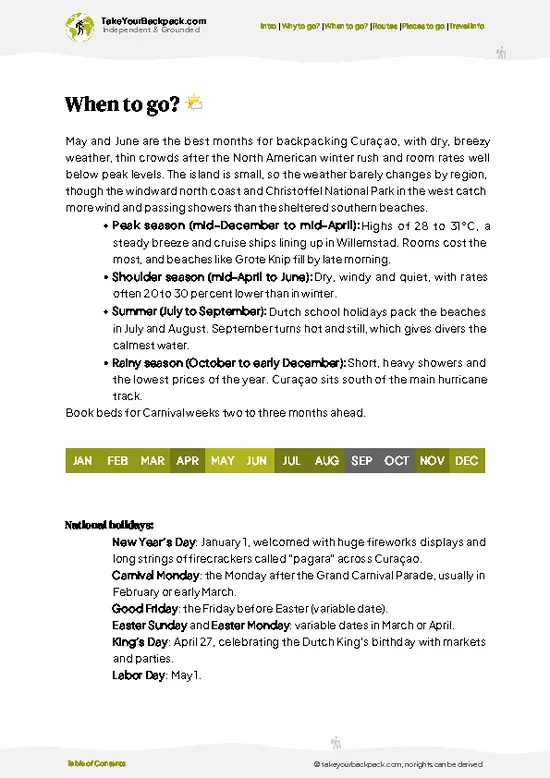
source: climatestotravel.comJANJanuary: good for travelingFEBFebruary: good for travelingMARMarch: good for travelingAPRApril: highly recommended for travelingMAYMay: excellent for travelingJUNJune: excellent for travelingJULJuly: excellent for travelingAUGAugust: excellent for travelingSEPSeptember: highly recommended for travelingOCTOctober: fair for travelingNOVNovember: fair for travelingDECDecember: good for traveling
curacao-unique-site-hato-caves
© Google |

✈️ The backpacker research shortcutCuraçao Travel Guide

An offline-friendly backpacking guide with optimized travel routes, ranked highlights, transport advice, and the best areas to stay.
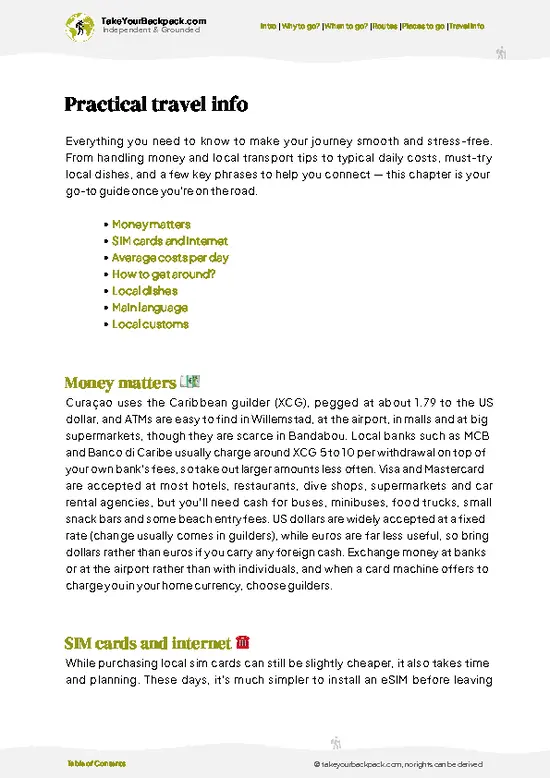
example page 0 from our offline Travel Guide for Curaçao
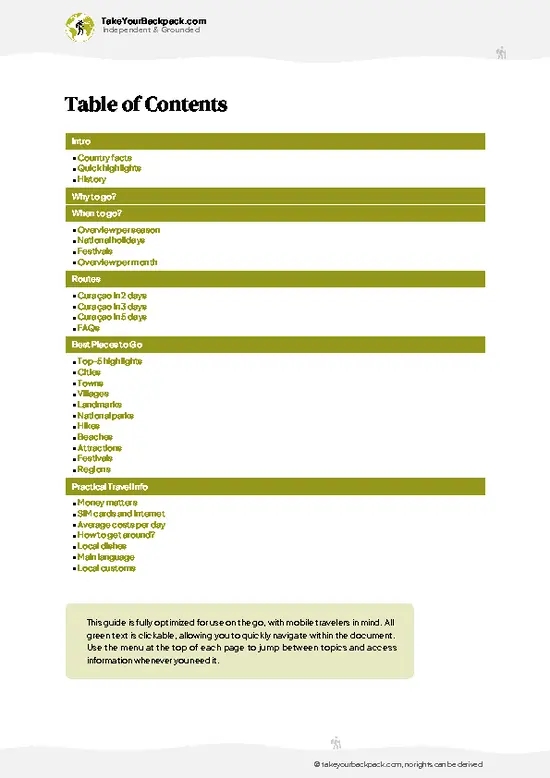
example page 1 from our offline Travel Guide for Curaçao
example page 2 from our offline Travel Guide for Curaçao
example page 3 from our offline Travel Guide for Curaçao
example page 4 from our offline Travel Guide for Curaçao
example page 5 from our offline Travel Guide for Curaçao
example page 6 from our offline Travel Guide for Curaçao
example page 7 from our offline Travel Guide for Curaçao
The digital guide (158 pages) contains:
40 highlights, ranked by travel appeal
Optimized 2, 3 & 5-day travel routes
Cities, national parks, landmarks, beaches
How to get around
Offline-friendly for travel without Wi-Fi
👉 Click to see all 30+ guide features

📅 Plan smarter in minutes, not weeks
Month by month travel advice
Festivals & national holidays
Budget expectations

🗺️ Go to the right places, skip the overrated ones
Honest pros & cons of destinations
Top hikes, parks & viewpoints
Lesser-known places most travelers miss
Clear “worth it vs skip it” guidance

🛏️ Travel smoothly without rookie mistakes
Best areas to stay
Transport systems explained simply
Common scams & safety advice
SIM cards, money & practical tips

🌍 Understand the country, not just visit it
Culture & traditions
52 Essential phrases & customs
Festivals worth planning around
Traveler-friendly historical context
Insights that make places more meaningful

📱 Built for real travel conditions
Fully downloadable PDF
Works completely offline
Optimized for phone use
Useful in remote areas & buses
Everything in one place
Save weeks of stressful planning
Get instant access to your full guide. 30‑day money-back guarantee.
+ Add another guide for just US$7.80

By proceeding you agree to our terms.
Sent to your inbox immediately after payment • 100% Secure Checkout
Best Backpacking Travel Advisor 2025 tourism awardBest Backpacking
Travel Advisor
2025
What others say about Take Your Backpack Guides:
⭐⭐⭐⭐⭐
Fantastic, amazing amount of information!
⭐⭐⭐⭐⭐
My goodness this is amazing, it's what I've been looking for hats off too you!
⭐⭐⭐⭐⭐
I think this is absolutely BRILLIANT
⭐⭐⭐⭐
Very complete and informative. It's still missing places, but I gotta to commend you
⭐⭐⭐⭐⭐
This is truly amazing, thank you, can't wait to explore it with my kids!
⭐⭐⭐⭐⭐
Awesome resource, thank you!
⭐⭐⭐⭐⭐
This is amazing! Can't wait to explore the ones I haven't seen
⭐⭐⭐⭐
I love this! Well done, great idea.
⭐⭐⭐⭐⭐
Thanks for taking the time to make this gem!
⭐⭐⭐⭐⭐
This might be the best website I've ever seen.
⭐⭐⭐⭐⭐
Congratulations, and thank you so much for your work; it's incredibly valuable.
⭐⭐⭐⭐
In all seriousness I think you did a great job pointing out the important spots
⭐⭐⭐⭐⭐
10/10 very good
⭐⭐⭐⭐⭐
As someone who's only just starting to visit regularly this is awesome, thank you.
⭐⭐⭐⭐
Thank you very much! I'm going to visit my dad, it's going to be very useful!
⭐⭐⭐⭐⭐
This is really cool! We'll be travelling for the first time and this definitely come in handy.
⭐⭐⭐⭐⭐
You are now our minister of culture, congratulations 👨‍💼
⭐⭐⭐⭐⭐
Just wanted to tell you that this is a pearl! Going to follow your recommendations.
⭐⭐⭐⭐⭐
This is so cool. I'll definitely be using the resource for my travels soon.
⭐⭐⭐⭐⭐
This is very impressive! Good work.
⭐⭐⭐⭐⭐
This is an amazing and informative site. Very well done!

🛏️ Where to stay?Best areas and accommodation options

Staying near Hato Caves in Curaçao? Let’s cut through the fluff. The area around the caves isn’t just about the stunning limestone formations; it’s about finding a base that keeps you safe and social.

First up, consider the neighborhood of Willemstad. It’s a bit of a trek to the caves, but the vibrant atmosphere and local eateries make it worth it. You’ll find a mix of budget-friendly accommodations and hostels where solo travelers gather. The nightlife here is lively, and you can swap stories with fellow backpackers over a cold drink.

If you want something closer, check out Klein St. Michiel. … read more 👉
Staying near Hato Caves in Curaçao? Let’s cut through the fluff. The area around the caves isn’t just about the stunning limestone formations; it’s about finding a base that keeps you safe and social.

First up, consider the neighborhood of Willemstad. It’s a bit of a trek to the caves, but the vibrant atmosphere and local eateries make it worth it. You’ll find a mix of budget-friendly accommodations and hostels where solo travelers gather. The nightlife here is lively, and you can swap stories with fellow backpackers over a cold drink.

If you want something closer, check out Klein St. Michiel. This area is quieter but has a few cozy guesthouses. It’s a short ride to the caves, and you’ll get a taste of local life. The beaches nearby are less crowded, perfect for unwinding after a day of exploration.

Lastly, Curaçao’s northern coast offers a few hidden spots. Think rustic cabins or shared spaces where you can connect with nature and fellow travelers. The vibe is chill, and you’ll be close to some stunning views.

Skip the tourist traps and embrace the local flavor. That’s where the real magic happens.

👛 Costs (as of 4 September 2026)Travel costs and budget guide for Hato Caves

Visiting the Hato Caves in Curaçao can be a mixed bag of costs, but knowing what to expect helps you plan better. Here’s a breakdown of typical budget categories:
  • Entrance Fee: Expect to pay around €10 to €15 per person. This fee grants you access to the caves and often includes a guided tour. The guides are knowledgeable and can enhance your experience with local lore and geological insights.
  • Transportation: If you’re not renting a car, budget about €20 to €30 for a taxi from Willemstad. Public transport is cheaper but less convenient, costing around €2 to €5. Factor in the time and hassle if you go that route.
  • Guided Tours: Some tours combine the caves with other attractions. Prices can range from €40 to €80, depending on the length and inclusions. These tours often provide a more comprehensive
read more 👉
Visiting the Hato Caves in Curaçao can be a mixed bag of costs, but knowing what to expect helps you plan better. Here’s a breakdown of typical budget categories:
  • Entrance Fee: Expect to pay around €10 to €15 per person. This fee grants you access to the caves and often includes a guided tour. The guides are knowledgeable and can enhance your experience with local lore and geological insights.
  • Transportation: If you’re not renting a car, budget about €20 to €30 for a taxi from Willemstad. Public transport is cheaper but less convenient, costing around €2 to €5. Factor in the time and hassle if you go that route.
  • Guided Tours: Some tours combine the caves with other attractions. Prices can range from €40 to €80, depending on the length and inclusions. These tours often provide a more comprehensive experience, covering multiple sites in one go.
  • Food and Drinks: There are no eateries inside the caves, so plan to eat before or after your visit. A meal at a nearby restaurant will set you back about €15 to €25. If you bring snacks, you can save some cash.
  • Souvenirs: If you’re looking to take home a piece of Curaçao, budget around €5 to €20 for small trinkets or local crafts. It’s a nice way to support local artisans while keeping your spending in check.

Understanding these costs helps you navigate the experience without breaking the bank. The Hato Caves are worth it for their unique formations and rich history, but being prepared makes all the difference.


source: curacao.com
⚠️ Prices can change and everyone travels differently, so take this as a rough guide. Hope it helps you plan your adventure!

FAQFrequently asked questions about Hato Caves

Hato Caves is a limestone cave system located in Curaçao, known for its stalactites, stalagmites, and ancient petroglyphs left by the Arawak Indians. It is a popular tourist attraction offering guided tours that explain the geological and historical significance of the caves.
You need about 45 minutes to 1 hour to visit Hato Caves, including the guided tour and time to explore the main chambers. Tours typically run every 30 minutes and cost around 10 to 15 USD per person.
Hato Caves is located about 15 kilometers north of Willemstad, Curaçao's capital. You can reach it by car or taxi in approximately 20 minutes from the city center, with clear signage directing visitors to the site.
⚠️ Things can change over time, so always validate details locally before you go.

Other Curaçaoan landmarks near Hato Caves

Explore more nearby:


💡 Not sure where to go next?
Create a personalized itinerary for Curaçao including Hato Caves and the places that fit your trip.

Generate my itinerary

👉 Discover all landmarks

Or checkout all Curaçao has to offer (think cities, towns, villages, national parks, hikes, beaches, festivals)
Country photo of Curaçao

We 💚 feedbackParting advice and final tips

The Hato Caves are a mixed bag, but they’ve got soul. Sure, you’ll dodge crowds and the occasional selfie stick, but the moment you step inside, the air shifts. The limestone formations whisper stories of time. The best surprise? Those ancient petroglyphs—real history etched in stone. Just a heads-up: the guided tours can feel rushed, so take your time exploring. Embrace the cool, damp air and let the cave’s magic seep in. It’s worth the detour.

✍️ Help improve this page!
The information on this page is based on in-depth research, insights shared by experienced travelers, and feedback from the local travel community in Curaçao. While every effort is made to keep the information accurate and current, conditions can change — so if you spot anything incorrect or outdated, please get in touch.


🙋‍♂️ Give feedback

👋 Meet the founderWho’s Behind Take Your Backpack?

Johan, backpacker and founder of TakeYourBackpackHi, I’m Johan (Netherlands 🇳🇱), the creator of TakeYourBackpack. Over the past decade, I’ve backpacked through 80+ countries across six continents, gaining extensive experience with independent travel, long-term trips, and overland routes.

This site is built on a combination of firsthand travel experience and carefully curated insights from other backpackers. Many guides are based on places I’ve personally visited, while others bring together tips, observations, and practical advice shared by trusted travelers I’ve met along the way.

The goal is to provide realistic, experience-driven guidance — not generic itineraries — so you can explore destinations with better context, clearer expectations, and more confidence.

Get full Curaçao guide •
Instant download • 40 highlights • Full Offline guide