×

DR Congo🇨🇩 | citiesBukavuLake Kivu shore, hillside neighborhoods, border crossing | things to do and best time to go

Explore BeniExplore Goma

Backpacking in Bukavu
🏆 Top pickcity ranked #4
By Johan Kruseman 🇳🇱 | Updated May 12, 2026

Bukavu used to be the kind of lakeside city where Belgian colonial officers sipped gin and watched the sun set over Lake Kivu, a place of faded Art Deco hotels and slow promenades. Today, the city is a paradox: the old grandeur is still visible in crumbling facades and the stately old cathedral, but the energy is raw, unpredictable, and very much alive. Bukavu sits on the lush, hilly edge of eastern DR Congo, right on the Rwandan border. For backpackers, it’s a city that rewards curiosity but punishes complacency. The waterfront is lively, the markets are chaotic, and the nearby Kahuzi-Biega National Park is one of the few places on earth to see eastern lowland gorillas. Costs are lower than in Goma, but logistics are trickier—expect slow, bumpy roads and a language barrier if you don’t speak French or Swahili. Safety is relative: the city is calmer than its reputation suggests, but you need street smarts. Meeting other travelers is rare, which can feel isolating or exhilarating, depending on your mood. The vibe? Gritty, unpredictable, and—if you’re game—deeply rewarding.

Discover everything you want to know in the 📖 DR Congo Travel Guide.
Safety warning

The current risk level for DR Congo is high. Check the advice before going.


Get your DR Congo guide
96 ranked highlights, routes & tips, works offline (378 pages)
Loading the map 🌍
CLICK TO FILTER
cities
towns
landmarks
national parks
hikes
beaches
attractions
festivals
regions
SHOW COUNTRY’S BESTSHOW ALL

✨ Why go?
Ranked #4 city in DR Congo
What sets this place apart

Backpackers flock to Bukavu in the DR Congo for a mix of adventure and practicality. This city serves as a basecamp for day trips to nearby natural wonders, making it a strategic stop on your journey. The highlights here are plentiful, but what really draws travelers is the affordability of hostels and local eateries. You can enjoy hearty meals without breaking the bank, which is a win for your wallet.

Walkability is another perk; you can easily explore the vibrant streets and interact with locals, adding depth to your experience. The nightlife, while not wild, offers cozy spots to unwind and share stories with fellow travelers. Plus, Bukavu’s easy onward travel options make it simple to continue your adventure, whether you’re heading to Goma or deeper into the Virunga region.

In essence, … read more 👉
Backpackers flock to Bukavu in the DR Congo for a mix of adventure and practicality. This city serves as a basecamp for day trips to nearby natural wonders, making it a strategic stop on your journey. The highlights here are plentiful, but what really draws travelers is the affordability of hostels and local eateries. You can enjoy hearty meals without breaking the bank, which is a win for your wallet.

Walkability is another perk; you can easily explore the vibrant streets and interact with locals, adding depth to your experience. The nightlife, while not wild, offers cozy spots to unwind and share stories with fellow travelers. Plus, Bukavu’s easy onward travel options make it simple to continue your adventure, whether you’re heading to Goma or deeper into the Virunga region.

In essence, Bukavu is not just a stopover; it’s a place where you can balance time, money, and comfort effectively. If you’re looking for a genuine experience without the tourist traps, this city fits the bill perfectly.
Want to include Bukavu in your DR Congo route?
Create a personalized DR Congo itinerary that includes Bukavu and the places that fit your trip — based on your travel style, budget, and available time. Get your route in seconds.

Generate my trip

💡 HighlightsDon't-miss highlights and experiences

  • Lake Kivu waterfront / Bukavu quay — The city’s heartbeat: a sweeping lakeshore with boat landings, fish sellers, and sunsets that local people treat like a communal ritual. Great for a relaxed walk, cheap boat hires, and watching daily life unfold.
  • Bukavu Central Market (Marché Central) — A chaotic, colorful place to see how the city eats and trades: piles of fish and plantains, bright fabrics, spices, and friendly haggling. Real local atmosphere and good street-food stops.
  • Port and boat hub (launch point for Idjwi and lakeside villages) — Not glamorous, but enormously useful: this is where you catch passenger boats and pirogues to islands and lakeside towns. Watching the comings-and-goings gives a quick education in local transport and commerce.
  • Panzi Hospital / Panzi Foundation — More
read more 👉
  • Lake Kivu waterfront / Bukavu quay — The city’s heartbeat: a sweeping lakeshore with boat landings, fish sellers, and sunsets that local people treat like a communal ritual. Great for a relaxed walk, cheap boat hires, and watching daily life unfold.
  • Bukavu Central Market (Marché Central) — A chaotic, colorful place to see how the city eats and trades: piles of fish and plantains, bright fabrics, spices, and friendly haggling. Real local atmosphere and good street-food stops.
  • Port and boat hub (launch point for Idjwi and lakeside villages) — Not glamorous, but enormously useful: this is where you catch passenger boats and pirogues to islands and lakeside towns. Watching the comings-and-goings gives a quick education in local transport and commerce.
  • Panzi Hospital / Panzi Foundation — More than a hospital: a major center of humanitarian work and a touchstone for recent Congolese history. You can visit respectfully to learn about the medical and social programs (observe visiting rules and sensitivities).
  • Bukavu Cathedral — A focal point for religious and communal life; its services and the surrounding plazas offer a window into everyday rituals, architecture, and how faith shapes the city.
  • Lakeside craft and artisan stalls — Scattered along the waterfront and market edges, these stalls sell carvings, textiles, and locally made jewelry. Not a polished tourist bazaar, but a place to meet makers and pick up authentic, small-scale crafts.
  • Panorama viewpoints and hillside neighborhoods — Bukavu is built on slopes; climb a side street or take a drink at a hilltop guesthouse to get killer views over Lake Kivu and Rwanda on the far shore. Handy for photos and getting your bearings.
  • Ruzizi riverfront and confluence area — Where lake drains into the Ruzizi River: a lively patch of fishing activity, river commerce, and birds. It’s a quieter, more local counterpoint to the main quay.
  • Université Catholique de Bukavu campus — A living, walkable campus with student cafés, occasional public lectures and cultural events. Good for low-key people-watching and seeing a different side of city life.
  • Nightlife and live-music spots in Ibanda/Kadutu — Small bars and clubs where local bands play Congolese rumba and soukous; the settings are informal, loud, and a genuine way to experience contemporary Bukavu culture after dark (ask a local for the best current spots).
A few excellent day trips just outside Bukavu: Kahuzi-Biega National Park (for eastern lowland gorillas and forest hikes), Idjwi Island in Lake Kivu (island villages and shoreline scenery), and the lakeshore towns like Minova and surrounding fishing villages reachable by boat or road.
Spotted a mistake or missing something? Contact us.

🏘️ NeighborhoodsHow different areas shape the experience

Bukavu is a captivating city in DR Congo, offering a mix of vibrant culture and stunning landscapes. Here’s how to navigate its neighborhoods for the best backpacking experience.

Centre Ville: This is the heart of Bukavu. You’ll find bustling markets, local eateries, and easy access to transport. The vibe is energetic, perfect for those who thrive on activity. Costs are moderate, and it’s walkable, making it ideal for short stays. Nightlife is lively, with bars and music venues nearby.

Nguba: A quieter area, Nguba is great for those seeking a more relaxed atmosphere. It’s slightly more expensive but offers a peaceful retreat from the city’s hustle. Walkability is decent, but you might want to rely on local taxis for longer distances. This area suits longer stays, especially for those wanting … read more 👉
Bukavu is a captivating city in DR Congo, offering a mix of vibrant culture and stunning landscapes. Here’s how to navigate its neighborhoods for the best backpacking experience.

Centre Ville: This is the heart of Bukavu. You’ll find bustling markets, local eateries, and easy access to transport. The vibe is energetic, perfect for those who thrive on activity. Costs are moderate, and it’s walkable, making it ideal for short stays. Nightlife is lively, with bars and music venues nearby.

Nguba: A quieter area, Nguba is great for those seeking a more relaxed atmosphere. It’s slightly more expensive but offers a peaceful retreat from the city’s hustle. Walkability is decent, but you might want to rely on local taxis for longer distances. This area suits longer stays, especially for those wanting to immerse themselves in local life.

Ibanda: Known for its scenic views of Lake Kivu, Ibanda is a bit off the beaten path. It’s less walkable, so plan for transport. Costs can vary, but you’ll find some budget-friendly guesthouses. The vibe is tranquil, making it perfect for longer stays focused on nature and reflection.

Uvira Road: This area is a gateway to outdoor adventures. It’s more rugged, with a mix of budget and mid-range options. While nightlife is limited, the focus here is on day trips and exploration. Walkability is low, so be prepared to arrange transport for excursions. Ideal for those looking to blend city life with nature.

⌛️ 1 dayHow to make the most of one day

Bukavu, perched on the shores of Lake Kivu, is a vibrant hub of culture and nature in the DR Congo. The city’s unique blend of lush landscapes and rich history makes it a captivating stop. You’ll find bustling markets, warm locals, and stunning views of the surrounding hills.

Start your morning at the lively **Marché de Bukavu**. This market is a sensory overload in the best way. The colors, sounds, and smells create an atmosphere that’s electric. Grab a local breakfast of **akabenz** (fried plantains) and **saka-saka** (cassava leaves) from a vendor. It’s a delicious way to fuel up while soaking in the local vibe.

After breakfast, head to **Parc National de Kahuzi-Biega**, just a short drive away. This park is often overlooked by tourists, but it’s a treasure trove of biodiversity. Spend … read more 👉
Bukavu, perched on the shores of Lake Kivu, is a vibrant hub of culture and nature in the DR Congo. The city’s unique blend of lush landscapes and rich history makes it a captivating stop. You’ll find bustling markets, warm locals, and stunning views of the surrounding hills.

Start your morning at the lively **Marché de Bukavu**. This market is a sensory overload in the best way. The colors, sounds, and smells create an atmosphere that’s electric. Grab a local breakfast of **akabenz** (fried plantains) and **saka-saka** (cassava leaves) from a vendor. It’s a delicious way to fuel up while soaking in the local vibe.

After breakfast, head to **Parc National de Kahuzi-Biega**, just a short drive away. This park is often overlooked by tourists, but it’s a treasure trove of biodiversity. Spend a few hours hiking the trails, where you might spot the rare eastern lowland gorillas. The experience is both exhilarating and humbling, connecting you to the wild heart of the region.

As the afternoon sun begins to dip, make your way back to the city and stroll along the lakeshore. The **Promenade de la Plage** offers a perfect spot to relax and take in the stunning views of the lake and the distant mountains. Grab a cold **Primus** beer from a local bar and watch the fishermen return with their catch.

For dinner, head to **Restaurant La Plage**. The grilled fish here is a must-try, served with a side of **fufu**. The ambiance is laid-back, and you’ll find yourself chatting with locals and fellow travelers alike.

As night falls, Bukavu transforms. The city’s energy shifts, and you might catch a live music performance at a nearby venue. This is the perfect way to wrap up your day, leaving you with memories that linger long after you leave.
Turn your Bukavu visit into an DR Congo adventure
Build a complete DR Congo route with Bukavu, hidden gems, must-see destinations, and realistic travel times included.

Generate my trip

🌤️ When to go?Best time to visit Bukavu


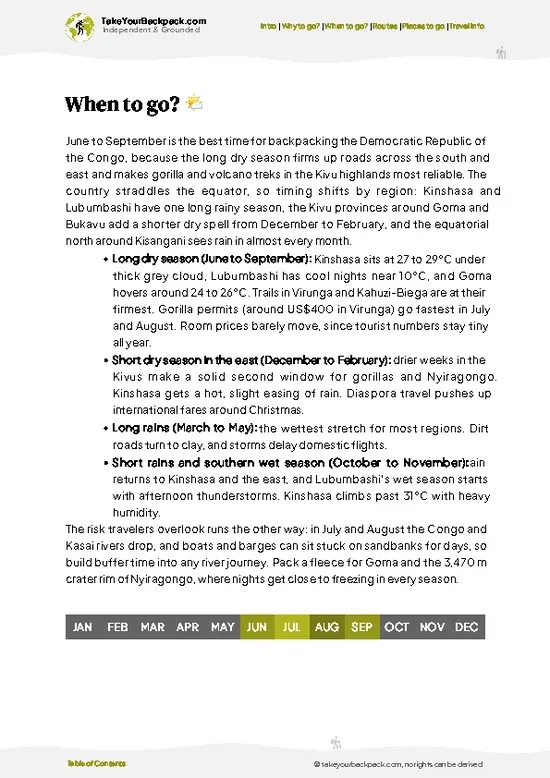
  • Topic: Weather – Bukavu’s climate swings between a wet season from September to May and a dry season from June to August. The dry months offer less mud and more reliable trails, crucial for backpackers who want to avoid slogging through rain-soaked paths.

  • Topic: Temperature – Expect mild temperatures year-round, averaging 18-24°C (64-75°F). The dry season tends to be slightly cooler and more comfortable for hiking and exploring without the sticky humidity.

  • Topic: Daylight Hours – Near the equator, Bukavu enjoys roughly 12 hours of daylight year-round. This consistency means you don’t have to juggle your schedule seasonally, but early starts still maximize your adventure time.

  • Topic: Crowds – Tourist traffic is generally low, but the dry season sees a modest uptick as regional travelers
read more 👉

  • Topic: Weather – Bukavu’s climate swings between a wet season from September to May and a dry season from June to August. The dry months offer less mud and more reliable trails, crucial for backpackers who want to avoid slogging through rain-soaked paths.

  • Topic: Temperature – Expect mild temperatures year-round, averaging 18-24°C (64-75°F). The dry season tends to be slightly cooler and more comfortable for hiking and exploring without the sticky humidity.

  • Topic: Daylight Hours – Near the equator, Bukavu enjoys roughly 12 hours of daylight year-round. This consistency means you don’t have to juggle your schedule seasonally, but early starts still maximize your adventure time.

  • Topic: Crowds – Tourist traffic is generally low, but the dry season sees a modest uptick as regional travelers take advantage of better conditions. You’ll find more fellow backpackers then, which can be a plus or minus depending on your vibe.

  • Topic: Seasonal Activities – Dry months are prime for trekking in nearby national parks and lake activities on Lake Kivu. Wet months limit outdoor options but can offer lush landscapes and fewer visitors.

  • Topic: Price Fluctuations – Accommodation and transport prices dip during the wet season due to lower demand, but you pay the price in comfort and accessibility. The dry season commands a premium but delivers smoother logistics.


Pro-tip: Aim for June to August to balance comfort, access, and activity options—your best bet for turning Bukavu’s raw beauty into a seamless backpacking win.


source: climatestotravel.comJANJanuary: fair for travelingFEBFebruary: fair for travelingMARMarch: fair for travelingAPRApril: fair for travelingMAYMay: fair for travelingJUNJune: excellent for travelingJULJuly: excellent for travelingAUGAugust: excellent for travelingSEPSeptember: fair for travelingOCTOctober: fair for travelingNOVNovember: fair for travelingDECDecember: fair for traveling
when-to-go

✈️ The backpacker research shortcutDR Congo Travel Guide

An offline-friendly backpacking guide with optimized travel routes, ranked highlights, transport advice, and the best areas to stay.
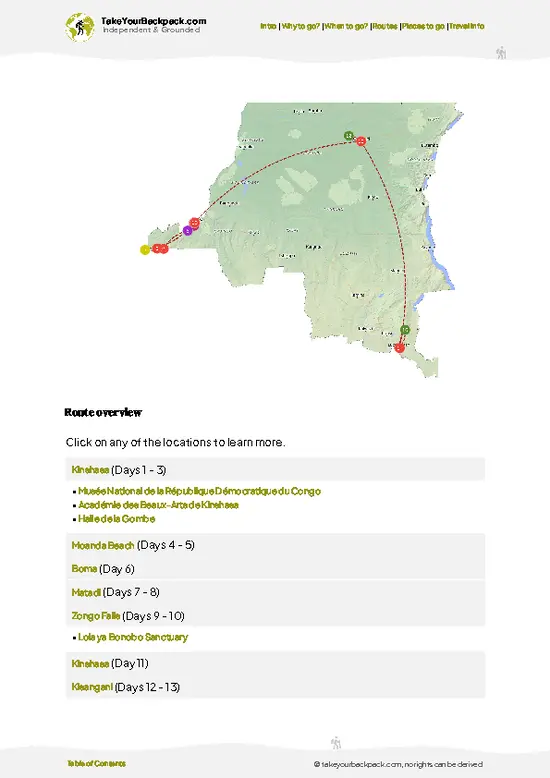
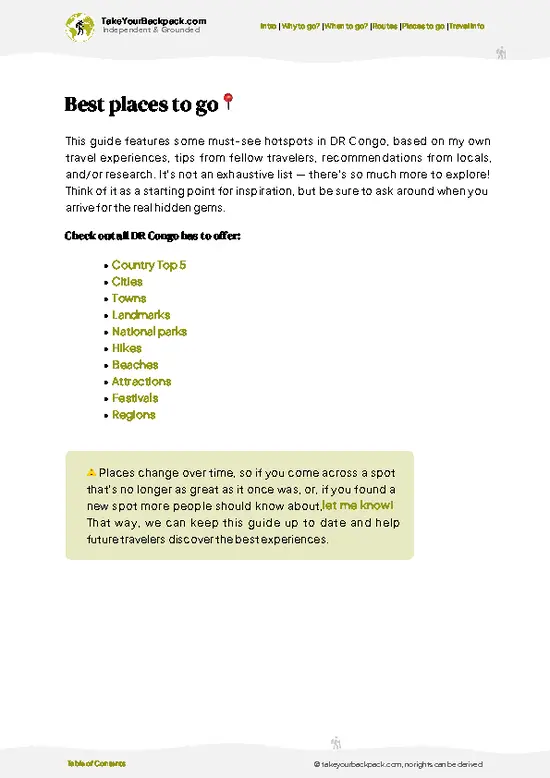
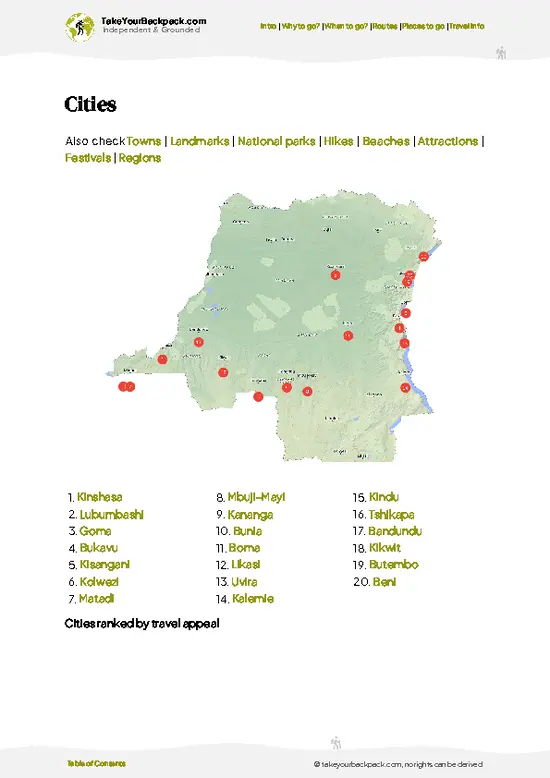
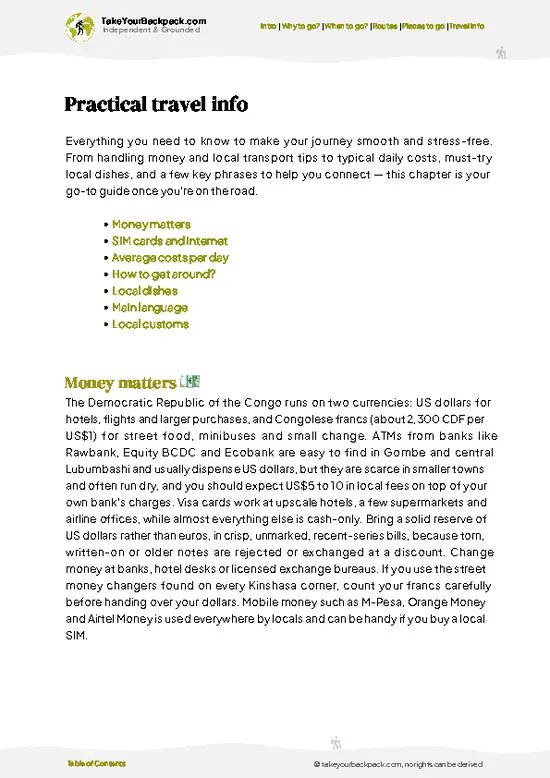
example page 0 from our offline Travel Guide for Democratic Republic of the Congoexample page 1 from our offline Travel Guide for Democratic Republic of the Congoexample page 2 from our offline Travel Guide for Democratic Republic of the Congoexample page 3 from our offline Travel Guide for Democratic Republic of the Congoexample page 4 from our offline Travel Guide for Democratic Republic of the Congoexample page 5 from our offline Travel Guide for Democratic Republic of the Congoexample page 6 from our offline Travel Guide for Democratic Republic of the Congoexample page 7 from our offline Travel Guide for Democratic Republic of the Congo
The digital guide (378 pages) contains:
96 highlights, ranked by travel appeal
Optimized 7, 14 & 21-day travel routes
Cities, national parks, landmarks, beaches
How to get around
Offline-friendly for travel without Wi-Fi
👉 Click to see all 30+ guide features

📅 Plan smarter in minutes, not weeks
Month by month travel advice
Festivals & national holidays
Budget expectations

🗺️ Go to the right places, skip the overrated ones
Honest pros & cons of destinations
Top hikes, parks & viewpoints
Lesser-known places most travelers miss
Clear “worth it vs skip it” guidance

🛏️ Travel smoothly without rookie mistakes
Best areas to stay
Transport systems explained simply
Common scams & safety advice
SIM cards, money & practical tips

🌍 Understand the country, not just visit it
Culture & traditions
52 Essential phrases & customs
Festivals worth planning around
Traveler-friendly historical context
Insights that make places more meaningful

📱 Built for real travel conditions
Fully downloadable PDF
Works completely offline
Optimized for phone use
Useful in remote areas & buses
Everything in one place
Save weeks of stressful planning
Get instant access to your full guide. 30‑day money-back guarantee.


By proceeding you agree to our terms.
Sent to your inbox immediately after payment • 100% Secure Checkout
Best Backpacking Travel Advisor 2025 tourism awardBest Backpacking
Travel Advisor
2025
What others say about Take Your Backpack Guides:
⭐⭐⭐⭐⭐
Fantastic, amazing amount of information!
⭐⭐⭐⭐⭐
My goodness this is amazing, it's what I've been looking for hats off too you!
⭐⭐⭐⭐⭐
I think this is absolutely BRILLIANT
⭐⭐⭐⭐
Very complete and informative. It's still missing places, but I gotta to commend you
⭐⭐⭐⭐⭐
This is truly amazing, thank you, can't wait to explore it with my kids!
⭐⭐⭐⭐⭐
Awesome resource, thank you!
⭐⭐⭐⭐⭐
This is amazing! Can't wait to explore the ones I haven't seen
⭐⭐⭐⭐
I love this! Well done, great idea.
⭐⭐⭐⭐⭐
Thanks for taking the time to make this gem!
⭐⭐⭐⭐⭐
This might be the best website I've ever seen.
⭐⭐⭐⭐⭐
Congratulations, and thank you so much for your work; it's incredibly valuable.
⭐⭐⭐⭐
In all seriousness I think you did a great job pointing out the important spots
⭐⭐⭐⭐⭐
10/10 very good
⭐⭐⭐⭐⭐
As someone who's only just starting to visit regularly this is awesome, thank you.
⭐⭐⭐⭐
Thank you very much! I'm going to visit my dad, it's going to be very useful!
⭐⭐⭐⭐⭐
This is really cool! We'll be travelling for the first time and this definitely come in handy.
⭐⭐⭐⭐⭐
You are now our minister of culture, congratulations 👨‍💼
⭐⭐⭐⭐⭐
Just wanted to tell you that this is a pearl! Going to follow your recommendations.
⭐⭐⭐⭐⭐
This is so cool. I'll definitely be using the resource for my travels soon.
⭐⭐⭐⭐⭐
This is very impressive! Good work.
⭐⭐⭐⭐⭐
This is an amazing and informative site. Very well done!

🛏️ Where to stay?Best areas to stay in DR Congo

Bukavu’s backpacker scene centers around a handful of neighborhoods where safety, social buzz, and budget options intersect. The most practical choice is the city center near Avenue de l’Indépendance. This area balances accessibility with a pulse of local life—markets, street food, and informal hangouts. It’s where you’ll find the few hostels that cater to solo travelers and budget backpackers, offering a chance to meet others without sacrificing basic comfort. The vibe here is gritty but lively, a real urban experience that’s far from sanitized tourist zones.

Heading slightly uphill, the Kadutu … read more 👉
Bukavu’s backpacker scene centers around a handful of neighborhoods where safety, social buzz, and budget options intersect. The most practical choice is the city center near Avenue de l’Indépendance. This area balances accessibility with a pulse of local life—markets, street food, and informal hangouts. It’s where you’ll find the few hostels that cater to solo travelers and budget backpackers, offering a chance to meet others without sacrificing basic comfort. The vibe here is gritty but lively, a real urban experience that’s far from sanitized tourist zones.

Heading slightly uphill, the Kadutu district offers a quieter, more residential feel. It’s less touristy but still safe enough during daylight hours, with guesthouses that lean toward the affordable end. This area trades some social energy for a more authentic slice of Bukavu life, which can be a win if you want to avoid the city center’s occasional chaos. Public transport links are decent, but expect to spend a bit more time getting around.

Avoid the outskirts and industrial zones—they’re less safe and lack the social infrastructure backpackers need. In Bukavu, your best bet is to stay where the city’s heartbeat is palpable, hostels are clustered, and you can walk out your door into a neighborhood that feels lived-in, not staged. This is where time, money, and comfort align best for the savvy backpacker.

🚌 Getting aroundTransportation options and practical tips

Bukavu moves like a pulse that’s part rhythm, part improvisation. It’s not a city where you’ll find neat timetables or predictable flows. Instead, the streets hum with a mix of informal hustle and bursts of organized chaos. People, vehicles, and vendors all negotiate space and time on the fly, making every trip a small puzzle of timing and patience. Understanding this flow means you’re not just a passenger—you’re a player in the city’s daily dance, choosing when to push for speed, when to save money, and when to accept a bit of discomfort as part of the experience.


  • Walking: The ultimate budget option and the best way to soak in Bukavu’s street life. It’s free, flexible, and often faster than waiting for transport in congested areas. But be ready for uneven sidewalks and the tropical heat—early
read more 👉
Bukavu moves like a pulse that’s part rhythm, part improvisation. It’s not a city where you’ll find neat timetables or predictable flows. Instead, the streets hum with a mix of informal hustle and bursts of organized chaos. People, vehicles, and vendors all negotiate space and time on the fly, making every trip a small puzzle of timing and patience. Understanding this flow means you’re not just a passenger—you’re a player in the city’s daily dance, choosing when to push for speed, when to save money, and when to accept a bit of discomfort as part of the experience.


  • Walking: The ultimate budget option and the best way to soak in Bukavu’s street life. It’s free, flexible, and often faster than waiting for transport in congested areas. But be ready for uneven sidewalks and the tropical heat—early mornings and late afternoons are your comfort sweet spots.


  • Bicycle Taxi (Pousse-Pousse): A local staple for short to medium distances. Expect to pay around $0.50 to $1 per ride. It’s slower than motorized options but offers a direct route through narrow streets where cars can’t go. Comfort is minimal—think open air and bumpy roads—but the price and access make it a smart choice for budget travelers who want to cover ground without breaking the bank.


  • Minibus Taxi (Taxi-Bus): The backbone of Bukavu’s public transit. These minibuses run from dawn until about 7 or 8 PM, with fares typically under $1. They’re packed, noisy, and often unpredictable in schedule, but they get you where you need to go faster than walking or pousse-pousse. Comfort is low, but the trade-off is speed and price. Knowing the main routes and peak times can save you from long waits.


  • Motorcycle Taxi (Moto-Taxi): The fastest way to navigate Bukavu’s traffic jams. Prices hover around $1 to $2 depending on distance. It’s a high-comfort option compared to pousse-pousse, but safety can be a concern, so pick riders with good reputations. Moto-taxis operate from early morning until late night, giving you flexibility if you’re willing to spend a bit more for speed and convenience.


  • Shared Car Hire: For those moments when you want a break from the chaos but still keep costs down, shared car hires offer a middle ground. They’re pricier—around $5 to $10 per trip—but provide more comfort and reliability. These are less common and usually arranged through local contacts or guesthouses, so plan ahead if you want this option.


Mastering Bukavu’s transit means balancing these options like a chess game: when to sprint with a moto-taxi, when to slow down and walk, and when to squeeze into a minibus. Each choice costs you time, money, or comfort—never all three at once. Your win is in knowing exactly what you’re trading off and why.

👛 Costs (as of 10 June 2026)Typical daily expenses

Backpacking in Bukavu, DR Congo, demands a clear-eyed view of where your money goes. Understanding the trade-offs between time, money, and comfort here lets you make smart choices that maximize your experience without surprises.
  • Dorm Accommodation (High Season): Expect to pay around €10-€15 per night. High season means demand spikes, so prices climb, but you get cleaner, more reliable facilities and sometimes included breakfast.
  • Dorm Accommodation (Off-Season): Prices drop to about €6-€10 per night. The trade-off is fewer amenities and less consistent quality, but you save money if you’re flexible and don’t mind basic conditions.
  • Meals: Street food and local eateries cost roughly €2-€5 per meal. You can eat well on a budget, but opting for restaurants with a bit more comfort or variety
read more 👉
Backpacking in Bukavu, DR Congo, demands a clear-eyed view of where your money goes. Understanding the trade-offs between time, money, and comfort here lets you make smart choices that maximize your experience without surprises.
  • Dorm Accommodation (High Season): Expect to pay around €10-€15 per night. High season means demand spikes, so prices climb, but you get cleaner, more reliable facilities and sometimes included breakfast.
  • Dorm Accommodation (Off-Season): Prices drop to about €6-€10 per night. The trade-off is fewer amenities and less consistent quality, but you save money if you’re flexible and don’t mind basic conditions.
  • Meals: Street food and local eateries cost roughly €2-€5 per meal. You can eat well on a budget, but opting for restaurants with a bit more comfort or variety pushes the price closer to €7-€10 per meal.
  • Local Transport: Short rides on moto-taxis or minibuses typically cost €0.30-€0.70. It’s cheap but expect crowded, bumpy rides that test your patience and balance.
  • City Transport Pass: Bukavu doesn’t have a formal city transport pass system. Budgeting for daily transport means adding up individual fares, which usually totals around €2-€3 per day if you move around a lot.
  • Basic Activities/Entry Fees: Entry to local attractions or parks is modest, generally €1-€5. Guided tours or special activities can push this higher, but most cultural sites stay budget-friendly.
  • Miscellaneous Expenses: This covers essentials like bottled water, SIM cards, and occasional tips. Plan for about €2-€4 daily, depending on your habits and needs.

In Bukavu, your daily budget for backpacking ranges roughly between €15 and €30. The lower end means embracing basic dorms, street food, and minimal transport, while the upper end buys a bit more comfort and flexibility. Knowing these trade-offs lets you control your experience, balancing comfort and cost without losing the essence of your adventure.


source: congotourisme.org
⚠️ Prices can change and everyone travels differently, so take this as a rough guide. Hope it helps you plan your adventure!

🚌 Day tripsExploring the surroundings

Using Bukavu as your base opens up a world of adventure in the DR Congo. The surrounding landscapes and cultures offer a rich tapestry of experiences, and day trips are a fantastic way to dive into the local essence without the hassle of overnight stays.

Kahuzi-Biega National Park
Just a short drive from Bukavu, Kahuzi-Biega is a must for wildlife enthusiasts. This UNESCO World Heritage site is home to the rare eastern lowland gorillas. Trekking through the lush rainforest is not just about the gorillas; it’s a sensory overload of vibrant flora and the sounds of nature. Expect to spend around $50 for a guided trek, and plan for a full day, including travel time of about 1.5 hours each way. The best months to visit are from June to September when the weather is drier. A common mistake? Underestimating … read more 👉
Using Bukavu as your base opens up a world of adventure in the DR Congo. The surrounding landscapes and cultures offer a rich tapestry of experiences, and day trips are a fantastic way to dive into the local essence without the hassle of overnight stays.

Kahuzi-Biega National Park
Just a short drive from Bukavu, Kahuzi-Biega is a must for wildlife enthusiasts. This UNESCO World Heritage site is home to the rare eastern lowland gorillas. Trekking through the lush rainforest is not just about the gorillas; it’s a sensory overload of vibrant flora and the sounds of nature. Expect to spend around $50 for a guided trek, and plan for a full day, including travel time of about 1.5 hours each way. The best months to visit are from June to September when the weather is drier. A common mistake? Underestimating the physical demands of the trek; be prepared for some serious hiking.
👉 Explore Kahuzi-Biega National Park

Lake Kivu
A day at Lake Kivu is a refreshing escape. Just an hour from Bukavu, you can swim, kayak, or simply lounge on the beach. The local towns, like Goma, offer a glimpse into daily life, with bustling markets and street food that’s hard to resist. Budget around $20 for transport and activities. The dry season from June to September is ideal for enjoying the lake. Many first-timers miss out on the local cuisine; don’t skip the grilled fish!


Nyungwe Forest National Park
Though technically in Rwanda, Nyungwe is a quick trip from Bukavu, taking about 2 hours. This park is famous for its canopy walk and diverse primate species. The experience of walking high above the forest floor is exhilarating. Expect to spend around $30 for entrance and transport. The best time to visit is during the dry months, but be ready for unpredictable weather. A common pitfall is not allowing enough time for the canopy walk; it’s worth every minute.


Bunyakiri
This small village is a hidden treasure about 1.5 hours from Bukavu. Known for its stunning landscapes and welcoming locals, Bunyakiri offers a chance to experience authentic village life. You can hike to nearby waterfalls or simply enjoy the serene environment. Budget around $15 for transport and a meal. The dry season is best for hiking. Many travelers overlook this gem, so take the time to engage with the community; it’s rewarding.


Mikeno Lodge
For a unique twist, consider a day at Mikeno Lodge, located near Virunga National Park. It’s about a 2-hour drive, but the views are breathtaking. Enjoy a meal with a view of the mountains and plan for a guided tour of the park. Costs can run around $40 for transport and lunch. The dry season is ideal. First-timers often miss the chance to book a tour in advance, which can fill up quickly.
Want to know what more DR Congo offers?
The DR Congo Travel Guide describes 96 highlights, from cities to national parks, from beaches to hikes

Get the Travel Guide -

🍲 FoodWhat to Eat & Drink

In Bukavu, the food scene is a vibrant tapestry of flavors that tells the story of the region. You can’t miss trying fufu, a starchy staple made from cassava or plantains, often served alongside rich sauces like moambe—a savory chicken stew cooked in palm oil. The smoky aroma wafting from street vendors grilling fish caught fresh from Lake Kivu is irresistible. Pair it with a side of akara, deep-fried bean cakes that are crispy on the outside and fluffy inside.

For drinks, the local beer is a must-try. Primus and Turbo King are popular choices, often enjoyed in lively bars where laughter and chatter fill the air. You might also encounter malwa, a traditional sorghum beer, which offers a unique taste of local brewing traditions.

Eating in Bukavu is as much about the experience as the food. … read more 👉
In Bukavu, the food scene is a vibrant tapestry of flavors that tells the story of the region. You can’t miss trying fufu, a starchy staple made from cassava or plantains, often served alongside rich sauces like moambe—a savory chicken stew cooked in palm oil. The smoky aroma wafting from street vendors grilling fish caught fresh from Lake Kivu is irresistible. Pair it with a side of akara, deep-fried bean cakes that are crispy on the outside and fluffy inside.

For drinks, the local beer is a must-try. Primus and Turbo King are popular choices, often enjoyed in lively bars where laughter and chatter fill the air. You might also encounter malwa, a traditional sorghum beer, which offers a unique taste of local brewing traditions.

Eating in Bukavu is as much about the experience as the food. Street food stalls buzz with energy, and sharing a meal is a common practice. Don’t be surprised if you’re invited to join a table; it’s a sign of hospitality. Just remember to greet your hosts with a smile and a friendly “bonjour.” This warmth is part of what makes dining here so special.

🛡️ SafetyTraveler Safety Guide

Bukavu, in the DR Congo, is generally safe for travelers, but a few situational awareness tips can enhance your experience. Stick to well-trodden areas, especially around the lakeside and the bustling markets. These spots are vibrant but can attract petty theft, so keep your belongings close.

If you’re solo, be mindful at night. While Bukavu has a friendly vibe, it’s wise to avoid poorly lit streets after dark. Opt for a reputable taxi service rather than walking alone.

Scams are rare, but some locals might try to overcharge for services or goods. Always negotiate prices upfront, especially in markets. A friendly demeanor goes a long way; locals appreciate respect and warmth.

Stay alert, trust your instincts, and you’ll navigate Bukavu with ease. Embrace the local culture, and you’ll … read more 👉
Bukavu, in the DR Congo, is generally safe for travelers, but a few situational awareness tips can enhance your experience. Stick to well-trodden areas, especially around the lakeside and the bustling markets. These spots are vibrant but can attract petty theft, so keep your belongings close.

If you’re solo, be mindful at night. While Bukavu has a friendly vibe, it’s wise to avoid poorly lit streets after dark. Opt for a reputable taxi service rather than walking alone.

Scams are rare, but some locals might try to overcharge for services or goods. Always negotiate prices upfront, especially in markets. A friendly demeanor goes a long way; locals appreciate respect and warmth.

Stay alert, trust your instincts, and you’ll navigate Bukavu with ease. Embrace the local culture, and you’ll find that the rewards far outweigh any minor annoyances.

Other Congolese cities near Bukavu

Explore more nearby:

  • Uvira—Lake Tanganyika shore, border crossing, palm-lined avenues| 101 km away
  • Goma—Volcano proximity, lava fields, humanitarian base| 104 km away
  • Rutshuru—volcanic foothills, agricultural villages, park access| 162 km away

💡 Not sure where to go next?
Create a personalized itinerary for DR Congo including Bukavu and the places that fit your trip.

Generate my itinerary

👉 Discover all cities

Or checkout all DR Congo has to offer (think cities, towns, villages, national parks, hikes, beaches, festivals)
Country photo of DR Congo

We 💚 feedbackFinal thoughts on visiting Bukavu

Bukavu is a place where the pulse of life beats strong, and the warmth of the people is palpable. You’ll find the unexpected in the local markets, where vibrant colors and rich aromas collide. The surprise? The stunning views of Lake Kivu at sunset—absolutely worth the trek. Just a heads-up: transportation can be a bit chaotic, so plan ahead. Embrace the unpredictability; it’s part of the adventure. You’ll leave with stories that linger long after you’ve returned home.

✍️ Help improve this page!
The information on this page is based on in-depth research, insights shared by experienced travelers, and feedback from the local travel community in DR Congo. While every effort is made to keep the information accurate and current, conditions can change — so if you spot anything incorrect or outdated, please get in touch.


🙋‍♂️ Give feedback

👋 Meet the founderWho’s Behind Take Your Backpack?

Johan, backpacker and founder of TakeYourBackpackHi, I’m Johan (Netherlands 🇳🇱), the creator of TakeYourBackpack. Over the past decade, I’ve backpacked through 80+ countries across six continents, gaining extensive experience with independent travel, long-term trips, and overland routes.

This site is built on a combination of firsthand travel experience and carefully curated insights from other backpackers. Many guides are based on places I’ve personally visited, while others bring together tips, observations, and practical advice shared by trusted travelers I’ve met along the way.

The goal is to provide realistic, experience-driven guidance — not generic itineraries — so you can explore destinations with better context, clearer expectations, and more confidence.

Get full DR Congo guide •
Instant download • 96 highlights • Full Offline guide