×

DR Congo🇨🇩 | citiesGbadolitePresidential palaces, remote location, tropical gardens | things to do and best time to go

Explore KasongoExplore Bumba

Backpacking in Gbadolite
👀 For curious travelerscity ranked #38
By Johan Kruseman 🇳🇱 | Updated September 3, 2026

Picture this: you’re in Kinshasa, weighing whether to burn a week’s budget and a full day’s stamina on the rough, expensive journey north to Gbadolite—a city that was once Mobutu’s Versailles, now a surreal mix of decaying palaces, empty boulevards, and jungle reclaiming grandeur. Gbadolite sits near the northern border with the Central African Republic, deep in DR Congo’s remote Equateur province. For backpackers, it’s a wild card: the ruins are jaw-dropping, but travel is slow, pricey, and you’ll rarely meet other foreigners. Security is unpredictable, costs spike due to isolation, and comfort is a distant memory compared to more accessible cities like Kisangani or Goma. The vibe? Haunting, fascinating, and undeniably challenging—this is the DR Congo off-script.

Discover everything you want to know in the 📖 DR Congo Travel Guide.
Safety warning

The current risk level for DR Congo is high. Check the advice before going.


Get your DR Congo guide
95 ranked highlights, routes & tips, works offline (372 pages)
Loading the map 🌍
CLICK TO FILTER
cities
towns
landmarks
national parks
hikes
beaches
attractions
festivals
regions
SHOW COUNTRY’S BESTSHOW ALL

✨ Why go?
Ranked #38 city in DR Congo
What makes it a must-see city

Gbadolite is a unique stop for backpackers in DR Congo, offering a blend of affordability and local culture. It’s not just a waypoint; it’s a basecamp for day trips into the surrounding wilderness. The hostels here are budget-friendly, providing a cozy atmosphere to recharge. You’ll find street food that’s both delicious and cheap, perfect for fueling your adventures. The city is walkable, making it easy to explore local markets and soak in the vibe. While nightlife isn’t wild, there are spots to unwind and connect with fellow travelers. If you’re on a broader route through DR Congo, Gbadolite is worth a stop, balancing comfort and value without breaking the bank.
Want to include Gbadolite in your DR Congo route?
Create a personalized DR Congo itinerary that includes Gbadolite and the places that fit your trip — based on your travel style, budget, and available time. Get your route in seconds.

Generate my trip

💡 HighlightsTop highlights of Gbadolite

  1. Mobutu’s palaces (the presidential palaces) — The reason most people even know Gbadolite: the outsize palaces built for Mobutu in the 1970s. They’re part-ruin, part-time capsule — marble halls, faded frescoes, enormous guest rooms and sprawling grounds that tell the story of excess and collapse. You can walk around the compounds and feel the scale of what was once meant to be a jungle Versailles.
  2. Gbadolite Airport complex — An overbuilt international airport in the middle of nowhere, with a long runway and an old terminal meant for jumbo jets and state visits. The terminal and hangar area (and the stories of parked presidential aircraft) are fascinating to see: a concrete reminder of how geopolitics and personality reshaped a small town.
  3. Ubangi River waterfront and port — The river is
read more 👉
  1. Mobutu’s palaces (the presidential palaces) — The reason most people even know Gbadolite: the outsize palaces built for Mobutu in the 1970s. They’re part-ruin, part-time capsule — marble halls, faded frescoes, enormous guest rooms and sprawling grounds that tell the story of excess and collapse. You can walk around the compounds and feel the scale of what was once meant to be a jungle Versailles.
  2. Gbadolite Airport complex — An overbuilt international airport in the middle of nowhere, with a long runway and an old terminal meant for jumbo jets and state visits. The terminal and hangar area (and the stories of parked presidential aircraft) are fascinating to see: a concrete reminder of how geopolitics and personality reshaped a small town.
  3. Ubangi River waterfront and port — The river is the city’s lifeline. The port area is lively: pirogues, fish vendors, loading activity, and easy boat trips up and down the Ubangi. It’s the best place for people-watching, short river crossings, and getting a real feel for local commerce and daily life.
  4. Marché central (the central market) — Loud, colorful, and relentlessly busy. Fresh fish, dried fish, local produce, cloth, and small crafts are on sale; bargaining here is a cultural lesson. The market is where you meet ordinary Gbadeolais and see how the town functions beyond the Mobutu nostalgia.
  5. Former presidential menagerie / animal enclosures — Mobutu kept exotic animals nearby; the enclosures are now overgrown but visitable and tell an odd, evocative chapter of the city’s history. You won’t find a polished zoo, but the site and stories make for a memorable stop with a local guide.
  6. Gbadolite cathedral (the diocesan cathedral) — The city’s cathedral remains a community anchor. Attend a service if you can; beyond architecture, the cathedral offers insight into local religious life and social networks that have kept the town together during decades of upheaval.
  7. Mobutu-era staff quarters and modernist neighborhoods — Walk the residential belts of the former presidential city: Soviet- and European-built apartment blocks, staff villas, and wide boulevards that still reflect 1970s planning. They’re atmospheric, photogenic (ask permission), and reveal how an elite city was planned around one ruler.
  8. Riverside boat-building and repair workshops — Small hand-built pirogues and working boats are assembled and repaired along the banks. Watching (and talking to) the craftsmen gives a direct connection to local skills, river economy, and practical engineering with minimal tools.
  9. Local craft stalls and woodcarving workshops — Scattered around the market and waterfront, you’ll find carvers, leatherworkers, and textile sellers making goods for everyday use and trade. These workshops are low-key, authentic and a good place to pick up a handmade souvenir while supporting local artisans.
  10. Community cultural spots and informal performance spaces — Look for open-air gatherings, football matches at the local stadium, or small performance nights in town squares. These grassroots cultural moments (not formal museums) are where you see the city’s youth culture, music, and social life in full voice.


A few real, visitable highlights just outside Gbadolite worth day-tripping to are the river villages and islands on the Ubangi (short boat rides), the markets and riverfront of Bangui across the border (if you have travel paperwork), and nearby rural communities where you can see fishing camps and traditional river-life up close.
Spotted a mistake or missing something? Contact us.
🏘️ NeighborhoodsNeighborhood guide to Gbadolite

Gbadolite, a lesser-known spot in DR Congo, offers a unique blend of local culture and accessibility for backpackers. Here’s how the neighborhoods stack up:

Centre Ville: This is the heart of Gbadolite. It buzzes with local markets and street vendors. Costs are moderate, and you can easily walk to most attractions. Nightlife is minimal, making it suitable for short stays focused on exploration.

Quartier Kimpwanza: A quieter area, perfect for those seeking a more laid-back vibe. Accommodations here are budget-friendly, and it’s a short taxi ride to the city center. Ideal for longer stays if you want to immerse yourself in local life.

Quartier Banga: Known for its vibrant community feel, this neighborhood has a mix of nightlife options and local eateries. Prices vary, but you can find affordable … read more 👉
Gbadolite, a lesser-known spot in DR Congo, offers a unique blend of local culture and accessibility for backpackers. Here’s how the neighborhoods stack up:

Centre Ville: This is the heart of Gbadolite. It buzzes with local markets and street vendors. Costs are moderate, and you can easily walk to most attractions. Nightlife is minimal, making it suitable for short stays focused on exploration.

Quartier Kimpwanza: A quieter area, perfect for those seeking a more laid-back vibe. Accommodations here are budget-friendly, and it’s a short taxi ride to the city center. Ideal for longer stays if you want to immerse yourself in local life.

Quartier Banga: Known for its vibrant community feel, this neighborhood has a mix of nightlife options and local eateries. Prices vary, but you can find affordable spots. It’s walkable, but be prepared for some uneven paths. Great for those who want a balance of activity and relaxation.

Quartier Mbandaka: This area is more residential and less touristy. It’s a bit further from the main attractions, so transport is necessary. Costs are lower, making it a good choice for budget travelers looking for a longer stay.

⌛️ 1 dayA smart one-day plan

Gbadolite, in the heart of DR Congo, is a city steeped in history and culture, often overshadowed by its more famous neighbors. It’s a place where the echoes of Mobutu Sese Seko’s era linger, and the vibrant local life pulses through its streets.

Start your morning at the bustling market in the central neighborhood of Mbandaka. Here, you can sip on fresh palm wine while browsing colorful stalls filled with local produce and crafts. Engage with the vendors; their stories add depth to your experience. Afterward, take a short walk to the Mobutu Sese Seko Museum. This site, often overlooked, offers a glimpse into the city’s past and the man who shaped it.

In the afternoon, head to the serene banks of the Uele River. Bring a picnic and enjoy the tranquil views. This spot is perfect for reflection … read more 👉
Gbadolite, in the heart of DR Congo, is a city steeped in history and culture, often overshadowed by its more famous neighbors. It’s a place where the echoes of Mobutu Sese Seko’s era linger, and the vibrant local life pulses through its streets.

Start your morning at the bustling market in the central neighborhood of Mbandaka. Here, you can sip on fresh palm wine while browsing colorful stalls filled with local produce and crafts. Engage with the vendors; their stories add depth to your experience. Afterward, take a short walk to the Mobutu Sese Seko Museum. This site, often overlooked, offers a glimpse into the city’s past and the man who shaped it.

In the afternoon, head to the serene banks of the Uele River. Bring a picnic and enjoy the tranquil views. This spot is perfect for reflection and a break from the city’s hustle. If you’re feeling adventurous, consider a guided canoe trip to explore the river’s beauty and spot local wildlife.

As evening falls, return to Mbandaka for dinner at a local eatery. Try the grilled fish, a staple here, paired with cassava. The atmosphere is lively, and you’ll likely find yourself sharing laughs with locals. This day in Gbadolite isn’t just about sights; it’s about connecting with the heart of the city.
Turn your Gbadolite visit into an DR Congo adventure
Build a complete DR Congo route with Gbadolite, hidden gems, must-see destinations, and realistic travel times included.

Generate my trip

🌤️ When to go?Seasonal considerations and timing


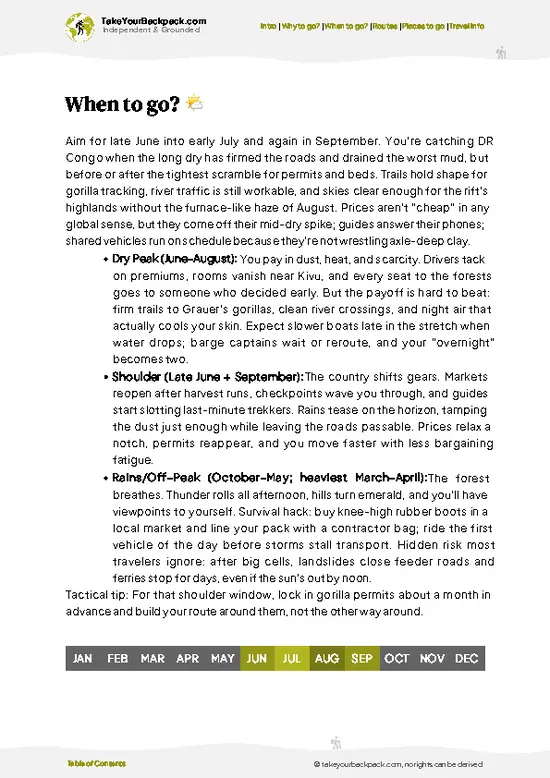
  • Topic: Weather – Gbadolite’s dry season, from June to September, offers the most reliable weather for backpacking. Rainfall drops sharply, reducing mud and travel delays common in the wet season.

  • Topic: Temperature – Expect highs around 28-30°C (82-86°F) during dry months, with cooler nights near 18°C (64°F). The wet season heats up slightly but feels muggy and oppressive.

  • Topic: Daylight Hours – Daylight remains steady year-round, roughly 12 hours daily, so timing won’t affect your hiking or exploration window much.

  • Topic: Crowds – Tourist traffic is minimal year-round, but dry months see a slight uptick as regional travelers avoid rain, meaning more social opportunities without overcrowding.

  • Topic: Seasonal Activities – Dry season enables easier access to nature reserves and local
read more 👉

  • Topic: Weather – Gbadolite’s dry season, from June to September, offers the most reliable weather for backpacking. Rainfall drops sharply, reducing mud and travel delays common in the wet season.

  • Topic: Temperature – Expect highs around 28-30°C (82-86°F) during dry months, with cooler nights near 18°C (64°F). The wet season heats up slightly but feels muggy and oppressive.

  • Topic: Daylight Hours – Daylight remains steady year-round, roughly 12 hours daily, so timing won’t affect your hiking or exploration window much.

  • Topic: Crowds – Tourist traffic is minimal year-round, but dry months see a slight uptick as regional travelers avoid rain, meaning more social opportunities without overcrowding.

  • Topic: Seasonal Activities – Dry season enables easier access to nature reserves and local markets, while the wet season limits outdoor excursions but offers lush landscapes for photography.

  • Topic: Price Fluctuations – Accommodation and transport costs dip during the wet season due to low demand, but you pay in comfort and accessibility. Dry season prices rise but reward you with smoother logistics.


Pro-tip: Prioritize the dry season for a smart balance of comfort and access, but if you’re a budget-savvy adventurer willing to embrace the mud, the wet season offers a quieter, greener Gbadolite.


source: climatestotravel.comJANJanuary: fair for travelingFEBFebruary: fair for travelingMARMarch: fair for travelingAPRApril: fair for travelingMAYMay: good for travelingJUNJune: excellent for travelingJULJuly: excellent for travelingAUGAugust: excellent for travelingSEPSeptember: excellent for travelingOCTOctober: good for travelingNOVNovember: fair for travelingDECDecember: fair for traveling
when-to-go

✈️ The backpacker research shortcutDR Congo Travel Guide

An offline-friendly backpacking guide with optimized travel routes, ranked highlights, transport advice, and the best areas to stay.
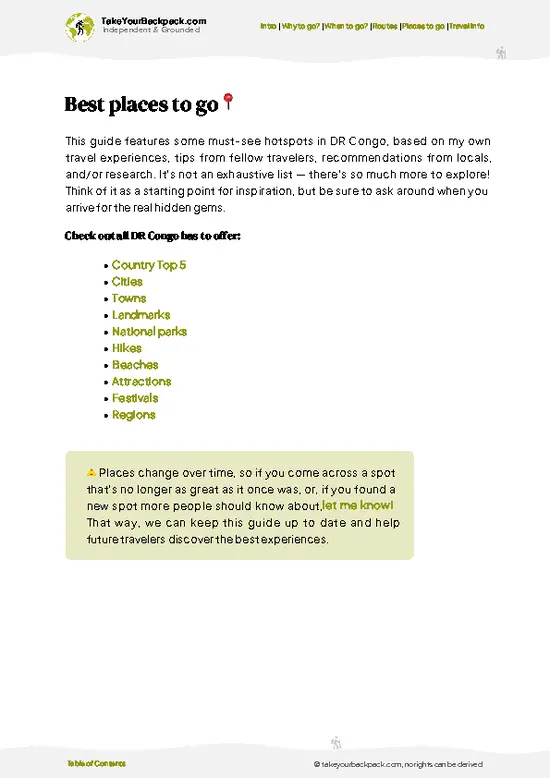
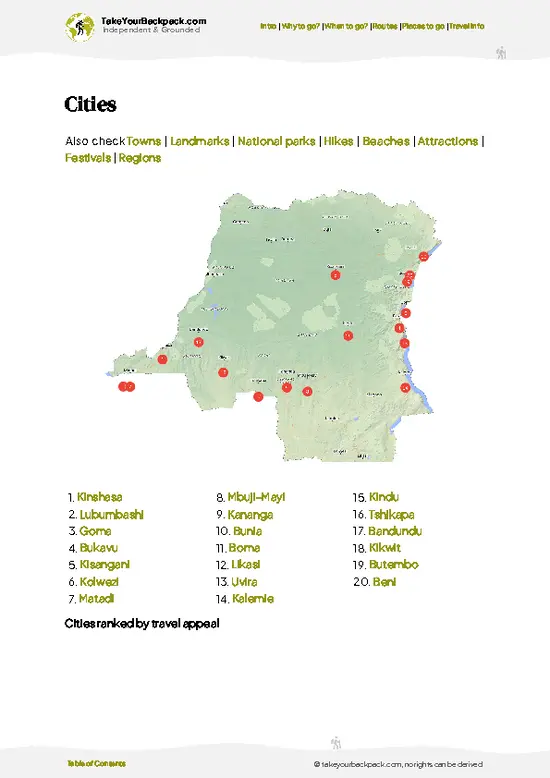
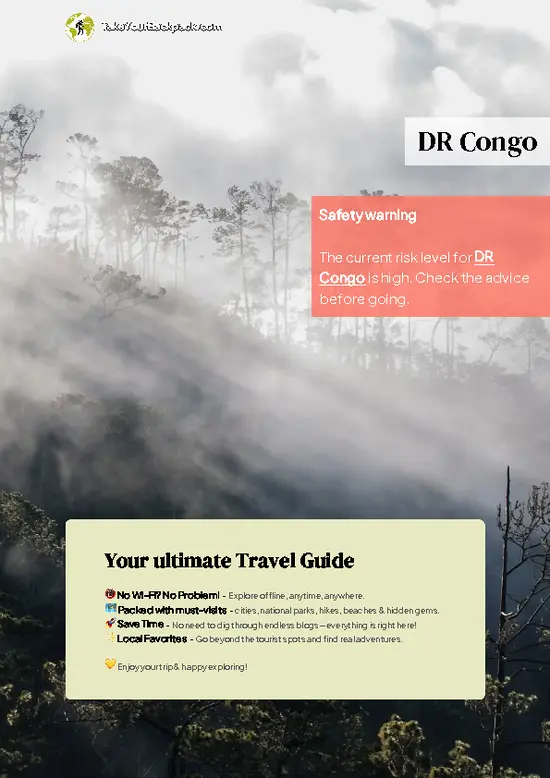
example page 0 from our offline Travel Guide for Democratic Republic of the Congo
example page 1 from our offline Travel Guide for Democratic Republic of the Congo
example page 2 from our offline Travel Guide for Democratic Republic of the Congo
example page 3 from our offline Travel Guide for Democratic Republic of the Congo
example page 4 from our offline Travel Guide for Democratic Republic of the Congo
example page 5 from our offline Travel Guide for Democratic Republic of the Congo
example page 6 from our offline Travel Guide for Democratic Republic of the Congo
example page 7 from our offline Travel Guide for Democratic Republic of the Congo
The digital guide (372 pages) contains:
95 highlights, ranked by travel appeal
Optimized 7, 14 & 21-day travel routes
Cities, national parks, landmarks, beaches
How to get around
Offline-friendly for travel without Wi-Fi
👉 Click to see all 30+ guide features

📅 Plan smarter in minutes, not weeks
Month by month travel advice
Festivals & national holidays
Budget expectations

🗺️ Go to the right places, skip the overrated ones
Honest pros & cons of destinations
Top hikes, parks & viewpoints
Lesser-known places most travelers miss
Clear “worth it vs skip it” guidance

🛏️ Travel smoothly without rookie mistakes
Best areas to stay
Transport systems explained simply
Common scams & safety advice
SIM cards, money & practical tips

🌍 Understand the country, not just visit it
Culture & traditions
52 Essential phrases & customs
Festivals worth planning around
Traveler-friendly historical context
Insights that make places more meaningful

📱 Built for real travel conditions
Fully downloadable PDF
Works completely offline
Optimized for phone use
Useful in remote areas & buses
Everything in one place
Save weeks of stressful planning
Get instant access to your full guide. 30‑day money-back guarantee.
+ Add another guide for just US$7.80

By proceeding you agree to our terms.
Sent to your inbox immediately after payment • 100% Secure Checkout
Best Backpacking Travel Advisor 2025 tourism awardBest Backpacking
Travel Advisor
2025
What others say about Take Your Backpack Guides:
⭐⭐⭐⭐⭐
Fantastic, amazing amount of information!
⭐⭐⭐⭐⭐
My goodness this is amazing, it's what I've been looking for hats off too you!
⭐⭐⭐⭐⭐
I think this is absolutely BRILLIANT
⭐⭐⭐⭐
Very complete and informative. It's still missing places, but I gotta to commend you
⭐⭐⭐⭐⭐
This is truly amazing, thank you, can't wait to explore it with my kids!
⭐⭐⭐⭐⭐
Awesome resource, thank you!
⭐⭐⭐⭐⭐
This is amazing! Can't wait to explore the ones I haven't seen
⭐⭐⭐⭐
I love this! Well done, great idea.
⭐⭐⭐⭐⭐
Thanks for taking the time to make this gem!
⭐⭐⭐⭐⭐
This might be the best website I've ever seen.
⭐⭐⭐⭐⭐
Congratulations, and thank you so much for your work; it's incredibly valuable.
⭐⭐⭐⭐
In all seriousness I think you did a great job pointing out the important spots
⭐⭐⭐⭐⭐
10/10 very good
⭐⭐⭐⭐⭐
As someone who's only just starting to visit regularly this is awesome, thank you.
⭐⭐⭐⭐
Thank you very much! I'm going to visit my dad, it's going to be very useful!
⭐⭐⭐⭐⭐
This is really cool! We'll be travelling for the first time and this definitely come in handy.
⭐⭐⭐⭐⭐
You are now our minister of culture, congratulations 👨‍💼
⭐⭐⭐⭐⭐
Just wanted to tell you that this is a pearl! Going to follow your recommendations.
⭐⭐⭐⭐⭐
This is so cool. I'll definitely be using the resource for my travels soon.
⭐⭐⭐⭐⭐
This is very impressive! Good work.
⭐⭐⭐⭐⭐
This is an amazing and informative site. Very well done!

🛏️ Where to stay?Best areas and accommodation options

In Gbadolite, the best spot for backpackers is the city center, where safety and social energy intersect. This area draws budget travelers and solo adventurers because it offers a handful of hostels and guesthouses, making it easier to meet others without breaking the bank. Compared to the outskirts, which can feel isolated and less secure, the center hums with local markets and street life, giving you a real taste of DR Congo’s pulse. The vibe here is practical but lively—no frills, just genuine connections and easy access to transport. If you want to balance comfort with cost and social opportunities, this is where you play the game smart.

🚌 Getting aroundHow to get around Gbadolite

Gbadolite moves at its own rhythm—less a clockwork city and more a pulse you feel in the streets. Here, schedules are suggestions, not mandates. The flow is a mix of spontaneous deals, sudden departures, and the occasional long wait. If you want to win at transit in Gbadolite, you need to read the room, not just the timetable. Your choices boil down to juggling time, money, and comfort, each pulling you in different directions. Mastering this trade-off map means knowing exactly what you’re giving up when you pick one option over another.


  • Walking: The ultimate budget option. Zero cost, full control over your pace, and a chance to soak in the city’s texture. It’s slow but reliable, perfect for short hops or when you want to avoid the unpredictability of vehicles.

  • Shared Minibus (Taxi-Brousse):
read more 👉
Gbadolite moves at its own rhythm—less a clockwork city and more a pulse you feel in the streets. Here, schedules are suggestions, not mandates. The flow is a mix of spontaneous deals, sudden departures, and the occasional long wait. If you want to win at transit in Gbadolite, you need to read the room, not just the timetable. Your choices boil down to juggling time, money, and comfort, each pulling you in different directions. Mastering this trade-off map means knowing exactly what you’re giving up when you pick one option over another.


  • Walking: The ultimate budget option. Zero cost, full control over your pace, and a chance to soak in the city’s texture. It’s slow but reliable, perfect for short hops or when you want to avoid the unpredictability of vehicles.

  • Shared Minibus (Taxi-Brousse): Runs roughly from 6 AM to 6 PM, fares around $1–$2 for short trips. It’s cheap and relatively fast but expect cramped conditions and frequent stops. Comfort is minimal, but it’s the backbone of local transit.

  • Motorcycle Taxi (Boda-Boda): Available almost anytime, fares vary but usually $0.50–$1 per ride. Fast and nimble through traffic, but less safe and exposed to the elements. Great for urgent trips or when time is tight.

  • Private Taxi: More expensive, typically $5–$10 per ride, but offers door-to-door service and better comfort. Availability depends on negotiation and time of day. Best when you need reliability and can afford the premium.

👛 Costs (as of 3 September 2026)Money, prices, and spending tips

Backpacking in Gbadolite, DR Congo, demands a clear-eyed view of what your money buys in this off-the-beaten-path city. Here’s the breakdown to help you strategize your spending:
  • Dorm Accommodation (High Season): Expect to pay around €15-€25 per night. Options are limited and tend to fill quickly during peak travel months, so prices spike accordingly.
  • Dorm Accommodation (Off-Season): Prices drop to about €10-€15 per night. Fewer travelers mean better deals, but also fewer amenities and less choice.
  • Meals: Local eateries serve up hearty meals for roughly €3-€6 each. Street food can be cheaper, around €1.50-€3, but stick to well-cooked options to avoid health issues.
  • Local Transport: Minibuses and shared taxis cost about €0.50-€1 per ride within the city. They’re slow and crowded but unbeatable
read more 👉
Backpacking in Gbadolite, DR Congo, demands a clear-eyed view of what your money buys in this off-the-beaten-path city. Here’s the breakdown to help you strategize your spending:
  • Dorm Accommodation (High Season): Expect to pay around €15-€25 per night. Options are limited and tend to fill quickly during peak travel months, so prices spike accordingly.
  • Dorm Accommodation (Off-Season): Prices drop to about €10-€15 per night. Fewer travelers mean better deals, but also fewer amenities and less choice.
  • Meals: Local eateries serve up hearty meals for roughly €3-€6 each. Street food can be cheaper, around €1.50-€3, but stick to well-cooked options to avoid health issues.
  • Local Transport: Minibuses and shared taxis cost about €0.50-€1 per ride within the city. They’re slow and crowded but unbeatable for budget travel.
  • City Transport Pass: Gbadolite doesn’t have a formal city transport pass system. Budget for individual rides or occasional private taxis, which run €3-€5 for short distances.
  • Basic Activities/Entry Fees: Cultural sites and small museums charge between €2-€5. Organized tours are rare and more expensive, often starting at €20.
  • Miscellaneous Expenses: Include about €2-€5 daily for essentials like bottled water, snacks, and minor supplies. Internet access is patchy and can cost €1-€3 per hour at local cafes.

In total, a backpacker in Gbadolite can expect to spend roughly €20-€40 per day, depending on season and comfort choices. This range reflects a balance between stretching your budget and securing basic comfort in a city where infrastructure and services are still developing. Understanding these trade-offs lets you plan smart and keep your trip both affordable and manageable.


source: congotourisme.org
⚠️ Prices can change and everyone travels differently, so take this as a rough guide. Hope it helps you plan your adventure!

🚌 Day tripsExploring the surroundings

Gbadolite is a surprisingly strategic base for day trips that reveal the heart of DR Congo. Here are some standout options that pack a punch without draining your wallet.

Mbandaka Adventure
A trip to Mbandaka is a must. Just a 3-hour ride by bus, this bustling city on the Congo River offers a taste of local life. Explore the vibrant markets, where you can snag fresh produce and handmade crafts. The riverfront is perfect for people-watching and soaking in the atmosphere. Expect to spend around $10 on transport and snacks. Just remember, the bus can fill up quickly, so arrive early to secure a seat.
👉 Explore Mbandaka

Bikoro Lake Escape
Head to Bikoro Lake for a serene getaway. It’s about a 2-hour journey from Gbadolite. The lake is a peaceful spot for picnics and swimming, surrounded … read more 👉
Gbadolite is a surprisingly strategic base for day trips that reveal the heart of DR Congo. Here are some standout options that pack a punch without draining your wallet.

Mbandaka Adventure
A trip to Mbandaka is a must. Just a 3-hour ride by bus, this bustling city on the Congo River offers a taste of local life. Explore the vibrant markets, where you can snag fresh produce and handmade crafts. The riverfront is perfect for people-watching and soaking in the atmosphere. Expect to spend around $10 on transport and snacks. Just remember, the bus can fill up quickly, so arrive early to secure a seat.
👉 Explore Mbandaka

Bikoro Lake Escape
Head to Bikoro Lake for a serene getaway. It’s about a 2-hour journey from Gbadolite. The lake is a peaceful spot for picnics and swimming, surrounded by lush greenery. Bring your own food to keep costs low—around $5 for transport and snacks. The best time to visit is during the dry season, when the weather is perfect for lounging by the water. A common mistake is underestimating the sun; pack sunscreen!


Yoko Falls Expedition
For a bit of adventure, Yoko Falls is a hidden treasure. Roughly 4 hours from Gbadolite, the journey is worth it for the stunning views. The falls cascade into a natural pool, ideal for a refreshing dip. Budget about $15 for transport and snacks. The rainy season can make the trails slippery, so go during the dry months for a safer trek. Many first-timers miss the best viewpoints; don’t rush!
Want to know what more DR Congo offers?
The DR Congo Travel Guide describes 95 highlights, from cities to national parks, from beaches to hikes

Get the Travel Guide -

🍲 FoodLocal Flavors for Backpackers

In Gbadolite, the local cuisine is a vibrant tapestry of flavors. Dive into fufu, a starchy staple made from cassava or plantains, often served with rich, spicy sauces. Don’t miss moambe, a chicken dish cooked in palm oil and groundnuts, bursting with flavor.

Street food is where the magic happens. Vendors line the streets, grilling skewers of brochettes and serving up akara, crispy bean cakes that are perfect for a quick snack. Markets are alive with the scent of fresh produce and sizzling meats, inviting you to sample local delights.

When it comes to drinks, try malta, a non-alcoholic malt beverage that pairs well with meals. Social customs often involve sharing food and drinks, so don’t hesitate to join in. Embrace the communal spirit; it’s all part of the experience.

🛡️ SafetySafety Tips and Common Scams in Gbadolite

Gbadolite is generally safe for travelers, but a few situational awareness tips can enhance your experience. Stick to well-lit areas at night, especially if you’re solo. The local vibe is friendly, but keep an eye on your belongings in crowded spots.

Common scams are rare, yet be cautious of overly eager guides offering unsolicited help; they might expect payment. Carry yourself confidently, and if someone approaches you, politely decline if you’re not interested. Trust your instincts—if something feels off, it probably is. Engaging with locals can be rewarding, just stay alert and enjoy the journey!

FAQFrequently asked questions about Gbadolite

2 to 3 days are sufficient to explore Gbadolite. Key sites include the former palaces of Mobutu Sese Seko and the local markets. This timeframe allows for a relaxed visit without rushing through the main attractions.
No, Gbadolite is generally not considered safe for solo backpackers due to limited infrastructure and occasional security concerns. Travelers should avoid traveling alone, especially after dark, and seek local guidance. It is advisable to join a group or hire a trusted local guide.
Gbadolite is known for being the former residence of Mobutu Sese Seko, the long-time dictator of Zaire. The city features grandiose palaces and remnants of Mobutu's regime, making it a unique historical site in the Democratic Republic of the Congo.
⚠️ Things can change over time, so always validate details locally before you go.

Other Congolese cities near Gbadolite

Explore more nearby:

  • Gemena—northern crossroads, administrative center, open-air markets| 179 km away
  • Bumba—Congo River port, river barges, market town| 284 km away
  • Mbandaka—Equator marker, rainforest edge, river transport| 563 km away

💡 Not sure where to go next?
Create a personalized itinerary for DR Congo including Gbadolite and the places that fit your trip.

Generate my itinerary

👉 Discover all cities

Or checkout all DR Congo has to offer (think cities, towns, villages, national parks, hikes, beaches, festivals)
Country photo of DR Congo

We 💚 feedbackWhat to keep in mind

Gbadolite has a raw, unfiltered vibe that feels like stepping into a different era. The best surprise? The warmth of the locals; they’ll share stories that make you feel at home. Just a heads-up: infrastructure can be hit or miss, so pack patience along with your gear. Embrace the adventure; it’s worth it.

✍️ Help improve this page!
The information on this page is based on in-depth research, insights shared by experienced travelers, and feedback from the local travel community in DR Congo. While every effort is made to keep the information accurate and current, conditions can change — so if you spot anything incorrect or outdated, please get in touch.


🙋‍♂️ Give feedback

👋 Meet the founderWho’s Behind Take Your Backpack?

Johan, backpacker and founder of TakeYourBackpackHi, I’m Johan (Netherlands 🇳🇱), the creator of TakeYourBackpack. Over the past decade, I’ve backpacked through 80+ countries across six continents, gaining extensive experience with independent travel, long-term trips, and overland routes.

This site is built on a combination of firsthand travel experience and carefully curated insights from other backpackers. Many guides are based on places I’ve personally visited, while others bring together tips, observations, and practical advice shared by trusted travelers I’ve met along the way.

The goal is to provide realistic, experience-driven guidance — not generic itineraries — so you can explore destinations with better context, clearer expectations, and more confidence.

Get full DR Congo guide •
Instant download • 95 highlights • Full Offline guide