v2.webp)
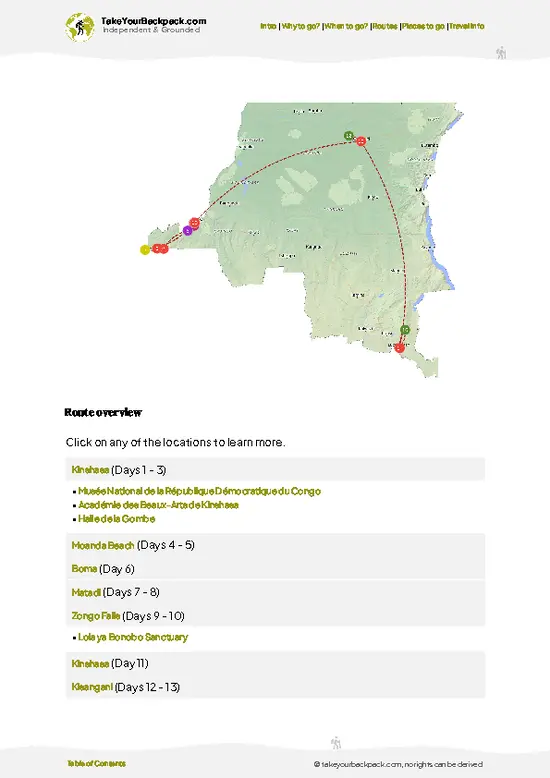
- Cathédrale Saint-Joseph and the mission quarter: The most recognizable landmark in town, with a calm compound and Sunday services full of choir singing. Go on Sunday morning. Entry is free, allow 1 hour.
- Lulua River viewpoints: Fishermen and women washing clothes line the banks, and the light is gentlest early in the day. Free, 1 to 2 hours, best with a local guide.
- Grand Marché de Kananga: The main market sells cassava leaf, dried fish, textiles and phone accessories. Visit before noon, when it is busiest. Browsing is free, plan 1 to 2 hours.
- Kasaï artisan stalls: Look for Kuba-style raffia cloth and carved wooden cups from the region, sold by local craftspeople. Expect to pay US$5 to 40 depending on size. Allow 1 hour.
- Place de l’Indépendance area: A central open space for watching city life
- Cathédrale Saint-Joseph and the mission quarter: The most recognizable landmark in town, with a calm compound and Sunday services full of choir singing. Go on Sunday morning. Entry is free, allow 1 hour.
- Lulua River viewpoints: Fishermen and women washing clothes line the banks, and the light is gentlest early in the day. Free, 1 to 2 hours, best with a local guide.
- Grand Marché de Kananga: The main market sells cassava leaf, dried fish, textiles and phone accessories. Visit before noon, when it is busiest. Browsing is free, plan 1 to 2 hours.
- Kasaï artisan stalls: Look for Kuba-style raffia cloth and carved wooden cups from the region, sold by local craftspeople. Expect to pay US$5 to 40 depending on size. Allow 1 hour.
- Place de l’Indépendance area: A central open space for watching city life in the late afternoon, with street vendors and moto-taxis passing. Free, 30 to 45 minutes.
- Kananga Cathedral choir rehearsal and neighborhood music: Evenings in residential districts often carry rumba and gospel from open courtyards. Free to listen, 1 to 2 hours.
Spotted a mistake or missing something? Contact us.

 Best Backpacking
.jpg) Hi, I’m Johan (Netherlands 🇳🇱), the creator of TakeYourBackpack. Over the past 3 decades, I’ve backpacked through 90+ countries across six continents, gaining extensive experience with independent travel, long-term trips, and overland routes.
Hi, I’m Johan (Netherlands 🇳🇱), the creator of TakeYourBackpack. Over the past 3 decades, I’ve backpacked through 90+ countries across six continents, gaining extensive experience with independent travel, long-term trips, and overland routes.