×

DR Congo🇨🇩 | citiesKisanganiStanley Falls, river port, colonial architecture | things to do and best time to go

Explore KinshasaExplore Lubumbashi

Backpacking in Kisangani
🌟 Highlightcity ranked #5
By Johan Kruseman 🇳🇱 | Updated May 8, 2026

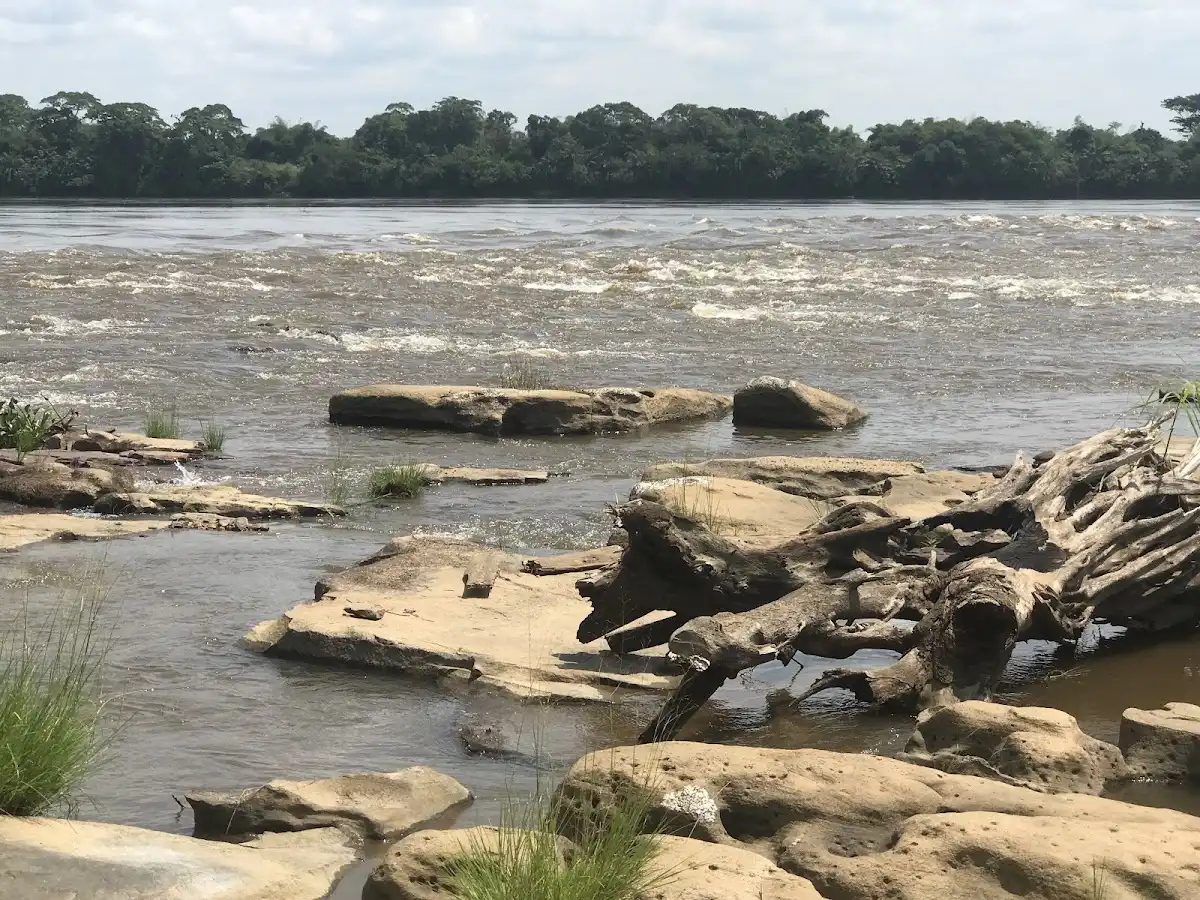
Most travelers expect Kisangani to be a remote, river-locked outpost, but here’s the twist: it’s a city where the Congo River’s pulse is matched by a surprisingly lively street culture and a tangle of colonial history you can actually touch—think crumbling Belgian-era mansions and the old Stanley monument, not just jungle. Kisangani sits in the heart of DR Congo, straddling the river’s last navigable stretch before the rapids, which means it’s both a logistical bottleneck and a crossroads for anyone heading deeper into the country. For backpackers, Kisangani is a paradox: it’s gritty, raw, and not for the faint-hearted, but it rewards curiosity with real encounters—markets buzzing with Lingala, the faded grandeur of Place de la Poste, and the wild, untamed Boyoma Falls. It’s cheaper than Kinshasa, less cosmopolitan than Lubumbashi, and far less touristy than Goma. Meeting other travelers is rare, safety is unpredictable, and comfort is what you make of it. But if you want a city that feels like the DR Congo’s unfiltered core, Kisangani is the real deal.

Discover everything you want to know in the 📖 DR Congo Travel Guide.
Safety warning

The current risk level for DR Congo is high. Check the advice before going.


Get your DR Congo guide
96 ranked highlights, routes & tips, works offline (378 pages)
Loading the map 🌍
CLICK TO FILTER
cities
towns
landmarks
national parks
hikes
beaches
attractions
festivals
regions
SHOW COUNTRY’S BESTSHOW ALL

✨ Why go?
Ranked #5 city in DR Congo
What makes this city worth visiting

Kisangani in the DR Congo is a strategic stop for backpackers seeking a blend of adventure and practicality. The city offers a solid basecamp for day trips into the surrounding wilderness, making it easy to explore the rich biodiversity nearby. Hostels here are affordable and often buzzing with fellow travelers, creating a communal vibe that’s perfect for sharing stories and tips.

Food options range from local street vendors to cozy eateries, giving you a taste of authentic Congolese cuisine without breaking the bank. The walkability of Kisangani allows you to soak in the local atmosphere, whether you’re wandering through markets or enjoying the riverside.

Nightlife is laid-back but lively, with bars that welcome backpackers looking to unwind after a day of exploration. Plus, onward travel … read more 👉
Kisangani in the DR Congo is a strategic stop for backpackers seeking a blend of adventure and practicality. The city offers a solid basecamp for day trips into the surrounding wilderness, making it easy to explore the rich biodiversity nearby. Hostels here are affordable and often buzzing with fellow travelers, creating a communal vibe that’s perfect for sharing stories and tips.

Food options range from local street vendors to cozy eateries, giving you a taste of authentic Congolese cuisine without breaking the bank. The walkability of Kisangani allows you to soak in the local atmosphere, whether you’re wandering through markets or enjoying the riverside.

Nightlife is laid-back but lively, with bars that welcome backpackers looking to unwind after a day of exploration. Plus, onward travel is straightforward, connecting you to other key destinations in the DR Congo. If you’re after a mix of culture, nature, and camaraderie, Kisangani is worth your time.
Want to include Kisangani in your DR Congo route?
Create a personalized DR Congo itinerary that includes Kisangani and the places that fit your trip — based on your travel style, budget, and available time. Get your route in seconds.

Generate my trip

💡 HighlightsKey sights and experiences for travelers

  1. Chutes de la Tshopo (Tshopo Falls) — A short walk from downtown, these falls are the city’s best natural photo-op: a wide cascade, a colonial-era hydroelectric house perched on the rim, and a shaded viewpoint where locals gather. Easy to reach and great for sunset light.
  2. Quai fluvial / Riverfront — The bustling river port on the Congo is the heartbeat of Kisangani: pirogues, cargo barges, street stalls and riverside cafés. Good for people-watching, booking local boat trips, and feeling how the city lives on the river.
  3. Marché Central (Grand Market) — A sensory overload in the best way: fresh fish, spices, woven goods and loud barter. Go with a local or be ready to navigate narrow alleys; it’s the most authentic place to see daily life and pick up inexpensive crafts.
  4. Îles fluviales proches
read more 👉
  1. Chutes de la Tshopo (Tshopo Falls) — A short walk from downtown, these falls are the city’s best natural photo-op: a wide cascade, a colonial-era hydroelectric house perched on the rim, and a shaded viewpoint where locals gather. Easy to reach and great for sunset light.
  2. Quai fluvial / Riverfront — The bustling river port on the Congo is the heartbeat of Kisangani: pirogues, cargo barges, street stalls and riverside cafés. Good for people-watching, booking local boat trips, and feeling how the city lives on the river.
  3. Marché Central (Grand Market) — A sensory overload in the best way: fresh fish, spices, woven goods and loud barter. Go with a local or be ready to navigate narrow alleys; it’s the most authentic place to see daily life and pick up inexpensive crafts.
  4. Îles fluviales proches (small river islands like Mbiye) — Short pirogue rides from the quay lead to inhabited islands with fishing villages, simple beaches and quiet walks. They offer a real contrast to the city and are easy to visit in half a day.
  5. Musée régional / Musée de Kisangani — The small regional museum houses ethnographic pieces, colonial-era objects and local history displays. Not huge, but worth an hour to get context on the people and past of the region.
  6. Forêt de la Tshopo / Urban forest reserve — A pocket of forest and riverside trails inside city limits where you can stretch your legs, birdwatch and escape the traffic for a couple of hours. Bring repellent and water; paths can be muddy after rain.
  7. Université de Kisangani (UNIKIS) campus area — The leafy campus has lively student life, informal bookstores, cafés and occasional cultural events. It’s a good place to meet locals, catch a lecture or watch a student football match.
  8. Maison de la Culture / Live-music spots — Kisangani has a strong musical tradition; checking the cultural center or small bars for live rumba, Soukous or local bands is one of the best evening experiences. Ask locally which night has performances.
  9. Zone architecturale coloniale & Place Stanley — Walkable streets with old Belgian colonial buildings, a few memorials to the Stanleyville era and plazas where history is visible in the facades. Good for an afternoon stroll and photography (be respectful around government buildings).
  10. Stade municipal (Stade Lumumba) and local football matches — If there’s a match, go watch. Local football is passionate and affordable; it’s a fast track to meeting people and feeling the city’s energy.
A few great day trips just outside Kisangani include the famous Boyoma (Stanley) Falls to the east, the Yangambi research station and forest reserve to the north, and the riverside town of Ubundu — all doable from the city for a full-day outing.
Spotted a mistake or missing something? Contact us.
🏘️ NeighborhoodsUnderstanding the local layout

Kisangani, a vibrant hub in DR Congo, offers a mix of experiences that can shape your journey. Here’s how the neighborhoods stack up for backpackers:

Centre Ville: This is the heart of Kisangani. It buzzes with energy, making it perfect for those who thrive on activity. You’ll find affordable accommodations and local eateries. Walkability is decent, but be cautious of traffic. Nightlife is lively, with bars and music venues. Ideal for short stays, as you can soak up the local culture quickly.

Makiso: A quieter area, Makiso is where you can catch your breath. It’s more residential, with fewer tourists. Accommodations are budget-friendly, and the vibe is laid-back. Walkability is good, but public transport is your best bet for longer distances. Perfect for longer stays if you want to immerse … read more 👉
Kisangani, a vibrant hub in DR Congo, offers a mix of experiences that can shape your journey. Here’s how the neighborhoods stack up for backpackers:

Centre Ville: This is the heart of Kisangani. It buzzes with energy, making it perfect for those who thrive on activity. You’ll find affordable accommodations and local eateries. Walkability is decent, but be cautious of traffic. Nightlife is lively, with bars and music venues. Ideal for short stays, as you can soak up the local culture quickly.

Makiso: A quieter area, Makiso is where you can catch your breath. It’s more residential, with fewer tourists. Accommodations are budget-friendly, and the vibe is laid-back. Walkability is good, but public transport is your best bet for longer distances. Perfect for longer stays if you want to immerse yourself in local life.

Isangi: This neighborhood offers a unique blend of nature and community. It’s a bit further from the city center, so expect to spend more time commuting. The cost of living is low, and you’ll find a few hidden spots for food. It’s quieter, making it suitable for those seeking peace. Great for longer stays if you want to explore the surrounding nature.

Each area has its own flavor, so choose based on what you value most!

⌛️ 1 dayA smart one-day plan

Kisangani, the vibrant heart of the DR Congo, pulses with life along the banks of the Congo River. This city, rich in history and culture, offers a unique blend of urban energy and natural beauty. You can explore bustling markets, witness the river’s majesty, and even step off the beaten path to discover local gems.

Start your morning at the lively Avenue de la Révolution, where the aroma of fresh bread and grilled fish fills the air. Grab a breakfast of mandazi (fried dough) from a street vendor, and soak in the local vibe. After fueling up, head to the stunning Tshopo Falls. It’s a short ride from the city center, and the cascading water is a refreshing sight that’s often overlooked by tourists. Spend some time here, taking photos and enjoying the tranquility.

In the afternoon, wander … read more 👉
Kisangani, the vibrant heart of the DR Congo, pulses with life along the banks of the Congo River. This city, rich in history and culture, offers a unique blend of urban energy and natural beauty. You can explore bustling markets, witness the river’s majesty, and even step off the beaten path to discover local gems.

Start your morning at the lively Avenue de la Révolution, where the aroma of fresh bread and grilled fish fills the air. Grab a breakfast of mandazi (fried dough) from a street vendor, and soak in the local vibe. After fueling up, head to the stunning Tshopo Falls. It’s a short ride from the city center, and the cascading water is a refreshing sight that’s often overlooked by tourists. Spend some time here, taking photos and enjoying the tranquility.

In the afternoon, wander through the bustling markets of Kisangani, particularly the Marché Central. Here, you’ll find everything from colorful textiles to handcrafted goods. Engage with local vendors; they often have fascinating stories to share. For lunch, try a local dish like saka-saka (cassava leaves) at a nearby eatery.

As evening approaches, make your way to the Congo River waterfront. The sunset here is a spectacle, painting the sky in hues of orange and pink. Grab a drink at one of the riverside bars, where you can relax and reflect on your day. If you’re feeling adventurous, seek out a local music venue to experience the vibrant rhythms of Congolese music. This day in Kisangani, balancing iconic sights with local experiences, will leave you with memories that linger long after you’ve left.
Turn your Kisangani visit into an DR Congo adventure
Build a complete DR Congo route with Kisangani, hidden gems, must-see destinations, and realistic travel times included.

Generate my trip

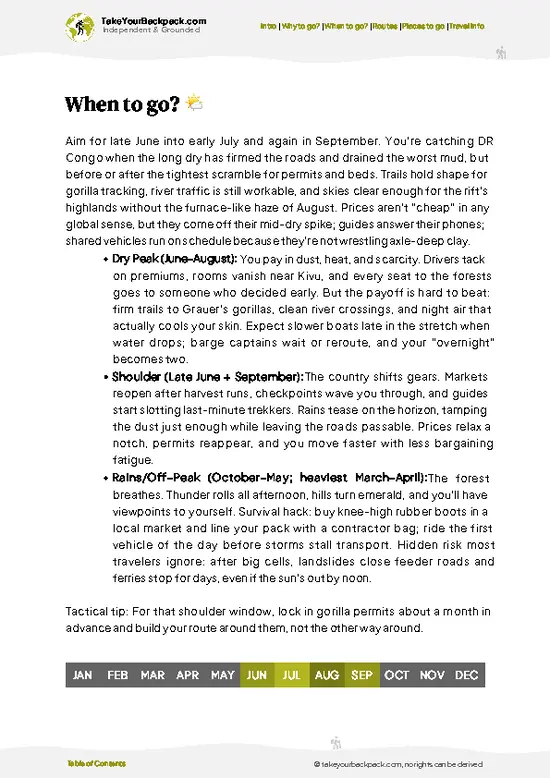
🌤️ When to go?Weather, crowds, and seasonal trade-offs


  • Topic: Weather – Kisangani’s climate is tropical, with a wet season from October to May and a dry season from June to September. The dry months offer less humidity and fewer downpours, making trekking and exploring more comfortable.

  • Topic: Temperature – Temperatures hover between 24°C and 30°C (75°F to 86°F) year-round. The dry season tends to feel slightly cooler, especially in the evenings, which can be a relief after hot days.

  • Topic: Daylight Hours – Near the equator, Kisangani enjoys roughly 12 hours of daylight year-round. This consistency means you won’t have to juggle short days or long nights when planning your hikes or city strolls.

  • Topic: Crowds – Tourist traffic is minimal throughout the year, but the dry season sees a slight uptick as travelers avoid the heavy rains. You’ll
read more 👉

  • Topic: Weather – Kisangani’s climate is tropical, with a wet season from October to May and a dry season from June to September. The dry months offer less humidity and fewer downpours, making trekking and exploring more comfortable.

  • Topic: Temperature – Temperatures hover between 24°C and 30°C (75°F to 86°F) year-round. The dry season tends to feel slightly cooler, especially in the evenings, which can be a relief after hot days.

  • Topic: Daylight Hours – Near the equator, Kisangani enjoys roughly 12 hours of daylight year-round. This consistency means you won’t have to juggle short days or long nights when planning your hikes or city strolls.

  • Topic: Crowds – Tourist traffic is minimal throughout the year, but the dry season sees a slight uptick as travelers avoid the heavy rains. You’ll rarely feel overwhelmed, but expect a bit more company from June to September.

  • Topic: Seasonal Activities – Wildlife spotting and river excursions are best during the dry months when animals gather near water sources and river levels are manageable. The wet season can make some trails impassable and river travel riskier.

  • Topic: Price Fluctuations – Prices for accommodation and tours dip during the wet season due to lower demand. If you’re willing to brave some rain, you can score better deals, but expect trade-offs in comfort and accessibility.


Pro-tip: Aim for the dry season (June to September) to maximize comfort and activity options, but if budget is king, the wet season offers a savvy bargain with fewer crowds.


source: climatestotravel.comJANJanuary: fair for travelingFEBFebruary: fair for travelingMARMarch: fair for travelingAPRApril: fair for travelingMAYMay: fair for travelingJUNJune: excellent for travelingJULJuly: excellent for travelingAUGAugust: excellent for travelingSEPSeptember: excellent for travelingOCTOctober: good for travelingNOVNovember: good for travelingDECDecember: good for traveling
democratic-republic-of-the-congo-city-kisangani v1
© Google |

✈️ The backpacker research shortcutDR Congo Travel Guide

An offline-friendly backpacking guide with optimized travel routes, ranked highlights, transport advice, and the best areas to stay.
example page 0 from our offline Travel Guide for Democratic Republic of the Congoexample page 1 from our offline Travel Guide for Democratic Republic of the Congoexample page 2 from our offline Travel Guide for Democratic Republic of the Congoexample page 3 from our offline Travel Guide for Democratic Republic of the Congoexample page 4 from our offline Travel Guide for Democratic Republic of the Congoexample page 5 from our offline Travel Guide for Democratic Republic of the Congoexample page 6 from our offline Travel Guide for Democratic Republic of the Congoexample page 7 from our offline Travel Guide for Democratic Republic of the Congo
The digital guide (378 pages) contains:
96 highlights, ranked by travel appeal
Optimized 7, 14 & 21-day travel routes
Cities, national parks, landmarks, beaches
How to get around
Offline-friendly for travel without Wi-Fi
👉 Click to see all 30+ guide features

📅 Plan smarter in minutes, not weeks
Month by month travel advice
Festivals & national holidays
Budget expectations

🗺️ Go to the right places, skip the overrated ones
Honest pros & cons of destinations
Top hikes, parks & viewpoints
Lesser-known places most travelers miss
Clear “worth it vs skip it” guidance

🛏️ Travel smoothly without rookie mistakes
Best areas to stay
Transport systems explained simply
Common scams & safety advice
SIM cards, money & practical tips

🌍 Understand the country, not just visit it
Culture & traditions
52 Essential phrases & customs
Festivals worth planning around
Traveler-friendly historical context
Insights that make places more meaningful

📱 Built for real travel conditions
Fully downloadable PDF
Works completely offline
Optimized for phone use
Useful in remote areas & buses
Everything in one place
Save weeks of stressful planning
Get instant access to your full guide. 30‑day money-back guarantee.


By proceeding you agree to our terms.
Sent to your inbox immediately after payment • 100% Secure Checkout
Best Backpacking Travel Advisor 2025 tourism awardBest Backpacking
Travel Advisor
2025
What others say about Take Your Backpack Guides:
⭐⭐⭐⭐⭐
Fantastic, amazing amount of information!
⭐⭐⭐⭐⭐
My goodness this is amazing, it's what I've been looking for hats off too you!
⭐⭐⭐⭐⭐
I think this is absolutely BRILLIANT
⭐⭐⭐⭐
Very complete and informative. It's still missing places, but I gotta to commend you
⭐⭐⭐⭐⭐
This is truly amazing, thank you, can't wait to explore it with my kids!
⭐⭐⭐⭐⭐
Awesome resource, thank you!
⭐⭐⭐⭐⭐
This is amazing! Can't wait to explore the ones I haven't seen
⭐⭐⭐⭐
I love this! Well done, great idea.
⭐⭐⭐⭐⭐
Thanks for taking the time to make this gem!
⭐⭐⭐⭐⭐
This might be the best website I've ever seen.
⭐⭐⭐⭐⭐
Congratulations, and thank you so much for your work; it's incredibly valuable.
⭐⭐⭐⭐
In all seriousness I think you did a great job pointing out the important spots
⭐⭐⭐⭐⭐
10/10 very good
⭐⭐⭐⭐⭐
As someone who's only just starting to visit regularly this is awesome, thank you.
⭐⭐⭐⭐
Thank you very much! I'm going to visit my dad, it's going to be very useful!
⭐⭐⭐⭐⭐
This is really cool! We'll be travelling for the first time and this definitely come in handy.
⭐⭐⭐⭐⭐
You are now our minister of culture, congratulations 👨‍💼
⭐⭐⭐⭐⭐
Just wanted to tell you that this is a pearl! Going to follow your recommendations.
⭐⭐⭐⭐⭐
This is so cool. I'll definitely be using the resource for my travels soon.
⭐⭐⭐⭐⭐
This is very impressive! Good work.
⭐⭐⭐⭐⭐
This is an amazing and informative site. Very well done!

🛏️ Where to stay?Best areas and accommodation options

In Kisangani, the trade-off between safety, social buzz, and budget options funnels most backpackers toward the city center and the adjacent Mangobo district. These areas strike a rare balance in DR Congo’s urban landscape: they’re lively enough to meet fellow travelers and locals, yet not so chaotic that you’re constantly on edge. The city center is the logistical hub—markets, eateries, and transport converge here, making it a natural base for anyone who wants to maximize time without overspending on taxis or risking sketchy neighborhoods. Hostels and budget guesthouses cluster here, offering … read more 👉
In Kisangani, the trade-off between safety, social buzz, and budget options funnels most backpackers toward the city center and the adjacent Mangobo district. These areas strike a rare balance in DR Congo’s urban landscape: they’re lively enough to meet fellow travelers and locals, yet not so chaotic that you’re constantly on edge. The city center is the logistical hub—markets, eateries, and transport converge here, making it a natural base for anyone who wants to maximize time without overspending on taxis or risking sketchy neighborhoods. Hostels and budget guesthouses cluster here, offering simple but reliable accommodations that cater to solo travelers looking to connect or recharge.

Mangobo, just a short walk from the center, leans a bit quieter but still social, with a more residential feel. It’s a smart choice if you want to escape the city’s noise without sacrificing access to its pulse. Compared to the outskirts or industrial zones, these neighborhoods minimize the discomfort of long commutes and the uncertainty of less-policed streets. The trade-off is clear: you sacrifice luxury and polished tourist infrastructure for authentic interaction and practical convenience. In Kisangani, that’s the winning formula for backpackers who want to travel smart, safe, and social.

🚌 Getting aroundHow to get from A to B

Kisangani moves at its own rhythm—partly dictated by the unpredictable pulse of the Congo River and partly by the improvisational dance of its streets. This isn’t a city where you’ll find neat timetables or punctual buses rolling out like clockwork. Instead, it’s a place where intuition, local knowledge, and a bit of patience become your best travel tools. The flow here is a blend of hustle and wait, where comfort often takes a backseat to getting somewhere on time or on budget. Understanding this trade-off is your key to mastering Kisangani’s transit game.


  • Walking: The ultimate budget option and the best way to soak in the city’s chaotic charm. It’s free, flexible, and often faster than waiting for a ride in congested areas. Just be ready for uneven sidewalks and the occasional street
read more 👉
Kisangani moves at its own rhythm—partly dictated by the unpredictable pulse of the Congo River and partly by the improvisational dance of its streets. This isn’t a city where you’ll find neat timetables or punctual buses rolling out like clockwork. Instead, it’s a place where intuition, local knowledge, and a bit of patience become your best travel tools. The flow here is a blend of hustle and wait, where comfort often takes a backseat to getting somewhere on time or on budget. Understanding this trade-off is your key to mastering Kisangani’s transit game.


  • Walking: The ultimate budget option and the best way to soak in the city’s chaotic charm. It’s free, flexible, and often faster than waiting for a ride in congested areas. Just be ready for uneven sidewalks and the occasional street vendor crowd.


  • Shared Taxis (Taxi-Brousse): These minibuses or vans are the backbone of local transit. They run from early morning until late evening, roughly 6 AM to 8 PM. Prices are low—think a few dollars for short hops—but expect cramped seats and no fixed schedule. They leave when full, so timing is a gamble, but the speed beats walking for longer distances.


  • Motorcycle Taxis (Motos): Fast and nimble, motos slice through traffic jams with ease. They operate from dawn till dusk, charging slightly more than shared taxis but shaving off significant travel time. Comfort is minimal—helmet optional, dust guaranteed—but if you’re in a hurry and traveling solo, they’re a smart choice.


  • River Ferries: For crossing the Congo River or reaching nearby villages, ferries are essential. They run irregularly, often dependent on weather and demand, with fares varying widely. The ride is slow but scenic, offering a break from the city’s chaos. Comfort ranges from basic wooden benches to standing room only.


  • Private Car Hire: The luxury option for those who want control over timing and routes. It’s expensive by local standards and usually reserved for groups or business travelers. Comfort is high, but the cost and availability make it a poor fit for budget backpackers.


Mastering Kisangani’s transit means balancing your priorities: save money by walking or hopping on a shared taxi, gain speed with a moto, or invest in comfort with a private car. The city’s flow rewards those who read its signals and accept that sometimes, the journey’s unpredictability is part of the experience.

👛 Costs (as of 7 June 2026)Travel costs and budget guide for Kisangani

Backpacking in Kisangani, DR Congo, demands a clear-eyed view of what your money buys day-to-day. Here’s the breakdown to help you strategize your spending like a pro:
  • Dorm Accommodation (High Season): Expect to pay around €10-€15 per night. High season drives prices up due to demand, but options remain basic, often with shared bathrooms and limited amenities.
  • Dorm Accommodation (Off-Season): Prices drop to about €6-€10 per night. Fewer travelers mean better bargaining power, but some places might close or reduce services.
  • Meals: Street food and local eateries offer meals for roughly €2-€5 each. You’ll find hearty, filling dishes like grilled fish or cassava-based meals. Western-style restaurants are rare and pricier.
  • Local Transport: Short rides on shared taxis or minibuses cost about
read more 👉
Backpacking in Kisangani, DR Congo, demands a clear-eyed view of what your money buys day-to-day. Here’s the breakdown to help you strategize your spending like a pro:
  • Dorm Accommodation (High Season): Expect to pay around €10-€15 per night. High season drives prices up due to demand, but options remain basic, often with shared bathrooms and limited amenities.
  • Dorm Accommodation (Off-Season): Prices drop to about €6-€10 per night. Fewer travelers mean better bargaining power, but some places might close or reduce services.
  • Meals: Street food and local eateries offer meals for roughly €2-€5 each. You’ll find hearty, filling dishes like grilled fish or cassava-based meals. Western-style restaurants are rare and pricier.
  • Local Transport: Short rides on shared taxis or minibuses cost about €0.30-€0.50. It’s cheap but expect crowded conditions and irregular schedules.
  • City Transport Pass: No formal city transport pass exists. Budget daily transport costs around €1-€2 if you’re moving around frequently.
  • Basic Activities/Entry Fees: Entry to local attractions or museums typically runs €1-€3. Organized tours or special activities can push this higher, but independent exploration keeps costs low.
  • Miscellaneous Expenses: Budget €1-€3 for essentials like bottled water, snacks, or minor supplies. Internet cafes and SIM cards are affordable but can add up if you’re online a lot.

In total, a savvy backpacker in Kisangani can expect to spend between €20 and €35 per day, depending on season and lifestyle choices. This range balances comfort and economy, letting you decide where to tighten or loosen the purse strings without losing the essence of the experience.


source: congotourisme.org
⚠️ Prices can change and everyone travels differently, so take this as a rough guide. Hope it helps you plan your adventure!

🚌 Day tripsExploring the surroundings

Kisangani is a fantastic launchpad for day trips that immerse you in the heart of DR Congo’s natural beauty and culture. Here are some standout options that will make your adventure truly memorable.

Bona River Cruise
A serene day on the Bona River is a must. You’ll glide past lush banks and local fishing villages, soaking in the rhythms of life along the water. The trip takes about an hour to reach the launch point, and you can expect to spend around $15 for the boat rental and snacks. The best time to go is during the dry season, when the water levels are manageable. A common mistake is underestimating the sun; pack sunscreen and a hat to avoid a sunburn.


Tshopo Falls
Just a short drive from Kisangani, Tshopo Falls is a stunning sight. The cascading water creates a natural amphitheater, … read more 👉
Kisangani is a fantastic launchpad for day trips that immerse you in the heart of DR Congo’s natural beauty and culture. Here are some standout options that will make your adventure truly memorable.

Bona River Cruise
A serene day on the Bona River is a must. You’ll glide past lush banks and local fishing villages, soaking in the rhythms of life along the water. The trip takes about an hour to reach the launch point, and you can expect to spend around $15 for the boat rental and snacks. The best time to go is during the dry season, when the water levels are manageable. A common mistake is underestimating the sun; pack sunscreen and a hat to avoid a sunburn.


Tshopo Falls
Just a short drive from Kisangani, Tshopo Falls is a stunning sight. The cascading water creates a natural amphitheater, perfect for a picnic or a refreshing dip. It takes about 45 minutes to get there, and you’ll spend roughly $10 on transport and entry fees. Visit in the early morning for the best light and fewer crowds. First-timers often forget to bring water; stay hydrated while you explore!


Lola Ya Bonobo Sanctuary
This sanctuary is a unique opportunity to see bonobos up close and learn about their conservation. It’s about a 90-minute trip from Kisangani, costing around $20 for transport and entry. The best time to visit is during feeding hours, which are typically in the late morning. Many overlook the importance of timing; plan your visit accordingly to maximize your experience.


Kisangani Market
Dive into local culture with a trip to the bustling Kisangani Market. It’s a short walk from the city center, and you can explore for free—just budget for any snacks or souvenirs. The market is most vibrant in the morning, so aim to go early. A common mistake is not bargaining; haggling is part of the experience, so don’t shy away from it!
Want to know what more DR Congo offers?
The DR Congo Travel Guide describes 96 highlights, from cities to national parks, from beaches to hikes

Get the Travel Guide -

🍲 FoodEating & Drinking in Kisangani

In Kisangani, the food scene is a vibrant tapestry of local flavors that beckons you to dive in. Start with moambe, a rich chicken stew simmered in palm oil and served with rice or plantains. The scent of this dish wafts through the streets, drawing you to bustling markets where vendors proudly display their wares.

Street food is a must-try here. Grab a skewer of brochettes, marinated meat grilled to perfection, or sample fufu, a starchy staple that pairs well with almost anything. The energy at these stalls is infectious, with locals chatting and laughing, creating a warm, inviting atmosphere.

When it comes to drinks, don’t miss out on malta, a non-alcoholic malt beverage that’s refreshing after a long day of exploring. If you’re feeling adventurous, try the local palm wine—it’s often … read more 👉
In Kisangani, the food scene is a vibrant tapestry of local flavors that beckons you to dive in. Start with moambe, a rich chicken stew simmered in palm oil and served with rice or plantains. The scent of this dish wafts through the streets, drawing you to bustling markets where vendors proudly display their wares.

Street food is a must-try here. Grab a skewer of brochettes, marinated meat grilled to perfection, or sample fufu, a starchy staple that pairs well with almost anything. The energy at these stalls is infectious, with locals chatting and laughing, creating a warm, inviting atmosphere.

When it comes to drinks, don’t miss out on malta, a non-alcoholic malt beverage that’s refreshing after a long day of exploring. If you’re feeling adventurous, try the local palm wine—it’s often served in communal settings, encouraging a sense of camaraderie among drinkers.

Etiquette is simple: share your food and drinks, and you’ll find yourself welcomed into the heart of Kisangani’s culinary culture.

🛡️ SafetySafety Tips and Common Scams in Kisangani

Kisangani is generally safe for travelers, but a few smart practices can enhance your experience. Stay aware in crowded markets, especially around the central area, where pickpockets might lurk. If you’re solo, avoid wandering too far after dark; stick to well-lit streets and populated areas.

Common scams are rare, but be cautious when dealing with unofficial taxi drivers. Always agree on a fare beforehand to avoid surprises. Everyday annoyances include occasional power outages, so keep a portable charger handy.

Carry yourself confidently, engage with locals, and trust your instincts. This approach not only keeps you safe but also opens doors to genuine interactions. Embrace the rhythm of Kisangani, and you’ll find it welcoming.

Other Congolese cities near Kisangani

Explore more nearby:

  • Bumba—Congo River port, river barges, market town| 356 km away
  • Isiro—Coffee plantations, remote airstrip, forested hills| 367 km away
  • Kindu—Maniema River port, remote access, timber transport| 394 km away

💡 Not sure where to go next?
Create a personalized itinerary for DR Congo including Kisangani and the places that fit your trip.

Generate my itinerary

👉 Discover all cities

Or checkout all DR Congo has to offer (think cities, towns, villages, national parks, hikes, beaches, festivals)
Country photo of DR Congo

We 💚 feedbackParting advice and final tips

Kisangani is a pulse of energy and warmth, where the Congo River dances through the city. The best surprise? The local markets, bursting with life and flavors that’ll make your taste buds sing. Just a heads-up: the humidity can be relentless, so stay hydrated and pace yourself. Embrace the chaos; it’s part of the charm. You’ll leave with stories that linger long after you’ve returned home.

✍️ Help improve this page!
The information on this page is based on in-depth research, insights shared by experienced travelers, and feedback from the local travel community in DR Congo. While every effort is made to keep the information accurate and current, conditions can change — so if you spot anything incorrect or outdated, please get in touch.


🙋‍♂️ Give feedback

👋 Meet the founderWho’s Behind Take Your Backpack?

Johan, backpacker and founder of TakeYourBackpackHi, I’m Johan (Netherlands 🇳🇱), the creator of TakeYourBackpack. Over the past decade, I’ve backpacked through 80+ countries across six continents, gaining extensive experience with independent travel, long-term trips, and overland routes.

This site is built on a combination of firsthand travel experience and carefully curated insights from other backpackers. Many guides are based on places I’ve personally visited, while others bring together tips, observations, and practical advice shared by trusted travelers I’ve met along the way.

The goal is to provide realistic, experience-driven guidance — not generic itineraries — so you can explore destinations with better context, clearer expectations, and more confidence.

Get full DR Congo guide •
Instant download • 96 highlights • Full Offline guide