v2.webp)
- Yangambi Arboretum & Research Station — a living laboratory planted during the colonial era; neat trails, labelled trees and old experimental plots make it the easiest place to learn about Congo Basin tree species and tropical forestry methods.
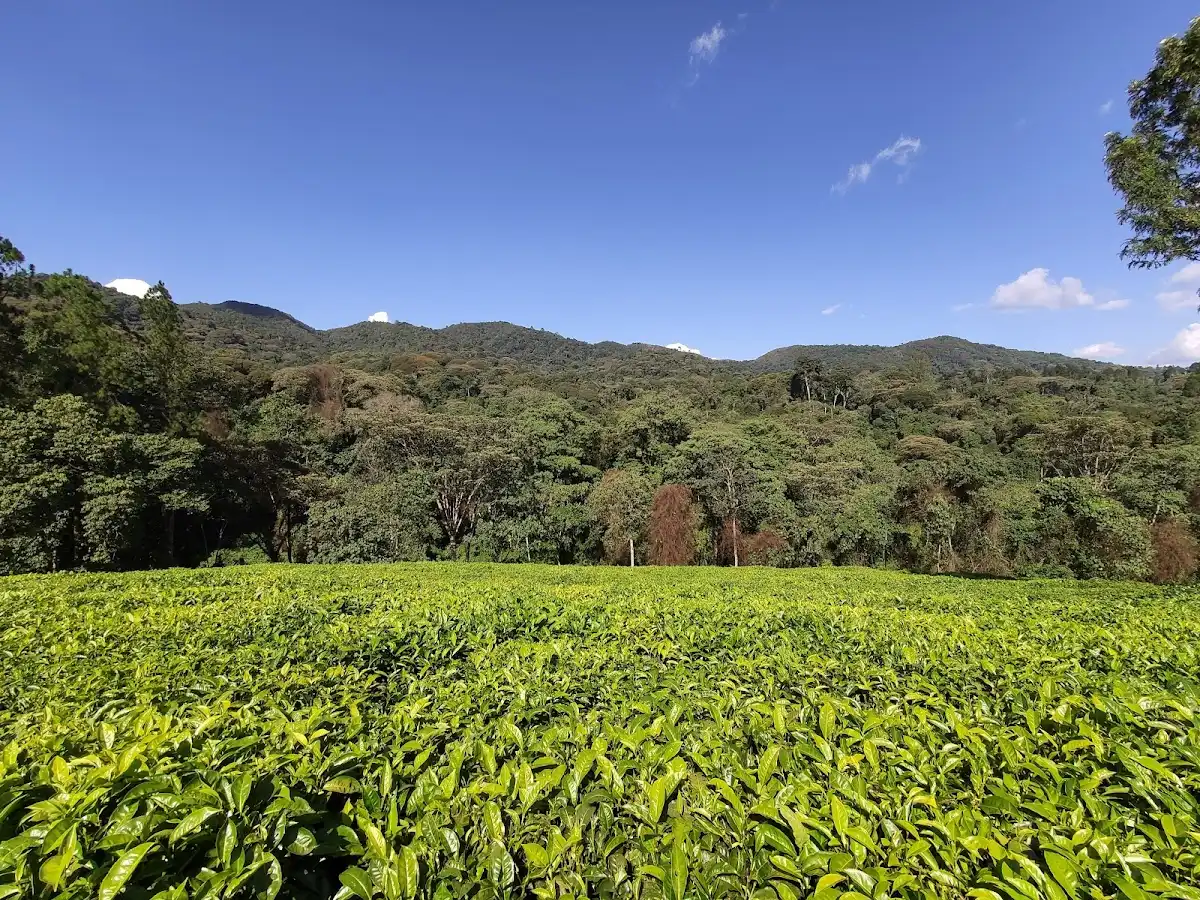
- Old-growth primary forest and giant emergent trees — the reserve still holds patches of tall, buttressed trees and dense canopy you won’t see along roadside secondary growth — excellent for photographers and anyone who appreciates proper, ancient forest vibes.
- Permanent sample plots & research trails — scientifically monitored plots that researchers have been revisiting for decades; walking these trails gives a rare, up-close look at long-term forest dynamics and human impacts on the landscape.
- Outstanding birding — a hotspot for forest specialists
- Yangambi Arboretum & Research Station — a living laboratory planted during the colonial era; neat trails, labelled trees and old experimental plots make it the easiest place to learn about Congo Basin tree species and tropical forestry methods.
- Old-growth primary forest and giant emergent trees — the reserve still holds patches of tall, buttressed trees and dense canopy you won’t see along roadside secondary growth — excellent for photographers and anyone who appreciates proper, ancient forest vibes.
- Permanent sample plots & research trails — scientifically monitored plots that researchers have been revisiting for decades; walking these trails gives a rare, up-close look at long-term forest dynamics and human impacts on the landscape.
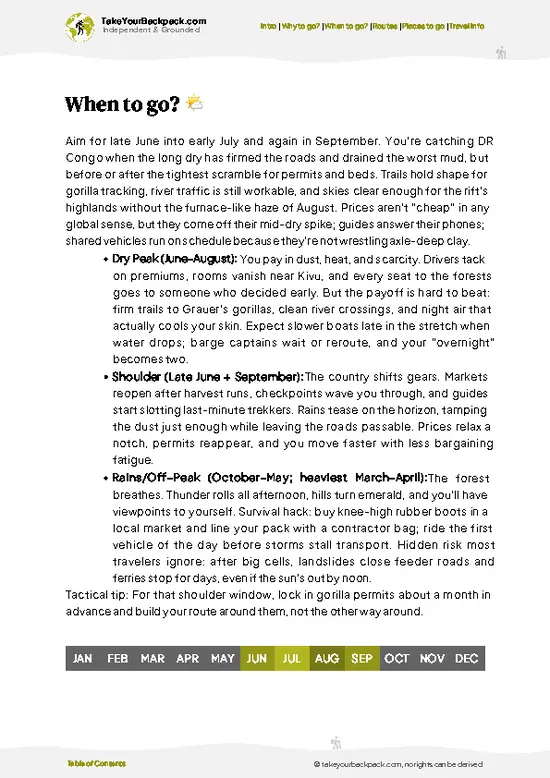
- Outstanding birding — a hotspot for forest specialists and seasonal migrants: expect turacos, hornbills, colourful sunbirds and a loud dawn chorus. Bring binoculars and a local guide who knows the calls.
- Primate sightings and mammal signs — troops of monkeys are common in the canopy, and you’ll often find fresh tracks, nests or calls from other mammals; chimpanzee signs have been recorded in the region, so keep ears and eyes sharp.
- Rivers, swamps and boat trips — the reserve’s waterways and swamp fringes offer a different scene: waterbirds, papyrus beds, and quiet canoe rides to hideouts and fishing villages — great for a slow, reflective half-day trip.
- Night walks for frogs, insects and nocturnal life — after dark the forest changes: frogs chorusing, giant insects, night birds and the occasional civet. A short guided night walk is one of the most rewarding ways to appreciate the reserve’s biodiversity.
Spotted a mistake or missing something? Contact us.
 Best Backpacking
.jpg) Hi, I’m Johan (Netherlands 🇳🇱), the creator of TakeYourBackpack. Over the past decade, I’ve backpacked through 80+ countries across six continents, gaining extensive experience with independent travel, long-term trips, and overland routes.
Hi, I’m Johan (Netherlands 🇳🇱), the creator of TakeYourBackpack. Over the past decade, I’ve backpacked through 80+ countries across six continents, gaining extensive experience with independent travel, long-term trips, and overland routes.