v2.webp)
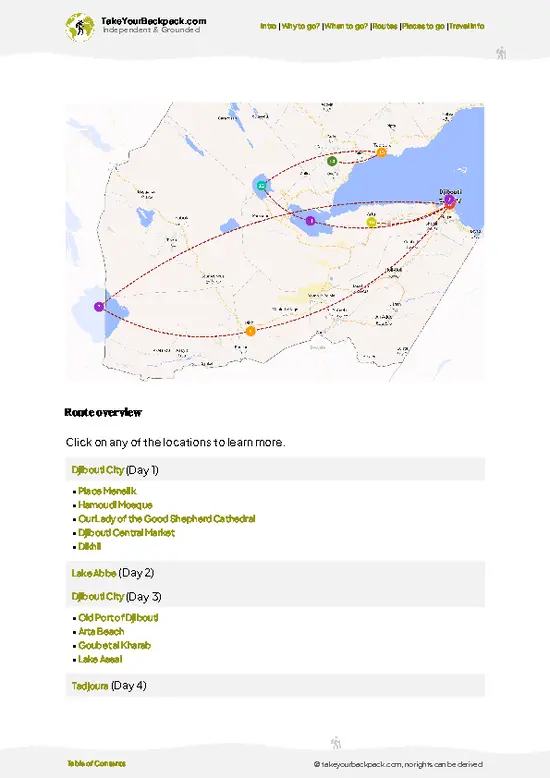
- Balho village lanes: A slow walk through the Afar settlement shows how homes, animal pens and shaded gathering spots are arranged around the dry landscape. Go in the cooler hours and greet people first; photographing anyone requires asking. Free, and 1 to 2 hours is plenty.
- The dry wadis around Balho: Sandy watercourses lead out through acacia scrub toward the ridgelines, with birdlife and views over rocky hills. The ground is easiest underfoot after a cool night and before midday heat. Free on your own, though a local guide helps with route finding, and the walk takes 2 to 3 hours.
- Tea and an evening with local hosts: Sitting with a family over tea as the herds return is the village’s best experience, and conversation often replaces any formal program. Accept what is offered and leave a small
- Balho village lanes: A slow walk through the Afar settlement shows how homes, animal pens and shaded gathering spots are arranged around the dry landscape. Go in the cooler hours and greet people first; photographing anyone requires asking. Free, and 1 to 2 hours is plenty.
- The dry wadis around Balho: Sandy watercourses lead out through acacia scrub toward the ridgelines, with birdlife and views over rocky hills. The ground is easiest underfoot after a cool night and before midday heat. Free on your own, though a local guide helps with route finding, and the walk takes 2 to 3 hours.
- Tea and an evening with local hosts: Sitting with a family over tea as the herds return is the village’s best experience, and conversation often replaces any formal program. Accept what is offered and leave a small gift or contribution, roughly US$3 to 10 depending on what you shared. Allow 1 to 2 hours around dusk.
Spotted a mistake or missing something? Contact us.


 Best Backpacking
.jpg) Hi, I’m Johan (Netherlands 🇳🇱), the creator of TakeYourBackpack. Over the past 3 decades, I’ve backpacked through 90+ countries across six continents, gaining extensive experience with independent travel, long-term trips, and overland routes.
Hi, I’m Johan (Netherlands 🇳🇱), the creator of TakeYourBackpack. Over the past 3 decades, I’ve backpacked through 90+ countries across six continents, gaining extensive experience with independent travel, long-term trips, and overland routes.