v2.webp)
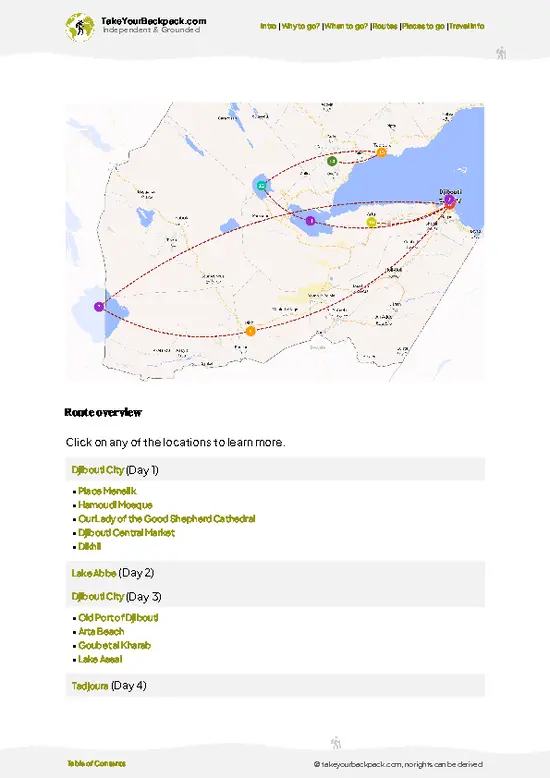
- Musée d’Obock: A small museum on the colonial story of the town and the Afar and Issa peoples who lived here before the French arrived. Go in the morning, when it is cooler and staff are around. Expect a small entry fee, roughly US$1 to 3, and about 45 minutes.
- Old colonial quarter: Weathered stone buildings and ruined administrative remains from the years when Obock was the capital of French Somaliland. The walls are most photogenic when the sun is low. Free, and about an hour of wandering.
- French colonial cemetery: Weathered graves of soldiers, officials and sailors who died at this remote post. It is quiet, a little melancholic, and says more about daily life here than any plaque. Free, 20 to 30 minutes, best at the start of the day.
- Seafront and fishing landing: Boats come in with the catch
- Musée d’Obock: A small museum on the colonial story of the town and the Afar and Issa peoples who lived here before the French arrived. Go in the morning, when it is cooler and staff are around. Expect a small entry fee, roughly US$1 to 3, and about 45 minutes.
- Old colonial quarter: Weathered stone buildings and ruined administrative remains from the years when Obock was the capital of French Somaliland. The walls are most photogenic when the sun is low. Free, and about an hour of wandering.
- French colonial cemetery: Weathered graves of soldiers, officials and sailors who died at this remote post. It is quiet, a little melancholic, and says more about daily life here than any plaque. Free, 20 to 30 minutes, best at the start of the day.
- Seafront and fishing landing: Boats come in with the catch and men sort fish on the sand. Arrive in the morning to see it busiest. Free, 30 to 60 minutes. Ask before photographing people.
- Obock market and town streets: A small market of produce, dry goods and tea stalls, with the Afar and Somali traders who keep the town running. Go before the midday heat. Free, about 45 minutes, plus tea if you stop.
Spotted a mistake or missing something? Contact us.


 Best Backpacking
.jpg) Hi, I’m Johan (Netherlands 🇳🇱), the creator of TakeYourBackpack. Over the past 3 decades, I’ve backpacked through 90+ countries across six continents, gaining extensive experience with independent travel, long-term trips, and overland routes.
Hi, I’m Johan (Netherlands 🇳🇱), the creator of TakeYourBackpack. Over the past 3 decades, I’ve backpacked through 90+ countries across six continents, gaining extensive experience with independent travel, long-term trips, and overland routes.